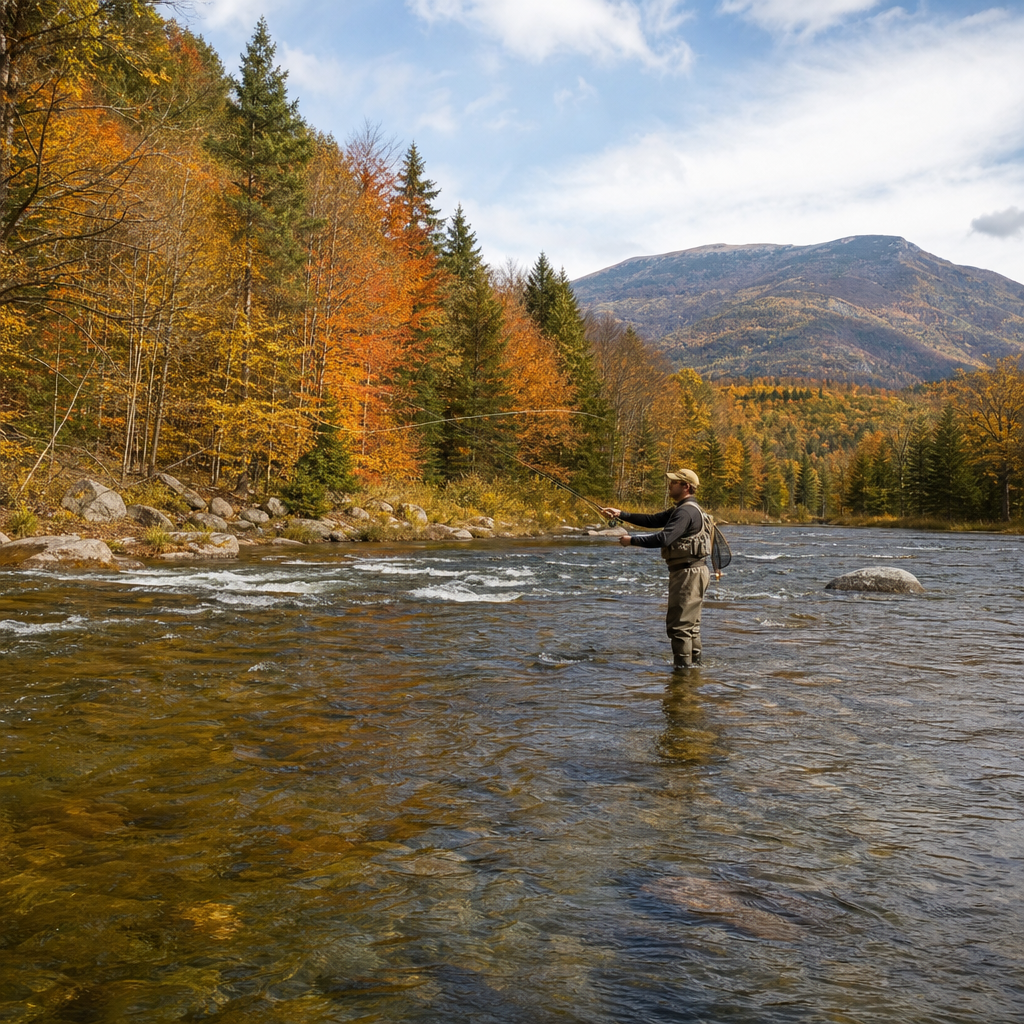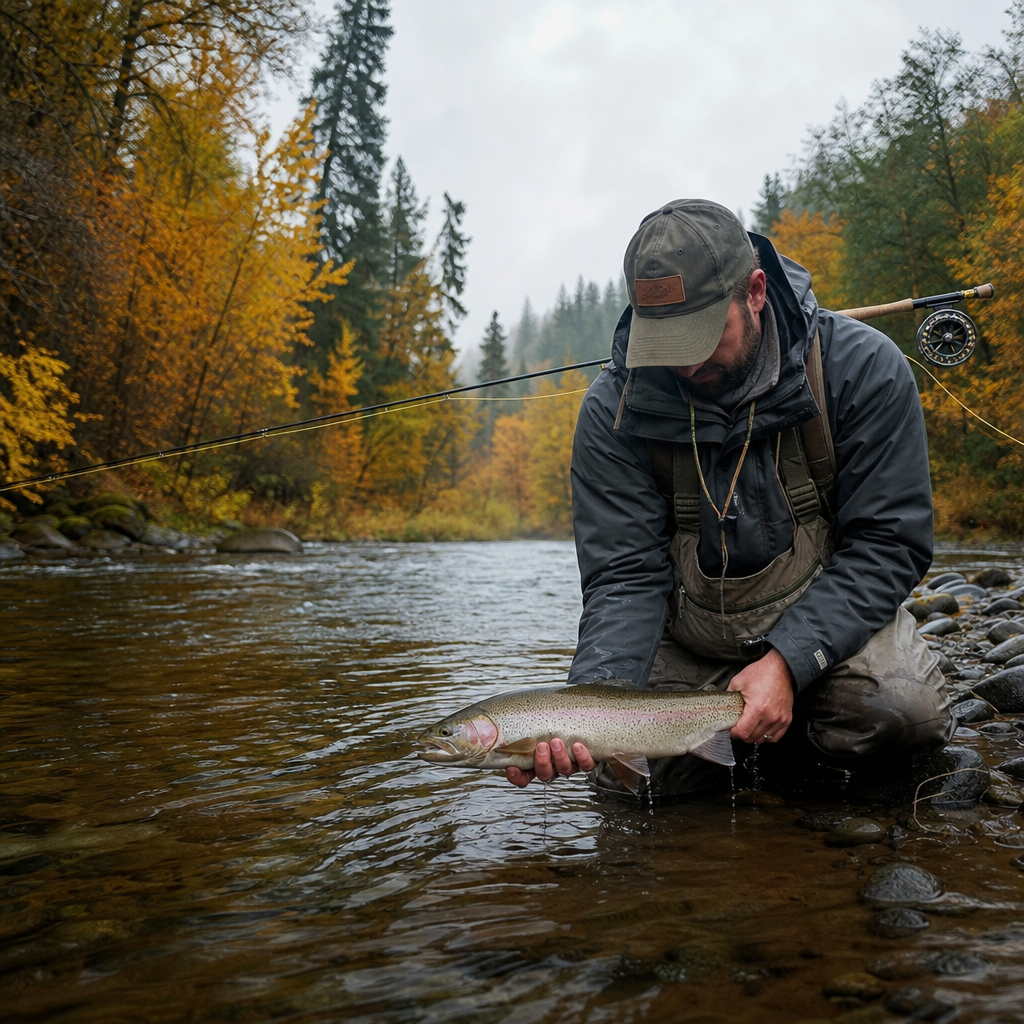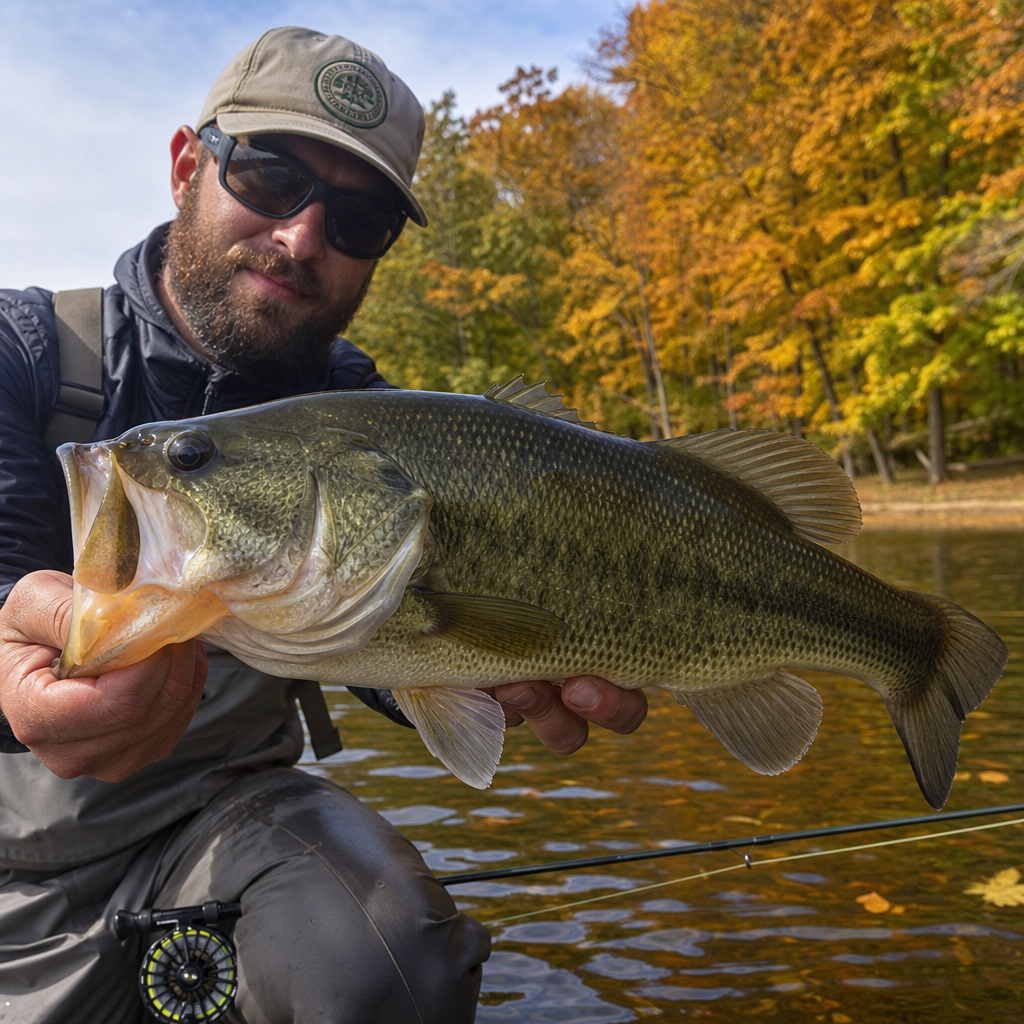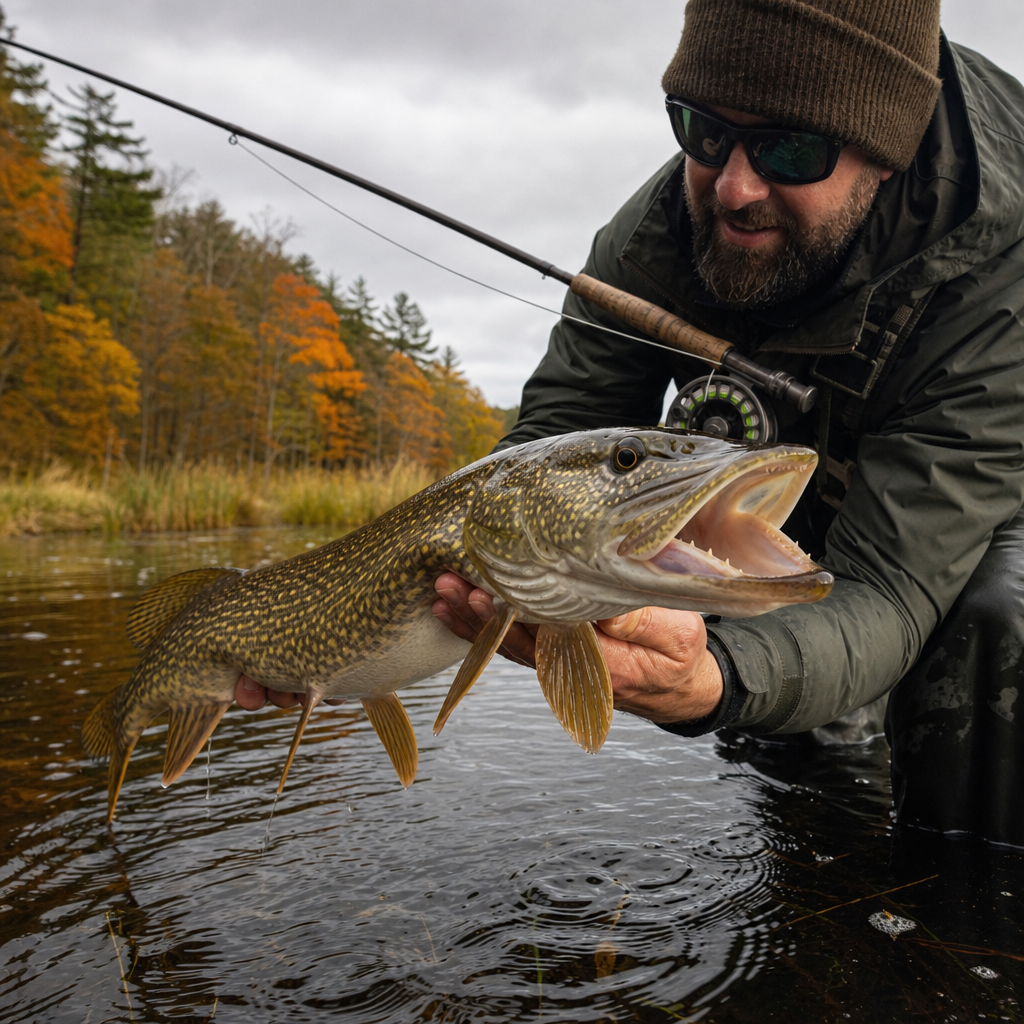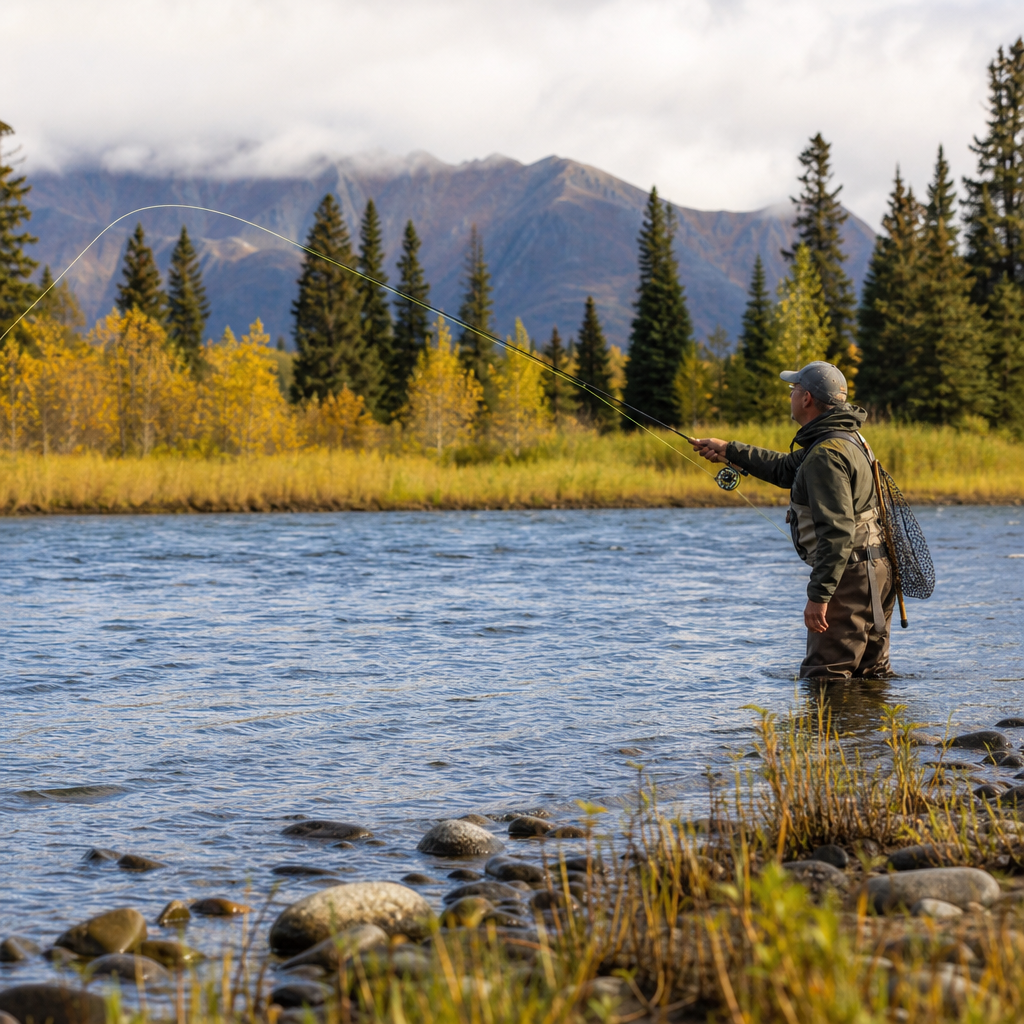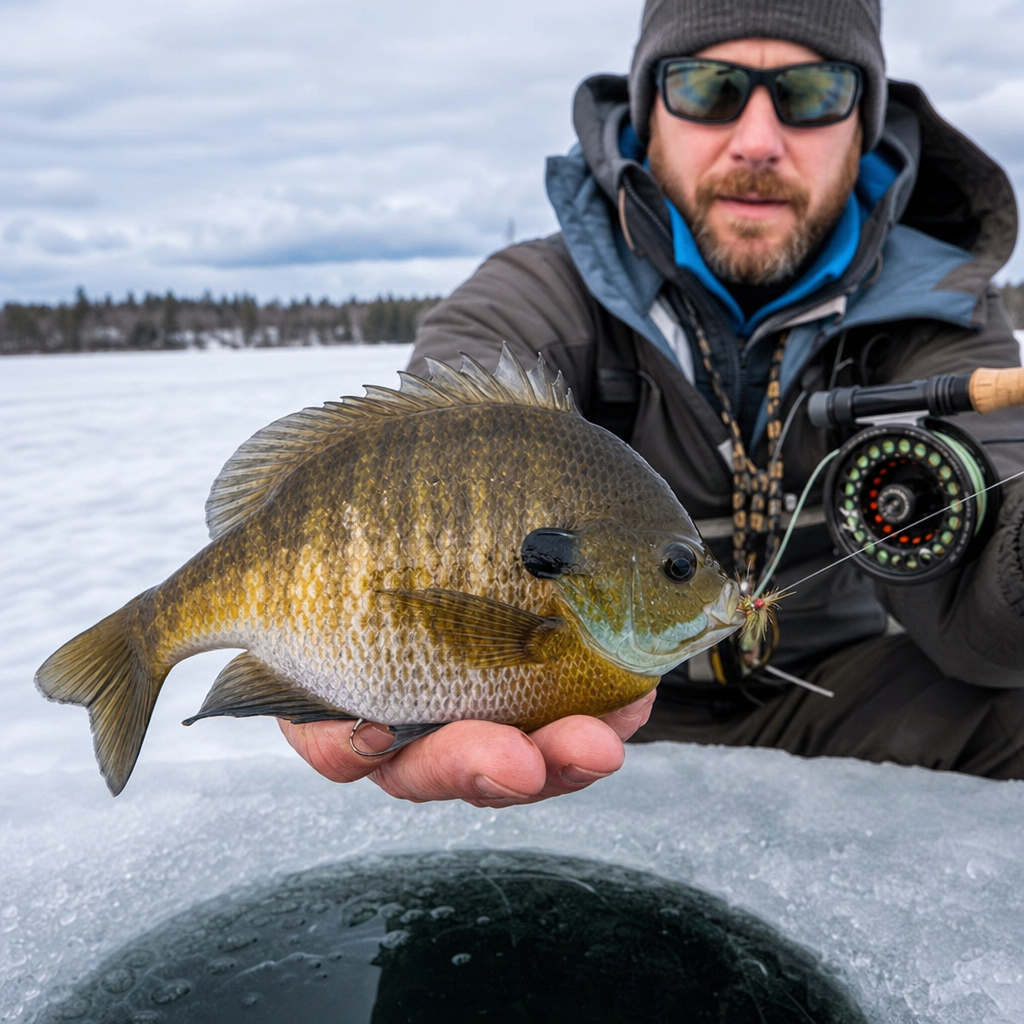
Fly fishing for panfish in winter rewards anglers who understand cold-water behavior, compact forage, and the value of slowing everything down. In this context, panfish usually means bluegill, crappie, pumpkinseed, redear, and yellow perch, species that stay catchable after bass and trout headlines dominate the season. Winter fly fishing refers to pursuing fish during the coldest period of the year, when water temperatures often sit below 50 degrees and fish metabolism, movement, and feeding windows tighten. That changes where fish hold, how far they will move for a fly, and which presentations consistently work.
I have spent many midwinter afternoons probing marina slips, farm ponds, natural lakes, and tailwaters with a long leader and a box of tiny flies, and the pattern is remarkably consistent: panfish rarely stop feeding, but they become selective about depth, speed, and profile. A summer retrieve that triggers aggressive takes will often fail in January. A bead-chain nymph suspended beneath a small indicator, however, can produce dozens of fish from a tight cluster holding just off bottom. Winter success comes less from covering miles of water and more from identifying a small zone where fish are comfortable.
This matters because panfish offer one of the most dependable forms of winter fly fishing in much of North America. They are widespread, accessible from bank, boat, kayak, and dock, and they respond well to fly tackle as light as a 2-weight or as practical as a 5-weight. They also teach transferable cold-season skills: reading winter structure, controlling sink rate, detecting subtle takes, and matching diminished prey. For anglers building a year-round practice, panfish are not a fallback species. They are a technical, enjoyable winter target and an ideal hub for understanding broader winter fly fishing principles.
To catch panfish on the fly in winter, focus on stable water, fish deeper than you do in warm months, use small flies, and present them slowly at a precise depth. Target dark-bottom bays, channel edges, marinas, brush piles, and any structure near deeper water. Expect short feeding windows around the warmest part of the day, after several stable weather days, or wherever current moderates temperature swings. If you can keep a size 10 to 16 fly in front of fish without moving it too quickly, you are already solving the central winter puzzle.
How winter changes panfish behavior
Panfish are ectothermic, so their activity level tracks water temperature closely. As water cools into the 40s, bluegill and crappie reduce unnecessary movement and often group tightly around cover or subtle contour changes. In ponds, that may mean the deepest basin edge, the outside line of remaining weeds, or submerged timber near a drop. In reservoirs, fish commonly suspend over creek channels or hold around brush in ten to twenty feet of water. In rivers and tailwaters, they favor softer current seams, back eddies, and slack margins where they can feed without burning energy.
Water stability often matters more than absolute temperature. A shallow cove that cools sharply overnight may look attractive in afternoon sun, but fish frequently prefer slightly deeper water with fewer swings. Dark bottoms, protected marinas, and north wind-sheltered pockets can still concentrate fish because they warm incrementally and hold zooplankton, midge larvae, and small baitfish. Crappie especially may suspend at a very specific level, sometimes six feet down over twelve feet of water. Bluegill are more bottom-oriented on many waters, but they also suspend around brush when invertebrates and tiny minnows are present.
The practical lesson is simple: locate groups, then fish vertically or nearly vertically whenever possible. Winter panfish are seldom scattered evenly across a flat. They are bunched. When you catch one fish, linger. Change depth in six- to twelve-inch increments before moving away. I have seen a dock produce nothing at four feet, then yield fish on three consecutive casts once the fly was adjusted to six feet. Because their strike zone shrinks in cold water, a fly passing two feet above the school may as well be in another zip code.
Best winter waters and where to look first
The best winter panfish water combines three ingredients: nearby depth, cover, and relative comfort. Small public lakes, farm ponds, power-plant influenced reservoirs, and slow tailwaters can all fish well. On natural lakes, start with inside turns near the basin, remaining green weeds, and boat docks adjacent to deeper water. On reservoirs, key on standing timber, bridge pilings, submerged brush, and marina basins. In urban ponds, the deepest section near an aerator, retaining wall, or feeder creek often concentrates both oxygen and forage.
Light penetration also shapes where fish settle. In clear water, panfish may hold deeper and become wary, making long leaders and fine tippet important. In stained water, they often stay shallower, especially around wood or riprap that absorbs solar heat. Wind can help by pushing plankton and tiny food sources into one bank, but excessive chop makes fly control difficult. After I arrive, I first ask a practical question: where can I keep a small fly at a controlled depth for the longest time? That usually points me to docks, steep banks, brush piles, and vertical structure.
| Water Type | First Winter Areas to Check | Typical Holding Depth | Best Presentation Angle |
|---|---|---|---|
| Farm pond | Deep edge, sunlit dam face, brush | 6 to 12 feet | Indicator drift or slow hand-twist retrieve |
| Natural lake | Weed edge, basin drop, docks | 8 to 15 feet | Parallel to edge or vertical beside cover |
| Reservoir | Creek channel, timber, marina slips | 10 to 20 feet | Count-down over structure |
| Tailwater or slow river | Eddies, slack banks, soft seams | 3 to 8 feet | Dead drift with occasional lift |
If you are building out a full winter fly fishing system, these location categories connect naturally to deeper articles on ponds, reservoirs, rivers, and dock fishing. As a hub strategy, think of them as the four core environments that explain almost every productive winter panfish pattern. Once you know which environment you are fishing, fly choice and tackle become much easier decisions.
Tackle, leaders, and flies that work in cold water
A 3- to 5-weight rod handles most winter panfish situations well. I prefer a 9-foot 4-weight for bank fishing and a 10-foot 4-weight when I expect to suspend flies under an indicator, because the extra length improves line control and lift. Floating lines cover the majority of shallow pond, dock, and river scenarios. In deeper lakes and marinas, a clear intermediate line or a slow-sinking line can be valuable, especially for crappie suspending over deeper water. Full-sink lines are useful but less versatile when fish change levels often.
Leader setup matters more in winter than many anglers realize. For indicator fishing, a 9- to 12-foot leader tapered to 4X or 5X is standard, with depth adjusted by indicator position and split shot used sparingly when needed. For straight-line presentations on intermediate lines, a shorter 6- to 8-foot fluorocarbon leader helps maintain direct contact and sink efficiency. Fluorocarbon is not magic, but it sinks faster and resists abrasion around dock cables, brush, and timber. In ultra-clear water, dropping to 6X can help, though landing larger incidental bass becomes slower.
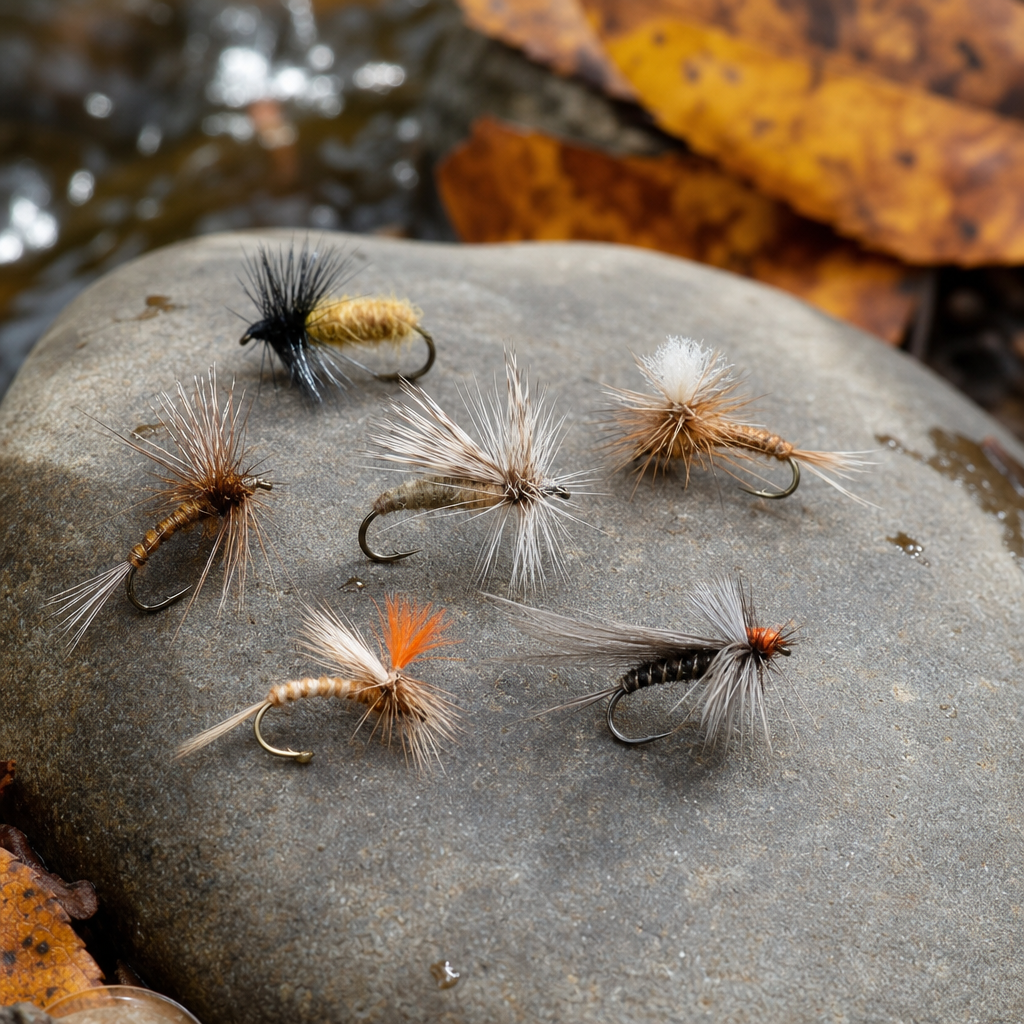
Fly selection should stay small and sparse. Reliable winter patterns include bead-head pheasant tails, hare’s ear variations, midge larvae, chironomid pupae, small woolly buggers, marabou jigs, balanced leeches, scuds, and soft hackles from sizes 10 through 16. For bluegill, tiny nymphs and midge patterns often outproduce bulkier flies. For crappie, slim baitfish imitations in white, gray, olive, and black can be excellent, particularly when fish suspend. I carry both natural and dark silhouettes because low winter light frequently makes black, purple, or olive easier for fish to track than bright, flashy patterns.
Weight should match the depth and mood of the fish. Too heavy, and the fly drops past suspended fish or snags bottom repeatedly. Too light, and it never reaches the zone. Balanced flies under an indicator are especially effective because they hang horizontally, an important trigger when fish are inspecting without committing. If you tie your own, use quality hooks with fine wire and wide gaps; panfish have comparatively small mouths, and winter takes are often no more than added pressure.
Presentation strategies that consistently catch winter panfish
The most reliable winter presentation is suspension under a small indicator. Cast beyond the target, let the rig settle, and watch for any pause, twitch, or sideways slide. Then add very subtle motion: a one-inch lift, a slow hand-twist, or a long dead stop. This imitates midge pupae, tiny nymphs, or stunned forage with minimal effort from the fish. If no takes come, adjust depth before changing flies. Depth control is usually the first variable, fly pattern the second, and retrieve style the third.
For suspended crappie, a count-down method with an intermediate line is deadly. Cast past brush or open water over a channel edge, count the fly down to a chosen depth, then retrieve with tiny strips and frequent pauses. Keep notes. If one fish eats on an eight-count, repeat it exactly. Crappie often stack at a level and reward precision. Bluegill usually favor an even slower pace. In many ponds, I do best by letting a bead-head nymph rest near bottom, then inching it forward with almost imperceptible strips.
Current requires a different angle. In slow rivers and tailwaters, dead drifting small weighted nymphs through slack seams often outfishes active retrieves. Mend enough to achieve a natural drift, then let the fly swing slightly at the end. Many strikes come as the fly lifts. Around docks, fish every post systematically, starting shallow and working deeper. Make repeated casts to the same target from slightly different angles; winter panfish often inspect before eating. The angler who stays patient and methodical usually out-fishes the one who strips too quickly and moves too often.
Timing helps. The warmest two to four hours of the day are usually best, especially after a cold night. A stable weather pattern of several mild days can improve the bite dramatically, while a sudden front often compresses feeding windows. In reservoirs with threadfin shad, bird activity can reveal bait concentrations that also attract crappie and perch. In clear ponds, bright sun may push fish tighter to cover, making vertical presentations beside brush more efficient than blind casting.
Seasonal adjustments, common mistakes, and safety
Early winter, fish may still use leftover weeds and moderate depths. During the coldest period, they generally shift deeper or closer to the most stable water available. Late winter can bring short shallow movements, especially on dark-bottom flats during warming trends, but these windows are inconsistent and should not override the deeper pattern until you confirm it. The central mistake I see is fishing winter water as though it were autumn: covering too much water, using oversized streamers, and retrieving far too fast. Another common error is failing to recheck depth after every change in location or wind.
Keep your system efficient. Use forceps to pinch micro shot, pre-rig two rods if regulations allow, and warm your hands between spots to maintain knot quality. Because takes are subtle, set on anything unusual. Panfish often inhale and hold rather than strike sharply. Barbless hooks simplify unhooking fish with cold fingers and reduce damage when a school is producing quickly. Respect fish handling in cold air: wet your hands, unhook fish promptly, and avoid prolonged photo sessions, particularly when temperatures are below freezing and gills can ice rapidly.
Safety deserves as much attention as flies. Docks, ramps, and riprap become slick in freezing conditions. Wear studded footwear where appropriate, a life jacket in boats or kayaks, and layered clothing that protects dexterity without sacrificing movement. Hypothermia risk rises fast when winter wind and water combine, so carry a dry bag with spare gloves and a warm hat. If you fish near thin shoreline ice, avoid guessing. Stable ground and controlled access matter more than reaching one extra pocket of water.
Fly fishing for panfish in winter becomes far less mysterious once you reduce it to a few controllable variables. Find stable water near depth and cover. Assume fish are grouped, not scattered. Fish smaller flies than you use in summer, place them exactly in the strike zone, and slow your presentation until it feels almost too slow. Those principles apply whether you are targeting bluegill in a farm pond, crappie in a marina basin, or perch along a river slack edge. Winter panfish reward precision, patience, and observation more than distance casting or constant lure changes.
As the central page for winter fly fishing within a seasons-and-conditions framework, this hub should guide your next steps. Build confidence first in location, then depth control, then a short list of proven patterns like midge larvae, small nymphs, marabou jigs, and balanced leeches. Keep records of water temperature, weather stability, productive depth, and retrieve style, because winter patterns repeat with surprising consistency. When you treat each outing as a controlled experiment, improvement comes quickly and carries into every other cold-water species you pursue.
The main benefit of learning winter panfish tactics is simple: you gain a dependable, technical fishery during months many anglers write off. That means more days on the water, better line control, sharper strike detection, and a fuller understanding of seasonal fish behavior. Start with one local pond, lake, or marina this week, fish the warmest part of the day, and commit to finding the right depth before changing anything else. That single adjustment will unlock more winter panfish on a fly rod than any other tip in this article.
Frequently Asked Questions
What makes winter fly fishing for panfish different from fishing for them in warmer months?
Winter changes almost everything about how panfish behave, and that directly affects how you should fish for them with a fly rod. In cold water, species like bluegill, crappie, pumpkinseed, redear, and yellow perch generally feed less often, move shorter distances, and conserve energy whenever possible. That means the aggressive chases and broad cruising patterns you may see in spring, summer, or early fall are far less common once water temperatures drop below about 50 degrees. Instead of roaming widely, panfish often group tightly in the most stable water available, holding around deeper basins, creek channels, soft-bottom flats adjacent to depth, submerged brush, marinas, standing timber, or the edges of dying weedlines.
For the fly angler, the biggest adjustment is pace. In winter, success usually comes from slowing down every part of the presentation. Your flies should be smaller, your retrieves more restrained, and your expectations about strike intensity recalibrated. Many winter panfish eats feel like slight pressure, a hesitation in the line, or a subtle stop rather than a sharp hit. Because the fish are less willing to move far to intercept food, casting accuracy and depth control become more important than covering lots of water quickly. You are not trying to trigger reaction strikes as much as place a small, easy meal directly in front of fish that are feeding selectively and reluctantly.
Another key difference is forage size. Winter panfish often focus on compact prey such as tiny minnows, juvenile invertebrates, midge larvae, bloodworms, freshwater shrimp, or very small nymphs. Large, bulky warm-season patterns can still work occasionally, especially for larger crappie or perch, but in most situations a sparse, modest profile outfishes oversized flies. Winter also rewards patience with location. Once you find a school, you may catch multiple fish from a small area, but if you are not around fish, changing retrieves and flies will only accomplish so much. In other words, winter panfish fly fishing is less about speed and searching and more about precision, depth, subtlety, and staying on top of fish that are conserving energy.
Where should I look for panfish in winter, and how do I find them consistently?
The most consistent winter panfish locations are places that offer stable temperatures, nearby depth, security, and easy access to food. In natural lakes and ponds, start by checking deeper water adjacent to shallow feeding areas, especially basin edges, depressions, old creek channels, and the outside edges of remaining green weeds. Bluegill and pumpkinseed often settle near soft-bottom areas with nearby cover, while crappie commonly suspend around brush piles, dock systems, standing timber, or channel breaks. Yellow perch may roam more than sunfish, but they still relate strongly to basin contours, transition bottoms, and areas where schools of small baitfish or invertebrates gather. Redear can be harder to pattern in winter, but they often hold near bottom-oriented feeding zones where mussels, snails, and other forage remain available.
Man-made structure can be especially productive in winter because it concentrates fish without requiring them to move much. Boat docks, marina slips, bridge pilings, riprap edges near deeper water, and submerged brush attract both prey and panfish. In reservoirs, pay close attention to creek arms, tapering points, submerged timber, and ledges that allow fish to slide slightly shallower or deeper without expending much energy. In smaller ponds, the deepest section of the pond and the first significant drop from a shallow flat are often high-percentage starting points. If the water is clear, sun-warmed banks can sometimes produce a short feeding window in the afternoon, but generally the key is not isolated warmth as much as overall stability and proximity to deep refuge water.
Consistency comes from combining observation with methodical depth coverage. If you have electronics from a boat, they can dramatically shorten the search by revealing suspended schools and showing exact holding depth. If you are on foot, use an indicator, countdown method, or a very slow hand-twist retrieve to probe different levels of the water column. Start near bottom if you suspect bluegill, pumpkinseed, redear, or perch are feeding there, then test mid-depth suspending presentations for crappie. When you catch one fish, do not leave too quickly. Winter panfish often school tightly, so one bite can mean several more if you keep your fly at the same depth and angle. The most reliable approach is to identify likely winter structure, fish it thoroughly from top to bottom, and remember that small depth changes often matter more than large changes in location.
What fly patterns, sizes, and colors work best for winter panfish?
In winter, simple and compact usually beats large and flashy. Productive fly patterns for panfish in cold water include small woolly buggers, micro leeches, sparse marabou jigs, beadhead nymphs, chironomid-style patterns, soft hackles, balanced flies, and tiny baitfish imitations. Sizes in the #10 to #16 range are often ideal, though larger crappie and perch may still eat a #8 minnow-style fly when they are around bait. For bluegill, pumpkinseed, and redear, slim nymphs, bugger variations tied lightly, and small subsurface patterns with a little motion are especially effective. Crappie often respond very well to marabou-based offerings because they breathe and pulse even when barely moving. Yellow perch can be opportunistic and may favor either small nymphs near bottom or tiny minnow patterns suspended just off structure.
Color selection matters, but not as much as size, sink rate, and presentation. In clear winter water, natural shades such as black, olive, brown, gray, white, and muted tan are dependable because they imitate the subdued look of cold-season forage. Black is a particularly strong winter color because it creates a clear silhouette in low light and stained water. Olive and brown are excellent for nymph and leech impressions, while white, pearl, and gray are useful when fish are focused on small minnows. If the water carries stain or you are fishing deep where visibility is reduced, a subtle accent of chartreuse, pink, or orange can help fish locate the fly without making it look oversized or unnatural. That said, winter panfish often reject gaudy, bulky offerings that move too aggressively, so restraint is usually smart.
Weight and profile are just as important as pattern choice. Lightly weighted flies are useful when fish suspend and you want a slow, controlled drop. Beadheads, small jig-style flies, or flies fished under an indicator can help you stay in the strike zone longer. Sparse tying is generally better than dense dressing because it creates a smaller meal that matches winter feeding preferences and sinks more naturally. If you only carried a handful of flies for winter panfish, a black micro bugger, an olive marabou jig, a white-and-gray minnow, a small beadhead pheasant-tail-style nymph, and a chironomid or bloodworm imitation would cover a wide range of situations very well. The best fly is the one that stays at the right depth and offers subtle life with minimal movement.
What is the best presentation and retrieve for winter panfish on a fly rod?
The best winter presentation is almost always the slowest one you can stand while still maintaining contact with your fly. Because panfish metabolism drops in cold water, they are usually unwilling to chase far or fast. A quick strip that works in summer can move the fly completely out of the strike zone before a winter fish decides to eat. Instead, think in terms of hover, pause, and tiny movement. Long pauses, gentle hand-twist retrieves, short one-inch strips, and barely perceptible rod-tip nudges are often far more effective than active retrieves. The goal is to make the fly look alive but easy to catch.
Depth control is critical. If fish are holding near bottom, let the fly sink fully and keep it there with slow retrieves or short lifts followed by controlled drops. If crappie are suspended, use an indicator, a balanced fly, or a countdown after the cast so you can repeat the same level precisely. Many winter strikes happen on the fall, especially when a marabou or nymph pattern flutters just below the fish. Watch the leader, indicator, or end of the fly line closely. If it twitches, stops early, or moves sideways, set the hook gently but immediately. Winter panfish often inhale a fly without telegraphing the take.
Presentation angle also helps. Vertical or near-vertical presentations from a boat, float tube, or dock can be extremely effective because they keep the fly in a tight zone around schooled fish. From shore, casting parallel to drop-offs, weed edges, or dock lines lets you maintain productive depth longer than casting straight out and retrieving uphill. If the fish seem unwilling, simplify even more: cast, let the fly settle, give it one subtle movement, then pause for several seconds. It sounds almost too passive, but in cold water that lingering, almost motionless presentation frequently triggers the bite. Winter panfish reward anglers who fish deliberately, repeat productive depth exactly, and resist the urge to overwork the fly.