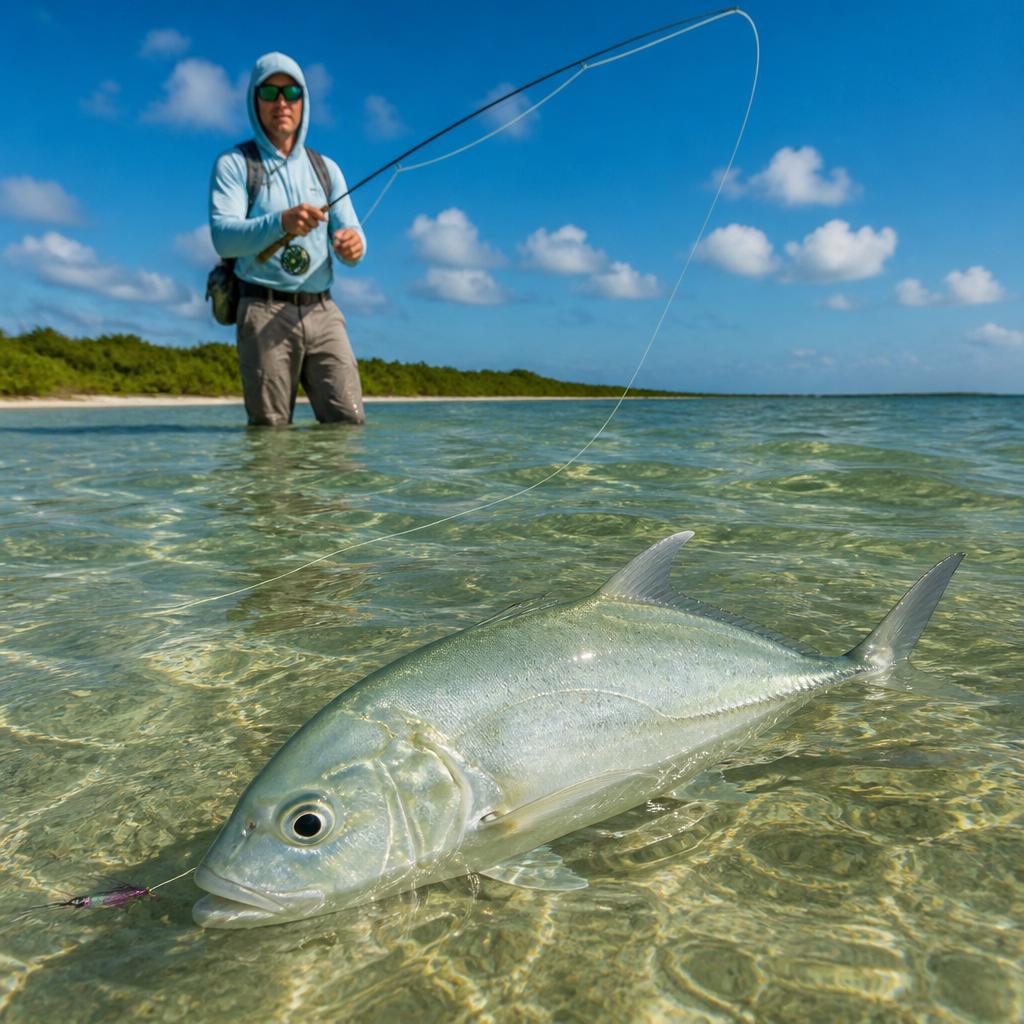
Fly fishing for jacks rewards anglers who like speed, violence, and visual takes. In saltwater, “jacks” usually refers to several hard-fighting members of the Carangidae family, including crevalle jack, bluefin trevally, giant trevally, horse-eye jack, and island trevally. They are not delicate feeders. They hunt bait with brute force, pin prey against beaches, reef edges, and current seams, and often eat a fly with the kind of commitment that makes even experienced anglers laugh out loud. I have spent enough days chasing them from skiffs, rocky points, surf beaches, and tropical flats to know one thing with certainty: success comes from preparation, quick decisions, and tackle that is stronger than many trout or inshore anglers first expect.
As a hub within the broader saltwater species category, this guide explains what makes jacks unique, where they live, how they feed, what tackle works, which flies produce, and how to fight and release them responsibly. It also connects the dots across saltwater fly fishing more broadly, because understanding jacks improves your approach to other predators such as striped bass, bluefish, false albacore, barracuda, tarpon, snook, and permit. The same core concepts—bait awareness, current reading, accurate casting in wind, abrasion control, and fish handling—show up again and again. Jacks simply punish mistakes faster than most species, which is why they are such valuable teachers.
Why do they matter to saltwater fly anglers? First, they are widely available. Depending on region, you can target jacks across the Gulf of Mexico, Caribbean, Pacific tropics, Indian Ocean islands, Australia, Hawaii, and many subtropical coastlines. Second, they are accessible. Some species feed close enough to shore for wading and beach fishing, while others are ideal for sight fishing from a poling skiff or casting from a center console at working birds. Third, they are honest fish. When they are in range and switched on, they usually tell you exactly what they want: a well-placed fly moving at the right speed through active water. That direct feedback makes them one of the best saltwater species for building real skill.
In practical terms, fly fishing for jacks means matching gear and tactics to a fish built for power and acceleration. A crevalle jack of ten pounds can empty a reel if your drag is weak or your running line is tangled. A giant trevally can break rods, straighten hooks, and cut leaders against coral if your angles are wrong. Even smaller bluefin trevally will expose sloppy strip-strikes or poor fly line management. Success depends on understanding habitat, feeding behavior, fly design, presentation, and fish care. Master those pieces, and jacks become one of the most exciting branches of saltwater fly fishing.
Know the species and the habitats they own
Not all jacks behave the same, but the family pattern is consistent: these are athletic predators that thrive where current concentrates bait. Crevalle jack are the best-known Atlantic and Gulf species. They push mullet, pilchards, sardines, and shrimp along beaches, into estuary mouths, around bridge rips, and across mangrove shorelines. Bluefin trevally are classic Indo-Pacific reef hunters, often encountered on turtle grass flats, coral edges, and channels where reef fish and crustaceans are exposed by moving water. Giant trevally occupy similar environments at a larger scale and are famous for crushing bait in inches of water. Horse-eye jacks patrol clear tropical coastlines, wrecks, beach drop-offs, and bluewater edges.
These fish are tied less to a single bottom type than to food movement. On a map, look for passes, reef points, tidal neck-downs, harbor mouths, surf bars, and current seams along island corners. On the water, look for nervous bait, diving birds, color changes, foam lines, and sudden eruptions that signal predators pinning prey. In my experience, anglers new to saltwater often overvalue structure and undervalue current. Structure matters because it redirects water and shelters forage, but current is what organizes a feeding opportunity. If bait is being swept predictably, jacks can hunt efficiently. If the water is dead, even perfect-looking structure may fish poorly.
Season and tide sharpen the pattern. In many places, jacks become more visible during warmer months when bait schools are abundant and surface activity is common. Incoming tides often flood flats and shorelines with forage, while outgoing tides pull shrimp and baitfish from creeks and lagoons into ambush zones. Low-light periods can be excellent, especially along beaches and near inlets, but midday can be outstanding in clear tropical water because sight fishing is easier and reef predators stay active. The key question is always the same: where is concentrated prey moving in a way a jack can exploit?
Tackle choices that actually hold up
The right outfit depends on species, fly size, and terrain, but for most jacks an 8- to 10-weight rod covers the middle ground well. An 8-weight handles school-size crevalle jack and smaller trevally when wind is moderate and flies are manageable. A 9-weight is the best all-around choice for mixed saltwater species because it casts larger baitfish patterns, turns over stronger leaders, and still allows repeated shots without excessive fatigue. A 10-weight becomes the safer pick around reef edges, heavy surf, or any fish likely to run into structure. For giant trevally, serious anglers move to 11- or 12-weight tackle with lifting power and heavily reinforced components.
Reels matter more for jacks than many freshwater converts realize. You need a large-arbor saltwater reel with a sealed drag, smooth startup inertia, and enough backing to survive a long first run. Two hundred yards of quality gel-spun or dacron backing is a realistic minimum on lighter setups; more is prudent for larger species and open-water situations. Corrosion resistance is nonnegotiable. After guiding trips where cheaper reels locked up from salt intrusion, I learned to trust reels designed specifically for marine use from brands with proven drag systems and available service parts.
Line selection should match both water depth and presentation style. A tropical weight-forward floating line is standard for flats, beaches, and surface-feeding fish because it shoots well in heat and lifts cleanly for quick recasts. An intermediate line is often better in surf, channels, and boat fishing around deeper bait schools because it keeps the fly below chop and tracks straighter on a fast retrieve. Short, aggressive heads help when wind is strong and casts are brief. Leaders are usually simple and strong: seven to nine feet, tapering to 16- to 30-pound fluorocarbon or hard nylon depending on species, clarity, and abrasion risk. Around coral, leader strength is often determined less by the fish than by the bottom.
Best flies, colors, and sizes for jacks
Jacks are opportunists, but they are not random. Productive flies share a few traits: they cast cleanly, hold shape at speed, and suggest common forage. Deceivers, Clouser Minnows, hollow baitfish patterns, EP-style streamers, brush flies, and poppers all catch fish. When bait is small and sparse, slim profiles in white, olive, tan, or translucent blends often outperform bulky flies. When predators are corralling large mullet or scad, bigger patterns with strong silhouettes become more important than finesse. Heavy dumbbell eyes help around channels and drop-offs; lighter materials work better on shallow flats where splash and snagging are concerns.
Hook choice is critical. Use short- to medium-shank saltwater hooks with heavy wire and proven penetration. Jacks hit hard, but hard mouths and fast eats still punish dull points. I check hook points constantly against a fingernail and touch them up after any coral contact or multiple fish. Flash can help in stained water and overcast conditions, but too much can reduce realism in clear, shallow water. Color selection is usually straightforward: white remains the baseline, chartreuse is effective in dirty water, olive matches many baitfish, black or purple can silhouette well in low light, and tan or pink can imitate shrimp where jacks are feeding opportunistically.
| Situation | Fly type | Typical size | Best colors |
|---|---|---|---|
| Shallow flats with visible cruisers | Light baitfish or shrimp pattern | 2 to 1/0 | White, tan, olive |
| Surf beach and inlet current | Clouser Minnow | 1/0 to 3/0 | White/chartreuse, white/olive |
| Reef edge bait eruptions | EP baitfish or brush fly | 2/0 to 4/0 | White, sardine blue, mullet gray |
| Surface crashes in calm water | Foam popper or slider | 2/0 to 4/0 | White, yellow, black |
Presentation: where most hookups are won or lost
The most common mistake in fly fishing for jacks is casting at the fish instead of ahead of the fish. Predators moving fast need interception, not confrontation. Lead the school based on speed and angle, land the fly beyond their cone of vision if possible, then strip it into the lane they are about to enter. If fish are busting on the surface, resist the urge to drop the fly into the explosion. Put it on the edge, where a single fish breaking formation can find it cleanly. In clear water, one accurate shot usually beats three frantic false casts.
Retrieve speed should match forage behavior. For fleeing baitfish, use long, forceful strips with occasional acceleration. For shrimp or disoriented bait in tidal flow, a varied retrieve with pauses can work better. Surface flies should pop or slide just enough to suggest panic without pulling them out of the strike zone. Watch the fish, not just the fly. If a jack flares, tracks, or changes body angle, keep moving the fly unless you are imitating stunned prey. The eat often comes when the fly appears to escape. Set with a hard strip-strike, then keep the rod low until the line comes tight on the reel. Lifting the rod like a trout set is the fastest route to missed fish.
Line management is its own skill. Clear decks, organized stripping baskets in surf, and deliberate loops at your feet prevent the chaos that follows a sudden eat. I teach anglers to expect a jack on every good presentation. That mindset changes mechanics. You pinch the line correctly, strip with intent, and avoid stepping on coils. Once hooked, let the fish run, but do not relax. Many losses happen in the first ten seconds from loose drag settings, rod angles that invite the fish toward structure, or hesitation when clearing line to the reel.
Boat, beach, and flats tactics that produce consistent results
From a skiff, the highest-percentage game is controlled sight fishing around reef edges, channels, and sandy flats adjacent to deeper water. The guide poles quietly, you stay ready with forty to sixty feet of line, and shots are made at singles, pairs, or small wolf packs moving with purpose. Communication matters: distance, direction, and fish speed should translate into one cast, one pickup if needed, and one clean presentation. Boat positioning is everything. If the skiff drifts too close, fish either sound or speed up beyond a comfortable intercept.
Beach fishing is more democratic and often overlooked. Jacks patrol troughs, rips, and bait schools within easy casting range, especially where mullet migrations or sardine concentrations bring predators tight to shore. Read the surf the way a striper angler reads current seams: deeper cuts between bars, points where waves peel unevenly, and places where foam and bait collect. Early morning schools may travel parallel to the beach, offering repeated shots if you move quickly and stay out of the skyline. An intermediate line, stripping basket, and compact flies that cast into onshore wind make a major difference.
On foot over tropical flats, look for transition zones rather than featureless expanses. Turtle grass meeting sand, coral rubble bordering channels, and mangrove points with tidal sweep all concentrate food. Jacks often appear suddenly, materializing from glare or charging onto the flat behind bait. Keep a rod ready with a versatile baitfish pattern, because opportunities are brief. In mixed-species water, this is where a saltwater species hub approach becomes useful: the same flat may hold bonefish, permit, barracuda, and trevally in one tide cycle, but jacks generally announce themselves through speed, aggression, and tighter attention to moving forage.
Fighting, landing, and releasing jacks without unnecessary damage
Fight jacks aggressively but intelligently. Use the butt section of the rod, apply side pressure, and change angles to keep the fish off balance. If a fish heads for coral, lower the rod to pull laterally rather than simply raising upward. Palm pressure on the spool can help in open water, but use it carefully on lighter tippets. Once the fish is near, keep its head in the water if possible while removing the hook with pliers. Wet hands before handling, avoid squeezing the abdomen, and support larger fish horizontally. Never drag a jack onto hot sand or sharp rock if you can avoid it.
These fish recover best when release is efficient. Heavy tackle is not about ego; it shortens fight time and improves survival. Barbless or de-barbed hooks simplify unhooking, especially on fish meant to be released quickly. Revive only as long as needed, facing the fish into current until it kicks strongly. In sharky water, be realistic: prolonged photos or exhausted releases can turn a successful catch into a loss. The larger lesson extends across all saltwater species. Strong gear, fast landing, minimal air exposure, and habitat-aware release practices produce better outcomes for jacks and for every predator sharing their waters.
Fly fishing for jacks is one of the clearest pathways into serious saltwater fly fishing because it teaches the essentials fast. You learn to read current, identify bait, cast under pressure, strip-strike correctly, manage line, and trust sturdy gear. You also gain a broader understanding of saltwater species and habitats, from surf zones and estuary mouths to coral flats and offshore edges. As a hub topic, jacks sit at the center of that learning curve: aggressive enough to reveal mistakes, common enough to provide repetition, and powerful enough to make every lesson memorable.
If you want more success, focus on three priorities. Find moving water with concentrated bait. Carry a durable 9- or 10-weight setup with a reliable drag and simple strong leaders. Present a baitfish fly ahead of the fish, retrieve with conviction, and strip-strike hard. Do those things consistently, and your odds improve dramatically whether you are targeting crevalle in the Gulf, trevally on Pacific reefs, or horse-eyes along Caribbean beaches. Build from this hub into the rest of the saltwater species category, refine each tactic by habitat, and the next time a pack of jacks erupts in range, you will be ready.
Frequently Asked Questions
What makes jacks such an exciting target on fly gear?
Jacks are built for chaos, and that is exactly why so many fly anglers get addicted to chasing them. Whether you are targeting crevalle jack, bluefin trevally, giant trevally, horse-eye jack, or island trevally, the common thread is speed, aggression, and total commitment to the eat. These fish do not usually sip a fly or inspect it for long. They hunt bait by cornering it against beaches, reef edges, mangroves, points, and current seams, then charge in with brute force. When a jack decides to eat, the strike is often visual, violent, and unforgettable.
On a fly rod, that aggression translates into instant excitement. You are often making fast, reactive casts to visible movement, working a fly quickly, and preparing for a hard take followed by a blistering run. Jacks test every part of your system: your casting speed, your fly presentation, your line control, your drag setting, and your ability to stay calm when the fish suddenly appears and detonates on the fly. They are also strong well beyond their size, so even modest fish can feel like they are trying to pull the rod from your hands. For anglers who enjoy active fishing rather than waiting for subtle bites, fly fishing for jacks delivers some of the most explosive action available in saltwater.
Where should I look for jacks when fly fishing?
The best places to find jacks are areas where current, bait, and structure come together. These fish are opportunistic predators, but they are not random. They use ambush points and feeding lanes that let them trap or intercept baitfish efficiently. Productive locations include surf lines, beaches with visible bait activity, reef edges, rocky shorelines, channel mouths, tidal passes, inlets, mangrove shorelines, drop-offs, and current seams formed by moving water. If bait is getting pushed, sprayed, balled up, or trapped against a hard edge, there is a good chance jacks are nearby.
One of the biggest keys is learning to read signs of pressure in the water. Nervous bait, birds dipping low, sudden flashes beneath the surface, and bait schools showering out of the water are all strong indicators. Jacks often feed in short, intense windows, so staying alert matters. They may appear out of nowhere, crash bait for a minute or two, and vanish just as quickly. On flats or beaches, keep scanning ahead for pushes, wakes, or packs moving fast. Around reefs and points, pay close attention to tide movement because feeding activity often improves when water is moving with purpose. In many situations, the exact structure matters less than the presence of bait and current. If you consistently hunt the places where prey gets compressed and predators can attack with speed, you will dramatically improve your odds.
What fly patterns, tackle, and retrieve work best for jacks?
Jacks are not usually picky, but they are highly responsive to motion, profile, and speed. Baitfish patterns are the foundation. Clouser-style flies, Deceivers, hollow baitfish patterns, EP-style streamers, and other durable forage imitations in white, chartreuse, olive, gray, blue, and tan are all reliable choices. Match the general size and shape of the local bait rather than obsessing over exact imitation. If the fish are feeding on anchovies, sardines, mullet, or small reef bait, choose flies that suggest that prey and can handle repeated violent strikes. Strong hooks are essential because jacks hit hard and pull harder. Weak-wire hooks can straighten on larger fish or heavy drag.
For tackle, many anglers do well with 8- to 10-weight outfits for common inshore jacks and lighter trevally species, while larger giant trevally and heavy reef environments may call for 11- or 12-weight gear. A quality saltwater reel with a smooth drag is not optional. Floating lines work well in shallow water, beaches, and visible surface feeds, while intermediate lines can be useful when fish are holding slightly deeper or when you need better contact in wind and chop. Leaders do not need to be overly complicated. A stout saltwater leader with strong fluorocarbon or hard mono tippet is usually enough, with the exact strength based on fish size, structure, and whether abrasive cover is present.
The retrieve is where many anglers either trigger the eat or miss the moment. In general, jacks respond well to a fast, assertive strip. Think fleeing bait, not wounded drift. Long, quick strips, hard two-handed strips when appropriate, and occasional acceleration often get the best reaction. If a fish starts following, speeding up is often more effective than slowing down. Jacks are competitive and aggressive, and a fly that looks like it is escaping can push them over the edge. Keep stripping until you feel solid weight, then make a firm strip-set instead of lifting the rod too early. That discipline alone can turn more follows and boils into landed fish.
What are the biggest mistakes anglers make when trying to catch jacks on the fly?
The most common mistake is being too slow in every sense of the word. Jacks often appear suddenly, feed briefly, and demand a fast response. Anglers who are not ready with line organized on deck, a fly within easy casting range, and a clear plan for the shot miss opportunities. Another major error is making too many false casts. In jack fishing, speed and placement usually matter more than elegance. A quick, accurate cast that lands in the path of the fish is far better than a perfect cast that arrives too late.
A second mistake is using the wrong retrieve. Many anglers coming from other fisheries naturally slow down when they see a fish tracking the fly. With jacks, that often backfires. These fish are built to run down prey, and a fly that accelerates can provoke a violent reaction. Stopping the fly too soon is also a problem, especially when a fish is charging. Keep stripping through the eat and wait until you feel real pressure before setting hard with the line hand. Trout-setting by lifting the rod is another classic error and leads to missed fish, weak hookups, or slack line at exactly the wrong time.
Tackle mistakes matter too. Undergunned rods, weak hooks, poor drag systems, and light tippet around reef or rock can quickly cost you fish. Jacks do not fight politely, and if there is structure nearby, they will use it. Finally, many anglers focus too narrowly on one piece of water instead of hunting signs of life. Successful jack anglers stay mobile, watch bait constantly, and treat every current seam, surf edge, or bust-up as a real opportunity. This is a fishery that rewards attention, readiness, and decisive action.
How can I improve my hookup and landing rate with powerful jacks?
Improving your conversion rate starts before the cast. Have your drag set appropriately, your loose line managed, and your feet clear of anything that can snag running line. When the shot comes, place the fly where the fish can intercept it naturally rather than landing it directly on the fish’s head. Begin the retrieve immediately and keep tension under control. When the fish eats, resist the urge to celebrate too early or lift the rod. A proper strip-set is critical. Drive the hook home with one or more strong pulls of the line hand while keeping the rod low, then raise the rod only after the fish is solidly connected.
Once hooked up, expect a hard first run and plan for it. Let the reel do its job, but maintain awareness of line angles, nearby structure, and your own balance if wading or fishing from rocks. If the fish is headed for coral, pilings, or reef edges, apply as much side pressure as your tackle and tippet allow to change its angle. Side pressure is often more effective than simply pulling straight back. Stay composed and do not overplay the fish. Jacks are powerful, but a prolonged fight can increase the chance of pulled hooks, abrasion, or exhaustion.
Landing rate also improves when your gear matches the environment. In open beaches or channels, you may have more flexibility, but around reef or heavy current, stronger leaders and heavier rods can make a major difference. Use a net when practical, or lead the fish carefully to hand if conditions allow. If you plan to release the fish, keep handling brief, support the body properly, and avoid dragging it onto hot sand or rough surfaces. A controlled fight, solid strip-set, and smart use of pressure will help you turn more explosive eats into clean, successful landings.