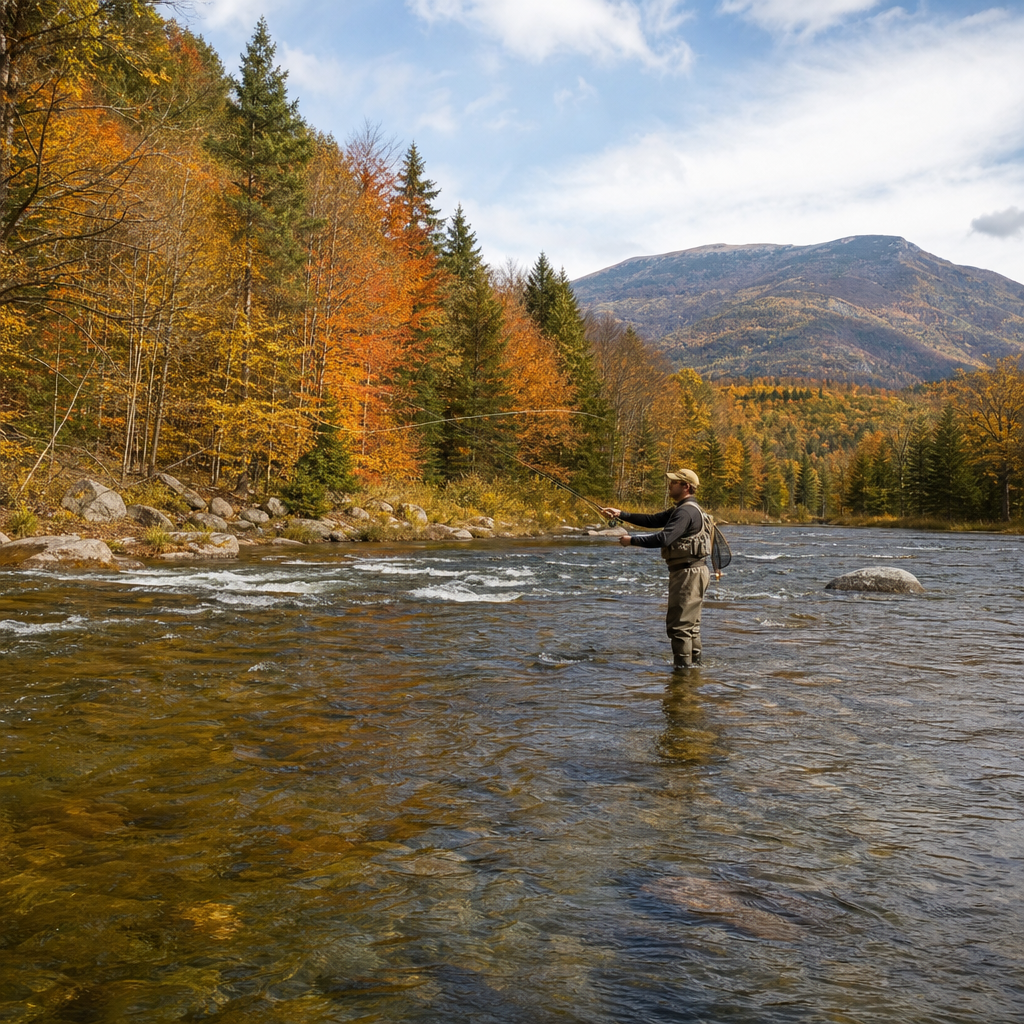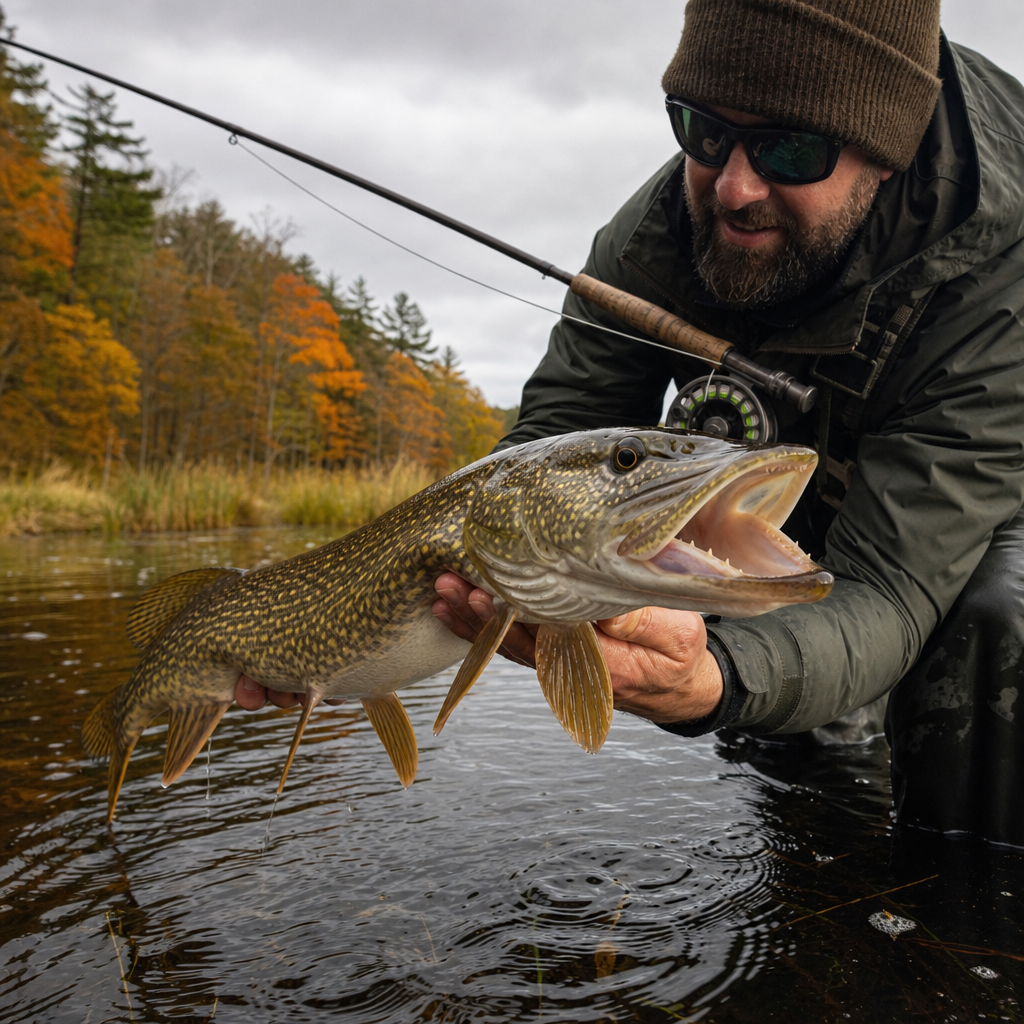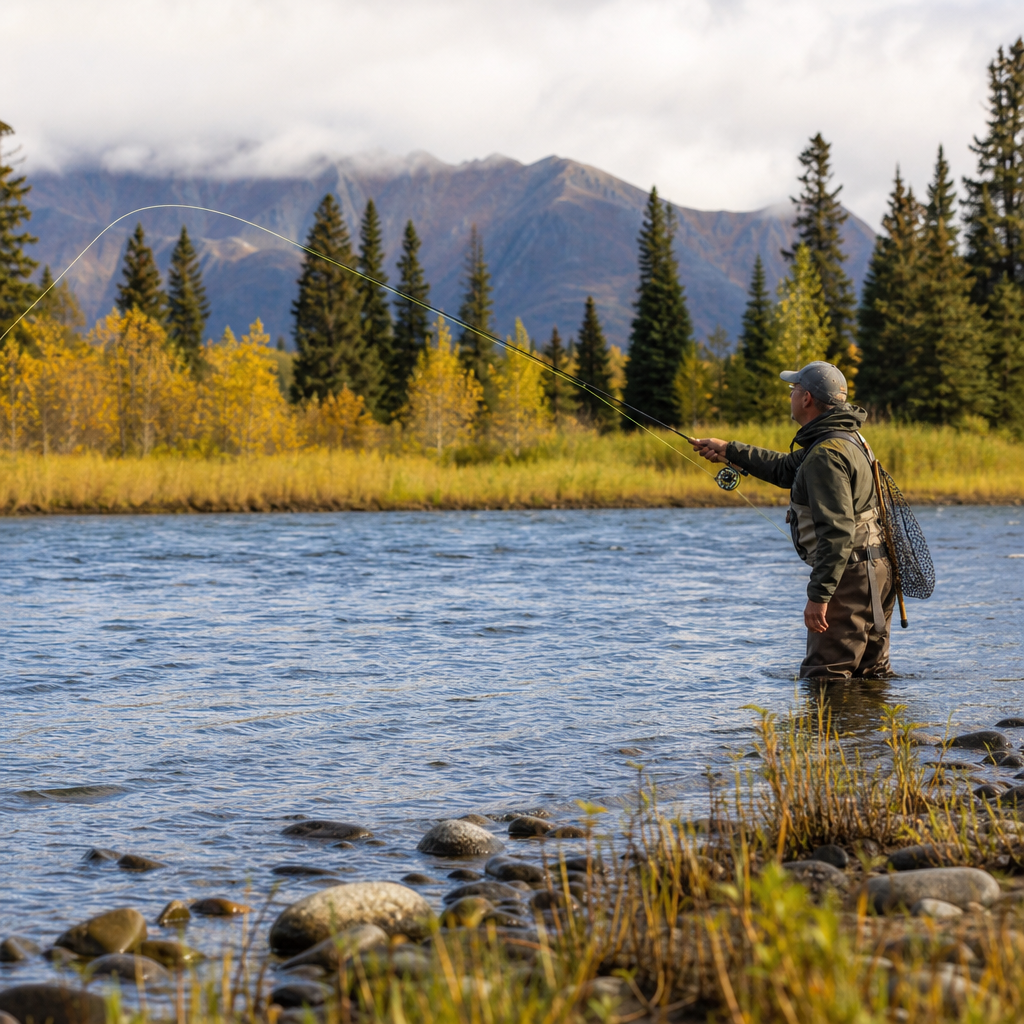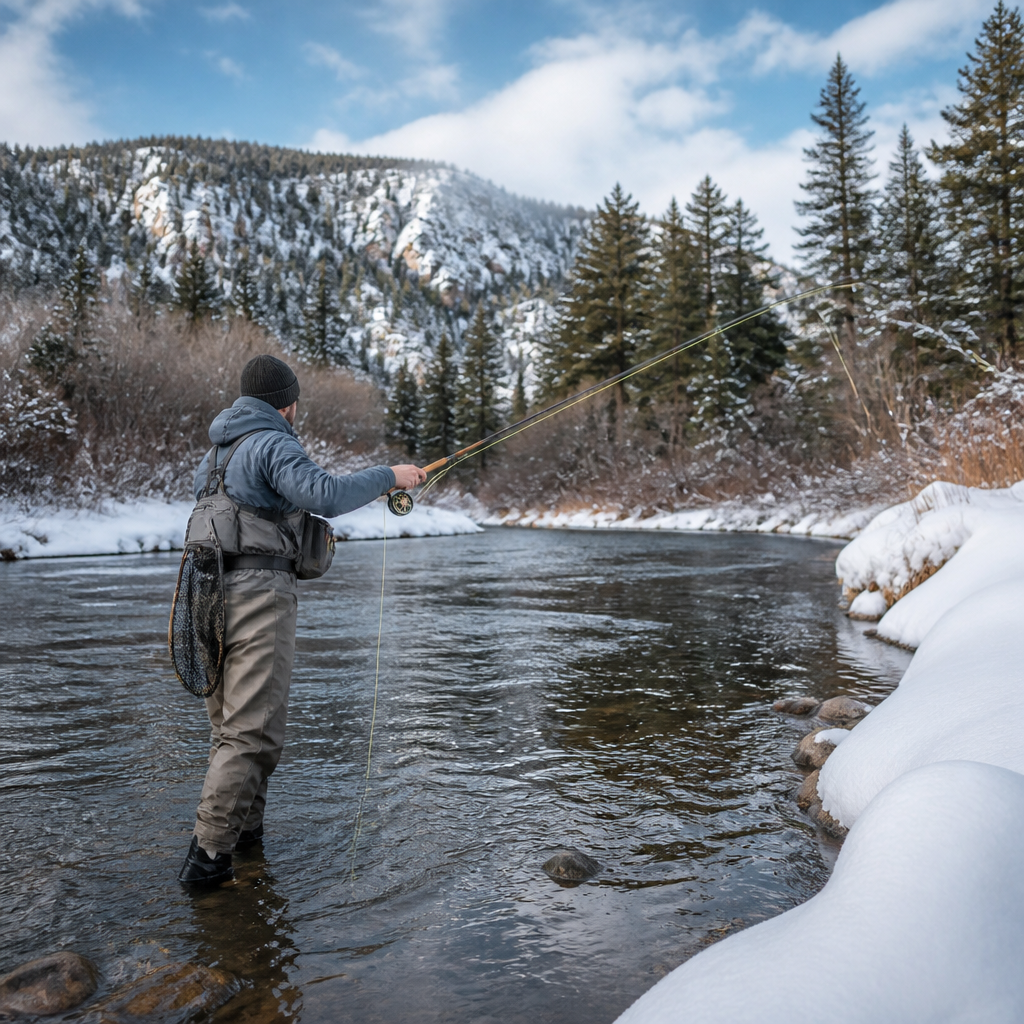
Winter fly fishing for trout rewards anglers who adapt to cold water, short feeding windows, and highly specific holding lies. In practical terms, winter fly fishing means targeting trout when water temperatures are low, insect activity is reduced, and fish conserve energy by staying near softer current seams, deeper pools, tailouts, and structure that breaks flow. Many anglers stop fishing after autumn, but that leaves some of the most technical and satisfying trout fishing of the year to those willing to dress properly, read water carefully, and fish with disciplined presentations. I have spent enough winter days on tailwaters, limestone creeks, and freestone rivers to know that success is rarely about covering miles of water; it comes from slowing down, narrowing the strike zone, and understanding how cold conditions change trout behavior.
Cold water affects trout in predictable ways. As temperatures drop into the upper 30s and low 40s Fahrenheit, metabolism slows, meaning trout feed less often and move shorter distances to intercept food. They still eat, but they become selective about effort. That is why winter trout often stack in deep runs with moderate current instead of classic fast riffles. Food availability also changes. Midges dominate many rivers through winter, blue-winged olives appear during mild overcast periods, and scuds, sowbugs, and small mayfly nymphs remain important, especially in fertile tailwaters. Streamers can still produce large fish, but retrieves must usually be slower and more deliberate than in fall.
Winter matters because it sharpens fundamentals. If your dead drift is imperfect, if your depth is wrong by a few inches, or if your tippet is too heavy for low clear water, trout will tell you immediately by refusing the fly. At the same time, winter offers advantages: reduced angling pressure, improved fish location patterns, and occasional outstanding midge or olive hatches that bring quality trout to the surface. This hub article covers winter fly fishing comprehensively, from trout positioning and fly selection to nymphing systems, streamer tactics, safety, gear, and day planning. Use it as the foundation for every winter fishing decision, whether you fish small spring creeks, large Western tailwaters, or icy freestones after a warm spell.
How Trout Behave in Winter
The first question most anglers ask is simple: where are trout in winter? The direct answer is that trout usually hold where they can conserve energy while staying close to food. On most rivers, that means deeper buckets below riffles, inside seams, tailouts with walking-speed current, soft edges beside faster flow, undercut banks, and slots behind boulders. In tailwaters with stable flows, fish may pod tightly in specific lanes and remain there for weeks. In freestone systems, they often slide into wintering water that combines depth, cover, and reduced current speed.
Water temperature drives daily movement. On bright cold mornings, trout are commonly sluggish and pinned near the bottom. As solar gain warms the water a degree or two, especially between late morning and midafternoon, feeding activity improves. I routinely fish winter days backward from summer logic: I start later, focus hardest from about 11 a.m. to 3 p.m., and stay alert for the brief period when fish elevate in the column or begin sipping adults. Air temperature matters far less than water temperature, though severe overnight freezes can create shelf ice, anchor ice, and slush that complicate both access and drift control.
Food types are smaller and more concentrated than many anglers expect. Midges are the backbone hatch on countless winter trout rivers. Their larvae and pupae drift consistently, and adults can gather in dense but delicate clusters on calm water. Blue-winged olives, especially baetis in sizes 18 to 22, often hatch on cloudy, relatively mild days. In nutrient-rich fisheries, scuds and sowbugs are year-round staples. Egg patterns can be highly effective where trout are downstream of spawning species. Understanding these food sources helps explain why winter flies trend small, slim, and natural.
Winter Fly Selection and Seasonal Matchups
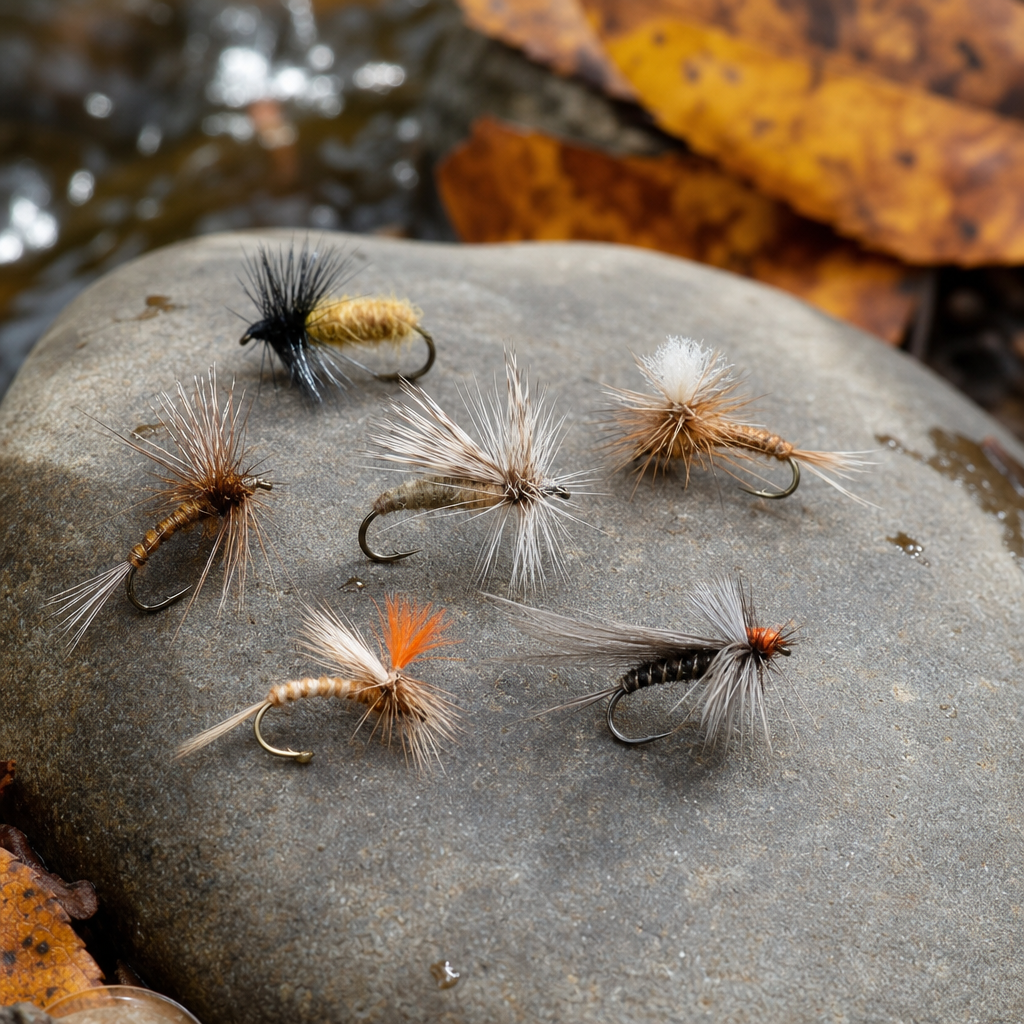
The best winter fly boxes are compact, not cluttered. Proven categories include midge larvae, zebra midges, midge pupae, perdigons, pheasant tail variants, hare’s ear nymphs in smaller sizes, scuds, sowbugs, egg flies where legal and appropriate, baetis nymphs, RS2 patterns, and a limited set of streamers. Colors should reflect conditions: black, red, olive, cream, and silver for midges; olive, gray, and brown for baetis; tan, pink, gray, and light olive for scuds and sowbugs. In clear winter water, subtle flash often outperforms loud materials.
If you want a short answer on size, start small. Sizes 18 to 24 are routine for midge work, while baetis nymphs often shine in sizes 18 to 20. Scuds and sowbugs commonly fall in the 14 to 18 range. On technical tailwaters, I often begin with a weighted size 18 anchor fly such as a perdigon or slim pheasant tail, then trail an unweighted or lightly weighted size 20 midge pupa. That pairing covers both depth and delicacy. When trout key on emergers, a soft-hackle baetis or RS2 suspended under a small indicator can be deadly.
Streamers deserve a place in any winter trout system, but expectations must be disciplined. Winter streamer fishing is less about aggressive chases and more about putting a manageable meal directly in front of a trout. Smaller patterns, sparse materials, and natural colors like olive, black, white, and tan excel. Balanced leeches, small sculpins, and lightly weighted baitfish patterns fish well on sink tips or tight-line swings. The rule I follow is simple: if fish are not moving, reduce fly size, slow the retrieve, and target the deepest soft water with precision.
Presentations That Consistently Catch Winter Trout
Depth control is the central skill in winter fly fishing for trout. Because fish hold near the bottom and rarely rise far to eat, your flies must travel at eye level or slightly below without dragging unnaturally. Most missed winter opportunities come from being too shallow, not from choosing the wrong pattern. Add split shot incrementally, use tungsten flies, and adjust indicator depth until you occasionally tick bottom. That contact confirms you are in the feeding lane. Too much bottom contact creates snagging; too little means fish never see the fly.
Strike detection also changes in winter. Takes are often soft, almost indecisive, and can register as a minor hesitation, a slight stall of the indicator, or a subtle tight-line pulse. Set on anything unusual. Trout often inhale and reject small flies quickly in cold water, so delayed reactions cost fish. I keep rod angles high enough to maintain contact but low enough to avoid pulling flies off line. In clear technical water, longer leaders and finer tippet improve drift, yet they demand smoother hook sets and better fish fighting technique.
Dry-fly opportunities exist, but they are situation specific. Midge clusters can bring steady surface feeding in slow glides and tailouts, while baetis hatches can produce elegant afternoon rises during overcast weather. The challenge is not finding fish that rise; it is delivering a drag-free drift to trout feeding in flat winter water. Long leaders, accurate reach casts, and sparse adult patterns are essential. Grease only the butt and upper leader if fish are taking emergers in the film. Often the better tactic is a dry-dropper with a tiny midge pupa suspended just below a visible adult imitation.
Best Methods by Water Type
Not all winter trout rivers fish the same. Tailwaters are generally the most reliable because dam releases moderate water temperature, preserve insect life, and maintain trout feeding consistency. Spring creeks also excel, with stable temperatures and abundant subsurface food, but they demand stealth and precise fly choice. Freestone rivers can be toughest after prolonged freezes, yet they improve dramatically during warming trends, especially in lower gradient reaches, spring inflows, and afternoon windows.
| Water Type | Best Winter Tactics | Typical Flies | Key Timing |
|---|---|---|---|
| Tailwater | Indicator nymphing, tight-line rigs, slow streamers | Midges, baetis, sowbugs, scuds, eggs | Late morning through afternoon |
| Spring creek | Long leaders, light tippet, precise sight nymphing or dries | Small midges, RS2, scuds, tiny olives | Warmest part of day, cloudy hatches |
| Freestone | Deep nymphing in pools, short drifts, structure-focused streamers | Stonefly nymphs, eggs, midges, leeches | After warm spells, sunny afternoons |
On tailwaters, think in lanes rather than broad runs. Trout frequently line up on a narrow depth contour where current speed and oxygen balance with minimal effort. On spring creeks, assume fish can inspect everything; approach low, cast less, and position yourself for the first perfect drift. On freestones, simplify the day by eliminating dead water and focusing only on wintering habitat: depth, moderate pace, nearby structure, and direct sunlight when available.
Gear, Clothing, and Safety in Cold Conditions
Winter gear matters because comfort determines concentration. A standard trout outfit is still a 9-foot 5-weight for indicators, dries, and light streamers, but a 10-foot 3-weight or 4-weight is excellent for tight-line nymphing and protecting light tippet. Reels matter less for drag than for managing cold wet line cleanly. Floating lines should be cleaned often because winter grime and ice reduce shootability. Leaders from 9 to 12 feet are normal, with fluorocarbon tippet often preferred subsurface for sink rate and abrasion resistance.
Layering must be deliberate. Merino or synthetic base layers, insulating midlayers, and a weatherproof shell outperform bulky clothing that restricts casting. Neoprene gloves, fingerless wool gloves, hand warmers, and a warm hat make a measurable difference. Waders should allow circulation; tight socks create cold feet faster than low temperatures. Studded boots improve traction on icy banks and submerged rock, and a wading staff is a serious safety tool, not an accessory. Hypothermia risk rises quickly when wind, water, and fatigue combine.
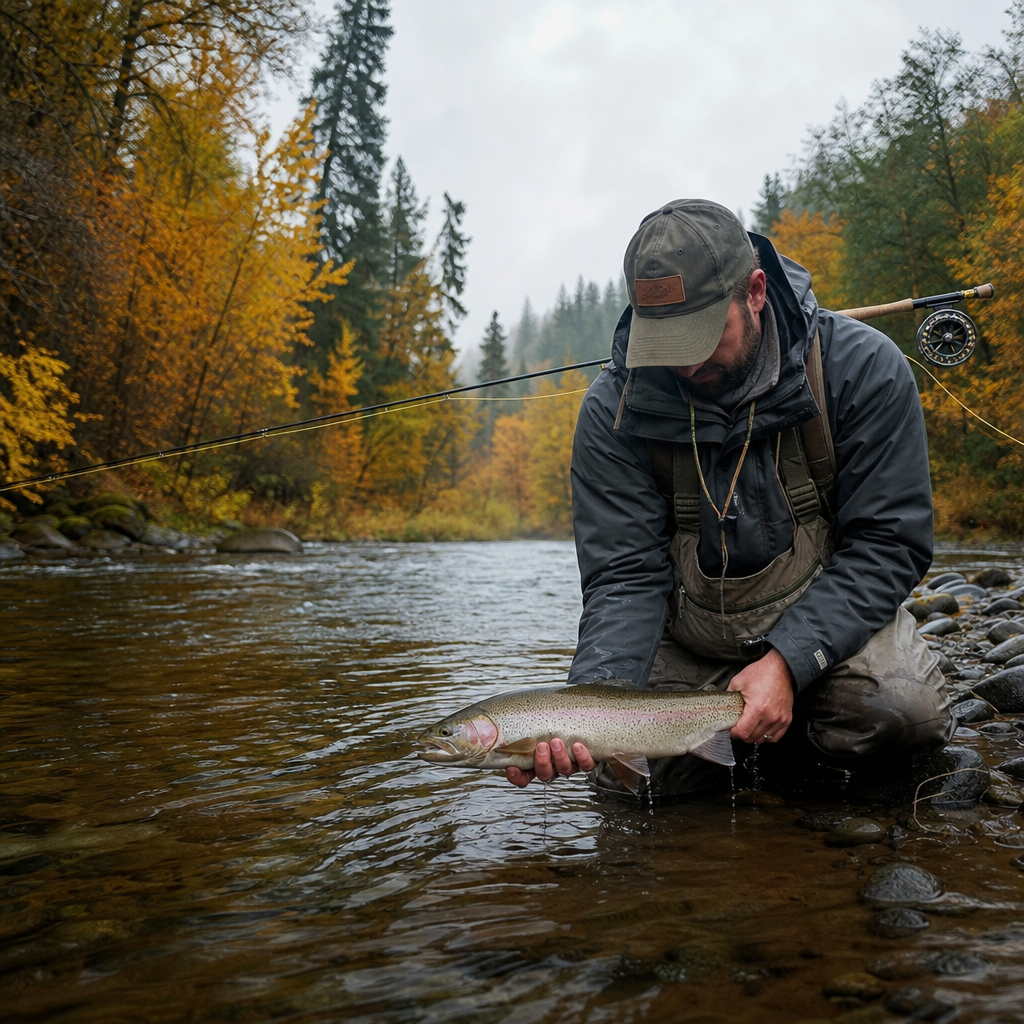
Protect fish carefully in winter. Cold water is favorable for oxygen, but trout are still vulnerable to overhandling, especially when air temperatures are below freezing. Keep fish in the water while unhooking, use rubber nets, pinch barbs if appropriate, and avoid long photo sessions that can freeze gill tissue or eyes. Also watch for shelf ice and unstable edges. Many winter accidents happen before the first cast, when anglers rush access points covered in snow or black ice.
Building a Productive Winter Fishing Plan
A productive winter day begins before you leave home. Check river flows, water temperatures, weather trends, and generation schedules on tailwaters. The most useful data point is not the forecast high but whether the river will warm during fishable hours. A stable 39-degree river can outfish a freestone swinging from 33 to 36. Bright sun can help on some streams and hurt on others, especially shallow clear spring creeks where fish become wary. If possible, arrive with a primary plan and one backup river based on temperature stability.
When on the water, fish fewer spots more thoroughly. In winter, I would rather make twenty excellent drifts through a deep seam than rush across a mile of mediocre water. Start with confidence flies, change only one variable at a time, and treat each adjustment as a test. First alter depth, then weight, then fly size, then color. This order matters because presentation usually outranks pattern. If you contact fish but do not hook them, downsize the trailer or switch to a more natural pupa. If nothing happens, move slightly before moving far.
Keep notes. Winter patterns repeat with surprising consistency. Rivers often fish well at the same temperature bands, on the same cloud cover, and in the same time windows week after week. A simple log of water temperature, weather, fly pairing, depth setting, and productive holding lies quickly becomes more valuable than generic advice. That record helps you recognize that one creek turns on at 42 degrees with baetis, while another is a pure midge fishery unless flows bump and stain the water.
Winter fly fishing for trout is demanding, but it is not mysterious. Trout still feed, insects still hatch, and the same principles that govern every successful day on the water still apply: find fish, control depth, achieve a natural drift, and match the food that is truly available. Winter simply compresses the margin for error, which is why it makes skilled anglers better. The payoff is substantial: less crowding, more predictable holding water, and the chance for memorable fishing when many people assume conditions are too harsh.
If you remember only a few points, make them these. Fish during the warmest part of the day. Target deep, softer current where trout conserve energy. Use small natural flies, especially midges and baetis, unless local food sources dictate scuds, sowbugs, eggs, or compact streamers. Prioritize depth and drift before changing patterns. Dress for immersion, not for the parking lot, and handle fish gently in freezing air. Those habits consistently turn slow winter outings into productive sessions.
Use this winter fly fishing hub as your starting framework whenever cold weather arrives. Refine it to your home water, keep detailed notes, and approach each river with patience and precision. The anglers who embrace winter do not usually fish harder; they fish smarter. Pick a stable weather window, prepare thoroughly, and make your next trout trip a winter one.
Frequently Asked Questions
What changes most about trout behavior in winter, and how should that affect where I fish?
In winter, trout become far more energy-conscious. Cold water slows their metabolism, which means they generally will not move as far or as aggressively to intercept food. Instead of holding in fast, oxygen-rich runs the way they might during warmer months, trout often shift into softer current seams, deeper pools, tailouts, slow edges, and protected holding lies behind rocks, ledges, logs, and cut banks. The key idea is simple: winter trout want access to food without burning unnecessary energy. That is why even a small cushion of reduced current can hold fish when surrounding water looks unproductive.
This change in behavior should immediately influence how you read the river. Focus less on obvious summer water and more on “walking-speed” currents near depth. Transitional zones are especially valuable, including the edges where slow water meets moderate flow, the heads and bottoms of pools, and slots adjacent to structure. Tailouts can be excellent on mild afternoons when fish slide into slightly shallower water to feed. On very cold days, however, the deeper, slower center of a pool or a protected trough near the bank may be more reliable.
Presentation matters just as much as location. Because trout are less willing to chase, your fly usually needs to drift very close to the fish. That means fishing methodically, covering likely winter lies from multiple angles, and making repeated drifts before moving on. If you are not finding fish, do not always assume the river is empty. It often means you are fishing water that is a little too fast, a little too shallow, or not getting your flies deep enough. In winter, small adjustments in depth, speed, and target water can make a major difference.
What are the best flies and rig setups for winter fly fishing for trout?
Winter fly selection is usually built around two realities: insect activity is reduced, and trout tend to feed close to the bottom. For that reason, nymphs are the backbone of most successful winter trout fishing. Reliable patterns include midges, zebra midges, pheasant tails, hare’s ears, small mayfly nymphs, caddis larvae, and midge larvae or pupae in sizes that match what is naturally available in your river. In many systems, smaller flies produce best, especially in clear, cold water where trout become selective and have plenty of time to inspect a drift.
A highly effective setup is a two-fly nymph rig under a strike indicator. A common approach is to use a heavier point fly to help reach depth, then trail a smaller, more natural fly behind it. Split shot is often necessary in winter and should not be viewed as a last resort. If trout are holding near the bottom and your flies are drifting too high in the water column, you are likely fishing above the fish. Adjust weight, indicator depth, and tippet length until you are consistently ticking the bottom occasionally without hanging up every cast.
Euro nymphing can also be extremely productive in winter because it gives precise depth control, direct contact, and excellent strike detection in short, technical drifts. In smaller streams or pocket water, tight-line methods can help keep flies in the feeding lane longer. On some days, streamers also have a place, particularly during warming trends, on overcast afternoons, or when targeting larger trout that may still respond to a slow, deliberate meal. The important adjustment is pace: fish streamers slower than you would in warmer conditions, with subtle strips or swings that keep the fly in front of the trout longer.
Dry-fly fishing is less common in winter but absolutely possible during midge hatches or occasional blue-winged olive activity. When surface feeding starts, be ready to scale down in both fly size and presentation. A dry-dropper rig can be useful if fish are feeding just under the film. Overall, winter rewards anglers who simplify their fly choices, prioritize getting deep, and make careful, evidence-based adjustments instead of changing patterns every few minutes.
When is the best time of day to fly fish for trout in winter?
The best time of day to fish in winter is usually later than many anglers expect. Early mornings often bring the coldest water temperatures of the day, and trout can be especially sluggish during those hours. As sunlight reaches the water and ambient temperatures rise, even slightly, fish often become more willing to feed. In many rivers, the most productive window is from late morning through midafternoon, when water temperatures climb just enough to improve trout activity and increase the odds of limited insect movement.
This does not mean trout only feed for a single hour, but winter often compresses opportunity into shorter windows. A degree or two of warming can matter. If you have a thermometer, use it. Tracking water temperature during the day helps you understand patterns and avoid guesswork. If you notice temperatures rising from the upper 30s into the low 40s, that modest change can correspond with noticeably better fishing, especially in tailouts, soft riffles, and seam lines where fish may shift to feed.
Weather trends can matter as much as the clock. A stable overcast day may fish well for several hours, while a bright, bitter day may require more patience and tighter targeting of deep holding water. Warming trends after several cold days can be particularly good. Conversely, sudden cold snaps, icy flows, or sharp overnight drops may make trout more lethargic and concentrated in the slowest, deepest lies. If you only have a limited amount of time to fish in winter, you will usually improve your odds by starting later, focusing on the warmest part of the day, and staying alert for subtle signs of increased activity such as midges in the air or the occasional rise.
How do I present flies effectively in cold water when trout are less willing to move?
The single most important part of winter presentation is achieving a natural drift at the correct depth. Trout in cold water usually hold close to the bottom and conserve energy, so your flies must pass near them with minimal drag. If your drift is too fast, too high, or swinging unnaturally across current lanes, many fish simply will not react. In practical terms, winter fishing often means slowing everything down and becoming more precise with line control, mending, and indicator placement.
Start by shortening your target area and fishing methodically. Rather than making long casts all over the pool, focus on one seam, slot, or depth contour at a time. Make repeated drifts through likely holding water and adjust after each few casts. Add or remove split shot, move the indicator, change your casting angle, or alter the length between flies. Small adjustments often matter more than changing to an entirely different fly pattern. If you occasionally touch bottom, you are probably close to the right depth. If you never feel contact, you may still be too shallow.
Strike detection also becomes more subtle in winter. Takes are often little more than a hesitation, a slight pause, a tiny twitch of the indicator, or a faint stop in the leader during tight-line presentations. Set on anything unusual. Cold-water trout frequently eat softly, and anglers miss fish by waiting for an obvious strike that never comes. Keep contact with the drift without introducing drag, and be ready to lift quickly but smoothly.
If you are fishing streamers, resist the urge to strip quickly. Use slow strips, pauses, short swings, and presentations that keep the fly in the trout’s window. If you are fishing dries during a winter hatch, prioritize long, drag-free drifts and fine tippet where conditions allow. Across all methods, successful winter presentation comes down to control: putting the fly where trout are holding, keeping it there naturally, and recognizing that the fish often give you only a very subtle signal before the opportunity is gone.
What safety and comfort tips matter most for winter fly fishing?
Winter fly fishing can be excellent, but safety has to be part of the plan from the start. Cold air, cold water, icy banks, and reduced daylight create risks that are easy to underestimate. Dressing in layers is essential. Start with moisture-wicking base layers, add insulation that retains warmth, and finish with a wind- and water-resistant outer layer. Good gloves, a warm hat, and quality socks make a major difference, and carrying spare dry items in your pack can turn a difficult day into a manageable one. Even a minor slip or leak in winter can become serious if you cannot stay warm afterward.
Wading requires extra caution. River rocks become slicker in freezing conditions, edges can be undercut with ice, and numb feet reduce balance and reaction time. Use a wading staff if conditions are uncertain, move slowly, and avoid aggressive crossings unless absolutely necessary. Many winter trout lies are accessible from safe positions along the bank or from shallow margins, so there is often no need to force a dangerous approach. Studded boots can help on icy access trails and slick streambeds where legal and appropriate.
Plan around shorter days and changing weather. Tell someone where you are going, know your access points, and keep an eye on the time so you are not hiking out in darkness over frozen terrain. Bring water and food even if the air feels too cold to make you thirsty; dehydration still happens in winter and can sap energy quickly. Hand warmers, a thermos, and a small first-aid kit are worthwhile additions