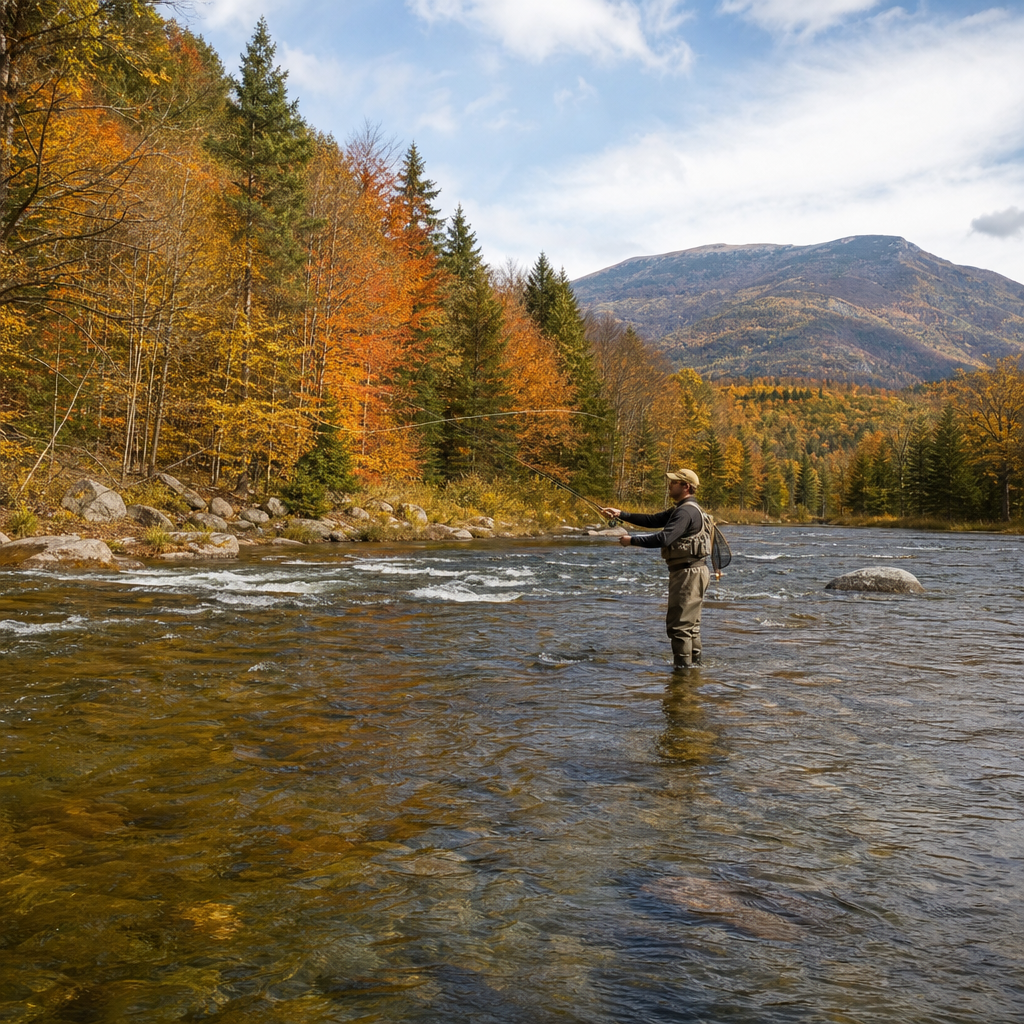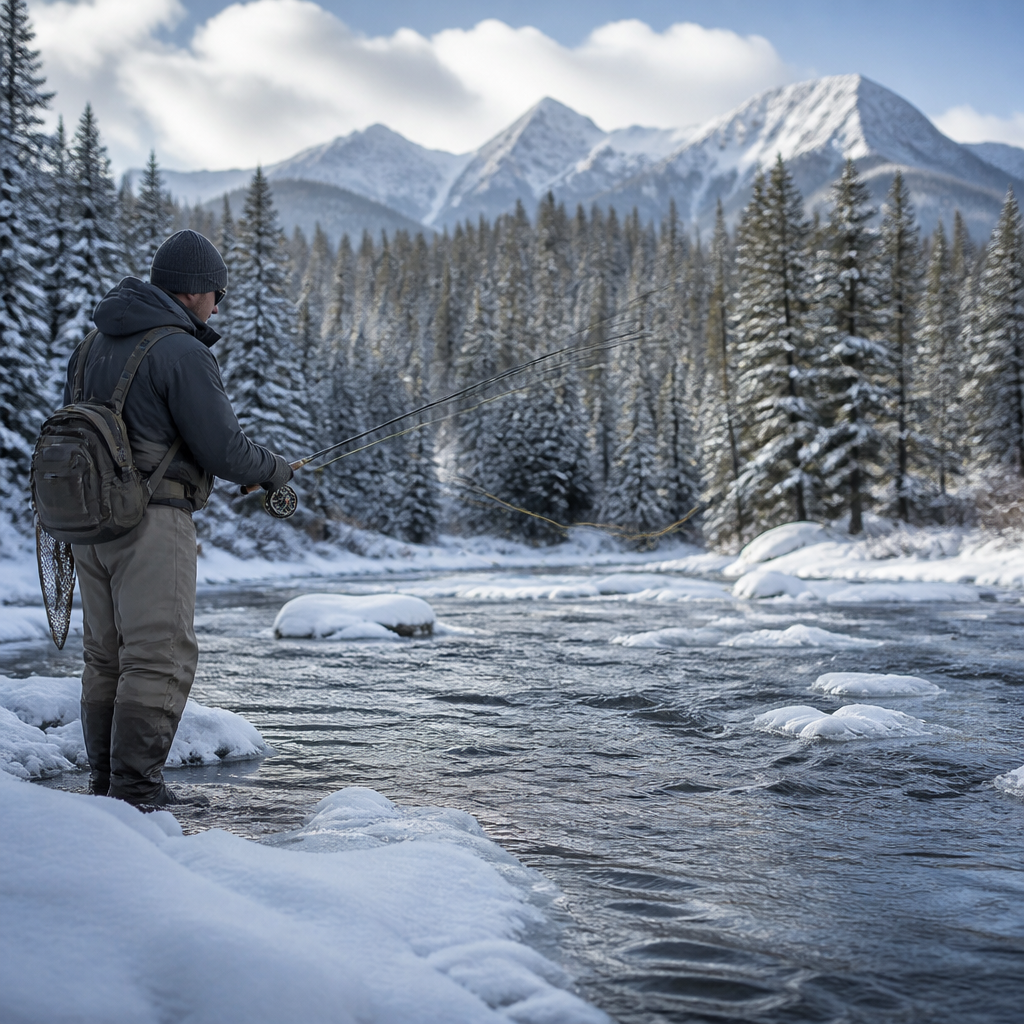
Fly fishing in ice and snow demands a different mindset than summer trout season, but it can produce some of the most consistent and rewarding days of the year. Winter fly fishing means targeting fish when water temperatures are low, insect activity is limited, and river conditions are shaped by freezing air, shelf ice, slush, and short feeding windows. Success comes from understanding how cold water changes trout behavior, how to fish slowly and precisely, and how to protect both gear and angler in harsh conditions. I have spent many winter days breaking ice from guides, watching river thermometers inch upward by a degree, and seeing that tiny shift turn a dead morning into an excellent afternoon. That experience teaches a simple truth: winter is not about covering miles or casting fast. It is about reading temperature, conserving energy, and presenting flies where fish can eat with minimal effort.
As a hub topic, winter fly fishing sits at the intersection of seasonal entomology, trout metabolism, river hydraulics, layering systems, and cold-weather safety. Anglers searching this subject usually want clear answers to practical questions: where do trout hold in winter, what flies work best, what time of day should you fish, how do you keep guides from freezing, and when is wading too dangerous to justify. Those questions matter because cold conditions compress mistakes. Poor positioning, aggressive mends, or oversized flies that might be forgiven in June often fail in January. At the same time, winter can offer low fishing pressure, exceptional water clarity, and fish concentrated in predictable lies. For anglers willing to slow down, winter fly fishing is not a consolation season. It is a technical season that rewards precision, observation, and disciplined decision-making.
How Winter Conditions Change Trout Behavior
Trout are cold-blooded, so their metabolism tracks water temperature closely. In most freestone and tailwater systems, feeding intensity drops as water temperatures slide toward the high 30s Fahrenheit, but fish do not stop eating. They simply become more selective about where they spend energy. In winter, trout usually shift from fast riffles and broken pocket water into slower runs, soft seams, tailouts with moderate depth, inside bends, and pools where current speed is reduced. The rule is straightforward: the colder the water, the more fish favor lanes that deliver food without demanding much movement. A trout that will move two feet to crush a hopper in August may move only a few inches for a midge larva in January.
Water type matters. Spring creeks and tailwaters often remain more stable than freestone streams because groundwater or dam releases moderate temperature swings. That stability can create better winter fishing, more available midges, and more regular feeding periods. Freestone rivers can still fish well, especially after several milder days, but they are more vulnerable to anchor ice, slush, and sudden overnight temperature drops. I have seen a tailwater hold steady at 42 degrees while a nearby freestone hovered at 34 and carried floating ice. Those four or five degrees change everything, from insect emergence to the amount of lateral movement a trout is willing to make.
Light levels also influence behavior. Bright winter days can push fish into softer, deeper holding water, especially on clear rivers with little cover. Cloud cover often extends feeding windows because fish feel less exposed. Still, the biggest driver is usually the warmest part of the day. Air temperature can be misleading; what matters is water temperature and how it trends from late morning into afternoon. A river that rises from 37 to 39 degrees often fishes noticeably better, especially for nymphing and midge activity. That is why experienced winter anglers carry a thermometer and use it, rather than guessing from sunshine alone.
Where to Find Fish in Ice and Snow
The best winter holding water combines depth, reduced current, nearby food, and security from predators. Look first for walking-speed runs with a defined seam, buckets below gentle riffles, pool heads, and shelves where trout can sit just off the main flow. In larger rivers, midriver troughs and soft edge lanes are excellent. In smaller streams, deep bends, slow plunge-pool exits, and undercut banks with stable current often hold fish all winter. Trout still need oxygen and food, so do not assume the deepest water is automatically best. The sweet spot is usually moderate depth with just enough conveyor-belt current to bring nymphs past the fish.
Ice changes access and fish location. Shelf ice along the bank can hide softer water underneath, and trout may tuck there if the current remains open and oxygenated. At the same time, shelf ice makes wading deceptive. A bank that looks solid may be hollow underneath, and one careless step can break through. Fish can also shift away from areas clogged with anchor ice because ice formations alter flow and reduce efficient feeding lanes. When I approach a winter run, I watch the surface first. If I see slush collecting in one seam and a clean, slow lane beside it, that open lane often becomes the first place I fish because it suggests steadier current and less disturbance.
Concentrations matter more in winter than in warmer seasons. Trout often pod up in a handful of productive lies, which means an empty stretch may truly be empty while one twenty-yard run holds most of the fish in the reach. This is why systematic coverage beats constant relocation. Fish the likely water thoroughly before moving. Change weight, depth, and angle before assuming no fish are present. Many winter trout are hooked only after the drift is slowed, deepened, and repeated through the same seam several times.
Best Times, Weather Windows, and River Types
Most winter fly fishing is best from late morning through midafternoon, when water temperatures peak. On many rivers, the prime window begins around 11 a.m. and can last until 3 p.m., though tailwaters may fish well longer because of thermal stability. Early mornings are usually slow unless you are on a system with unusual warmth, spring influence, or a dependable technical dry-fly midge hatch. If you have only a few hours, skip dawn and fish the warmest period. That choice alone improves winter results more than changing flies every ten minutes.
Stable weather generally outperforms extreme swings. Several days of moderate temperatures often produce better fishing than one bluebird day after a hard freeze. Warm fronts can help, but rapid snowmelt can stain rivers or create dangerous shelf-ice conditions. Low, clear water is common in winter, which increases the importance of stealth, longer leaders, finer tippet, and careful wading. Tailwaters are usually the most reliable winter fisheries because release temperatures remain more consistent and aquatic insects stay active. Spring creeks are similarly strong options, often supporting midge and baetis activity even in cold months. Freestones can be excellent after midday warming, but they demand more flexibility because temperature and ice conditions fluctuate quickly.
| River type | Winter strengths | Main challenge | Best approach |
|---|---|---|---|
| Tailwater | Stable temperatures, steady insect life, predictable feeding windows | Crowding on popular access points | Indicator or euro nymphing in slow seams and transition water |
| Spring creek | Consistent flows, technical dry-fly chances, clear water | Selective fish and light tippets required | Small midges, baetis, and precise drag-free presentations |
| Freestone | Low pressure, concentrated trout, occasional strong midday bite | Ice formation and rapid temperature swings | Fish late, focus on wintering holes, use deeper nymph rigs |
Winter Fly Selection and Presentation
The most dependable winter flies are small subsurface patterns that imitate the food available year-round: midges, mayfly nymphs, scuds, sow bugs, worms in tailwaters, and occasional small stoneflies. Productive patterns include zebra midges, thread midges, perdigons, pheasant tails, RS2s, rainbow warriors, baetis nymphs, scuds, and San Juan worms where they are locally relevant. Sizes commonly range from 18 to 24 for midge and baetis imitations, though larger anchor flies such as a size 14 jig nymph can be useful in a two-fly setup. In fertile tailwaters, a sow bug or scud can outfish classic mayfly nymphs. In freestones, a small stonefly paired with a midge often covers both profile and size.
Depth matters more than pattern changes once you are in the right family of bugs. Trout feeding near the bottom in 38-degree water rarely move far, so your flies must travel in the strike zone for as much of the drift as possible. That means enough split shot or a properly weighted point fly, a drag-free leader system, and an indicator placement that reflects actual depth. As a rule, start deeper and slower than feels necessary. Many winter takes are tiny hesitations, not aggressive grabs. If the rig is ticking bottom occasionally, you are close. If it never touches, you are probably above the fish.
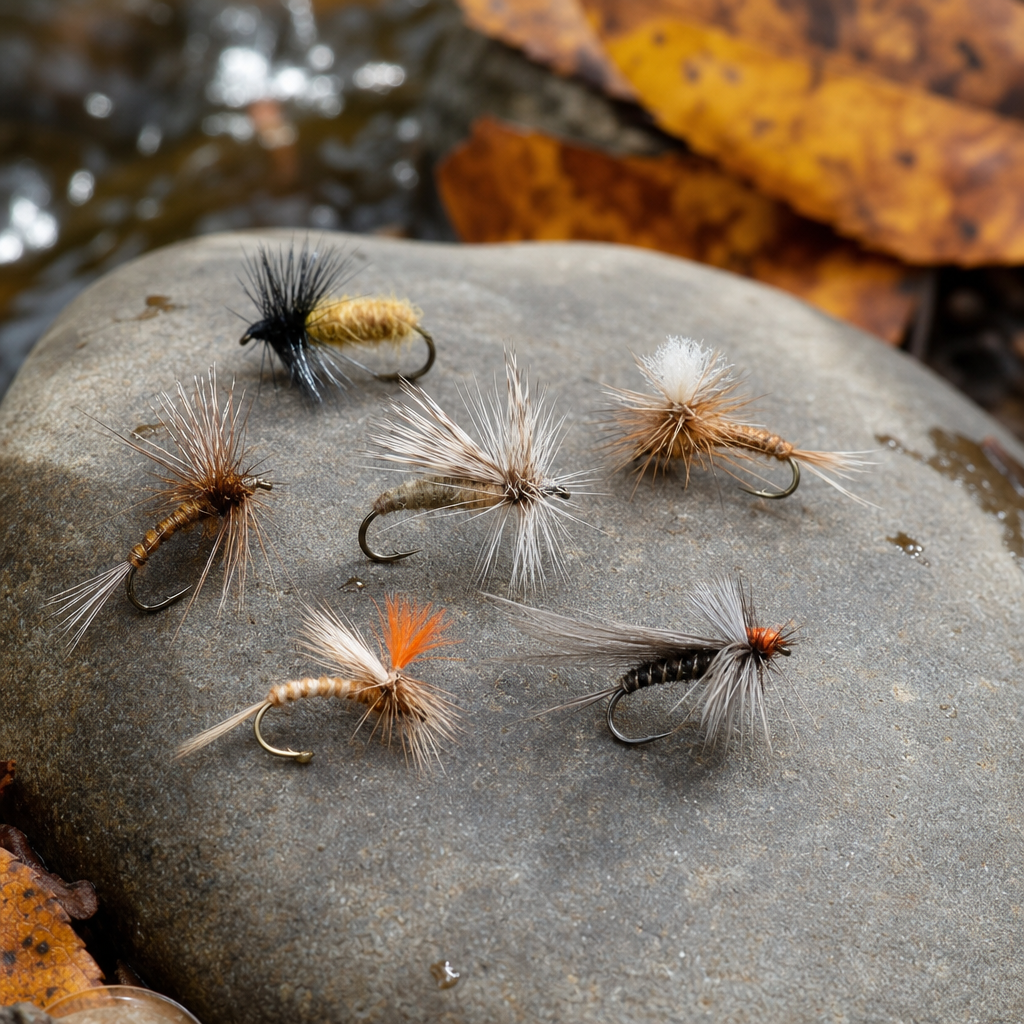
Dry-fly opportunities do exist, especially during midge or blue-winged olive hatches on tailwaters and spring creeks. When fish rise in winter, they often feed rhythmically but in a narrow lane. Long leaders, light tippet such as 6X or 7X when appropriate, and low-profile flies are standard. Griffith’s Gnats, small parachute midges, RS2 emergers, and tiny baetis cripples are reliable choices. The challenge is not finding the hatch as much as matching the exact stage and achieving perfect drift. In freezing conditions, dry-fly fishing also brings practical problems, since floatant can ice up and repeated false casting accelerates guide freeze. When rising fish appear, however, winter can offer some of the most technical and memorable surface action of the year.
Rigging, Tackle, and On-the-Water Efficiency
A balanced winter setup favors control over distance. Most anglers do well with a 9-foot 4- to 6-weight rod depending on river size, with a floating line and a leader built for nymphing. Indicator rigs remain the most efficient all-around system because they manage depth well in slower currents. Euro nymphing can be excellent on smaller rivers or when fish hold in defined seams, but line sag, ice buildup, and glove management can complicate it in severe cold. I choose the method that lets me maintain contact and depth with the fewest adjustments, because cold fingers make constant rerigging expensive in both time and focus.
Guide freeze is inevitable in subfreezing air. The practical goal is management, not elimination. Keep the rod tip low between drifts, clear ice often, and avoid dipping guides into the water repeatedly. Some anglers use lip balm, paste, or guide products to reduce buildup, but results vary and some substances can affect fly lines. A microfiber cloth helps dry line and hands. For reels, a smooth drag matters less than in warm-weather streamer fishing, but reliability matters more. Slush and ice can seize cheap gear quickly. Boots need aggressive traction; tungsten-carbide studs or aluminum bars are far safer than plain rubber on icy rocks. A wading staff is not optional on many winter rivers. It is a risk-control tool.
Clothing is part of performance. Layering should include a moisture-wicking base layer, insulating midlayer, weatherproof shell, warm socks that do not constrict circulation, and gloves that allow knot tying. Neoprene gloves provide warmth but reduce dexterity; convertible wool or fleece gloves are a common compromise. Hand warmers help, but keep them where blood flow can benefit, such as pockets, not clenched in the palm while fishing. Polarized glasses still matter in winter because they reveal current seams, submerged ice, and fish movement in clear water. The anglers who stay comfortable fish more patiently, and patience is a competitive advantage in winter.
Safety, Ethics, and a Practical Winter Game Plan
Winter hazards are serious and often underappreciated. Hypothermia can begin with wet hands, wind exposure, and poor layering long before an angler feels in real trouble. Wading accidents are more likely because rocks are slick, shelf ice obscures edges, and heavy clothing reduces recovery after a slip. Fish with a partner when possible, tell someone your access plan, carry a dry bag with spare gloves, and leave the river before fatigue erodes judgment. If anchor ice is building rapidly or slush is packing every seam, conditions are deteriorating, not merely inconvenient. That is the moment to stop.
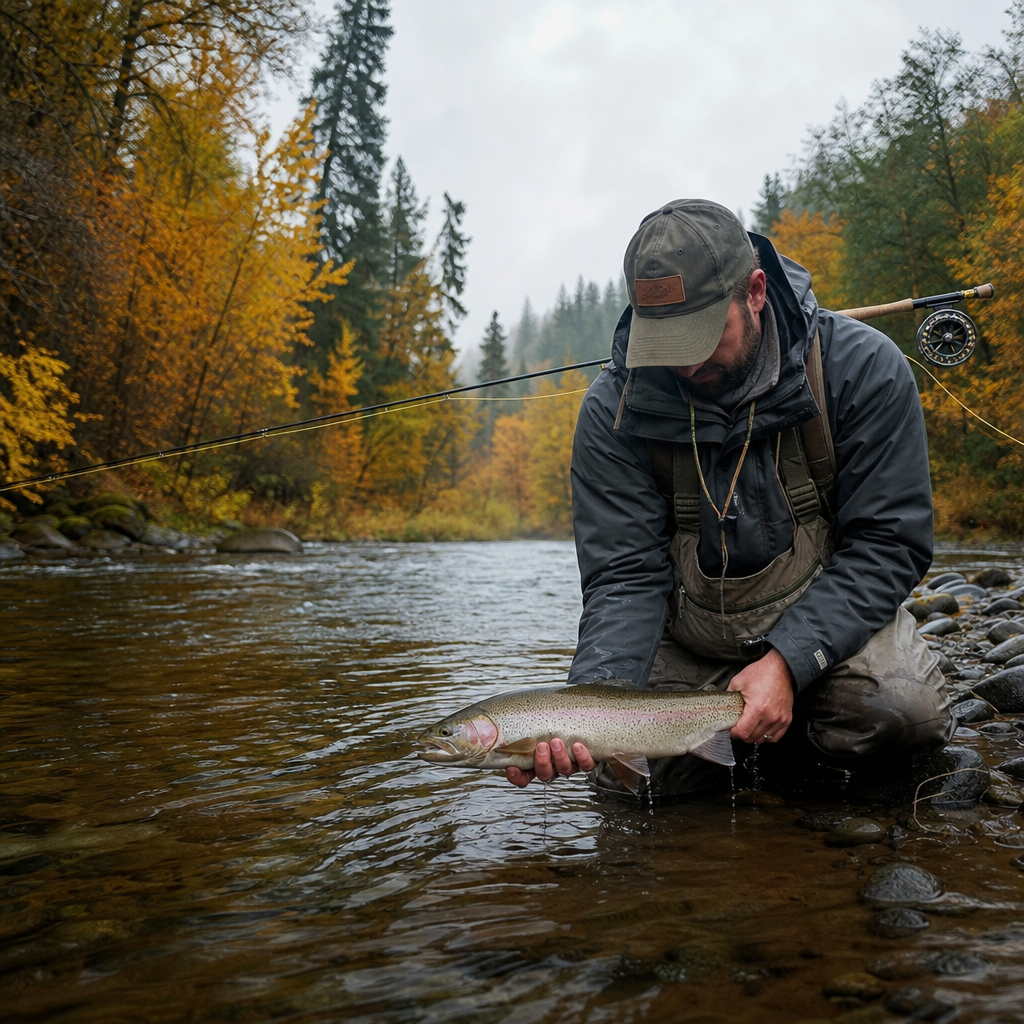
Fish care matters too. Trout recover more slowly when stressed by extreme conditions, and handling them with dry or freezing hands can damage protective slime. Use a rubber net, keep fish in the water, shorten photo time to seconds, and pinch barbs if local conditions and regulations make that practical. On some waters, spawning closures or seasonal restrictions protect vulnerable fish or habitats. Follow them exactly. Winter is also the season to be selective about effort. If fish are packed into a tiny soft-water refuge because much of the river is iced over, repeated pressure can be disproportionate. Ethical angling includes recognizing when concentrated fish are simply too exposed.
The simplest winter plan is still the best. Choose a river with stable temperatures. Start late rather than early. Carry a thermometer and check trends. Fish slower water near depth. Use a two-fly nymph rig built around midges, baetis, scuds, or local confidence patterns. Add weight until you occasionally touch bottom. Cover likely holding lies methodically before moving. Watch for a short hatch and be ready with a dry-fly leader if fish begin to rise. Most of all, slow every part of the process. Winter fly fishing rewards deliberate anglers who treat each drift as a controlled experiment. If you want more productive cold-season days, build your own winter system around water temperature, depth, safety, and precision, then apply it consistently on every trip.
Frequently Asked Questions
What makes winter fly fishing so different from fishing during warmer months?
Winter fly fishing is different because everything in the river slows down, including the fish. In cold water, trout do not move as far or as aggressively to feed, so anglers need to adjust expectations and presentation. Instead of covering water quickly and relying on frequent rises or active insect hatches, winter success usually comes from fishing slower, more deliberately, and with tighter control over depth and drift. Trout often hold in softer current seams, deeper buckets, tailouts, and protected lies where they can conserve energy while still intercepting food. That means the best water in summer is not always the best water in winter.
Food availability also changes dramatically. Aquatic insect activity is limited, and surface action can be sparse or concentrated into very short windows. Midges and small mayflies may still hatch, but winter fish often feed subsurface for most of the day. As a result, nymphing tends to be the most reliable approach, especially with small, natural patterns fished near the bottom. Streamers can still work, but they generally need to be presented slower and deeper than in warmer seasons. Dry fly opportunities do happen, but they are usually more technical and less forgiving.
River conditions add another layer of complexity. Ice shelves, anchor ice, slush, frozen guides, slick rocks, and reduced daylight all affect how you move, cast, and manage your gear. Safety and efficiency matter more in winter because a small mistake can end a fishing day quickly. The anglers who do best in ice and snow are usually the ones who accept that winter is a precision game. They focus on fish location, conserve motion, make clean drifts, and stay patient enough to capitalize on shorter feeding periods.
Where should I look for trout when rivers are cold, icy, and running low?
In winter, trout generally seek places where they can hold with minimal effort and still have access to food. That usually means slower, more stable water near depth. Good winter holding water often includes deep runs with moderate current, inside seams, transition zones below riffles, softer edges along main flows, tailouts with enough depth, and pools with subtle current lanes. Trout want a balance between shelter and opportunity. They are less likely to sit in fast, oxygen-rich pocket water for long stretches the way they might during warmer months, because the energy cost is higher when cold water slows their metabolism.
One of the most productive winter habits is learning to identify soft water adjacent to current. Fish often slide just off the main push, where drifting food funnels past without forcing them to work hard. Depth matters too. A difference of even a foot or two can make a spot significantly more attractive when temperatures are low. Darker bottoms, woody structure, undercut banks, and slower troughs can all collect winter fish. On bright, frigid days, trout may concentrate in places that offer both security and stable temperature. In some rivers, afternoon sun can slightly warm side channels or slower stretches enough to increase activity.
You should also pay attention to how ice changes the river. Shelf ice can squeeze current into narrower lanes and create fishable slots that are not obvious at first glance. At the same time, ice can make prime-looking water inaccessible or unsafe. Rather than chasing lots of water, it often pays to fish a handful of likely winter lies very thoroughly. If a run has depth, gentle flow, and a consistent current seam, it deserves more than a couple quick casts. Winter trout are often grouped more tightly, so if you find one fish in a good lie, there may be several more nearby.
What flies and presentations work best for fly fishing in ice and snow?
The most dependable winter setup is usually a nymph rig built around small, natural patterns presented close to the bottom. Midges, zebra midges, small pheasant tails, perdigons, baetis nymphs, RS2-style patterns, and other slim profile flies often produce because they match the limited food available in cold water. Sizes commonly run smaller than many anglers prefer in other seasons, and subtle color choices such as black, olive, brown, red, silver, and natural may outperform flashier options. The key is not just the fly itself, but how it drifts. In winter, trout rarely chase far, so your flies need to pass near the fish at the right depth and speed.
Depth control is critical. If your nymphs are not getting down, you may fish all day over willing trout without a take. Split shot, tungsten beads, and indicator adjustments help put the flies in the strike zone. A slow, drag-free drift is usually far more important than constant fly changes. Many successful winter anglers make short, controlled drifts through likely holding water and then repeat them with small adjustments to indicator depth, weight, and casting angle until the flies track naturally along the bottom. Strikes can be incredibly subtle, so staying alert to tiny pauses or hesitations in the indicator or leader is essential.
Streamers can be effective, especially during low-light periods or when targeting larger fish, but they generally need to be fished with restraint. Think slower strips, more pauses, and presentations that keep the fly in front of a fish longer. Smaller streamers often make more sense than oversized patterns in very cold water. Dry flies are most relevant during midge or winter mayfly activity, usually in calmer water during the warmest part of the day. When fish are rising, matching size and profile matters, but so does presentation. Gentle casts, fine tippet, and clean drifts are often the difference between refusals and eats. In every case, winter rewards anglers who fish methodically, trust simple patterns, and focus relentlessly on depth and drift quality.
How can I keep my gear working and stay safe while fishing in freezing conditions?
Cold-weather fly fishing is as much about equipment management as it is about reading water. The most common problem is frozen guides, which can stop line from moving freely and make hooksets unreliable. You can reduce icing by keeping your rod tip moving occasionally, dipping guides in the water briefly, and clearing ice before it builds up. Line dressing products can help in some conditions, but no solution is perfect when air temperatures are well below freezing. Reels and drag systems can also become sluggish, so simple, well-maintained gear tends to perform better in winter. Keep spare leaders, tippet, gloves, and a small towel in accessible pockets because wet hands and frozen materials make everything harder.
Layering properly is just as important. A moisture-wicking base layer, insulating mid-layers, and a wind-resistant outer layer help regulate body temperature without trapping sweat. Breathable waders with warm socks are usually better than overdressing your feet to the point of restricting circulation. Neoprene gloves or convertible fingerless gloves can help with dexterity, and hand warmers are worth carrying. It is wise to keep one set of backup dry gloves in a waterproof pocket. Polarized glasses still matter in winter because they improve visibility and protect your eyes from glare off snow and water.
Safety around ice is non-negotiable. Shelf ice can collapse without warning, and snow-covered banks may hide unstable footing. Move slowly, test each step, and avoid wading through places where current is narrowed under ice or where footing is impossible to read. Studded boots and a wading staff greatly improve stability on frozen rocks and slick edges. Fish with a partner when possible, especially in remote areas, and let someone know your plan if you are going alone. Winter days are short, temperatures can drop fast, and a minor mishap can escalate quickly. The best approach is conservative: stay warm, stay dry, limit unnecessary wading, and never force access to a spot that looks questionable.
What is the best time of day to fish in winter, and how should I plan a successful cold-weather outing?
In most winter conditions, the best fishing usually happens from late morning into the afternoon, when air temperatures are highest and water temperatures may rise slightly. That small temperature change can make a meaningful difference in trout activity. Early mornings can be brutally cold, with sluggish fish, heavy frost, and constant guide icing. Unless you are targeting a specific tailwater or known hatch, there is often little advantage to starting at dawn in winter. A smarter plan is to arrive after the coldest part of the morning, fish through the warmest window of the day, and stay alert for any concentrated hatch or feeding burst between late morning and mid-afternoon.
Planning matters more in winter because conditions are less forgiving. Before heading out, check air temperatures, wind, river flows, access points, and recent weather trends. A stable weather pattern is often better than dramatic swings. Sudden snowmelt, slush, or anchor ice can affect both fish behavior and river safety. Choose shorter, more focused sessions rather than marathon days if conditions are harsh. Winter is usually about quality windows, not endless hours on the water. Pick a few productive stretches, fish them carefully, and avoid wasting energy hiking long distances unless you know the water well.
It also helps to build your day around efficiency. Rig rods where your hands are still warm, keep essential tools easy to reach, and minimize how often you need to retie in freezing wind. Start with confidence flies and a proven depth setup, then adjust based on what you observe. If you see