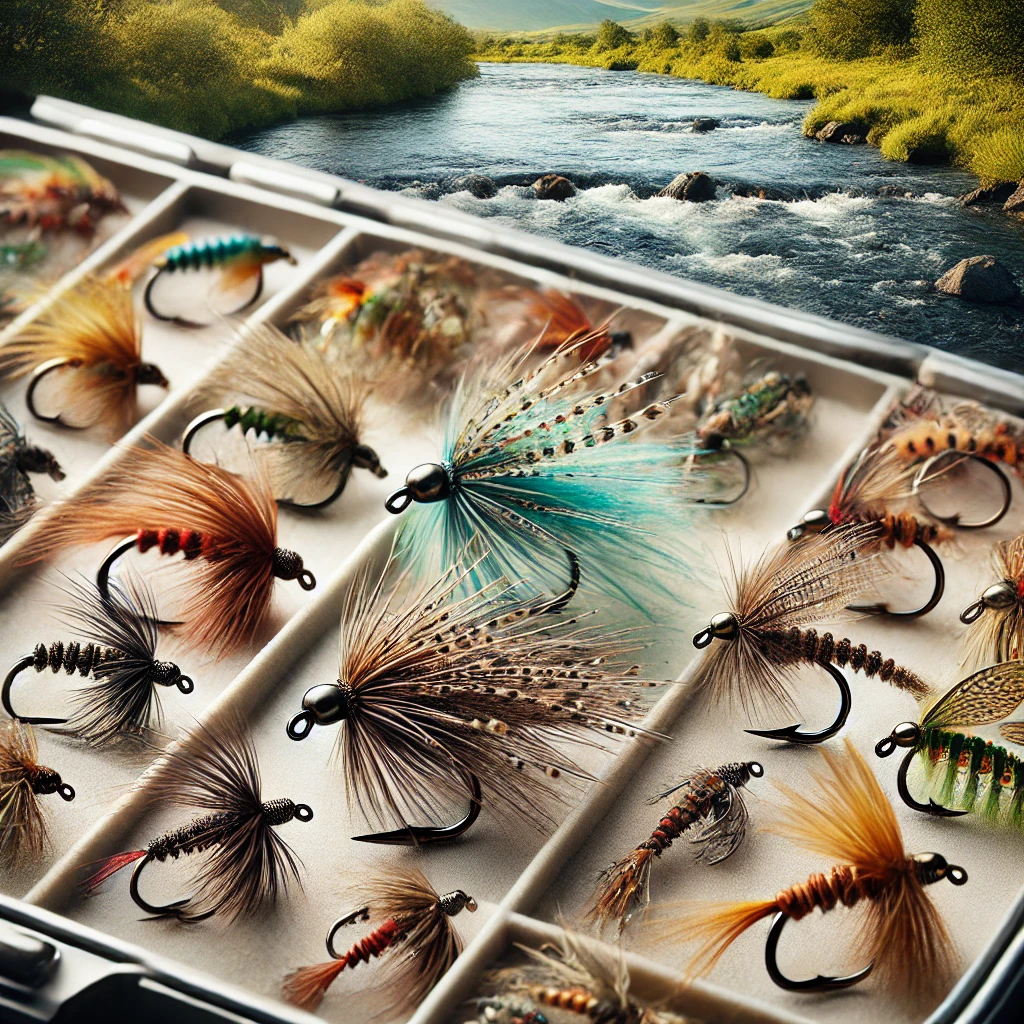
Fly fishing enthusiasts, whether beginners or seasoned anglers, are aware that the right fly pattern can make all the difference. One such highly effective pattern for targeting salmon and steelhead is the egg pattern. Egg patterns imitate fish eggs and play a crucial role in the lifecycle of these species. By understanding and mastering the art of tying egg patterns, anglers can significantly increase their chances of success on the water.
Salmon and steelhead are anadromous fish, which means they migrate from the ocean to freshwater rivers to spawn. During this period, they are highly attracted to egg patterns, mistaking them for real fish eggs. These patterns are particularly effective in rivers and streams when salmon and steelhead are focused on spawning, as eggs are a primary food source for many fish. Understanding how to tie and use these fly patterns can open up a world of opportunities for anglers.
In this article, we will explore various aspects of egg patterns in fly fishing, including the different types of egg patterns, the materials required for tying them, tips for tying perfect egg flies, and techniques for fishing with these patterns. Whether you’re new to fly tying or looking to add a new fly pattern to your repertoire, this comprehensive guide will provide valuable insights to enhance your fly fishing experience.
Types of Egg Patterns
Egg patterns come in various designs, each created to mimic the appearance of fish eggs in different ways. Some of the most popular egg patterns include the Glo Bug, Nuke Egg, and Otter’s Soft Egg. Understanding the unique characteristics of each type can help you choose the right pattern for different fishing situations.
The Glo Bug is perhaps the most recognized egg pattern. Made from yarn-like material, the Glo Bug is easy to tie and customizable in terms of color and size. Anglers often use bright hues like chartreuse and pink to catch the fish’s attention.
The Nuke Egg features a more realistic appearance, often using dubbing material to achieve a translucent look. This pattern imitates an egg with a developing embryo, making it particularly appealing to salmon and steelhead.
Otter’s Soft Egg is a silicone-based pattern that feels more natural to fish. The softness of the material makes it more likely that fish will hold onto it, increasing your chances of a successful hookset.
Choosing the appropriate egg pattern depends on several factors, including water clarity, light conditions, and the specific preferences of the fish in your location. Experimenting with different patterns and noting which ones yield the best results can help you refine your approach.
Materials for Tying Egg Patterns
When it comes to tying egg patterns, selecting the right materials is essential for creating effective flies. Let’s take a closer look at some of the primary materials used in tying egg patterns:
- Yarn: Glo Bug yarn or similar materials are commonly used for the body of the egg pattern. The color and texture of the yarn can make your pattern more enticing to fish.
- Hooks: Use high-quality, sharp hooks to ensure a good hookset. Size 8 to 14 hooks are common for egg patterns.
- Thread: A strong, thin thread is necessary for securing the materials to the hook. Threads in size 6/0 or 8/0 work well.
- Dubbing Material: For patterns like the Nuke Egg, use dubbing material to create a translucent effect.
- Silicone: Products like Otter’s Soft Eggs use silicone to create a lifelike texture. Silicone-based materials can be pre-purchased or made at home.
Additional tools such as scissors, bodkins, and whip finishers are essential for the tying process. By keeping these materials and tools on hand, you can efficiently tie a variety of egg patterns tailored to your needs.

Tips for Tying Perfect Egg Flies
Tying egg patterns requires attention to detail and some practice to master. Here are a few tips to help you tie perfect egg flies:
1. Use consistency: When tying multiple flies, strive to maintain consistency in size and shape. This ensures that each fly mimics the appearance of a natural egg and attracts fish.
2. Experiment with colors: Fish can be selective about the color of the eggs they target. Experiment with different shades to see which ones work best in your fishing area.
3. Use contrasting colors: Adding a contrasting spot or dot to your egg pattern can make it more visible and enticing to fish.
4. Keep it simple: Egg patterns don’t need to be overly complicated. Simple designs often work best, especially when you’re just starting out.
5. Practice your tying techniques: Whether it’s whip finishing or using a dubbing loop, practicing basic fly tying techniques can improve the quality of your egg patterns.
By following these tips and practicing regularly, you’ll be able to tie effective egg flies that increase your chances of landing salmon and steelhead.
Techniques for Fishing with Egg Patterns
Using egg patterns effectively requires the right techniques to present the fly naturally and entice fish to strike. Here are some key techniques to keep in mind:
1. Drift presentation: One of the most effective ways to fish with egg patterns is to use a drift presentation. Cast upstream and allow the current to carry the fly downstream naturally, mimicking the way eggs drift in the water.
2. Depth control: Adjust the depth of your fly to ensure it moves through the strike zone where fish are likely to be located. Using split shot or a weighted fly can help achieve the right depth.
3. Use an indicator: A strike indicator can help you detect subtle bites that might otherwise go unnoticed. Keep a close eye on the indicator and be ready to set the hook.
4. Vary your retrieval rate: While drifting is effective, experimenting with different retrieval rates can create varying levels of attraction. Try short strips, slow retrieves, or even pausing the fly occasionally.
5. Match the hatch: Pay attention to the environment and try to match the characteristics of the natural eggs present. Adjusting color, size, and presentation accordingly can make a significant difference.
By mastering these techniques and adapting to the conditions on the water, you can optimize the effectiveness of egg patterns for salmon and steelhead fishing.
Conclusion
Egg patterns are an indispensable part of an angler’s toolkit when targeting salmon and steelhead. The simplicity and effectiveness of these patterns make them a favorite among fly fishers. By understanding the different types of egg patterns, selecting the right materials, and mastering tying techniques, you can create flies that closely resemble natural fish eggs. Additionally, employing the right fishing techniques ensures that your egg patterns are presented in a way that maximizes their appeal to fish.
Salmon and steelhead are voracious feeders during their spawning period, and egg patterns provide an irresistible meal for them. Whether you’re a novice angler or an experienced fly fisher, incorporating egg patterns into your fly box can lead to more successful and rewarding fishing experiences.
Remember to experiment with different patterns, colors, and techniques to find what works best for your specific fishing conditions. With practice and patience, tying and fishing with egg patterns can become a valuable skill that enhances your overall fly fishing journey. So, grab your materials, sit down at your tying bench, and start creating egg patterns that will help you land more salmon and steelhead on your next fishing trip.