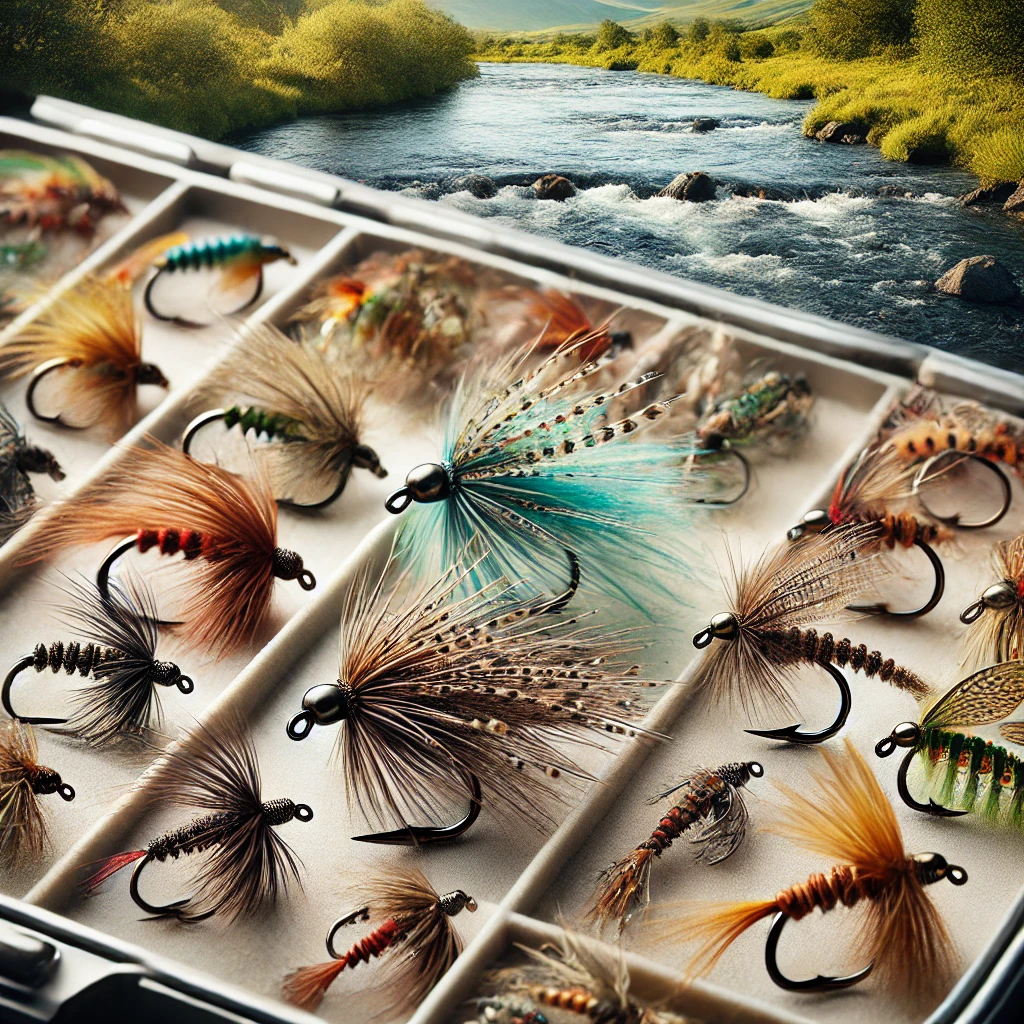
Fly tying is a refined art in angling, where natural feathers are expertly crafted onto hooks to mimic the look of insects. The hobbyist uses these crafted flies to attract fish, making this art both practical and beautiful. Central to this art form is the use of natural feathers, which have captivated enthusiasts due to their aesthetic qualities and realistic presentation. But as enchanting as it may seem, the process of acquiring these feathers brings with it an ethical dimension that must be acknowledged and addressed.
Ethical sourcing plays a crucial role in ensuring that the joy of fly tying does not come at the expense of the environment or animal welfare. This concept involves obtaining materials in a way that is sustainable and humane, minimizing negative impacts on ecosystems and ensuring ethical treatment of animals. It is pertinent because failing to source ethically can contribute to the over-harvesting of birds, threatening biodiversity, and animal cruelty, which fly tying aficionados often wish to avoid. In any craft that uses natural resources, the balance between passion and responsibility must be met with conscientious practices. Thus, incorporating ethical considerations into fly tying transforms it into a more sustainable and morally responsible hobby.
Sustainable Practices in Fly Tying
To align with ethical standards, sustainable practices in fly tying are of paramount importance. This involves choosing feathers that are procured through sustainable measures, ensuring that natural habitats and wildlife populations are protected. Sustainable practices can be as simple as opting for feathers that are shed naturally from birds rather than those taken directly from the animals.
One noteworthy example is the use of molted feathers, which are collected after birds shed them naturally. Many suppliers have adopted this practice to avoid harming birds. For instance, domestic fowl like chickens and ducks naturally shed feathers that can be collected without disrupting the birds’ well-being. By using these molted feathers, fly tying enthusiasts can craft exquisite flies without contributing to the reduction of bird populations or harming the birds directly.
- Use of naturally shed feathers
- Preference for farm-raised feather sources
- Support of certified ethical suppliers
These initiatives not only protect wildlife but also ensure that the natural beauty of feathers is preserved for both current and future use. As such, sustainable practices in fly tying help maintain ecological balance and promote a healthier planet.
Case Study: The Peacock Feather Dilemma
The peacock feather exemplifies both allure and controversy in the world of fly tying. Known for its iridescent sheen and vibrant colors, it has become a staple for creating some of the most striking flies. However, its demand has also led to ethical concerns regarding its source.
In some regions, peacocks are subjected to poaching for their glamorous feathers. This not only threatens their populations but also disturbs local ecosystems, where peacocks play critical roles. In contrast, in countries like India, peacocks are protected by law, and collecting feathers from national parks after they naturally fall is legal and environmentally friendly.
An effective approach to mitigating such dilemmas is ensuring that the peacock feathers used in fly tying are collected ethically and legally. This means sourcing from well-regulated suppliers who uphold strong standards for environmental stewardship and comply with international wildlife protection laws.
Certification Programs and Ethical Assurance
To further empower ethical sourcing, certification programs have been developed to help identify and promote responsible practices. These programs set guidelines and standards for suppliers to follow, ensuring that feathers are obtained in an ethical and sustainable manner.
| Certification Program | Key Features |
|---|---|
| RSPCA Assured | Ensures high animal welfare on farms, including humane handling |
| Wildlife Friendly Certification | Protects wildlife and biodiversity through sustainable practices |
| Eco-Label | Focuses on minimizing the environmental footprint |
By choosing to purchase feathers from these certified sources, fly tying enthusiasts can be more confident that their supplies adhere to ethical and environmental standards. Certification programs offer traceability, providing assurance that the feathers contribute to sustainable and humane practices rather than exploitative methods.
Innovative Alternatives to Natural Feathers
While sourcing ethically is a major step forward, innovators within the field of fly tying have also begun exploring synthetic or alternative materials altogether. These not only provide a cruelty-free option for fly tying enthusiasts but also expand creative possibilities.
Synthetic feathers, often made from high-quality materials such as polyester, offer a realistic appearance and durability indistinguishable from natural feathers. For example, some companies produce plant-based rayon feathers, which mimic real feathers’ texture and flexibility, reducing the need for natural bird feathers.
Additionally, in a collaborative effort between environmentalists and suppliers, organic materials such as coconut fibers or weathered grass can serve as viable alternatives, contributing to the fly’s overall performance while promoting sustainable practices. These innovative approaches highlight the adaptability and resourcefulness present within the fly tying community, which endeavors to harmonize creativity with ethical responsibility.
Conservation Partnerships and Community Engagement
Conservation partnerships with wildlife agencies and charities also play a pivotal role in endorsing ethical sourcing. By supporting and engaging in initiatives that prioritize wildlife preservation, the fly tying community can actively contribute to conservation efforts.
For instance, collaborations with organizations like the National Audubon Society can provide funding for bird protection and habitat restoration efforts. These partnerships are mutually beneficial, ensuring the continued availability of feathers while supporting vital conservation efforts.
Community engagement is another critical component, inspiring awareness among fly tyers. Workshops, seminars, and forums geared towards ethical fly tying can educate practitioners on responsible sourcing, equipping them with the knowledge to make better-informed choices.
Overall, the integration of conservation partnerships and active community engagement solidifies the commitment to ethically sourced materials within the fly tying realm, paving the way for a more conscientious future in craft.
Conclusion: Embracing Ethical Responsibility in Fly Tying
Fly tying with natural feathers is undoubtedly a captivating and rewarding pursuit, yet it poses ethical implications that must not be overlooked. By emphasizing the importance of ethical sourcing, we safeguard the delicate balance between enjoying this art form and protecting our natural world. Key takeaways include the necessity for sustainable practices, the benefits of supporting certification programs, and the viability of innovative, cruelty-free alternatives.
For fly tying enthusiasts, incorporating ethical sourcing not only elevates the craft but also aligns it with values that prioritize environmental well-being and animal welfare. The potential impact of one’s hobby on the planet becomes a testament to their role as stewards of nature.
By choosing to source ethically, engaging with certified suppliers, and exploring alternative materials, fly tying enthusiasts can continue to enjoy this art form responsibly. Now is the time to commit to these practices, ensuring that future generations inherit both the joy and the responsibility that comes with this cherished art.
It is our collective responsibility as fly tyers to adhere to ethical standards and to consciously steward the resources we utilize. Take the next step by evaluating your material sources and supporting initiatives that strive for a harmonious balance between nature and craft.
By doing so, fly tying with natural feathers can truly become an exemplar of ethical artistry.
Frequently Asked Questions
1. Why is ethical sourcing important when tying flies with natural feathers?
Ethical sourcing is crucial when it comes to fly tying with natural feathers because it ensures that the materials we use are obtained in a responsible and sustainable manner. Natural feathers are cherished for their beauty and effectiveness in mimicking insects, but the demand for these materials can place unsustainable pressure on bird populations and the environments they inhabit. By promoting ethical sourcing, we help protect biodiversity and prevent illegal trade that might lead to the exploitation or endangerment of bird species. Ethical practices often include sourcing feathers from reputable suppliers who prioritize animal welfare and environmental stewardship, use waste feathers from agriculture, or collect shed feathers in a non-intrusive manner.
2. What are some ways to source feathers ethically for fly tying?
There are several strategies to ethically source feathers for fly tying: – Seek feathers from suppliers who are transparent about their sources and adhere to environmental regulations. – Use feathers that are by-products of agriculture, such as those from chickens, turkeys, or pheasants raised for food. – Collect naturally shed feathers found in the wild from non-protected species, ensuring minimal disruption to local ecosystems and compliance with local laws. – Participate in fly tying forums and communities where enthusiasts exchange naturally obtained feathers. – Consider using synthetically produced materials that mimic the look and feel of natural feathers, reducing pressure on wildlife while still maintaining aesthetic appeal in your fly patterns.
3. Are there specific regulations or certifications to look out for when sourcing feathers?
Yes, there are several certifications and regulations that can help guide ethical sourcing of feathers: – The Convention on International Trade in Endangered Species of Wild Fauna and Flora (CITES) provides international regulations on trade in animal and plant species that may be threatened by over-exploitation. Check if the feathers you are interested in are subjected to CITES restrictions. – Verify if suppliers are certified by conservation-minded organizations that audit feather sourcing and ensure animal welfare standards are met. – In some countries, local wildlife agencies may enforce regulations on the collection and trade of feathers, even from non-endangered species. It’s important to be familiar with these local laws to ensure compliance. – Always ask suppliers for detailed information about their sourcing policies, including the species of origin and their collection or farming practices.
4. What impact does unethical feather sourcing have on the environment and wildlife?
Unethical feather sourcing can have significant negative impacts on both the environment and wildlife. If feathers are obtained through overharvesting, poaching, or illegal trade, it can lead to: – The decline of bird populations, particularly for species whose feathers are coveted, which can alter ecosystems and food chains. – Habitat destruction, as poaching often involves disturbing natural environments, which can impact not just target species but many other organisms living in that habitat. – An increase in the illegal wildlife trade, contributing to global biodiversity loss and potentially leading to the extinction of species. – Additionally, it can perpetuate cruelty, as birds may be slaughtered solely for their feathers rather than as part of sustainable or ethical harvesting practices.
5. How can fly tiers promote ethical practices in their community?
As a fly tier, you can play an important role in promoting ethical practices within your community by: – Educating fellow enthusiasts about the importance of ethical sourcing and sharing resources that aid in the identification of ethically-sourced materials. – Supporting fly tying suppliers known for sustainable and ethical practices and encouraging others to do the same. – Advocating for transparency in the feather supply chain and demanding clear information on the origin and practices involved in feather production. – Engaging with conservation groups or wildlife protection agencies to stay informed and raise awareness about the impacts of unethical feather sourcing on wildlife. – Leading by example, showing how beautiful and effective flies can still be tied using ethically sourced or synthetic materials, thus inspiring others to explore these practices. – Holding workshops, talks, or events to spread awareness and educate new tiers on the importance and methods of ethical sourcing.