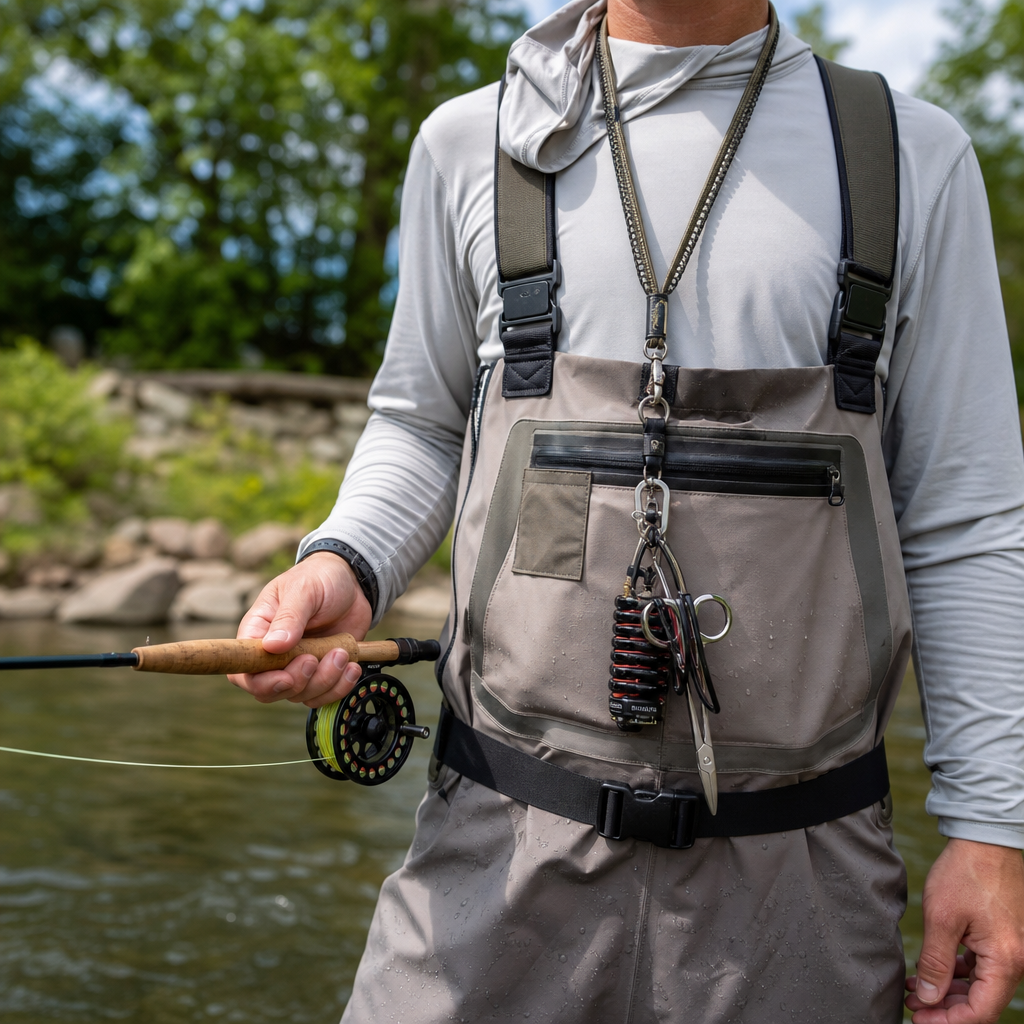
Choosing the best fly fishing lanyards for 2025 means balancing organization, comfort, safety, and on-water efficiency, because a lanyard is not just a neck strap but the command center for the tools you reach for every few casts. In fly fishing, a lanyard is a wearable system that carries essentials such as nippers, forceps, floatant, tippet spools, indicators, and small fly boxes. Anglers use them to keep critical accessories at chest level, reduce pocket digging, and stay mobile when a vest, chest pack, or sling pack feels excessive. I have used lanyards on spring creeks, drift boats, and tight brushy streams where one extra zipper or strap can turn a clean cast into a snagged mess, and the difference between a good setup and a bad one becomes obvious within an hour.
This matters more in 2025 because fly anglers increasingly mix minimalist wading, euro nymphing, kayak fishing, and travel-friendly setups. Those styles reward lightweight organization. At the same time, modern lanyards have improved with coated cables, magnetic docks, modular attachment points, and corrosion-resistant hardware, making them far more capable than the homemade paracord rigs many anglers started with. The best fly fishing lanyards now serve a wider range of users: trout anglers who carry only a few tools, saltwater anglers who need rust resistance, guides who want fast access all day, and beginners building a first accessory kit without committing to a full vest system.
As a hub article for accessory reviews, this guide covers what a fly fishing lanyard should do, which models stand out in 2025, how to match one to your fishing style, and where each product fits within a broader gear system. If you are asking simple questions such as what is the best fly fishing lanyard, are lanyards better than vests, or what accessories belong on one, the short answer is this: the best option is the one that keeps frequently used tools secure, visible, and untangled without creating neck fatigue. Premium materials help, but thoughtful layout matters more than branding alone. Good lanyards improve rhythm on the water by cutting wasted motion, and that benefit shows up cast after cast.
What makes a great fly fishing lanyard in 2025
The best fly fishing lanyards for 2025 share five traits. First, they distribute weight well. A soft neoprene or padded neck section reduces pressure points, especially when loaded with hemostats, tippet, and split shot. Second, they use secure attachment hardware. Quality zingers, swivels, cord loops, and micro carabiners prevent dropped tools and reduce tangling. Third, they resist corrosion. Anodized aluminum, stainless steel, coated cable, and non-absorbent materials matter if you fish in rain, store gear wet, or spend time in brackish water. Fourth, they stay modular. You should be able to remove accessories for a different river, technique, or season. Fifth, they maintain low bulk. A lanyard that swings wildly, snags fly line, or bounces during wading defeats its purpose.
Fit also matters more than many anglers expect. An adjustable lanyard should sit high enough that nippers and forceps are easy to grab with either hand, but low enough to avoid hitting your chin during a cast. I generally look for a chest-level resting point around the sternum, with heavier items centered and lighter items on the sides. That simple arrangement improves balance and line management. If you fish from a drift boat or raft, a lanyard can be slightly longer because mobility demands are lower. On foot, especially on steep banks or while bushwhacking, compact positioning is better.
The final measure is speed. A good lanyard should let you cut tippet, crimp barbs, change indicators, and release fish without looking down for long. That sounds minor, but it affects catch rate and fish handling. Faster tool access means less fumbling while a trout is in the net and less time with hands off the rod during a hatch. In practice, the best lanyards are not the ones with the most attachment points; they are the ones that support the few tasks you repeat constantly.
Best fly fishing lanyards for 2025: top picks by use case
The strongest overall option for most anglers is the Fishpond Neckvest Lanyard. Fishpond has refined this design for years, and it remains one of the easiest recommendations because it balances comfort, attachment versatility, and clean organization. The molded neck panel spreads weight well, integrated retractor stations keep tools from swinging, and the front workstation style makes it easy to carry floatant, nippers, forceps, and tippet without improvisation. It especially suits trout anglers who want an alternative to a vest but still need a complete chest-level setup for all-day fishing.
For minimalist anglers, the Loon Outdoors Lanyard is a practical favorite. It is simple, light, and intentionally uncluttered, which is exactly why many experienced anglers prefer it. If your standard kit is nippers, forceps, one floatant bottle, and a couple tippet spools, a stripped-down layout works better than a heavily featured harness. Loon’s accessory ecosystem also helps because many of its tools clip cleanly into a compact arrangement. Small-stream anglers and dry fly specialists often benefit most from this category.
For premium handmade quality, the Rising Lanyard deserves attention. Rising is known for machined tools and durable accessories, and its lanyard systems reflect that same sensibility. Materials and hardware feel substantial, attachment points are thoughtfully placed, and the finish quality is strong enough for anglers who care about long-term durability as much as appearance. It is not the cheapest route, but guides and frequent anglers often appreciate gear that still functions smoothly after multiple seasons of heavy use.
For saltwater or mixed-use durability, custom paracord and bead-chain designs from specialty makers remain relevant in 2025. They are less standardized than major retail models, but many solve corrosion and simplicity better than overbuilt freshwater systems. If you fish flats, jetties, or coastal estuaries, fewer moving parts and more rust-resistant materials often outperform feature-heavy lanyards. The best custom builders use marine-grade clips, heat-shrink finishing, and layouts designed around pliers rather than trout tools.
| Model | Best For | Key Strength | Main Tradeoff |
|---|---|---|---|
| Fishpond Neckvest Lanyard | All-around trout fishing | Comfortable, modular, tool-ready layout | Can feel bulky for ultra-minimalists |
| Loon Outdoors Lanyard | Minimalist wading | Lightweight and simple | Less capacity for extra accessories |
| Rising Lanyard | Frequent use and premium builds | Excellent hardware and durability | Higher price |
| Custom saltwater lanyard | Coastal and corrosion-prone use | Rust resistance and tailored layout | Quality varies by maker |
How to choose the right lanyard for your fishing style
The right fly fishing lanyard depends first on where and how you fish. On small trout streams, a compact lanyard can replace a vest entirely. You likely need only nippers, forceps, floatant, amadou or drying patch, and 4X through 6X tippet. In that setting, every extra accessory becomes dead weight. On larger western rivers, especially during indicator or nymph rigs, your needs expand to split shot, multiple tippet diameters, strike indicators, and perhaps a small fly patch or box. There, a more structured lanyard pays off.
Euro nymphing anglers have a different set of priorities. They often change tippet and flies frequently, carry tungsten flies, use specialized leaders, and value unobstructed line control. A good euro setup keeps tippet and nippers central while minimizing dangling attachments that can catch thin leaders. Many competitive anglers I have fished with prefer very sparse chest setups for exactly this reason. The same principle applies to streamer anglers who strip line aggressively; loose accessories and line management do not mix well.
If you already wear a sling pack, chest pack, or vest, think of the lanyard as a front-end tool station rather than primary storage. In that role, it should hold only the tools used constantly, while flies, leaders, and larger items stay in the pack. This is a highly effective system for guides and boat anglers. It reduces repetitive opening and closing of pockets and keeps the deck cleaner. The mistake is trying to make a lanyard carry everything. Once overloaded, it becomes uncomfortable and inefficient.
Must-have accessories to carry on a fly fishing lanyard
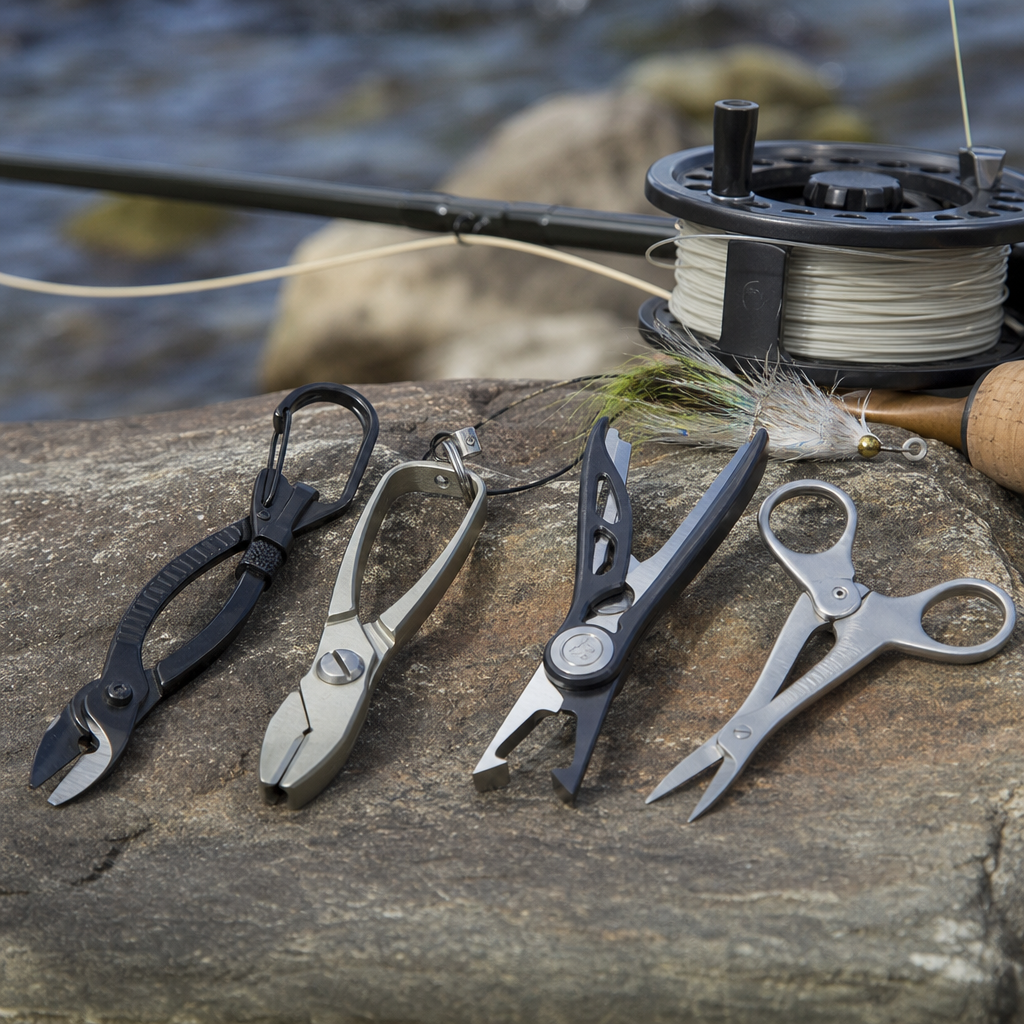
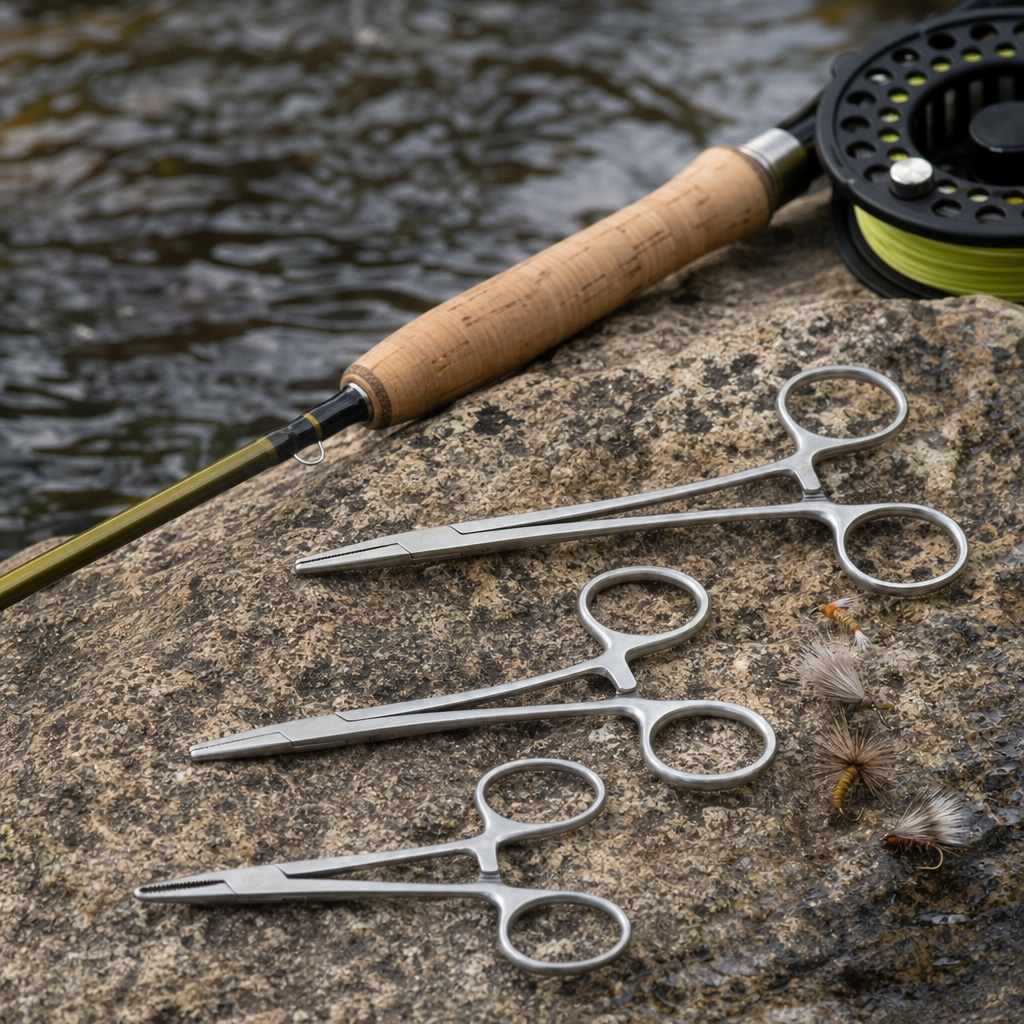
A lanyard works best when every item earns its place. The core kit is straightforward: nippers for trimming tippet, forceps or hemostats for hook removal and crimping barbs, one or two tippet spools in your most-used sizes, and floatant for dry fly fishing. That basic load handles the majority of trout situations. Add a small retractor for nippers if the lanyard does not include one, because tools on fixed cords tend to swing and snag more often.
After the basics, add only what matches your method. Indicator anglers may carry putty, foam indicators, and split shot. Dry fly anglers may add desiccant powder, amadou, and gel floatant. Nymph anglers might clip on a small spool of sighter material or a compact split-shot dispenser. Stillwater anglers sometimes keep a line cleaning pad or small thermometer, though those items usually belong in a pack unless used frequently. In my own setups, less is nearly always better. If I have not touched an item in three trips, it comes off.
Avoid hanging large fly boxes from a neck lanyard. That weight creates fatigue and pendulum swing, especially while scrambling along banks. If you need fly storage on the chest, use a very small patch box or a foam patch and keep full boxes elsewhere. Also be cautious with magnets. They are convenient for forceps, but weaker models can drop tools during deep wading or while kneeling to net fish. Strong magnets from reputable brands work well, but retention should always be tested at home before a trip.
Lanyard vs vest vs sling pack: which system is best
A fly fishing lanyard is best when you want speed and simplicity. A vest is best when you need maximum storage and balanced load distribution. A sling pack is best when you want modular capacity with easier access than a backpack. None is universally superior. The right choice depends on trip length, fly storage needs, weather, and mobility. For short sessions on familiar water, I often choose a lanyard because it keeps the essentials available and leaves my upper body less encumbered. For full-day exploratory trips carrying extra fly boxes, leaders, food, and layers, a vest or pack is still more practical.
Lanyards excel in hot weather because they are breathable and eliminate the insulation effect of a full vest. They also pair well with rain shells, which can make bulky pockets frustrating to access. However, lanyards are not ideal for anglers who carry cameras, multiple fly boxes, large tippet selections, or boat loads of terminal gear. They can also become uncomfortable if loaded heavily for long days. A common compromise is combining a light lanyard with a waist pack or sling. That setup gives immediate tool access while preserving storage.
For beginners, the best path is often a simple lanyard first, then expansion later if needed. It teaches discipline about what actually gets used. Many anglers discover that a small percentage of their gear matters on most outings. Once that becomes clear, future purchases become smarter across the whole accessory category, from forceps to packs.
Care, setup, and buying advice for long-term value
To get long life from a fly fishing lanyard, rinse it after dirty or salt-exposed trips, dry retractors and clips before storage, and inspect cord ends and crimps regularly. Corrosion usually starts in small hidden places such as springs, split rings, and clip gates. A quick freshwater rinse and open-air drying routine prevents most failures. If your lanyard uses leather or absorbent fabric, avoid sealing it wet in a gear bag. Mildew and odor develop fast, and wet materials can weaken stitching over time.
When setting up a new lanyard, start with the minimum loadout for one specific fishery. Fish it for a full day, then remove anything unused and reposition what felt awkward. This matters because catalog photos rarely show real-world ergonomics. On the water, half an inch of placement can determine whether forceps are intuitive to grab or constantly in the way. I also recommend attaching the most-used cutting tool on your dominant-hand side and keeping fish-release tools central. That arrangement reduces fumbling during quick releases.
As this accessory reviews hub expands, use this page as the starting point for deeper comparisons on nippers, forceps, zingers, tippet management, and chest-carry systems. The best fly fishing lanyards for 2025 are the ones that support your style without adding distraction. For most anglers, that means a comfortable modular design like the Fishpond Neckvest, a minimalist option like the Loon, or a premium durable build like the Rising. Choose based on your actual fishing habits, not the most feature-packed product, then fine-tune the setup on the water. If you are updating your kit this season, start with the lanyard that keeps your essential tools accessible, secure, and out of the way.
Frequently Asked Questions
What should I look for when choosing the best fly fishing lanyard in 2025?
The best fly fishing lanyards in 2025 should do more than simply hold a few tools around your neck. A good lanyard acts as a streamlined gear hub that keeps your most-used accessories organized, easy to reach, and comfortable to carry for long days on the water. Start by looking at layout and attachment options. A quality lanyard should have enough connection points for essentials like nippers, forceps, floatant, tippet, strike indicators, and a small fly patch or box, without becoming cluttered or awkward. The best models make it easy to separate tools by frequency of use, so the items you grab every few casts stay front and center.
Comfort is equally important. Since a lanyard rides on your neck and chest all day, lightweight construction, smooth cord or strap materials, and balanced weight distribution matter a lot. Some anglers prefer minimalist lanyards with just a few clips, while others want padded or ergonomic designs that reduce pressure during full-day sessions. Adjustable fit is another big advantage, especially if you fish in different seasons and alternate between lightweight shirts and bulkier rain jackets or insulation layers.
Durability should also be high on your list. In 2025, the better fly fishing lanyards use corrosion-resistant hardware, tough synthetic cords, quality knots or crimps, and attachment components that can handle repeated exposure to water, sun, and fish slime. If you fish in saltwater or brackish conditions, this becomes even more important. Finally, pay attention to safety and efficiency features. Breakaway connectors, retractors, quick-access clips, and modular add-ons can make a real difference. The best choice is the one that matches how you actually fish: mobile, organized, lightweight, and fast to use when every second on the water counts.
Are fly fishing lanyards better than vests, sling packs, or chest packs?
Fly fishing lanyards are not automatically better than vests, sling packs, or chest packs, but they can be the best option for certain anglers and conditions. A lanyard shines when you want the highest-priority tools immediately accessible without digging through pockets or shifting a larger bag around. That makes them especially attractive for anglers who wade often, fish short sessions, cover a lot of water, or prefer a minimalist setup. When your nippers, hemostats, tippet, floatant, and indicators are always at chest level, routine tasks become faster and more intuitive.
Compared with a vest, a lanyard is lighter, less bulky, and usually cooler in warm weather. It can also feel less restrictive, especially if you dislike the extra fabric and storage of a full vest. Compared with a sling or chest pack, a lanyard offers faster access to the smallest and most frequently used tools, since they remain visible and within easy reach instead of stored in a zippered compartment. This convenience is one reason many anglers view the lanyard as a command center rather than just an accessory strap.
That said, lanyards have limits. They do not carry as much gear as a vest or pack, and if overloaded, they become uncomfortable and messy. Anglers who bring multiple fly boxes, extra leaders, cameras, rain gear, lunch, or layers will still benefit from a larger carry system. In practice, many experienced anglers combine systems: a lanyard for everyday tools and a sling, backpack, or waist pack for backup gear. If your goal for 2025 is efficiency and mobility, a fly fishing lanyard may be the better choice for core essentials, but it works best when paired with realistic expectations about storage capacity.
How many tools and accessories should I carry on a fly fishing lanyard?
A fly fishing lanyard works best when it carries only the gear you truly use regularly. For most anglers, that means keeping the setup simple and intentional rather than loading every available attachment point. A practical lanyard usually includes nippers, forceps or hemostats, one or two tippet spools, floatant, indicators, a small fly patch, and possibly a compact fly box or hook hone. These are the items that support constant on-water adjustments and should remain immediately available. If you start hanging multiple heavy boxes, several extra gadgets, and duplicate tools, the lanyard quickly loses the advantages that made it appealing in the first place.
The key is balance. Too little gear and the lanyard stops being useful. Too much gear and it swings, tangles, presses on your neck, and slows you down. A well-built 2025 lanyard should support a minimalist but complete working kit. Think in terms of frequency: if you use it every few minutes, it probably belongs on the lanyard. If you use it once or twice in a day, it may be better stored in a pack or pocket. This approach keeps your chest area clean and your movement natural while wading, casting, and landing fish.
It also helps to distribute weight intelligently. Heavier tools should be clipped where they stay stable and do not slap against each other. Retractors can reduce swinging for forceps and nippers, while tippet bars or spool tenders keep line material organized. The best fly fishing lanyards for 2025 are not the ones carrying the most gear; they are the ones carrying the right gear in the right places. A tidy, efficient lanyard will almost always outperform an overloaded one.
Are fly fishing lanyards comfortable for all-day wear?
Yes, a well-designed fly fishing lanyard can be comfortable for all-day wear, but comfort depends heavily on fit, weight, and how thoughtfully the gear is arranged. The biggest factor is load management. Even a premium lanyard can become uncomfortable if it is overloaded with too many metal tools, large fly boxes, or redundant accessories. The most comfortable lanyards in 2025 are typically those built from lightweight but durable materials and designed to spread weight evenly across the neck and upper chest.
Adjustability also plays a major role. A lanyard should sit high enough to keep tools accessible, but not so high that everything crowds your throat or tangles with your fly line. Many modern designs include adjustable cords, modular stations, and accessory placement options so anglers can tune the system to their body size and layering needs. This matters more than many people realize, especially if you fish across changing seasons and wear everything from a sun hoodie in summer to a shell jacket in fall.
Another comfort factor is tool stability. If accessories swing constantly while walking, climbing banks, or casting, the lanyard becomes irritating quickly. Retractors, keepers, and secure clips help reduce bounce and improve the all-day experience. Some anglers also prefer hybrid systems with shoulder support or wider neck sections for added comfort. In short, a fly fishing lanyard can absolutely be an all-day solution if it is light, properly adjusted, and not overloaded. The right setup should feel helpful rather than noticeable, which is usually the mark of a very good lanyard.
What safety and convenience features matter most in a fly fishing lanyard for 2025?
In 2025, the best fly fishing lanyards blend classic utility with thoughtful safety and convenience upgrades. One of the most important safety features is a breakaway connection. Because a lanyard sits around your neck, it should have a way to release under sudden pressure. This is especially useful when wading around brush, climbing over downed timber, or fishing from small watercraft where straps and cords can catch unexpectedly. While not every angler prioritizes this feature, it is a smart addition for anyone concerned about snag hazards.
Corrosion-resistant hardware is another major consideration, especially if you fish wet environments frequently or move between freshwater and saltwater. Clips, rings, and retractors should resist rust and continue operating smoothly after repeated use. Secure tool attachments matter too. You want your nippers and forceps accessible, but you do not want them dropping into the river after a bad clip or weak retractor. Reliable attachment systems save frustration and protect your investment in better tools.
On the convenience side, modularity is one of the most valuable upgrades. Anglers increasingly want lanyards they can customize for trout streams, stillwater, warmwater, or travel. Being able to reposition tippet holders, remove unused accessories, or add a fly patch creates a more efficient setup. Retractors, magnetic docks, quick-release clips, and integrated spool bars also improve speed on the water. These features reduce fumbling and keep the workflow smooth when you are changing flies, trimming knots, or releasing fish. Ultimately, the most important features are the ones that make your lanyard safer, simpler, and faster to use without adding unnecessary bulk.