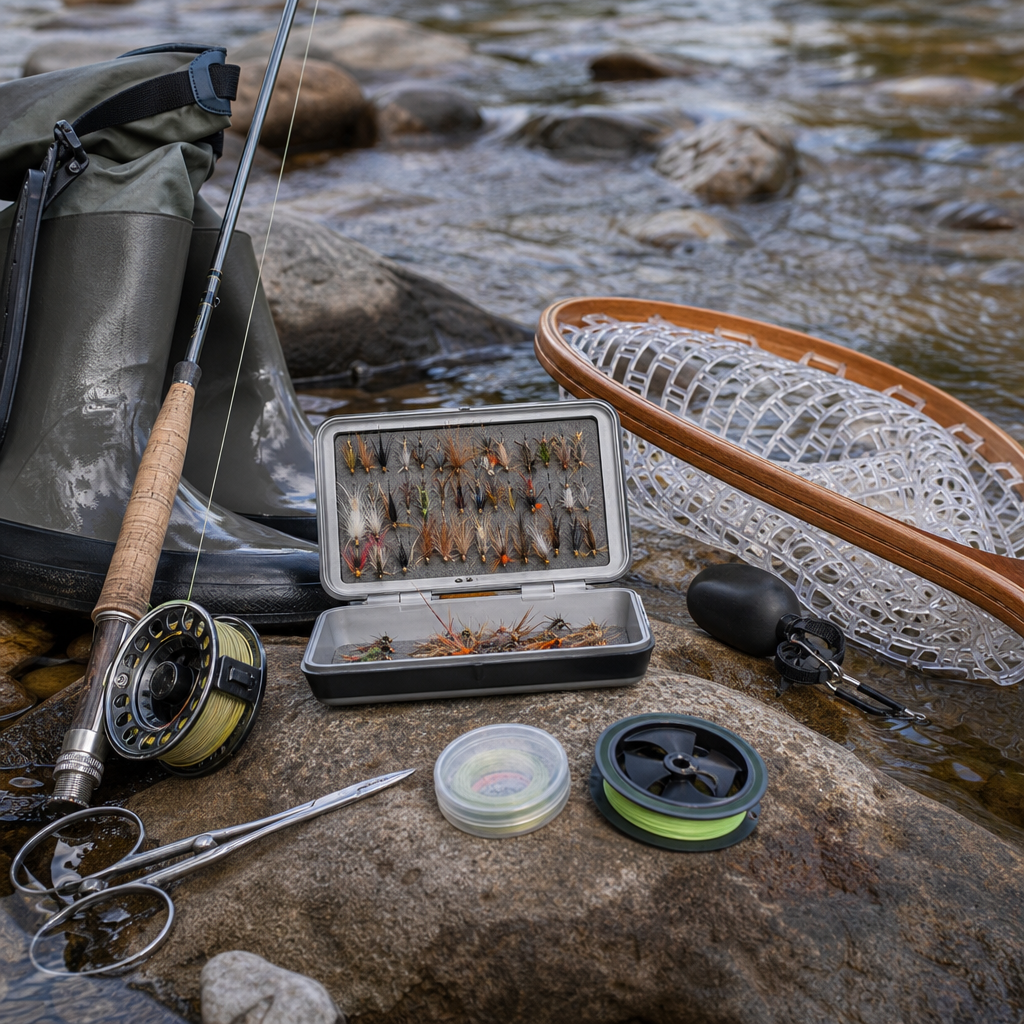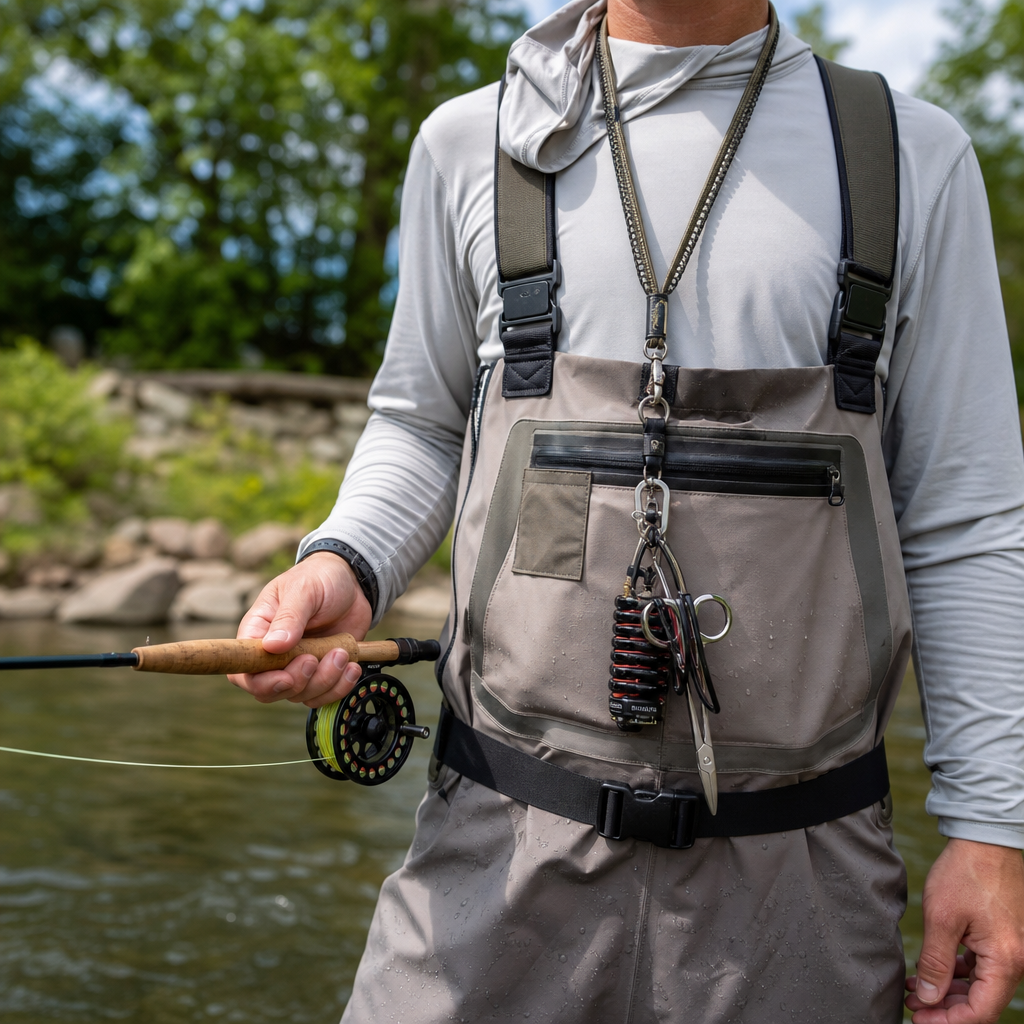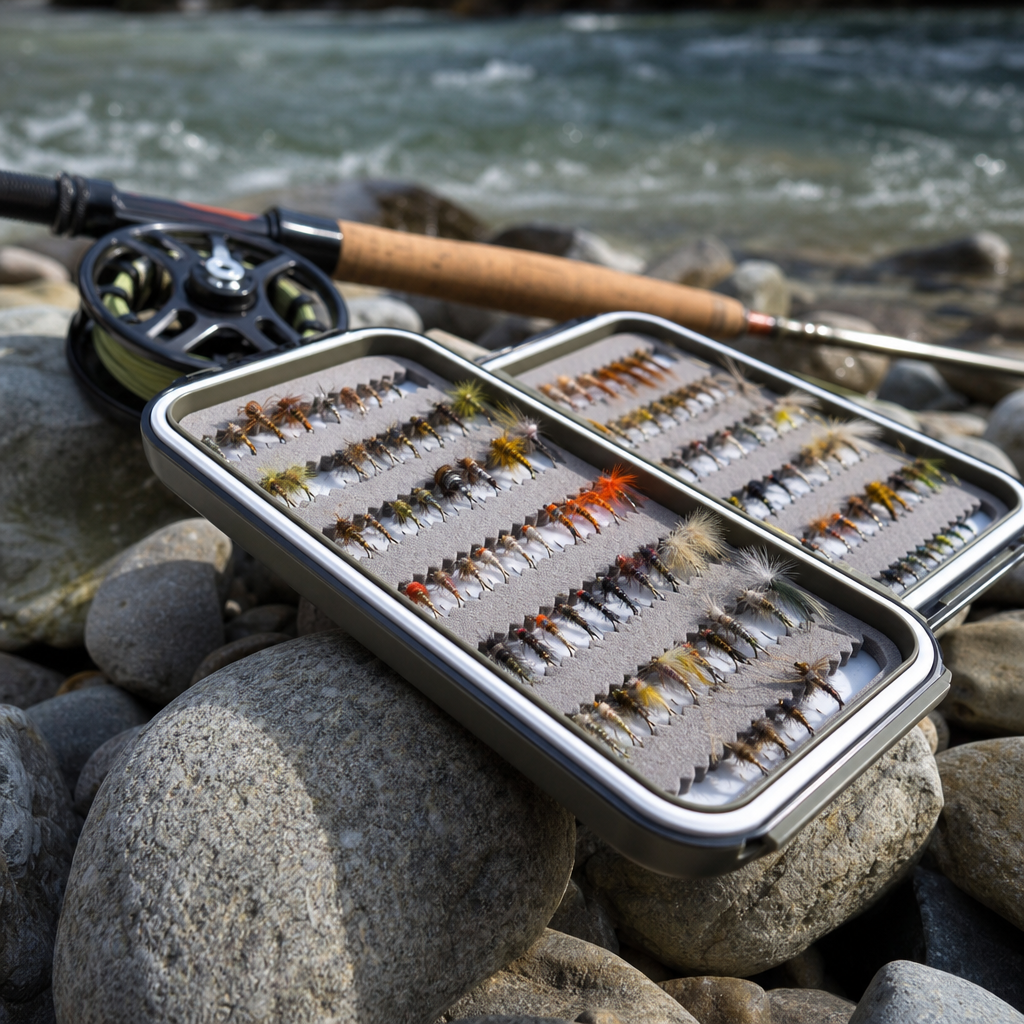
Keeping trout flies, bass bugs, streamers, and saltwater patterns organized is not a small convenience; it directly affects how efficiently you fish, how well your materials last, and how quickly you can adapt on the water. The best fly boxes for keeping your flies organized do more than hold hooks. They protect delicate hackle, separate dry flies from beadheads, reduce rust, speed up fly changes, and help you build a repeatable system from the tying bench to your vest, sling, boat bag, or guide pack. In years of testing fly boxes across tailwaters, freestone rivers, stillwaters, and skiff decks, I have learned that organization matters as much as capacity. A box that technically holds two hundred flies is useless if you cannot find size 20 midges in low light or if articulated streamers crush everything beside them.
Fly boxes come in several core formats. Slit-foam boxes grip hook bends or points in rows. Silicone insert boxes hold flies more securely over time and usually last longer than standard foam. Compartment boxes divide patterns into small cells, which is ideal for larger dries, poppers, tube flies, and fragile terrestrial patterns. Magnetic boxes use a metal plate or magnetic base to keep tiny flies from blowing away during changes. Waterproof fly boxes add gasket seals to protect contents from rain, spray, dunkings, and boat travel. Choosing the right box means matching the box design to the fly category, your fishing style, and the way you access gear under pressure.
This accessory category deserves a dedicated hub because most anglers do not need one perfect fly box; they need a system. The best setup often combines a slim daily box for confidence flies, a high-capacity backup box for seasonal hatches, a streamer box with deeper clearance, and one small magnetic box for emergency midge or nymph work. This article reviews the main fly box types, the most important buying criteria, and the stand-out options for different use cases. It also serves as a central guide for broader accessory reviews, helping you connect fly storage with packs, vests, lanyards, boatside organization, and long-term tackle maintenance.
What makes a fly box actually effective
An effective fly box balances retention, visibility, access, durability, and profile. Retention is the first test. If flies fall out when the box drops, the design fails. Foam slit patterns can work well for barbed and barbless hooks, but hook gap, wire diameter, and repeated insertion all affect grip. Silicone inserts generally outperform basic foam because the material rebounds better after heavy use and resists tearing. I have boxes with silicone mats that still hold #18 nymphs securely after multiple seasons, while cheaper foam versions loosened in a few months.
Visibility matters just as much. Clear lids help on bright days, but internal contrast is often more important. White or light insert backgrounds make tiny black midges easier to spot. Deep lids prevent hackle and indicator posts from being crushed, yet too much depth can let small flies shift if retention is weak. Access also matters in cold weather. Narrow rows can become frustrating when your fingers are wet or gloved. Good hinge tension, reliable latches, and enough spacing to pinch a single fly cleanly are practical details that separate a smart fly box from a disappointing one.
Durability depends on the shell material, hinge design, and seal quality. Polycarbonate boxes tend to resist cracking better than cheaper brittle plastics. Aluminum fly boxes remain popular for traditionalists because they are light and rigid, though many are not waterproof. On boats and in saltwater environments, corrosion resistance matters. Stainless hinge pins, quality latch hardware, and a box that can dry fully between trips reduce rust transfer to hooks. Good organization is not just about neatness; it is a direct line to better gear protection and faster decisions on the water.
Best fly box styles by fly type and fishing situation
The most useful way to choose among accessory reviews is by matching fly box style to the job. Dry-fly anglers usually benefit from compartment boxes or high-clearance slit boxes because CDC wings, parachute posts, and hackle collars deform easily. Euro nymph anglers often prefer slim waterproof slit boxes with dense inserts that hold compact patterns in high numbers. Streamer anglers need depth first, then secure retention, because weighted coneheads, rabbit strips, and articulated shanks can torque loose in shallow boxes.
Stillwater anglers often carry multiple larger boxes segmented by chironomids, leeches, balanced patterns, and indicators, while small-stream anglers may prefer one pocket box with attractors, beadhead nymphs, and terrestrials. Saltwater fly anglers need larger compartments, rust resistance, and easy rinsing. Bonefish and redfish patterns with lead eyes can destroy weak foam quickly. For tiny technical trout flies, magnetic lids or magnetic staging areas are invaluable when changing patterns in wind. Guides often choose boxes that favor quick visual indexing over absolute capacity because client efficiency matters more than packing every pattern ever tied.
| Fly box style | Best for | Main advantage | Main limitation |
|---|---|---|---|
| Slit foam | Nymphs, wets, small streamers | High capacity and fast loading | Foam can wear out |
| Silicone insert | Frequent use across mixed patterns | Long-lasting retention | Usually costs more |
| Compartment | Dry flies, terrestrials, saltwater flies | Protects delicate profiles | Lower total capacity |
| Magnetic | Tiny midges and hook sorting | Excellent control in wind | Not ideal for all fly sizes |
| Waterproof gasket box | Boats, rain, travel, wading packs | Strong moisture protection | Bulkier than many standard boxes |
If you are building a hub-level fly box system, start with one waterproof slit or silicone box for nymphs, one compartment box for dries, and one deeper streamer box. That three-box structure covers most trout fishing and creates logical expansion points for specialty articles on streamer storage, saltwater accessories, and pack organization.
Top features to prioritize before you buy
Capacity gets attention, but layout is the feature that determines whether a fly box stays useful. A crowded box without category separation turns every fly change into a search problem. Look for zones you can assign consistently: top rows for mayflies, center rows for caddis, lower rows for terrestrials, or one side for confidence nymphs and the other for experiments. Consistent placement lowers cognitive load. After enough days on the water, your hand reaches the right section automatically.
Water resistance is the next major filter. Waterproof boxes with O-ring or gasket seals are worth it for wading, drift boats, raft frames, surf bags, and airline travel. They are especially important if you fish barbless hooks, since rust dulls fine points quickly. That said, sealed boxes can trap moisture if you put wet flies away and leave them closed overnight. The practical fix is simple: open boxes to dry at home. No box is maintenance-free.
Size and profile should match how you carry gear. Vest anglers often want thin boxes that stack neatly in front pockets. Sling and chest-pack anglers can carry thicker options, but excessive bulk still slows access. Boat anglers can use larger boxes with less concern for pocket profile. Lid transparency, hinge strength, latch ergonomics, and whether the box opens flat all affect daily usability. On premium models from brands such as Fishpond, Tacky, Fulling Mill, C&F Design, Orvis, Umpqua, and Cliff Outdoors, these details are usually where the price difference is justified.
Another overlooked feature is fly compatibility. Some boxes work brilliantly for standard trout hooks but poorly for jig hooks, heavy saltwater irons, or long-shank streamers. Before buying, compare the insert spacing and internal depth to the actual patterns you fish most. The best fly box is not the one with the highest online rating; it is the one designed around your dominant hook sizes, fly shapes, and carry method.
Recommended fly boxes for different anglers
For general trout fishing, a medium waterproof silicone box is the safest recommendation. It handles nymphs, wets, emergers, and modest streamers without eating too much pack space. Tacky’s Original and Day Pack boxes became popular for good reason: strong retention, sensible row spacing, and durable hinges. Fishpond’s collaboration models build on that format with recycled materials and dependable seals. These are the boxes I recommend most often to anglers who want one premium do-everything option.
For dry-fly specialists, C&F Design and Fulling Mill compartment-style boxes deserve attention. Their micro-slit and leaf systems can be excellent for sorting by hatch stage and size, while traditional compartments help preserve hackled dries and foam terrestrials. If you fish technical spring creeks, being able to separate duns, cripples, emergers, and spinners is more useful than squeezing in extra quantity. A well-organized dry-fly box saves time during short feeding windows.
For streamer fishing, Cliff Outdoors and Umpqua models with deeper cavities or specialized streamer inserts are more practical than standard slim trout boxes. Bulk matters here. Sculpins, game changers, and conehead leeches need space so materials are not matted flat. On the saltwater side, waterproof compartment boxes from Plano-style utility makers can work, but dedicated fly boxes from Umpqua or C&F usually manage hook retention and corrosion better. For small flies, a compact magnetic box from brands like MFC or Montana Fly Company is hard to beat when size 22 midges are part of your regular rotation.
Budget-minded anglers do not need to overspend. Many house-brand waterproof boxes perform well enough for backup storage or seasonal rotation. The key is to allocate budget by usage. Spend more on the box you open fifty times a day, less on archive storage. That approach keeps your accessory kit efficient without turning a simple storage problem into an expensive collecting habit.
How to organize flies so your boxes stay useful all season
The best fly boxes for keeping your flies organized only work if the organization system is stable. Start by sorting flies by function, not just species imitation. For trout, that usually means dry flies, nymphs, emergers, streamers, and terrestrials, then sub-sorting by size and weight. Put confidence flies where they are easiest to reach. Store experimental patterns farther out. I use front-access positions for the handful of flies I know I will fish first, and reserve edge rows for niche patterns.
Seasonality should guide rotation. In early spring, carry midges, baetis, eggs, and small jig nymphs up front. In summer, shift terrestrials, PMDs, caddis, and attractor dries into primary boxes. In fall, move streamers and egg patterns forward. This sounds obvious, but many anglers carry stale inventory year-round and then complain that their boxes are overcrowded. Archive out-of-season flies at home in larger storage boxes labeled by hatch, region, or trip type.
Maintenance is the part most people skip. Dry flies should be returned only after they have aired out when possible. Rusty flies should be removed immediately so corrosion does not spread. Bent hook points and crushed materials waste space and create hesitation when fish are rising. At least once a month during peak season, audit each box. Refill proven patterns, remove dead stock, and restore logical placement. If your fly box system feels messy, the answer is usually not another box. It is a simpler structure, fewer duplicate patterns, and more disciplined rotation.
How this hub connects to other accessory reviews
Fly boxes sit at the center of accessory organization, which is why this hub naturally connects to broader reviews of packs, vests, lanyards, tippet storage, boat bags, and fly-tying storage solutions. A great fly box can still feel awkward inside a poorly designed chest pack. Likewise, the best sling bag is less effective if your boxes are all different sizes and open in conflicting directions. Accessory reviews should be read as a system, not as isolated products.
For anglers building a complete setup, the next logical comparisons are pack compatibility, waterproof versus quick-access tradeoffs, and home storage for bulk inventory. If you fish from a raft or drift boat, pair larger waterproof fly boxes with structured boat bags. If you hike small streams, prioritize slim boxes that fit chest pockets and reduce weight. If you guide or travel, standardizing on one or two box footprints makes packing faster and replacement easier. These connections are why a hub page matters: it helps anglers make accessory choices that work together, not just individually.
The main takeaway is straightforward. Choose fly boxes by fly type, access needs, and carrying method, then organize them with a consistent seasonal system. For most anglers, a waterproof silicone box for nymphs, a compartment box for dries, and a deeper box for streamers will cover the majority of fishing situations. Buy for retention, visibility, and durability before chasing maximum capacity. Then maintain the system by drying flies, rotating seasonally, and removing clutter.
When your flies are organized, you fish faster, protect expensive patterns, and make better decisions under pressure. That is the real value behind the best fly boxes for keeping your flies organized. Use this hub as your starting point, then build out the rest of your accessory kit with matching reviews for packs, storage, and on-water organization tools that support the way you actually fish.
Frequently Asked Questions
What features should I look for in the best fly boxes for keeping my flies organized?
The best fly boxes for keeping your flies organized should match the way you fish, the types of flies you carry, and the environments you fish most often. Start with capacity and layout. A good box should let you separate flies by category, such as dry flies, nymphs, streamers, bass bugs, or saltwater patterns, instead of forcing everything into one crowded space. Slit foam, micro-slit foam, magnetic trays, compartment boxes, and swing-leaf designs all serve different purposes, so the right choice depends on whether you need secure hook retention, quick visibility, or room for bulky patterns.
Water resistance is another major factor. If you fish rivers, float trips, boats, or saltwater, a fly box with a reliable gasket seal can help reduce moisture intrusion and slow rust on hooks. Durability matters too. Hinges, latches, shell construction, and foam quality all affect how long a box will hold up under repeated use. Cheap foam tends to tear, and weak closures often fail at the worst time. Clear lids can improve visibility, while low-profile designs make pocket carry easier. Many anglers also benefit from choosing boxes with a specific purpose, such as a dedicated streamer box, slim dry-fly box, or boat box for larger patterns. In practice, the most effective system usually comes from using several specialized boxes rather than one oversized box for everything.
Are waterproof fly boxes really worth it, or are standard boxes enough?
For many anglers, waterproof or highly water-resistant fly boxes are absolutely worth it, especially if you fish in wet conditions, wade deep, ride in drift boats, kayak, or spend time around surf and spray. Their biggest advantage is moisture control. Hooks, especially fine-wire trout hooks and premium saltwater hooks, can corrode surprisingly fast when trapped in a damp environment. A well-sealed box helps protect your investment by limiting water exposure and reducing the chance that a day on the river turns into a tray of rusty flies a week later.
That said, waterproof does not mean maintenance-free. If you put wet flies into a sealed box and leave them there, you can still create a humid microclimate that promotes rust and damages materials. Waterproof boxes are best viewed as protective storage during the day, not as a substitute for drying flies after a trip. Standard boxes can still be enough if you primarily fish dry climates, carry fewer flies, or rotate through inexpensive patterns often. They are often lighter, less expensive, and sometimes easier to open with cold fingers. The better question is not whether waterproof boxes are always necessary, but whether your fishing style exposes gear to enough moisture to justify the added protection. For frequent trout anglers, streamer fishermen, guides, and saltwater anglers, the answer is usually yes.
How should I organize different types of flies inside my fly boxes?
The most efficient fly organization system separates flies by function, size, and use case. At the simplest level, keep dry flies away from heavier nymphs and beadheads so delicate hackle, wings, and hair are not crushed. Streamers should usually go in their own box because articulated patterns, coneheads, and weighted flies take up more room and can tangle with smaller patterns. Bass bugs and poppers also benefit from dedicated storage because foam bodies, rubber legs, and bulky heads do not sit well in narrow trout-style boxes. Saltwater patterns should typically be isolated as well, both because of larger hook sizes and because any remaining salt exposure can affect nearby flies.
Many anglers also organize by fishing situation. For example, one box may hold confidence flies you reach for every trip, another may hold seasonal hatches, and a third may hold backup inventory. You can further sort by size and style within each box: mayfly dries in one section, caddis in another, midge patterns grouped together, jig nymphs separated from classic nymphs, and baitfish streamers arranged by length or sink rate. This kind of structure saves time on the water because you know exactly where to look during a hatch, a light change, or a sudden move to deeper water. The best systems are easy to repeat. If you tie your own flies, your bench storage, refill boxes, and on-the-water boxes should follow the same categories so restocking stays simple and consistent.
What type of fly box works best for dry flies, nymphs, streamers, and saltwater patterns?
Different flies store best in different box designs, and matching the box to the pattern helps preserve shape, improve access, and reduce damage. Dry flies usually do best in boxes that give them enough internal height to protect hackle, CDC, deer hair, and parachute posts. Slit foam boxes are popular for this because they hold hooks securely without letting flies bounce around, but the box must be deep enough that the lid does not crush the materials. For tiny dries and technical trout patterns, micro-slit foam boxes can maximize capacity while still keeping flies organized by size.
Nymphs and small wet flies are often the easiest to store because they are compact and durable. Slim foam boxes are ideal for these patterns, especially if you carry many beadheads or euro-style flies. Streamers need more room and stronger retention. Larger streamer boxes with deep lids, silicone retention systems, or open-faced compartments are often better than compact trout boxes, since articulated flies, rabbit strips, and long tails can become matted if packed too tightly. Bass bugs and poppers also need roomy boxes that prevent rubber legs and foam bodies from being crushed. For saltwater flies, look for boxes made from corrosion-resistant materials with strong seals and enough depth for larger hooks, synthetic wings, and bulky heads. In short, no single box is best for every category. The most practical approach is a mixed setup: slim boxes for nymphs, deeper boxes for dries, and specialized high-capacity boxes for streamers, bass bugs, and saltwater flies.
How do I keep flies from rusting, tangling, or getting crushed inside a fly box?
The first rule is to avoid putting away wet flies for long-term storage. Even the best fly boxes for keeping your flies organized cannot fully protect hooks and materials if moisture is sealed inside. After a trip, open your boxes at home, let flies dry completely, and inspect any patterns that were heavily soaked, fished in saltwater, or exposed to rain all day. Saltwater flies should be rinsed and dried carefully before going back into storage. This simple habit dramatically reduces rust and extends the life of both flies and boxes.
To prevent tangling and crushing, avoid overfilling. Crowding too many flies into one side of a box is one of the main reasons materials get bent, hackle gets flattened, and streamer tails become a mess. Use deeper boxes for bushy flies, keep articulated streamers spread out, and separate delicate dry flies from weighted flies with beads, cones, or lead wraps. Foam retention systems help keep hooks anchored, while compartment-style boxes can work well for larger patterns that do not sit neatly in slits. It also helps to build a practical rotation: carry an active box for the day’s likely patterns and keep excess inventory in backup storage. That way, your on-water box stays organized, easy to browse, and less likely to damage flies through constant shuffling. Good organization is not only about neatness; it is a way to protect materials, maintain hook quality, and make every fly change faster and more deliberate.