Saltwater fly selection determines whether a day on the flats ends with follows, refusals, or solid hook-ups, because marine predators key on profile, sink rate, movement, and durability far more than anglers often realize. In a product-driven category crowded with flashy marketing, the best saltwater flies for fly fishing are the patterns that consistently match forage, cast cleanly in wind, hold up to sharp teeth, and fish effectively across changing water depth, current, and light. When I build a saltwater box for clients or my own travel, I do not start with brand names. I start with function: baitfish imitation, crustacean imitation, surface disturbance, and specialty triggers for species such as tarpon, striped bass, redfish, snook, bonefish, false albacore, and permit.
That practical framework matters because saltwater environments are unforgiving. A fly that works in a quiet back-bay creek may fail on an open beach with surf and crosswind. A pattern that lands softly for bonefish can be too sparse for aggressive jacks or bluefish. Hook quality, corrosion resistance, weed guards, weighting systems, and synthetic versus natural materials all affect performance. Even color choices are less about aesthetics than visibility and contrast. White, olive, tan, chartreuse, black, pink, and purple repeatedly outperform trend colors because they solve common visibility and forage-matching problems. Anglers searching for the best saltwater flies also usually want direct answers: which patterns cover the most situations, how many sizes to carry, and when to tie one on. This hub article answers those questions clearly and serves as the central guide for fly reviews within product reviews and recommendations, so you can narrow choices, build a smarter fly box, and fish proven patterns with confidence.
What Makes a Saltwater Fly Truly Effective
The best saltwater flies for fly fishing share five traits. First, they create a believable silhouette. Predators often commit on shape before fine detail, especially in moving water or low light. Second, they move naturally. Materials such as bucktail, EP fibers, craft fur, marabou, rabbit strips, schlappen, and silicone legs all produce distinct action. Third, they match the target depth. Bead-chain eyes, lead or brass dumbbells, keel weighting, and unweighted designs let the same forage concept fish at different levels. Fourth, they cast efficiently. Oversized heads and waterlogged materials may look excellent in hand yet become liabilities in 20-knot wind. Fifth, they survive abuse. Salt, sand, mangroves, docks, bluefish teeth, and multiple fish quickly expose weak thread wraps, poor hook tempering, and fragile glues.
In real use, effective patterns also solve presentation problems. The classic Clouser Minnow remains indispensable because it sinks quickly, rides hook point up, and catches almost everything that eats baitfish. Deceivers excel when a longer, more fluid profile matters. Crab flies win when fish tail, root, or pin prey to the bottom. Gurglers and poppers trigger fish feeding upward, especially around structure or low-light bait pushes. Shrimp flies matter because shrimp are universal forage in estuaries and on flats. If you understand those categories, fly buying becomes rational instead of random.
Species matter, but overlap is substantial. A white-and-olive baitfish pattern on a strong saltwater hook can catch striped bass, snook, seatrout, bluefish, bonito, and juvenile tarpon. A tan crab with proper weighting can interest permit, redfish, sheepshead, and black drum. That is why a hub approach to fly reviews is useful: rather than chasing every niche pattern, anglers should know the core families, then branch into specialized articles for local fisheries, seasonal bait, or individual product tests.
Core Baitfish Flies Every Saltwater Box Needs
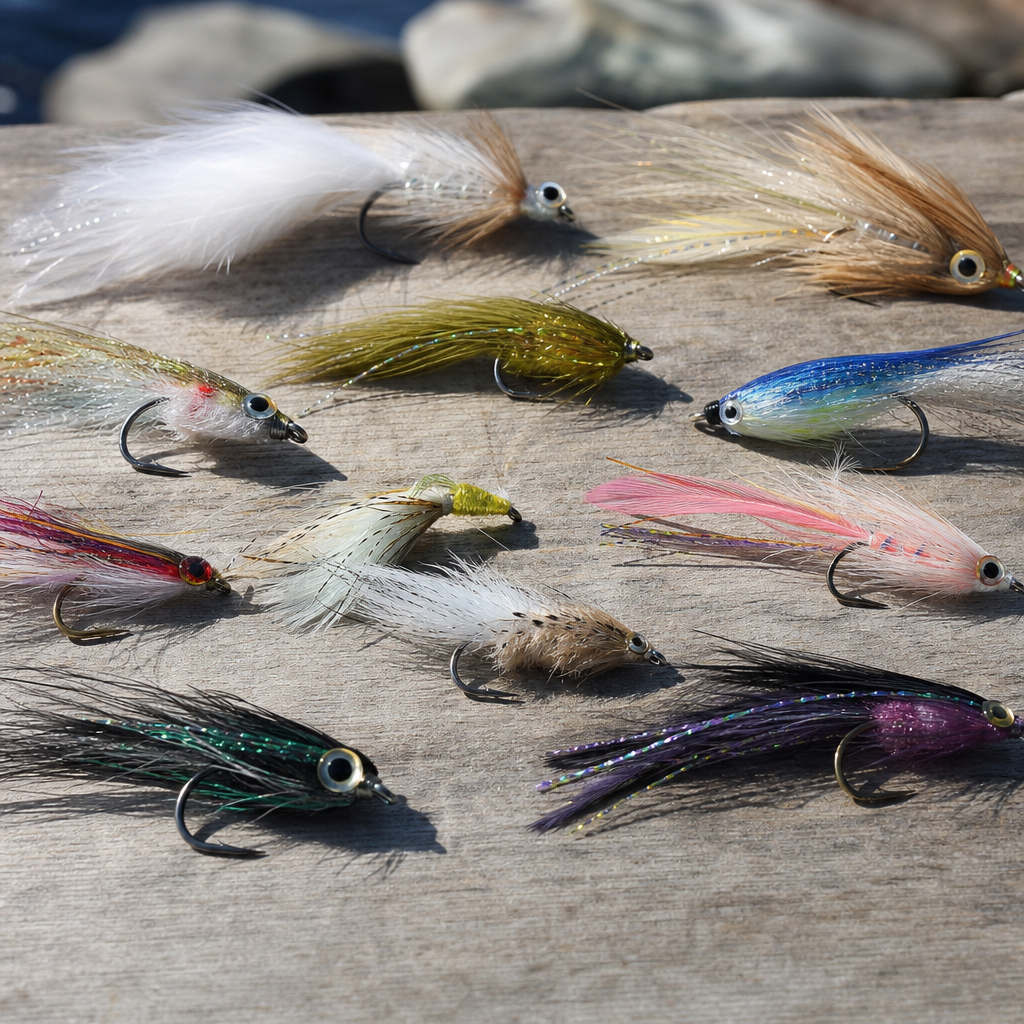
Baitfish imitations are the backbone of any serious saltwater selection because so many saltwater gamefish spend most of their year feeding on anchovies, silversides, sardines, mullet, herring, bunker, peanut bunker, pilchards, and glass minnows. If you carry only a few fly styles, make them baitfish patterns in multiple sizes and sink rates. The strongest hub recommendation is simple: stock Clousers, Deceivers, Hollow Fleyes, EP-style baitfish, and Surf Candies before buying trend-driven flies.
The Clouser Minnow is still the best all-around saltwater fly ever designed. Bob Clouser’s pattern works because dumbbell eyes invert the hook, reduce snagging, and create a jigging action on the strip. For flats species, sizes 2 through 6 with bead-chain or small lead eyes are staples in white/tan, olive/white, and chartreuse/white. For striped bass, bluefish, and snook, larger hooks from 1 to 3/0 and heavier eyes help get down in current. Good product reviews should judge Clousers on hook quality, eye alignment, thread durability, and how well the bucktail maintains shape after fish slime and repeated casting.
The Lefty’s Deceiver remains essential whenever a longer, breathing profile outfishes compact jigs. Saddle hackles create lifelike tail movement at slow speeds, and modern versions add flash, synthetic support fibers, or epoxy heads for durability. I rely on Deceivers around rips, jetties, beach troughs, and mangrove edges when fish are tracking larger rain bait, mullet, or herring. Hollow Fleyes and bulkheaded synthetic baitfish take the concept further, pushing more water and imitating bunker or larger mullet without becoming impossible to cast. EP-style flies are especially valuable for surf and albie fishing because they shed water, resist fouling, and can be tied thin to match bay anchovies or sand eels.
| Fly pattern | Best use | Typical sizes | Top colors |
|---|---|---|---|
| Clouser Minnow | Depth, current, mixed species | 6 to 3/0 | White, olive/white, chartreuse/white |
| Deceiver | Larger baitfish, slower swim | 2 to 4/0 | White, yellow/white, black/purple |
| Hollow Fleye | Bunker, mullet, bulky profile | 1/0 to 5/0 | Olive/white, bunker gray, tan |
| Surf Candy | Anchovies, sand eels, albies | 8 to 1/0 | Clear/pearl, olive, pink |
| EP Baitfish | Durability, easy casting, general purpose | 4 to 3/0 | White, olive, chartreuse, tan |
For surf and open-water speedsters, Surf Candies deserve special mention. Bob Popovics designed them to stay slim, translucent, and durable while matching narrow bait. False albacore, bonito, Spanish mackerel, and selective stripers often reject bushier flies but commit to sparse epoxy or UV-resin baitfish. In reviews, look closely at whether the fly tracks straight, whether the resin yellows over time, and whether the hook shank proportion matches local forage. Tiny differences matter when fish are feeding on inch-long anchovies.
Best Shrimp, Crab, and Flats Flies for Selective Fish
Crustacean patterns become critical whenever fish are tailing, cruising shallow mud, or feeding with head-down posture. Bonefish, permit, redfish, black drum, and even snook often prefer shrimp and crabs over baitfish in skinny water. The best saltwater flies in this category land quietly, sink at the right speed, and avoid spinning during casting. They also need dependable orientation on the bottom. A crab pattern that rides upside down or tips unnaturally can ruin a perfect shot.
For bonefish, the essentials are Gotcha-style shrimp, Crazy Charlies, spawning shrimp patterns, and small mantis or shrimp hybrids. These flies are not all interchangeable. The Gotcha excels because its flash, wing profile, and modest weight imitate translucent shrimp while maintaining a direct, easy strip response. Crazy Charlies are flatter and often land slightly softer. On hard white sand, tan, pearl, pink, and light orange are dependable. On darker turtle grass or marl, adding a bit more contrast helps fish find the fly. Hook size usually ranges from 4 to 8 depending on fish size, depth, and local regulations.
For permit and redfish, crab flies are the true deciders. Merkin-style crabs, Flexo crabs, Raghead crabs, Bauer crabs, and strong EP crab variations all deserve space in a review hub because weighting, leg action, and body stiffness vary widely by design. Permit often demand a fly that drops quickly enough to intercept them yet settles without excessive splash. Redfish can be less fussy, but they still respond better to realistic bottom posture and subtle movement than many anglers expect. In grass, a weed guard can save presentations. On firm sand potholes, unguarded hooks often penetrate better.
One common buying mistake is choosing flats flies solely by visual realism. Fish respond to behavior more than showroom detail. A sparse tan shrimp that lands softly and scoots naturally may outfish a beautifully mottled pattern with too much resin or too much lead. That is why serious fly reviews should score sink rate, landing softness, hook gap, and fouling resistance ahead of cosmetic finish.
Surface Flies, Structure Flies, and Aggressive Predators
Not every saltwater situation calls for subtlety. Around docks, mangroves, bridges, oyster bars, rocky shorelines, and nighttime lights, surface flies and high-action patterns often produce the most violent takes of the day. Gurglers, crease flies, pencil poppers, slider patterns, and foam divers all have a place, especially for striped bass, snook, baby tarpon, seatrout, jacks, bluefish, and roosters in the right fisheries. Surface flies matter because they fish above grass and snags, create a clear target in low visibility, and let anglers keep the fly in the strike zone longer.
The Gurgler is the most versatile topwater pattern in saltwater fly fishing. Its foam lip spits just enough water to imitate fleeing bait without the casting penalty of large hard poppers. It can be stripped fast for bluefish or waked slowly for laid-up snook under mangrove shade. At night for striped bass, black Gurglers silhouette strongly and draw fish from surprising distance. Crease flies push more water and can be deadly on schoolie bass, jacks, bonito, and tuna-feeding scenarios, though they often require more maintenance after repeated fish. Foam sliders and divers become useful when you want a fly to chug, pause, and hang.
For structure-oriented fish, durable baitfish and shrimp flies are as important as topwater. Snook around dock lights often crush white Deceivers, EP minnows, and small Clousers that can be skipped tight to pilings. Seatrout over grass flats often respond to lightly weighted baitfish in white, olive, and tan. Baby tarpon in backcountry creeks may favor rabbit-strip patterns, toad-style flies, and cockroach-inspired dark profiles because these flies breathe when stripped slowly in tannic water. Bluefish and mackerel are the exception that test all tackle brutally. For them, fly choice is less about refinement and more about accepting attrition, using stout hooks, and choosing patterns that remain fishable after teeth damage.
How to Choose Colors, Sizes, and Fly Materials
Most anglers carry too many colors and too few size and weight variations. In saltwater, color matters, but contrast, profile, and depth usually matter more. White is the universal base because so much forage has pale sides or bellies. Olive/white matches countless baitfish. Tan and light brown dominate shrimp and crab categories. Chartreuse adds visibility in dirty water. Black is unmatched at night or in stained estuaries because it forms a strong silhouette. Pink is not a gimmick; it often suggests shrimp and small translucent forage, especially on flats and nearshore bait schools. Purple enters when low light, tannic water, or squid-like forage calls for deeper contrast.
Size should follow the actual prey first, then water temperature and fish mood. In cold water, stripers and redfish often eat smaller, slower flies more willingly. During mullet runs or bunker schools, larger profiles become essential. If fish are slashing but missing, the fly may be too long or too bulky. If they follow but fade, downsizing or removing flash often helps. Material choice also changes function. Bucktail sheds water and maintains shape, making it ideal for casting and current. Synthetic fibers like EP, SF Blend, and craft fur add translucency and durability. Marabou breathes beautifully but can collapse or foul in some salt applications. Rabbit strips create unmatched motion for tarpon and snook but cast heavier and can tangle more in wind.
Hooks deserve the same attention as pattern design. Saltwater-specific hooks from Gamakatsu, Mustad, Ahrex, Owner, and Tiemco generally justify their cost through corrosion resistance, sharpness, and proper gape. A premium fly tied on a weak hook is not a premium fly. When evaluating fly reviews, always check whether the hook wire matches the target species and whether the point stays exposed through bulky materials.
Building a Smart Saltwater Fly Box and Using This Hub
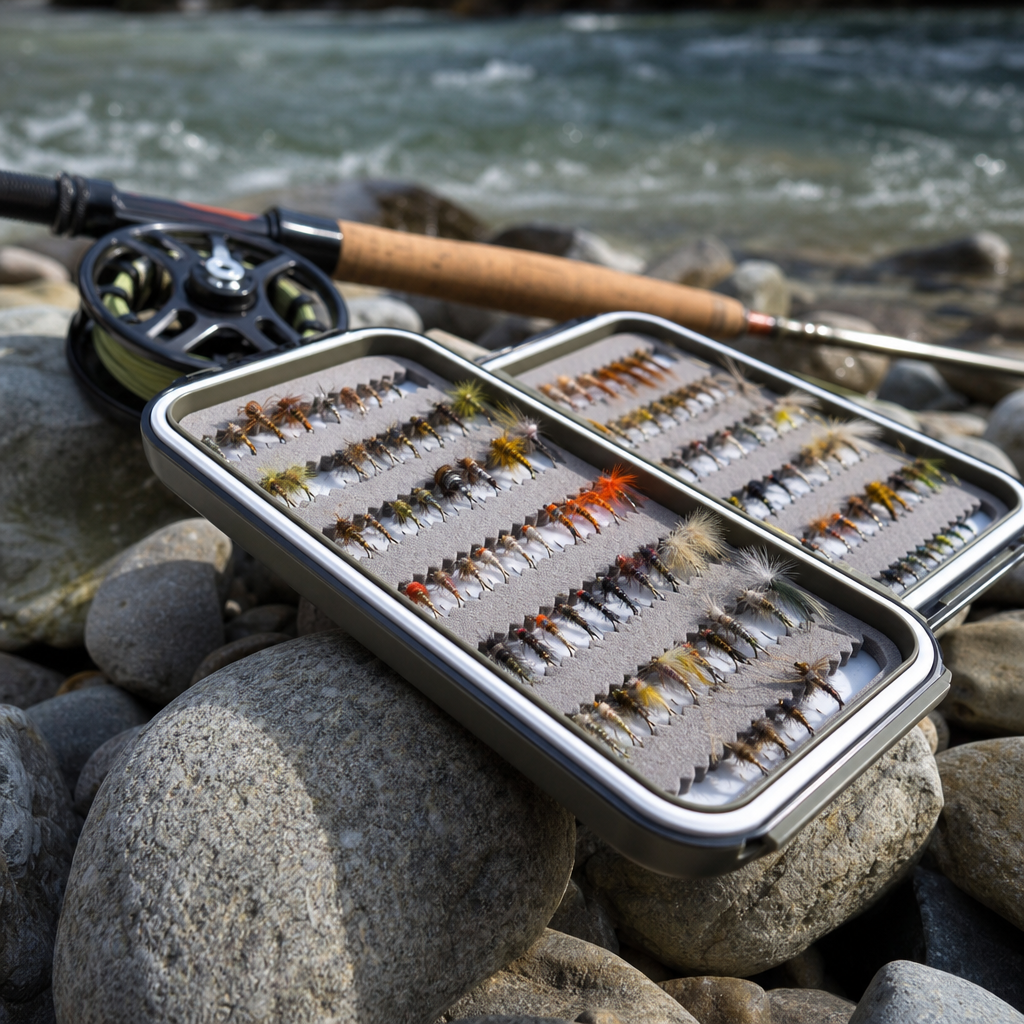
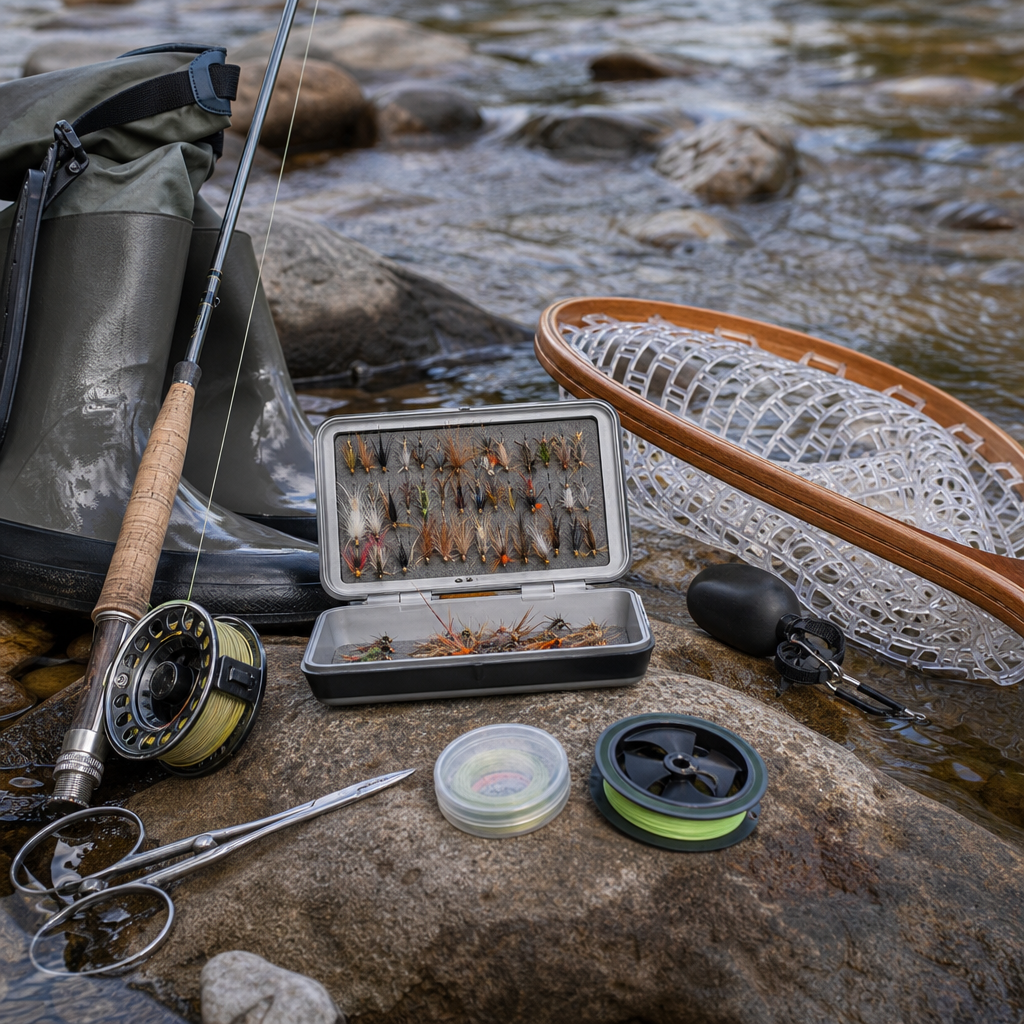
A productive fly box is compact, intentional, and built around situations rather than brand hype. Start with three baitfish families, one shrimp family, one crab family, and one surface family. Then vary size, weight, and color. For example, a practical inshore box might include Clousers in sizes 2, 1, and 1/0; Deceivers in 1 and 2/0; Surf Candies in 4 and 1/0; Gotchas in 4 and 6; Merkin-style crabs in 2 and 4; and Gurglers in 1 and 2/0. That lineup covers flats, marsh, surf, bridges, and beach fronts far better than fifty random novelty flies.
As the central guide in the fly reviews subtopic, this page should help you navigate deeper comparisons: best flies for striped bass, best tarpon flies, best permit crab patterns, best surf flies, best bonefish shrimp flies, and brand-specific reviews of premium hand-tied versus budget saltwater assortments. Use this hub to narrow pattern families first. Then evaluate individual products by hook quality, consistency, material durability, sink rate, and fishability in your local conditions.
The best saltwater flies for fly fishing are not the most complicated patterns or the newest releases. They are the proven designs that solve real on-water problems: reaching feeding depth, matching local forage, casting in wind, resisting fouling, and surviving multiple fish. Baitfish patterns such as Clousers, Deceivers, Surf Candies, Hollow Fleyes, and EP minnows form the foundation. Shrimp and crab flies carry the day on flats and in marshes. Gurglers and other topwater flies earn a permanent slot whenever fish feed aggressively around structure or low light. Across all categories, size, weight, and hook quality matter as much as color.
If you want better results, organize your fly buying around these core families and build from proven use cases instead of impulse purchases. Review your local forage, carry a few trusted colors, and prioritize durable hooks and practical sink rates. Then use the rest of this fly reviews hub to compare specialized patterns for your target species and fishery. A disciplined fly box catches more fish than an oversized one, and the right handful of saltwater flies will cover far more water than most anglers think.
Frequently Asked Questions
What makes a saltwater fly truly effective for fly fishing?
An effective saltwater fly does much more than simply look attractive in a fly box. The best patterns consistently solve the practical problems anglers face on the water: they imitate the right forage, land with control, cast well in wind, move naturally, and survive repeated abuse from hard mouths, abrasive jaws, and corrosive conditions. In saltwater, fish often react to a fly based on profile, silhouette, sink rate, and action before they ever inspect fine detail. That means a well-designed fly needs to push the right visual cues first. A baitfish pattern that presents the right shape in clear water, a shrimp fly that drops realistically on the flats, or a crab pattern that tracks naturally along bottom can all outperform more elaborate flies that look impressive but fish poorly.
Another major factor is how the fly behaves in different water depths and current speeds. Some flies are designed to hover or suspend, making them excellent over grass flats or shallow structure, while others sink quickly enough to reach channels, inlets, or deeper edges where fish are holding. Weight placement matters just as much as total weight. Dumbbell eyes, bead-chain eyes, keel-style hooks, and sparse materials all affect how the fly tracks and how quickly it gets into the strike zone. In many cases, the “best” saltwater fly is not the most complex one, but the one that reaches fish efficiently and stays fishable through changing conditions.
Durability is also essential. Saltwater species are powerful, often toothy, and rarely gentle on materials. A fly that unravels after one fish is not truly effective, no matter how good it looked on the first cast. Strong hooks, durable synthetic fibers, reinforced heads, weed guards when needed, and clean tying methods all contribute to long-term performance. Ultimately, the most effective saltwater flies combine realistic trigger points with practical fishability. They match the forage well enough to get noticed, but they are also tied and designed to cast, sink, swim, and endure in real-world saltwater conditions.
Which saltwater fly patterns should every angler carry?
A strong saltwater fly selection should cover the major forage categories rather than rely on one “magic” pattern. Most anglers are best served by carrying a balanced mix of baitfish, shrimp, and crab imitations, along with a few attractor-style flies that create reaction strikes. Baitfish flies are essential because so many saltwater predators feed on mullet, anchovies, pilchards, sardines, silversides, and other small fish. Patterns like Clouser Minnows, Deceivers, EP-style baitfish, and other streamlined streamers remain staples because they cast cleanly, offer excellent movement, and can be tied in sizes and weights to match a wide range of conditions.
Shrimp patterns deserve just as much attention, especially for flats species such as redfish, bonefish, permit, and sea trout. Shrimp are one of the most common prey items in saltwater environments, and a properly tied shrimp fly can be deadly when fish are tailing, cruising, or feeding subtly. Good shrimp patterns usually combine moderate movement, a translucent body, and enough weight to land near fish without crashing into the water. Crab flies are equally important, particularly when targeting species that root along bottom or key heavily on crustaceans. Permit are the classic example, but redfish, black drum, and other species also eat crabs opportunistically. A good crab fly should ride hook point up, sink at a natural pace, and stay in the feeding zone long enough for fish to find it.
If you are building a practical core selection, start with a few proven categories in multiple sizes and colors: light and dark baitfish flies, shrimp patterns in tan, pink, and natural tones, and crab flies in olive, tan, and brown. Then add a few topwater or gurglers for aggressive feeding situations, low-light periods, or shallow-water excitement. This kind of fly box gives you options for different species, habitats, and feeding moods without overcomplicating the decision-making process. The best anglers usually do not carry every fly ever invented; they carry versatile patterns they trust and know how to fish well.
How do I choose the right saltwater fly color, size, and weight?
Choosing the right color, size, and weight starts with understanding what fish are feeding on and how they are positioned in the water column. Size is often more important than exact color because predators quickly recognize whether a fly matches the general dimensions of the prey they are chasing. If fish are feeding on tiny glass minnows, a large bulky baitfish fly may get ignored. If they are hunting mullet or larger shrimp, a tiny sparse fly may not create enough presence. Matching the average forage size gives you a much better starting point than focusing first on flashy color combinations.
Color should usually be selected based on water clarity, light conditions, and prey appearance. In clear water and bright sun, natural shades such as white, tan, olive, gray, and translucent blends are often the safest choices. In stained water, lower light, or rougher conditions, higher-contrast combinations like chartreuse and white, black and purple, or darker silhouettes can help fish locate the fly more easily. Black is particularly effective in low light because it creates a strong profile. That said, many successful saltwater flies work because they suggest life and movement rather than precisely copying a single bait item, so think in terms of visibility and confidence, not just exact color matching.
Weight is what determines whether the fly actually fishes where the fish are. On shallow flats, lightly weighted or unweighted flies often perform best because they land softly and stay from spooking fish in skinny water. In deeper channels, around docks, near jetties, or in stronger current, a heavier fly may be necessary to reach the strike zone quickly. The trick is choosing enough weight to control depth without making the fly cast poorly or move unnaturally. As a general rule, carry your best patterns in multiple weights rather than assuming one version will handle every situation. A fly that is perfect in 12 inches of water may be useless in four feet of moving tide, and vice versa. Matching size, color, and weight to both the forage and the conditions is what turns a decent fly choice into a highly productive one.
Are durable synthetic flies better than natural-material saltwater flies?
In many saltwater situations, durable synthetic flies have clear practical advantages, but that does not automatically make them better in every case. Synthetic materials typically resist salt, teeth, and repeated casting better than many natural materials. They also tend to shed water more efficiently, which makes them easier to cast on heavier rods and in windy conditions. For baitfish patterns especially, modern synthetic blends can create excellent translucency, profile, and movement while maintaining shape after multiple fish. This is one reason so many anglers favor synthetic streamers for species such as striped bass, redfish, snook, tarpon, bluefish, and false albacore.
Natural materials still have strengths that matter. Bucktail remains one of the most effective and reliable materials in saltwater fly design because it offers structure, taper, and controlled movement without excessive bulk. Feathers, marabou, rabbit, and other natural materials can produce a softer, more lifelike breathing action that sometimes outperforms stiffer synthetic options, especially when fish are selective or the retrieve is slow. The tradeoff is that some natural materials can foul more easily, absorb more water, or wear out faster under heavy use. In other words, the material itself is not the deciding factor; the pattern’s design and intended use are what matter most.
The smartest approach is to view durability and action as complementary priorities rather than competing ones. A well-tied fly often blends both material types to get the benefits of each. For example, a baitfish fly may use synthetic body fibers for longevity and castability, along with bucktail for shape and feather accents for added motion. When choosing between synthetic and natural options, think about the species, conditions, and presentation you need. If you are blind-casting to aggressive fish around structure, durability may be the top priority. If you are presenting carefully to pressured fish on a calm flat, subtle action may matter more. The best saltwater flies are not defined by a single material category; they are defined by how effectively they balance movement, profile, toughness, and fishability.
How many saltwater flies do I really need for a successful day on the water?
You need fewer patterns than most marketing suggests, but you do need enough variety to adapt to changing forage, depth, and fish behavior. For a successful day, a compact, well-thought-out box often beats a giant collection of random flies. Most anglers can cover an impressive range of conditions with a handful of proven patterns in a few sizes, colors, and weights. For example, if you carry a reliable baitfish pattern, a shrimp imitation, a crab fly, and a surface option, each in carefully chosen variations, you can handle most common saltwater scenarios without feeling underprepared.
The key is avoiding unnecessary duplication while still accounting for real-world changes. Fish may be feeding shallow at sunrise, slide deeper on a stronger tide, and then move onto bait later in the day. A single fly cannot cover all of those shifts equally well. That is why experienced anglers usually