Fly fishing accessories determine whether a day on the water feels smooth, safe, and productive or frustrating, wasteful, and short. Rods, reels, and fly lines get most of the attention, but experienced anglers know the supporting gear often makes the bigger difference once conditions turn windy, cold, technical, or simply unpredictable. In practical terms, fly fishing accessories are the tools worn, carried, clipped, or packed alongside core tackle to help you wade safely, manage flies, handle fish responsibly, protect equipment, and adapt quickly to changing water. If you are building a dependable kit under the Product Reviews and Recommendations umbrella, this accessory reviews hub is the page that frames the category and shows what matters most before you buy individual items.
I have learned this the expensive way. Early on, I spent heavily on premium rods and ignored forceps, leaders, packs, and wading traction. The result was avoidable break-offs, lost flies, cold hands, and too much time digging through pockets instead of reading seams. Once I started testing accessories systematically across trout streams, tailwaters, and stillwater outings, patterns became obvious. The best accessories are not the flashiest; they solve repeated problems with durable materials, intuitive design, and sensible weight. Good accessory selection also protects fish. Rubber nets reduce fin damage, barbless-friendly hemostats speed release, and organized storage keeps handling brief.
This hub covers accessory reviews from a buyer-first angle. It explains which categories deserve priority, what features separate reliable tools from gimmicks, and where premium prices are justified. It also serves as a navigational center for deeper reviews on packs, nets, tools, eyewear, wading support, and storage systems. If you want a direct answer to the core question, here it is: the top fly fishing accessories you need are polarized sunglasses, nippers, forceps, a landing net, a well-designed pack, leader and tippet management, dependable wading support, and weather-ready layering extras such as gloves and waterproof storage. Everything else is secondary to those foundations.
Why does this matter? Because accessories shape efficiency, safety, and fish care on every trip. They influence how quickly you retie, how confidently you cross current, how well you see subsurface structure, and how often you actually have the right fly ready when a hatch changes. They also determine whether expensive primary gear stays protected in transit and whether your setup scales from small creeks to larger rivers. Anglers shopping this subtopic should think less in terms of “extras” and more in terms of performance multipliers. The sections below break down the major accessory groups, with plain-language review criteria and real-world examples that can guide both first purchases and smart upgrades.
Essential tools every fly angler should carry
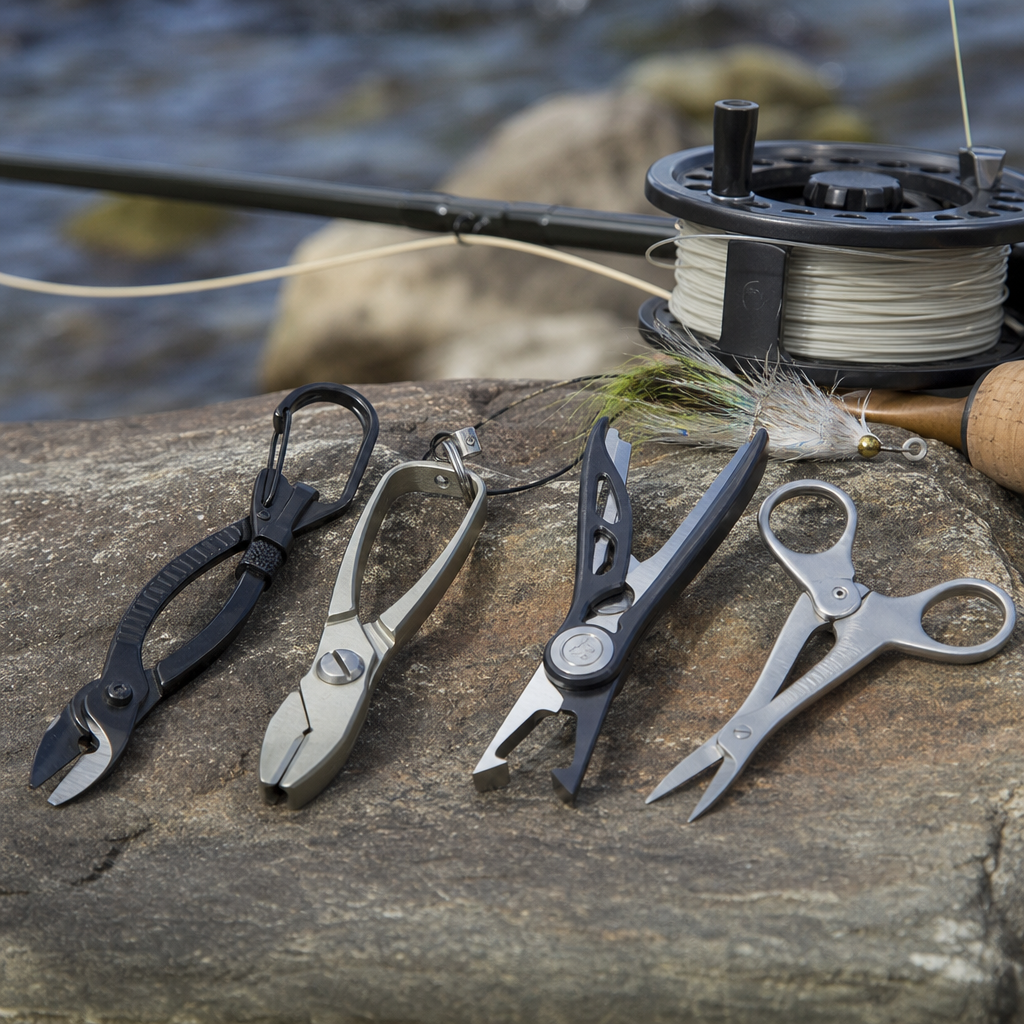
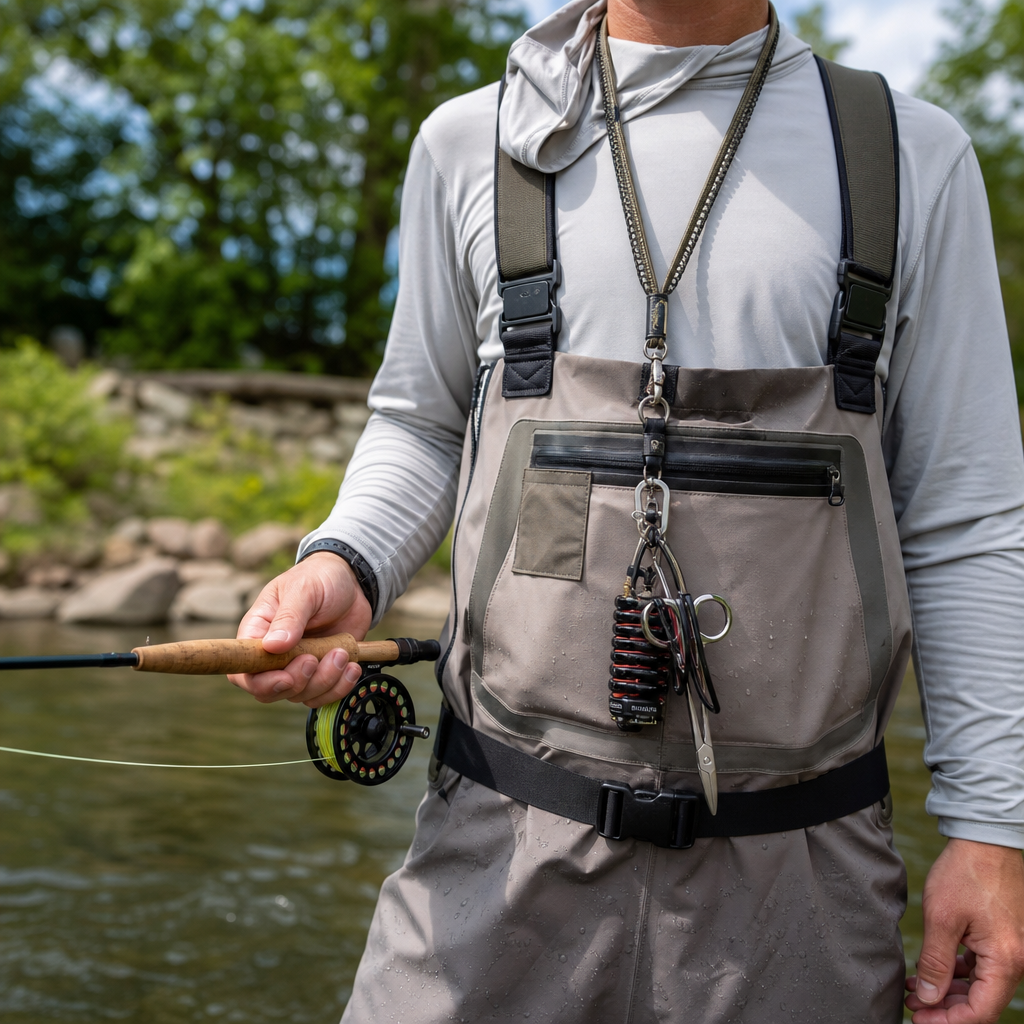
The most universally useful fly fishing accessories are the small tools clipped to your vest, sling, or pack. If I had to narrow accessory reviews to the items that affect every single outing, nippers and forceps would top the list. Sharp nippers make clean cuts in tippet, backing tag ends, and leader butt sections. The difference between bargain nippers and quality carbide or stainless models is obvious after a season. Cheap cutters crush instead of slice, fray finer material, and rust when exposed to damp packs. Trusted brands like Dr. Slick and Loon have built strong reputations because their cutting edges stay consistent and their ergonomics work with cold fingers.
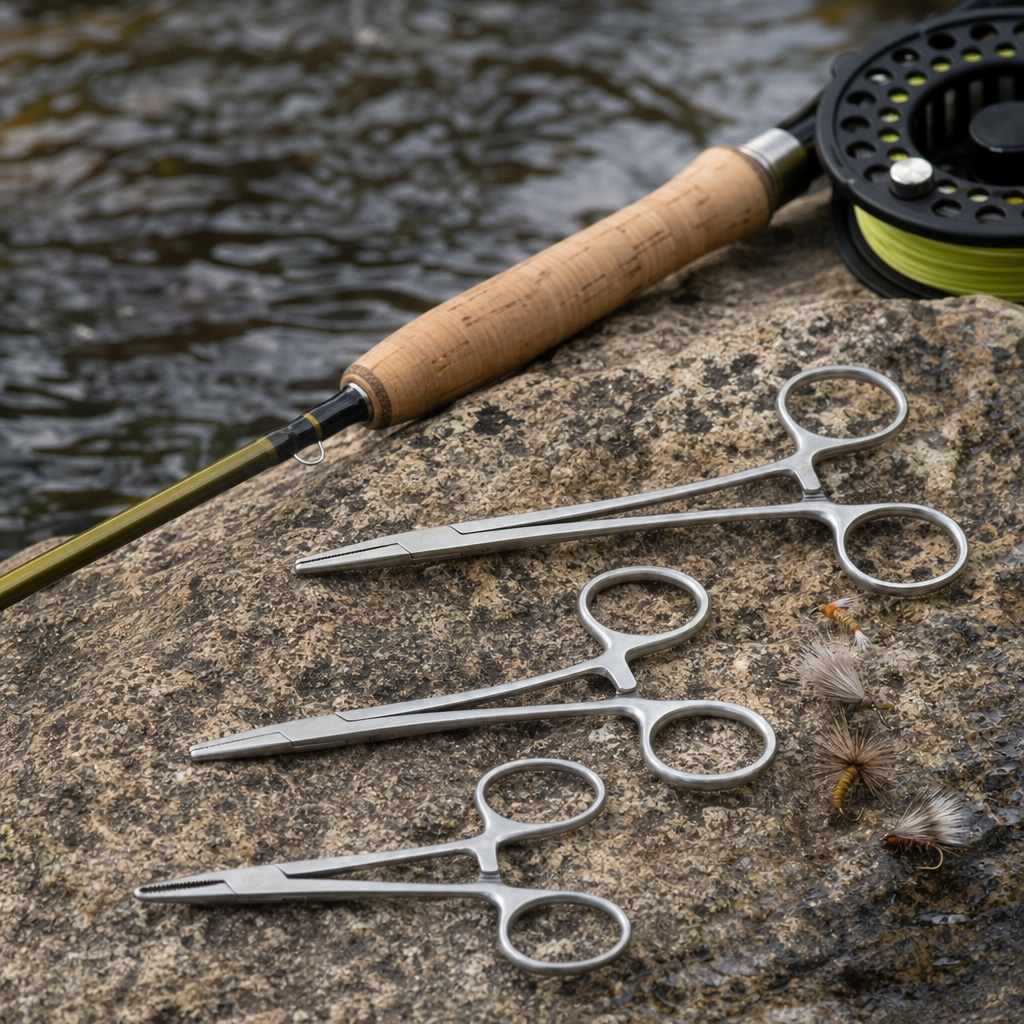
Forceps, often called hemostats, do far more than remove flies. They crimp barbs, clear hook eyes, grip split shot, and free deeply set hooks with better precision than fingers. Straight-jaw forceps are versatile, while scissor forceps add line-cutting backup. For trout and panfish, a compact five-inch pair is usually enough. For larger fish, longer models help with leverage and safer hook removal. In reviews, I look at jaw alignment, lock tension, hinge smoothness, and corrosion resistance. A tool that binds after one wet day is not worth carrying.
Retractors and zingers deserve mention because placement matters almost as much as the tool itself. A high-quality retractor keeps nippers available at chest level, reducing fumbling and dropped tools. Magnetic tool holders can be faster than clips, but they may release unexpectedly when brush or packs snag them. For anglers who fish from drift boats or bushy banks, retention should rank above convenience. Floatant holders, amadou patches for drying flies, hook hones, and tippet-threading aids are also useful, but they enter the must-have category only after the basics are covered.
Polarized eyewear and sun protection that improve catch rates
Polarized sunglasses are not optional in serious fly fishing; they are both safety gear and fish-spotting equipment. Polarization cuts reflected glare from the water surface, allowing you to see current seams, submerged rocks, cruising fish, and depth changes that are invisible with standard lenses. Amber and copper lenses excel in variable light and river environments because they increase contrast. Gray lenses preserve true color and work well under bright, open skies. Yellow lenses can help in low light, but they are less versatile for all-day use.
In accessory reviews, lens material matters. Glass offers better scratch resistance and optical clarity, but it is heavier and usually more expensive. Polycarbonate is lighter and impact resistant, which many wading anglers prefer, especially when hiking. Brands such as Costa, Smith, and Bajio dominate for a reason: their lens technologies are proven, frames fit securely under hats, and hydrophobic or oleophobic coatings make water and fingerprints easier to clear. Fit is critical. Side light leakage reduces contrast, and pressure points behind the ears turn great lenses into drawer gear.
Sun gloves, gaiters, and broad-brim or structured caps complete this category. Long days on reflective water amplify ultraviolet exposure, even in cool weather. Fingerless sun gloves reduce burn on the backs of the hands without affecting line control, and neck gaiters protect often-missed skin while also buffering wind. This category boosts catch rates because visibility improves decisions. You cast less blindly, wade more safely, and spot fish before they spot you.
Packs, vests, and storage systems that keep gear accessible
Pack design affects rhythm on the water. The best system is the one that carries enough without forcing constant reorganization. Chest packs keep flies and tools in front of you and are excellent for short trout sessions. Sling packs rotate forward easily and balance storage with mobility, making them a favorite for anglers who carry fly boxes, tippet spools, indicators, and a rain shell. Backpacks work best for all-day trips, stillwater sessions, or travel when food, extra layers, and camera gear matter as much as flies. Traditional vests still succeed because they distribute small items well and provide fast access, especially in mild weather.
What separates a strong accessory review from a shallow one is attention to real use details: zipper quality, one-handed access, waterproof compartment design, net attachment points, and whether the pack remains comfortable over waders and layers. Simms, Fishpond, Patagonia, and Orvis consistently produce category-leading options because they pay attention to these details and use durable fabrics, coated zippers, and thoughtful pocket mapping. Recycled materials are increasingly common, but sustainability claims should not outweigh function. If a “green” fabric abrades quickly against brush or boat hardware, it is not the better long-term choice.
| Accessory Type | Best Use Case | Main Strength | Primary Tradeoff |
|---|---|---|---|
| Chest Pack | Short river sessions | Fast front access | Limited capacity |
| Sling Pack | Mobile wading days | Balanced storage and access | Can fatigue one shoulder |
| Backpack | Long outings and travel | Highest carrying capacity | Slower access on the water |
| Vest | Frequent fly changes | Excellent organization | Warm in hot weather |
For a hub page under Accessory Reviews, pack systems deserve extensive internal coverage because they influence every other purchase. A large net needs a secure mount. A hydration bladder changes how much rear storage you need. Waterproof fly boxes are easier to justify when your pack is not fully waterproof. Start with your fishing style, then match the carry system around it rather than buying the most feature-heavy option on the shelf.
Landing nets, fish handling tools, and responsible catch-and-release gear
A landing net is one of the most misunderstood fly fishing accessories because beginners often see it as optional bulk. In practice, a good net shortens fights, reduces fish handling time, and improves landing percentage, especially with barbless hooks. Rubber or silicone net bags are now the standard recommendation because they are gentler on fish slime and fins than old knotted nylon bags. They also tangle less with flies. The right hoop size depends on target species: compact teardrop nets suit trout streams, while larger boatside models fit stillwater trout, bass, or bigger western rivers.
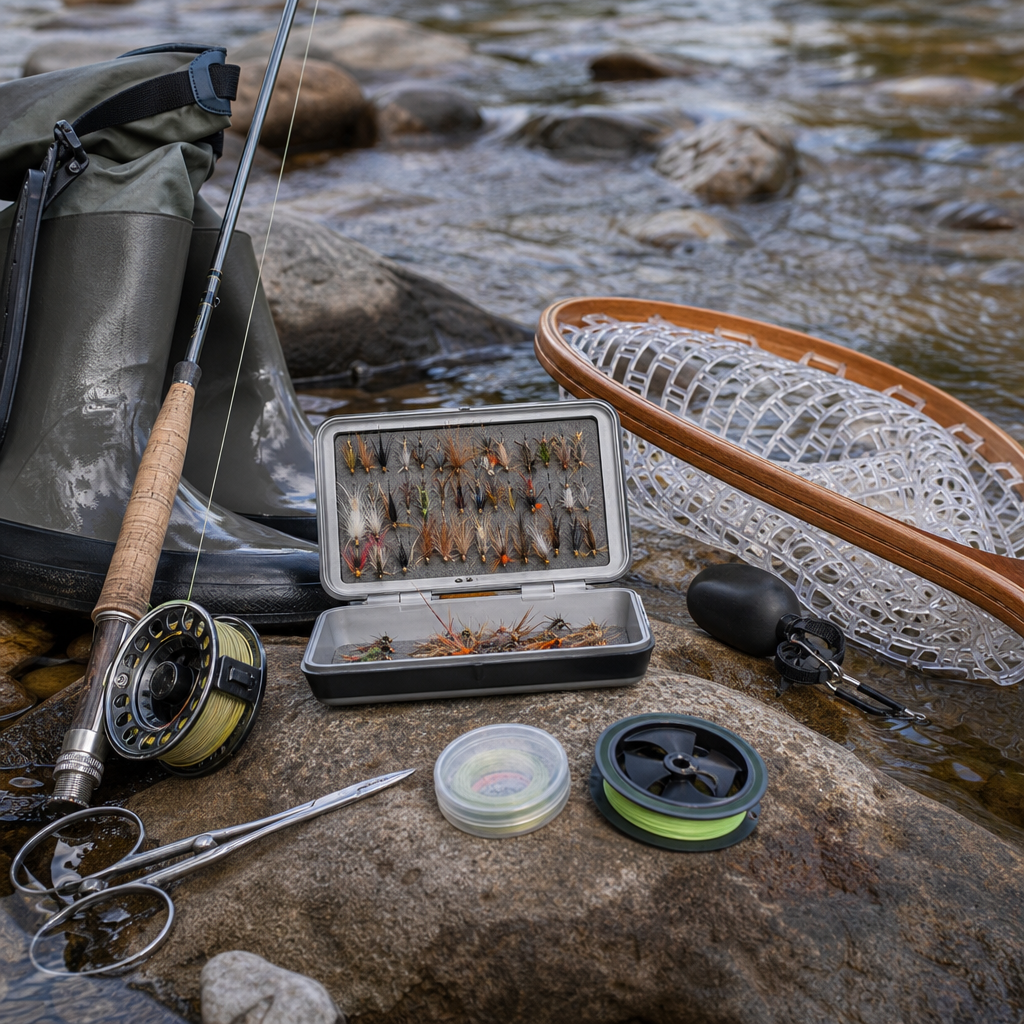
Reviews should focus on frame material, bag depth, handle length, and attachment method. Wood nets look classic and float well when sealed properly, but composite and aluminum options often handle hard use better. Magnetic net releases are popular because they keep the net high on the back and accessible, yet their holding strength must match the net’s weight. Weak magnets fail in fast water and brush. A backup lanyard is not overcautious; it is standard good practice.
Other fish care accessories include measuring tools, thermometer use, and hook-removal support. Water temperature matters because trout stress rises sharply in warm water, and many anglers use stream thermometers to decide whether to fish early, switch species, or stop entirely. That is not a niche concern. It is part of ethical angling. A strong accessory review acknowledges this: the best gear does not just help you catch fish, it helps you decide when not to.
Leader, tippet, and fly organization for faster adjustments
Leader and tippet management is where efficient anglers quietly separate themselves from everyone else. Tippet spools scattered in pockets waste time and invite tangles. A simple tippet holder, whether horizontal, vertical, or integrated into a pack strap, keeps sizes visible and ready. Trout anglers usually carry 3X through 6X, with 7X added for technical spring creeks and 0X to 2X for streamers or larger flies. Saltwater and warmwater setups expand from there, but the principle stays the same: access and clarity matter.
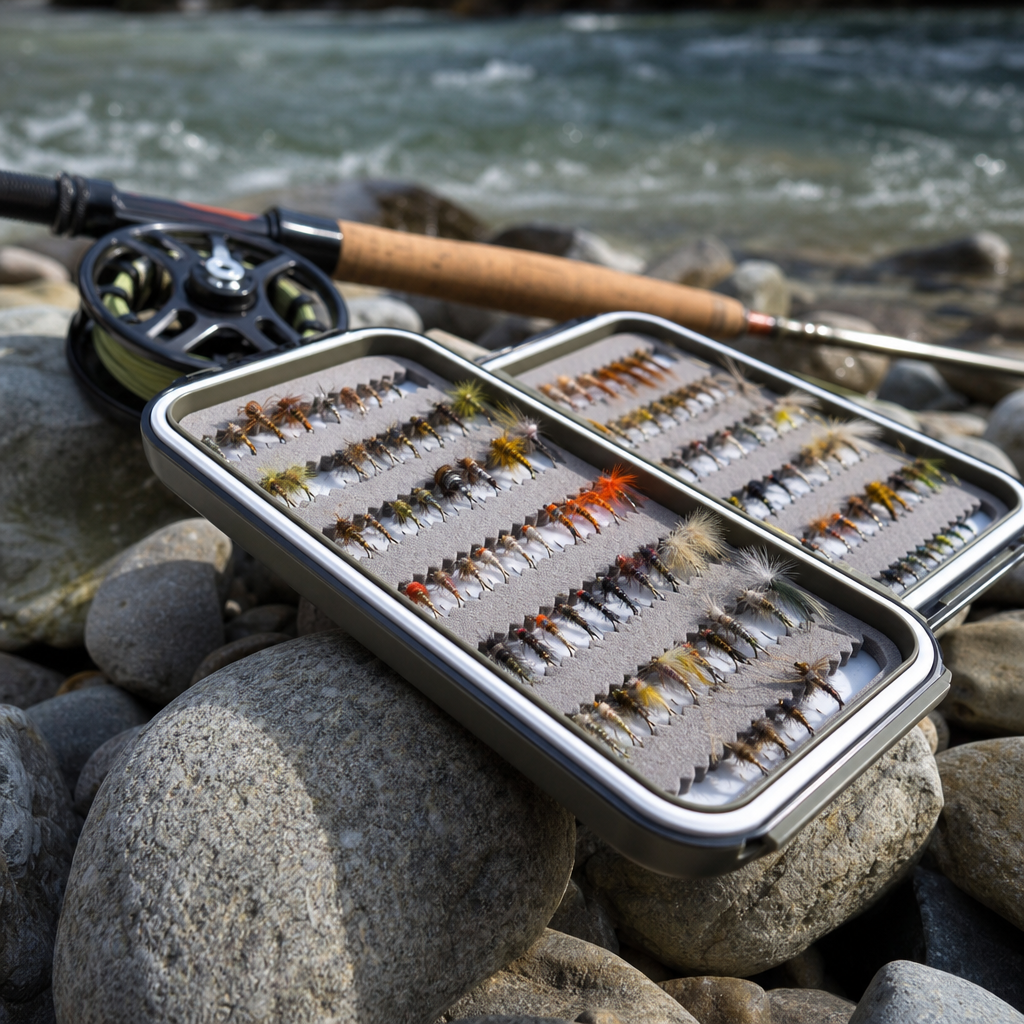
Fly boxes deserve careful review because not every foam insert or latch system survives repeated moisture, cold, and pressure. Waterproof boxes with silicone gaskets are useful for boats, rain, and submersion risk, though they can trap moisture if you store wet flies for days. Slit foam is versatile for dry flies and nymphs; magnetic compartments can simplify tiny midge storage but may not secure larger patterns during rough movement. I prefer carrying one active box for likely hatches and one backup box for confidence patterns rather than six oversized boxes that slow every decision.
Accessories in this category also include floatant caddies, desiccant containers, and patch systems for drying used flies. These seem small until a hatch intensifies and your dry fly stops riding properly. Then they become mission-critical. The review standard is simple: can you change tactics in under a minute without digging, untangling, or second-guessing what you packed?
Wading accessories for stability, safety, and comfort
Wading accessories save trips and prevent injuries. A wading staff is the clearest example. In slippery freestone rivers, tailwater ledges, or unfamiliar crossings, a folding staff gives you a third point of contact and immediate feedback on depth and bottom composition. The best models deploy quickly with a cable-linked design, lock firmly, and store without swinging awkwardly from the belt. Simms and Fishpond have set a high standard here, though weight and packed size still vary meaningfully between models.
Boot accessories matter too. Studs improve grip on algae-slick rocks, while felt soles, where legal, still outperform many alternatives on polished stone. Rubber soles are more versatile for hiking and reduce invasive-species concerns, but they often need studs to match felt’s traction in rivers. Gravel guards, replacement laces, and boot dryers rarely headline gear lists, yet they directly affect comfort and boot longevity. Wet boots left closed in a vehicle degrade quickly and smell worse.
Wading belts are mandatory, not decorative. A properly tightened belt reduces water intake if you slip, and many modern models integrate net slots, staff holders, or plier sheaths. Add waterproof phone protection and a compact first-aid kit, and this category shifts from convenience to risk management. Every serious accessory review hub should say this plainly: no fly, rod, or reel matters much if poor footing sends you into cold current.
Weather protection, travel accessories, and smart upgrade priorities
Weather-ready accessories extend usable fishing time. In cold conditions, thin liner gloves under fingerless shells preserve dexterity better than bulky insulated gloves. In rain, a truly waterproof roll-top pouch protects licenses, electronics, and vehicle keys far more reliably than a “water-resistant” pocket. On boats and road trips, rod tubes, reel cases, and line spools with proper labeling protect expensive tackle from impact, grit, and accidental mismatch. A compact microfiber towel, spare socks, and chemical hand warmers sound basic, yet they repeatedly rescue bad-weather days.
If you are deciding where to spend next, upgrade in this order: eyewear, wading stability, core tools, pack system, fish handling gear, then convenience extras. That sequence reflects the gains I have seen on the water. Better sunglasses improve awareness immediately. Better traction and support reduce fatigue and accidents. Sharp tools and organized storage save time on every knot and fly change. Luxury accessories exist, but practical gains come from solving repeated friction points first.
The top fly fishing accessories you need are the ones that help you see better, move safely, stay organized, and release fish quickly. Build around polarized sunglasses, dependable nippers and forceps, a functional pack, organized tippet and fly storage, a rubber net, and solid wading support. Then add weather and travel protection based on where and how you fish. As this Accessory Reviews hub expands, use it to compare categories before drilling into individual product recommendations. Start by auditing your current weak spots, then upgrade the accessory that fixes the biggest problem on your next trip.
Frequently Asked Questions
What fly fishing accessories are the most important for beginners to buy first?
For most beginners, the smartest approach is to focus on accessories that improve safety, organization, and efficiency before adding specialty items. A good pair of polarized sunglasses should be near the top of the list because they reduce glare, help you see into the water, and protect your eyes from errant flies and weighted rigs. A quality landing net is another high-value accessory because it makes fish handling easier, shortens fight-and-release time, and improves catch-and-release outcomes. Basic hemostats or forceps are essential for removing hooks cleanly, pinching barbs, and handling small terminal tasks without fumbling.
Beyond that, a compact fly box system, reliable nippers, and a simple retractable zinger setup can dramatically improve your time on the water. Instead of digging through pockets or dropping tools in the river, you keep critical items ready and accessible. A well-designed vest, sling pack, or chest pack also matters more than many new anglers realize. It is not just about carrying gear; it is about keeping everything balanced, easy to reach, and protected from water and weather.
If you plan to wade, a wading staff and proper wading accessories deserve serious consideration, especially in rocky, cold, or fast-moving water. Even on easy streams, unstable footing can end a trip quickly. Beginners often think first about flies and gadgets, but the accessories that really earn their place are the ones that help you move safely, stay organized, and respond quickly when conditions change. Start with practical, frequently used essentials, then expand into more specialized tools as your fishing style develops.
Why are polarized sunglasses considered a must-have fly fishing accessory?
Polarized sunglasses are one of the few accessories that deliver benefits in nearly every fly fishing situation. Their primary advantage is glare reduction. On bright water, surface reflection can make it nearly impossible to read current seams, spot structure, identify fish holding areas, or track a drifting fly. Polarized lenses cut through that glare so you can see beneath the surface more clearly, which improves both presentation and situational awareness.
They are also a major safety item. Fly casting involves hooks moving at speed, often in wind, tight quarters, or changing light. A pair of quality sunglasses helps shield your eyes from accidental contact with flies, split shot, and branches. That protection alone makes them indispensable. Lens color matters too. Copper, amber, and bronze lenses are popular for variable light and stream visibility, while gray lenses are often preferred for bright, open conditions where true color perception is useful.
Good fly fishing sunglasses should fit securely, stay comfortable over long days, and work well with your hat. Wraparound styles usually provide better peripheral protection and reduce side glare. Higher-end lenses often improve optical clarity and reduce eye strain, which can make a real difference on long sessions. In practical terms, polarized sunglasses help you fish more effectively, react more quickly, and stay safer. That combination is exactly why experienced anglers treat them as core gear rather than an optional extra.
How do I choose the right fly fishing pack, vest, or bag for my needs?
The right carry system depends on how you fish, how far you move, and how much gear you truly need access to during the day. Traditional vests remain popular because they distribute small tools and fly boxes across multiple pockets, keeping frequently used items easy to reach. They work especially well for anglers who like having everything organized in a fixed place. Sling packs, on the other hand, offer a cleaner, more modern layout and can be rotated forward when you need to change flies, add tippet, or grab tools. Chest packs are excellent for minimalists and anglers who want immediate front access without carrying unnecessary bulk.
If you cover long distances, fish from larger rivers, or need room for layers, food, and extra accessories, a larger backpack-style setup may be the better choice. Some anglers prefer modular systems that combine a backpack with a chest or waist pack, giving them storage plus immediate access to working gear. The key is to avoid overpacking. A pack that encourages you to bring everything can become heavy, awkward, and inefficient, especially during long wades.
Look for features that match real on-the-water use: water-resistant materials, smart pocket layout, attachment points for nets and tools, comfortable straps, and easy one-handed access. Also consider how the system works with waders, rain gear, and layering. The best pack, vest, or bag is not necessarily the one with the most storage. It is the one that keeps your essential accessories organized, balanced, and quickly accessible without interfering with casting, wading, or fish handling.
Which accessories help the most with safe and comfortable wading?
When it comes to wading, the most valuable accessories are the ones that increase stability, reduce fatigue, and help you respond to changing water conditions. A wading staff is one of the best safety tools available, particularly in slick freestone rivers, uneven bottoms, strong currents, or water with poor visibility. It gives you a third point of contact, helps you test depth and footing before committing your weight, and can prevent the kind of slip that ends a day or causes serious injury.
Studded wading boots or traction aids are also critical where rocks are algae-covered, muddy, or steep. Even experienced anglers can lose footing quickly in cold current, and better traction often makes the difference between confident movement and hesitant, tiring steps. A wading belt is another simple but important accessory, especially when wearing chest waders. It helps reduce the amount of water that can enter if you fall, and it generally improves fit and mobility.
Comfort matters too. In cold or wet conditions, waterproof layers, dry storage for essentials, and accessories like fingerless gloves or insulated caps can keep you fishing effectively much longer. Wet hands, numb fingers, and poor mobility make knots harder, fish handling slower, and judgment less sharp. If you fish remote water, a waterproof phone pouch, whistle, and compact first-aid kit are wise additions. Safe wading is not about one item; it is about building a system of accessories that supports balance, warmth, awareness, and preparedness from the first step into the river to the last walk back out.
Are fly fishing accessories really worth the money, or are they mostly optional extras?
Well-chosen fly fishing accessories are absolutely worth the money because they solve real problems that affect success, safety, and enjoyment on the water. The mistake many anglers make is treating all accessories the same. Some are clearly optional or highly specialized, but many provide practical value every single trip. A dependable net protects fish and simplifies landing. Forceps and nippers speed up routine tasks. Polarized sunglasses improve visibility and eye protection. Packs and tool attachments reduce wasted time and frustration. These are not luxury add-ons; they are functional tools that make your time on the water smoother and more productive.
Accessories also become more valuable as conditions get more difficult. When wind picks up, temperatures drop, river bottoms get slick, or fish become selective, small inefficiencies start to add up. Being able to change flies quickly, access tippet without digging around, keep hands warm enough to tie knots, or maintain footing in moving water can make the difference between adapting well and cutting the trip short. In that sense, accessories often matter most precisely when fishing gets technical or unpredictable.
The key is to buy intentionally. Focus first on accessories that support safety, fish care, organization, and comfort. Avoid the trap of collecting gadgets that rarely get used. A smaller kit of high-quality, proven accessories usually outperforms a larger pile of novelty gear. In the long run, the right accessories save time, reduce mistakes, protect expensive tackle, and help you fish more confidently. That makes them one of the best investments an angler can make after the core rod-and-reel setup.