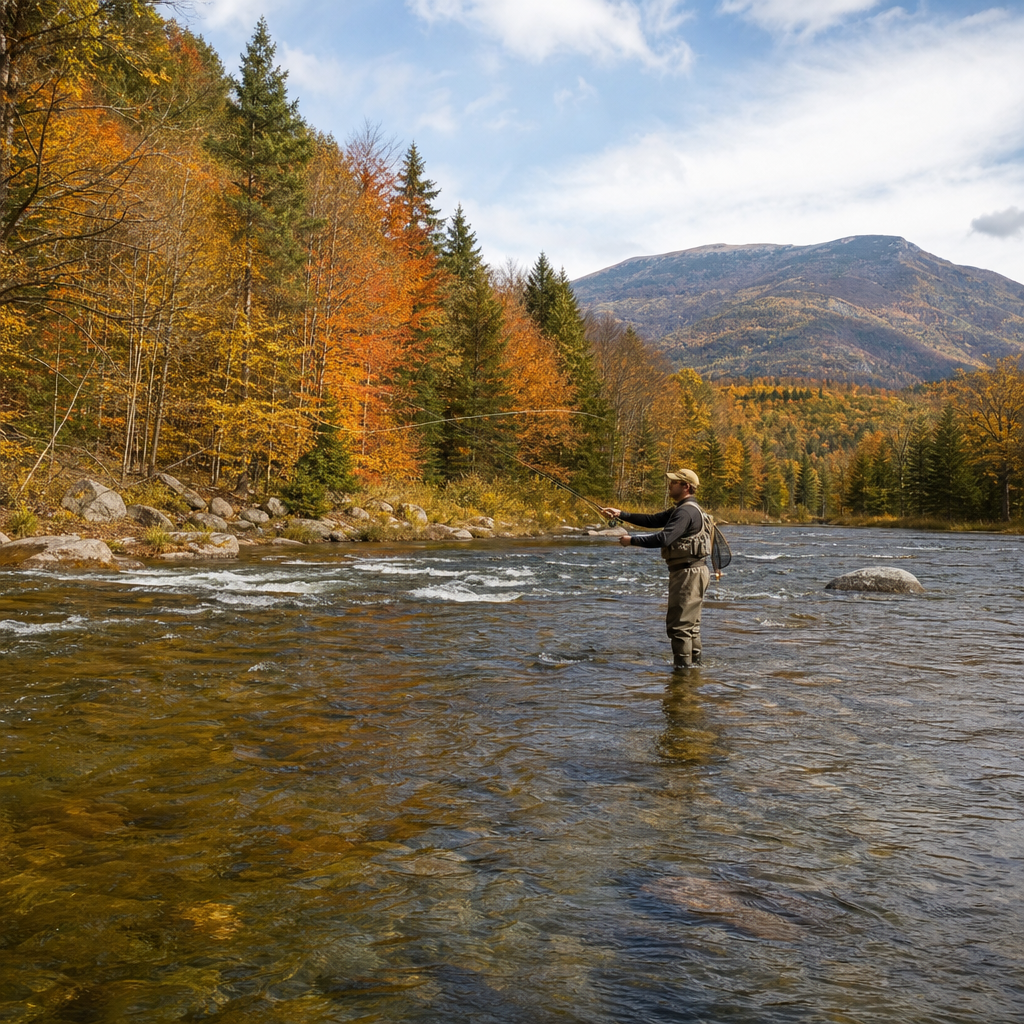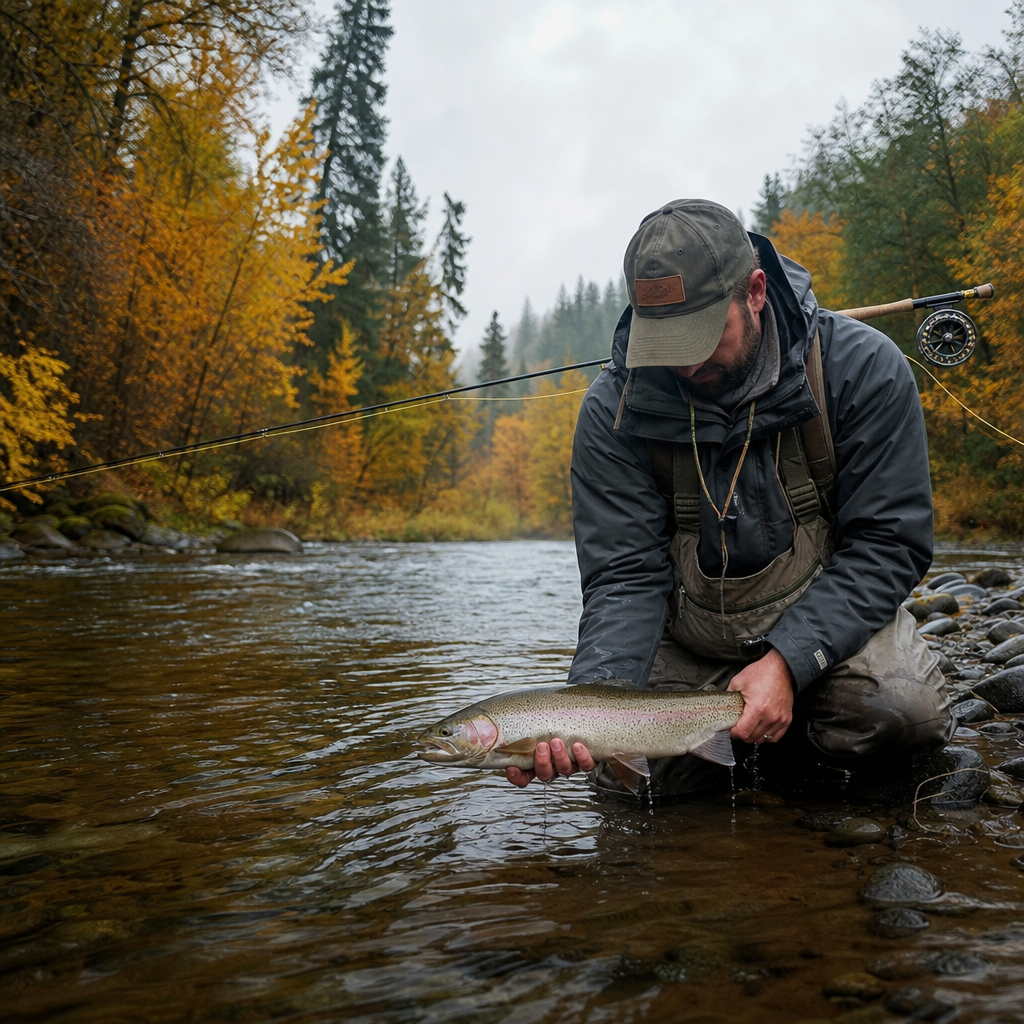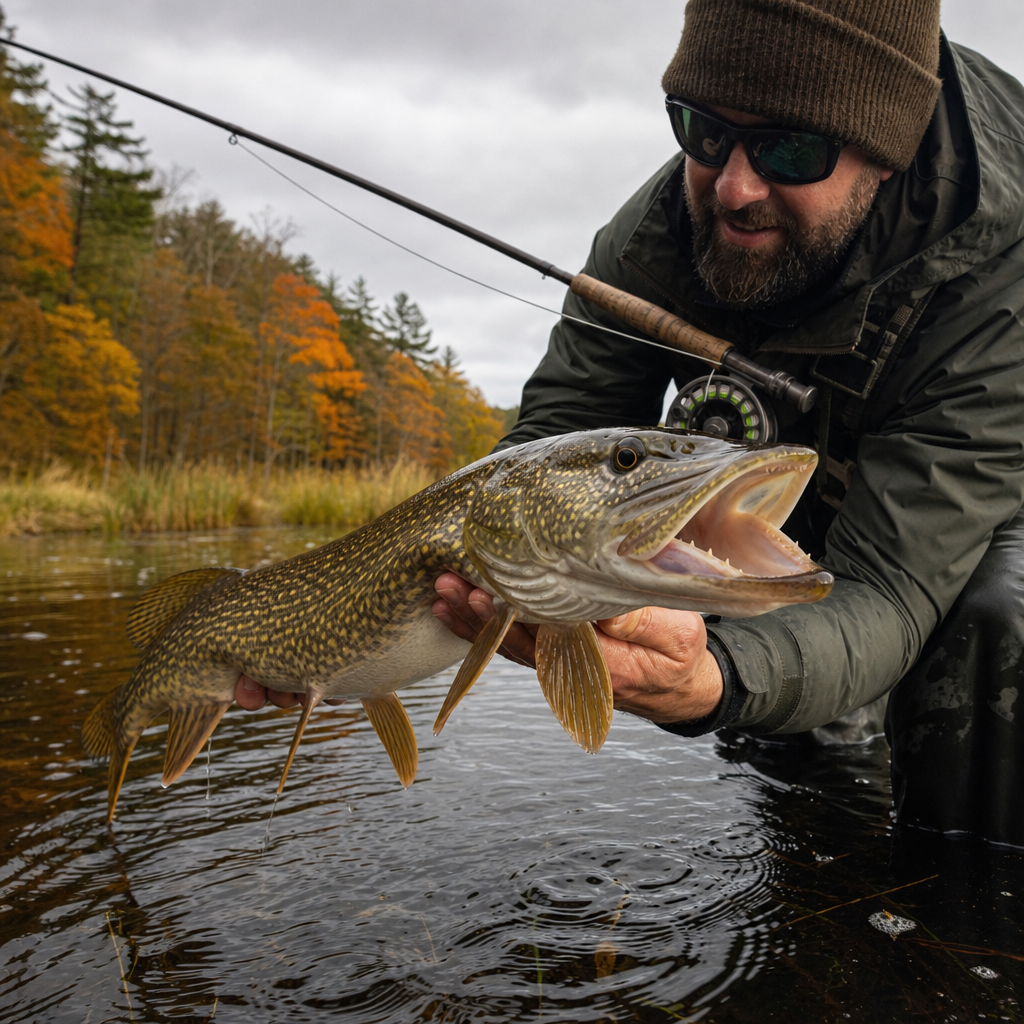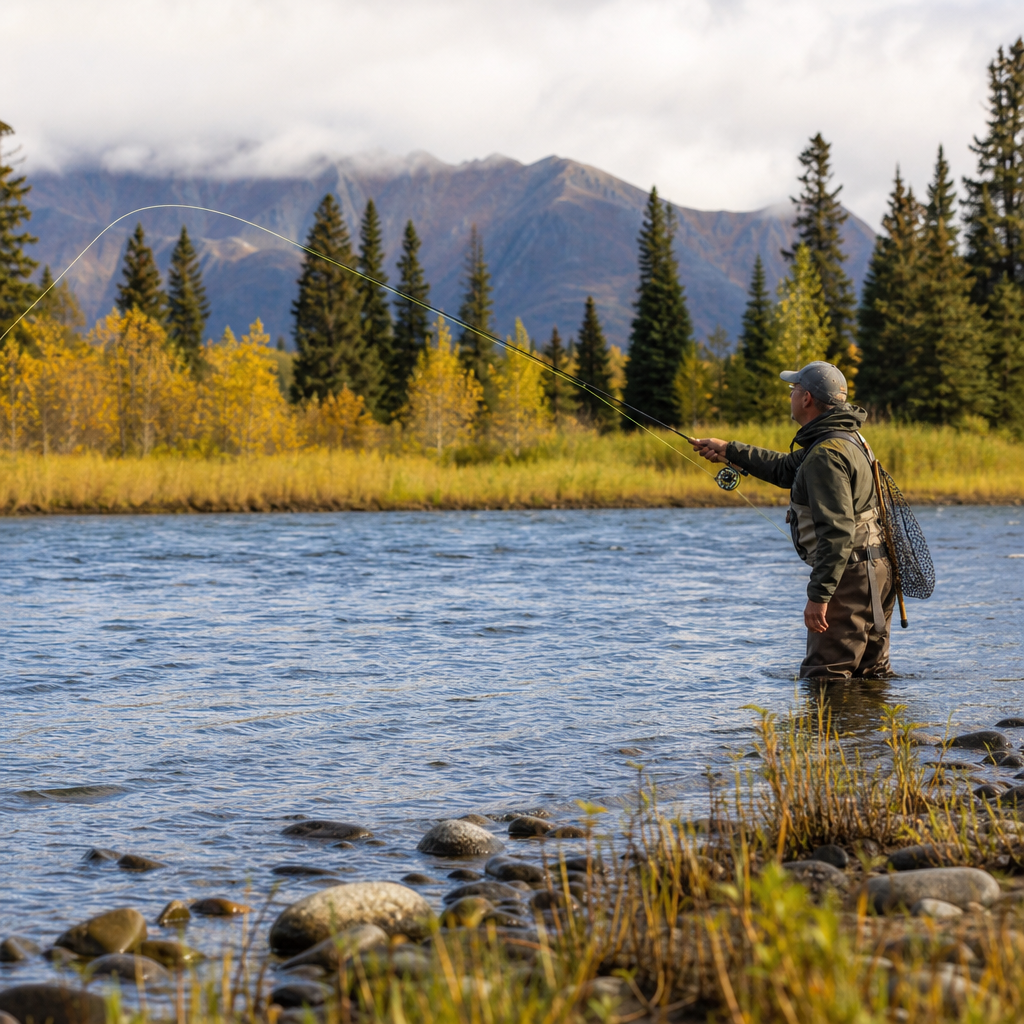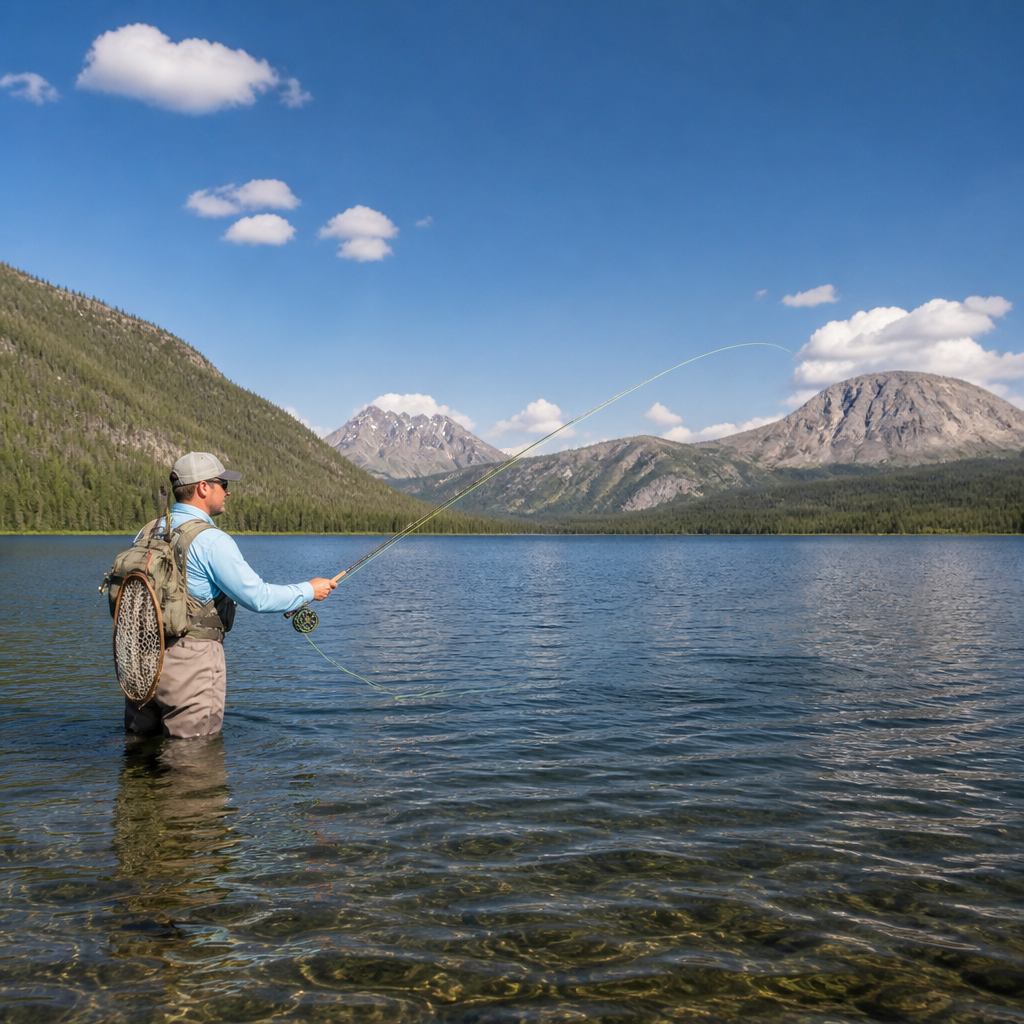
Summer fly fishing in lakes demands a different mindset than spring runoff tactics or autumn feeding frenzies, because warm water, changing oxygen levels, insect timing, and fish location all shift at once. In this article, summer fly fishing refers to targeting trout, bass, panfish, and other lake species during the warmest months with artificial flies, while adapting presentation, depth, and timing to seasonal lake conditions. Lakes include natural lakes, reservoirs, alpine stillwaters, and broad pond systems, each of which behaves differently under heat, wind, and light pressure. I have found that anglers who struggle in summer usually are not casting poorly; they are simply fishing the wrong zone, at the wrong hour, with the wrong retrieval pace. That is why summer lake strategy matters so much. Fish can still feed aggressively in hot weather, but they rarely do it randomly. They hold where temperature, food, oxygen, and cover intersect. Once you understand that pattern, summer stops feeling slow and starts feeling predictable. This hub article explains the core principles behind summer fly fishing in lakes, from reading temperature and structure to selecting flies, lines, and retrieves. It also serves as the foundation for more specialized pieces on hatches, warmwater species, alpine lakes, and low-light tactics. If you want consistent results instead of lucky sessions, this is the season to fish smarter, not just longer.
How Summer Changes Lake Fish Behavior
Summer changes a lake from top to bottom. Surface temperatures rise first, sunlight penetrates longer, weed growth accelerates, and forage spreads out. In many trout lakes, this creates thermal layering. The upper layer, or epilimnion, becomes warm and well lit. Beneath it, the thermocline forms a transition zone where temperature drops rapidly. Below that, the hypolimnion may stay cool, but in some fertile lakes it can lose dissolved oxygen later in summer. The practical takeaway is simple: fish are not “deep” or “shallow” in a vague sense. They are usually holding in the band where comfort and food overlap. For trout, that often means the thermocline, spring-fed inlets, shaded banks early, or shoals during insect activity. For bass and panfish, warmer water can be an advantage, especially around weed edges, timber, docks, and drop-offs.
Light intensity matters as much as temperature. In bright midday conditions, fish often slide deeper or tighter to cover. During dawn, dusk, and overcast periods, they roam more freely and may pin bait near shorelines, weed flats, or rocky points. Wind also reshapes feeding windows. A light chop breaks surface glare and concentrates food along windward banks. A strong prevailing wind can push chironomids, scuds, damselfly nymphs, and baitfish toward certain structure lines, making one side of a lake dramatically more productive than the other. On reservoirs, water level fluctuations add another layer, exposing habitat one week and flooding fresh cover the next.
Anglers often ask, what is the biggest mistake in summer lake fly fishing? It is fishing one depth all day. Summer is a season of vertical adjustment. If fish are not showing in the top few feet at first light, count down a nymph or leech to the next level. If a shoal dies after sunrise, move to the first breakline. If weeds top out in ten feet, fish the edge in twelve to fifteen. Successful lake anglers are always matching seasonal movement with precise depth control.
Best Times of Day and Seasonal Windows
The best summer fly fishing in lakes usually happens when heat and glare are lowest. Early morning is consistently productive because overnight cooling draws fish shallow and allows them to cruise before direct sun pushes them off. Evening can be even better, especially when callibaetis mayflies, midges, caddis, or damselflies become active and create repeatable feeding lanes. In my own lake fishing, the first and last two hours of light routinely outproduce midday unless weather interrupts the pattern.
That does not mean midday is useless. It means midday requires a different plan. If trout stop rising, switch from dries to subsurface presentations and target deeper water adjacent to structure. Fish drop-offs, submerged points, shoal edges, and suspended zones over basins where chronomid pupae, leeches, or baitfish remain available. On windy days, midday can still be excellent because wave action masks your presence and stimulates feeding. On high-elevation lakes, cold nights may extend the shallow bite later into the morning than on lowland lakes.
Seasonal timing within summer matters too. Early summer often overlaps with strong post-runoff food availability, greener weed beds, and active nymph migrations. Midsummer can be more technical because warm surface water narrows the trout comfort zone. Late summer sometimes improves again if nights cool, water clarity stabilizes, or terrestrial insects become important along banks. The key is not to think of summer as one block of identical conditions. Each phase shifts fish behavior, available food, and ideal tactics.
Where to Find Fish in Summer Lakes
Finding fish begins with structure, but the best structure is always structure connected to food. In lakes, start with weed edges, shoals, points, drop-offs, creek mouths, submerged humps, timber, docks, and shade lines. Weed beds are especially important because they hold scuds, dragonfly nymphs, damselfly nymphs, minnows, and young panfish. Predators patrol the outside edge, the pockets, and the lanes cut by wind or current. Shoals and bars draw fish when hatches emerge or when bait is pushed shallow. Points act like funnels, especially if wind drives food across them.
For trout, one of the most reliable summer patterns is the shoal-to-drop transition. Fish may move onto a shallow flat to feed at low light, then slide to the adjacent ledge as the sun rises. If you locate both pieces, you can stay on fish longer by changing angle and depth instead of leaving the area. In reservoirs, flooded brush and tapering banks can replace classic weed structure. In clear natural lakes, fish may suspend off structure rather than sit directly on it, so watch for subtle signs such as cruising shapes, swirls, chironomid shucks, or birds working the same water.
Inlets, springs, and narrows deserve special attention because they create cooler, oxygen-rich conditions. Even a small inflow can attract fish during heat waves. Likewise, areas exposed to steady wind often produce because they gather food and raise oxygen. If you are fishing from a tube, pontoon, or small boat, drift parallel to the structure instead of crossing it repeatedly. That keeps your flies in the strike zone longer and avoids spooking fish in clear water.
Fly Selection for Summer Lake Fishing
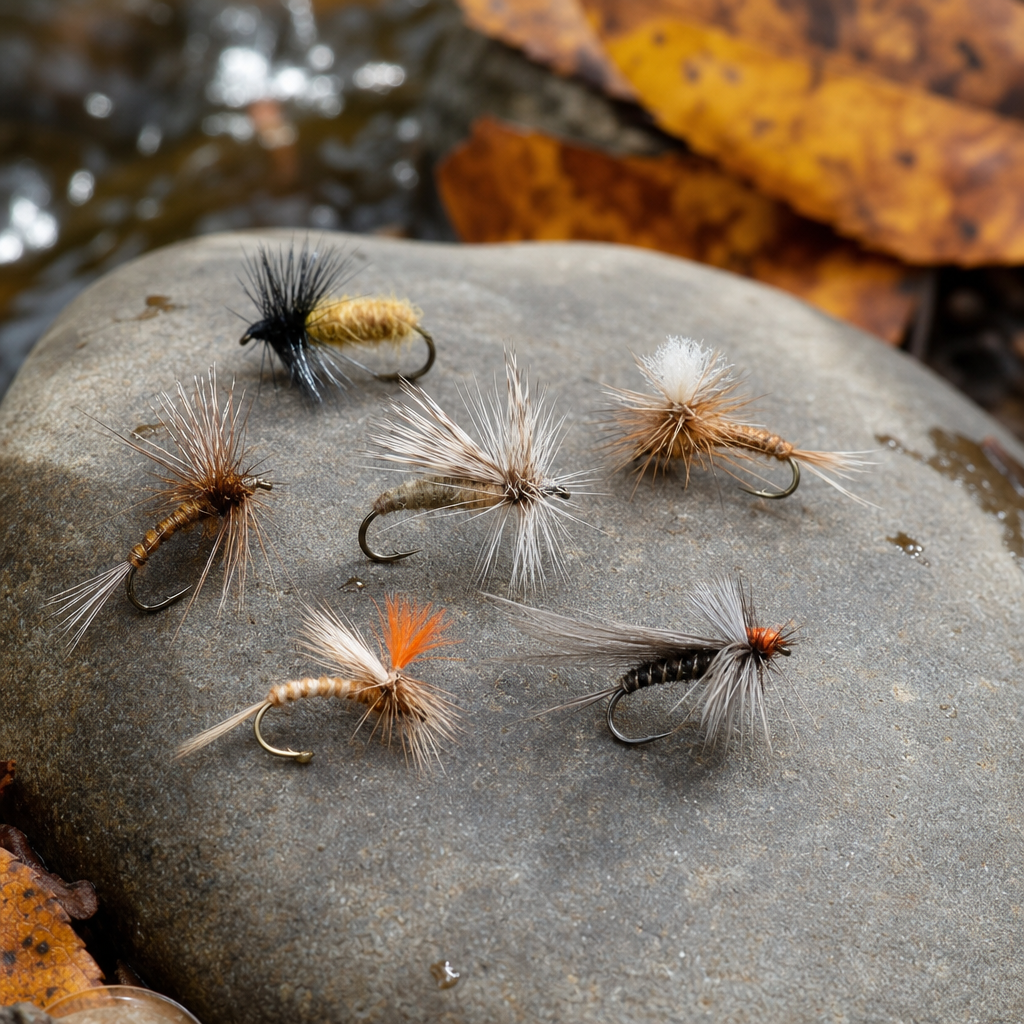
A strong summer lake fly box covers three categories: insects, swimming food forms, and attractor patterns. For insects, carry chironomid pupae in black, red, olive, and chromed variations; callibaetis nymphs and emergers; caddis pupae; damsel nymphs; dragon nymphs; and balanced leeches. For swimming food forms, include woolly buggers, rabbit strip leeches, baitfish patterns, scuds, and small fry imitations. For surface opportunities, keep parachute mayflies, caddis adults, beetles, ants, and foam indicators that can double as dry-dropper anchors.
Color and size matter more in summer than many anglers think. Clear lakes often reward slim profiles and natural colors such as olive, brown, black, gray, and amber. Slightly stained lakes may favor stronger contrast, including wine, burnt orange, or white on baitfish. Size should follow the food. Tiny size 16 chironomids can outfish larger patterns during selective feeding, while a size 8 damsel or leech may trigger aggressive takes during movement periods. When fish refuse a fly, profile and depth usually matter before exact shade, but once you are close, small refinements count.
One practical rule helps simplify fly selection: match behavior, not just species. If naturals are ascending slowly, fish an emerger under controlled lift. If damsels are migrating toward reeds, use a horizontal nymph and a hand-twist retrieve. If trout are slashing fry near a drop-off, strip a sparse baitfish with pauses. This behavioral match is often more important than owning dozens of specialized patterns.
Lines, Leaders, and Presentation Control
In summer lake fly fishing, the line system determines whether your fly ever reaches feeding fish. Floating lines excel for dries, indicators, shoal work, and shallow nymphing. Intermediate lines are my default searching tool because they cover the top few feet without hanging constantly in weeds. Type 3 to Type 6 sinking lines help probe drop-offs, deeper weed edges, and suspended fish over basins. Full-sink lines provide depth consistency, while sink-tip systems can be useful when fish move between shallow cover and deeper lanes.
Leader length should match the method, not a fixed rule. For floating line dry-fly work, a 9- to 12-foot tapered leader is standard. For indicator chironomid fishing, long leaders of 12 to 20 feet are common, often built from fluorocarbon to reduce visibility and improve sink behavior. On intermediate and sinking lines, shorter leaders from 4 to 8 feet usually give better turnover and direct contact. Knots, tippet diameter, and fly weight all affect how naturally a pattern tracks in still water.
Retrieval style is where many catches are won or lost. A hand-twist retrieve gives subtle, constant motion and is deadly with chironomids, nymphs, and small leeches. Short strips with pauses imitate fry or active damsels. Long slow pulls can work on bigger leeches or dragon nymphs. Figure-eight retrieves maintain tension and excel when fish are tracking but not committing. If you are unsure, begin slower than instinct suggests. Summer lake fish often have time to inspect a fly, and overstripping can kill a natural presentation.
Core Summer Tactics by Situation
Different conditions call for different setups, and having a quick decision framework saves time on the water.
| Situation | Best Depth Zone | Effective Flies | Recommended Approach |
|---|---|---|---|
| Early morning shoals | 1 to 6 feet | Callibaetis nymphs, damsels, small leeches, dries | Fish parallel to drop-off with floating or intermediate line, slow retrieve |
| Bright midday trout | Thermocline or first break | Chironomids, balanced leeches, baitfish | Use indicator or sinking line, count down carefully, maintain exact depth |
| Windy bank bite | Shallow to mid-depth | Scuds, leeches, caddis pupae, streamers | Target windward shore, drift naturally, strip across current seam |
| Weed edge predators | Outside edge and pockets | Damsels, dragon nymphs, woolly buggers | Cast tight to weeds, pause often, expect strikes on the hang |
| Evening rise | Surface to 3 feet | Emergers, callibaetis dries, midge clusters | Present delicately, cover lanes, switch to emerger if rises are subtle |
Indicator chironomid fishing deserves special mention because it is one of the most consistent trout methods of summer. Set the fly just above the level where fish are suspended, not below them. Use a slip indicator when depth exceeds the rod length comfortably castable. Anchor or hold position precisely, because dragging the rig ruins the vertical presentation. Watch for any stall, tilt, or slight dip. Many takes are gentle.
For active searching, an intermediate line and a team of flies can cover water efficiently. A point fly such as a small leech paired with a trailing chironomid or callibaetis nymph lets you test both attraction and exact food preference. In weedy lakes, fish the flies above the tops, not through the salad. Contact with occasional weeds can help define depth, but constant fouling means you are too low.
Species-Specific Adjustments and Common Mistakes
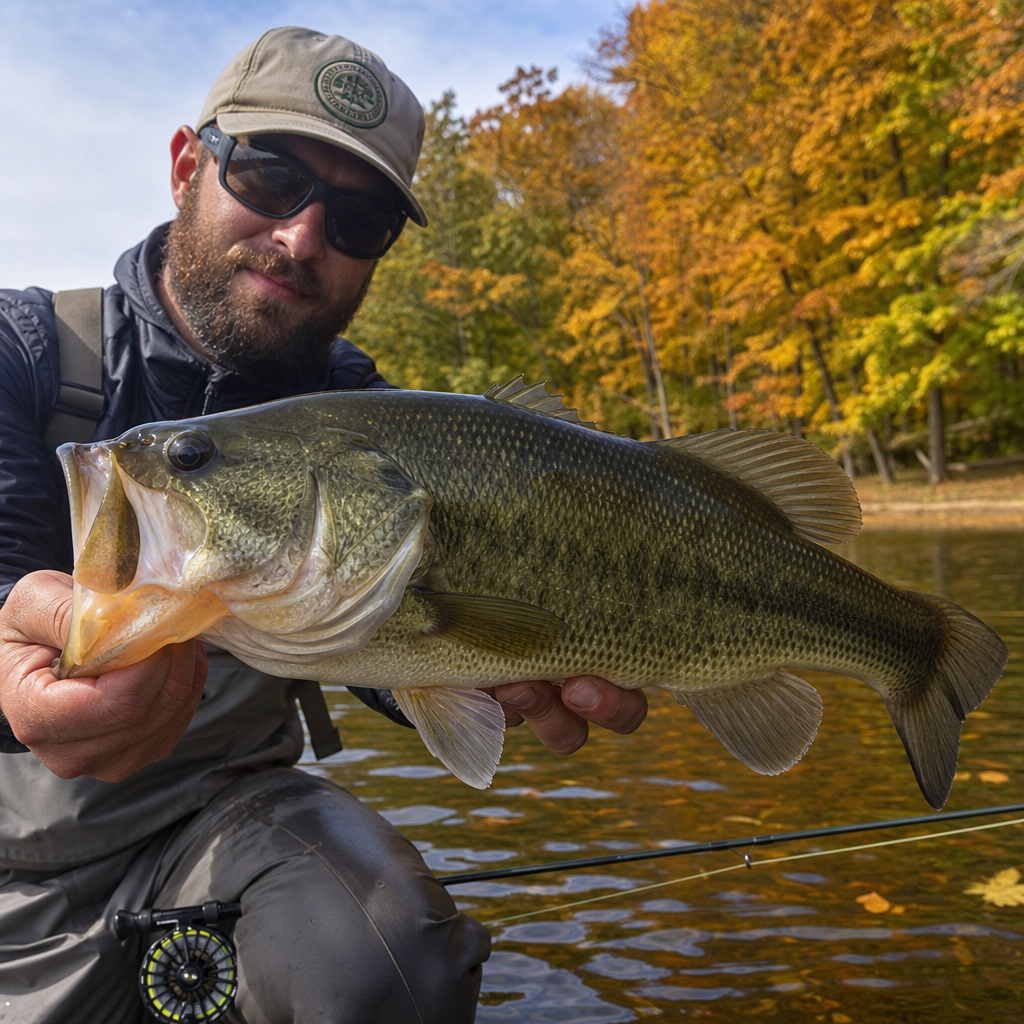
Trout, smallmouth bass, largemouth bass, and panfish all respond to summer differently. Trout usually prioritize cooler water and oxygen stability, which is why depth, inflows, and low-light windows matter so much. Smallmouth often use rock, points, crayfish habitat, and bait corridors, and they can stay active during brighter periods if wind is present. Largemouth prefer weeds, wood, shade, and ambush lanes, making poppers, divers, and weed-edge streamers productive. Bluegill and crappie school around vegetation, docks, and submerged brush and are excellent targets when trout fishing slows.
The biggest mistakes I see are avoidable. Anglers fish too fast, stay too shallow after sunrise, ignore wind-driven shorelines, and move before they have covered the full water column. They also fail to observe the lake itself. Summer fish often tell you what to do through swallows feeding low, shucks on the surface, bait dimpling at dusk, or weed beds topped out at a precise depth. Another frequent error is bringing a river mindset to stillwater. In lakes, subtle depth changes, retrieve cadence, and boat positioning matter as much as fly choice.
Use this hub as your starting point for the broader summer fly fishing topic: hatch-specific tactics, lake mapping, floating line techniques, deep chironomid systems, warmwater fly fishing, and alpine summer strategies all build from these principles. Learn to read temperature, light, food, and structure together, and summer lakes become far less mysterious. Start on your next outing by identifying one feeding zone, one likely food source, and one exact depth band, then adjust methodically until the pattern locks in.
Frequently Asked Questions
What makes summer fly fishing in lakes different from fishing the same lakes in spring or fall?
Summer changes almost everything in a lake, which is why successful fly anglers usually have to adjust both their expectations and their tactics. In spring, many fish spend more time in relatively shallow water because temperatures are comfortable, oxygen is widely available, and food sources are often concentrated near shorelines, inlets, and emerging weed growth. In fall, cooling water can trigger aggressive feeding behavior and make fish more willing to move for a fly. Summer is different because rising water temperatures, stronger sunlight, longer days, stratification, and shifting insect activity all influence where fish hold and when they actively feed.
One of the biggest summer factors is the relationship between temperature and oxygen. As surface water warms, some species, especially trout, often leave the hottest shallow areas and seek cooler, better-oxygenated zones. That may mean moving deeper, suspending over drop-offs, holding near springs or inflows, or cruising during low-light periods instead of feeding heavily at midday. Warmwater species like bass and panfish may remain more active in higher temperatures, but even they often position around shade, weed edges, docks, timber, or deeper structure during bright hours. In other words, summer fish are still feeding, but they are usually more location-specific and less evenly distributed than they are during cooler seasons.
Another key difference is that presentation becomes more depth-sensitive. In summer lake fly fishing, success often comes from figuring out not just what fish are eating, but exactly where in the water column they are feeding. A fly that is perfect in pattern and size will still fail if it is riding six feet above the fish or dragging too deep through unproductive water. That is why techniques such as counting down flies, using intermediate or sinking lines, adjusting leader length, and varying retrieve speed become especially important in warm months. Summer often rewards anglers who fish more deliberately, observe more carefully, and adapt faster rather than relying on the broad seasonal assumptions that sometimes work in spring or fall.
Where should I look for fish in lakes during the hottest part of summer?
Start by thinking in terms of comfort, food, and cover. Fish in summer rarely position randomly. They gravitate toward areas that offer manageable water temperatures, reliable oxygen, and easy feeding opportunities. In natural lakes and reservoirs, productive summer zones often include drop-offs near flats, weed edges, submerged humps, creek channels, points extending into deeper water, shoals with current or wave action, and transition areas where shallow feeding zones connect quickly to deeper refuge. In alpine lakes, fish may still use shorelines early and late, but during bright, warm periods they often slide off into deeper water or suspend over basins where temperatures are more stable.
For trout, pay close attention to inflows, spring seeps, narrows, wind-blown banks, and any area where moving water or wave action improves oxygen. Wind can be a major summer advantage because it stacks food against shorelines, pushes terrestrial insects into the water, and creates a subtle current that concentrates feeding fish. Even in warm conditions, a breezy bank with chop can outperform a calm shoreline because it gives fish both cover and a buffet line. If the lake stratifies and the surface becomes too warm, trout may hold at a specific depth band along structure rather than right on bottom. That is why fish finders help from boats, but even from shore, observing where cruising fish appear, where insect activity occurs, and where temperatures feel noticeably cooler can be revealing.
Bass and panfish are usually easier to locate in summer because they often relate strongly to visible structure. Look around weed beds, lily pads, standing timber, docks, rock piles, marinas, and shaded banks. Bluegill and crappie frequently suspend around vegetation or submerged brush, while largemouth bass may hold tight to shade or ambush points in cover. Smallmouth often favor rocky points, deeper weed transitions, or current-influenced areas in reservoirs. Across species, the best summer locations are usually those that combine feeding lanes with nearby sanctuary. If a spot offers insects, baitfish, or nymphs and also gives fish immediate access to shade, depth, or cooler water, it deserves serious attention.
What fly patterns work best for summer lake fishing, and how should I choose between them?
The most dependable summer fly selection is built around three food categories: insects, baitfish, and opportunistic meals such as leeches, damselfly nymphs, dragonfly nymphs, and terrestrials. Rather than looking for one universal summer fly, it is more effective to match your patterns to the lake’s dominant food source and the behavior of the species you are targeting. In many lakes, chironomids remain essential all summer, especially for trout. Callibaetis mayflies, caddis, damsels, and terrestrials such as ants, beetles, and hoppers can all become important at different times. If fish are cruising weed lines or surface-feeding during calm windows, imitative dries and emergers can be deadly. If they are deeper or less visibly active, nymphs and subsurface attractors often produce better.
For trout, productive summer boxes typically include chironomid pupa, balanced leeches, woolly buggers, damsel nymphs, callibaetis nymphs and cripples, scuds where relevant, and a few baitfish imitations for larger fish. In clear lakes, slimmer and more natural presentations usually shine. In stained water or on windy days, slightly bolder flies with movement and contrast can help fish locate the pattern. Warmwater anglers should also carry poppers, foam bugs, small baitfish streamers, dragonfly nymphs, leech patterns, and panfish favorites such as small rubber-legged bugs and wet flies. Bass often respond well to larger profiles around structure, while panfish usually prefer smaller offerings with a slow, tantalizing retrieve.
Choosing between patterns comes down to evidence. If you see rising trout, inspect the surface and shoreline for mayflies, midges, or terrestrials. If fish swirl near weeds, damsels or small baitfish may be in play. If you mark fish deep or get follows without takes, switch from a fast-moving streamer to a more vertical or slow-sinking presentation. If nothing obvious is happening, start with confidence patterns that cover water efficiently, such as a leech, bugger, or damsel nymph, then refine based on feedback. Summer success often comes from narrowing the menu rather than constantly changing flies. Once you identify the food type, then fine-tune size, color, depth, and retrieve before assuming the fish are not feeding.
What is the best time of day to fly fish a lake in summer, and how should I adjust my presentation as conditions change?
In most lakes, the best summer fishing happens during low-light windows: early morning, late evening, and sometimes after dark. These periods usually offer cooler water near shore, less overhead glare, more comfortable conditions for fish, and increased insect activity. Trout in particular often take advantage of dawn and dusk to move shallower and feed more confidently. Warmwater species also feed aggressively during these windows, especially around shoreline structure and vegetation. Midday can still produce fish, but it often requires a deeper presentation, more precise location, and a willingness to fish slower or more methodically.
Your presentation should follow the fish’s position in the water column. Early and late in the day, fish may be reachable with floating lines, long leaders, dries, emergers, or lightly weighted nymphs and streamers. This is when cruising fish along shoals, weed edges, and shorelines are most available to visual tactics. As the sun climbs and the lake brightens, many fish become more cautious or move deeper. That is the time to use intermediate, sink-tip, or full-sinking lines, count your fly down carefully, and maintain a retrieve that keeps the pattern in the strike zone for as long as possible. Summer lake anglers often do best when they retrieve less randomly and more intentionally, using measured pauses, consistent strips, or hand-twist retrieves that match the insect or baitfish they are imitating.
Wind, cloud cover, and weather shifts can extend or compress these feeding windows. A cloudy summer day with ripple on the water may fish well for hours because fish feel secure and food gets pushed around. A flat, bright afternoon may demand finesse, depth, and patience. If fish follow but do not commit, change speed before changing flies. If you get no interest at all, change depth first. That rule alone saves a lot of unproductive casting in summer lakes. The most effective anglers are not just fishing hard; they are constantly reading light levels, surface activity, temperature, and wind direction, then adjusting line choice, fly placement, and retrieve style to stay aligned with what the lake is doing in that moment.
What gear and setup give me the best chance of success when fly fishing lakes in summer?
A versatile summer lake setup should help you cover multiple depths and presentations efficiently. For many trout and general stillwater situations, a 5- or 6-weight rod is an excellent all-around choice. It handles dries, nymphs, chironomid rigs, and moderate streamers well while still giving enough control in wind. If you are targeting larger trout with heavy lines and bigger flies, or focusing on