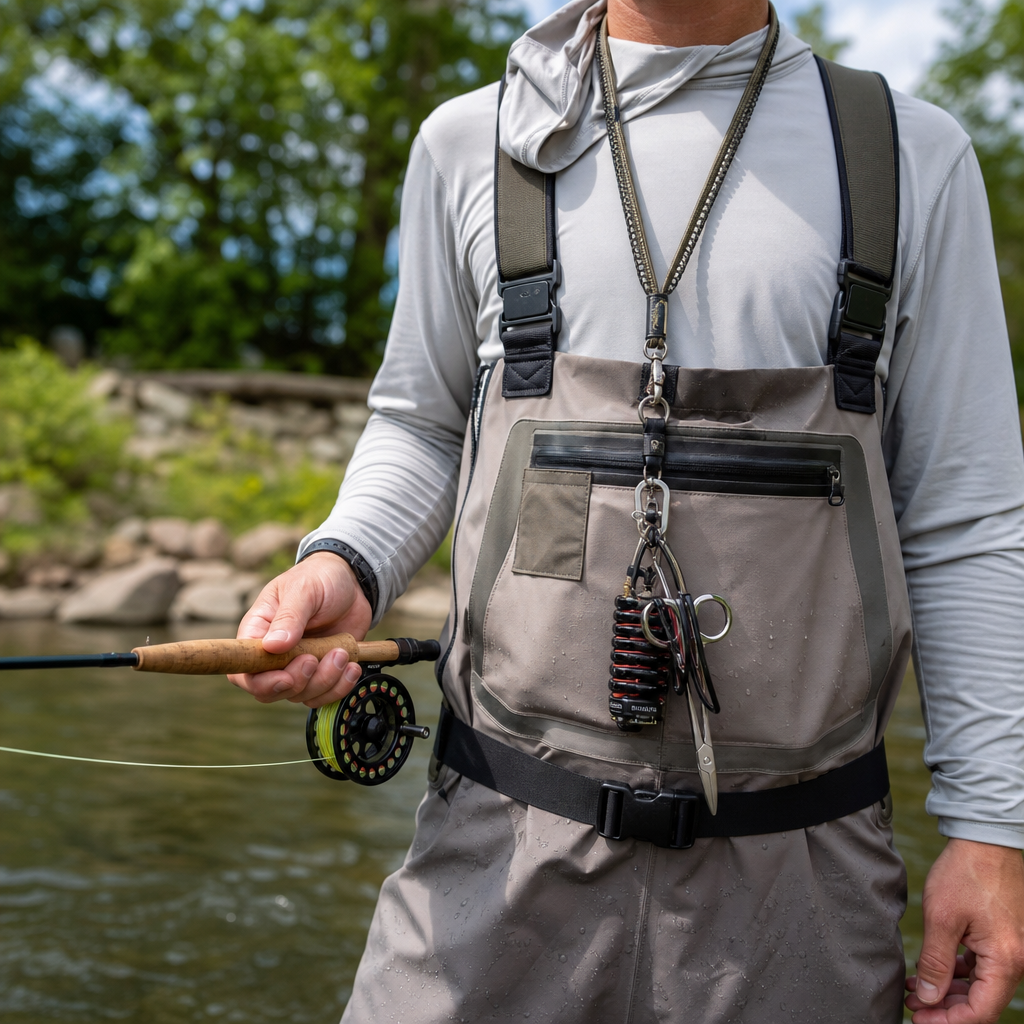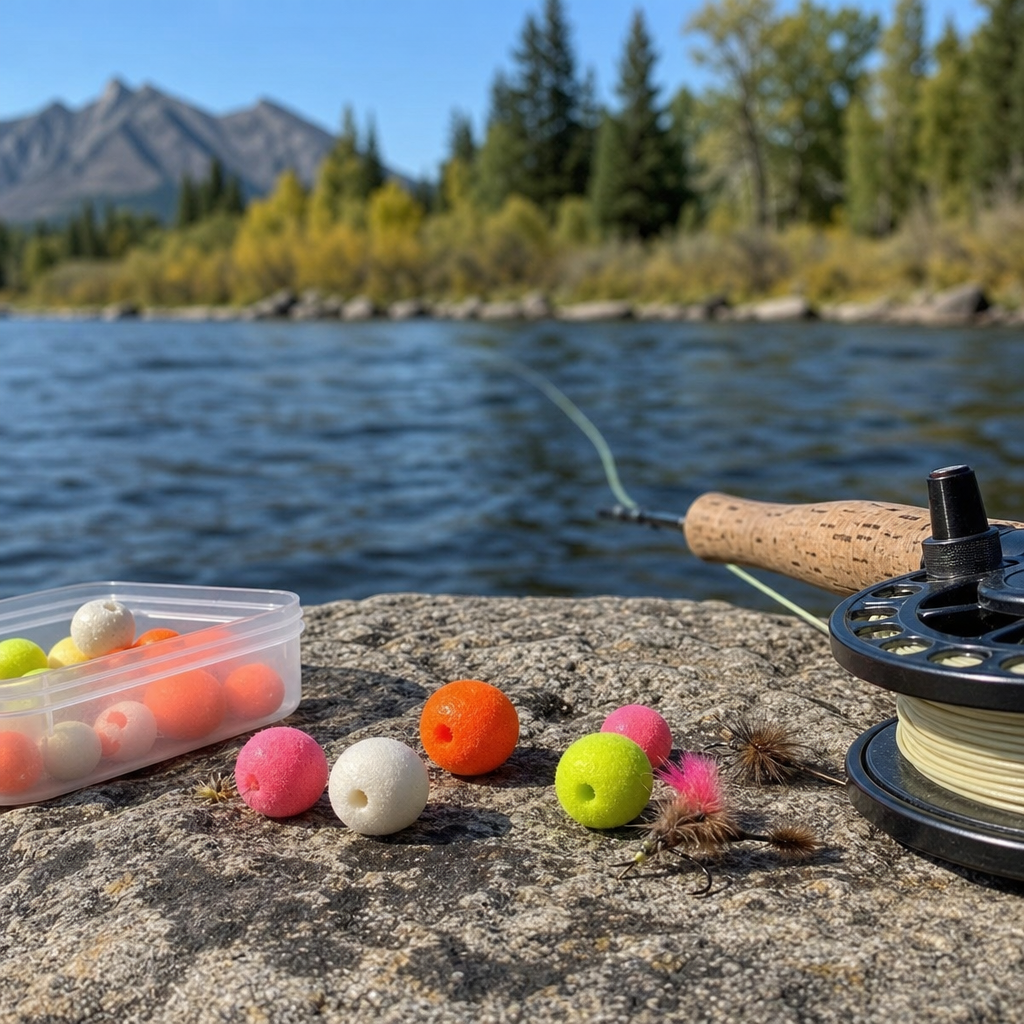
Choosing the best fly fishing indicators can determine whether subtle takes become landed trout or missed opportunities, because indicator design directly affects drift control, strike detection, casting ease, and overall rig balance. In fly fishing, an indicator is a visual strike detector attached to the leader that signals a fish eating subsurface flies such as nymphs, eggs, or small streamers. Anglers use indicators to suspend flies at a target depth, track drift speed against the current, and identify strikes that would otherwise go unnoticed. After years of fishing Western freestones, spring creeks, tailwaters, and stillwaters, I have found that no single indicator works everywhere. The right choice depends on water type, fly weight, depth, wind, and how often you need to adjust your setup.
This review hub covers accessory reviews within the indicator category, helping anglers compare foam indicators, yarn indicators, putty systems, and air-lock styles in practical terms. It matters because indicators are often treated as cheap throwaway accessories, yet they influence presentation as much as a leader formula or nymph pattern. A poorly chosen indicator can sink under split shot, kink a leader, spook fish in flat water, or create so much resistance that accurate casting becomes difficult. A well-matched one stays buoyant, lands softly, tracks naturally, and moves cleanly when you need to change depth. If you are building a fly fishing accessories kit, indicator selection deserves the same attention you give to tippet, floatant, hemostats, or fly boxes.
In this guide, I review the major indicator types, explain where each excels, and identify the best fly fishing indicators for common conditions. This page also works as a central resource for deeper accessory reviews, so it is useful whether you fish occasional nymph rigs or spend most of your season under an indicator. By the end, you will know what to buy for small streams, technical trout water, deep runs, windy rivers, and stillwater suspensions, along with the tradeoffs each option brings.
How to Judge Fly Fishing Indicators
The best fly fishing indicators share five traits: buoyancy, visibility, adjustability, leader friendliness, and casting efficiency. Buoyancy determines whether an indicator can support the total mass of your rig, including weighted flies and split shot. Visibility matters in glare, chop, broken water, and low light. Adjustability is critical when fish change depth by even a foot. Leader friendliness refers to whether an indicator damages mono or fluorocarbon, causes severe kinks, or slips unpredictably. Casting efficiency reflects aerodynamic drag and how cleanly the indicator turns over with a standard trout rod.
When I test indicators, I fish them across different rigs instead of judging them in isolation. A tiny indicator may perform perfectly on a two-fly size 18 midge setup yet fail on a stonefly-dropper rig with tungsten and shot. Likewise, a large foam model may float all day on a heavy nymph rig but splash too hard for shallow spring-creek fish. Good reviews need context. That is why comparisons should always match indicator size to fly weight, current speed, and target depth rather than naming one universal winner.
Color also deserves more attention than many reviews give it. Bright orange remains the most visible all-around color in broken water, while chartreuse can stand out better under cloud cover or in heavy glare. Two-tone tops help detect slight stalls and sideways movement. In technical situations, I prefer indicators I can track with peripheral vision instead of staring directly at them, because that lets me watch seam changes and possible follows at the same time.
Best Indicator Types for Different Fishing Situations
Different indicator categories solve different problems. Air-lock and screw-lock indicators are strong choices for general river nymphing because they adjust relatively quickly and provide reliable buoyancy with weighted rigs. Stick-on foam indicators cast lighter and land softer, making them popular on moderate trout water where delicate presentation still matters. Yarn indicators excel in slow current and shallow technical water because they touch down gently and can be treated with floatant for high visibility. Putty indicators are niche but useful when you want a nearly weightless, shapeable option for fine-tuning buoyancy or minimizing splash.
On big Western rivers such as the Madison, Rogue, or South Platte, I usually recommend air-lock styles for anglers who fish deep runs and pocket water. They grip leaders securely, support shot, and remain visible in turbulence. On tailwaters like the Missouri or Delaware, where fish often inspect a drift in smoother current, yarn or small foam indicators often produce better presentations. For lakes and reservoirs, larger buoyant indicators are usually better because they must suspend chironomid rigs for long periods while remaining visible at distance.
| Indicator Type | Best Use | Main Strength | Primary Drawback |
|---|---|---|---|
| Air-lock | Deep river nymphing | High buoyancy and easy depth changes | Can splash on delicate water |
| Adhesive foam | All-purpose trout rivers | Light casting profile | Less durable after repeated moves |
| Yarn | Shallow technical drifts | Soft landing and subtle strike detection | Needs treatment to stay floating |
| Putty | Fine-tuning small rigs | Custom size and minimal disturbance | Limited buoyancy for heavy setups |
This breakdown is the foundation for all accessory reviews under this hub. If you understand these use cases, product-level recommendations become much clearer. A high rating does not mean an indicator is best for every angler; it means the product excels within a defined job.
Top Reviewed Products and What They Do Best
Among the most consistently reliable products, Thingamabobber remains a benchmark for maximum buoyancy and easy strike detection. Its spherical design is not elegant, but it floats heavy rigs extremely well and stays visible in rough current. For beginners or anyone fishing large freestone rivers, it remains one of the safest recommendations. The tradeoff is splash and wind resistance. In flat glides, trout can react to the landing noise, especially in low, clear summer water.
Oros indicators improved on the plastic-ball concept by eliminating metal hardware and reducing leader kinks. The soft foam construction compresses around the leader, and the slotted design makes depth changes straightforward. In my experience, Oros indicators cast more cleanly than many rigid plastic options and are easier on light tippet. They are especially good for anglers who switch depths frequently during a day on mixed pocket water and runs. Their main limitation is price, which is higher than basic stick-on foam or older plastic styles.
New Zealand-style yarn indicators remain the best answer for extremely spooky trout and subtle takes. Brands and kits vary, but the principle is consistent: a small piece of buoyant yarn attached to the leader with tubing or a loop. Properly fluffed and treated, yarn lands lightly and reacts to micro-hesitations that bulkier indicators can mask. I use them on spring creeks and gentle side channels where fish sit in knee-deep water and inspect everything. They require more setup time and maintenance than a ball indicator, but in technical water they often convert refusals into confident eats.
For adhesive foam, products like Airflo Strike Indicators and similar peel-and-stick styles are excellent for anglers who want simplicity. They go on quickly, cast with less hinge effect than larger bubbles, and work well with moderate nymph rigs. They are less ideal for repeated depth changes because each move can weaken adhesion or rough up the leader. I treat them as day-session tools rather than long-term reusable accessories.
Putty indicators such as Loon Biostrike fill a narrow but valuable role. They allow precise adjustment by adding or removing material to match fly weight and current speed. On small streams or when euro-nymphing regulations require visible sighters but you still want a floating reference point, putty can be helpful. It is not my first choice for heavy trout rigs, but for minimalist setups and calm water it offers finesse that fixed-size indicators cannot.
How to Match Indicator Size, Weight, and Rig Design
The most common buying mistake is choosing indicator size by guesswork. Size should be matched to the total load under the indicator and the water you are fishing. A useful rule is that faster, deeper water and heavier flies require more buoyancy than the same rig in slow current. For example, a pair of small beadhead pheasant tails with no split shot may fish well under a compact foam or yarn indicator. Add a tungsten stonefly and two shot for a six-foot run, and that same indicator will drown, drag, or stall unnaturally.
Leader design matters too. Indicators attached to thick butt sections can move differently than the same indicators attached lower on a taper. If an indicator is too large for the leader diameter, turnover can become abrupt and inaccurate. If it is too small and attached where the line is thin, it may slip or pinch the material. I generally place larger indicators where the taper still has enough stiffness to turn over the rig, then adjust tippet length below based on depth. This keeps casting manageable while maintaining natural drifts.
Wind is another overlooked factor. On breezy days, highly buoyant indicators are easier to track but often create more aerial drag. If clients are struggling to cast, downsizing the indicator and slightly reducing shot often produces better results than simply keeping a giant bobber on the line. The fish do not care how visible the indicator is to you if the drift never reaches them naturally.
Best Choices by Water Type and Angler Need
For beginners, the best fly fishing indicators are usually Oros or Thingamabobber in small-to-medium sizes. Both make strike detection obvious, support a wide range of trout rigs, and remove some of the learning curve from nymphing. If you are guiding a new angler on broken water, these indicators help them see takes early and stay connected during drifts. Ease of use matters more than finesse at this stage.
For technical trout fishing, yarn indicators are the top recommendation. They land softly, track subtle current shifts, and create less disturbance in clear water. Experienced anglers willing to dress yarn properly with floatant often outperform anglers using louder indicators on pressured fish. This is especially true on spring creeks, meadow streams, and tailwater edges where fish hold in shallow lanes.
For deep or fast rivers, larger air-lock or foam screw-style indicators remain the best option. They suspend heavier flies and shot without drowning and stay visible in foam lines and broken current. For stillwater chironomid fishing, choose the most visible buoyant indicator you can cast comfortably. Long static presentations demand flotation that will not slowly sink after thirty minutes.
If you want one versatile system, buy two sizes of Oros or a similar leader-friendly foam indicator, then add a small New Zealand yarn kit for technical days. That combination covers most trout situations better than carrying a dozen random accessories that overlap.
Buying Tips, Maintenance, and Hub Recommendations
When buying indicators, avoid evaluating them solely on price per pack. A more expensive indicator that protects leaders, adjusts quickly, and lasts across multiple trips usually offers better value than cheap options that slip, crack, or require frequent replacement. Check whether the attachment system damages fluorocarbon, whether replacement parts are available, and whether the colors suit the water and light conditions you fish most often. For anglers assembling a broader accessories setup, indicators should be reviewed alongside split shot systems, floatants, leader wallets, and tippet management tools because all of those affect subsurface efficiency.
Maintenance is simple but important. Dry reusable indicators before storage, replace adhesive styles when edges start lifting, and inspect attachment grooves or slots for line wear. Yarn should be cleaned and retreated with desiccant or gel floatant as needed. Putty must be kept free of grit and extreme heat. Small habits extend usability and prevent failures on the water.
The key takeaway from these accessory reviews is simple: the best fly fishing indicators are the ones matched to your specific water, rig, and presentation goal. For all-around river use, Oros and Thingamabobber lead the category. For delicate presentations, yarn remains unmatched. For custom finesse, putty has a place. Build your kit around those roles, then explore the rest of this Product Reviews and Recommendations hub to compare the supporting accessories that make an indicator rig fish better from the first cast to the last drift.
Frequently Asked Questions
What is a fly fishing indicator, and why does it matter so much when nymphing?
A fly fishing indicator is a visual strike detector attached to your leader to help you track subsurface flies and recognize takes that you would otherwise never feel. When trout eat nymphs, eggs, or other small patterns below the surface, the strike is often subtle. Instead of a dramatic tug, you may only see the indicator hesitate, dip, stall, twitch, or drift at a slightly unnatural speed. That small signal is often the only clue that a fish has taken your fly.
Indicators do more than just show strikes. They also help suspend flies at a controlled depth, which is critical because fish typically feed in specific holding lanes and water columns. A good indicator keeps your rig balanced, improves drift visibility, and helps you maintain a more natural presentation. In practical terms, that means fewer missed takes, better depth control, and more consistent hook-ups. For many anglers, especially when fishing moving water, the right indicator can make the difference between guessing and actually fishing with precision.
How do I choose the best fly fishing indicator for different water conditions?
The best fly fishing indicator depends on current speed, water depth, fly weight, casting distance, and how subtle you need your strike detection to be. In slow, clear, or shallow water, smaller and more sensitive indicators are usually the better choice because they land softly and are less likely to spook fish. They also respond more clearly to gentle takes. In faster, deeper, or turbulent water, larger or more buoyant indicators are often necessary to support heavier flies, split shot, or multi-fly rigs while still remaining visible in broken surface currents.
You should also think about visibility and drift control. Bright colors can help you track the indicator at distance or in glare, while lower-profile designs may be better in technical water where stealth matters more than visibility. Foam, yarn, air-lock style, and putty indicators all behave differently. Some excel at buoyancy, some at delicacy, and some at quick adjustment. If you fish a range of rivers, the smartest approach is not to look for one universal indicator, but to build a small selection that covers light rigs, heavier nymph setups, and changing conditions. The “best” indicator is the one that matches your rig and helps your flies drift naturally through the feeding zone.
What size indicator should I use for trout fishing?
Indicator size should match the weight of your setup and the type of water you are fishing. A common mistake is choosing an indicator that is too large for the conditions. Oversized indicators can create splash on the cast, reduce sensitivity, and negatively affect presentation. On the other hand, an indicator that is too small may sink, drag, or fail to support your flies and split shot properly. A balanced setup is the goal.
For smaller nymphs in modest current, a compact indicator is often ideal because it offers enough flotation without overwhelming the rig. As your flies get heavier, your leader gets longer, or the water gets deeper and faster, you will generally need to move up in size. The indicator should ride high enough to remain visible and buoyant, but still react immediately to subtle changes in drift. If you are unsure, start with a size that comfortably supports your flies and make adjustments based on how the rig behaves on the water. If the indicator plunges under from weight alone, go bigger. If it lands too hard or seems to pull the drift unnaturally, go smaller.
Where should I place an indicator on the leader?
A useful starting point is to place the indicator at a distance from the fly that is about one and a half to two times the water depth you are fishing. This helps the flies sink into the strike zone while accounting for current speed and the angle of the drift. For example, if the water is four feet deep, placing the indicator six to eight feet above the fly is a common baseline. In fast current or when fish are holding close to the bottom, you may need even more distance to get the flies down effectively.
Placement is not static, and good anglers adjust it constantly. If you are ticking bottom occasionally, that is often a sign you are near the right depth. If you never touch bottom and suspect fish are deeper, move the indicator up. If you are snagging constantly, shorten the distance. The exact position also depends on fly weight, split shot placement, current complexity, and whether you are fishing one fly or a tandem rig. The best indicator setup is one that allows the flies to drift naturally at feeding depth while still giving you enough control to detect strikes and set the hook quickly.
What features should I look for in the best fly fishing indicators in reviews?
When reading reviews of fly fishing indicators, focus on performance traits rather than just popularity. The most important features are buoyancy, sensitivity, ease of adjustment, casting friendliness, visibility, and how securely the indicator attaches to the leader without causing damage. A quality indicator should support the weight of your rig, remain easy to see in varying light, and still respond quickly to soft takes. If it slips constantly, kinks your leader, becomes waterlogged, or creates too much casting resistance, it is going to cost you fish and frustrate you on the water.
It is also worth paying attention to practical use details in reviews. Look for feedback about how the indicator performs with light versus heavy nymph rigs, whether it is easy to reposition while wearing cold-weather gloves, and how durable it is after repeated use. Some indicators are excellent for small-stream delicacy, while others are built for deep, fast runs with bigger payloads. Strong reviews usually explain these trade-offs clearly. The best fly fishing indicators are not simply the most buoyant or the brightest; they are the ones that match your fishing style, water type, and preferred rigging method while helping you maintain a natural drift and detect more strikes.