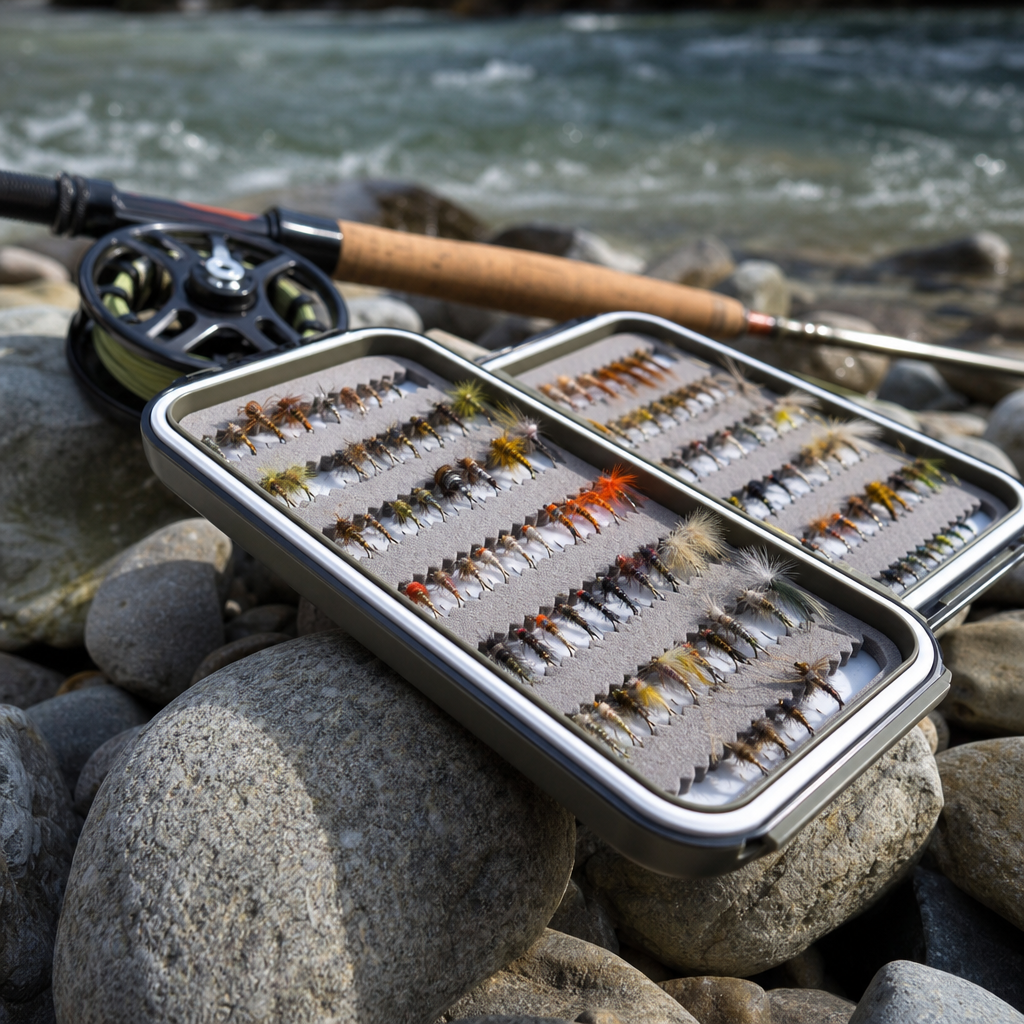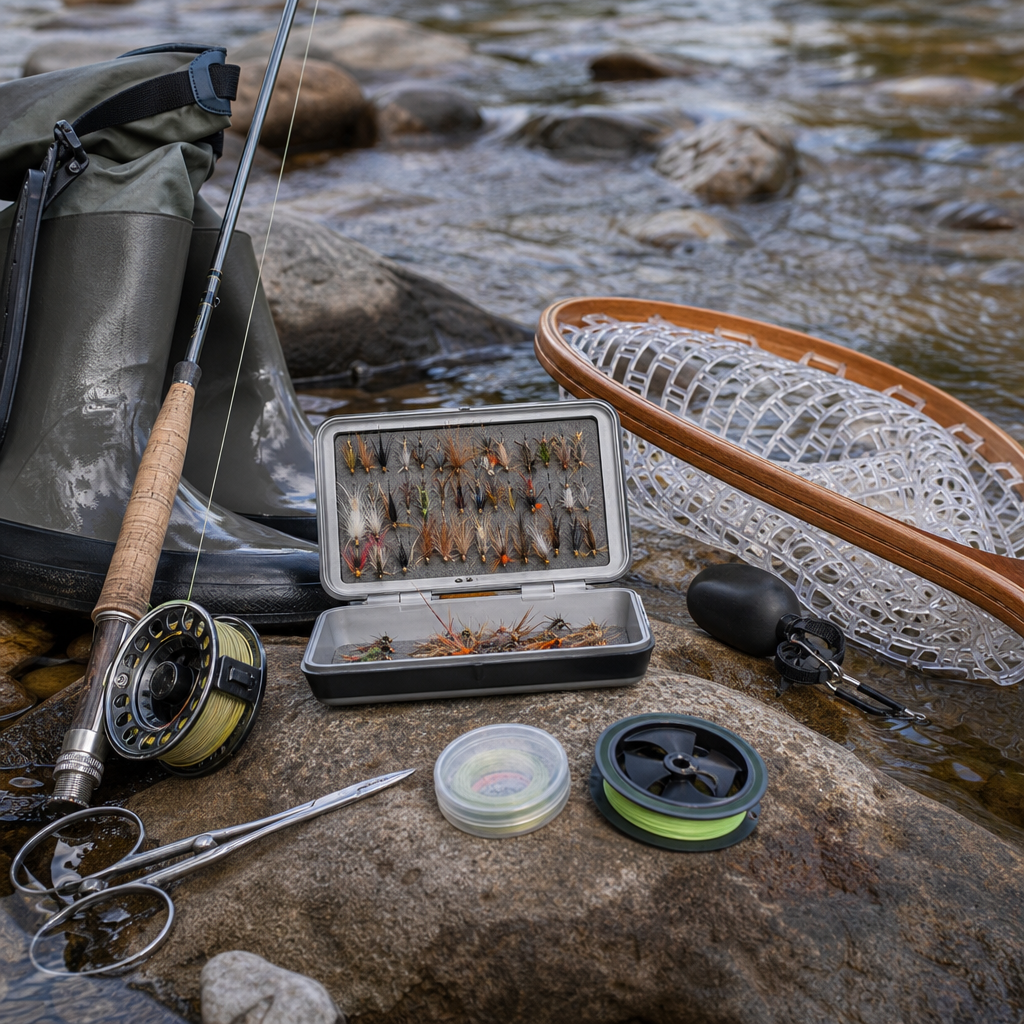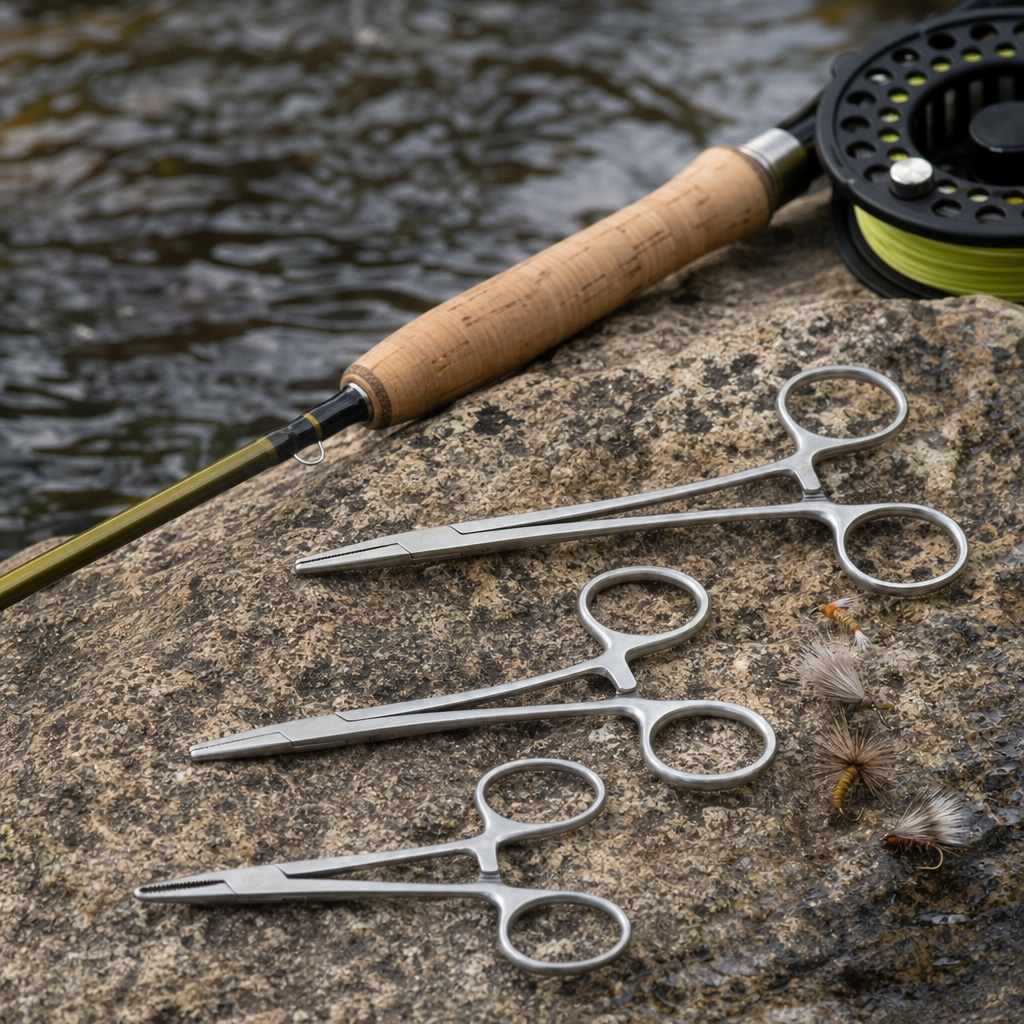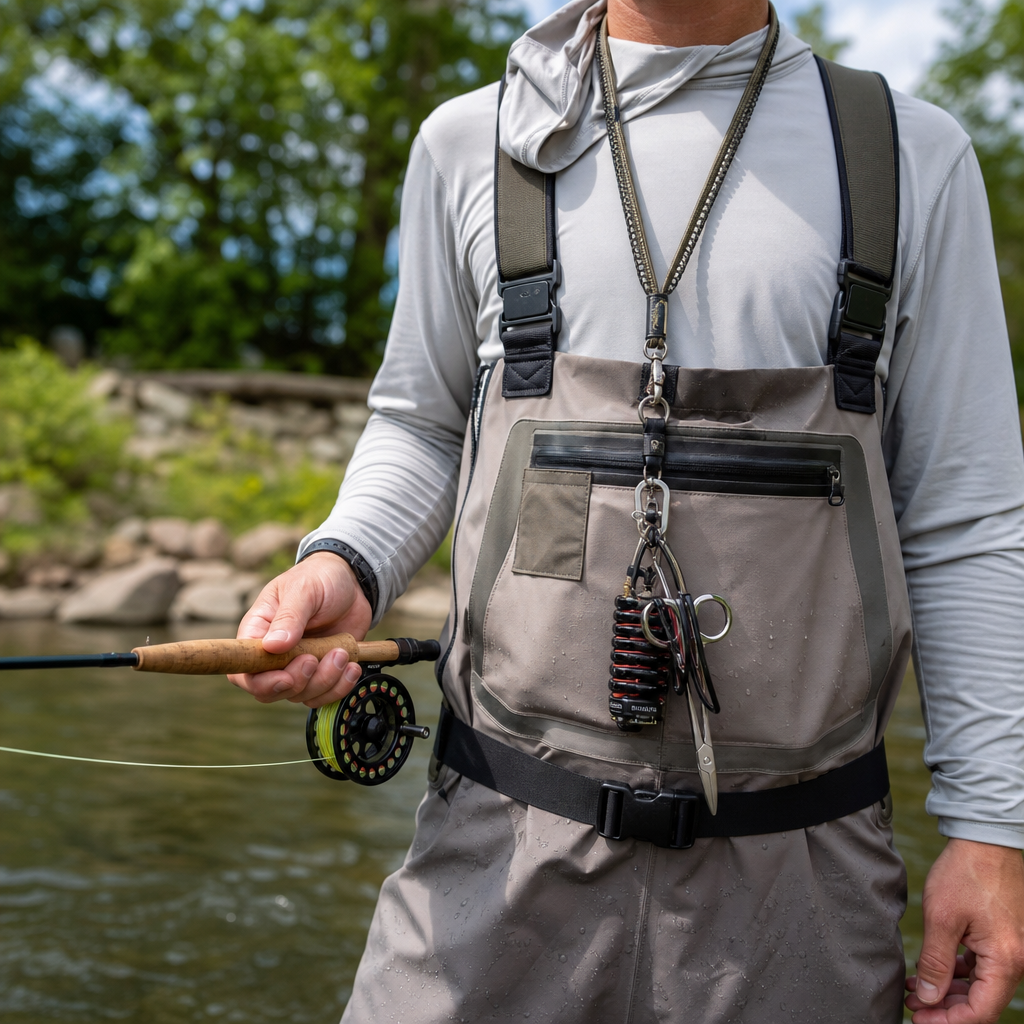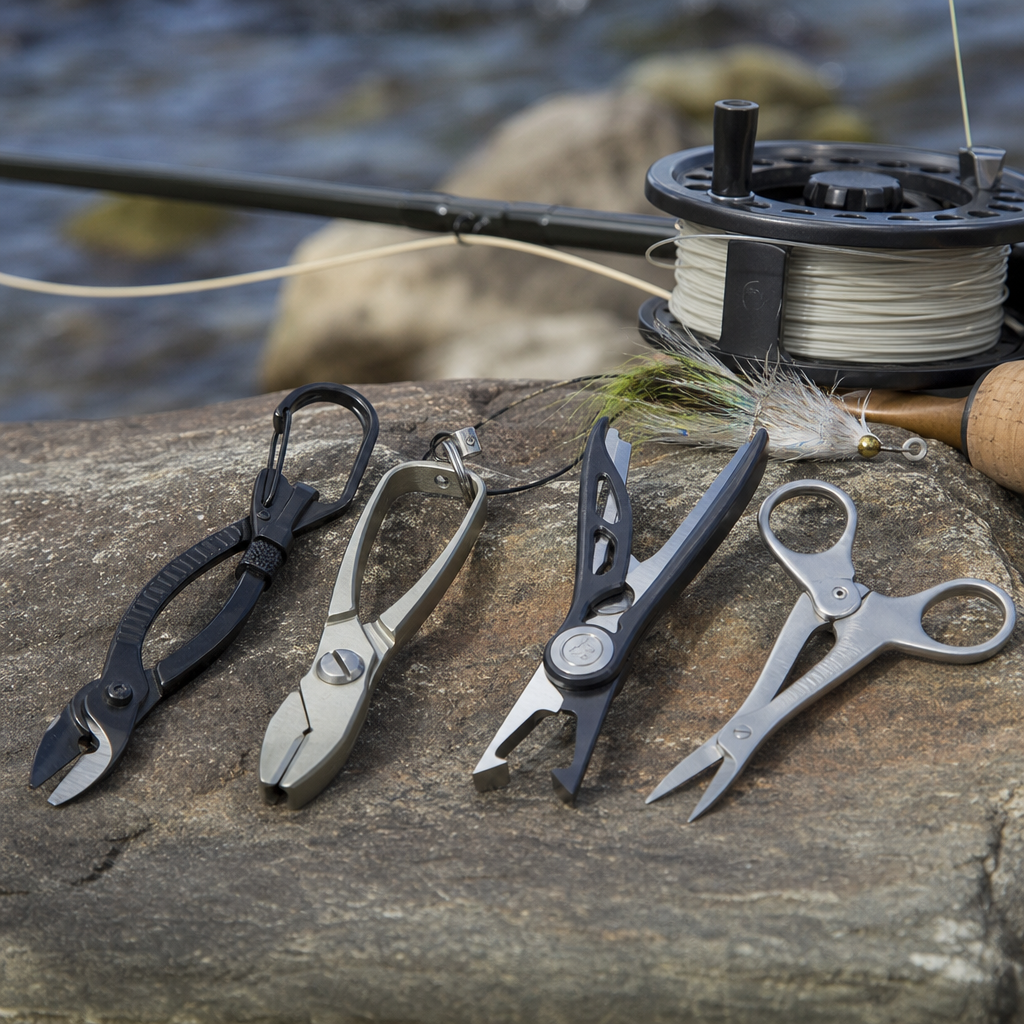
Fly fishing nippers are small tools, but they have an outsized effect on efficiency, knot quality, and streamside safety. In a category crowded with premium machined cutters, budget workhorses, and multi-function accessories, reviewing the best fly fishing nippers means looking beyond sharp jaws alone. Material, edge geometry, replaceable blades, ergonomics, hook-eye cleaning features, zinger compatibility, and long-term corrosion resistance all matter. As someone who has carried nippers through freestone rivers, stillwater float tubes, salt marshes, and winter steelhead runs, I have learned that the best model is the one that cuts cleanly every time, survives abuse, and fits the way you actually fish. This hub article covers the accessory review landscape comprehensively so anglers can choose the right nippers, understand key buying criteria, and navigate related accessory reviews with confidence.
The term fly fishing nippers usually refers to compact line cutters worn on a lanyard, vest, sling pack, or retractable zinger. Most are designed to trim tippet and leader material cleanly, but many also include a knot-tying pick, hook-eye cleaner, or small gripping surfaces for opening split shot. Premium nippers commonly use anodized aluminum or stainless steel bodies with hardened cutting jaws, while lower-cost models may use molded composites or basic stamped metal. Why does this matter? Because poor cuts damage tippet ends, fray tag lines, and slow down fly changes when hands are cold or wet. Good nippers save time and reduce frustration dozens of times in a day. For anglers building a dependable kit under the broader Product Reviews and Recommendations umbrella, accessory reviews like this one are foundational, because tiny tools often determine whether expensive rods, reels, and lines perform at their best.
What Makes the Best Fly Fishing Nippers Stand Out
The best fly fishing nippers deliver four things consistently: a clean cut, durable construction, comfortable handling, and practical attachment options. A clean cut matters most because tippet materials vary widely. Fluorocarbon is harder and more abrasion resistant than nylon, braided backing can flatten rather than sever, and heavy saltwater shock tippet can expose weaknesses quickly. High-end nippers from brands like Abel, Hatch, Simms, Loon, Orvis, and Dr. Slick often differ in how well they handle these materials over time. In my own use, premium cutters usually justify their price when I fish often enough to wear out cheaper edges in one season.
Construction determines lifespan. CNC-machined aluminum bodies resist flex and usually feel more secure in hand than thin stamped tools. Stainless steel excels around saltwater, though aluminum with quality anodizing also performs well if rinsed. Replaceable cutter jaws are a major advantage for anglers who fish hard. Instead of discarding the entire tool when the edge dulls, you swap blades and keep using the same body. That is especially useful for guides and high-frequency anglers who cut leader and tippet hundreds of times per month.
Handling is more important than many buyers expect. Nippers are used with cold fingers, gloves, and divided attention. Texture, width, and thumb purchase all influence real-world usability. Attachment is the other often-overlooked issue. A great tool that drops into the river is a bad investment. Look for secure eyelets, robust springs if included, and compatibility with zingers, lanyards, or pack docking systems.
Top Types of Fly Fishing Nippers and Who They Suit
Not every angler needs the same type of nipper. The category breaks into three practical groups: premium machined nippers, mid-range utility nippers, and budget backup nippers. Premium machined models are built for anglers who fish frequently, value long service life, and want refined fit and finish. Abel and Hatch sit prominently here, with excellent machining, premium materials, and strong visual appeal. These are the tools many dedicated trout anglers, guides, and gear-conscious anglers carry because they feel precise and hold up well.
Mid-range utility nippers focus on function over prestige. Dr. Slick, Orvis, Simms, and Loon have produced models in this space that cut reliably, include useful extras, and cost far less than flagship machined tools. For many anglers, this category offers the best value because performance is strong enough for regular use without luxury pricing. Budget backup nippers, often simple composite or basic stainless designs, belong in spare packs, boat boxes, and travel kits. They are not always elegant, but they are far better than being without a cutter when your primary tool fails or goes missing.
| Type | Best For | Main Advantages | Main Tradeoff |
|---|---|---|---|
| Premium machined | Frequent anglers, guides, saltwater use | Durability, precision, replaceable parts, corrosion resistance | High upfront cost |
| Mid-range utility | Most trout and all-around anglers | Strong value, solid cutting, practical features | Less refined finish and longevity |
| Budget backup | Beginners, spare kits, occasional use | Low cost, easy to replace | Dulls faster, fewer premium features |
Best Premium Fly Fishing Nippers Reviewed
Among premium options, Abel nippers remain a benchmark because they combine excellent machining, replaceable anvil-style cutters, and a substantial feel that is easy to control. They are expensive, but the body tolerates years of hard use, and the cutting action stays dependable when maintained. Hatch nippers are also top-tier and are especially appreciated by anglers who want robust build quality with a compact profile. Hatch has a reputation for overbuilding tackle accessories, and that same philosophy shows up in its nippers.
What separates premium nippers in actual use is not just sharpness on day one. It is how they perform after repeated exposure to grit, fish slime, sunscreen, and salt. Premium brands also tend to have better hardware tolerances. Attachment loops remain solid, moving parts loosen less over time, and replaceable components are easier to source. If you fish fifty or more days a year, premium fly fishing nippers can be cheaper in the long run than replacing dull, inconsistent cutters repeatedly. Their drawback is obvious: price. A premium nipper can cost as much as some entry-level fly reels, so the value case depends on your fishing frequency and preference for long-term gear ownership.
Best Mid-Range and Budget Fly Fishing Nippers Reviewed
Mid-range fly fishing nippers are where many anglers should start. Dr. Slick has long produced reliable tools for practical anglers and guides, and its nippers usually punch above their price. The brand understands streamside function: usable shape, dependable cutters, and no unnecessary ornament. Loon’s Rogue series has also earned attention for good ergonomics and effective cutting performance in a price band that feels accessible. Orvis frequently offers balanced accessory designs that fit anglers who want recognizable brand support and dependable customer service without paying premium-machined pricing.
Simms and Umpqua models can also be strong choices depending on the specific version and feature set. Some emphasize corrosion resistance, others weight savings or integrated picks. At the budget end, simple metal or composite nippers can work fine for occasional trout fishing with nylon tippet. The problem appears when fluorocarbon, braided material, or heavy daily use enters the equation. Edges dull faster, jaws can misalign, and the body may not inspire confidence with gloved hands. Still, inexpensive nippers absolutely have a place. I keep them in loaner packs, drift boat storage, and travel repair kits. The best budget choice is one you test before the trip, not one you discover cuts poorly once fish are rising.
Features That Matter Most Before You Buy
If you are comparing models, start with cutter design. Replaceable blades or cutter inserts provide the best long-term value. Next, evaluate body material. Anodized aluminum offers a strong balance of weight and durability; stainless steel shines in corrosion resistance; composite bodies reduce cost but can feel less precise. Then look at extras carefully. A hook-eye cleaner is useful, especially with small dry flies and bead-head nymphs clogged by cement or paint. A knot-tying pin can help with nail knots or picking out wind knots, though some anglers rarely use it. Split-shot crimping surfaces are convenient but often secondary to cutting quality.
Attachment is a purchase decision, not an afterthought. A nipper paired with a quality zinger becomes much harder to lose and faster to access. Weight matters if you fish from a minimalist lanyard. Heavier premium nippers feel excellent, but on a long day of wet wading, ounces add up. Finally, think about your waters. Trout anglers on inland rivers can prioritize feel and cutter longevity. Saltwater anglers should elevate corrosion resistance, simple rinsing, and hardware quality. Ice, sand, and silt all punish mechanisms, so simpler designs often age better than feature-heavy ones.
How to Match Nippers to Your Fishing Style
The best fly fishing nippers for small-stream trout are not always the best nippers for flats skiffs or indicator rigs. If you fish dry flies and light tippet, precision and fine control are critical, because you are trimming tiny tags close to delicate knots. Compact nippers with sharp, narrow jaws excel here. If you fish heavy streamers, salmon, steelhead, or saltwater species, cutter strength and corrosion resistance become more important than tiny-profile elegance. Heavier fluorocarbon exposes weak cutters quickly.
Guides and high-volume anglers should favor replaceable-cutting systems because they use nippers far more than casual anglers realize. Beginners often benefit from simple, visible tools that are easy to grip and affordable to replace. Travel anglers should think about redundancy. One premium pair on your person and one backup in luggage is a smart system. I also recommend considering the rest of your carry setup. A chest pack can handle a heavier premium tool comfortably, while a lanyard setup may work better with a lighter model. Matching nippers to fishing style turns a generic purchase into a durable piece of kit.
Maintenance, Longevity, and Common Mistakes
Good fly fishing nippers last much longer when maintained properly. The basic routine is simple: rinse after saltwater use, dry thoroughly, and occasionally clean the cutting surfaces with a soft brush or cloth to remove grit and dried slime. On models with screws or replaceable blades, inspect hardware periodically. A tiny amount of manufacturer-approved lubricant on pivot points or threaded areas can help, but avoid over-oiling because it attracts grit. If your nippers stop cutting cleanly, first check for blade contamination before assuming the edge is ruined.
The most common mistake is using nippers for tasks they were not designed to do. Cutting wire, thick braid beyond the intended range, zip ties, or hard plastic packaging can damage even premium cutters. Another mistake is storing wet nippers in sealed packs for days, especially after salt exposure. Corrosion often begins in attachment hardware before the main body shows any issue. Losing nippers is the other predictable problem. A strong retractor, coil tether, or lanyard loop is cheap insurance compared with replacing a premium model. Treat nippers like a core tool, not a throwaway accessory, and they will perform accordingly.
How This Hub Fits the Broader Accessory Reviews Landscape
Within Product Reviews and Recommendations, accessory reviews serve as the connective tissue between major gear purchases and actual on-water performance. Nippers sit alongside forceps, zingers, tippet holders, floatant systems, strike indicators, landing nets, fly boxes, and pack organization tools. This hub is designed to help readers evaluate nippers directly while also signaling the related accessory categories worth comparing next. For example, nippers work best when paired with a reliable retractor, and line management improves when your tippet holder placement reduces hand movement during rerigs.
That broader perspective matters because buying isolated accessories often leads to a mismatched setup. A heavy metal nipper can feel awkward on an ultralight lanyard; a minimalist pack may not support bulky attachments; saltwater use may require upgrading multiple metal accessories at once. The best review process looks at system fit, not just product quality. As this accessory review hub expands, readers should use it as a starting point for building cohesive kits based on species, water type, and frequency of use.
The best fly fishing nippers are the ones that cut cleanly, survive your conditions, attach securely, and match the way you fish. Premium options from Abel and Hatch lead in machining, durability, and long-term ownership value. Mid-range models from Dr. Slick, Loon, Orvis, Simms, and similar brands often deliver the strongest balance of cost and performance for most anglers. Budget nippers still have a clear role as backups, starter tools, and spare-kit essentials, but they usually trade away longevity and edge retention.
When reviewing fly fishing nippers, focus on cutter quality, body material, replaceable parts, ergonomics, corrosion resistance, and attachment method before style or color. A small accessory used constantly deserves the same scrutiny as a rod or reel because it affects every fly change and every knot you tie. Use this hub as your baseline for comparing accessory reviews across your broader setup, then choose one dependable nipper and fish with it long enough to learn what matters most to you. If you are upgrading your kit this season, start here, then build the rest of your accessory system around that choice.
Frequently Asked Questions
What should I look for when choosing the best fly fishing nippers?
The best fly fishing nippers do much more than simply cut tippet. A good pair should deliver clean, repeatable cuts across the materials you actually use, whether that means fine 6X fluorocarbon, stiff saltwater leader, braided backing, or heavier nylon butt sections. Start with cutting performance: sharp jaws or blades are essential, but edge geometry matters too. Some nippers excel at delicate trout tippet, while others are better suited to thicker mono and tougher modern materials. If you routinely fish different setups, versatility becomes a major advantage.
Material and construction are equally important. Machined aluminum bodies are popular because they are lightweight, durable, and corrosion resistant, but stainless steel cutting components often determine long-term performance. Replaceable blades can significantly extend the life of premium nippers, especially for anglers who fish often or use abrasive fluorocarbon. Ergonomics also deserve attention. Nippers are used constantly on the water, often with cold hands, wet fingers, or while wearing gloves, so they should be easy to grip, easy to orient without looking, and secure enough not to fumble during a fast rig change.
It is also worth considering added features, but only if they are genuinely useful. Hook-eye cleaning pins can save time when clearing cement or debris from small flies, and zinger compatibility makes it much easier to keep your nippers accessible instead of buried in a pack. Some models include knot tools, line picks, or integrated accessories, but those features should never come at the expense of cutting quality. In practice, the best nippers are the ones that balance sharpness, reliability, corrosion resistance, ease of carry, and comfort over a full season or several seasons of real stream use.
Are expensive fly fishing nippers really worth it compared to budget models?
That depends on how often you fish, what materials you cut, and how much you value long-term durability. Premium fly fishing nippers often justify their price through better machining, tighter tolerances, stronger materials, and more consistent cutting performance over time. They also tend to offer refined ergonomics, smoother operation, better corrosion resistance, and practical touches like replaceable cutters or a more secure attachment point for a zinger or lanyard. If you are on the water regularly and use your nippers dozens of times per outing, those differences become very noticeable.
That said, budget nippers can still be excellent tools. Many affordable models cut standard mono and fluorocarbon just fine and are perfectly adequate for occasional anglers or as backup nippers in a vest, sling, or boat bag. The main tradeoff is usually longevity. Less expensive nippers may dull faster, resist corrosion less effectively, or feel less comfortable and precise in daily use. They may also struggle with thicker materials or produce less clean cuts, which can affect knot tying and terminal rig efficiency.
In practical terms, premium nippers are often worth it for anglers who fish frequently, travel, guide, or simply want a tool they can rely on season after season. Budget models make sense for newer anglers, spare kits, or anyone who tends to lose tools. The smartest approach is not assuming that price alone guarantees quality, but instead looking at blade design, build quality, replaceable components, and real-world usability. A well-made mid-priced pair can outperform an overpriced premium option, while the best high-end models can absolutely earn their cost through years of dependable use.
Do replaceable blades make a big difference in fly fishing nippers?
Yes, especially if you fish often or use a lot of fluorocarbon and heavier leader materials. Replaceable blades are one of the most practical features in modern fly fishing nippers because they allow the tool body to outlast the cutting edge. Even the best cutters eventually lose some sharpness with regular use, and that wear tends to show up first as crushed tag ends, inconsistent cuts, or the need to snip the same material twice. With replaceable blades, you can restore cutting performance without replacing the entire tool.
This matters even more with premium machined nippers. If you are paying for durable materials, precise manufacturing, and a well-designed body, it makes sense to have a serviceable cutting system rather than a disposable one. Replaceable blade designs can also be more cost-effective in the long run. Instead of buying a new pair every time the edge degrades, you simply install fresh cutters and keep fishing. For anglers who spend a lot of time on the water, that can be a meaningful advantage over several seasons.
However, replaceable blades are only valuable if the overall design is well executed. The blades should be easy to access, secure when installed, and readily available from the manufacturer. If replacement parts are hard to find or expensive enough to negate the benefit, the feature becomes less useful. It is also important that the nippers cut well from the start. Replaceable blades are not a substitute for poor design. At their best, though, they add real longevity and make a strong pair of nippers a better long-term investment.
How important are corrosion resistance and material choice for fly fishing nippers?
They are extremely important, and often more important than anglers realize when they first shop for nippers. Fly fishing tools are constantly exposed to moisture, grit, temperature swings, and in some cases salt. Even in freshwater trout fishing, nippers live in a harsh environment: they get dunked, clipped to wet packs, exposed to rain, and handled with damp hands all day. If the tool’s body, hinge points, springs, or cutting surfaces are prone to corrosion, performance can decline quickly.
Material choice plays a major role in how well nippers hold up. Anodized aluminum bodies are common because they offer a strong balance of low weight and corrosion resistance. Stainless steel components are also widely used, especially for cutting jaws or blades, though not all stainless alloys perform equally in wet conditions. In saltwater or coastal environments, corrosion resistance becomes even more critical. A pair of nippers that seems fine during occasional freshwater use can deteriorate surprisingly fast when exposed to salt spray or repeated saltwater trips if it is not built for that purpose.
The best approach is to think about material choice as part of long-term ownership, not just initial appearance. A nipper that looks great on day one but develops rust, pitting, or stiff operation after a few outings is not a good value. Well-finished tools with quality materials typically maintain smoother action, more reliable cutting, and better structural integrity over time. Even with corrosion-resistant construction, rinsing and drying your gear helps, but durable material selection is what gives nippers their staying power after months or years of actual field use.
What extra features on fly fishing nippers are actually useful on the water?
The most useful extra features are the ones that improve efficiency without adding unnecessary bulk or complexity. A hook-eye cleaning pin is probably the best example. It can be genuinely valuable when you are clearing cement from small flies, reopening a clogged eye after a fly has been bounced off rocks, or dealing with tiny patterns in low light. It is a simple addition, but one that many anglers use regularly. Zinger or lanyard compatibility is another highly practical feature because it keeps nippers accessible at all times, reduces the chance of loss, and speeds up repetitive tasks like trimming tags during rig changes.
Ergonomic shaping is another “feature” that often matters more than flashier add-ons. Textured grip surfaces, smart finger contours, and a shape that is easy to identify by feel can make a real difference when tying knots quickly in cold weather or fast current. Some nippers also include magnets, knot tools, line picks, or multi-tool functions. These can be helpful, but only if they are well integrated and do not interfere with the primary job of making clean cuts. In many cases, simpler designs perform better because they stay compact, intuitive, and easy to use.
In my experience, the best extra features are the ones that support real streamside habits: quick access, reliable cutting, occasional eye cleaning, and secure carry. Anything beyond that should be evaluated carefully. A feature list can look impressive in product descriptions, but if the nippers feel awkward, cut poorly, or become bulky on a zinger, the extras are not worth much. The ideal setup is a tool that remains compact and dependable while adding one or two functions that truly save time on the water.