Bass rarely feed with caution, which is exactly why fly fishing for them is so visual, aggressive, and addictive. The best fly patterns for bass fishing are the designs that trigger reaction strikes in specific water conditions, imitate the prey bass already expect to see, and match the tackle and presentation style an angler can deliver consistently. In practical terms, that means understanding far more than a list of famous flies. It means knowing when a deer-hair popper outperforms a baitfish streamer, why a jig-style craw pattern shines around rock, and how hook gap, weight distribution, material choice, and profile affect hookups. This hub article covers fly reviews at a broad level, helping anglers compare categories, choose patterns with purpose, and identify which designs deserve space in a serious bass box.
When anglers search for bass fly patterns, they usually want answers to a few direct questions: What flies catch largemouth and smallmouth most reliably? Which patterns work in spring, summer, and fall? What should a beginner buy first? Those are the right questions. Bass are opportunistic predators, but they are not random. Largemouth bass often favor large silhouettes, slow-falling presentations, and weedless options around cover. Smallmouth bass commonly respond to crayfish, baitfish, and leech-like movement around rock, current seams, and transition banks. Spotted bass can overlap with both, often rewarding smaller streamers and shad imitations in reservoirs. A useful fly review therefore judges not only fish-catching history, but also where a pattern fits in the real world.
I approach bass flies the same way I evaluate conventional bass lures: by forage match, water type, cover, season, and ease of fishing under pressure. Over years of testing patterns on ponds, rivers, and clear-water reservoirs, the flies that consistently earn repeat use share a few traits. They push water or show a clear profile, use durable materials, land with intent rather than chaos, and remain fishable after multiple catches. Recognized bass-fly staples such as poppers, divers, Clouser-style baitfish, Woolly Buggers, crayfish patterns, and rabbit-strip streamers stay relevant because they solve recurring feeding scenarios. This article explains how each category performs, where each one excels, and how to build a versatile fly selection that supports deeper reviews of individual models and brands.
Topwater bass flies: poppers, divers, and waking patterns
Topwater flies are the entry point for many bass anglers because the takes are explosive and the feedback is immediate. A good bass popper creates a distinct surface disturbance, pauses cleanly, and tracks straight on repeated strips. For largemouth bass in low light, around lily pads, wood, and shoreline shade, hard-faced or deer-hair poppers in sizes 2 through 1/0 are dependable choices. Black, chartreuse, white, and frog-inspired combinations all have a place, but silhouette matters more than exact color in dawn and dusk windows. In stained water, a louder face and rubber legs often beat subtle designs because bass locate the fly through vibration and surface displacement as much as sight.
Deer-hair divers deserve equal attention in any best fly patterns for bass fishing discussion. Unlike flat-faced poppers, divers slide under the surface, push a bulging wake, and can be manipulated around grass edges where bass track prey from below. Well-tied examples trim densely enough to remain buoyant but not so dense that they become difficult to cast on an 8-weight line. I prefer divers when fish are willing to rise but refuse a hard bloop. This happens often on bright summer mornings after a local pond has seen pressure. A diver suggests vulnerability without the same acoustic signature, and that change alone can convert follows into committed strikes.
Waking patterns, including foam sliders and muddler-style bugs, cover the middle ground between a pure popper and a submerged streamer. They shine when bass are feeding on bluegill fry, shad near the surface, or terrestrial insects falling from overhanging cover. In product terms, the best reviewed waking flies maintain shape after several fish and dry quickly enough to avoid becoming waterlogged. Cheaply tied foam can tear at the hook bend, while poorly spun deer hair may twist the leader. If an angler wants one topwater category to start with, choose a compact popper and a subtle diver; together they cover most surface scenarios from farm ponds to rocky river banks.
Subsurface baitfish patterns for covering water
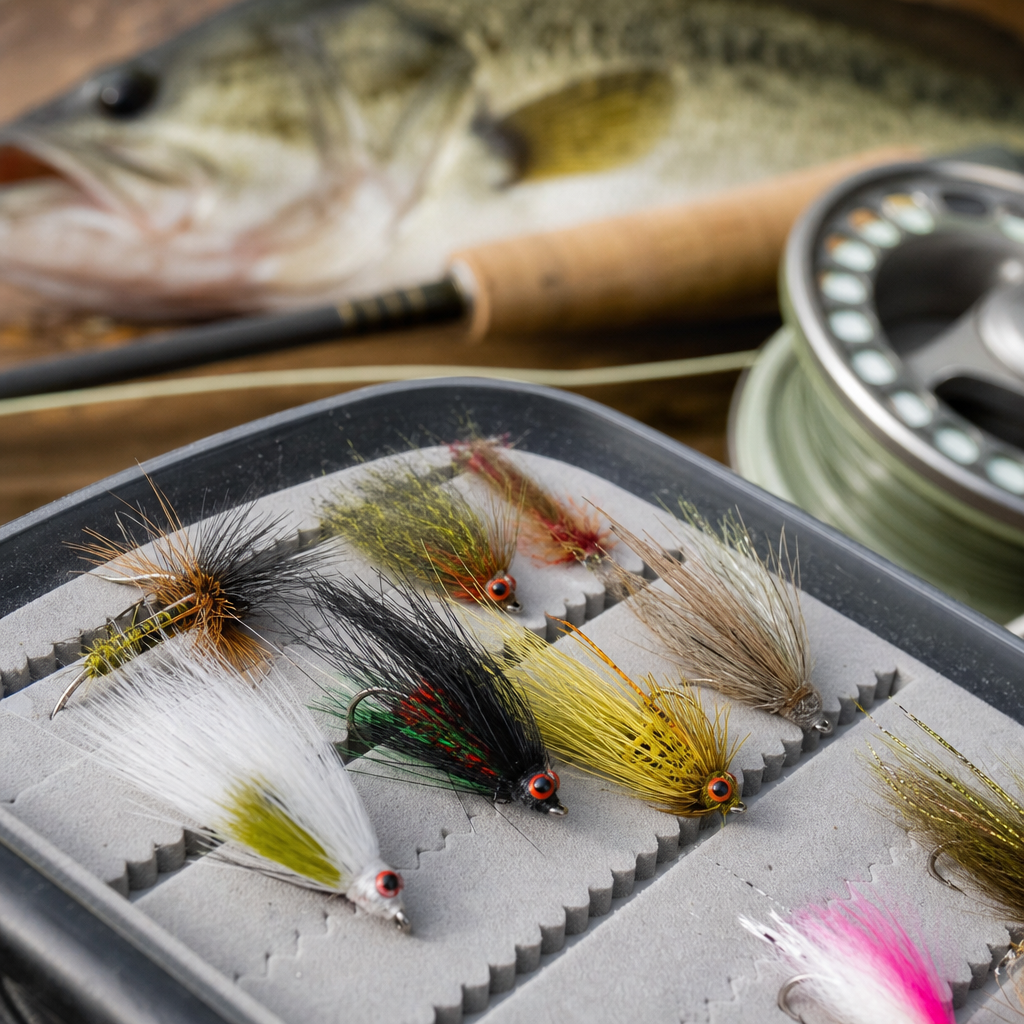
Baitfish streamers are the most versatile bass flies because they work in nearly every season and can be counted down to precise depths. The Clouser Minnow remains foundational for a reason. Its dumbbell eyes invert the hook, help it sink on a jigging angle, and reduce snagging around rock and timber. White over chartreuse is a classic for stained water and shad-based fisheries, while olive over white excels where bass key on juvenile perch, shiners, or creek chubs. In my own testing, a sparse Clouser often outfishes a heavily dressed version because the slimmer profile sinks faster and pulses more naturally on short strips. The pattern is simple, but the design logic is rigorous.
Lefty’s Deceiver, Hollow Fleye-inspired streamers, and synthetic baitfish patterns extend the baitfish category when larger profile matters. Reservoir largemouth feeding on threadfin shad, gizzard shad, or stocked trout often respond better to longer streamers with broad shoulders and a tapering tail. The review criteria here should include casting efficiency, fouling resistance, and water-shedding ability. Natural bucktail breathes beautifully but can become bulky in oversized patterns. Modern synthetics such as SF Blend, EP fibers, and Fish Mask style heads create profile without excessive weight. That matters because bass anglers frequently cast all day with 7- to 9-weight rods; a fly that catches fish but exhausts the caster loses practical value.
Color selection for baitfish flies should reflect visibility and forage rather than personal preference. In clear water, translucent olive, gray, and white produce a realistic look that doesn’t overpower wary fish. In muddy runoff, chartreuse, black, and combinations with flash give fish a target. Bass often strike from the side, so contrast lines are useful. Pearl flash can imitate scale sheen, but too much flash in sunny, clear conditions can reduce realism. A strong fly review should also mention hook quality. Bass flies tied on short-shank, wide-gap hooks generally pin fish better than long-shank hooks that leverage loose during jumps. Premium hooks from Gamakatsu, Ahrex, Mustad, and Owner consistently justify the cost in this category.
Crawfish, leeches, and bugger-style flies for bottom-oriented feeding
If topwater is the most exciting category, crawfish patterns are often the most consistently productive, especially for smallmouth bass. Crayfish are a primary food source in rocky rivers, riprap banks, and clear lakes, and bass feed on them for much of the year. Effective craw patterns use lead or tungsten eyes, a jigging posture, and materials that suggest claws without excessive drag. Rust, olive, brown, and muted orange all imitate natural molting stages. A good craw fly should land hook-point up when possible, crawl through stone without constant fouling, and pause naturally after a strip. That last trait is critical because many strikes happen as the pattern settles back to bottom.
Woolly Buggers remain among the best fly patterns for bass fishing because they bridge categories better than almost any other design. They can imitate leeches, small baitfish, dragonfly nymphs, and even juvenile crayfish depending on weight and color. Black is a universal confidence color in stained ponds. Olive is excellent in clear water with vegetation. Brown and rust become convincing bottom bugs. I have watched beginners catch bass quickly on a weighted Bugger because the fly forgives imperfect retrieves; marabou and hackle provide movement even when the angler strips too fast or too slow. That forgiving nature makes bugger-style flies essential in any hub page covering fly reviews.
Rabbit-strip leeches and craw hybrids deserve stronger consideration than they often receive. Zonker-style strips create fluid movement at very slow speeds, which is exactly what post-front bass often need. The tradeoff is casting difficulty and occasional tail fouling, especially in longer patterns. Product reviews should call that out clearly. A fly can look incredible in the vise and still be frustrating on the water. When comparing bottom-oriented flies, focus on sink rate, snag resistance, and how well the pattern maintains motion on the pause. Those traits determine whether a fly simply looks good online or actually performs on a windy riverbank with current pushing a belly into the fly line.
Matching patterns to season, species, and water type
The best bass fly changes with calendar timing and habitat. In prespawn, largemouth bass often favor larger meals worked slowly near staging cover, making craws, leech patterns, and suspending baitfish flies strong options. During the spawn, ethical anglers should avoid targeting actively bedding fish in many situations, but fish guarding nearby territory may still react to small streamers or compact bugs. After the spawn, bluegill and fry become important, so topwater bugs, panfish-profile divers, and white baitfish patterns gain value. In summer, dawn and dusk surface windows can be outstanding, while midday usually shifts the advantage to subsurface flies around shade, depth changes, and current.
Smallmouth seasonal behavior is equally pattern-driven. In spring rivers, crayfish and sculpin-like streamers often dominate. Through summer, poppers and sliders can be exceptional on riffle tails, banks with shade, and boulder fields, but baitfish flies usually carry the day once the sun is high. In fall, both largemouth and smallmouth commonly chase bait more aggressively, which is why Clouser-style flies, Deceivers, and larger articulated streamers rise in value. Winter is more specialized, yet not hopeless: slow presentations with compact baitfish, leeches, and lightly hopped craw patterns still produce when water temperatures drop. The key is reducing retrieve speed while preserving enough movement to trigger a response.
| Condition | Best Pattern Type | Why It Works |
|---|---|---|
| Low light, warm water, vegetation | Popper or diver | Creates surface disturbance bass can track around cover |
| Clear rocky river | Crawfish or Bugger | Matches crayfish forage and stays effective near bottom |
| Reservoir shad bite | Clouser or Deceiver | Imitates open-water baitfish and covers depth efficiently |
| Post-front tough bite | Rabbit leech | Moves at slow speed without needing aggressive stripping |
| Pressured pond bass | Subtle slider | Presents less noise than a loud popper |
Species differences matter as well. Largemouth often reward weedless or semi-weedless tying approaches around pads and brush. Smallmouth usually allow more open-hook patterns because they live around current, gravel, and rock. Spotted bass can be surprisingly bait-focused, especially in impoundments with pelagic forage. That means a fly review hub should help anglers narrow choices by fish behavior rather than by fashionable patterns alone. The right question is not, “What is the single best bass fly?” It is, “What pattern solves the feeding problem in front of me?” Answer that correctly, and fly selection becomes much simpler.
How to evaluate fly reviews and build a reliable bass box
Not every highly rated bass fly deserves purchase. The best fly reviews explain construction quality, hook strength, profile, durability, and the fishing situation the pattern was built for. Start by checking whether the hook is appropriate for bass pressure; light-wire hooks designed for trout can open on heavy fish or when pulled from cover. Look for clean thread heads, durable coatings on foam poppers, secure dumbbell-eye wraps, and weed guards that align correctly without blocking hookups. Materials should support the intended action. Stiff synthetic fibers can be excellent in baitfish patterns, but they are a poor choice when a fly depends on collapse-and-pulse movement in current.
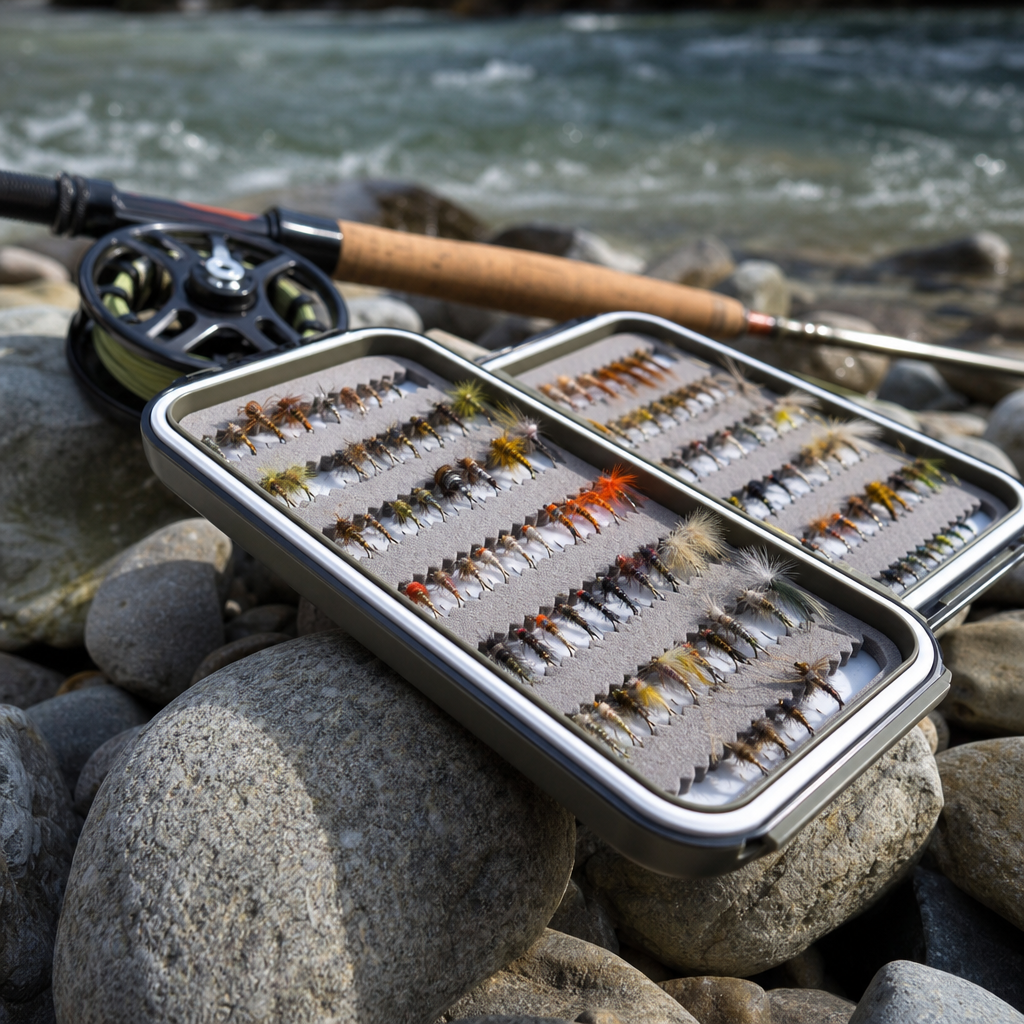
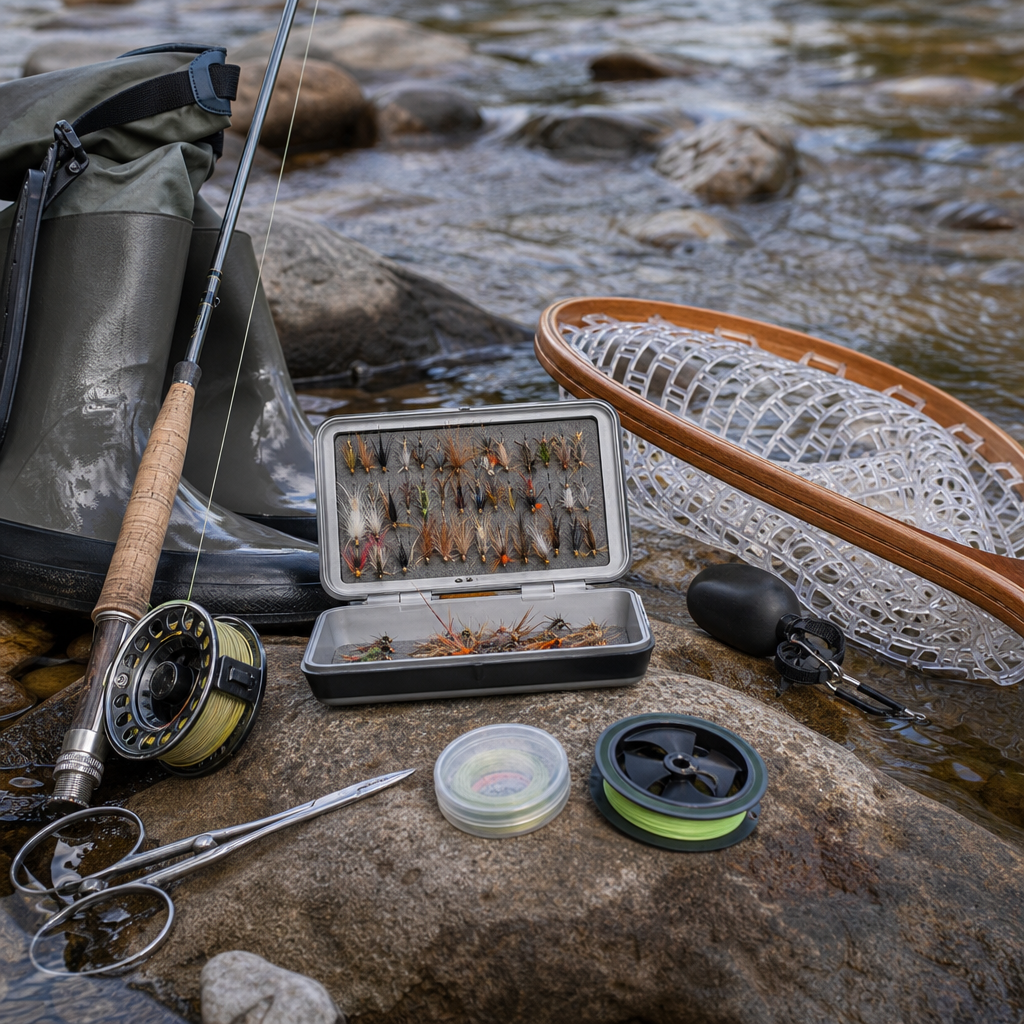
A practical bass fly box does not need dozens of novelty patterns. Most anglers can fish effectively with a core selection: a popper, a diver, a Clouser Minnow, a larger baitfish streamer, a Woolly Bugger, and a crawfish fly in a few colors and weights. That compact system covers surface, mid-column, and bottom presentations. It also makes review reading more useful because each purchase has a defined job. When testing a new fly, compare it against one trusted standard on the same water. If the newcomer does not cast better, hook fish better, or solve a new scenario, it is not really expanding your system.
The strongest benefit of understanding the best fly patterns for bass fishing is confidence with intent. You stop guessing and start matching pattern type to cover, forage, and season. For a hub page on fly reviews, that is the central takeaway: evaluate flies by function, not hype. Keep proven surface bugs for explosive windows, carry baitfish streamers for versatility, and rely on craws and bugger-style flies when bass feed down. Build around durable hooks and fishable profiles, then refine from experience on your own water. If you are updating your bass box, start with those core categories and use them as the benchmark for every future fly review you read.
Frequently Asked Questions
What are the best fly patterns for bass fishing in most situations?
The best fly patterns for bass fishing are usually the ones that cover the three major feeding behaviors of bass: surface aggression, baitfish hunting, and bottom-oriented feeding. In most situations, that means carrying a strong topwater option such as a deer-hair popper or diver, a baitfish pattern such as a Clouser Minnow or hollow-tied streamer, and a subsurface bug like a woolly bugger, crayfish imitation, or leech-style fly. Bass are not typically delicate feeders. They often respond to movement, vibration, silhouette, and sudden directional changes more than exact insect-level realism, which is why these broad categories of flies consistently produce.
Topwater flies shine when bass are actively looking up, especially in low light, warm water, or around cover like weed edges, docks, laydowns, and lily pads. Streamers and baitfish imitations are excellent when bass are chasing minnows, shad, bluegill fry, or juvenile perch in open water or along structure. Crayfish and bugger-style patterns become especially important when fish are holding deeper, hugging bottom, or feeding less aggressively. If an angler wants a practical bass box rather than an overwhelming collection, a well-rounded selection in black, white, olive, chartreuse, and bluegill-like combinations will handle the majority of conditions. The “best” pattern is rarely just the most famous fly; it is the one that matches what bass are feeding on, the depth they are using, and the presentation the angler can fish confidently and consistently.
When should I use a popper instead of a baitfish streamer for bass?
A popper generally outperforms a baitfish streamer when bass are willing to rise and strike on the surface, especially during early morning, late evening, overcast weather, or whenever fish are positioned tight to shallow cover. Surface flies excel because they create commotion, push water, and trigger reaction strikes that are easy for bass to track. Around shoreline grass, timber, docks, and shaded banks, a popper can call fish up from surprisingly deep water. This is particularly true in warmer months when bass are already hunting near the top and are conditioned to attack frogs, wounded bait, insects, and anything else that looks vulnerable on the surface.
A baitfish streamer is usually the better choice when fish are suspended, feeding just below the surface, or less willing to commit upward. It also becomes more effective in clearer water when bass are visibly chasing shad, minnows, or young panfish, and in brighter conditions when they may still feed aggressively but prefer a more horizontal presentation. Streamers allow the angler to cover more of the water column and vary retrieve speed, depth, and action with greater precision. In simple terms, use a popper when you want to provoke a visible, explosive reaction in shallow or surface-oriented fish. Switch to a baitfish pattern when bass are hunting forage beneath the surface, following but not eating topwater flies, or when wind and light conditions make a subsurface presentation more natural and easier for fish to commit to.
How do water conditions affect which bass fly pattern I should choose?
Water conditions have a major influence on fly selection because they determine how bass locate prey and how willing they are to move for a meal. In stained or muddy water, flies that create a strong silhouette or move a lot of water tend to perform best. Dark-colored flies like black, purple, or black-and-blue are often excellent because they stand out clearly. Larger profiles, bulky deer-hair heads, rubber legs, and patterns with strong pulsing action help fish find the fly. In these conditions, exact imitation matters less than visibility and vibration, so poppers, divers, and larger streamers are often smart choices.
In clear water, bass can inspect a fly more closely, so shape, color balance, and realistic movement become more important. White, olive, tan, natural baitfish tones, and bluegill-inspired colors are often reliable. Streamers with cleaner profiles and more lifelike swimming motion usually shine here, especially when retrieved with controlled strips and pauses. Water depth and temperature also matter. In cooler water, bass may feed more slowly and hold deeper, making craw patterns, leeches, and weighted streamers more effective than loud topwater flies. In warm water, especially around shallow cover, surface bugs and unweighted baitfish flies become much more attractive. Wind, current, and light penetration all affect visibility and feeding position too, so the smartest pattern choice is the one that stays in the strike zone, remains visible enough to get noticed, and matches the kind of prey bass expect to encounter under those exact conditions.
What colors and sizes work best for bass flies?
The most productive colors and sizes for bass flies usually reflect the local forage and water clarity rather than any one universal rule. White is a staple because it imitates shad and other baitfish so well. Olive is excellent for natural baitfish and perch-like profiles. Black is one of the best low-light and stained-water colors because it creates a bold silhouette. Chartreuse adds visibility and can be very effective in dirty water or whenever bass are feeding aggressively. Bluegill colors, including olive, orange, yellow, and barred combinations, are especially strong when largemouth are keyed in on panfish around weed beds, docks, and shoreline cover. Crayfish patterns often work best in rust, brown, olive, and muted orange.
As for size, most bass flies fall into a very effective middle range of roughly 2 to 5 inches, with the ideal size depending on forage, season, and the rod setup being used. Smaller patterns can be deadly when fish are pressured, feeding on fry, or in cooler water. Larger flies are often better for drawing reaction strikes, targeting bigger fish, or presenting around heavy cover where bass make fast decisions. However, bigger is not always better. A fly that is slightly smaller but easier to cast accurately and fish with confidence often outfishes an oversized pattern that lands poorly or is difficult to strip correctly. Matching size to the available prey, the fish’s mood, and the tackle in hand is more important than chasing extremes. A practical bass assortment includes smaller streamers and bugs for finesse situations, medium-profile all-around flies for daily use, and a few larger, pushy patterns for low light, stained water, or trophy hunting.
Do I need different fly patterns for largemouth bass and smallmouth bass?
You do not need completely separate fly boxes for largemouth and smallmouth bass, but it helps to emphasize different patterns based on how each species commonly feeds and the kind of water it prefers. Largemouth bass are strongly associated with shallow cover, vegetation, wood, docks, and ambush points, which makes topwater poppers, divers, weed-resistant streamers, frog-like bugs, and bluegill or sunfish imitations especially effective. They often attack flies with pure aggression, particularly when the fly lands close to cover and stays in their strike zone. For largemouth, bulky flies with presence, strong motion, and the ability to fish through messy habitat are usually a major advantage.
Smallmouth bass, on the other hand, often thrive in rivers, rocky lakeshores, shoals, and clearer water where crayfish, minnows, and juvenile baitfish are key food sources. They are still highly aggressive, but they frequently respond best to flies that can be worked through current seams, over rock, and along mid-depth structure. Clouser Minnows, crawfish patterns, woolly buggers, and slim baitfish flies are classic smallmouth producers because they imitate what these fish naturally chase in their environment. That said, there is plenty of overlap. Both species will crush poppers, streamers, and craw patterns when conditions line up. The real adjustment is less about species labels and more about habitat, forage, and presentation. If you understand where the fish are holding and what they are expecting to eat, many of the same proven bass fly patterns can be adapted successfully for either largemouth or smallmouth.