Fly reviews help anglers separate proven fish-catching patterns from flies that merely look good in a catalog. In practical terms, a fly review evaluates how a pattern is tied, what it imitates, where it performs best, how durable it is, and whether it earns space in a limited fly box. For readers searching for the top emerger patterns, that last point matters most, because emergers often solve the hardest problem in trout fishing: fish feeding just below or in the surface film while refusing standard dries. I have relied on emerger patterns across spring creeks, tailwaters, freestone rivers, and stillwaters, and the difference between an average pattern and a great one is measurable in refusals avoided, hookups converted, and confidence sustained during technical hatches.
An emerger imitates an insect in transition from nymph or pupa to adult. During that stage, mayflies, midges, and caddis are vulnerable, trapped in the meniscus, and highly visible to trout. Fish frequently target these insects because they drift predictably and cannot escape quickly. That is why fly reviews focused on emergers deserve their own hub within product reviews and recommendations. Anglers do not need a random list of flies; they need clear guidance on which patterns consistently cover the key hatch situations, including Blue-Winged Olives, Pale Morning Duns, sulfurs, midges, and caddis. They also need to know whether a fly floats correctly, hangs at the proper angle, uses realistic materials, and remains effective after multiple fish.
This guide reviews the top emerger patterns that have repeatedly produced for me and for many guides, shop staff, and technical dry-fly anglers. It explains what makes each pattern work, where each one fits, and which tradeoffs matter before buying. Some emergers excel as exact hatch matches. Others are versatile searching flies that suggest life rather than replicate one species. Both categories matter. A strong emerger selection should let you cover early hatch activity, mid-hatch refusals, and post-drift inspections by selective trout. If you want one page that organizes the best fly reviews for emerger fishing and points you toward the patterns worth testing first, this hub is designed to do exactly that.
What Makes an Emerger Pattern Effective
The best emerger patterns share several design traits, and understanding them makes every fly review easier to interpret. First, profile matters more than fine detail in most conditions. Trout usually see the silhouette of a struggling insect in or just under the film, so a sparse body, trailing shuck, visible thorax, and low-riding posture outperform overdressed flies. Second, buoyancy must be controlled, not maximized. A standard dry fly that rides too high often looks wrong during a technical hatch. Good emergers suspend part of the hook bend or abdomen below the surface while keeping enough of the thorax, wing post, or hackle visible for tracking. Third, material choice affects both realism and durability. CDC gives unmatched movement and a lifelike footprint, but it can require drying and powder after several fish. Synthetic wing posts improve visibility and flotation, but they may create a less subtle silhouette on flat water.
Hook style is another deciding factor in fly reviews. Curved shank and short-shank hooks help create the bent, vulnerable posture common to emerging insects. Fine-wire hooks improve flotation, yet they can open under heavy pressure if tackle is mismatched. Thread bodies, biot tails, Zelon shucks, snowshoe rabbit feet, CDC puffs, and comparadun-style deer hair all appear repeatedly in top emerger patterns because each solves a specific presentation problem. In my experience, the most dependable emerger is not always the most realistic one in hand. It is the fly that lands softly, tracks naturally in mixed currents, remains visible long enough for precise drag control, and survives enough fish that you are not replacing it every half hour.
Review of the Top Emerger Patterns
Klinkhamer Special belongs on any serious list of top emerger patterns because it covers mayflies, caddis, and even midge clusters depending on size and color. Designed by Hans van Klinken, it uses a parachute post and hackle to suspend the thorax while the abdomen hangs below the surface. That geometry is the pattern’s strength. Trout see a trapped insect; anglers see a visible, fishable fly. I have found it especially effective on riffled seams and moderate currents where a flush-floating CDC emerger becomes hard to track. The tradeoff is selectivity. On flat spring creeks, the Klinkhamer can appear slightly too buoyant or too structured during dense mayfly hatches.
RS2 is arguably the most versatile emerger ever created for trout. Rim Chung’s pattern is sparse, slim, and deadly in gray, olive, black, and cream. Although often labeled a midge or mayfly emerger, it functions more broadly as a “small vulnerable bug” impression. Tailwaters made the RS2 famous, and with good reason: it fools pressured fish that reject bulkier flies. Tied with a trailing shuck or simple split tail, dubbed thorax, and understated wing, it excels during Blue-Winged Olive and midge activity. In fly reviews, the RS2 consistently scores high for adaptability and low-drag profile. Its weakness is visibility; many anglers fish it best as the upper fly in a dry-dropper-style emerger rig or behind a visible dry.
Comparadun Emerger and Sparkle Dun patterns deserve to be grouped because both target mayflies trapped in transition. The Sparkle Dun, popularized by Craig Mathews, adds a Zelon shuck that gives the exact “not quite free” cue trout key on during mayfly hatches. In PMD, sulfur, BWO, and drake sizes, this pattern has been one of the most reliable surface-oriented emergers I have used. The deer hair wing keeps it riding flush without the stiffness of a fully hackled dry. Comparadun-style emergers are ideal when trout are feeding confidently in surface lanes but refusing tall-winged adults. Their limitation is rough water. Once currents become broken or glare increases, the low profile can become difficult to follow.
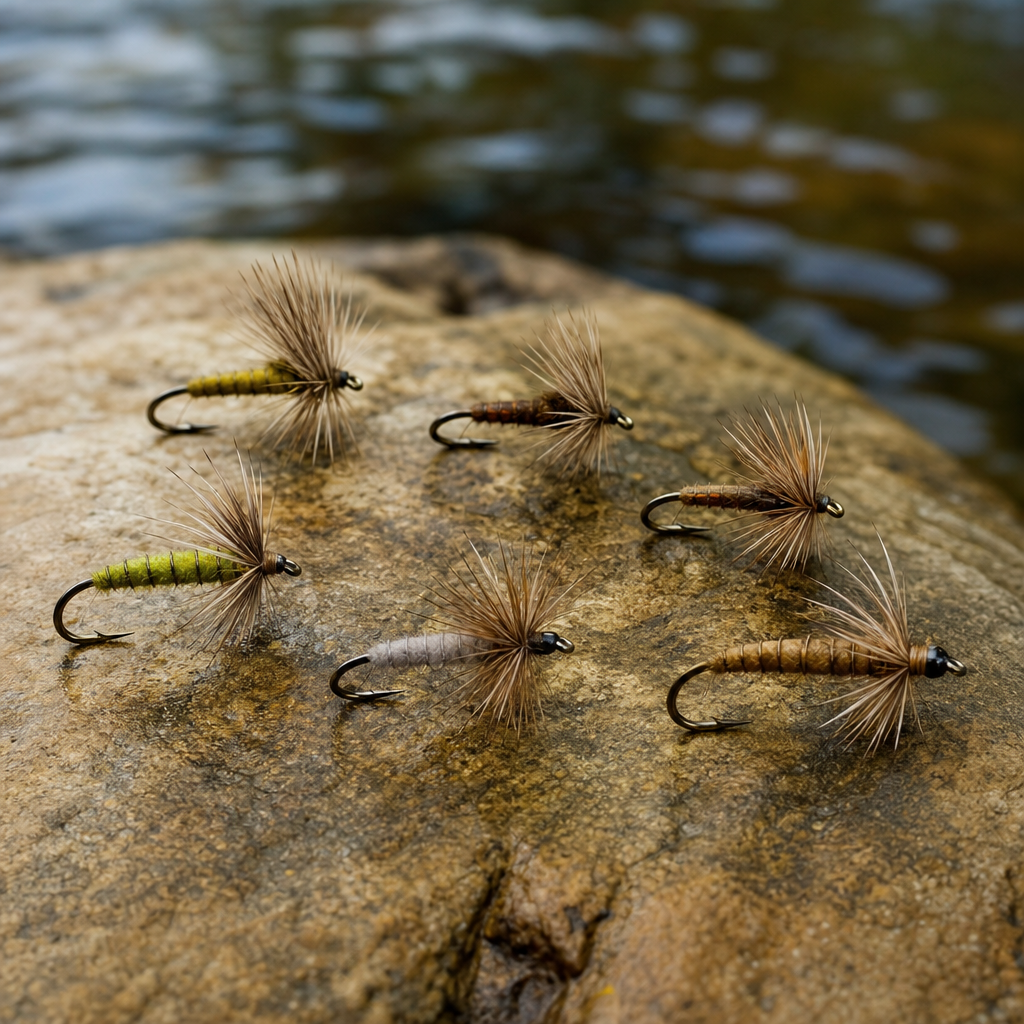
Soft Hackle Pheasant Tail and Soft Hackle Hare’s Ear remain essential emerger reviews because they bridge nymph and dry-fly tactics better than almost any modern specialty pattern. Fished in the film, on a swing, or greased near the surface, they imitate ascending mayflies and caddis with remarkable efficiency. These flies do not depend on exact imitation; the mobile soft hackle fibers create life. On rivers where fish move between subsurface and film feeding, I often start with one of these before changing to a more hatch-specific pattern. The downside is precision. If trout are locked on a narrow size-and-color window, a generic soft hackle may get follows or near-takes without sealing the deal.
CDC Loop Wing Emerger, Shuttlecock Emerger, and similar CDC-based patterns excel when trout inspect everything. CDC traps air, moves naturally, and creates an exceptionally convincing footprint. The Shuttlecock, in particular, has become a staple for midge and small mayfly hatches on calm water. With a slim body, trailing shuck, and upright CDC wing, it suggests an insect stalled in the surface film. In direct fly reviews, CDC emergers usually rank highest for realism and lowest for maintenance. After a fish or a poor cast, they often need drying, desiccant, or amadou. When managed properly, however, they can outfish more durable synthetics by a wide margin.
| Pattern | Best Use | Main Strength | Main Limitation |
|---|---|---|---|
| Klinkhamer Special | Broken currents, mixed hatches | Excellent visibility and film posture | Can look too structured on flat water |
| RS2 | Tailwaters, small mayflies, midges | Sparse profile for pressured trout | Hard to see alone |
| Sparkle Dun | Mayfly hatches in clear lanes | Strong trapped-emergence signal | Lower visibility in rough water |
| Soft Hackle PT or Hare’s Ear | Ascending insects, swings, film drifts | Versatility across tactics | Less exact during selective feeding |
| CDC Shuttlecock | Flat water, technical midge and BWO hatches | Outstanding realism | Requires frequent drying |
How to Match Emerger Patterns to Real Hatch Situations
Choosing the right emerger pattern starts with observing where trout are feeding. If you see head-and-tail rises or gentle sips with little splash, fish are often taking insects in the film, not fully formed adults. During Blue-Winged Olive hatches, sizes 18 to 22 dominate many fisheries, and a gray or olive RS2, CDC emerger, or tiny Sparkle Dun usually matches the hatch better than a high-floating dry. For PMDs and sulfurs, patterns with a pale body, trailing shuck, and comparadun-style wing are consistent producers because these insects often struggle visibly before full escape. During midge events, especially in winter tailwaters, slim black, gray, cream, or chocolate emergers can outperform nearly everything else in the box.
Caddis complicate the equation because trout may key on pupa ascending toward the surface, adults skittering, or egg-layers returning later. In that case, Klinkhamer-style flies, CDC caddis emergers, and soft hackles become more useful than a classic mayfly emerger. Water type also changes priorities. On spring creeks, exact size, sparse dressing, and drag-free drifts matter more than flotation power. On freestone rivers, visibility and the ability to fish mixed current seams often matter more than exact silhouette. Light conditions matter too. In glare, a fly you cannot see cannot be managed effectively, so a slightly less realistic pattern with a visible post may catch more fish simply because you can control the drift and detect the take.
How to Evaluate Fly Quality Before You Buy
Not all commercially tied emerger patterns are equal, even when sold under the same name. In fly reviews, I look first at proportion. A trailing shuck should be present but not exaggerated, the body should stay slim, and the thorax should create a natural transition point rather than a bulky knot of dubbing. On Klinkhamers and parachute emergers, the post must be upright and centered, with hackle wound cleanly enough that the fly lands correctly. On Sparkle Duns, deer hair should be stacked and flared in a way that supports the fly without making it spin your leader. On CDC patterns, feather selection is everything; poor CDC loses movement and flotation almost immediately.
Durability is the second buying filter. Ask whether the pattern uses thread wraps and head cement neatly, whether hackle stems are trapped securely, and whether the hook brand is known for consistent tempering. Reputable hooks from Firehole, Tiemco, Ahrex, Hanak, and Fulling Mill generally hold shape and penetrate well, though the ideal model depends on pattern style. If you are reading fly reviews online, look for close-up photos of the underside and the tie-in points, not just a flattering top view. Also consider consistency across a dozen flies. Guides and frequent anglers need patterns that fish the same from one replacement to the next. A brilliant design tied inconsistently is less useful than a very good pattern tied correctly every time.
Building an Emerger Box That Actually Covers Most Conditions
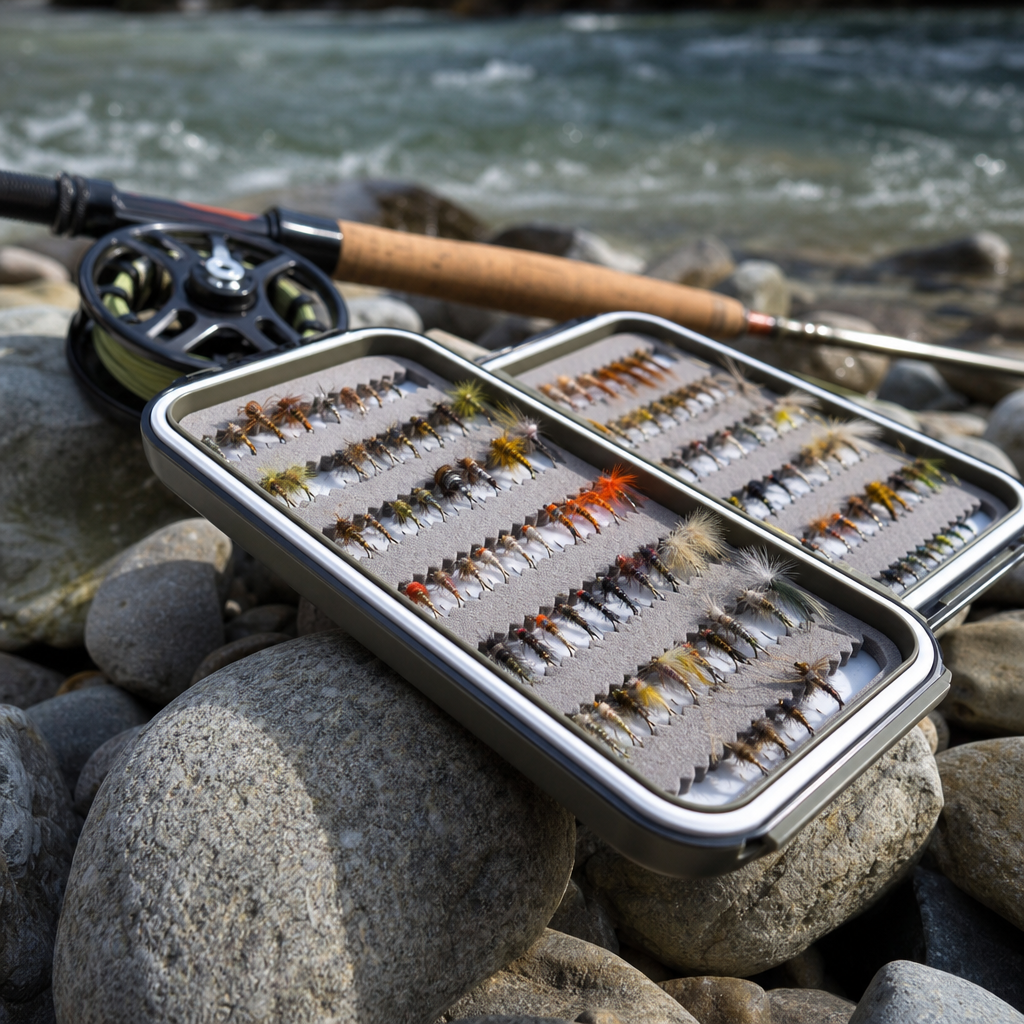
A practical emerger box does not need fifty patterns. It needs a few proven designs in the right sizes and colors. For most trout fisheries, I recommend starting with RS2s in 18 through 22 in gray, olive, black, and cream; Sparkle Duns or CDC mayfly emergers in 14 through 20 for PMDs, sulfurs, and BWOs; Klinkhamers in 12 through 18 in olive, tan, black, and cream; and soft hackles in 14 through 18 in pheasant tail, hare’s ear, and peacock variations. If you fish spring creeks or tailwaters often, add tiny midge emergers and dedicated CDC shuttlecock patterns. If your water features strong caddis activity, include tan and olive caddis emergers with low-riding silhouettes.
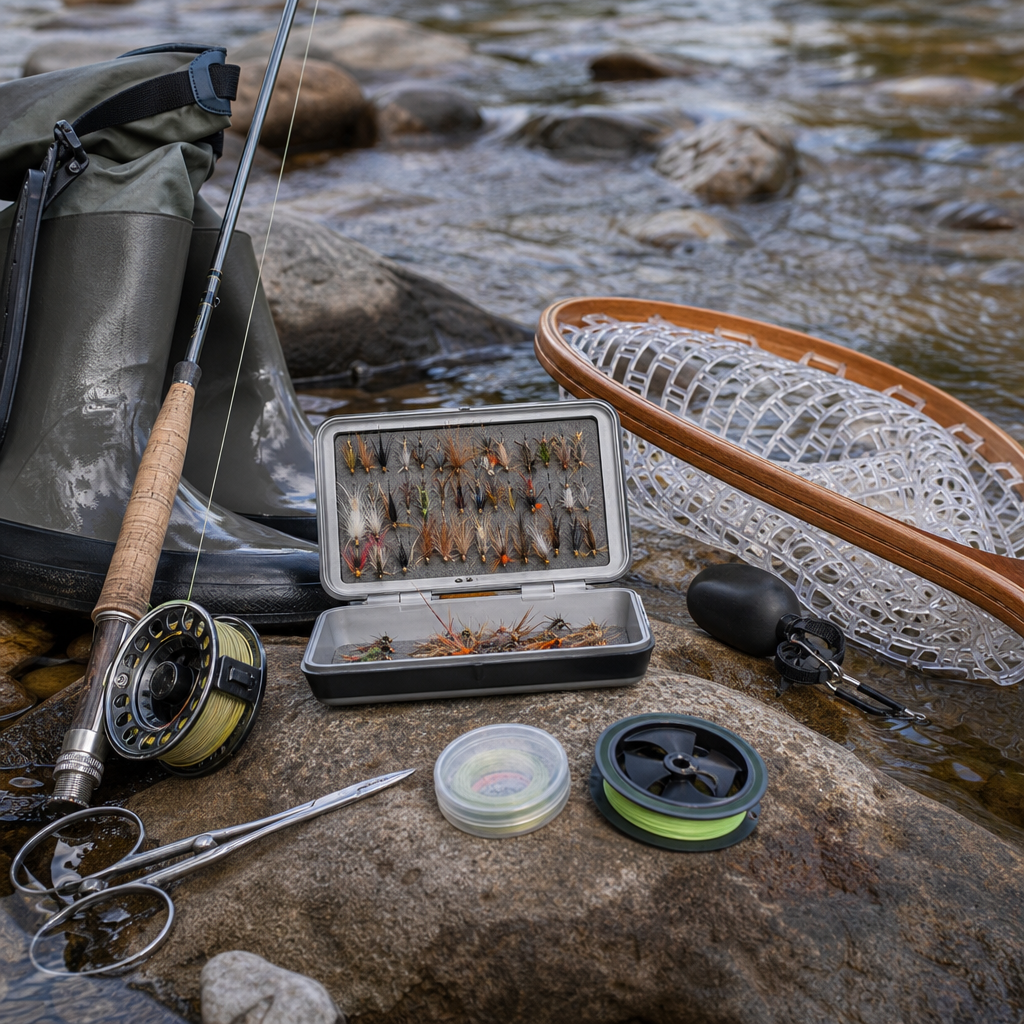
Organization matters as much as selection. I keep emergers by insect family and water type rather than by brand. One row holds tiny tailwater flies, another has mayfly film patterns, and another stores visible rough-water emergers. That structure speeds decisions during changing hatches. It also supports better product reviews over time because you can compare similar patterns side by side after real use. Track which flies twist tippet, sink after one fish, or consistently earn first eats. The top emerger patterns are not just famous names; they are patterns that keep proving themselves on your local water under repeatable conditions. Build your box around that standard, and your fly reviews will become more accurate and more useful.
The top emerger patterns earn their reputation because they solve a specific, recurring problem: trout feeding on insects caught between subsurface drift and full adult escape. That stage draws selective fish, and the right fly can turn frustrating refusals into steady hookups. Across years of testing flies on technical trout water, a few patterns repeatedly justify their place: Klinkhamer Special for visibility and broken currents, RS2 for pressured fish and subtle hatches, Sparkle Dun for trapped mayflies, soft hackles for versatility, and CDC emergers for maximum realism. Each pattern has limits, but together they cover nearly every common emergence scenario an angler is likely to face.
As a hub for fly reviews within product reviews and recommendations, this page is meant to help you narrow your choices intelligently instead of buying every new pattern that appears in a fly shop bin. Focus on profile, posture, material quality, and fishability. Match the pattern to the hatch, the water type, and your ability to track the fly. If you are refining your emerger box, start with the proven patterns reviewed here, test them on your home water, and use those results to guide your next purchase. That approach saves money, builds confidence, and leads to better fishing when trout are feeding in the film.
Frequently Asked Questions
What makes an emerger pattern one of the top choices for trout fishing?
A top emerger pattern does more than simply resemble an insect. It consistently matches the vulnerable transitional stage trout key on when mayflies, caddis, midges, or other aquatic insects are struggling to break through the surface film. The best emerger flies combine the right silhouette, a believable amount of movement, and just enough sparkle or translucency to suggest a living insect without appearing unnatural. In a strong review, anglers look closely at whether the fly rides in or just under the film, whether it presents a realistic trailing shuck, and whether the materials create the slim, helpless profile that often triggers selective fish.
Another major factor is versatility on the water. The top emerger patterns are not always the most complicated or the most visually impressive in a fly shop tray. They are the flies that continue producing across a range of conditions, including flat spring creeks, riffled freestone runs, tailwaters, and pressured trout water. A truly reliable emerger should fish well dead-drifted, hold its intended posture, and still look convincing after several fish. When anglers review the best emerger patterns, they are usually asking a practical question: does this fly solve the problem of trout feeding just under the surface when standard dries and nymphs are ignored? The patterns that repeatedly answer yes are the ones that earn permanent space in a limited fly box.
How should I evaluate whether an emerger fly pattern is actually worth carrying?
The most useful way to evaluate an emerger pattern is to judge it by fishing performance, not by how attractive it looks in a catalog or fly bin. Start with the basics of design and construction. Is the hook appropriate for emergers, with a shape and size that fit the insects you commonly encounter? Are the proportions clean and sparse, or is the fly overdressed and bulky? A strong emerger should suggest vulnerability, not look like a heavily built dry fly or a generic nymph. Details such as CDC, soft hackle, antron shuck, slim dubbed body, or a wing case should all support the insect stage the fly is intended to imitate.
After that, consider where and how the pattern performs. Some emergers excel during specific hatches such as blue-winged olives or PMDs, while others function as broad searching patterns. A good review asks whether the fly gets takes during active emergence, in slow water where trout inspect everything, and in broken currents where presentation can be slightly less exact. Durability also matters more than many anglers realize. If a pattern loses its shape after one fish, if the shuck fouls constantly, or if the materials become waterlogged and stop fishing correctly, it may not deserve box space. In the end, the best test is efficiency: if a pattern consistently converts refusals into eats and remains fishable through repeated use, it is probably worth carrying in several sizes and colors.
When do emerger patterns outperform dry flies and standard nymphs?
Emerger patterns outperform other flies when trout are focused on insects trapped in the transition between nymph and adult. This often happens during a hatch when fish are feeding confidently but refusing high-floating dry flies. In these moments, trout are not necessarily looking for fully emerged adults on top. Instead, they may be targeting insects suspended just beneath the surface film, drifting helplessly with shucks attached or wings not fully formed. A standard nymph may drift too deep, and a traditional dry may sit too high, missing the exact feeding lane trout are keyed on.
There are several classic signs that an emerger should be tied on. If you see subtle rises rather than splashy takes, noses breaking the surface with very little disturbance, or trout bulging just under the film, emergers are often the answer. They are also especially effective in difficult conditions such as heavy fishing pressure, cold weather hatches, or technical spring creek situations where trout inspect each insect carefully. During mayfly hatches, patterns that ride low with a visible shuck can be deadly. During midge activity, tiny emergers can outfish both dries and larvae by a wide margin. In many trout scenarios, emergers are the most precise solution because they imitate the stage fish can capture most easily and most confidently.
Which features in an emerger pattern matter most in a fly review?
In a thoughtful fly review, several pattern features deserve close attention. First is profile. Emergers tend to work best when they remain sparse and natural-looking, because real insects in the film rarely appear bulky. A slim abdomen, a subtle thorax, and the correct body length all help the fly suggest a specific insect stage. Second is posture. Some patterns are designed to hang below the surface with the thorax in the film, while others sit almost flush like a cripple. The review should examine whether the fly consistently lands and drifts in the intended position, because that posture often determines whether trout accept it.
Material choice is another major point. CDC can add lifelike movement and a soft footprint, antron can suggest a convincing trailing shuck, and soft hackle can create motion that looks alive without overcomplicating the fly. At the same time, materials must be practical. If CDC is overused and becomes matted too quickly, or if synthetic fibers create too much flash for clear, pressured water, the pattern may be less effective than a simpler alternative. Finally, hook quality and durability should never be overlooked. A top emerger needs a reliable hook gap, a sharp point, and a shape that supports both hooking and a realistic presentation. Reviews that balance fishability, realism, and durability are the most useful because they reflect what matters on the river, not just on the tying bench.
How many emerger patterns do I really need in my fly box?
Most anglers need fewer emerger patterns than they think, but they do need the right ones. A smart emerger selection focuses on coverage rather than quantity. Instead of carrying dozens of niche patterns that overlap, it is usually better to stock a handful of proven designs in the right sizes and colors. For most trout fishing, a practical selection includes a few mayfly emergers, a couple of midge emergers, and one or two caddis emerger styles. Within that group, size often matters more than exact shade, though matching color becomes more important on clear water and selective fisheries.
What earns a fly permanent space is repeat performance. If a pattern helps during difficult hatches, fishes well across multiple rivers, and holds together after repeated use, it deserves to stay. If another pattern looks impressive but rarely comes off the foam patch, it is probably taking up valuable room. That is why fly reviews are so useful for anglers looking for the top emerger patterns: they help identify flies that do real work on the water. A compact but effective emerger box should give you confidence when trout are refusing standard offerings. In most cases, confidence comes from a small lineup of dependable patterns that cover the common emergence situations you actually face, rather than a large collection of flies chosen for appearance alone.