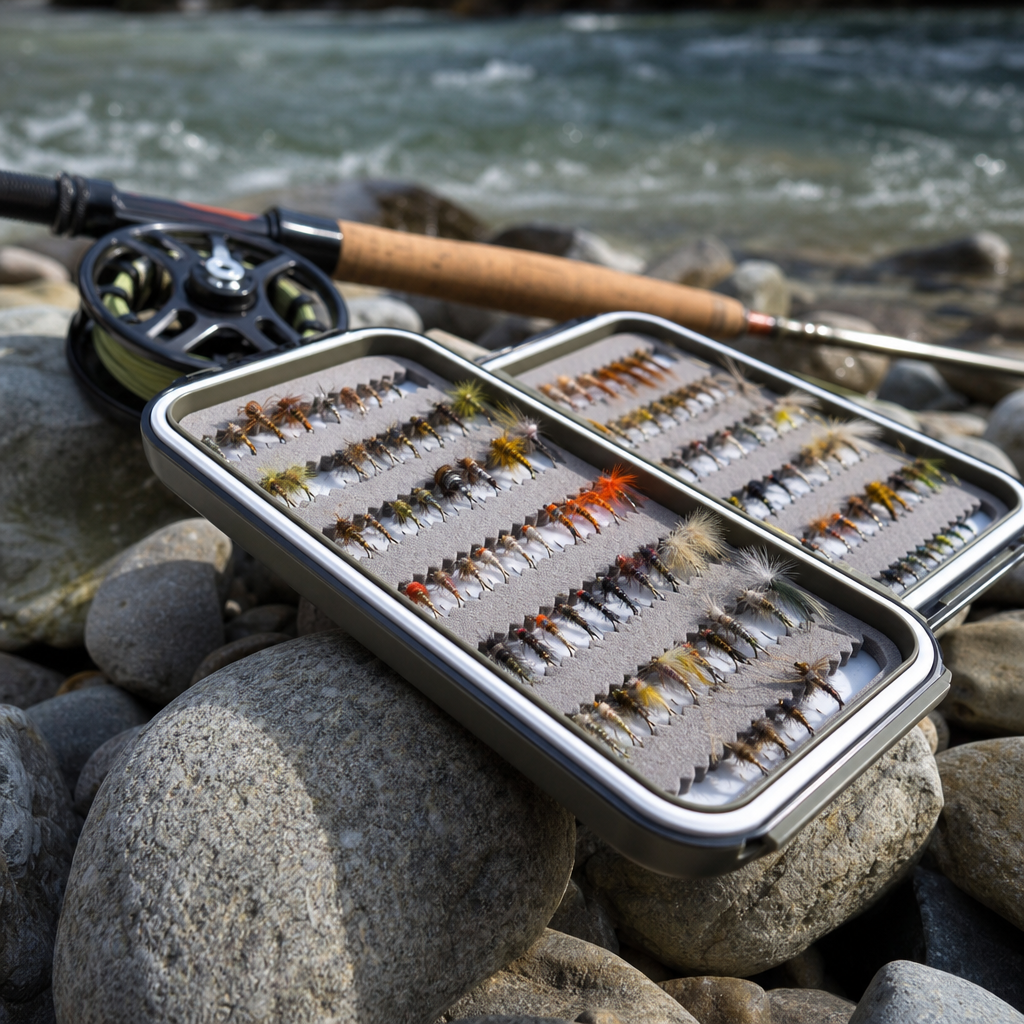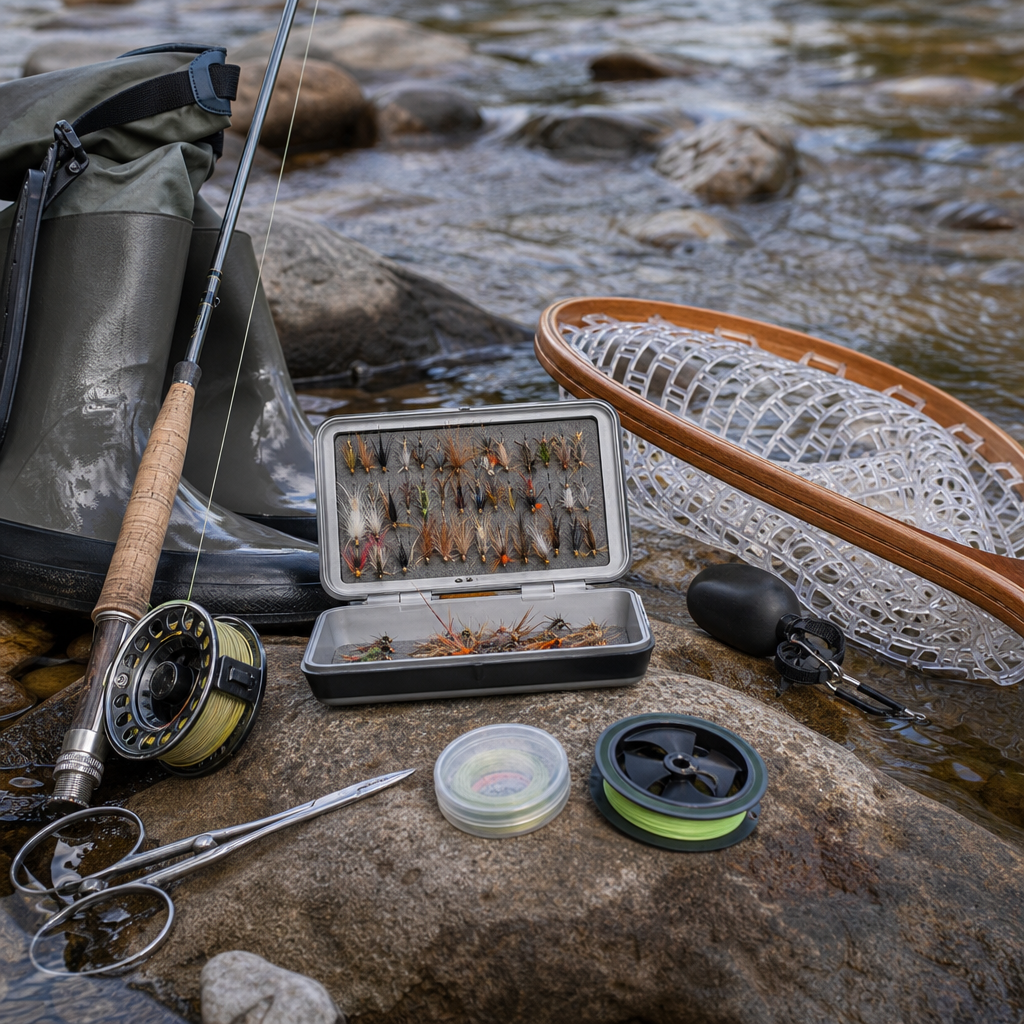
Steelhead reward preparation more than luck, and fly choice often decides whether a brief window becomes a hooked fish or another cast through empty water. In this guide to the top fly patterns for steelhead, I am treating fly reviews as practical buying advice and on-river strategy at the same time, because serious anglers do not separate tackle selection from presentation. A steelhead fly pattern is simply a designed imitation or attractor tied to trigger movement, curiosity, aggression, or feeding memory in migratory rainbow trout. Some patterns suggest baitfish, some suggest eggs, some pulse like leeches, and some work because they show the right profile, color, and motion under specific water conditions.
This matters because steelhead fishing is expensive in time, travel, and attention. When you only get a handful of meaningful swings in a prime run, your fly needs to match the season, river height, water temperature, and fish mood. Over years of fishing Pacific Northwest and Great Lakes systems, I have seen anglers overcomplicate fly selection when the best answer is usually to understand a few proven categories and carry the strongest examples of each. The goal of this hub is to review the top steelhead fly patterns, explain when they work, and help you build a fly box that covers winter, summer, low clear water, high colored flows, and both swung-fly and indicator approaches.
If you are comparing steelhead flies for purchase, the key terms are straightforward. Profile is the overall silhouette in the water. Contrast is how well a fly stands out against current color and depth. Intruder-style flies are composite shank patterns with flowing materials and large station profiles. Traditional hairwing and featherwing flies are slimmer, often better in lower water or for classic presentations. Egg patterns imitate loose salmon eggs and are most effective under indicators or tight-line systems. Nymphs and stoneflies can be excellent in rivers where steelhead hold near spawning activity or opportunistically eat aquatic insects. Understanding those categories makes the reviews below useful beyond a single brand or tier.
Intruder and modern movement patterns
When anglers ask for the best steelhead fly pattern overall, the most defensible answer is an Intruder-style fly. The reason is not hype. A well-tied Intruder creates a large visible profile with very little actual mass, so it casts more easily than a dense rabbit strip tube or oversized lead-eyed streamer. In cold water, that broad profile and constant movement can pull a response from fish that are not actively feeding. Common productive color combinations include black and blue, pink and orange, chartreuse and blue, and black with a fluorescent butt. Weighted versions with dumbbell eyes or a trailing shank-and-hook arrangement are especially strong in winter flows where depth control matters.
In practical fly reviews, I judge Intruders on three criteria: movement at slow swing speed, durability after multiple fish, and how cleanly the trailing hook rides without fouling. Composite loops with ostrich, rhea, or marabou should breathe even when the current is soft. A sparse rear station usually fishes better than a bulky one because steelhead often track from behind before committing. If you are buying only a few, start with a black-blue Intruder for glacial color, a pink-orange version for winter visibility, and a lighter olive or purple pattern for summer runs. These are confidence flies because they cover the widest range of conditions without asking the angler to carry dozens of near-duplicates.
Other modern movement patterns deserve mention alongside Intruders. The Hoh Bo Spey, for example, remains one of the best swing flies ever created for steelhead because marabou, schlappen, and flash produce life without excessive bulk. In rivers where fish see pressure, a slimmer marabou Spey often outperforms a giant silhouette. The Egg-Sucking Leech also belongs in this category, especially for sink-tip fishing. Its chenille body, rabbit tail, and bright egg head create a target fish can locate in stained water. If your local shop labels these as different classes, think of them as solutions to the same problem: creating motion and a clear trigger point during the swing.
Classic steelhead flies that still produce
Classic steelhead patterns continue to catch fish because they solve enduring presentation problems. A General Practitioner, Green Butt Skunk, Purple Peril, Freight Train, Skykomish Sunrise, and Silver Hilton are not museum pieces; they are refined responses to light levels, water clarity, and fly speed. In low, clear summer water, a sparse traditional pattern often lands softer and tracks truer than a large synthetic fly. Slim body construction lets the fly sink naturally without too much added weight, and hackle fibers create subtle motion that can be more convincing to fish holding in softer current seams. These flies also remain excellent choices for anglers who prefer floating lines, greased-line presentations, and lightly dressed offerings.
Among classic flies, the Green Butt Skunk may be the most versatile review recommendation. Its black body, white wing, and fluorescent green butt create a simple contrast package visible in many conditions, from coastal rivers to interior systems. The Purple Peril is another indispensable option, particularly under bright skies or when steelhead seem to prefer darker tones with a little mystery rather than loud flash. I have repeatedly seen these flies save a day when modern larger patterns moved fish but did not get commitment. The takeaway is not that classic flies are better than modern ones; it is that pressured fish often respond to restraint, and these established patterns are built around that principle.
Buyers should also pay attention to hook style and proportions when choosing classic steelhead flies. Long-shank hooks can look elegant, but many tiers now prefer shorter, stronger hooks or shank systems for better holding power and easier release. A shop fly with perfect symmetry but overdressed hackle may actually fish worse than a simpler tie with cleaner lines. If you are assembling a review-based box, include at least one dark classic, one bright attractor classic, and one purple pattern. That small set gives you answers for first light, midday glare, and changing water color without overfilling your wallet or your fly wallet.
Egg patterns, nymphs, and under-indicator essentials
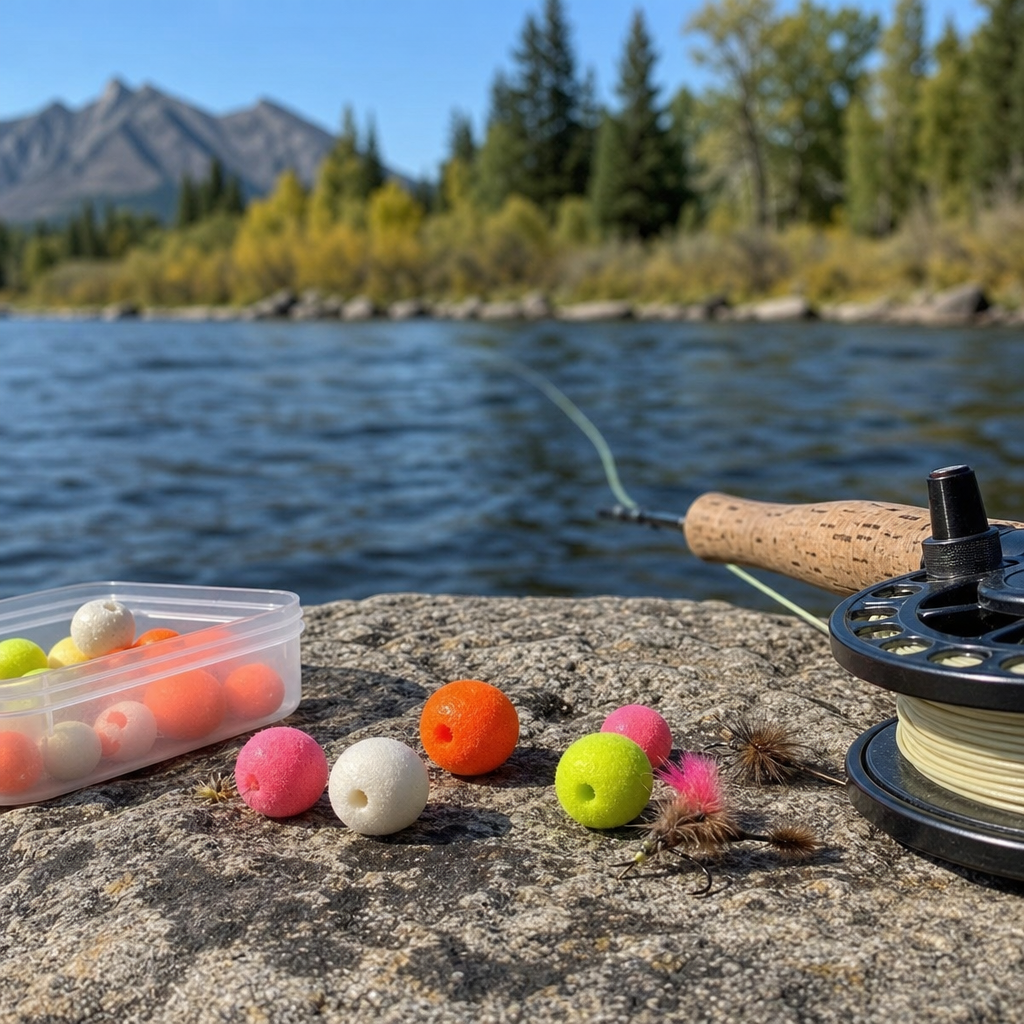
Not every steelhead fly conversation should revolve around swung flies. In many rivers, especially Great Lakes tributaries and mixed salmon-steelhead systems, egg patterns and nymphs are top producers because they align with what fish actually encounter in the drift. Bead eggs, yarn eggs, Glo Bugs, Estaz eggs, and pegged beads all imitate loose eggs from spawning salmon. Stonefly nymphs, Hare’s Ear variations, Prince Nymphs, and caddis pupa can also be effective when fish hold deep and respond better to dead-drifted offerings. For anglers looking for honest fly reviews, this category deserves equal weight because these patterns often outfish traditional swing presentations in cold water or crowded conditions.
The best egg patterns for steelhead are not always the brightest. Natural apricot, peach, washed-out orange, pale pink, and cream often outperform neon shades in clear water. Size matters too; a 6 mm or 8 mm profile usually looks more realistic than oversized glo-style balls. Under an indicator, depth and drift are more important than brand name. I have tested expensive custom eggs beside simple yarn ties, and the consistent winner is the one that gets to the fish’s lane with no drag. Nymphs work the same way. A black stonefly with a tungsten bead may be technically less glamorous than a boutique articulated fly, but if it sinks quickly and drifts naturally near the bottom, it is a steelhead fly worth buying.
| Pattern type | Best conditions | Typical sizes | Main advantage |
|---|---|---|---|
| Intruder-style fly | Cold water, medium to high flows, swung presentation | Shank 20–45 mm | Big profile with strong movement |
| Classic hairwing or featherwing | Low clear water, summer fish, floating line | Hooks 4–8 | Subtle silhouette and soft landing |
| Egg pattern or bead | Spawning periods, indicator rigs, deeper holding water | 6–10 mm | Highly effective dead-drift trigger |
| Stonefly or nymph | Cold slots, pressured runs, technical drifts | Hooks 8–14 | Natural presentation close to bottom |
For product selection, durability and consistency are the differentiators. Beads should have clean, centered holes and colors that hold after repeated use. Yarn eggs should not unravel after a few fish. Tungsten nymphs should be tied on strong hooks, because steelhead expose weak wire immediately. If this hub leads you deeper into fly reviews, these are the practical standards to apply: realistic size, strong hook, repeatable drift, and enough color variation to cover clear, green, and stained water. Fancy packaging does not matter once the fly is in the current.
How to choose patterns by season, water color, and river style
The simplest way to choose top fly patterns for steelhead is to match fly style to conditions instead of searching for one magic pattern. Winter steelhead in cold, higher water often respond best to larger profiles with contrast, moderate weight, and materials that move at slow speed. That means black-blue Intruders, pink leeches, orange accent flies, and weighted marabou patterns. Summer steelhead in lower, warmer water usually favor smaller flies, slimmer dressings, and cleaner silhouettes. A size 6 Green Butt Skunk, a small muddler variant, or a sparse purple fly can be the right answer when a giant offering would look intrusive. Great Lakes tributaries often demand a different box entirely, with eggs, beads, small leeches, and nymphs doing most of the work.
Water color is the next filter. In clear water, reduce fly size, reduce flash, and favor natural or dark tones with one visible hotspot. In green water, almost every productive steelhead color is available, and confidence should guide you among black, blue, purple, pink, orange, and olive. In heavily stained water, increase contrast and profile before increasing weight. A fly that fish can detect is more valuable than one that simply reaches bottom first. This is where black and blue, black and pink, or chartreuse-accent patterns earn their reputation. River style also matters. Broad tailouts fish differently from canyon slots, and a fly that tracks beautifully on a long spey swing may not be ideal for short, steep indicator drifts from a bank pocket.
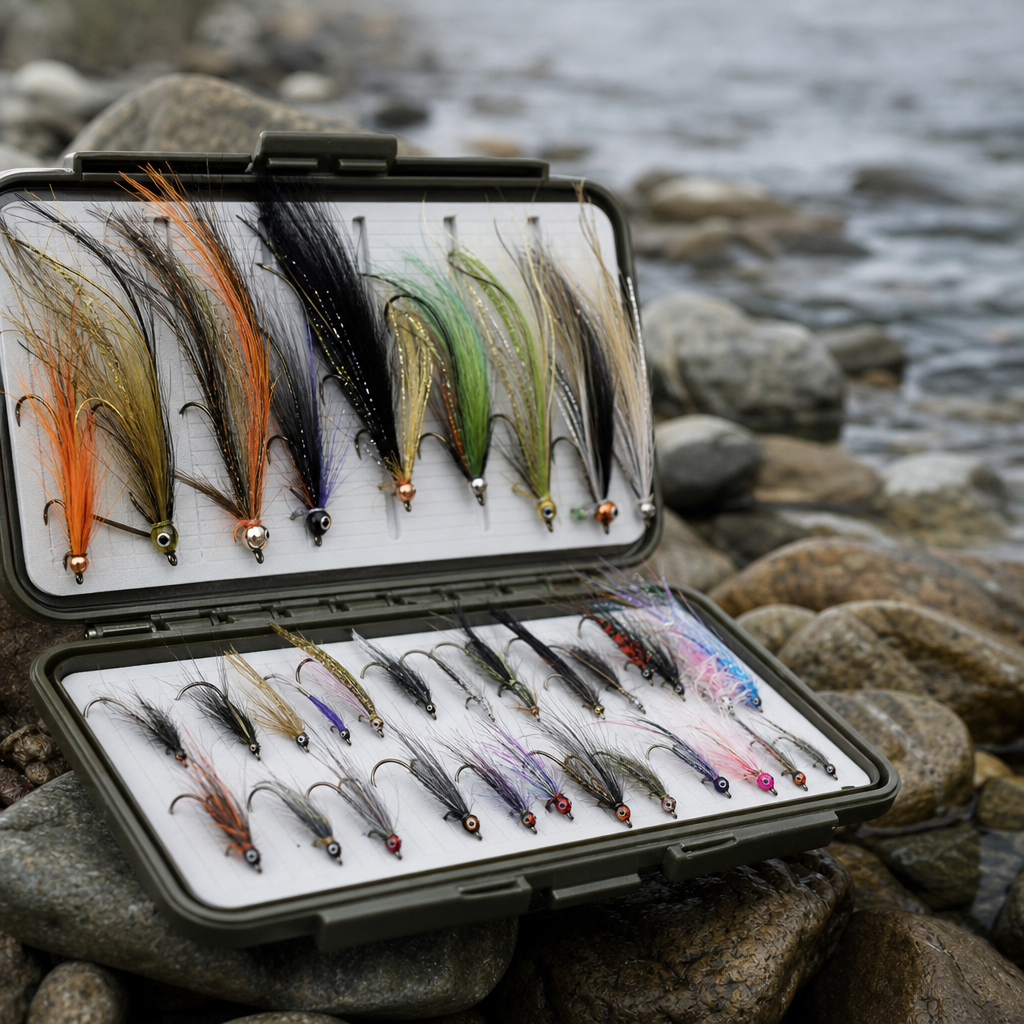
My rule after years of testing is to narrow the box to a dozen dependable patterns rather than carry fifty options that overlap. Build around categories: three Intruder or marabou movement flies, three classic swing flies, three eggs or beads, and three nymph or leech patterns. Then adjust size and color by season. This disciplined approach improves decision-making and keeps you fishing instead of rummaging through foam rows. It also makes fly reviews more useful, because you are comparing patterns by role rather than by marketing language. A fly should earn space by doing something distinct in the water, not by looking impressive in a package.
What makes a steelhead fly worth buying
Because this article sits within product reviews and recommendations, the final question is straightforward: what separates a great steelhead fly from a forgettable one? First, materials must move in current without collapsing into a dead clump. Marabou, ostrich, schlappen, fox, and select synthetics all work when tied with restraint. Second, the hook system must be reliable. Short-shank octopus or stinger hooks with strong wire improve hookups and reduce leverage compared with older long irons. Third, the pattern should preserve its intended profile after several fish, not twist, foul, or shed half its body. I rate commercial flies harshly on this point because steelhead flies are not cheap, and poor durability is poor value.
Color balance is another overlooked buying factor. The best commercial steelhead flies usually combine a dominant body tone, a secondary contrast color, and one trigger point such as a hot butt, bright head, or fluorescent station. Too many colors make a fly visually muddy underwater. Weight placement matters as well. Coneheads, dumbbell eyes, or hidden underbody wraps should help the fly ride correctly rather than simply make it heavy. A balanced fly swims better, tracks more consistently, and snags less. If possible, inspect the fly wet or ask how it looks submerged. Many attractive shop flies lose half their promise once water strips away the illusion built by dry materials.
The strongest steelhead fly box is not trendy; it is coherent. Stock proven patterns, fish them with confidence, and update only when a new design truly adds a missing function. Start with Intruders or marabou tubes for winter swings, carry classic sparsely dressed flies for summer and clear water, and never ignore eggs and nymphs when conditions call for a dead drift. Those categories cover nearly every real steelhead situation. If you want better odds this season, review your fly box by role, replace weak duplicates with proven standards, and fish each pattern where it was designed to excel.
Frequently Asked Questions
What are the best fly patterns for steelhead in most conditions?
The best fly patterns for steelhead are the ones that consistently match water temperature, clarity, current speed, and fish mood rather than a single “magic” pattern that works everywhere. In broad terms, the most dependable steelhead flies usually fall into a few categories: egg patterns, intruders, leeches, nymph-style stoneflies, and classic hairwing or spey-inspired patterns. Egg patterns are excellent when steelhead are keyed on spawning activity or holding behind salmon and trout redds. Intruders are top producers in colored water, colder flows, or whenever you need a bold profile and movement that fish can detect easily. Leech patterns, especially in black, purple, pink, and blue, are reliable because they suggest life without forcing a perfect match. Stonefly and attractor nymphs can be deadly in smaller rivers or under indicator setups when fish are less willing to move far. Classic patterns such as General Practitioners, Green Butt Skunks, and Purple Perils still earn their place because they offer proven silhouettes and subtle action.
If you are building a practical steelhead box, focus on confidence patterns in multiple sizes and colors instead of collecting dozens of highly specific flies. A strong starting lineup includes black and blue intruders, pink and orange egg flies, purple and black marabou leeches, a few natural-toned stonefly nymphs, and a couple of traditional profile flies for swung presentations in clearer water. That selection covers aggressive fish, neutral fish, and pressured fish while letting you adapt to seasonal shifts. The real advantage is not just owning these patterns, but understanding why each one belongs in your rotation. Steelhead often give short windows of opportunity, so a well-chosen fly that fits the moment can make the difference between simply covering water and actually provoking a take.
How do I choose the right steelhead fly based on water clarity and river conditions?
Choosing the right steelhead fly starts with visibility and profile. In clear water, steelhead usually inspect a fly longer, so smaller patterns, sparser dressing, and more restrained color combinations tend to perform better. Flies in black, purple, olive, natural tones, and modest accents often look more convincing under those conditions. In low, clear flows, many anglers downsize dramatically and use patterns with less flash and a cleaner silhouette. Presentation becomes just as important as the fly itself, because fish in clear water are more likely to reject something that swings too fast, lands too hard, or looks overly bulky.
In stained or high water, the equation changes. Steelhead need help finding the fly, which means larger profiles, stronger contrast, and materials that move. Intruders, rabbit-strip flies, and heavily mobile patterns become excellent tools because they push more visual presence through the water. Bright accents like chartreuse, pink, orange, blue, and fluorescent highlights can be very effective, especially when paired with dark bodies that create contrast. If the river is cold and off-color, a larger fly presented slowly and close to the fish often gets far more attention than a tiny, subtle pattern. When flows are heavy, anglers should also think about sink rate and angle, because even the perfect fly is useless if it never reaches the steelhead’s holding level.
A smart way to simplify fly choice is to think in terms of visibility, mood, and speed. Clear water calls for refinement. Dirty water calls for presence. Warm or rising temperatures often let fish move farther for a fly, while cold conditions usually require tighter, slower presentations. If you combine those observations with confidence in a handful of proven patterns, you can make better decisions quickly on the river instead of changing flies at random.
Are egg patterns, intruders, or leech flies better for steelhead?
Each of those fly types can be the best option, but they excel in different situations. Egg patterns are incredibly effective when steelhead are opportunistic and feeding around active spawning areas or in systems with plenty of salmon influence. They are compact, highly visible, and easy for fish to intercept. Under indicators or tight-line style dead drifts, egg flies often produce when steelhead are holding deep and not showing much interest in a swung presentation. They can also be excellent in winter when fish are conserving energy and prefer a simple meal drifting naturally into their lane.
Intruders are designed to trigger reaction strikes through movement, profile, and color contrast. They shine when swinging for steelhead, especially in cold water, broader runs, or rivers with reduced visibility. Their composite loops, station-style dressing, and mobile materials let you create a large apparent profile without excessive hook weight. That means more action and better presentation. Intruders are particularly useful when you want fish to notice the fly from a distance and commit out of aggression, territorial instinct, or curiosity. They are among the most effective modern patterns for winter steelhead and for any scenario where a bold silhouette helps close the deal.
Leech flies sit somewhere in the middle and are often the most versatile of the three. A marabou leech or rabbit leech can suggest many forms of prey or simply represent a living, vulnerable thing in the water. Because of that ambiguity, leeches work across many seasons and river types. They are excellent on swing presentations, can be stripped in certain situations, and can even be fished under indicators. If an angler wants one category that transitions easily from aggressive fish to neutral fish, leeches are hard to beat. In practical terms, steelhead anglers are best served by carrying all three categories and switching based on fish behavior, presentation style, and current conditions rather than asking which one is universally superior.
What colors work best for steelhead flies throughout the season?
Color matters for steelhead, but not in isolation. The best steelhead fly colors are the ones that create the right balance of visibility, contrast, and confidence for the specific water you are fishing. Black is arguably the most universally effective steelhead color because it creates a strong silhouette in both clear and dirty water. Purple is another longtime favorite because it can appear subtle in clear flows yet still remain visible enough to trigger interest. Blue, especially when paired with black, is a proven producer in many winter systems. Pink and orange are highly effective attractor colors and often excel in egg patterns, leeches, and bright flies that are meant to get immediate attention. Chartreuse can be excellent in stained water when you need maximum visibility.
Seasonal trends can help narrow your choices. In colder winter water, darker flies with a strong profile often perform very well, particularly black-blue, black-purple, and dark maroon combinations. As water warms or clears, anglers frequently do better with slightly smaller flies and more controlled color schemes, including olive, natural shades, and sparse purple or black patterns. During periods when fish are fresh from the salt and more aggressive, brighter combinations can be especially productive. In rivers influenced by spawning salmon, peach, orange, pink, and cream tones can become important because they imitate eggs or simply fit the feeding context of the river.
The key is to stop treating color as superstition and start using it as a strategic tool. If the fish can see well, tone down the fly and refine the presentation. If visibility is poor, increase contrast and brightness. Many experienced anglers rotate through dark, bright, and natural options before making major changes in size or style. That approach is efficient because it lets you test what fish are willing to notice and what they are willing to eat without constantly reinventing your setup.
How important is fly presentation compared to the actual pattern when targeting steelhead?
Fly presentation is often more important than the exact pattern, although the best results come when pattern and presentation support each other. Steelhead do not usually feed with the regularity of trout, so the fly’s job is not always to imitate a specific food item perfectly. Instead, it has to arrive at the right depth, move at the right speed, and show the fish something worth reacting to. A well-presented average pattern will routinely outfish a poorly presented “perfect” fly. If your swing is too fast, your drift is unnatural, or your fly never reaches the holding water, pattern selection becomes almost irrelevant.
That said, presentation and fly choice should never be separated. A bulky intruder is built to fish differently than a small egg fly or a sparse traditional steelhead pattern. Intruders are often most effective on slow, controlled swings that let their materials breathe and pulse. Egg flies need clean dead drifts close to the bottom where holding steelhead can intercept them with minimal effort. Classic hairwings and lighter spey-style flies can shine in moderate currents where they swim with elegant, understated motion. The right pattern makes presentation easier because it is designed for a particular angle, speed, and water type.
For anglers looking to improve catch rates, the smartest mindset is to treat the fly as part of a system. Depth control, line choice, leader length, casting angle, swing speed, mending, and fly profile all work together. If steelhead are present and not responding, first ask whether the fly is getting in front of them correctly before assuming the pattern is wrong. Once your presentation is dialed in, then make targeted fly changes in size, color, and silhouette. That order of operations is what separates random experimentation from efficient steelhead fishing.