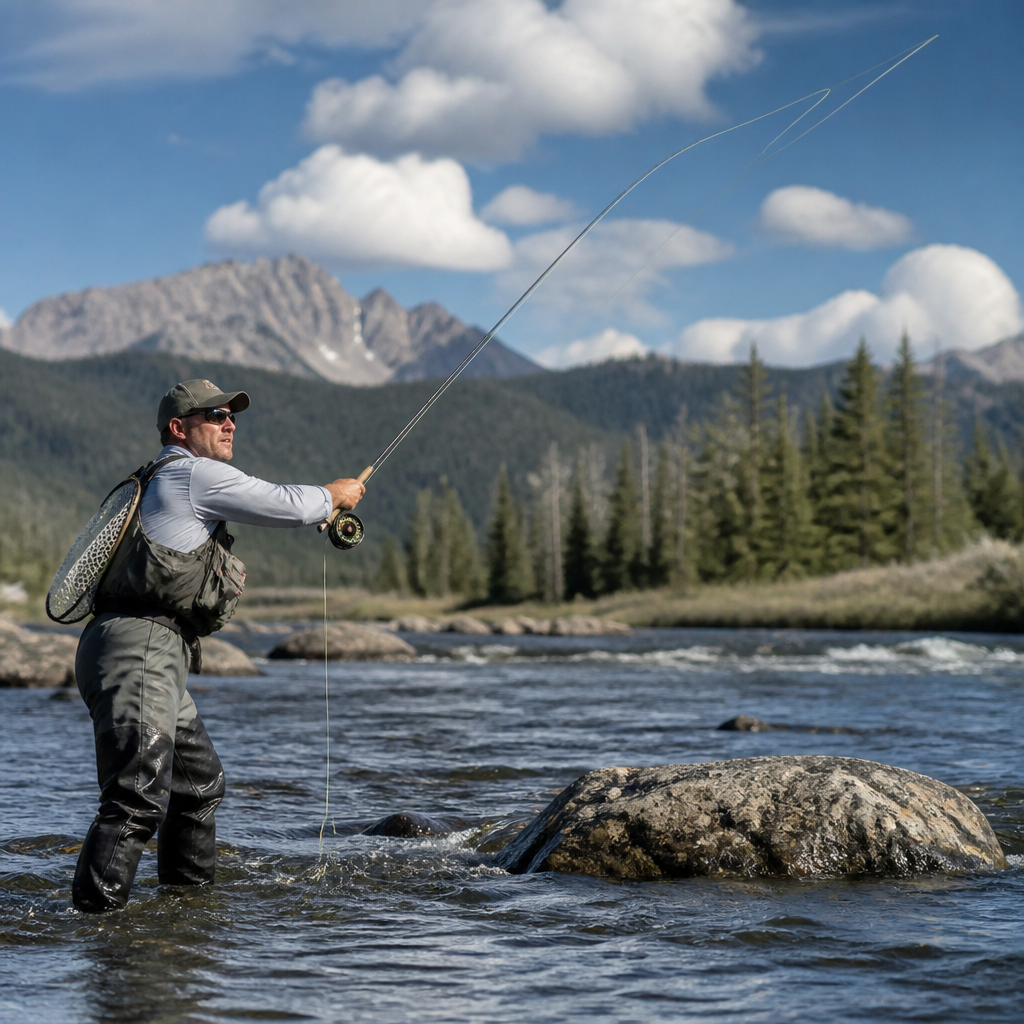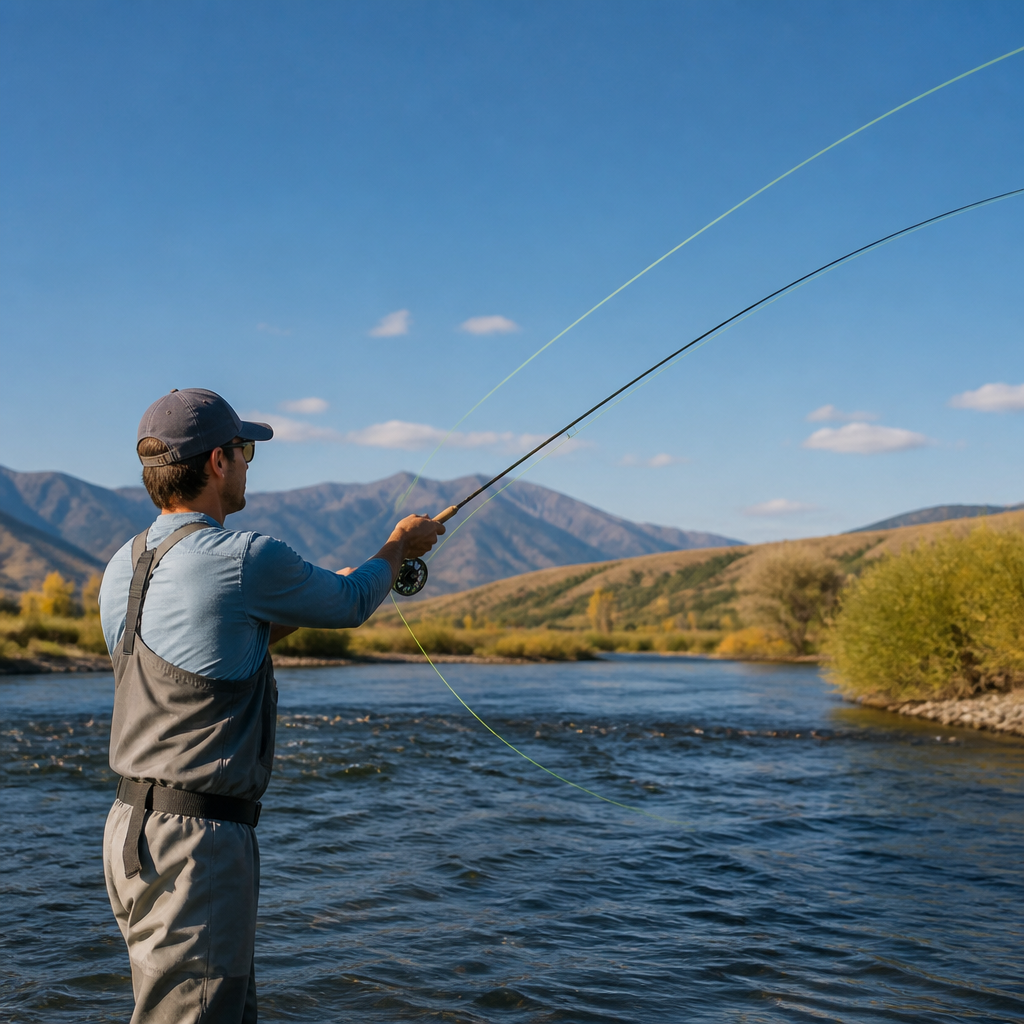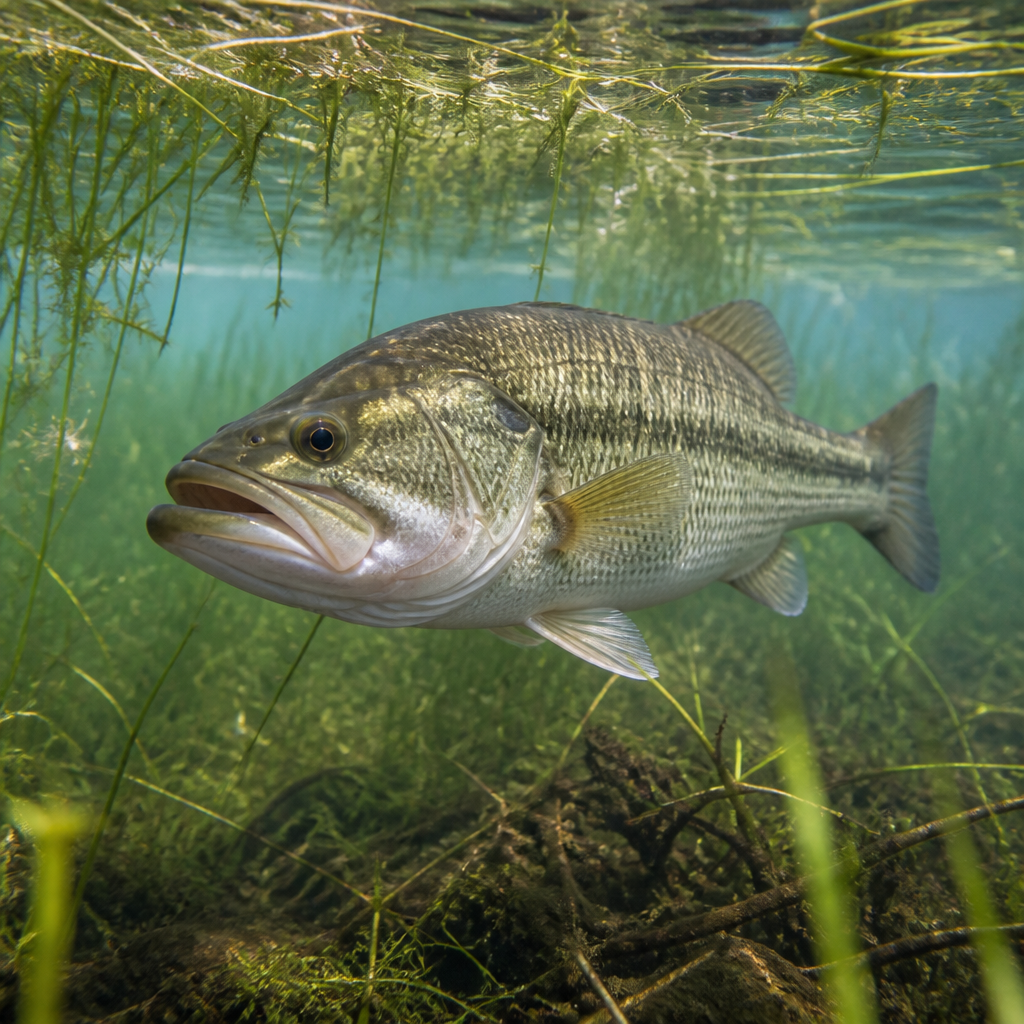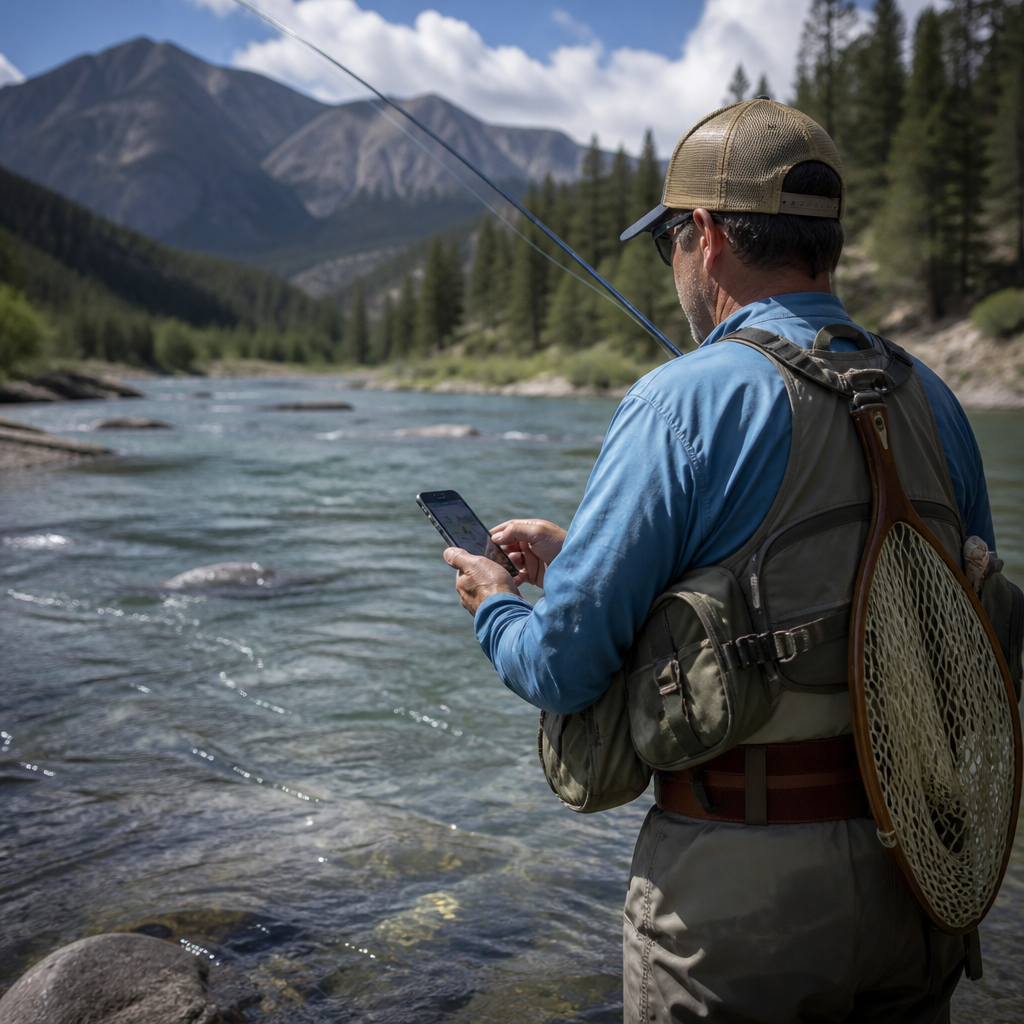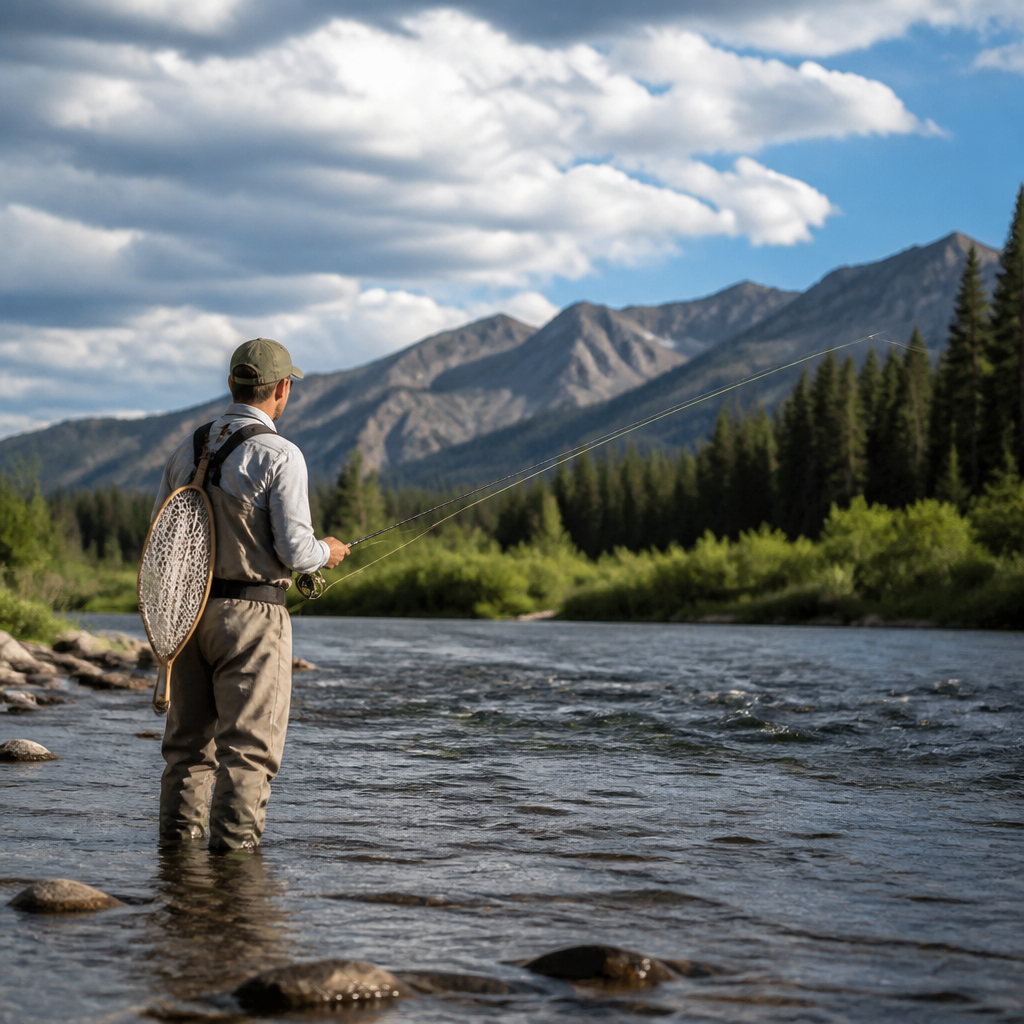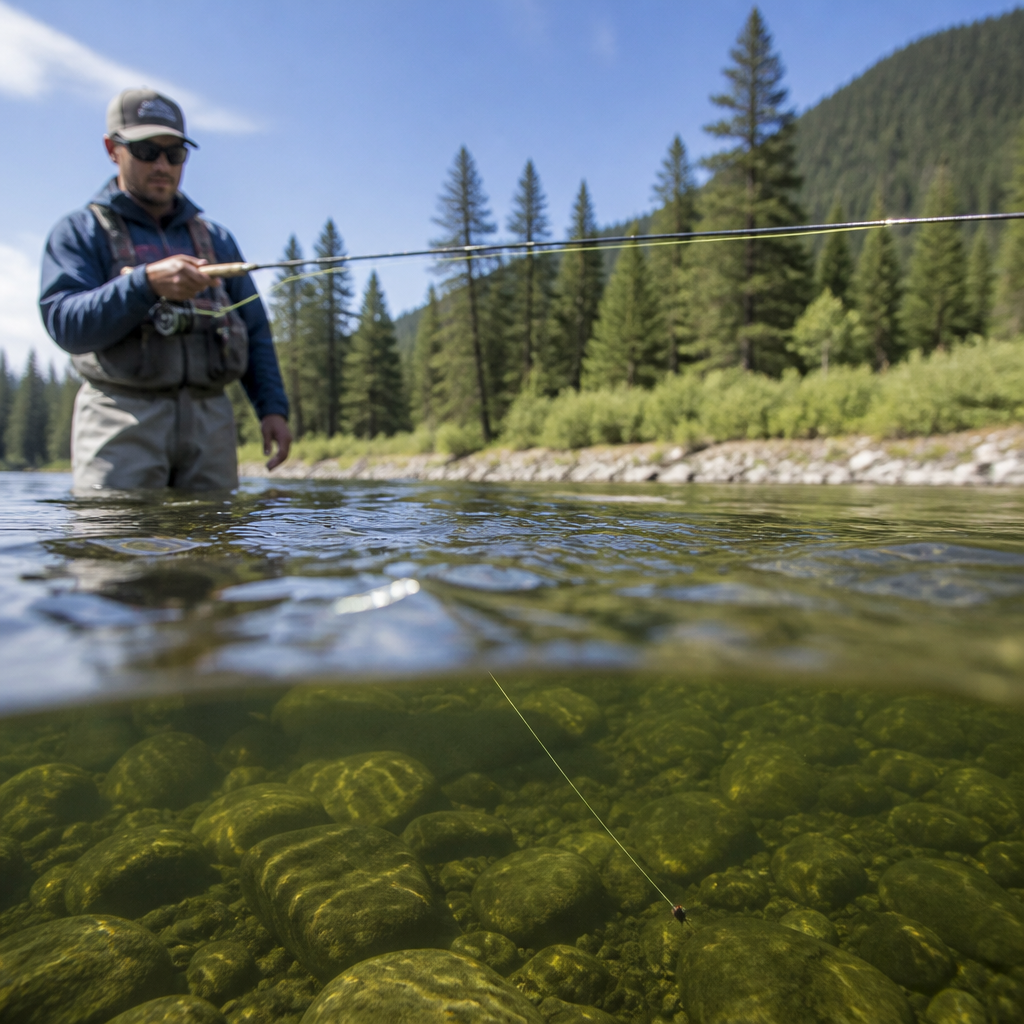
Deep water nymphing is the practice of presenting subsurface fly patterns at the exact depth where trout, steelhead, and other river fish feed when holding near the bottom in runs, slots, seams, plunge pools, and tailouts. In practical terms, it means solving three linked problems at once: getting the flies down quickly, keeping them drifting naturally at depth, and detecting strikes that are often subtle, fast, and downstream of the angler. I have spent many days adjusting split shot, changing indicator placement by inches, and switching between tight-line and suspension rigs to make fishable water out of runs that first looked too deep or too fast. That experience matters because deep water nymphing punishes guesswork. If your rig is six inches too shallow, your flies may never enter the feeding lane. If your leader butt is too limp, your indicator can drag. If your weight is too light, your flies sweep above bottom and trout ignore them.
For anglers building a complete understanding of nymphing techniques, deep presentations are a central skill rather than a niche trick. Fish hold deep for safety, current relief, and access to drifting food such as mayfly nymphs, caddis larvae, midge larvae, cranefly larvae, sow bugs, scuds, and dislodged aquatic insects. During winter, after high water, and under bright pressure conditions, deep lies often hold the most catchable fish of the day. The method also connects directly to broader tactics including strike detection, mending, leader design, fly selection, drift control, and reading water. A strong deep nymphing system lets you approach freestone rivers, tailwaters, and larger trout streams with a repeatable plan instead of random casts.
This hub article explains the core methods, tackle choices, and tactical decisions behind effective deep water nymphing. It covers when to choose an indicator rig, when tight-line contact gives better control, how to balance weight against drift speed, what flies consistently work near bottom, and which mistakes keep anglers out of the strike zone. Think of it as the foundation page for the entire nymphing techniques topic: once you understand depth control, bottom contact, and drift management, every specialized article on euro nymphing, indicator nymphing, high-stick tactics, or weighted fly design becomes easier to apply on the water.
What Deep Water Nymphing Really Requires
Deep water nymphing succeeds when your flies travel at roughly the same speed as the subsurface current while staying close enough to bottom to intersect feeding fish without hanging on every cast. Most trout in deeper runs feed within a narrow band near the riverbed because current slows there and food concentrates along the bottom cushion. The common rule of thumb is that the strike zone sits in the lower 10 to 20 percent of the water column, but in broken pocket water or heavy flow, fish may slide slightly higher to intercept drifting nymphs. Your job is not simply to fish deep; it is to fish at the active depth for the full drift.
The three control variables are weight, leader geometry, and drift angle. Weight determines sink rate and bottom contact. Leader geometry influences turnover, sensitivity, and drag. Drift angle affects how long the flies remain in the lane before tension lifts them. In my own rigging, I usually start by asking one direct question: can I reach bottom with the weight I can cast comfortably and maintain naturally? If yes, I refine from there. If no, I shorten the cast, change the rig, or move position to improve the angle. This thinking prevents the most common failure in deep nymphing: adding more and more weight without fixing presentation.
Water type matters as much as depth. A six-foot tailwater seam with moderate flow may be easier to fish than a four-foot freestone chute with chaotic hydraulics. Deep buckets below ledges often demand fast-sinking anchor flies or extra shot because turbulence slows descent. Long glides require stealth, longer leaders, and precise indicator spacing because fish inspect drifts longer. The best anglers read current layers, not just surface texture. A smooth tongue can hide a fast mid-column push. A broken surface can conceal a soft slot near the bank. Deep nymphing starts with seeing where a weighted rig can sink, stabilize, and drift naturally.
Core Rig Styles for Fishing Deep Runs
The two dominant systems are suspension nymphing with a strike indicator and contact nymphing with a tight-line or high-stick setup. Both catch fish in deep water, but they solve presentation differently. Indicator rigs suspend weight and flies under a buoyant reference point, making them ideal for long drifts, complex mending, and water that is too broad to maintain direct contact. Tight-line rigs reduce slack and improve strike detection, making them strong in shorter drifts, pocket water, and near-to-midrange lanes where line control matters more than distance.
Indicator nymphing shines on larger rivers and deep glides because the indicator helps regulate depth and gives a visible signal when fish eat softly. Common indicators include yarn, foam stick-on models, air-lock styles, and pinch-on options. Placement is not arbitrary. A practical starting point is one and a half to two times the water depth from indicator to the bottom fly, adjusted for current speed and sink time. In faster water, you often need more distance because the rig does not descend vertically. Add enough weight to tick bottom intermittently rather than dredging continuously. That occasional contact confirms you are fishing low enough.
Tight-line deep nymphing uses a long rod, thin leader or specialized line, a sighter, and weighted flies or supplemental shot. It is often associated with European competition methods, but the underlying principle is simple: minimize slack so you can guide the drift and feel or see micro-takes. In deep water, tight-line rigs work best when you can stand close enough to keep a high rod angle and lead the flies slightly downstream as they sink. If the current is too wide or too deep to maintain contact without dragging, an indicator system usually becomes more efficient.
| Rig style | Best water type | Main strength | Main limitation |
|---|---|---|---|
| Indicator nymphing | Wide seams, deep glides, long runs | Long natural drifts with visible strike detection | More slack, slower response to subtle takes |
| Tight-line nymphing | Pocket water, close slots, defined channels | Excellent contact and depth control | Reduced range on broad or very deep water |
| High-stick nymphing | Short drifts in fast near-bank current | Quick sink and minimal drag | Limited drift length and coverage |
| Drop-shot adaptation | Rocky bottoms and technical deep lanes | Depth without over-weighting flies | More rigging complexity |
A drop-shot style nymph rig deserves mention because it is effective in truly deep technical water. Instead of placing all weight above the flies, the terminal end carries shot while one or two flies ride on tags above it. This keeps flies slightly off bottom while the weight maintains depth and contact. I use this especially in boulder runs where standard shot-above-fly rigs snag too often. It is not legal everywhere, so check local regulations, but where permitted it offers precise depth control with fewer bottom fouls.
Gear That Improves Depth, Drift, and Strike Detection
Rod choice influences deep nymphing more than many anglers realize. For indicator work on trout rivers, a 10-foot rod in a 3- to 5-weight range is a versatile standard because it mends line efficiently, protects light tippet, and controls longer drifts. For tight-line methods, 10- to 11-foot rods in 2- to 4-weight ratings dominate because reach and sensitivity matter more than casting heavy fly lines. A softer tip protects fine tippets during close-range fights, while a progressive midsection moves weighted rigs without collapsing. Extremely fast, stiff rods can cast shot but often reduce touch and make close contact drifts less precise.
Reels matter less for performance, but balance matters a great deal during a full day of high-stick work. A reel that counterbalances a long rod reduces wrist fatigue. A smooth drag helps when larger trout surge in current, especially on 5X or 6X fluorocarbon. Fly line selection should match the system. Indicator anglers benefit from a true-to-weight floating line with a taper that turns over split shot and multi-fly rigs. Tight-line specialists often use level competition lines, micro-thin tactical lines, or monorig systems to reduce sag and improve contact.
Leader design is where many deep nymph rigs are made or ruined. Indicator leaders often start with a stiff butt section to transfer energy, taper into stronger midsections, then finish with fluorocarbon tippet because fluorocarbon sinks faster than nylon and resists abrasion around rocks. Tight-line leaders commonly use a long butt, a colored sighter section, and fine tippet rings to connect changeable tippet lengths. Diameter is a strategic choice. Thinner tippet sinks faster and cuts current better, but it also reduces abrasion resistance and fish-fighting margin. In clear tailwaters I may fish 5.5X fluorocarbon; in heavy freestone runs around granite, 4X can be the better compromise.
Weight systems should be deliberate. Tungsten beads sink faster than brass, which is why modern deep nymph boxes are dominated by 2.8 to 4.0 millimeter tungsten patterns and larger jig flies. Non-toxic putty and removable split shot make quick streamside adjustments possible. I prefer carrying several shot sizes rather than relying on one heavy piece, because stacking smaller shot lets you fine-tune sink rate and castability. Slotted tungsten beads, jig hooks, and anchor flies have changed deep nymphing dramatically over the last decade by helping anglers reach bottom sooner without turning every cast into a tangled mess.
Depth Control, Mending, and Natural Drift
If there is one defining skill in deep water nymphing, it is depth control. Start each run by estimating actual fishing depth, not bank-to-bank average depth. Target lanes with enough current relief to hold fish and enough flow to move food. Make your first few casts diagnostic. Are you ticking bottom once every drift, never touching, or hanging constantly? No bottom contact usually means more weight, more leader length below the indicator, a better angle, or a closer cast. Constant snagging usually means too much weight, too slow a drift, or leading the rig so aggressively that the flies dive unnaturally.
Mending is the main tool for keeping indicator rigs natural in deep water. An upstream mend immediately after the cast buys sink time by reducing premature drag. Additional stack mends keep floating line from pulling the indicator faster than the subsurface current. The key is timing: mend early, before the rig tightens. Big late mends often move the flies. On long drifts across mixed currents, I watch the indicator and the belly of the line together. If the belly starts forming below the indicator, the drift is already dying. Correcting that one second earlier often doubles the effective bottom time.
With tight-line systems, depth control comes from casting angle, rod height, and lead speed. Cast slightly upstream or across, allow the flies to sink on a semi-tight line, then follow the drift with the rod tip while maintaining just enough contact to detect a pause. Lead too fast and the flies rise. Lead too slowly and slack hides takes. In deeper runs, a brief tuck cast helps the weight enter first and accelerates descent. This is one of the most useful deep nymphing mechanics because it changes the first seconds of the drift, which are often the difference between fishing six inches off bottom and two feet above it.
Current seams are your friend because they create predictable lanes and holding lies. The best drifts often track the transition between fast and slow water, where food concentrates and trout spend minimal energy. Position yourself to drift flies through the seam at the same pace as the water carrying natural insects. Good deep nymphing looks almost boring when it is done right: no wake from the indicator, no sudden line acceleration, and no visible pull from the rod tip. Underwater, the flies should appear like dislodged nymphs drifting naturally near bottom.
Fly Selection, Seasonal Adjustments, and Common Mistakes
Deep water fly selection is less about matching a perfect hatch stage and more about combining profile, weight, and visibility appropriately for the water. Reliable anchor patterns include perdigons, jig pheasant tails, hare’s ear variants with tungsten, stonefly nymphs, Walt’s worms, caddis larva imitations, and attractor patterns such as Frenchies or hotspot nymphs. On fertile tailwaters, sow bugs, scuds, and zebra midges matter year-round. In freestone rivers, larger stonefly and mayfly nymphs often lead, especially after runoff or during higher flows. My standard two-fly logic is simple: heavier, larger point fly for depth; smaller or more imitative dropper for conversion.
Seasonal changes affect both fish position and weighting. In winter, trout commonly pod in slower deep slots and eat smaller nymphs with subtle movement, so slower drifts and finer tippet help. During spring flows, fish may hold near banks, behind structure, or in softer side channels where heavy rigs can still reach bottom. Summer mornings can reward lighter deep rigs before fish slide deeper under bright sun. In fall, pre-spawn trout and post-spawn movements can reposition fish daily, making depth checks even more important than pattern choice.
The biggest mistakes are consistent across rivers. Anglers fish too shallow, cast too far for control, and fail to adjust after the first few drifts. They strike only on obvious indicator plunges and miss the small hesitations that signal most trout eats. They use one rig for every run instead of matching technique to water width and current complexity. They also confuse snagging with success. Touching bottom occasionally is useful feedback; grinding the riverbed is not. A disciplined deep nympher changes one variable at a time—weight, depth, angle, fly size, drift speed—until the run starts talking back.
Deep water nymphing is the backbone of effective subsurface trout fishing because it teaches the most important truth in nymphing: fish only see flies that reach them naturally. Master the relationship between depth, weight, contact, and drift, and you can adapt to tailwaters, freestones, winter pools, and turbulent runs with confidence. Start with the right rig for the water, build a leader that supports the method, use enough weight to earn bottom contact, and treat every drift as feedback. If you want to improve your nymphing techniques across the board, make deep water presentations a deliberate practice focus on your next few trips.
Frequently Asked Questions
What exactly is deep water nymphing, and when should you use it?
Deep water nymphing is a subsurface presentation method designed to put your flies at or very near the feeding level of fish holding close to the riverbed. In many rivers, trout, steelhead, and other current-oriented fish spend much of their time in deeper runs, slots, seams, plunge pools, and tailouts where the current delivers food with minimal effort. Rather than fishing the surface or the upper part of the water column, deep water nymphing focuses on reaching that lower zone quickly and then keeping the flies drifting naturally through it for as much of the drift as possible.
You should use it whenever fish are holding deep because of current speed, water temperature, light conditions, or overall feeding behavior. Cold water periods are especially important, because fish often become less willing to move far to intercept food. High or slightly stained flows can also push fish into slower, deeper lanes near the bottom, where they feel secure and conserve energy. Even in relatively normal conditions, many of the largest and most consistent fish in a run are not suspended mid-column; they are tucked near structure, depth changes, or softer cushions of current close to the streambed.
The key idea is not just “fish deep,” but “fish at the exact depth where feeding is happening.” If your flies are too high, fish may never see them or may refuse to move up for them. If they are too low, you will snag constantly and lose the natural drift that makes nymphing effective. Deep water nymphing is therefore a balancing act between weight, leader setup, current speed, and drift control. When it is dialed in, it is one of the most efficient and productive ways to catch fish that are otherwise difficult to reach.
How do you get nymphs down quickly without ruining the drift?
Getting flies down fast enough is one of the central challenges of deep water nymphing. The first step is choosing enough weight to overcome both depth and current speed. In practical terms, that may mean using weighted flies, split shot, tungsten putty, or a combination of all three. Heavier flies such as beadhead patterns can help, but in truly deep or fast water, external weight is often what makes the difference between drifting through the strike zone and drifting above it.
Just as important as the amount of weight is where you place it. Weight positioned too far from the flies can delay sink rate and reduce direct contact. Weight positioned too close can make the rig look unnatural or increase snagging. A common starting point is to place split shot several inches above the upper fly, then adjust based on how quickly the rig reaches depth and how often it contacts bottom. If you are not occasionally ticking rocks in a deep run, there is a good chance you are still not deep enough. If you are hanging up every cast, you likely need to reduce weight, alter shot placement, or change your drift angle.
Line management is the other half of the equation. Even a properly weighted rig will not sink well if too much fly line or leader is dragging on the current. High-sticking, tight-line presentations, or keeping as much line off the water as possible can dramatically improve sink rate. A more upstream cast can also buy the flies extra time to descend before they enter the prime holding zone. In very deep water, anglers often need to think a few seconds ahead: cast with enough angle and enough weight so the flies are already near the bottom by the time they reach the fish, not after they have drifted past them.
The best approach is systematic adjustment. Add weight in small increments, watch how the rig behaves, note where bottom contact happens, and refine from there. Deep water nymphing rewards anglers who treat weight as a precise tool rather than a fixed setup. Small changes often produce immediate results.
What gear setup works best for deep water nymphing?
A strong deep water nymphing setup begins with a rod that offers both control and sensitivity. In many river situations, a rod in the 10- to 11-foot range gives better reach for line control, improved drift management, and more effective strike detection than a shorter rod. For trout, a 3- to 5-weight rod is common depending on water size and rig weight. For steelhead or larger rivers, anglers often move up in length and line weight to better handle heavier flies, more split shot, and stronger fish.
Your line and leader system should match the style of presentation. For indicator nymphing, a floating line paired with a long leader is standard. The indicator must be large enough to support the weight and visible enough to track subtle hesitation, dips, or sideways movement. For tight-line or contact-style deep nymphing, a specialized nymphing line or a very thin leader system can improve sensitivity and reduce sag. In either case, the goal is the same: maintain as direct a connection to the flies as current and presentation allow.
Leader construction matters more than many anglers realize. Deep water nymphing often benefits from a leader that turns over weight efficiently while still allowing a natural drift. Tippet diameter affects sink rate, drift quality, and fly behavior. Finer tippet can help flies sink and move naturally, but it must still be strong enough to handle snags, current pressure, and larger fish. Many anglers use a two-fly rig with a heavier point fly and a lighter dropper, allowing them to cover slightly different depths and food profiles in the same drift.
Beyond rod, line, and leader, accessories make a real difference. Split shot in multiple sizes, tungsten putty, quality forceps, and a selection of weighted nymphs are essential. Polarized glasses help read seams, slots, and depth changes. A wading staff can be important when probing deeper current. If you fish with indicators, carry several sizes and styles rather than relying on one option. The ideal gear setup is not the one with the most components; it is the one that lets you change depth, weight, and drift control quickly as river conditions shift.
How do you detect subtle strikes when fishing deep?
Strike detection is one of the hardest parts of deep water nymphing because many takes are soft, fast, and easy to mistake for bottom contact or current interference. Fish holding deep often eat and reject a fly in a split second. That means success depends on staying alert to anything that looks or feels different from a normal drift. If you are indicator fishing, that can be a pause, a tiny dip, a sideways slide, or an unnatural acceleration. If you are tight-line nymphing, it may show up as a slight hesitation, a twitch in the sighter, or a faint tightening that seems almost insignificant.
The biggest mistake anglers make is waiting for an obvious take. In deep water, many real strikes are subtle enough that by the time they look “definitive,” the fish has already let go. A better rule is simple and effective: set on anything unusual. If the indicator stalls where it should drift freely, set. If the line tightens a touch sooner than expected, set. If the drift feels different for no clear reason, set. You will hook rocks at times, but you will also hook fish that would otherwise go unnoticed.
Good strike detection also starts before the take happens. Proper depth, controlled slack, and clean line management all improve your ability to recognize a strike. Too much slack between rod tip and rig can hide subtle eats completely. On the other hand, too much tension can drag the flies and reduce natural presentation. The goal is controlled contact: enough connection to read the drift, but not so much that the current pulls the flies unnaturally. Rod angle, mending, and drift pace all contribute to this balance.
Experience helps, but deep water nymphing is teachable because the signs repeat. Watch where the rig should move, learn the rhythm of a natural drift, and notice every deviation from that rhythm. Over time, you start distinguishing bottom ticks from live takes, and your hook-set timing becomes much sharper. In deep presentations, strike detection is not about dramatic signals; it is about disciplined attention to small clues.
How do you adjust your approach for different deep-water lies like runs, seams, plunge pools, and tailouts?
Different deep-water lies require different presentations, even when the basic goal remains the same. In long runs, fish often hold in lanes where current speed, depth, and food delivery line up efficiently. Here, deep water nymphing is usually about covering water methodically. Start close, fish the near seam thoroughly, then extend your drifts farther across and downstream. Adjust weight until the flies are reaching the lower part of the run early enough to stay in the feeding zone for most of the drift.
In seams and slots, precision becomes more important than broad coverage. These are often narrow feeding lanes where fish hold just inches from faster current. Your cast angle, mends, and line control must keep the flies in that soft edge without dragging them across conflicting currents. Often, the best drift comes from a slightly upstream presentation that gives the rig time to sink before entering the seam. Because these lanes can be compact and highly productive, repeated drifts with small weight or angle changes are often more effective than constantly moving on.
Plunge pools