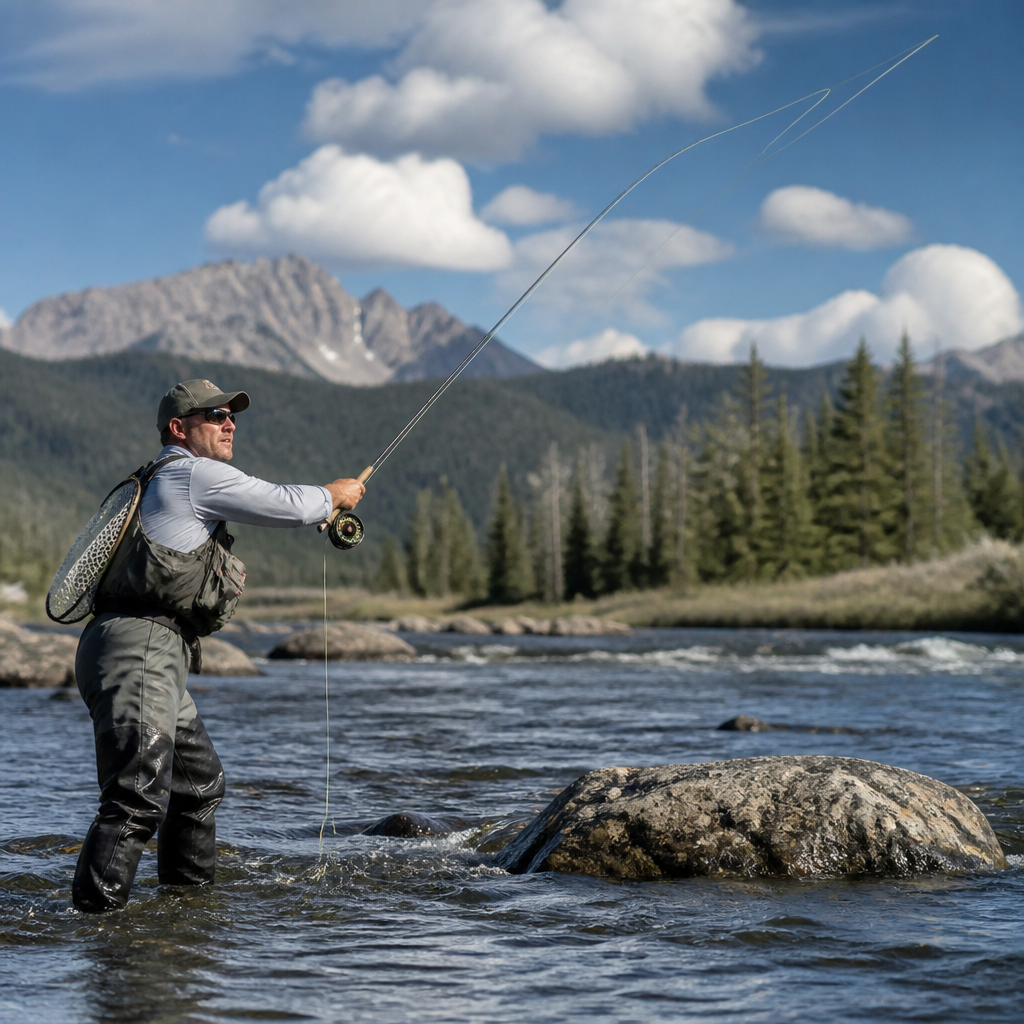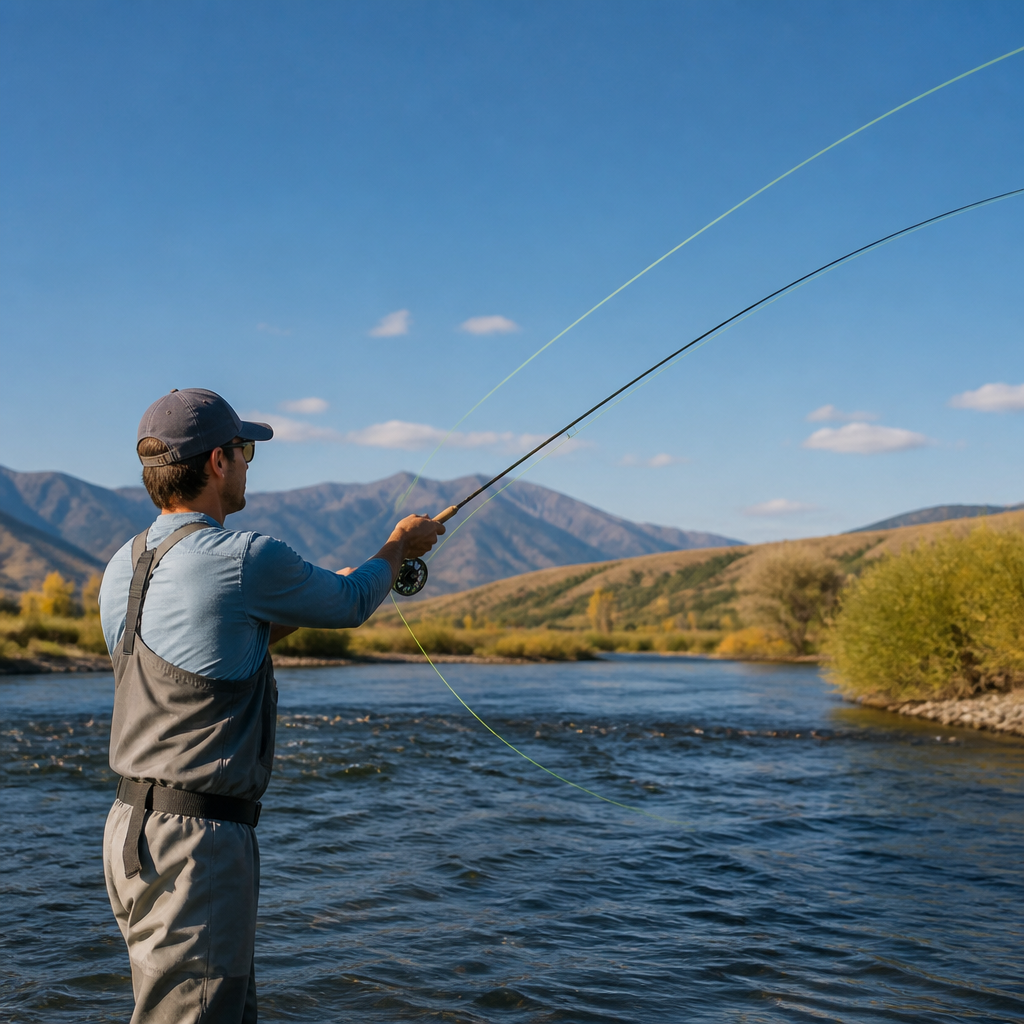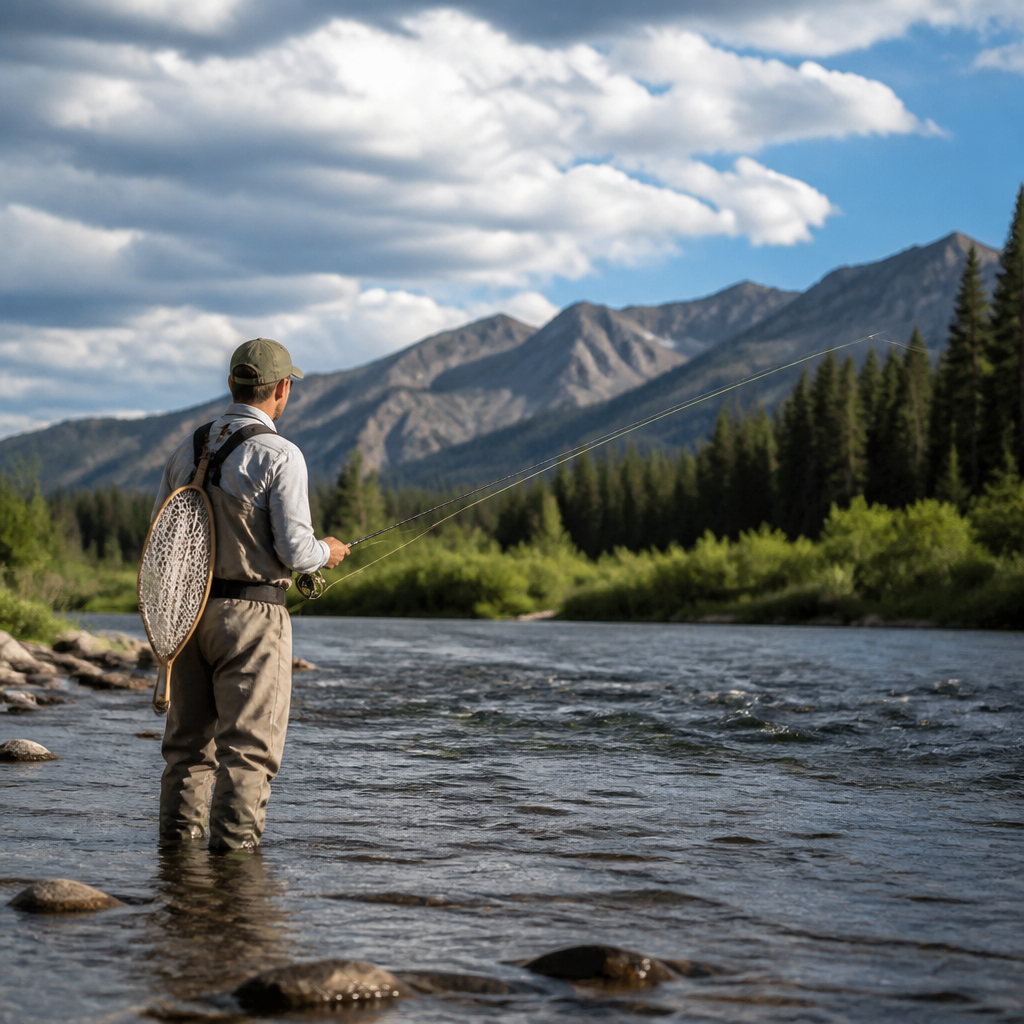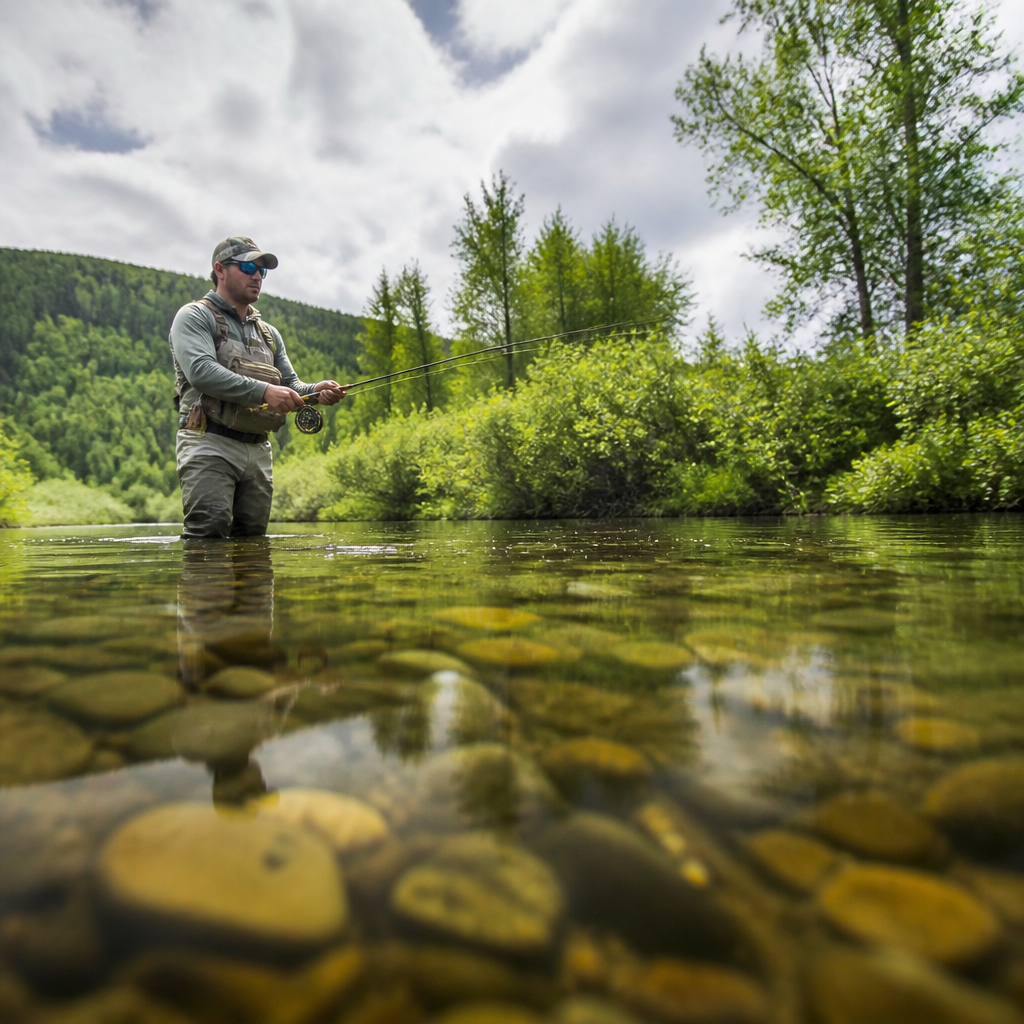
Nymphing in slow water rewards precision more than speed. On lakes, spring creeks, tailouts, side channels, and winter flats, trout have longer to inspect a drifting fly, and they often feed on nymphs with a calm, energy-efficient rhythm that punishes sloppy presentation. Slow water, in practical terms, means current gentle enough that surface drag, microcurrents, and angler movement influence the drift more than brute force flow. Nymphing techniques in this environment differ from standard pocket-water tactics because trout are not forced to make split-second decisions. They can slide a foot, examine a pattern, and reject it. That is why a dedicated approach to nymphing in slow water matters for both catch rates and fish quality.
When I fish these flats, I think in three linked systems: approach, drift, and depth. Approach covers positioning, wading, and casting angles that keep fish unalerted. Drift means the fly must move at the same speed as the subsurface current, with no visible pull from the line or indicator. Depth is the deciding variable because most naturals travel near the bottom before emergence, and trout in slow water rarely move far vertically to eat. Good nymphing patterns therefore imitate the main food forms present, including mayfly nymphs, midge larvae, caddis larvae, scuds, sowbugs, and small stoneflies, while the rig places them exactly in the feeding lane. This article serves as a hub for nymphing techniques by laying out the core methods, tackle choices, productive patterns, and on-water adjustments that consistently work in slow water.
Why Slow Water Changes Everything
In fast riffles, trout often get less than a second to decide. In slow water, they may watch a nymph for several feet. That longer inspection window changes fly choice, tippet strategy, and strike detection. Slim profiles, natural colors, and controlled sink rates outperform bulky, overly bright patterns most days, though an attractor can still trigger fish in stained water or during competitive feeding. The biggest mistake I see is using the same heavy rig that works in pocket water. Too much split shot, a large indicator, and thick tippet create splash, hinge the drift, and drag the fly unnaturally.
Trout also hold differently in slow water. Instead of hugging obvious seams, they often station along subtle depressions, weed edges, foam lanes, marl transitions, and the inside edge of a tailout where current delivers food with minimal effort. On spring creeks especially, the best fish may sit in eighteen inches of water if the cover and food are right. Because these lies are delicate, your first cast is often your best cast. I routinely kneel, cast from farther back than seems necessary, and plan the retrieve before the line lands. If you line a fish in slow water, chances are low that it resets quickly.
Another important distinction is the role of seasonal metabolism. In winter and early spring, slow water can hold concentrated trout because current speed and temperature are stable. Fish feed selectively on midges and tiny mayflies, and they rarely chase. In summer, weed growth, dissolved oxygen, and insect emergence routes matter more. During low flows, fish shift into shaded channels and spring inflows. Reading slow water means combining hydraulics with food availability, not merely searching for classic current seams.
Core Nymphing Techniques for Slow Water
The best nymphing techniques in slow water are indicator nymphing with long leaders, tight-line adaptations for short controlled drifts, and dry-dropper presentations when fish are feeding high in the column. Indicator nymphing is the most versatile hub method because it handles changing depth and distance while preserving line control. Use a long, tapered leader, place the indicator far enough above the flies to account for water depth plus drift angle, and cast slightly upstream or up-and-across to buy sink time. The goal is not to dead-stick under a fixed bobber. The goal is a drift where the indicator tracks naturally and the leader enters the water with minimal disturbance.
Tight-line nymphing also works in slow water, but it needs modification. Standard high-stick approaches lose effectiveness when distance increases and current slows. I shorten the casting range, use lighter flies, and keep a soft contact rather than direct tension. This creates a natural drop and allows subtle takes to register through the sighter or leader butt. It is especially effective along near-bank slots, under overhanging grass, and in narrow spring-creek channels where a conventional indicator would spook fish or land poorly.
Dry-dropper rigs become tactical rather than casual in slow water. A small parachute, CDC emerger, or foam dry can suspend a light nymph over weed beds or shallow glides where an indicator would look out of place. This is deadly during mayfly and midge activity when trout alternate between nymphs and emergers. The dry must be chosen for buoyancy first and hatch resemblance second if the nymph is doing the main work. In plain terms, select the floating fly that lands softly and remains visible without dragging the dropper.
Across all three methods, mending is smaller and earlier than in fast water. One crisp aerial mend or immediate stack mend after the cast is usually enough. Big corrections move the flies unnaturally. If the drift looks perfect but the flies are not reaching the fish, change weight or indicator spacing before changing the entire presentation. Depth errors masquerade as technique problems more often than anglers admit.
Rigging, Weight, and Strike Detection
Rigging for slow water begins with stealth. Leaders from 10 to 14 feet are normal, and fluorocarbon tippet in 5X to 7X is common because its density helps sink the flies and its refractive index is closer to water than nylon. The tradeoff is reduced knot strength and abrasion resistance in the finest diameters, so knot quality matters. For indicator rigs, small yarn or air-lock style indicators create less splash than large foam models. Split shot should be the minimum needed to touch the bottom occasionally, not plow it continuously. If your indicator drags a trench line through the drift, you are over-weighted.
Strike detection in slow water is visual, tactile, and interpretive. Obvious plunging eats happen, but many takes are simply a slight pause, a sideways tick, or the indicator standing up as the fish lifts the nymph. With tight-line methods, the sighter may straighten, stall, or twitch. Set on anything different. Trout in calm water often inhale and reject in less than a second. The disciplined angler reacts to anomalies rather than waiting for certainty.
| Situation | Best Rig Adjustment | Why It Works |
|---|---|---|
| Shallow flat under 3 feet | Small indicator, single light nymph, no shot or micro shot | Reduces splash and keeps the fly drifting naturally above weeds and marl |
| Tailout 3 to 5 feet deep | Two-fly rig, one anchor nymph plus one small trailer, indicator set 1.5 times depth | Maintains depth through the longest part of the drift |
| Winter slow run | Tiny midge or mayfly nymph on 6X or 7X, sparse weight | Matches selective feeding and allows a slow, natural sink rate |
| Weedy spring creek | Dry-dropper with unweighted or lightly weighted nymph | Keeps flies off vegetation while preserving delicate presentation |
| Near-bank undercut | Short-range tight-line drift with direct leader contact | Improves strike detection where fish eat softly at close range |
One practical rule: if you are ticking bottom every drift, remove weight; if you never touch bottom over several ideal passes, add a tiny amount. In slow water, half a BB can be too much. Tungsten beads let you move weight onto the fly and often improve turnover and sink consistency better than external shot alone.
Best Nymph Patterns for Slow Water
The most reliable nymph patterns for slow water are slim, sparse, and anatomically plausible. Pheasant Tail nymphs remain foundational because they suggest countless mayfly species, especially Baetis and smaller clingers. Sizes 16 through 22 cover much of the real feeding. Hare’s Ear nymphs are broader in impression and excel when caddis, mayflies, and general drift matter more than an exact match. For midge-driven fisheries, Zebra Midges in black, olive, red, and brown are standards, particularly in sizes 18 through 24. In fertile tailwaters and spring creeks, scuds and sowbugs can outfish insects outright, especially where aquatic vegetation or limestone substrate supports them year-round.
Caddis larvae patterns deserve more use in slow water because real larvae drift regularly, especially after flow changes or when fish graze weeds and gravel. Simple green rockworm styles, cased caddis imitations, and small tan larvae all produce. Perdigons can be effective as anchor flies because they sink quickly and maintain a compact profile, but in clear, calm water I often favor a less glossy finish. Flash has a place, yet too much synthetic sheen can look wrong when fish inspect the fly closely.
Color and size should follow the food first, then light conditions. Olive, brown, black, cream, and gray cover most situations. Pink, red, or hot spots are situational tools, not defaults. During overcast Baetis hatches, a size 18 olive pheasant-tail variant or slender split-case nymph is hard to beat. On a midge-flat in winter, a size 20 black Zebra Midge below a tiny gray nymph can be more productive than any large searching pattern. Matching the sink behavior matters too: an unweighted or lightly weighted fly can outfish a heavier version when naturals are suspended just off bottom or rising toward emergence.
Presentation, Positioning, and Common Mistakes
Presentation starts before the cast. Approach from downstream whenever possible because trout in slow water face into the current and have more time to detect movement. Use bank cover, keep a low profile, and limit false casts. Cast beyond the target lane only when necessary; extra line creates extra drag. I prefer quartering upstream angles that let the flies sink before entering the prime lie, then I lead the indicator or leader just enough to maintain contact without pulling the nymphs ahead of the current.
Positioning matters as much as fly selection. In broad flats, moving two steps can change the drift from crossing microcurrents to aligning naturally with them. In tailouts, fish are often arranged in lanes, and covering the water methodically beats random recasting. Start with the nearest likely lie and work outward to avoid lining fish. On spring creeks, watch for subtle signs: a wink under the surface, a white mouth, a slight lateral shift. These cues tell you whether trout are feeding near bottom, intercepting emergers, or stationed behind weed tongues.
The most common mistakes are over-weighting, fishing too close, using too much fly line on the water, and changing patterns before fixing depth and drift. Another major error is ignoring refusal information. If a trout slides to the fly and turns away, that is useful data. Downsize, lengthen tippet, reduce flash, or switch from a beadhead to an unweighted pattern. If fish are hooked lightly on the outside of the mouth, the flies may be riding too high or dragging. If your indicator twitches from current pulses at the same point every drift, reposition rather than strike blindly.
Nymphing in slow water becomes consistent when you treat it as an exercise in controlled detail. Fish from farther away, use less weight than instinct suggests, and let the food base dictate the pattern family. Then refine one variable at a time: angle, depth, weight, size, and only then color. That discipline turns a frustrating, refusal-heavy session into one where subtle takes become predictable. Build your own system on these nymphing techniques, and use this hub as the foundation for deeper practice on indicators, tight-line methods, fly selection, and seasonal strategies across your home water.
Frequently Asked Questions
What makes nymphing in slow water different from nymphing in faster runs or pocket water?
Nymphing in slow water is primarily a game of precision, stealth, and believable drift. In faster currents, trout often have less time to study a fly, and broken surface texture can hide small mistakes in line control, depth, and profile. In slow water, the opposite is true. Fish can inspect a nymph for longer, compare it against the naturals around it, and refuse anything that moves unnaturally, sinks at the wrong speed, or throws a subtle wake. That means the angler has to think beyond simply “getting deep” and instead focus on matching the feeding rhythm of trout that are holding in calm, energy-efficient lies.
Presentation becomes much more sensitive to microdrag. Even tiny differences in current speed between the leader, fly line, indicator, and the water around the fly can pull a nymph off course. In a lake edge, spring creek glide, tailout, side channel, or winter flat, that unnatural movement is often the single biggest reason fish refuse. Because of this, anglers usually benefit from longer leaders, lighter tippet, less splashy rigging, and casts that land with purpose rather than force. Wading position also matters more. In slow water, a trout may react to vibration, shadows, or push waves from an approaching angler long before it sees the fly.
Depth control is another major difference. In pocket water, heavily weighted flies and quick sink rates often solve most problems. In slow water, too much weight can make a fly plunge unnaturally or hang below the level where naturals are drifting. Effective slow-water nymphing often means using just enough weight to reach the feeding lane while maintaining a soft, level, and natural drift. Overall, the challenge is less about beating the current and more about eliminating every clue that tells a trout your nymph is artificial.
How should I adjust my rig and leader setup for slow-water nymphing?
A slow-water nymphing rig should be built around subtlety and control. In most situations, that means downsizing and simplifying compared with standard river nymph rigs. A longer leader is often helpful because it keeps more fly line away from the fish and allows softer presentation. Many anglers do well with leaders in the 10- to 14-foot range, adjusted for water depth, clarity, and casting style. The goal is not length for its own sake, but separation from the visible, heavier parts of the system that can create drag or spook fish.
Tippet selection matters a great deal. In clear, gentle water, trout often respond better to finer diameters because thinner tippet allows the fly to move more naturally and creates less visual intrusion. Fluorocarbon is commonly favored for subsurface work because it sinks well and has low visibility, but the real key is matching diameter to fly size and fish wariness. If you are fishing small nymphs in calm water, going one size finer can dramatically improve both drift quality and takes. At the same time, you still need enough strength to land fish efficiently, especially when using long leaders that reduce direct pressure.
Indicators should also be chosen carefully. Large, buoyant indicators that work well in rough water can be too splashy and too resistant in slow currents. Small yarn indicators, compact air-lock styles, or highly subtle sighters in tight-line approaches are often better choices. In very shallow or flat water, some anglers skip the indicator entirely and watch the leader butt, tippet junction, or a bright sighter for hesitation. Split shot should be used sparingly and positioned to support a natural sink rate. If the setup is too heavy, the nymph will behave like an anchor rather than drifting like food.
Fly spacing deserves attention as well. A two-fly rig can be productive, but in slow water it can also increase tangles, add drag, and complicate depth control. Often, a single well-chosen nymph outfishes a busier setup because it lands cleaner and drifts more convincingly. If you do fish two flies, keep the arrangement tidy and purposeful. In short, every part of the rig should support one outcome: a quiet entry, controlled sink, and drag-free drift that gives trout no reason to doubt what they are seeing.
What are the best presentation techniques for getting a natural drift in slow water?
The best presentation techniques in slow water are the ones that reduce tension before it reaches the fly. A natural drift starts with approach angle. Whenever possible, position yourself so the cast allows the fly to enter the fish’s feeding lane before the thicker leader or fly line crosses over it. Across-and-up, short upstream, and slight quartering presentations are often effective because they buy a little time for the nymph to settle naturally. In especially clear or shallow water, staying farther back and casting from a lower profile can be more important than achieving the perfect angle.
Slack management is critical. In fast water, anglers often focus on immediate contact. In slow water, too much direct tension is a problem. Controlled slack helps the fly drift without being tugged. Reach casts, wiggle casts, parachute casts, and aerial mends can all be useful because they place small amounts of intentional slack into the system before the drift begins. Once the fly lands, the angler should follow it just enough to maintain awareness without steering it. That balance is subtle: too much slack and you miss takes; too little and the drift looks synthetic.
Mending must be gentle and anticipatory. Big, late mends can move the fly unnaturally, especially when the line is close to the fish. It is usually better to make small corrections early, then lead the drift with the rod tip at the same speed as the current. In very slow current seams and flats, high-sticking may not be as useful as keeping a low, controlled rod angle that minimizes visual disturbance and avoids pulling the rig. If fishing with an indicator, watch not just for dunking but for tiny stalls, sideways slides, or changes in rhythm. In slow water, many takes are delicate interruptions rather than decisive grabs.
Finally, cover water methodically. Because trout in slow water often hold in precise feeding lanes, a few inches can matter. Change casting angle, depth, and drift path before changing flies too quickly. A fish may refuse because the nymph passed too far left, rode too high, or arrived with a hint of drag. The most consistent anglers in this setting are not the ones who move fastest, but the ones who make thoughtful micro-adjustments until the presentation looks effortless.
Which nymph patterns tend to work best in slow water, and how should I choose them?
The best nymph patterns for slow water usually share a few important traits: realistic size, restrained profile, and a sink behavior that matches the naturals. Because trout have extra time to inspect a fly in calm water, oversized, overly flashy, or heavily overdressed patterns often underperform unless there is a specific reason for them. Slim mayfly nymphs, sparse midge larvae and pupae, small caddis larvae, scuds, sowbugs, and delicate emergers are all excellent candidates depending on the water type. Spring creeks and tailwaters often reward highly imitative patterns, while lakes and side channels may call for chironomid-style or stillwater-oriented subsurface choices.
Size is often more important than color. If trout are feeding selectively in slow water, matching the general dimensions of the insects they expect to see can transform your results. Many anglers struggle because they fish patterns that are simply too large. Dropping from a size 14 to a 16 or 18, or choosing a slimmer version of the same bug, frequently makes the fly look more credible. Color still matters, but natural shades such as olive, brown, tan, gray, black, cream, and rusty tones usually cover a lot of situations. Flash can help at times, but in slow, clear water it is usually best used as an accent rather than the main event.
Weight should be matched to the drift, not just the depth. A lightly weighted or unweighted nymph can outperform a tungsten pattern if fish are feeding on insects that drift slowly or suspend during emergence. Conversely, a small tungsten bead may be exactly right if the fish are hugging the bottom in winter flats or deeper spring creek slots. The key is to choose a pattern that enters the feeding zone naturally instead of dropping through it like a stone. This is why flies tied on jig hooks, slim perdigon-style bodies, thread midges, pheasant tail variants, zebra midges, RS2-style emergers, scuds, and simple hare’s ear or caddis larva patterns all have a place, provided they are selected in the right size and weight.
A practical system is to start with what the water suggests. In lakes and very slow margins, think chironomids, scuds, and damselfly or callibaetis nymphs where appropriate. In spring creeks, prioritize tiny mayflies, midge patterns, sowbugs, and emergers. In winter flats and tailouts, small dark nymphs and midge-based patterns often shine. If fish follow but refuse, or if you see subtle inspections without commitment, first refine size and weight before making dramatic color changes. In slow water, a slightly smaller, slimmer, or softer