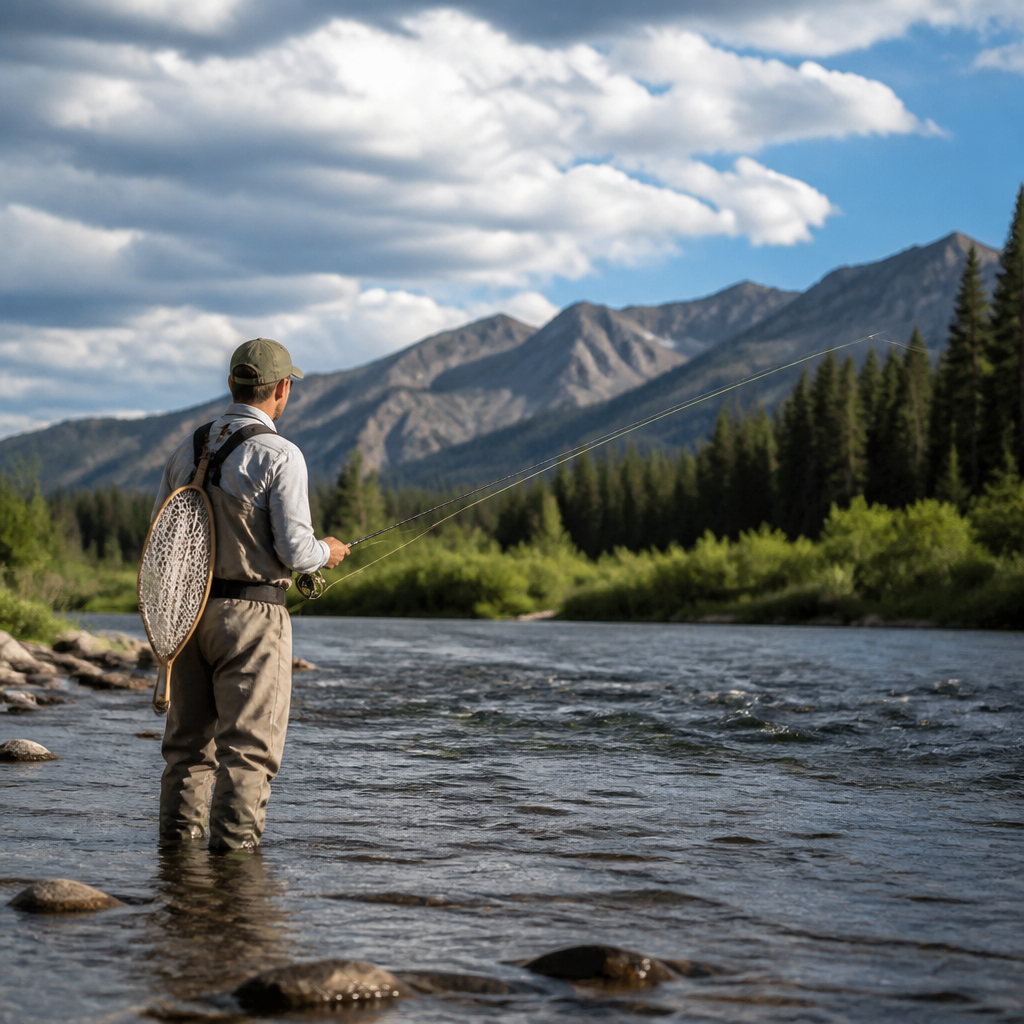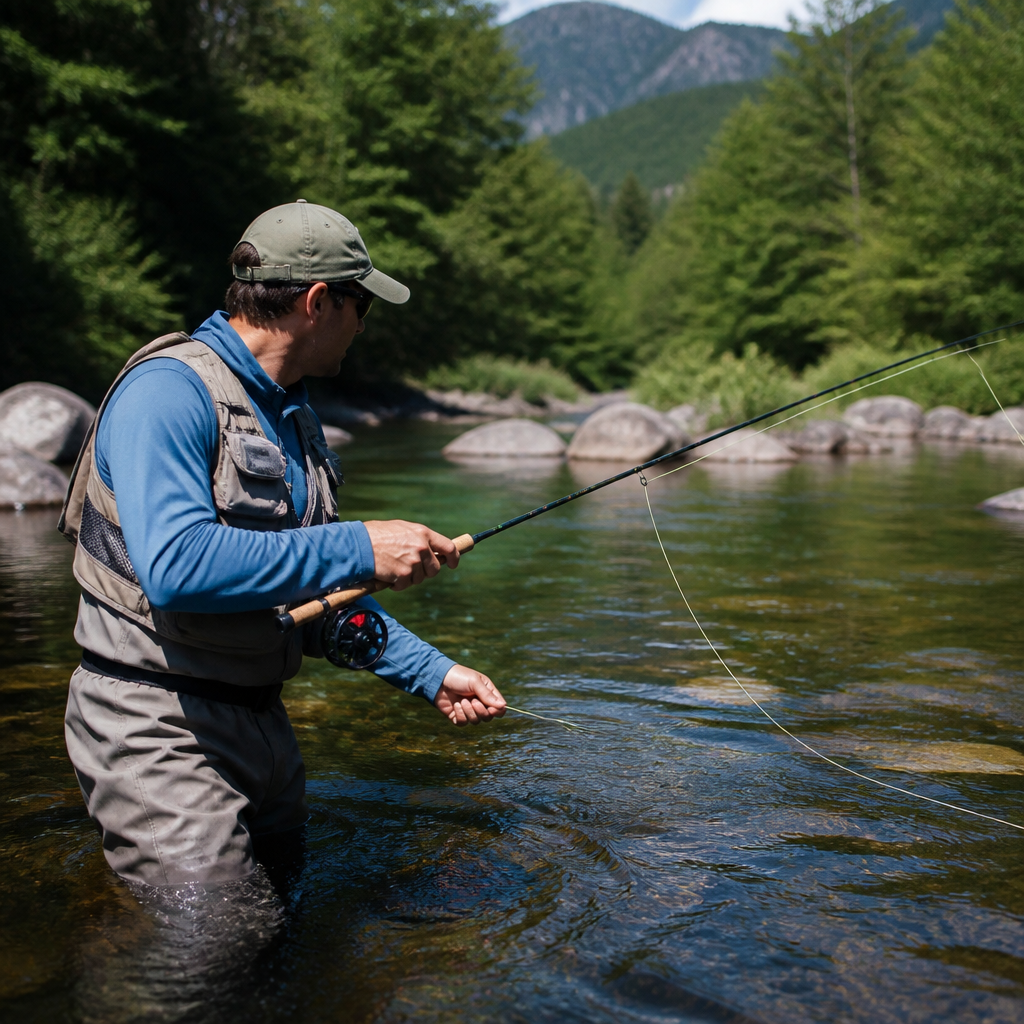
Short line nymphing is one of the most efficient ways to catch trout in moving water because it keeps the flies close, the drift controlled, and the strike detection immediate. In practical terms, short line nymphing means fishing weighted nymphs at close range with minimal fly line on the water, maintaining direct contact through a tight leader or lightly tensioned connection. Anglers also hear it called high sticking, contact nymphing, or tight line nymphing, though each label can imply slightly different rod angles, leader designs, and levels of weight. The core idea is constant: reduce slack, guide the flies naturally through the seam, and feel or see subtle takes before the fish rejects the fly.
This matters because trout feed below the surface most of the time. Aquatic insects such as mayflies, caddisflies, stoneflies, and midges spend most of their lives underwater, and trout key on those drifting food forms in runs, pockets, riffles, and slots. When I teach nymphing techniques on small and medium rivers, the biggest problem I see is not fly choice but connection. Anglers cast too far, mend too late, and lose touch with the flies. Short line nymphing solves that by shrinking the problem. At close range, you can control depth precisely, hold a productive lane for several feet, and set the hook with almost no delay.
As a hub within techniques and strategies, this guide covers the essential nymphing techniques every angler should understand through the lens of short line success. It explains where the method excels, how to rig it, how to read current, how to manage depth and weight, and how to adapt to different water types. It also clarifies the tradeoffs. Short line nymphing is deadly in pocket water, riffles, and broken currents, but it is not the best answer for every run or every fish. Knowing when to use it, and when to switch to indicator nymphing, euro style leaders, or streamers, is part of fishing it well.
For anglers building a complete approach to nymphing techniques, short line nymphing is the foundation. It teaches line control, drift control, strike detection, and current reading more clearly than almost any other tactic. Once you understand those fundamentals at fifteen to twenty feet, you can scale them to more specialized presentations with far better results.
What Short Line Nymphing Is and When It Works Best
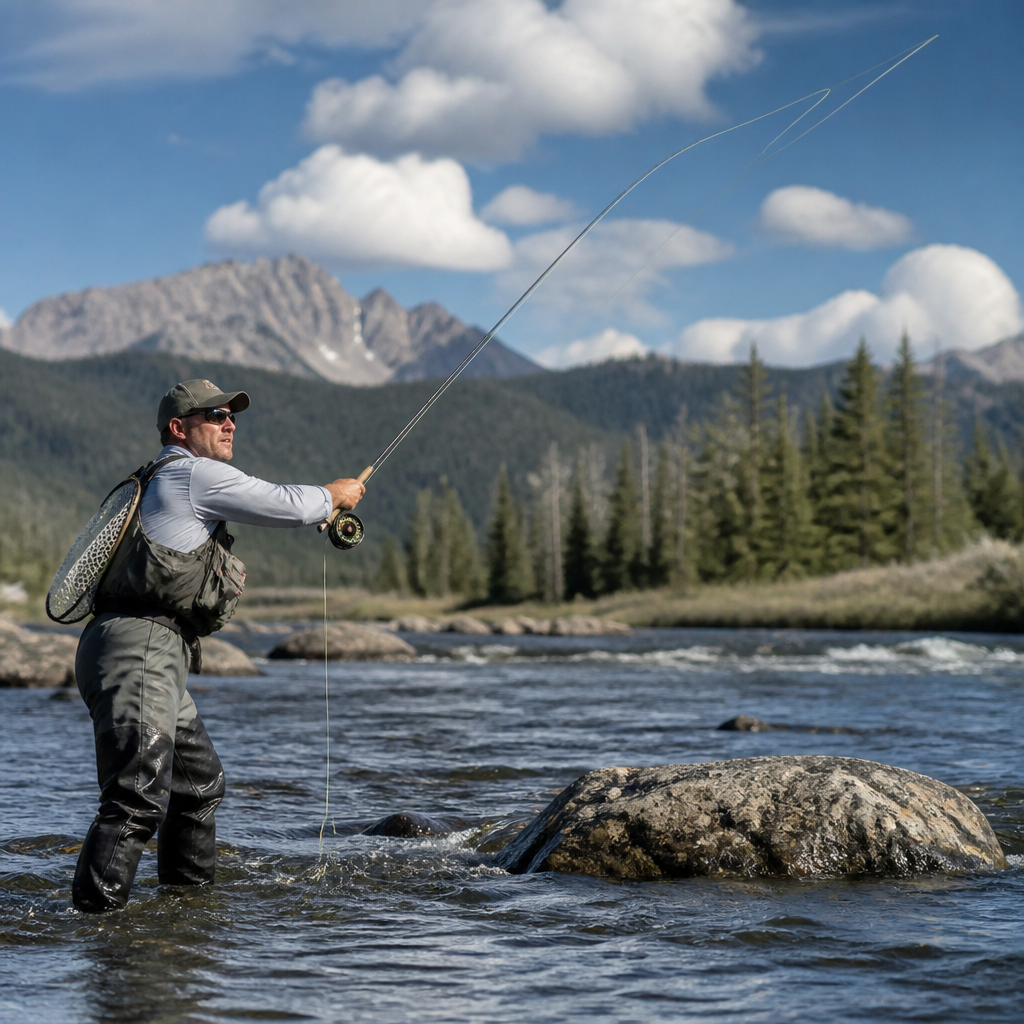
Short line nymphing is best defined as a close-range subsurface presentation that uses a rod-length or slightly longer leader, weighted flies or split shot, and controlled tension to drift naturally at the speed of the current near the bottom. Unlike long-range indicator fishing, the cast is usually a compact lob or tuck cast, not a full aerial loop. The goal is not distance. The goal is a dead drift with instant contact. In most situations, the rod stays high, the line stays off conflicting currents, and the flies lead through a narrow feeding lane.
The technique works best in pocket water, fast riffles, broken seams, plunge pools, and short runs where trout have limited time to inspect food. Those conditions reward precision more than delicacy. A trout holding behind a rock in twenty inches of chop is not studying your leader butt. It is looking for calories. By staying close, you can drop the flies into a feeding window the size of a dinner plate, maintain depth for the full drift, and pick up quickly for the next target. On freestone streams, that efficiency often means two or three times more useful drifts per minute than a standard indicator setup.
It also shines in complex current where surface speed and subsurface speed differ sharply. When belly in the fly line pulls an indicator, the nymphs skate or lift unnaturally. With short line contact, there is little floating line available for drag to form. That is why many competitive anglers rely on contact-based nymphing in fast, technical water. FIPS-style competition principles, especially tight control of leader angle and depth, have influenced modern short line systems even among anglers who never fish tournaments.
The limitation is reach. In broad, glassy runs or on the far seam of a large river, you may not be able to approach close enough without spooking fish. Slow water also exposes mistakes in shadow, wading noise, and leader flash. In those situations, an indicator, a longer tactical leader, or a dry-dropper can outperform a pure short line approach. Success starts with matching the method to the water, not forcing the same system everywhere.
Rigging for Depth, Contact, and Control
A dependable short line rig is simple, but every part serves a purpose. I prefer a nine- to ten-foot rod in weights two through four for trout, because extra length improves reach, line lifting, and strike cushioning without making close work clumsy. A floating line is standard, though in true short line fishing the fly line often never leaves the rod tip. The leader usually runs from seven and a half to twelve feet depending on rod length, water depth, and whether you want pure contact or a small visual aid such as sighter material.
For a basic trout setup, start with a stout butt section that turns over weight, then taper to a level tippet section fine enough for sink rate and natural drift. Many anglers use 3X to 5X fluorocarbon tippet because fluorocarbon sinks faster than nylon and resists abrasion around rocks. A two-fly rig is common: a heavier point fly to anchor the system and a lighter tag fly above it to cover a second depth or insect profile. Tungsten beads are especially useful because tungsten is denser than brass, allowing smaller flies to reach the strike zone quickly without excessive bulk.
Weight placement matters more than many anglers realize. If the flies are too light, they never enter the feeding lane near the bottom. If they are too heavy, they snag constantly and drift unnaturally. The right amount is usually just enough to tick the substrate occasionally, not plow it every second. On streams with legal restrictions or selective trout, split shot above the flies can still be effective, but integrated fly weight often lands softer and tracks more cleanly through turbulent pockets.
| Rig Element | Best Practice | Why It Helps |
|---|---|---|
| Rod length | 9 to 10 feet | Extends reach, improves line control, cushions light tippet |
| Tippet material | 3X to 5X fluorocarbon | Sinks quickly and handles abrasion around rocks |
| Point fly | Heavier tungsten nymph | Gets the rig down fast and stabilizes the drift |
| Tag fly | Lighter or smaller pattern | Covers a second food form or depth |
| Weight adjustment | Occasional bottom ticks | Indicates proper depth without constant snagging |
Common productive patterns include Pheasant Tail nymphs, Hare’s Ear nymphs, Perdigons, Walt’s Worms, Zebra Midges, and stonefly imitations such as Pat’s Rubber Legs in larger water. The exact fly matters less than profile, sink rate, and placement, but confidence patterns reduce hesitation. Keep your rig adjustable. If the drift is clean but unproductive, change weight first, depth second, and fly pattern third. That sequence solves more problems than random swapping.
Presentation Mechanics: Drift, Angle, and Strike Detection
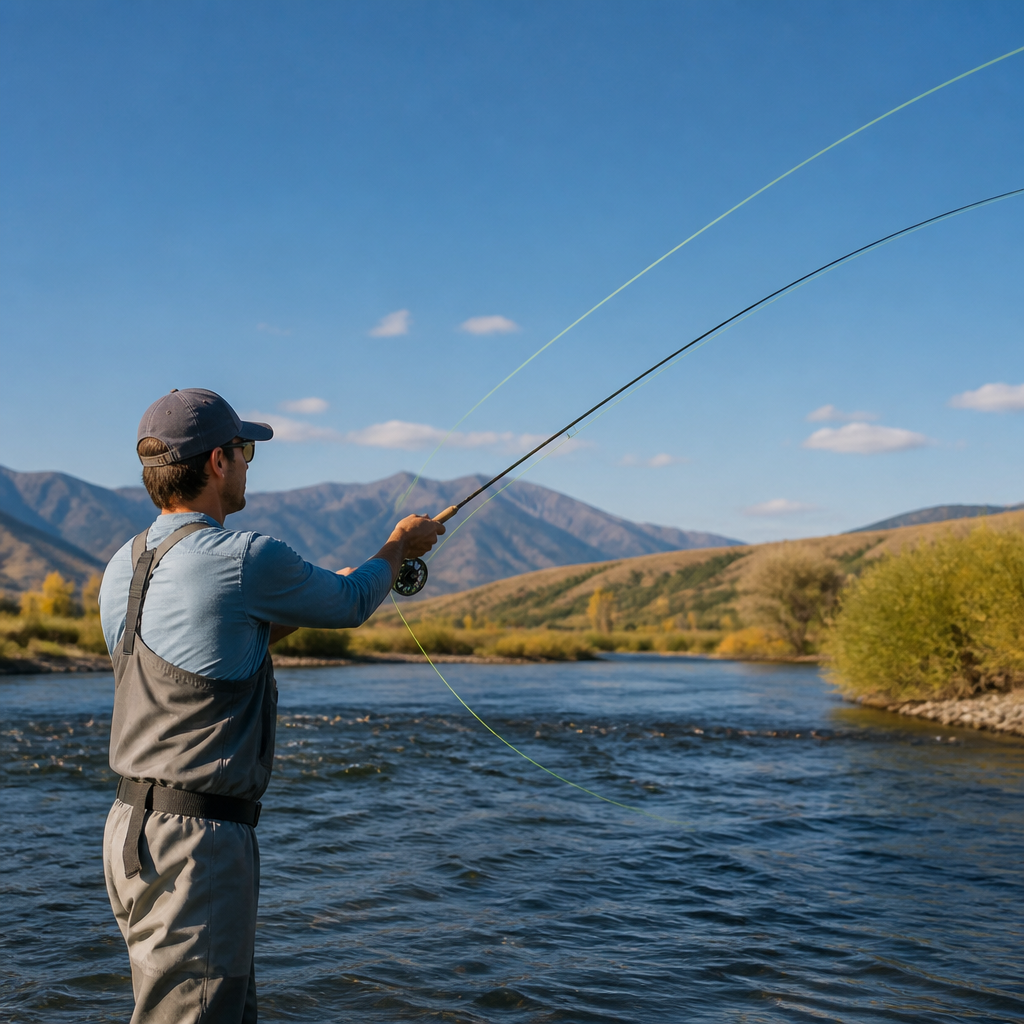
The cast in short line nymphing is usually a short tuck, flip, or controlled lob upstream or slightly up-and-across. As soon as the flies land, lift the rod enough to keep most of the leader off the water while preserving a natural drift. The ideal connection is taut enough to transmit contact but not so tight that the flies drag. Think guided slack: enough freedom for the nymphs to sink and drift, enough control to remove belly before it forms. Rod tip tracking should mirror the speed of the current lane you are fishing, not the faster water beside it.
Leader angle is a major key. If the rod tip gets ahead of the flies, you pull them. If it lags too far behind, slack hides strikes. In pocket water, I keep the rod nearly vertical and lead the drift by inches, not feet. In slightly longer seams, I lower the rod through the drift to extend contact time, then finish with a controlled lift. Many takes happen at the end, when the flies rise slightly like emerging insects. That subtle swing is not always a mistake; used intentionally, it is a trigger.
Strike detection in short line fishing is both visual and tactile. Watch the leader butt, any colored sighter section, the tip of the fly line if it is outside the rod, and the behavior of the rod tip itself. A hesitation, tiny stop, sideways tick, or sudden lightness can all signal a fish. Experienced anglers set on anything unusual because trout often eject a nymph in less than a second. The hook set is compact: a quick lift or firm sweep, not a dramatic overhead motion. Big hook sets move the flies too far and create tangles.
Because the rig is short, drift length is short too, but the number of quality drifts increases. That is the hidden advantage. Instead of one long mediocre drift, you make a series of exact presentations into each micro-lane around boulders, ledges, and depressions. Cover water methodically: near seam first, central slot second, far edge third. Take one step, repeat. This disciplined approach is how proficient anglers dissect a run and consistently contact fish that casual presentations miss.
Reading Water and Positioning for Better Fish
Short line nymphing rewards anglers who can read holding water in fine detail. Trout want three things: current that delivers food, shelter from excessive energy expenditure, and access to oxygen and security. In practical stream terms, that means the soft side of a seam, the cushion in front of a rock, the pillow behind it, the bucket below a plunge, the tongue entering a pool, and the depression at the edge of a riffle. In faster rivers, fish often hold surprisingly shallow if the broken surface provides cover.
Your position determines whether the drift enters those lies naturally. Approach from downstream when possible, stay low, and use the noisy water to hide movement. I have watched excellent anglers ruin productive pocket water by wading into the center immediately. In close-range nymphing, each step changes current lanes and pushes pressure waves ahead of you. Fish the near water first. The trout at your feet are often the least pressured and easiest to reach with a short leader. Once disturbed, they rarely reset quickly.
Casting angle should match the lie. For a rock pocket, a short upstream drop gives the flies time to sink before they pass the holding spot. For a seam beside heavy current, a slightly upstream and across angle lets you track the softer inside edge without the fast lane grabbing your leader. In plunge pools, dropping the point fly into the aerated head and following it through the bucket can produce immediate takes because food concentrates there. On tailouts and slicks, however, short line tactics become less forgiving, and stealth becomes the deciding factor.
Season also changes positioning. In winter, trout often stack in slower, deeper slots where metabolism is low and drifts need to be slower and closer to the bottom. In spring runoff, edges, softer banks, and inside bends become prime because fish avoid the heaviest current. Summer pocket water can be excellent early and late in the day, while autumn often brings fish into moderate riffles where oxygen and food are steady. The better you connect water type to trout behavior, the fewer wasted drifts you make.
Common Mistakes, Adjustments, and Hub-Level Next Steps
The most common mistake in short line nymphing is fishing too far away. Distance feels productive because it covers water, but contact deteriorates quickly as line and conflicting currents accumulate. The second mistake is insufficient weight. Anglers fear snagging, so they drift above the fish all day. Third is poor angle control: either leading too aggressively and dragging the flies, or allowing too much slack and reacting late. Fourth is moving too fast through good water. Pocket water demands repetition. One drift through a prime slot is rarely enough.
Adjustments should be systematic. If you are not touching bottom occasionally, add weight or increase sink rate with a denser point fly. If you are hanging up every drift, reduce weight, shorten the drift, or change the entry angle. If trout are tapping but not sticking, downsize the fly, sharpen the hook, or check whether the point fly is too heavy and causing unnatural movement. If fish refuse in clear, slow water, lengthen the leader, lighten tippet, and increase your distance. Successful nymphing techniques are iterative, not rigid.
As the hub page for nymphing techniques, this subject connects naturally to several related methods. Indicator nymphing expands reach on bigger water and helps suspend lighter flies. Tight line systems with longer leaders and specialized sighters extend contact beyond classic high sticking. Czech, Polish, French, and Spanish competition-influenced approaches each emphasize different leader formulas, casting ranges, and drift styles. Split shot rigs, drop-shot adaptations where legal, and dry-dropper systems all solve specific depth and current problems. Mastering short line fundamentals makes each of those methods easier to learn because the shared principles are depth control, drag reduction, and precise strike response.
Short line nymphing succeeds because it simplifies the hardest parts of subsurface fly fishing. It keeps you connected to the flies, keeps the drift in the feeding lane, and exposes mistakes quickly enough to fix them. Start close, read the current carefully, weight the rig to tick bottom now and then, and track every drift with intent. If you want to improve your nymphing techniques across the board, begin here, then build outward into the specialized approaches that fit your home water and target trout.
Frequently Asked Questions
What is short line nymphing, and how is it different from standard indicator nymphing?
Short line nymphing is a close-range method of fishing weighted nymphs in current while keeping very little fly line on the water and maintaining near-direct contact with the flies. Instead of casting far upstream and watching a bobber-style indicator drift downriver, the angler typically stands within effective reach of the target seam, leads the drift with the rod tip, and uses a tight leader or lightly tensioned connection to control depth, speed, and strike detection. The goal is simple: reduce slack, stay connected, and let the nymphs drift naturally where trout feed.
The biggest difference from standard indicator nymphing is contact. With an indicator rig, there is often more fly line on the water, more slack between the rod tip and the flies, and a greater reliance on the indicator to show subtle takes. With short line nymphing, you feel or visually detect strikes through leader movement, hesitation, or tension changes almost immediately. That direct connection makes the method extremely effective in pocket water, riffles, runs, and other moving-water situations where trout hold close to the bottom and the current changes quickly over short distances.
It is also different in terms of control. Because you are closer to the flies, you can make micro-adjustments to drift angle, lead speed, and rod position during each presentation. That allows for better bottom contact without constant snagging, cleaner drifts through complex currents, and much faster response when a fish eats. In practice, short line nymphing overlaps with techniques often called high sticking, contact nymphing, and tight line nymphing. While some anglers use those terms interchangeably, they all center on the same core principle: fish close enough, and connected enough, to manage the drift precisely and detect takes instantly.
What gear works best for short line nymphing?
The best gear for short line nymphing is gear that helps you stay connected, control the drift, and keep the flies in the strike zone without unnecessary slack. A rod in the 10- to 11-foot range is especially useful because the added length makes it easier to reach over conflicting currents, hold more line off the water, and guide the drift at close range. Lighter line weights, especially 2- to 4-weight rods, are popular because they protect light tippets well and make repetitive close-range presentations less tiring, but many anglers do just fine with a 5-weight if that is what they already own.
Your leader setup matters at least as much as the rod. A long leader allows you to fish weighted nymphs effectively with minimal fly line out of the rod tip. Many anglers prefer a dedicated tight-line leader system that includes a butt section, a thinner transition section, a highly visible sighter, and a tippet ring leading to the final tippet. The sighter is especially important because many strikes are seen rather than felt; if it twitches, stalls, straightens, or darts unexpectedly, it is often time to set the hook. Fluorocarbon tippet is commonly used because it sinks well and resists abrasion, though strong nylon can also work depending on conditions.
As for flies, short line nymphing generally works best with patterns that sink quickly and maintain depth through changing current speeds. Tungsten-bead nymphs are a staple because they get down fast and help establish consistent contact. You can fish a single nymph or a two-fly rig depending on regulations and water complexity. The key is matching the amount of weight to water depth and speed. Too little weight, and you drift above the fish; too much, and you snag constantly. Overall, the ideal setup is one that balances reach, sensitivity, depth control, and simplicity so you can react quickly and fish efficiently.
How close should you stand to the fish when short line nymphing?
One of the biggest misconceptions about short line nymphing is that “short line” means standing right on top of trout. In reality, it means fishing at a distance close enough to maintain direct contact and precise drift control, but still far enough away to avoid spooking fish. That distance varies with water clarity, current speed, stream size, and trout behavior. In broken water such as riffles, pocket water, and choppy runs, you can often approach more closely because surface disturbance and current turbulence conceal your presence. In slow, clear water, trout may be much more sensitive, and you may need to stay farther back while still keeping your leader system tight and manageable.
A good rule is to get as close as conditions allow without compromising stealth. Approach from downstream or slightly off-angle whenever possible, move slowly, and avoid sudden rod flashes or heavy wading pressure. Your first drift through a likely lie is often your best one, so positioning matters. If you are too far away, you lose contact and the technique starts behaving more like conventional nymphing. If you are too close, you may put fish down before the flies ever enter the feeding lane. The sweet spot is where you can lead the flies with the rod tip, keep most of the fly line off the water, and still present naturally without alerting trout.
In practical fishing terms, many short line presentations happen within a rod length or two of the target seam, but that is not a fixed measurement. The smarter approach is to let the water dictate distance. Fast water usually lets you work closer; flat, clear water demands more caution. If your drifts are controlled, your sighter remains readable, and the flies stay in contact with the bottom zone without dragging unnaturally, you are probably standing at an effective distance. Successful short line nymphing is less about exact feet and more about balancing stealth with connection.
How do you detect strikes and know when to set the hook?
Strike detection in short line nymphing is one of the main reasons the method is so effective. Because there is very little slack between the rod tip and the flies, takes often transmit as subtle visual or tactile cues. You may feel a tiny tap, but more often you will see the sighter hesitate, jump, dip, tighten, or stop in a way that does not match the current. Sometimes the only sign is that the drift seems to slow for a split second. In moving water, trout often eat and reject a nymph quickly, so those minor anomalies matter.
The best habit is to assume that anything unusual could be a fish. If the leader twitches, if the sighter stalls, if the flies seem to stop earlier than expected, or if the drift suddenly tightens below you, make a hook set. It does not need to be a violent, sweeping motion. A compact, quick lift or controlled upstream set is usually enough. Short line nymphing rewards disciplined reactions because the cost of setting on a rock or empty drift is low, while the cost of hesitating on a real eat is often a missed trout.
Experience helps you learn the difference between bottom contact and a strike, but even skilled anglers set the hook frequently just to be safe. Bottom contact often feels rhythmic or heavy, while a fish may create a sharper pause or living resistance, but there is plenty of overlap. That is why good anglers stay mentally engaged through every inch of the drift. Watch the leader, watch the sighter, maintain light tension, and expect a take at any moment. If you are asking yourself whether it was a fish, the correct answer most of the time is to set the hook.
What are the most important tips for success with short line nymphing?
The first and most important tip is to prioritize drift control over distance. Short line nymphing is not about covering as much water as possible with long casts; it is about covering likely holding water thoroughly with clean, controlled presentations. Focus on short, accurate casts or lobs upstream and slightly across, then immediately lead the flies with the rod tip as they sink and drift. Keep enough tension to stay connected, but not so much that you pull the flies off their natural path. That balance between contact and drag is where success lives.
Second, pay close attention to weight and depth. Most failures with this technique come from fishing too high in the water column or using a setup that never truly gets into the feeding lane near the bottom. Trout in moving water commonly hold low, where the current is softer and food funnels naturally. If you are not occasionally ticking the bottom, you may need more weight, a different angle, or a longer drift before leading. On the other hand, if you are snagging every cast, reduce weight slightly or raise the rod tip and slow your lead. Efficient short line nymphing depends on staying near the bottom with control, not simply dredging blindly.
Third, fish methodically and read small targets. This technique excels in seams, pockets, current tongues, slots beside rocks, and short feeding lanes that are difficult to cover well with looser presentations. Break the water into small pieces and give each likely lie multiple high-quality drifts from slightly different angles. Finally, commit to active strike response. Stay focused, watch the leader system constantly, and set on anything suspicious. The anglers who do best with short line nymphing are usually the ones who combine stealth, precise positioning, good weight selection, and relentless attention through every drift. It is a highly