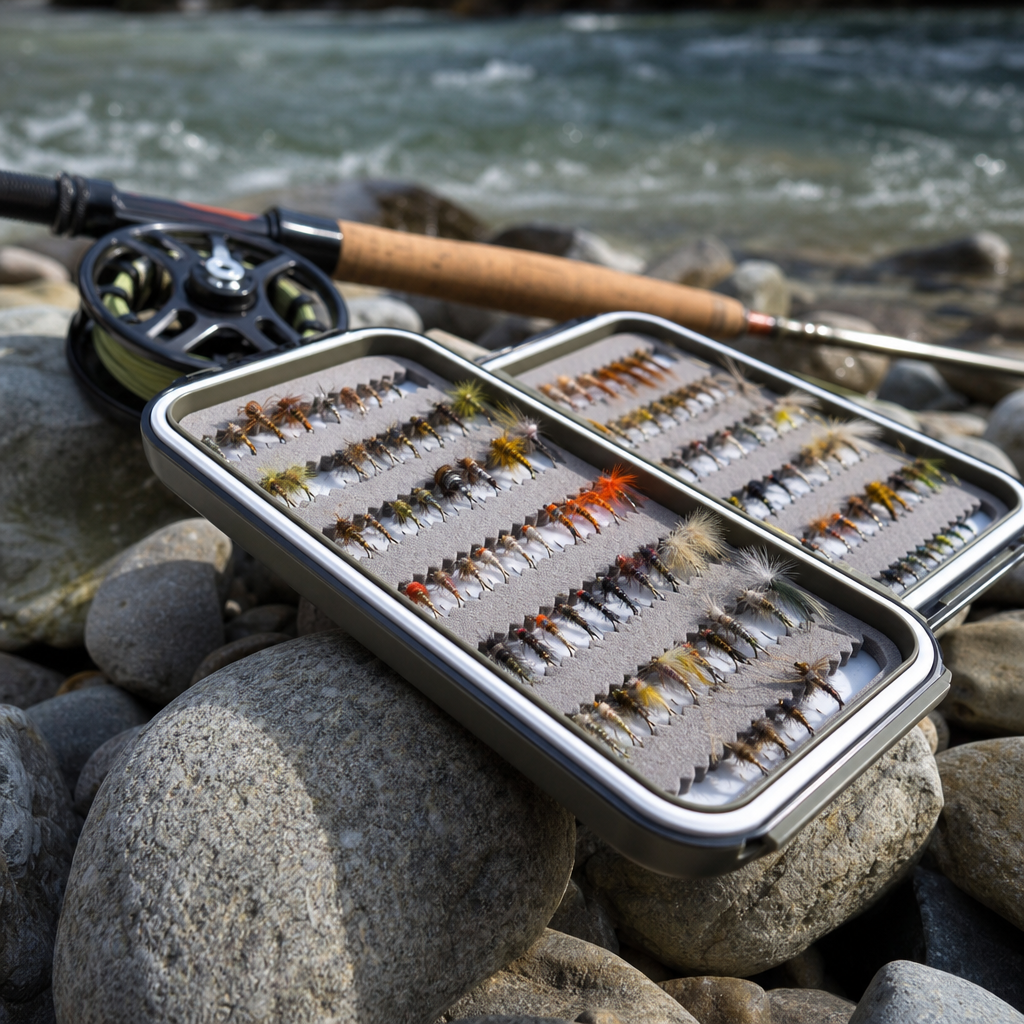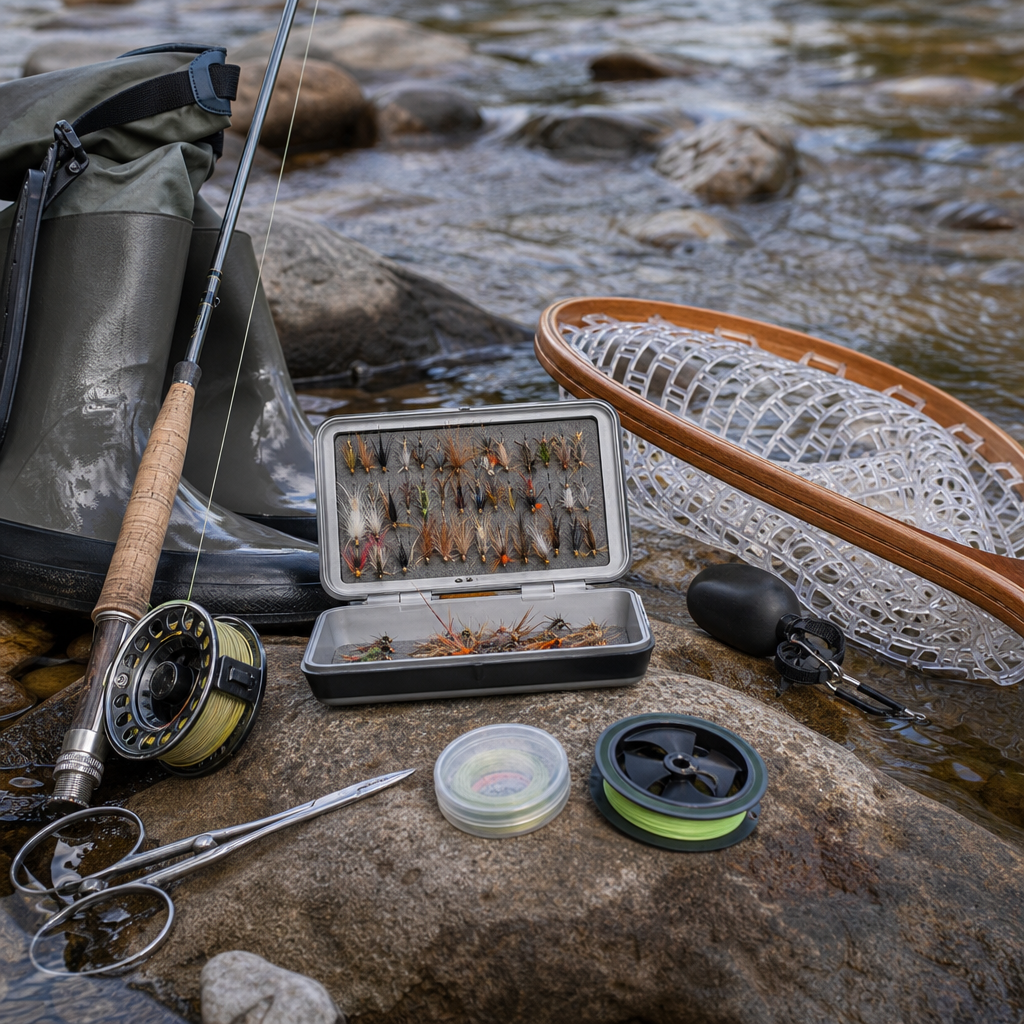
Choosing the best fly patterns for carp fishing starts with understanding how carp actually feed, where they spend time, and why a pattern that looks impressive in a fly box can fail completely on the water. Carp are not selective in the same way trout can be during a hatch, but they are highly observant, easily pressured, and quick to reject flies that land hard, ride unnaturally, or move without a convincing trigger. In my experience guiding warmwater and urban flats style water, success with carp flies depends less on perfect imitation and more on profile, sink rate, hook orientation, and how well the pattern matches a fish’s feeding posture. That is why any serious discussion of fly reviews for carp has to go beyond naming a few favorites. A useful hub article should explain what each category of fly does, when to fish it, how to choose between materials and weights, and what tradeoffs matter when you are buying or tying patterns for mudding fish, tailing fish, cruising fish, and pressured fish in clear water.
Carp fly patterns generally fall into several practical groups: bottom food imitations such as crayfish, damsel nymphs, dragonfly nymphs, and generic nymphs; worm and leech style flies for soft presentations; and hybrid attractors designed to suggest multiple food sources without looking wrong. Key terms matter here. A carp fly is usually tied on a strong, short-shank hook, often rides hook point up, and is weighted lightly enough to sink without spooking fish. Lead eyes, bead chain, tungsten putty, dubbing loops, rabbit strips, rubber legs, and chenille all influence how a fly behaves after the cast. The best carp flies are not always the most detailed. They are the ones that enter quietly, settle naturally, and stay in the feeding window long enough for the fish to tip down and inhale. That matters because carp fishing on the fly is a game of short opportunities. When a fish enters a root line, edges into silt, or starts tailing over gravel, you may have only one cast and one strip to earn a take. A hub covering fly reviews has to help anglers choose patterns that stack the odds in those moments.
Fly choice matters even more because carp inhabit radically different water types. A pattern that excels on weedy lakes can be frustrating on clean reservoirs. An unweighted hybrid may be perfect for laid-up fish in inches of water but useless when a feeding fish is rooting in six feet. Reviews should therefore assess not just whether a fly catches carp, but what conditions it is built for: bottom composition, water clarity, average casting distance, current speed, and the fish’s mood. The sections below break down the best fly patterns for carp fishing by function, not hype, so you can build a compact box that covers real situations and make smarter decisions when reading individual fly reviews across this topic.
How to evaluate carp flies before you buy or tie them
The first thing I look at in any carp fly review is hook quality. Carp are powerful fish with dense mouths, and cheap hooks cost landed fish. Strong models from Gamakatsu, Ahrex, Tiemco, and Fulling Mill hold up better than generic hooks that open under side pressure. Hook gap matters too. Bulky materials can choke the point and reduce penetration, especially on flies tied with rabbit or heavy dubbing collars. Second, I check balance. Many carp flies are designed to ride point up using bead chain or lead eyes, but not all invert consistently. If the fly rolls on the strip or lands upside down, it will snag more and hook less cleanly. Third, I assess sink rate. A good carp fly drops quickly enough to reach the fish but not so fast that it punches into silt or crashes beside the target.
Material choice is more important than many reviews admit. Rabbit breathes beautifully and triggers fish, but it holds water, casts heavier, and can foul around the hook bend. EP fibers and craft fur shed water and cast easily, but they may lack the same lifelike pulse at rest. Rubber legs are excellent strike triggers on crayfish and nymph patterns, yet too many can create a gaudy silhouette in clear, pressured water. Color should be judged practically. Carp often respond best to black, brown, tan, olive, rust, and muted orange because these colors suggest common food items and maintain contrast against varying bottoms. Bright chartreuse can work as an attractor, but on hard-fished urban ponds it often looks artificial.
Another review criterion is how forgiving the fly is in real presentations. Some patterns only work if they land perfectly and are stripped with exact timing. Others produce over a wider range of mistakes, which makes them better choices for anglers still learning to lead moving fish or manage depth. Durability also deserves attention. Carp often eat in abrasive environments: rocks, mussels, riprap, and timber. UV resin heads, reinforced wraps, and durable synthetic dubbing can keep a fly effective through multiple fish. When I recommend a pattern, I want it to survive a day, not a single eat.
Best bottom-feeding patterns for tailing and mudding carp
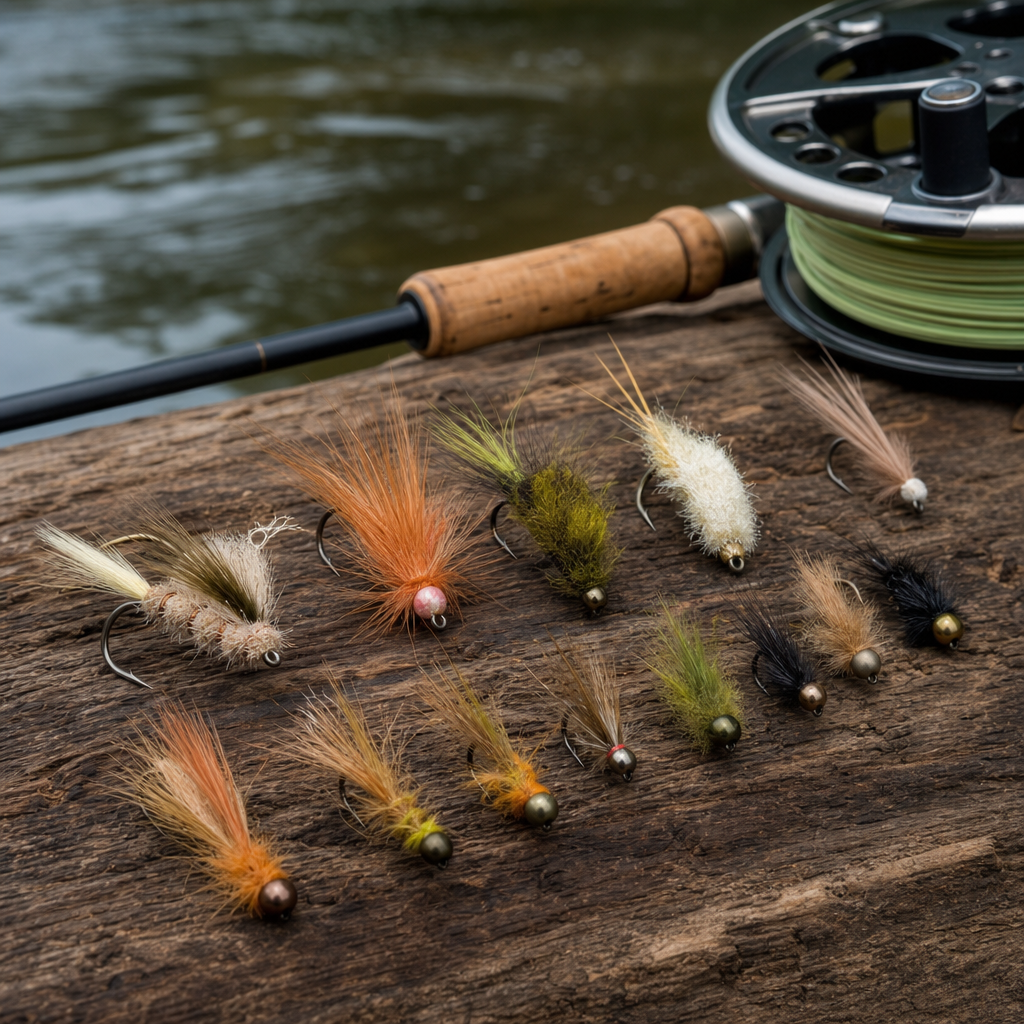
Bottom-oriented flies are the backbone of effective carp fishing because many carp spend most of their feeding time rooting for nymphs, crayfish, snails, worms, and detritus-bound protein. The classic examples are Backstabber-style flies, Carp Bitter variations, hybrid nymph-crayfish patterns, and lightly weighted damsel or dragon nymphs. These flies excel when fish are tailing, puffs of mud mark active feeding, or the carp’s head angle tells you it is working the bottom rather than cruising. The defining features are a hook-up posture, subtle movement, and compact profile. Most productive versions are tied in size 4 to 8, with bead chain for shallow water and lead or tungsten options for deeper presentations.
Backstabber-style patterns became influential for good reason. Their rear-positioned eyes invert the hook while allowing a soft entry and a realistic nose-down posture on the pause. In the water, they suggest a fleeing crayfish or disturbed nymph without overcommitting to one exact prey form. Carp Bitter patterns, by contrast, are usually slimmer and more nymph-like, making them excellent for clear flats where fish reject bulky flies. I have seen pressured carp slide three feet to inspect a sparse olive Bitter, then ignore a heavier crayfish pattern cast to the same lane. The difference was not realism in a museum sense. It was the quieter entry and less threatening profile.
| Pattern type | Best situation | Typical colors | Main advantage |
|---|---|---|---|
| Backstabber style | Tailing fish in shallow mud or sand | Tan, rust, olive | Rides hook up and lands softly |
| Carp Bitter style | Clear, pressured flats | Olive, brown, black | Slim profile with subtle movement |
| Crayfish hybrid | Rocky banks and weed edges | Rust, brown, muted orange | Strong trigger response from larger fish |
| Damsel or dragon nymph | Vegetated lakes and margins | Olive, tan | Natural match for common stillwater prey |
When reviewing these flies, ignore marketing photos and focus on how they fish. If a fly has oversized claws, too much flash, or heavy lead eyes for ankle-deep water, it is solving the wrong problem. The best bottom-feeding carp patterns move only a little when stripped one to three inches, then settle immediately into a posture a feeding fish can trust. That single design trait catches more carp than decorative complexity.
Worm, leech, and buggy attractor patterns that save slow days
Not every carp is tailing aggressively. On difficult days, fish may cruise slowly, suspend off shallow breaks, or feed so lightly that traditional crayfish patterns look too busy. This is where worm flies, leech patterns, San Juan variants, and buggy attractors earn permanent space in a carp box. They are especially effective after rain, during falling water, on soft-bottom ponds, and anywhere terrestrial wash-in or annelid life is common. Carp are opportunists. A simple chenille worm or rabbit leech can outperform a carefully tied imitation because it is easy to see, easy to inhale, and believable across many habitats.
The best worm patterns for carp are usually short, sparse, and lightly weighted. Long, floppy versions invite short takes and foul around the bend. Colors such as red, wine, pink, rust, and brown all work, but local water color influences contrast. In stained urban ponds, red and wine stand out. On clear flats, tan or brown often looks more natural. Leech-style flies tied with pine squirrel, rabbit zonker, or marabou can be deadly when carp are cruising slowly along reeds or undercut banks. A one-inch strip followed by a pause gives these materials enough life to suggest vulnerable prey without alarming the fish.
Buggy attractors deserve more respect in fly reviews because they bridge the gap between imitation and trigger. Patterns with dubbing brushes, rubber legs, and a compact thorax can represent a nymph, a drowned beetle, a juvenile crayfish, or simply something edible stirring on the bottom. That ambiguity is useful. Carp rarely inspect prey with scientific precision; they decide based on movement, placement, and confidence. On tough days, confidence patterns matter. I have watched fish refuse five exact presentations with a dark crayfish, then eat a plain black woolly bugger-style hybrid dropped farther ahead and barely moved. The attractor won because it looked alive and nonthreatening in the feeding lane.
How fly patterns change with water depth, clarity, and pressure
The same fly can be excellent or useless depending on depth, clarity, and fishing pressure. In water less than two feet deep, unweighted or bead-chain patterns are usually best because they land quietly and do not bury in silt. In three to six feet, moderate weight becomes necessary to reach fish before they move on. In reservoirs or canals with current, heavier eyes may be the only way to maintain contact and present near bottom. Depth is therefore not a minor detail in carp fly selection; it dictates design. Many disappointing fly reviews come from anglers fishing the right pattern in the wrong weight.
Water clarity changes both color and bulk. In clear water, I prefer sparse materials, natural shades, and smaller hooks because carp can inspect the fly closely. In stained water, I increase contrast with black, rust, or dark olive and choose patterns that push more water through rubber legs or rabbit movement. Pressure also matters. Carp in public parks and flood-control ponds often see repeated casts from conventional and fly anglers. These fish respond better to flies with cleaner silhouettes and less flash. On remote farm ponds, the same carp may crush larger crayfish patterns with no hesitation.
Season plays a role as well. In spring, carp often feed aggressively on nymphs and emerging aquatic life in warming shallows, making olive and tan nymph patterns reliable. Summer brings abundant crayfish, damselflies, and terrestrial inputs, so broader pattern categories work. In fall, many fisheries see carp feeding heavily before cooling water slows metabolism, and darker flies can create excellent visibility on low-angle light days. Matching these variables is what separates a useful carp fly collection from a random assortment of internet favorites.
Building a practical carp fly box and using reviews wisely
If you want one box that covers most carp situations, keep it disciplined. Start with three bottom flies in tan, olive, and rust, each in two weights. Add two slim nymph-style patterns for clear water, two worm patterns in natural and high-contrast colors, and two leech or buggy attractor flies for cruising fish. Carry duplicates. Carp flies are lost to reeds, rocks, and poor casts, and confidence drops fast when your last effective pattern is gone. For hook sizes, 4, 6, and 8 cover most fisheries. Larger hooks can work for big crayfish profiles, but many anglers fish too large too often.
Use fly reviews as filters, not commandments. Look for comments on sink rate, landing softness, hook strength, and whether the pattern tracks true on short strips. Pay attention to the reviewer’s water type. A glowing review from someone fishing grassy Florida flats may not translate directly to a rocky Midwest reservoir or a silty urban pond in the Northeast. The best reviews explain failure as well as success. If a fly is excellent for tailing fish but poor for cruisers, that is valuable information. So is knowing whether a pattern requires precise line control, or whether it still fishes well when your cast lands a foot farther than planned.
The best fly patterns for carp fishing are the ones that solve specific presentation problems while remaining believable to a wary fish. Build your box around function: bottom feeders for tailers, slim nymphs for pressured water, worms and leeches for slow days, and a few buggy hybrids when you need versatility. Then test them honestly in your own fisheries and refine by results, not brand loyalty. If you are expanding deeper into fly reviews, use this hub as your starting point, compare patterns by condition and design, and stock the flies that help you put the right answer in front of the next feeding carp.
Frequently Asked Questions
What are the best fly patterns for carp fishing in most situations?
The best fly patterns for carp fishing are usually simple, natural-looking flies that imitate the foods carp already expect to find on the bottom or in the shallows. In most waters, that means patterns representing crayfish, small baitfish, dragonfly nymphs, damselfly nymphs, leeches, worms, and general aquatic bugs. Carp are not usually looking for a perfectly exact imitation the way a trout might key on a specific hatch, but they are extremely good at noticing whether a fly behaves like real food. That is why dependable carp flies tend to be lightly weighted, muted in color, and designed to land softly and settle naturally.
Some of the most reliable patterns include hybrid crab and crayfish styles, chenille-based bug patterns, small woolly bugger variations, worm flies, and carp-specific nymphs tied with rubber legs, rabbit strips, or subtle dubbing. Olive, brown, rust, black, tan, and muted orange consistently produce because they match common forage and do not look out of place. In clear or pressured water, drab and sparse flies often outperform flashy patterns. In stained water, a slightly darker profile or a bit more movement can help fish find the fly without making it look unnatural.
What makes a fly one of the best patterns for carp is not just its shape, but how it enters the water, how quickly it sinks, and how it moves after the cast. A fly that crashes down, hangs unnaturally, or requires too much stripping can get refused immediately. The best patterns allow you to present close to feeding fish, let the fly settle into the strike zone, and then trigger a response with minimal movement. If you had to narrow your box to a handful of proven options, carry a few buggy nymphs, a soft crayfish imitation, a worm pattern, and a small leech or baitfish-style fly in natural colors. That selection covers the majority of real-world carp situations.
Why do carp reject certain fly patterns even when they seem interested?
Carp often reject fly patterns because something about the presentation tells them the object is not real food. Many anglers mistake a close look or a slight turn toward the fly as a sign that the pattern is working, but carp inspect flies carefully and can refuse them at the last second for reasons that are not always obvious. The most common problems are a fly landing too hard, sinking too fast, riding hook-point down in an unnatural way, or moving in abrupt, unconvincing bursts. Even a good pattern can fail if it does not behave naturally once it hits the water.
Another major reason for refusals is that the fly does not match the carp’s feeding mood. A tailing carp rooting in the mud usually wants something on or near the bottom that can be eaten with very little effort. A cruising carp may ignore a bottom-hugging pattern unless it crosses its path with perfect timing. Fish in heavily pressured urban ponds, park lakes, and shallow flats often become conditioned to anything that looks too bulky, too bright, or too synthetic. In those situations, downsizing the fly, reducing flash, and using softer materials can dramatically increase eats.
Hook placement and weight distribution matter as well. If the fly flips over, snags grass, or lands at an angle that does not resemble prey, carp may inspect it and slide away. Sometimes the issue is not the pattern itself but where it is presented. A fly dropped directly on the fish’s head will often spook it, while the same fly placed gently a few inches ahead of the fish may be eaten immediately. In practical terms, carp refusals usually point to one of three issues: the fly is too heavy or loud, the movement is wrong, or the pattern does not fit what the fish is doing at that moment. Fine-tuning those details is what turns follows into actual eats.
Should I use crayfish, worm, nymph, or baitfish patterns for carp?
You should choose among crayfish, worm, nymph, and baitfish patterns based on where the carp are feeding and what behavior you are seeing. If fish are tailing, tipping down, or puffing mud from the bottom, a crayfish, worm, or nymph pattern is usually the right starting point. These flies imitate the most common bottom-oriented foods carp root out in shallow water. Crayfish patterns are especially effective around rocky banks, riprap, and weedy edges where carp routinely hunt larger prey. Worm flies shine after rain, in soft-bottom ponds, and anywhere natural worms or annelids may wash into the water. Nymph patterns are excellent all-around choices because they suggest many different food forms without needing to be overly specific.
Baitfish patterns can work very well, but they are usually more situational. While carp are often thought of as strict bottom feeders, larger fish in particular can opportunistically eat minnows and other mobile prey. A baitfish fly makes the most sense when you see carp cruising with intent, feeding higher in the water column, or responding to movement rather than rooting behavior. In clearer water, small and understated baitfish flies generally outperform oversized streamers. The key is to keep them subtle enough that they do not appear aggressive or unnatural.
For most anglers, nymphs and worm-style patterns are the best everyday tools because they are versatile, easy to present softly, and effective in a wide range of water types. Crayfish patterns become a top choice when fish are clearly hunting larger bottom prey or when the habitat supports them. Baitfish patterns are worth carrying for select moments, especially with bigger carp in canals, lakes, and urban systems where fish often adapt to available forage. Rather than thinking in rigid categories, it is better to read the fish first and then pick the fly type that matches the depth, speed, and feeding posture you are seeing.
What colors and sizes work best for carp flies?
The most productive colors for carp flies are usually natural, muted tones that blend into the environment and resemble real forage. Olive, brown, rust, tan, black, and dark orange are consistent producers across a wide range of fisheries. These colors suggest crayfish, aquatic insects, worms, and leeches without appearing too bold or artificial. In clear water and on pressured fish, duller shades tend to get more confidence from carp because they look familiar and non-threatening. Bright chartreuse, heavy flash, and overly decorative materials can occasionally trigger a reaction, but more often they reduce realism and increase refusals.
Fly size is just as important as color, and many anglers fish patterns that are too large. Carp can eat substantial prey, but in shallow water they often respond better to moderate or small patterns that land softly and are easy to inhale. Sizes in the #4 to #10 range cover most carp situations, with #6 and #8 being especially versatile. Larger flies can work when imitating crayfish or when targeting very big fish in stained water, but they should still remain balanced and easy to cast accurately. Smaller patterns are often deadly when carp are pressured, spooky, or feeding selectively in calm conditions.
The best approach is to match size and color to water clarity, forage, and fish behavior. In muddy or stained water, darker flies create a stronger silhouette and help fish locate the fly without needing extra flash. In clear water, slim profiles and subdued tones usually win. If fish are following but not eating, downsizing is often the first adjustment to make. If they seem unable to find the fly, increasing contrast instead of overall bulk is usually smarter. Successful carp anglers rely on a narrow palette of confidence colors and a range of practical sizes rather than carrying dozens of overly specialized patterns.
How should I present carp flies so the pattern actually gets eaten?
Presentation is often more important than the exact pattern when targeting carp. Even the best fly patterns for carp fishing will fail if they are delivered poorly. The goal is to place the fly where the fish can discover it naturally, without alarming the fish or forcing it to make an unrealistic move. For tailing or feeding carp, that usually means dropping the fly softly a few inches to a few feet ahead of the fish, depending on depth, speed, and visibility. The fly should settle into the carp’s feeding lane and sit where the fish expects food to be. If the cast lands too close, too hard, or directly on top of the fish, the opportunity is often over immediately.
Once the fly is in position, less movement is usually better. Carp often prefer a subtle twitch, a tiny strip, or just enough motion to suggest a living creature trying to escape. Overstripping is a common mistake. Fast, repeated movement makes the fly look wrong and can pull it out of the feeding window before the fish commits. Watch the fish carefully instead of focusing only on the fly line. If the carp tips down, flares its gills, shifts direction slightly, or stops over the fly, those are often signs it has eaten or is about to eat. Because takes can be extremely subtle, many successful anglers use a slow strip set rather than a hard trout-style lift.
Angle and timing matter too. Presenting from the side or slightly ahead is usually more effective than bringing the fly straight at the fish. For cruising carp, lead the fish enough that it encounters the fly without having to chase it. For stationary or mudding