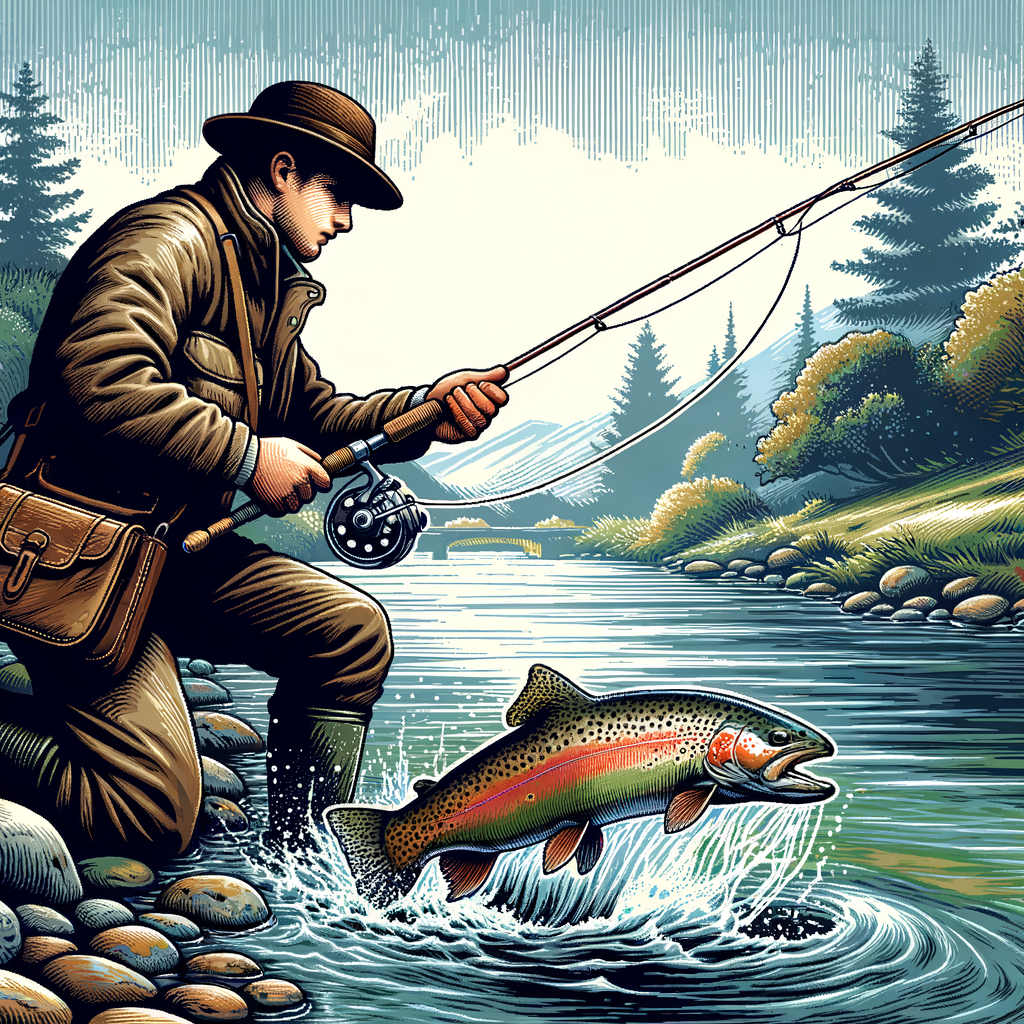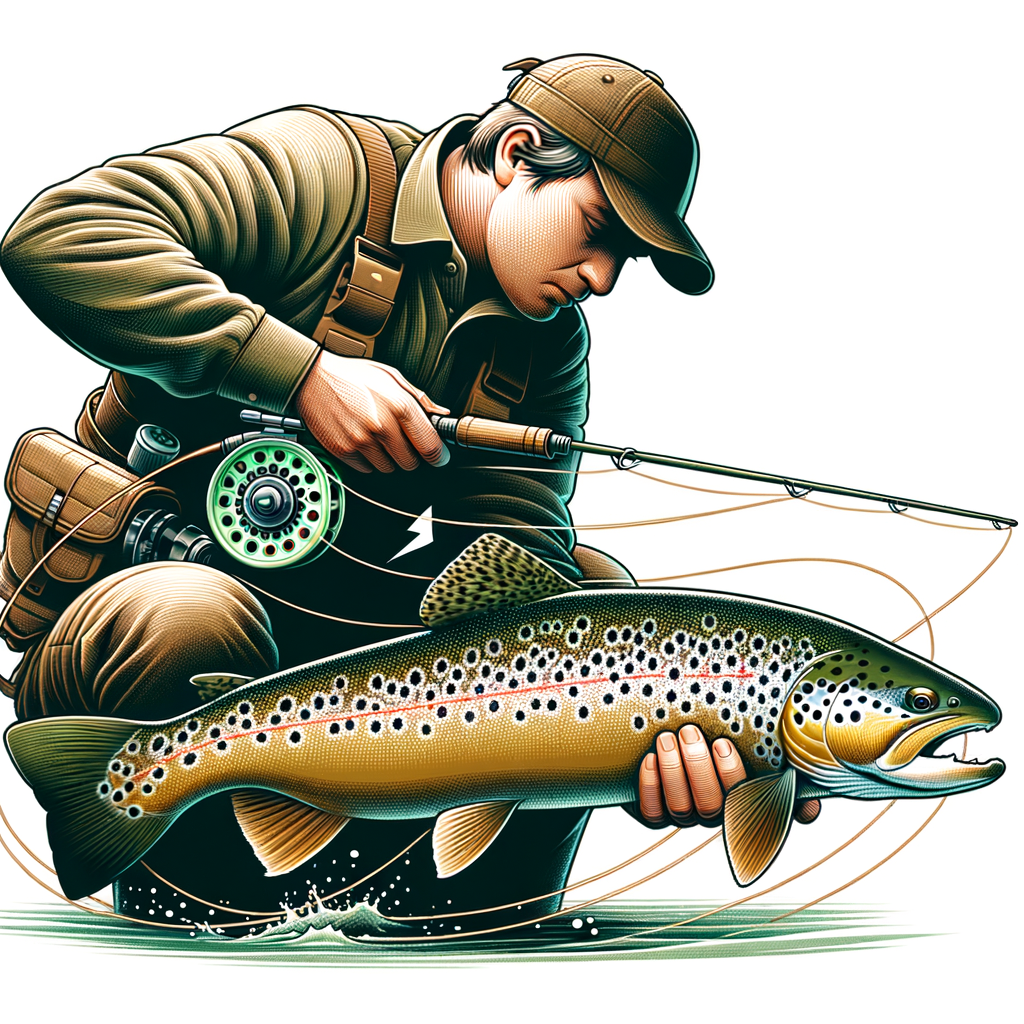
Fly fishing is a captivating angling method that combines the beauty of art and sport. It involves casting a lightweight artificial fly to catch fish and is practiced in both freshwater and saltwater. But why Mongolia, you may ask? The vast steppes, rushing rivers, and tranquil lakes make Mongolia an unparalleled destination for fly fishing enthusiasts worldwide. Not only does it offer a unique blend of unspoiled nature, but it also serves as the habitat of the Taimen, the largest salmonid in the world. Fly fishing in Mongolia is not merely a hobby; it is an adventure that can bring measured excitement and meditative stillness in equal measures.
Mongolia’s fly fishing scene matters due to its ecological significance and potential for tourism. Home to pristine rivers such as the Delger-Muron and Eg-Uur, Mongolia’s aquatic ecosystems are among the least polluted in the world. Anglers are drawn to the prospect of catching the elusive Taimen, a fish that not only challenges their skills but also provides a glimpse into nature’s splendor. While fly fishing commonly involves trout and other species, the opportunity to engage with the Taimen offers both a rare trophy and an essential reminder of the importance of conserving these waters for future generations.
Taimen: The Crown Jewel of Mongolian Fly Fishing
The Taimen (Hucho taimen), often referred to as the river wolf, is the holy grail for fly fishermen in Mongolia. Weighing up to 200 pounds and measuring over six feet in length, catching a Taimen is no small feat. These gigantic fish inhabit fast-flowing, cold rivers and lurk beneath rocks and deep currents, making them a formidable adversary. The allure of the Taimen lies not only in their size but in their elusive nature.
To catch a Taimen, anglers need comprehensive knowledge of their behavior and habitat. Taimens are predators; they feed on smaller fish, rodents, and even birds. Therefore, flies that imitate natural prey, such as mice and larger fish, often help to persuade them. An ideal approach involves casting upstream from their hiding spots and allowing the fly to mimic the natural drift of prey.
- Location Strategy: Specific locations like the Eg-Uur River have been known to host Taimen. Anglers have reported using double-handed spey rods for longer casts in wider rivers.
- Tackle Tips: A 9 to 10 weight rod paired with a strong reel capable of holding 200 yards of sturdy backing ensures you’re ready for the extensive fight a Taimen puts up.
- Real World Example: An experienced angler succeeded in catching a 40-inch Taimen using a mouse-pattern fly. His strategy was based on learning current patterns and patiently waiting for the perfect cast placement.
Fly Fishing Techniques: Strategies for Success
Fly fishing in Mongolian rivers requires a strategic approach due to varying terrains and weather conditions. While many rivers flow through remote areas, each has unique challenges. Careful observation, patience, and adaptive strategies are paramount.
Reading the Water: Understanding the river’s behavior and landscape is crucial for success. Fish often occupy certain areas based on the water’s flow and other characteristics such as temperature or available shade. Spend time observing water movement and looking for riffles, where oxygen-rich environments attract Taimen.
| Technique | Description |
|---|---|
| Nymphing | Using heavily weighted flies to reach deep water where Taimen hunt, especially effective in colder months. |
| Streamer Fishing | Engaging larger Taimen by using streamer flies that imitate baitfish, requiring active manipulation of the line. |
| Surface Fishing | Sparsely used during twilight when Taimen surface, employing dry flies or mouse patterns to attract them. |
Patience and Perseverance: Practice patience as you repeatedly cast until finding the right technique. Taimen fly fishing differs from rainbow trout in requiring endurance and continued casting without discouragement.
The Mongolian Fly Fishing Culture
Fly fishing enthusiasts who venture to Mongolia enter a cultural experience as rich as the waters they fish. Traditional nomadic lifestyles still influence regions near fishing sites, and interactions with locals often enhance the journey. Many anglers find themselves not just fishing but also participating in customary Mongolian meals or engaging in cultural exchanges around a campfire.
Real Experience Example: An American angler joined a local festival, experiencing not only the excitement of fly fishing but also traditional throat-singing and food sharing, embodying the local culture.
Such cultural interactions expand an angler’s understanding. They offer new perspectives on conservation, where locals uphold sustainable fishing practices passed down generations. Anglers learn that the Mongolian ethos embraces the concept of ‘Nuun,’ living in harmony with nature, underscoring the need for mindful conservation.
Essential Gear and Preparation
Preparation is critical for fly fishing success in remote areas. Gear selection affects the fishing experience and, ultimately, results in a more enjoyable angling trip. Understanding the specific requirements enable anglers to be prepared for the terrain, weather, and target fish species.
Rod and Reel: While targeting Taimen, it is crucial to choose a strong, reliable setup. A typical recommendation includes a 9-weight rod coupled with a high-quality reel, capable of withstanding harsh conditions. The reel should offer a smooth drag system, vital during Taimen battles.
Flies: Stock up on various patterns, focusing on streamers, mouse patterns, and weighted flies. Consider consulting local guides on fly selection because specific local patterns can sometimes offer the greatest success.
Clothing: Weather patterns in Mongolia can be unpredictable. Layered clothing, waterproof jackets, and hats are essentials to brace against sudden rain or wind gusts.
Safety Equipment: A first aid kit, water purification tablets, and satellite communication devices ensure safety in Mongolia’s isolated fishing locales. Preparing for unforeseen circumstances by packing these essentials can provide peace of mind and assurance throughout the trip.
The Role of Guides and Conservation Efforts
Due to Mongolia’s diverse ecosystems and special regulatory nature, hiring proficient guides can enrich the fly fishing experience. Local guides possess extensive knowledge about the rivers, fishing regulations, and local customs. They enhance the angler’s perspective through tailored advice and ensure compliance with catch-and-release policies.
Additionally, they play a vital role in educating visitors about conservation efforts meant to preserve the delicate balance of these ecosystems. Participating in such initiatives promotes responsible tourism and helps sustain Mongolia’s unique natural resources.
For example, during an expedition, a guide might illustrate sustainable fishing techniques and explore the importance of releasing Taimen responsibly to maintain viable populations. Participating in such educational endeavors not only benefits the environment but deepens personal understanding of Mongolia’s commitment to conservation.
Conclusion: Fly Fishing in Mongolia as an Unmatched Experience
To summarize, choosing Mongolia for fly fishing offers an enticing mix of natural beauty, cultural enrichment, and challenging angling experiences. The country’s pristine, unhindered waters provide incredible opportunities to catch elusive species such as the mighty Taimen. Anglers are prompted to adapt and employ varied strategies, such as nymphing and streamer fishing, ensuring skill refinement and knowledge acquisition along the journey.
The cultural interactions and role of local guides further enhance this experience, delivering unparalleled insight into sustainable practices and Mongolian traditions. More than just an adventure, fly fishing in Mongolia extends an invitation to participate in a globally valuable conservation effort.
For any angler considering their next big adventure, the Mongolian rivers beckon with the promise of an unforgettable journey. Begin planning today by researching travel requirements, connecting with knowledgeable guides, and, importantly, familiarizing yourself with the significance of conservation in the region. Embrace the call to action, as fly fishing in Mongolia awaits your discovery.
Frequently Asked Questions
1. Why should I consider fly fishing in Mongolia?
Choosing Mongolia for fly fishing is like stepping into an angler’s nirvana. The country’s vast steppes, pristine rivers, and serene lakes offer a captivating experience like nowhere else. Imagine fishing against a backdrop of unspoiled wilderness where you feel like you’re in one of nature’s grandest amphitheaters. But it’s not just about the picturesque scenery. Mongolia is home to the mighty Taimen, also known as the “River Wolf,” which is the largest salmonid species in the world. Anglers find themselves challenged by the Taimen’s sheer size and strength, offering a lifetime experience of catching these legendary fish. Moreover, Mongolia’s commitment to eco-tourism means conservation is key, ensuring that this breathtaking landscape remains as beautiful for future generations as it is today.
2. What are the best times of year for fly fishing in Mongolia?
The prime seasons for fly fishing in Mongolia are between mid-June and mid-October. During these months, the weather is most favorable, with river and stream levels beginning to settle after the spring thaw. June brings the onset of summer with mild temperatures, making it ideal for early season fishing. As you progress into July and August, the days grow warmer, but not oppressively so, offering long days of light which are perfect for extended fishing sessions. By September and October, as the autumn chill begins to settle, the landscapes morph into a vibrant mosaic of colors, offering both excellent fishing conditions and a strikingly beautiful environment. It’s important to note that each season has its unique advantages, with each month promising different experiences, from a more adventurous catch in the warm burgeoning summer to strategic casting amidst the rich palette of autumn.
3. What equipment do I need for fly fishing in Mongolia?
Fly fishing in Mongolia requires a range of specialized equipment to ensure both success and protection against the elements. Starting with your “go-to” rod, a fast-action rod is recommended to cast large and heavy flies for the Taimen, typically a 9 to 10-foot rod that handles an 8 or 9-weight line. For lines, having a floating line is a must for dry flies, while a sink tip line is useful for streamers. You’ll also need assorted flies, with special focus on big streamers and mouse patterns which are particularly successful for Taimen. When it comes to apparel, ensure you have durable waders for river fishing, breathable yet having ample insulation against Mongolia’s fluctuating temperatures. A pair of sturdy, grippy boots are essential for traversing Mongolia’s rocky riverbanks. Additionally, carrying versatile layers of clothing is advisable to combat sudden weather changes, including a waterproof jacket, hats, and gloves. Polarized sunglasses are a fishing trip staple, reducing glare and enabling precise tracking of your quarry beneath the water’s surface.
4. Are there any specific techniques that are effective for catching the Taimen?
Catching the Taimen, a Wily predator of the Mongolian rivers, requires a blend of patience, skill, and knowledge of local strategies. One effective technique is “streamer fishing,” utilizing large, flashy streamers that mimic juvenile fish or other prey. The key is to ensure your streamer has plenty of movement, attracting the Taimen’s often languid but distinctly aggressive strike. Overhead casting will help you cover a lot of water efficiently, but be prepared for swift, powerful takes. Another popular technique is “mouse fishing.” Yes, you read that right – placing mouse patterns on the surface is particularly thrilling and will challenge your timing and precision. Taimen are known to take these dry flies with explosive energy, so be ready for high-tempo action that requires a firm and quick set to hook them properly. Remember to adapt to the specific water conditions and behavior of the fish on the particular day to increase your chances of a successful catch.
5. What should I know about conservation efforts and regulations for fly fishing in Mongolia?
Mongolia takes conservation seriously, and as a responsible angler, it’s crucial to be aware of and adhere to the regulations designed to protect its natural resources. Much of the fly fishing is done on rich, delicate ecosystems that require keen awareness and compliance to sustain it. Many areas, particularly those known for Taimen, operate on a strict catch-and-release policy to ensure these magnificent fish continue to thrive. Ensure you have proper fishing licenses, which support conservation efforts directly by funding local initiatives and providing resources for preservation and restoration projects. As a visitor, you’re encouraged to promote ethical fishing practices, such as minimizing angling pressure on fish during spawning seasons and adhering to sustainable fishing techniques. Such practices ensure that Mongolia’s waters remain vibrant and full of life, providing fulfillment not only to you but to many who will follow in your footsteps.