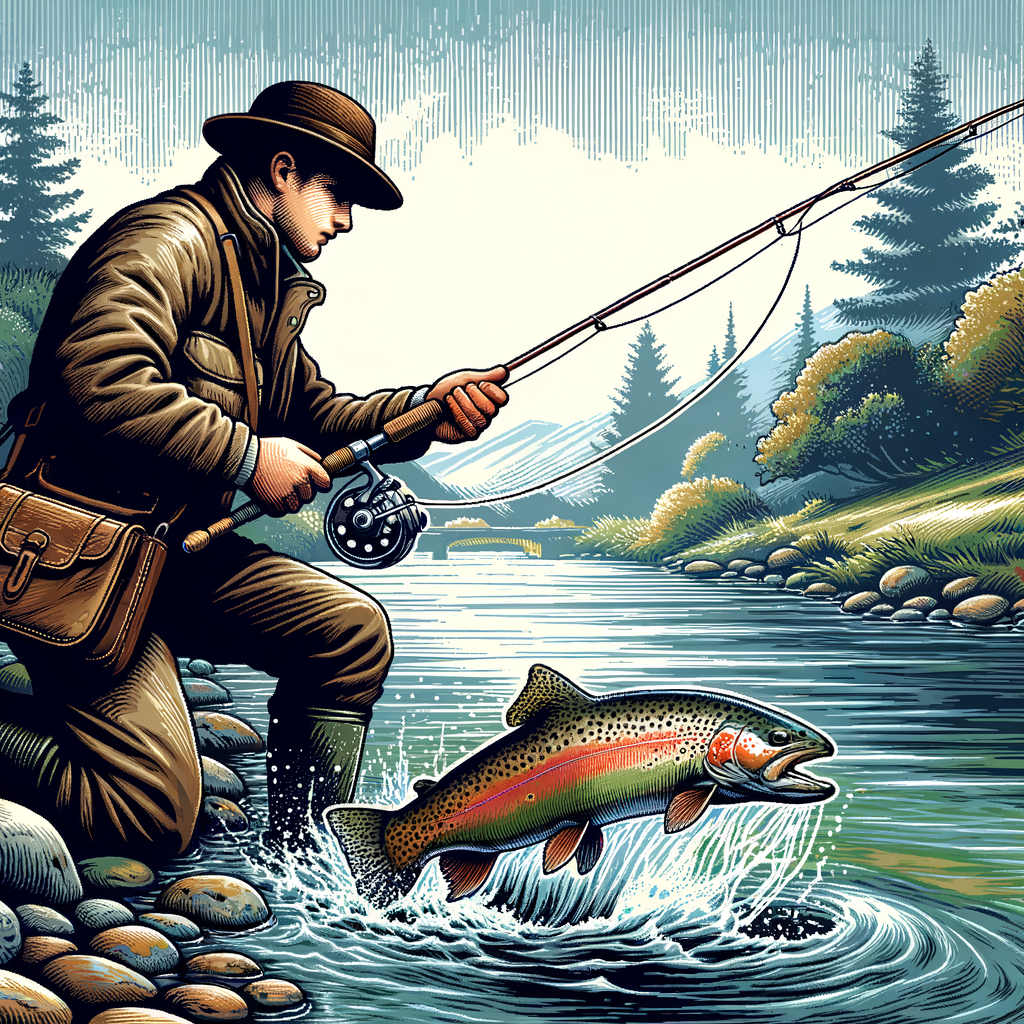
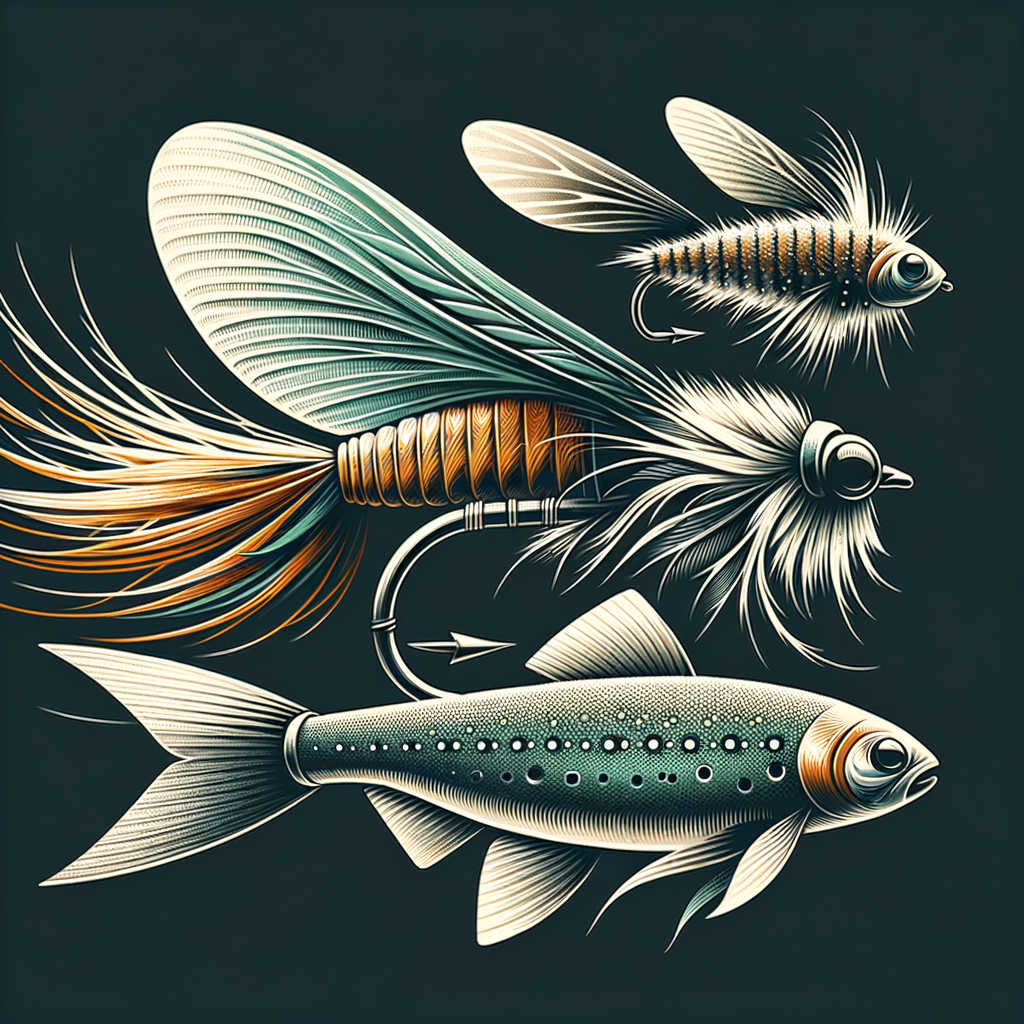
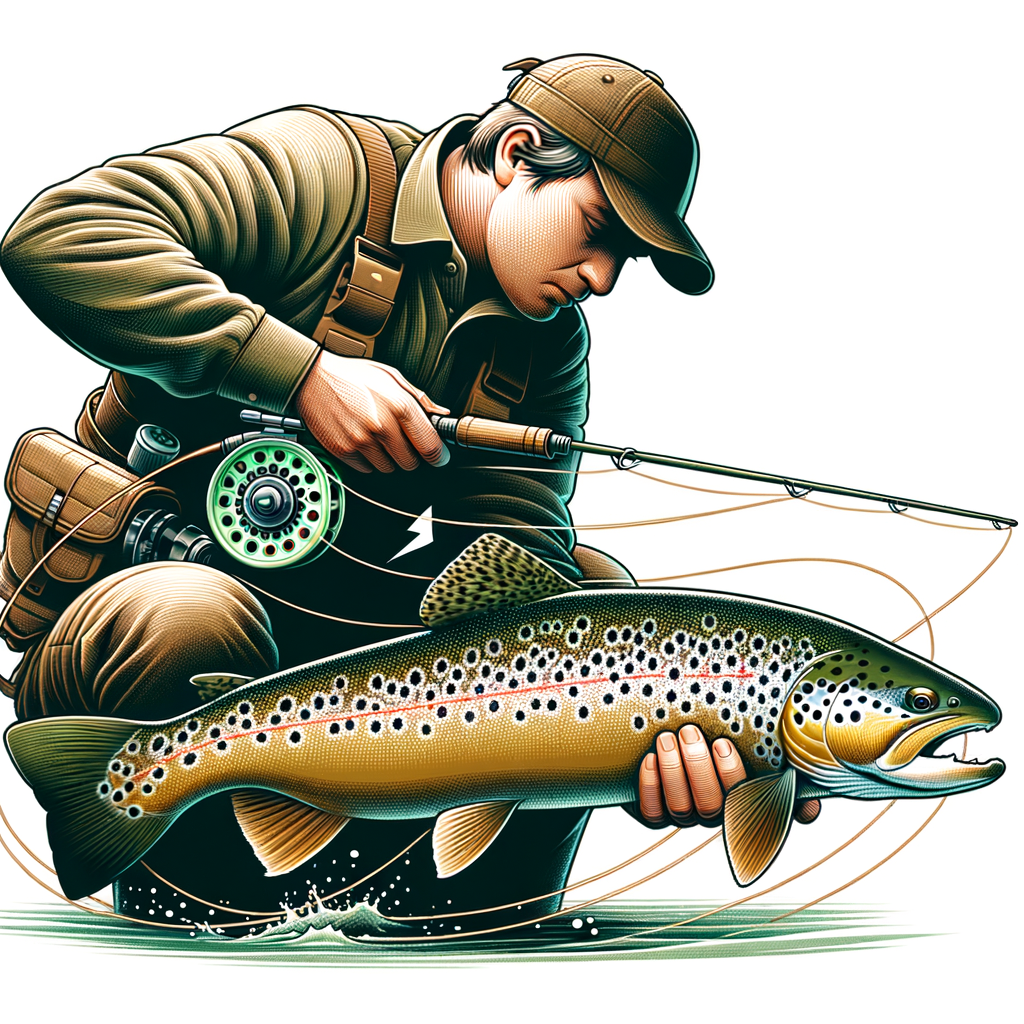
Fly fishing is not only a popular sport but also an art form that combines skill, patience, and a deep appreciation for the natural environment. Fly fishing in South Africa, in particular, offers a unique experience due to its diverse landscapes, freshwater streams, and a variety of fish species. But what exactly is fly fishing? It is a method of angling where the fisherman uses a fly rod, reel, and specialized weighted line to cast a nearly weightless fly made of feathers, fur, and thread. The technique is designed to mimic the natural movements of an insect on the water’s surface, enticing fish to bite.
Understanding why fly fishing in South Africa matters involves appreciating the vast opportunities the country’s waters present. South Africa offers some of the world’s most scenic fly fishing spots, ranging from the crystal-clear streams of the Eastern Cape to the serene dams of Mpumalanga. These waters are home to species such as rainbow trout, brown trout, and the elusive yellowfish, providing anglers with a thrilling and rewarding fishing experience. As such, fly fishing is not simply about the catch; it’s about the chase, the skill, and connecting with the tranquil beauty of nature.
The Fundamental Gear for Fly Fishing
When it comes to fly fishing, having the right gear is crucial. The basic equipment includes a fly rod, fly reel, and fly line. Each component is critical to the angler’s success. The fly rod, typically longer and more flexible than other fishing rods, is designed to cast flies with precision. A fly reel is mounted at the end of the rod and is used primarily to store line, whereas the fly line is heavier and helps in casting the lightweight fly.
For example, consider the wide and fast-flowing rivers of the Western Cape. Here, a 9-foot, 5-weight rod with a smooth, solidly constructed reel is ideal for casting quick, controlled line loops. Fly choice is equally important; locals often use nymphs and streamers to attract indigenous trout. This setup provides the right balance of strength and sensitivity, enabling anglers to handle strong fish while feeling even the smallest nibbles.
Mastering the Art of Casting
Casting is one of the most essential yet challenging aspects of fly fishing. In South Africa, anglers need to learn various casting techniques to match different aquatic environments. Basic casting, roll casting, and sidearm casting are some of the essential casts to master.
Imagine standing by the banks of the Vaal River, a premier fly fishing destination for yellowfish. Here, the roll cast technique proves particularly beneficial. With quick currents and limited backcasting space due to trees and brush, the roll cast enables you to cast line smoothly without the need for a traditional backcast. Mastering this skill significantly increases your chances of casting effectively in dense, brushy environments.
Understanding Local Fish Species
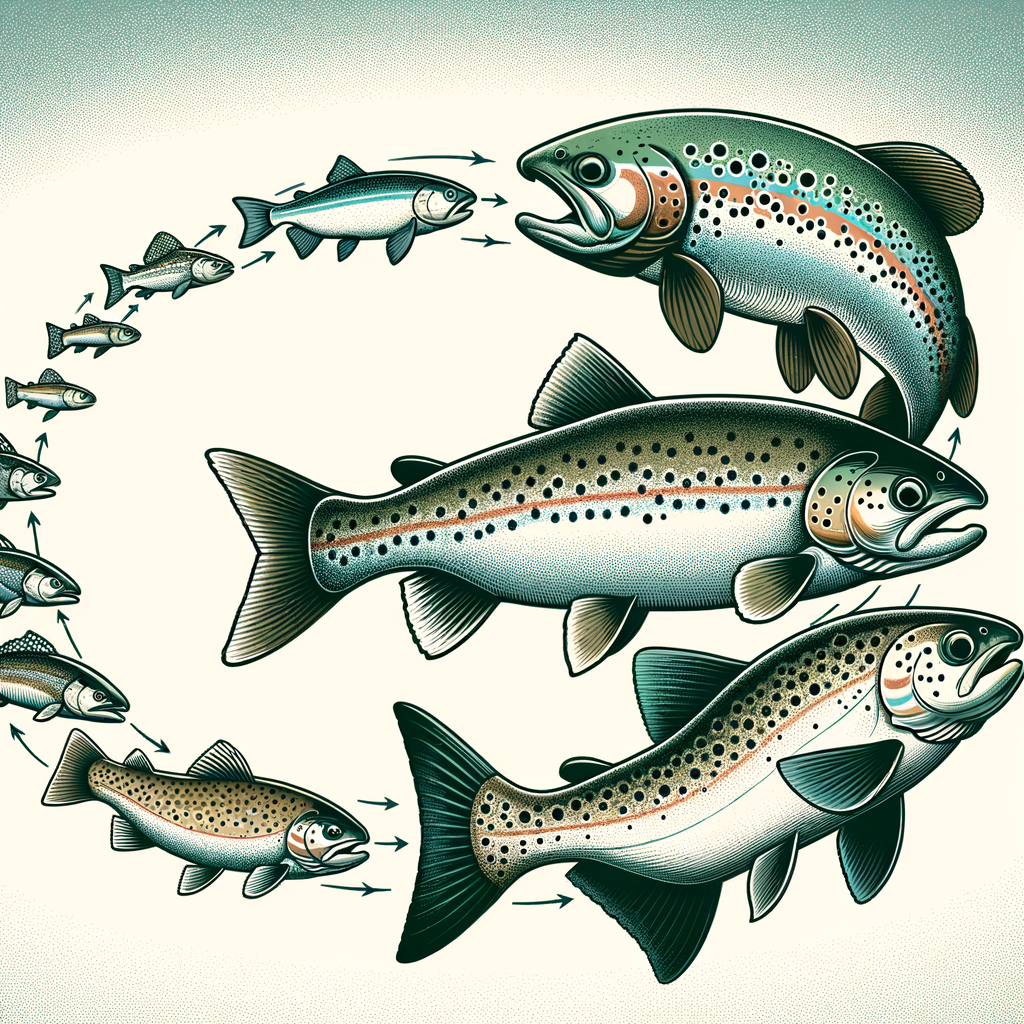
In South Africa, knowing the habits and preferences of local fish species can significantly improve your fly fishing success rate. Familiarity with species such as rainbow trout, brown trout, and smallmouth yellowfish is essential. Each species exhibits unique behavior and feeding patterns, requiring anglers to adapt their strategies accordingly.
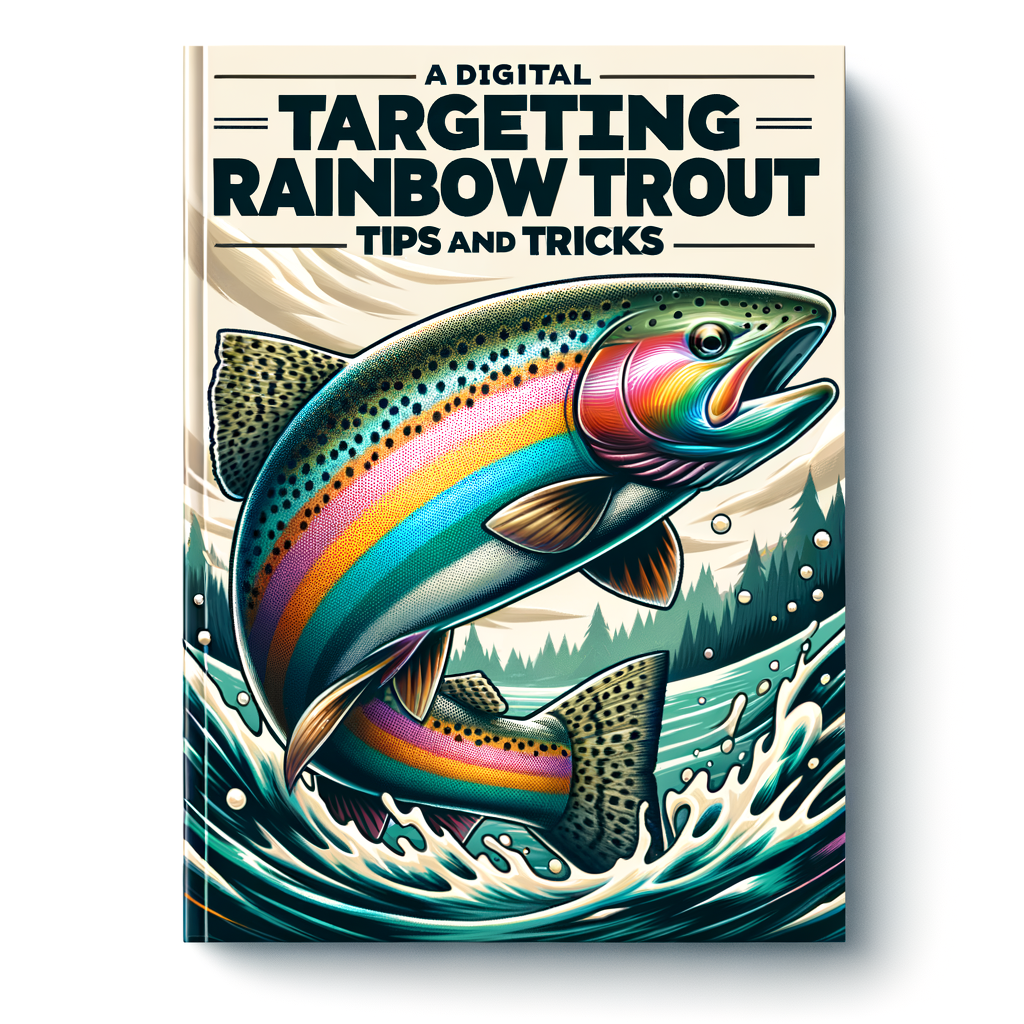
Consider targeting rainbow trout in the mountainous regions of KwaZulu-Natal. These fish are known to be highly active feeders, especially from dusk till dawn. By using dry flies that resemble the local insect hatch, anglers are more likely to attract these eager biters. This knowledge of the specific fish diet in different waters can make the difference between a successful fishing trip and a disappointing one.
Adapting to Weather Conditions
The weather can profoundly impact your fly fishing experience. South Africa’s varied climate means you should be prepared for a range of conditions that can affect fish behavior and water visibility. Learning how to adapt your techniques to the weather can be crucial.
For instance, during the summer in the Drakensberg Mountains, heavy rains may cause streams to swell and become murky. Under these conditions, anglers often find success by using bright, noticeable flies such as orange Woolly Buggers to draw attention in turbid waters. Conversely, in bright and clear conditions, smaller and more naturally colored flies might be more successful. Understanding these weather-impacted strategies helps enhance your fly fishing prowess.
Conservation and Ethical Fishing Practices
Fly fishing in South Africa is deeply connected with conservation efforts and ethical fishing practices. Sustainable fishing is about respecting the environment, ensuring that fish populations are not depleted for future generations. This includes catch and release practices, where anglers return fish to their habitats after capture.
In the Limpopo province, initiatives promote conservation through fly fishing. Anglers are encouraged to use barbless hooks to minimize injury to fish during catch and release, reducing stress and enhancing their chances of survival. By following these ethical practices, you contribute to the conservation of South Africa’s natural resources and preserve the ecological balance of its waters.
| Technique | Best Used For | Key Benefit |
|---|---|---|
| Roll Cast | Dense, brushy areas | Reduces need for backcast |
| Sidearm Cast | Windy conditions | Improves accuracy and distance |
| Dry Fly Fishing | Clear water conditions | Allows visual confirmation of bites |
| Nymph Fishing | Deep or fast waters | Targets fish below the surface |
Local Knowledge and Engagement with the Fly Fishing Community
Engaging with the local fly fishing community in South Africa can greatly enhance your fishing experience. Experienced local anglers can provide insights into the best fishing spots, seasonal fish movements, and effective fly patterns. They often organize events, such as competitions or conservation efforts, providing opportunities to learn and connect with fellow enthusiasts.
For example, the Eastern Cape Fly Fishing Association frequently organizes meet-ups and workshops where novice anglers can learn from seasoned practitioners. Such engagements enrich your understanding and provide practical skills that are indispensable in navigating diverse fishing environments.
Summary and Next Steps for Aspiring Fly Fishers
In conclusion, fly fishing in South Africa involves a harmonious blend of skill, knowledge, and respect for the environment. We explored crucial components such as choosing the right gear, mastering casting techniques, understanding local fish species, and the impact of weather conditions. Emphasizing ethical fishing practices ensures the sustainability of South Africa’s abundant freshwater resources.
To fully embrace the joy of fly fishing, newcomers should actively participate in local communities, acquire specialized skills through practice, and stay informed about conservation efforts. By immersing yourself in every aspect of this sport, you not only enhance your angling proficiency but also contribute positively to the ecosystem and heritage of South Africa’s fly fishing culture.
Your next step is simple: grab your gear, head out to your nearest stream or participate in an upcoming community event, and start casting. The more you immerse yourself in the beauty and challenge of fly fishing, the more rewarding your experiences will be.
Frequently Asked Questions
1. What makes fly fishing in South Africa unique compared to other destinations?
Fly fishing in South Africa stands out due to its incredible diversity in landscapes and ecosystems, offering a range of settings from mountain streams to lush valleys. The country is home to a variety of freshwater species such as the indigenous yellowfish, known for their challenging fights, and the ubiquitous trout, commonly found in high-altitude areas. Additionally, the picturesque scenery, ranging from the rugged Drakensberg Mountains to the gentle flow of the rivers in the Cape, provides a magnificent backdrop for anglers.
This environmental diversity also translates to a diversity of fishing techniques and tactics needed to master different environments and fish behaviors. In South Africa, you’ll experience a mix of freestone highland streams, urban river stretches, and expansive rural venues, each demanding unique technical proficiencies and earners greater involvement with local fishing communities. Moreover, with conservation efforts and catch-and-release policies prominently in place, you contribute to sustaining this vibrant ecosystem for generations to come.
2. What are some essential techniques for a beginner starting with fly fishing in South Africa?
As a beginner venturing into the world of fly fishing in South Africa, mastering the basics is key. Start by getting comfortable with casting techniques, such as the roll cast and the overhead cast. These foundational skills allow you to control your accuracy and distance when placing the fly on the water. Taking lessons from local guides can significantly help in these early stages, offering you the chance to learn directly from experienced anglers familiar with South Africa’s specific waters.
Learning to read the water is another crucial skill, helping you identify potential fish-holding areas, such as current seams or hidden pools where fish are likely feeding. Equally important is understanding fly selection – matching the hatch is often a term used to describe the practice of choosing a fly that resembles local aquatic life during that particular time. South Africa’s varied geography means different aquatic insects and prey are present, necessitating a diverse fly collection. Practice patience; waiting and observing can sometimes be as vital as the cast itself in determining your success.
3. What types of gear are recommended for fly fishing in South Africa?
When preparing your gear for fly fishing in South Africa, several factors must be considered, including the target fish species and the environments you’ll be fishing in. A 5-weight fly rod is often recommended for general trout fishing, which is plentiful throughout the country. This weight rod is versatile enough to handle most types of South African streams and moderate-sized rivers. For yellowfish, which can be larger and more robust, you might want to opt for a 6-weight rod.
A solid reel with a smooth drag system is equally important, especially when handling larger, stronger fish such as South Africa’s yellowfish. Your line should generally match the weight of your rod, such as a weight-forward floating line for most conditions. An extensive selection of flies is crucial, too, allowing you to cover most scenarios whether you’re nymph fishing, dry fly fishing, or casting streamers. Don’t forget polarized sunglasses and a good wading jacket to protect against unexpected weather changes. Lastly, packing for South African fly fishing should include sun protection, bug repellent, and local fishing permits or licenses to ensure a great and legal fishing experience.
4. When is the best time of year for fly fishing in South Africa?
The optimal season for fly fishing in South Africa largely depends on the species targeted and the regions you plan to explore. Generally, the cooler months from April to October are the prime time for trout fishing, as trout thrive in the cooler waters associated with these months. During this period, the rivers and streams tend to have ideal levels and clarity due to less rain, particularly in regions like the Eastern Cape and Drakensberg. In contrast, yellowfish, found in rivers such as the Vaal and Orange, are often more active in the late spring and summer months (November to March), when they enter spawning runs.
Keep in mind that weather and seasonality can significantly impact fish behavior, so it’s crucial to monitor local conditions and consult regional fishing reports before planning your trip. Moreover, being mindful of the regional spawning seasons and observing catch-and-release etiquette ensures that your fishing efforts align with conservation practices aimed at preserving the vibrant biodiversity of South Africa’s fishing waters.
5. Are there any special regulations or permits needed for fly fishing in South Africa?
Yes, fly fishing in South Africa requires adherence to specific regulations to protect its rich aquatic resources. Before heading out, you’ll need to obtain a freshwater fishing license, which is regulated at both the national and local levels. These permits can often be acquired through local angling clubs, tackle shops, or regional conservation offices, and they help fund critical conservation efforts and resource management across various habitats.
In addition to licensing, South African regulations may impose specific catch limits, size restrictions, and designated catch-and-release zones, particularly where indigenous fish species such as yellowfish are managed carefully for sustainability. It’s vital for anglers to familiarize themselves with these regulations, as they can differ between provinces. Joining local fishing forums or consulting with experienced local fly fishermen are excellent ways to stay informed about current restrictions and best practices. Always respect private property by securing permission where needed, and maintain a commitment to ethical fishing practices, which include respecting closed seasons and protected areas. This adherence not only ensures a sustainable fishery but also enhances the likelihood of successful and enjoyable fishing experiences in South Africa’s diverse aquatic environments.