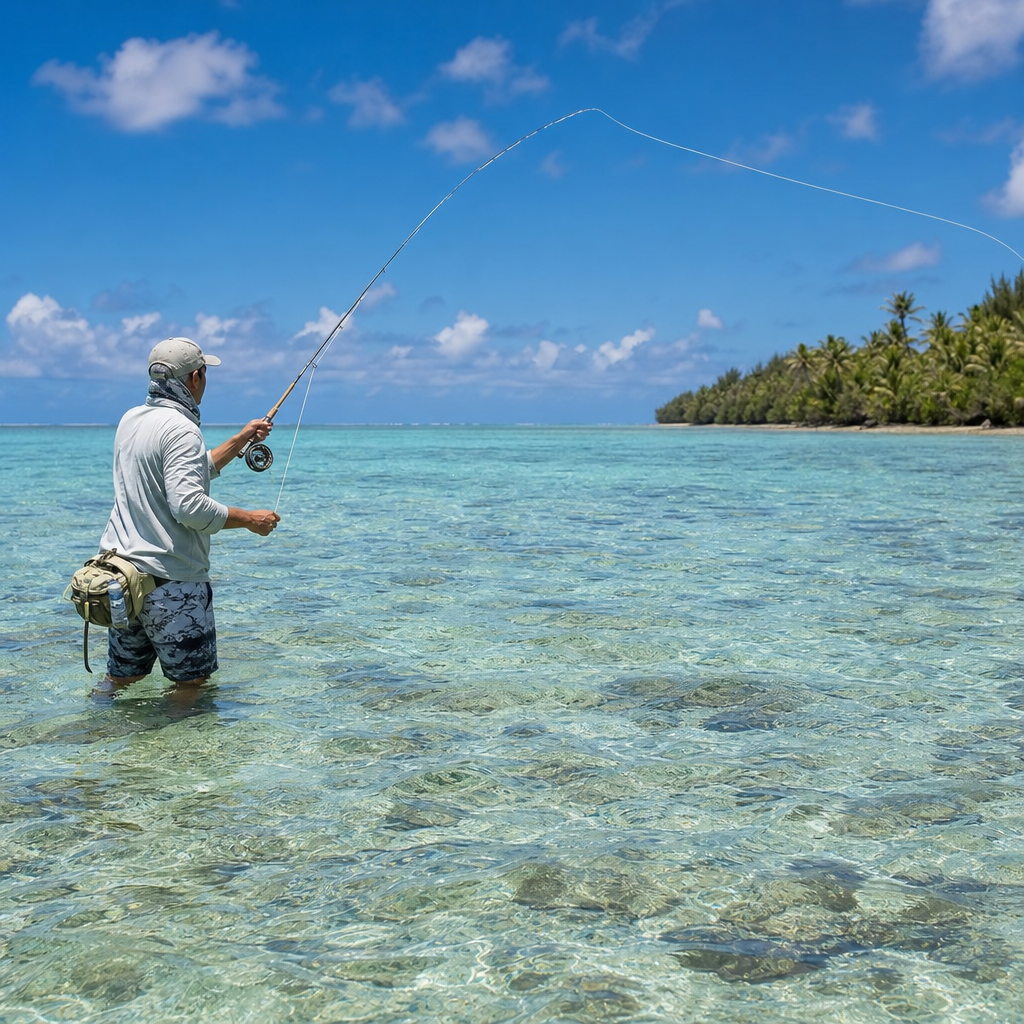
Fly fishing in Tonga offers one of Oceania’s most underrated saltwater experiences, combining wadeable coral flats, migratory pelagic edges, and lightly pressured fisheries across an island kingdom spread over hundreds of miles of South Pacific water. For anglers researching fly fishing destinations in Oceania, Tonga deserves a central place because it delivers species diversity, approachable logistics, and a style of fishing that still feels exploratory. In practical terms, fly fishing in Tonga usually means sight casting on shallow flats for bonefish, trevally, triggerfish, and reef species, while also keeping options open for bluewater opportunities near reef drop-offs and channels. The country’s geography matters here: Tonga is divided into major island groups including Tongatapu, Ha’apai, and Vava’u, each with different access patterns, lagoon structure, and weather exposure. That variation is exactly why this destination works well as a hub within a broader Oceania fly fishing plan.
I have planned and assessed saltwater trips across the Pacific, and Tonga stands out for a reason seasoned anglers respect: the fishery is not overinterpreted by marketing. Conditions are real, the wading can be technical, and success depends on tides, sun angle, footwear, and accurate presentations more than luck. That is also why it matters. Many travelers think of Oceania fly fishing only in terms of Christmas Island, Aitutaki, or Australia’s flats, but Tonga offers a quieter alternative with fewer boats, lower angling pressure in many areas, and genuine mixed-bag potential. Understanding where to fish, when to go, and how to match tackle to terrain can turn a beautiful tropical vacation into a productive saltwater campaign. This guide covers Tonga comprehensively while helping readers connect the destination to the wider Oceania fly fishing landscape.
Why Tonga Matters Within Oceania Fly Fishing
Tonga matters because it sits at the intersection of classic flats fishing and Pacific reef angling. Unlike destinations built around a single headline species, Tonga rewards anglers who can adapt. On one tide, you may stalk bonefish over pale sand and turtle grass; on the next, scan deeper coral edges for giant trevally, bluefin trevally, barracuda, and reef snapper. In Oceania terms, that makes Tonga a versatile destination rather than a specialist one. It is especially attractive for traveling anglers who want to fish independently some days, hire a local skiff or guide on key tides, and still have access to bluewater charters for tuna, mahi-mahi, or wahoo.
The other reason Tonga deserves hub status is geographic spread. Tongatapu is the main gateway and easiest entry point, with surrounding flats and lagoons that can be explored by vehicle, shore access, and local boat support. Ha’apai offers a more remote, lower-development experience with extensive reef systems, broad lagoon areas, and a stronger expedition feel. Vava’u is best known internationally for sailing and whale tourism, but it also gives anglers access to channels, reef margins, and sheltered water that can fish extremely well under the right conditions. For readers building an Oceania destination shortlist, Tonga can anchor several related trip ideas: South Pacific flats fishing, family-friendly island travel with fishing windows, exploratory skiff fishing, and mixed inshore-offshore itineraries.
Premier Fly Fishing Locations in Tonga
Tongatapu is the most practical starting point. The island group has broad flats, accessible shorelines, and infrastructure that makes scouting easier than on outer islands. Productive areas often include lagoon margins, sandy bays, and channels where current pushes bait and shrimp onto shallows. Bonefish are the primary sight-fishing target on cleaner flats, while trevally and triggerfish appear around coral patches and edges. The key advantage of Tongatapu is efficiency: an angler can sample multiple habitats in a single day without expensive inter-island transfers. That makes it ideal for first-time visitors who need to learn Tonga’s tides and bottom composition before committing to a remote itinerary.
Ha’apai is the premier option for anglers seeking a more exploratory experience. The island chain contains broad lagoon systems, reef-fringed islands, and miles of relatively untouched shoreline. In my experience evaluating similar Pacific fisheries, this kind of terrain often produces the best combination of fish numbers and angler solitude. Ha’apai’s appeal is not just remoteness; it is fishable variety. White sand flats can hold bonefish, coral fingers can attract trevally, and deeper cuts between islands create current seams where predators ambush bait. Access is more weather dependent and logistics are looser than on Tongatapu, but the reward is a less pressured fishery and a stronger chance of finding water that has seen very few fly anglers.
Vava’u rounds out the top tier. Its intricate island geography creates protected channels, current funnels, and mixed-depth shorelines that can be productive when wind limits open-flat wading elsewhere. Vava’u is not always framed as a dedicated fly fishing destination, yet that is precisely why experienced anglers should pay attention. Areas with reef edge access can produce bluefin trevally and other aggressive species, and calmer inner waters can provide opportunities for smaller trevally, bonefish, and reef fish. Because Vava’u already attracts yacht traffic and marine tourism, local boating options may be easier to arrange than many anglers expect.
| Island group | Best for | Typical species | Main advantage | Main challenge |
|---|---|---|---|---|
| Tongatapu | First trips, DIY access | Bonefish, trevally, triggerfish | Easiest logistics | More variable pressure near access points |
| Ha’apai | Exploratory flats fishing | Bonefish, trevally, reef species | Low pressure, diverse water | Remote planning and weather sensitivity |
| Vava’u | Mixed inshore structures | Bluefin trevally, bonefish, barracuda | Sheltered channels and boating options | Less mapped fly fishing information |
Target Species and How They Fish
Bonefish are the species most traveling saltwater fly anglers ask about first, and in Tonga they are a legitimate draw. They are not always as densely concentrated as in world-famous atoll fisheries, but they are present on suitable sand and mixed-bottom flats and can offer excellent sight-fishing. Average fish size varies by area, and anglers should be prepared for selective behavior in clear, shallow water. Small shrimp and crab patterns in tan, pink, or pearl are consistent producers. Long leaders, quiet wading, and careful control of false casts matter more than carrying dozens of fly patterns.
Trevally are the fish that give Tonga much of its excitement. Bluefin trevally are common enough in the right habitat to be a realistic target, and giant trevally are possible around reef edges, channels, and bait-rich drop-offs. These fish demand heavier tackle and faster decision-making than bonefish. A bluefin may appear suddenly over a coral lane and require a quick cast with a baitfish pattern stripped aggressively. Giant trevally are even less forgiving. When I prepare anglers for Pacific reef systems, I emphasize that these fish expose any weakness in hooks, drag settings, knots, or line management immediately.
Triggerfish, barracuda, reef snapper, emperors, and other opportunistic species add depth to Tonga’s fishery. Triggerfish are especially interesting on coral flats because they require precise presentations and disciplined hook sets. Barracuda can provide explosive visual takes on needlefish-style patterns, while reef species frequently save a session when the headline targets stay wary. The practical takeaway is simple: Tonga rewards anglers who fish the water in front of them rather than forcing one species agenda all day.
Best Seasons, Tides, and Daily Conditions
The best time for fly fishing in Tonga is generally the drier, cooler season from about May through October, when temperatures are comfortable, humidity is lower, and trade winds can be more predictable. That said, “best” depends on priorities. Winter-season travel often provides better comfort for wading and clearer skies for spotting fish, but wind can still affect exposed flats. The warmer months can bring excellent water temperatures and active fish, though heat, storms, and tropical weather volatility increase. Cyclone risk is a serious planning factor from roughly November through April and should never be treated casually.
Tides shape success as much as season. On many Tongan flats, the most productive windows occur when water is flooding onto shallow terrain or draining off structure with enough depth for fish movement but enough clarity for sighting. Extremely low tides can expose too much coral and force fish into channels; excessively high water can spread fish across huge areas and reduce visual opportunities. If I had to prioritize one planning task, it would be matching daily transport and wading plans to local tide charts. A mediocre flat at the right stage often outperforms a famous one fished at the wrong time.
Sun and wind complete the equation. Bright overhead light dramatically improves visibility over sand and turtle grass. Wind, however, can turn a promising day into a compromise, especially for anglers new to saltwater casting. Early starts are often best, not only for temperature but for calmer water and more manageable glare angles. Polarized lenses with copper or amber bases help define fish and bottom changes. In Tonga, anglers who understand conditions usually outperform those who simply chase locations.
Tackle, Flies, and On-the-Water Technique
A well-balanced Tonga setup starts with two rods: an 8-weight for bonefish and general flats work, and a 10- to 12-weight for trevally, barracuda, and reef-edge predators. Fast-action rods help in wind, but line choice is equally important. Tropical floating lines are standard for flats, while intermediate lines can help on edges or deeper channels. Reels should have sealed drags because salt, heat, and fast runs expose weak gear quickly. Backing capacity matters most on trevally tackle; 250 yards is a sensible baseline when large fish are possible.
Fly selection should be disciplined rather than excessive. For bonefish, carry Gotchas, Crazy Charlies, spawning shrimp patterns, and small crabs in sizes 4 to 8 with bead-chain or light dumbbell eyes. For trevally, bring baitfish patterns such as Clousers, Deceivers, brush flies, and EP-style streamers tied on heavy hooks. For triggerfish, compact crab patterns with tough materials and weed resistance are essential. Barbless or debarbed hooks can simplify releases, but anglers should balance fish care with the need for secure hook penetration on hard-mouthed species.
Technique in Tonga is about controlled efficiency. Cast less, observe more, and move with intention. On foot, every step should account for coral heads, surge, and noise. Shots are often shorter than anglers expect, especially on bonefish, so accurate presentations at 30 to 50 feet are more valuable than hero casts. Strip speed should match species behavior: modest and steady for bonefish, assertive and fast for trevally, patient and exact for triggerfish. Most lost opportunities come from poor line management, late target recognition, or rushing the first shot.
Guides, DIY Planning, and Responsible Travel
Anglers can fish Tonga independently, but local guidance adds real value. A good guide or boat operator shortens the learning curve on tides, access, and safety around coral and channels. In a destination with less formal fly fishing infrastructure than some Pacific competitors, it is worth asking detailed questions before booking: Which species are targeted by fly regularly? Is the trip primarily wading or skiff-based? Are flats scouted for sun angle and tide? What footwear, leader strengths, and casting distances are realistic? Specific answers usually indicate genuine experience.
DIY anglers should approach Tonga with a scouting mindset. Use satellite imagery to identify sand tongues, lagoon mouths, reef cuts, and protected lee shores, then confirm them against tide tables and local transport options. Bring hard-soled flats boots, sun gloves, reef-safe sun protection, a waterproof pack, and a basic first-aid kit for coral cuts. Respect private land access and village customs, and ask permission where needed. Tonga is welcoming, but thoughtful conduct matters.
Responsible travel is part of fishing well in Oceania. Handle fish carefully, keep them in the water when possible, and avoid dragging fish across coral or hot sand. Do not stand on live coral. Support local operators who understand reef stewardship. If you are building a broader Oceania fly fishing itinerary, use Tonga as both destination and gateway: compare it with Australia’s saltwater flats, the Cook Islands, French Polynesia, and broader South Pacific options, then choose based on species goals, budget, and desired level of adventure. Fly fishing in Tonga rewards preparation, flexibility, and respect. Start with one island group, fish the tides intelligently, and let the country’s variety show you why it belongs on every serious Oceania shortlist.
Frequently Asked Questions
What makes fly fishing in Tonga different from other saltwater destinations in Oceania?
Fly fishing in Tonga stands out because it combines variety, accessibility, and a genuine sense of exploration that is getting harder to find in better-known saltwater fisheries. Across Tonga’s island groups, anglers can target shallow coral flats, lagoon edges, reef drop-offs, channels, and open-water zones without dealing with the same level of pressure seen in more heavily marketed destinations. That means fish often behave more naturally, shots can feel less technical than in ultra-pressured fisheries, and anglers have real opportunities to fish water that still seems lightly explored.
Another major advantage is species diversity. A day in Tonga may include classic flats-style sight fishing as well as opportunities around reef edges and deeper bluewater transition zones. Depending on location and season, anglers may encounter bonefish, trevally species, triggerfish, reef species, and occasional pelagic opportunities near channels and current lines. That range makes Tonga appealing to both dedicated flats anglers and traveling fly fishers who enjoy adapting techniques to changing water and habitat. In short, Tonga offers a rare mix of wade fishing, boat-supported exploration, and tropical saltwater variety in a setting that still feels authentic rather than overly commercialized.
Where are the best places to fly fish in Tonga?
The best fly fishing locations in Tonga usually center on island groups and habitats rather than a single famous flat. Anglers commonly look at the Vava’u group, Ha’apai, and areas around Tongatapu for different styles of fishing. Vava’u is often attractive for anglers who want a mix of protected waters, reef systems, channels, and easier travel infrastructure. Ha’apai appeals to anglers seeking remoteness, broad shallow areas, and less-developed fisheries where exploratory fishing can be especially rewarding. Tongatapu and nearby waters can offer accessible flats and lagoon environments, making them relevant for anglers who want productive water without committing to the most remote logistics.
Within each region, the most productive areas are often coral flats with defined edges, sandy pockets among turtle grass, tidal channels that funnel bait, lagoon mouths, and reef margins where current concentrates predators. Productive locations are not always obvious from shore, which is why local knowledge can make a major difference. Rather than searching only for named “hot spots,” anglers should think in terms of habitat quality: clear wadeable water, moving tide, visible bait, nearby structure, and a transition from shallow feeding water into deeper holding zones. In Tonga, these ingredients frequently matter more than a famous place name, and anglers who focus on reading water often do very well.
What species can you catch fly fishing in Tonga, and what flies work best?
Tonga offers impressive species diversity for fly anglers, which is one of its greatest strengths. Bonefish are often a primary target on suitable flats, especially where hard sand, coral rubble, and clean tidal movement create ideal feeding conditions. Various trevally species are also important, from smaller reef-associated fish to larger and far more demanding predators that patrol edges, channels, and reef drop-offs. Triggerfish can be a fascinating target on coral flats for anglers who enjoy visual fishing and technical presentations. In addition, reef species such as emperors, snapper-like species, and other opportunistic fish may eat a fly around structure, while some areas can also produce chances at pelagic fish near current lines and bluewater edges.
As for flies, a practical Tonga fly box should emphasize durable saltwater patterns in a range of sizes and sink rates. For bonefish and general flats work, shrimp and crab imitations in tan, pink, pearl, and olive are strong starting points, especially with bead-chain or light dumbbell eyes suited to shallow water. For triggerfish, compact crab patterns with strong hooks are essential. For trevally, anglers should carry larger baitfish patterns, brush flies, deceivers, and streamers that push water and remain visible in current or chop. It is also wise to bring flies tied tough for coral environments, because reef contact and aggressive fish can destroy lightly tied patterns quickly. In Tonga, confidence patterns matter, but durability and the ability to match depth and bottom type are just as important as color or exact imitation.
When is the best time of year to go fly fishing in Tonga?
Tonga can offer fly fishing opportunities through much of the year, but the best timing depends on the species you want to prioritize, the island group you plan to fish, and your tolerance for heat, wind, and tropical weather variability. In general, many visiting anglers look toward the drier and more stable parts of the year, when visibility on the flats is better, travel is more predictable, and conditions are more comfortable for long days of wading and poling. Clear light, manageable wind, and consistent tides are major advantages in any sight-fishing destination, and those factors often matter more than chasing a single “perfect month.”
It is also important to think in terms of conditions rather than just calendar dates. Strong wind can make flats fishing difficult even in otherwise favorable seasons, while overcast skies can reduce your ability to spot fish on coral and sand. Tidal movement is another key piece of the puzzle, since many flats and channels fish best during specific windows when bait and crustaceans are active. If possible, anglers should plan a trip with several fishing days rather than a short stay, giving themselves flexibility around weather and tide cycles. That approach is especially valuable in Tonga, where the fishery rewards observation and adaptation. A well-timed week with changing options across flats, reefs, and channels is often far more productive than a rigid schedule built around a single tide or species.
What gear, tactics, and travel tips should anglers know before planning a fly fishing trip to Tonga?
A smart gear setup for Tonga usually starts with versatile saltwater fly tackle rather than an overly specialized one-rod plan. An 8-weight is a strong choice for bonefish, smaller trevally, and general flats fishing, while a 10-weight or 11-weight is helpful for larger trevally, reef-edge shots, and heavier flies in wind. Tropical floating lines are essential, and many anglers also benefit from carrying an intermediate line if they expect to fish channels, deeper edges, or boat-based situations. Leaders should be abrasion-resistant and adaptable, since coral, rough mouths, and hard-running fish can punish light terminal setups. Good flats boots are critical because sharp coral and uneven bottom make barefoot or lightly protected wading a bad idea in many areas.
Tactically, success in Tonga often comes from staying flexible. On some days, quiet wading on knee-deep flats and careful presentations to cruising fish will be the entire game. On others, the most productive action may happen near current seams, reef cuts, or bait-rich edges where faster retrieves and bigger flies trigger aggressive takes. Good casting matters, but so do fish spotting, line control in wind, and quick adjustment to changing depth and light. Polarized sunglasses, sun protection, and hydration are not optional in the tropical environment. From a travel standpoint, anglers should research domestic transfers between island groups, baggage limits for rod tubes and gear, and whether they will fish independently or with local guides. Booking local knowledge can shorten the learning curve dramatically, especially in a destination where fishable water is abundant but subtle. The anglers who do best in Tonga usually arrive prepared for both flats finesse and opportunistic power fishing, and they approach the trip with the mindset that exploration is part of the reward.