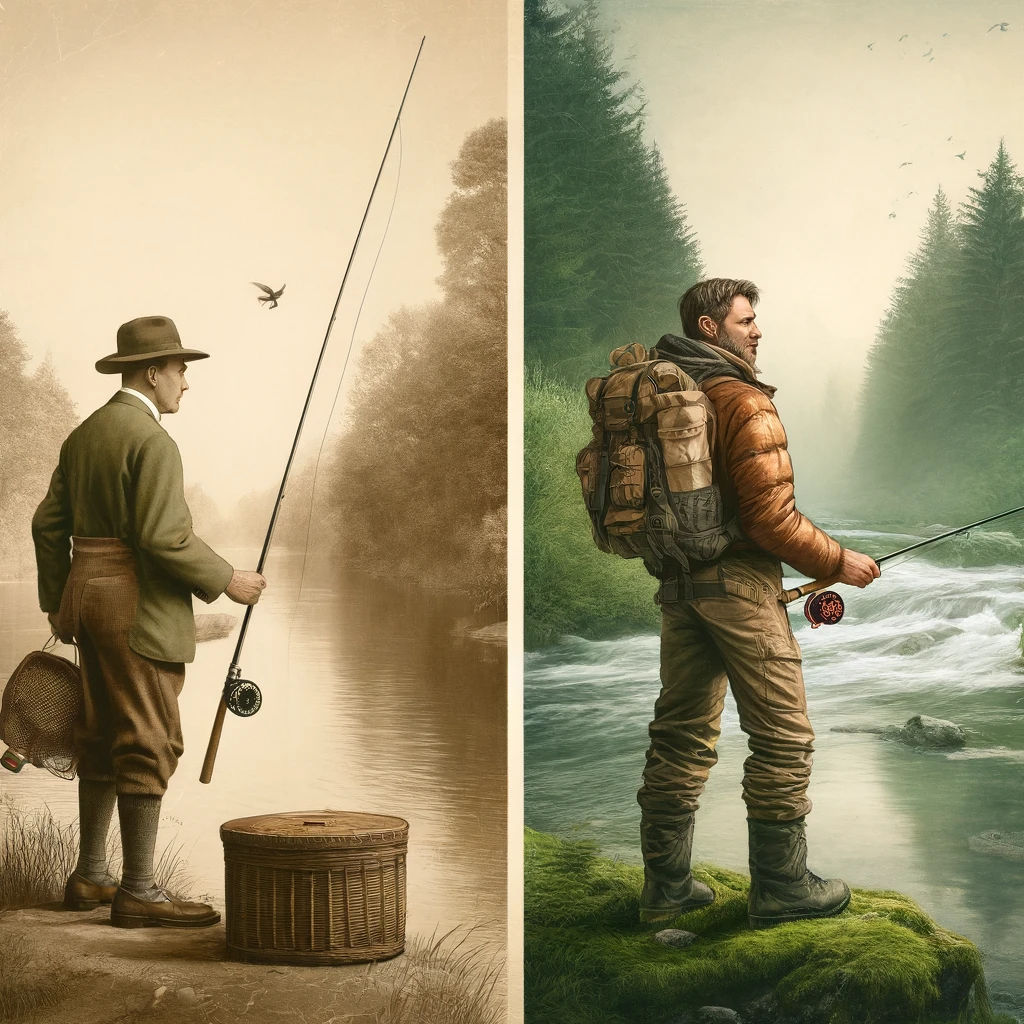
Fly fishing is a beloved hobby and sport that has endured for generations. It involves using a lightweight lure, or “fly,” to catch fish, usually in fresh water. In Australia, fly fishing takes on its own unique flavor, thanks to the country’s diverse aquatic ecosystems and local conditions. Australia’s geography, featuring rivers, lakes, and the iconic coastal regions, provides a rich tapestry of opportunities for fly fishing enthusiasts. This pursuit not only offers an enjoyable pastime but also fosters a deep appreciation for protecting aquatic environments. Understanding fly fishing strategies and patterns in the Australian context is vital for any angler aiming for success. Factors such as water temperature, fish species, and local weather conditions all contribute significantly to the fly fishing experience in Australia.
Understanding Australian Aquatic Ecosystems
Australia’s water systems range from tropical environments to temperate ones, offering a plethora of fly fishing opportunities. Inland rivers such as the Snowy River and Tasmania’s streams are renowned for their trout population. Conversely, coastal regions offer saltwater fly fishing for species such as barramundi and Australian salmon. Every ecosystem requires a different strategy, tailored not only to the habitat but the species within it. Water clarity, flow rate, and surrounding vegetation are critical aspects influencing fly fishing strategies.
For instance, in the tropical waters of Queensland, anglers often pursue barramundi. Found in slower-moving waters, barramundi can be targeted using streamers—wet flies resembling small fish or leeches. During summer, barramundi move into shallow waters to feed. Here, fly fishers can employ a technique known as sight casting, which involves spotting the fish and accurately casting the fly to mimic the natural prey’s movement, increasing the odds of a catch.
- Rivers and Streams: Target trout and bass, using dry flies and nymphs.
- Coastal Areas: Target barramundi and trevally, employing streamers and clouser minnows.
- Lakes: Focus on trout and perch, using woolly buggers and emergers.
The Role of Seasonal Patterns
Seasonality in Australia plays a crucial role in the patterns of fly fishing. Fish behavior varies greatly across the seasons, influencing both the choice of fly and the method of fishing. During the spring, for example, trout are more active due to increased insect activity, making it a favorable time for using dry flies. While the warmer months encourage more surface activity, winter often necessitates fishing deeper waters where fish prefer to dwell.
A prime example of season-based strategy is targeting trout in Tasmania’s Highland Lakes during summer. The insects are most active in warmer weather, and anglers imitate this activity using varied flies like the parachute adams or royal wulff to emulate local hatches. Additionally, the prevailing winds during this period can provide natural cover from potential predators, enabling fish to feed near the surface. Fly fishers capitalize on this by presenting surface lures that mimic the exact conditions to which the trout are accustomed.
Fly Types and Their Applications
Fly selection is a critical component when pursuing different fish species within diverse Australian waterways. The primary categories of flies include dry flies, nymphs, streamers, and wet flies. Each type of fly is designed to imitate a specific prey type or behavior, suitable for different conditions and fish.
In Victorian rivers, where native fish like Murray cod and golden perch thrive, streamers and wet flies are more effective due to their imitation of baitfish. Conversely, in the crystal-clear streams of New South Wales, where smaller flies are required to catch trout, dry flies offer a subtlety that is less alarming to the fish. Common dry fly patterns such as the elk hair caddis or the gnat are often used, especially during the various insect hatches throughout the year.
| Type of Fly | Fish Target | Ideal Water Type |
|---|---|---|
| Dry Flies | Trout | Streams and Rivers |
| Nymphs | Bass, Trout | Lakes and Fast Streams |
| Streamers | Barramundi, Salmon | Coastal Areas |
| Wet Flies | Perch, Murray Cod | Rivers and Lakes |
Gear and Equipment Considerations
Your choice of gear can drastically affect your fly fishing success. In Australia, fly fishing gear needs to be versatile enough to handle both freshwater and saltwater conditions. A medium-weight rod, typically between a 5 to 8 weight, is a popular choice. This type of rod allows for balanced casting performance and power, making it adaptable to a wide variety of species found throughout the country’s different aquatic landscapes.
A recent trend among Australian anglers is the use of hybrid fly fishing lines. These lines are suitable for easily varying fishing depths, especially important in rapidly changing coastal environments. Furthermore, employing a specialist fly fishing reel with a sealed drag system can be particularly beneficial in saltwater environments to avoid corrosion, a common challenge when fishing along Australia’s vast coastlines. Local experts often recommend using flies tied with synthetic materials, as these can endure prolonged exposure to the sun and salt.
Strategy and Technique: A Local Perspective
Employing effective strategies and techniques for fly fishing varies according to the region. Within the cooler waters of southern Australia, precision is key. Newcomers often start by learning the art of targeting pools and eddies where fish are likely to gather. In contrast, in the Northern Territory’s Mary River, anglers employ methods tailored for barramundi, which include faster retrieval rates to imitate the baitfish barramundi predominantly pursue.
One example that highlights a unique strategic approach comes from fishing the waters near Lake Eucumbene. With its mountainous terrain, this area demands an adaptable angler approach, involving repeated casting in varied conditions. Anglers cast across different water levels, experimenting with both the rate of retrieve and type of fly, which mimics aquatic life forms found in the local habitat. Techniques like these can help secure a successful catch regardless of natural challenges presented by rapidly altering weather conditions or water levels.
Conclusion: Making the Most of Fly Fishing in Australia
The diverse and vibrant aquatic systems of Australia offer a wide array of possibilities for fly fishing enthusiasts. By understanding the unique ecosystems, implementing season-specific strategies, selecting the right fly types, and employing the appropriate gear, anglers can significantly enhance their chances of success. Whether you’re targeting trout in Tasmania’s clear streams or hunting barramundi in Queensland’s tropical waters, incorporating these strategies into your approach will improve your fly fishing experience.
Fly fishing in Australia is both a sport and a pursuit that fosters environmental consciousness. It helps anglers not only to catch fish but also to appreciate and conserve the delicate ecosystems they fish within. Planning your next trip or honing your skills based on the strategies covered will undoubtedly provide both a rewarding and educational experience.
For those eager to start or improve in fly fishing, consider joining a local club or taking lessons from experienced anglers. Doing so can provide further insights into mastering the art and science of fly fishing in various Australian landscapes. Embark on your fly fishing adventure equipped with newfound knowledge and enthusiasm, ensuring each cast is a step toward a deeper connection with nature.
Frequently Asked Questions
1. What are the best times of year for fly fishing in Australia?
Fly fishing in Australia is highly dependent on the region and the type of fish you’re targeting. Generally, the best times vary throughout the year due to differing seasonal patterns across the continent. In the southeastern regions of Australia, such as Tasmania and the Snowy Mountains, the spring months from September to November offer prime conditions as fish become more active after the winter. This is also an excellent time for targeting trout, which spawn during this period.
As you move towards the northern parts of Australia, the tropical climate means fly fishing is viable throughout much of the year, but the “Build-up” and the Wet season, running from October to April, can be more challenging due to rain and elevated water levels. However, the dry season from May to October could be more optimal as fish, especially barramundi, tend to be more concentrated and accessible in the shrinking water bodies.
Coastal regions present a different experience. Saltwater fly fishing can be excellent almost year-round depending on local conditions, tides, and species migrations. It’s always a good idea to check for local fish activity reports and to consult with local fishing guides or stores for current conditions.
2. What kinds of fish can I target while fly fishing in Australia?
Australia boasts a diverse range of fish species for fly fishing enthusiasts, largely due to its varied ecosystems ranging from cold mountainous streams to warm tropical bays. Freshwater anglers often pursue brown and rainbow trout, particularly in the cooler streams and lakes of Tasmania and Victoria. Native freshwater species like Murray Cod and Australian Bass are also popular, especially in New South Wales and Queensland rivers.
On the saltwater front, the possibilities expand dramatically. In the northern waters, species such as barramundi, queenfish, and trevally are common targets for fly fishers seeking a challenge. The Great Barrier Reef and other coastal waters offer opportunities to catch iconic species like permit, bonefish, and various types of tuna.
Moreover, Australia’s unique brackish systems, which lie between rivers and the open sea, support species such as bream and flathead. Whether you prefer freshwater or saltwater, there’s a wide array of fish to choose from, all providing the thrill and satisfaction that comes with a strategic fly fishing endeavor.
3. Which fly fishing techniques are most effective in Australian waters?
The techniques used for fly fishing in Australia can vary greatly depending on the environment and target species. For freshwater fishing, especially in southern Australia’s streams and lakes, nymph fishing and dry fly fishing are common due to the prevalence of trout. Nymph fishing involves using small, lifelike flies that mimic the underwater nymph stage of insects, while dry fly fishing uses buoyant flies that stay on the water’s surface.
Saltwater fly fishing often requires a different approach like streamers, which imitate baitfish, and poppers, which create surface disturbances to attract predatory fish. For instance, in the northern regions, anglers might use large, gaudy flies to entice big barramundi lurking in mangrove creeks or flats.
Sight fishing is another popular technique, especially in the clear waters of the Great Barrier Reef, where the ability to spot, stalk, and accurately cast to individual fish adds a thrilling dimension to the fly fishing challenge. No matter the method, a good understanding of local fish behavior and habitat is crucial in adapting your technique for success.
4. What essential gear do I need for fly fishing in Australia?
Before heading out for a fly fishing adventure in Australia, it’s essential to pack the right gear tailored to the specific conditions you’ll face. A sturdy fly rod and reel set are the foundation of your equipment, and the type needed will depend on whether you’re fishing in freshwater or saltwater. For trout fishing in smaller streams, a 4 to 6 weight rod is generally sufficient, while larger bodies of water, especially saltwater, may require a heavier 8 to 12 weight rod.
Fly lines should be matched to your rod weight and fishing environment. Floating lines are common for freshwater fishing, while intermediate and sinking lines are often used in saltwater conditions to reach deeper fish. Don’t forget a selection of flies tailored to your target species and local insects or baitfish patterns.
Additional essentials include polarized sunglasses for glare reduction and fish spotting, a fly box for organizing your flies, leaders, and tippets suited to your setup, and protective fishing attire such as waders or sun-protective gear depending on the climate. A reliable fishing hat and sunblock are also vital for protection against the harsh Australian sun. Remember, local guides or fishing shops can provide additional insight into local gear requirements based on current conditions and fish activity.
5. Are there any conservation concerns or regulations I should be aware of when fly fishing in Australia?
Yes, conservation and responsible fishing practices are crucial in preserving Australia’s unique aquatic ecosystems and ensuring sustainable fish populations for future generations. Various regions in Australia have specific fishing regulations concerning catch limits, seasons for certain species, and designated catch-and-release areas. It’s vital to familiarize yourself with the local regulations and always have a valid fishing license, as failing to do so can result in fines and harm to local fisheries.
Catch-and-release practices are strongly encouraged, particularly for native and endangered species such as the Murray Cod and certain trout populations in stressed waters. When releasing fish, handle them as little as possible, avoid touching their gills, and use barbless hooks to minimize injury. If fishing in marine parks or protected areas, be aware of restricted zones and adhere strictly to regulations designed to protect these delicate environments.
Finally, consider joining local conservation efforts or participating in clean-up projects run by organizations focused on aquatic habitat preservation. By integrating these mindful practices and being an advocate for sustainable fly fishing, we can all contribute to preserving the natural beauty and biodiversity that makes fly fishing in Australia so special.