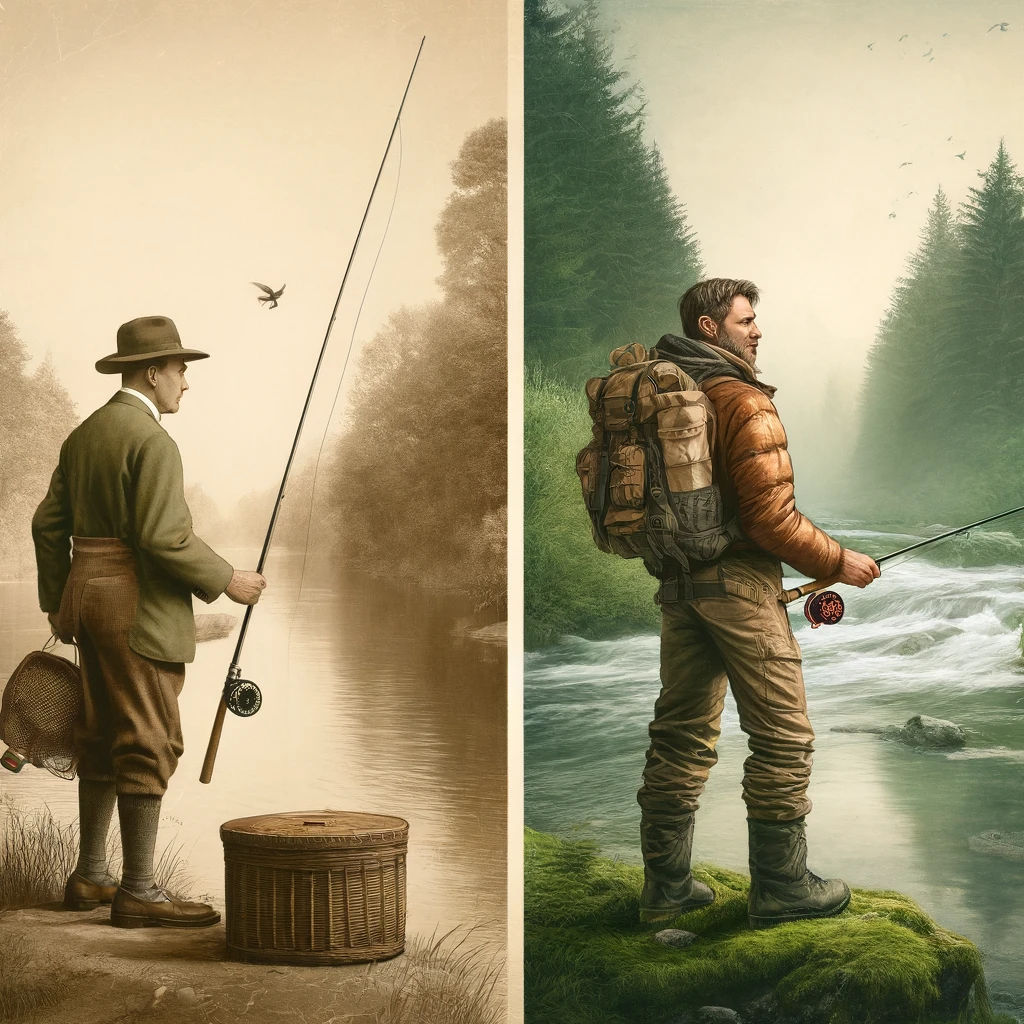
Fly fishing is more than just a method of catching fish; it’s an art form, a tradition passed down through generations, and a meditative practice that connects people to nature. The artistry involved in casting the perfect fly, the thrill of the catch, and the peaceful immersion in natural surroundings make fly fishing a unique angling experience. But how did this sport evolve over time? Understanding the roots and gradual refinement of fly fishing techniques can enrich your appreciation and skill in this captivating pastime.
Historically, fly fishing dates back to ancient times. The earliest references are found in Macedonian literature from around the 2nd century AD. Early anglers used primitive materials for their rods, lines, and flies, often crafting these tools themselves. Fast forward to the Renaissance, and we see the first written documentation of fly fishing techniques in “A Treatyse of Fysshynge with an Angle” by Dame Juliana Berners, published in 1496. This monumental work laid the foundation for modern fly fishing.
As we move through the ages, advancements in materials and techniques propelled fly fishing into a more sophisticated practice. The 19th century introduced split-cane bamboo rods, casting reels, and synthetic lines, significantly improving the accuracy and efficiency of the sport. In the 20th century, fiberglass and graphite rods further revolutionized fly fishing, making it more accessible and enjoyable for a broader audience.
In today’s world, fly fishing embraces both tradition and innovation. Modern anglers have access to high-tech equipment, comprehensive learning resources, and a supportive community that spans the globe. While the fundamental principles remain the same, the techniques and tools have evolved to meet the needs and preferences of contemporary fishers. This article will delve into specific aspects of fly fishing, including casting techniques, fly selection, reading the water, gear advancements, and conservation efforts. Whether you’re a seasoned angler or a curious beginner, this guide will deepen your understanding and passion for the timeless sport of fly fishing.
Casting Techniques
One of the most critical skills in fly fishing is mastering various casting techniques. Casting in fly fishing involves presenting the fly in a way that imitates natural prey for the fish. A well-executed cast can make all the difference in your success on the water, and there are several fundamental techniques to understand and perfect.
The basic overhead cast is the foundation upon which all other casting methods are built. Start by holding the rod with a firm yet relaxed grip, with your thumb on top. Begin the cast by drawing your rod back to about the 1 o’clock position and then smoothly accelerating it forward to the 10 o’clock position, allowing the line to unroll behind you. Timing and rhythm are crucial in achieving a smooth, accurate cast.
Another essential casting technique is the roll cast. This method is particularly useful when you have limited space for a back cast, such as when you’re fishing in tight quarters or near heavy vegetation. The roll cast involves rolling the line out over the water’s surface by using the rod tip to create a loop in the line. Properly executed, the roll cast is a valuable skill in any angler’s repertoire.
For more advanced anglers, the double haul is a technique worth mastering. This method involves pulling on the line with your non-rod hand during the back cast and forward cast to generate additional line speed. The double haul allows for longer, more accurate casts, especially useful in windy conditions or when targeting distant fish.
As you practice these casting techniques, remember that consistency and patience are key. Spend time on the water or in your backyard, practicing your form and timing. Over time, you’ll develop the muscle memory and confidence needed to execute precise casts and improve your overall fly fishing experience.
Fly Selection
Choosing the right fly is crucial to your success as an angler. Flies come in a myriad of shapes, sizes, and colors, each designed to mimic different types of aquatic insects, crustaceans, and other prey. Understanding how to select the appropriate fly for various conditions and target species will significantly improve your catch rate.
Dry flies are designed to float on the water’s surface, imitating adult aquatic insects like mayflies, caddisflies, and stoneflies. These flies are highly effective during hatches when fish are feeding on the surface. Pay attention to the local insect activity and match your fly to the size and color of the insects present.
Nymphs, on the other hand, are sub-surface flies that imitate the larval stage of aquatic insects. Because many fish feed predominantly below the surface, nymph fishing can be extremely productive. Use weighted nymphs or add split shots to your leader to ensure your fly reaches the desired depth.
Streamers are larger flies that imitate baitfish, leeches, or other larger prey items. These flies can be particularly effective for targeting predatory fish like trout, bass, and pike. Streamers are typically fished using a retrieve method, where you strip the line in short bursts to create a lifelike movement.
Emergers represent insects in the transitional stage between nymph and adult. These flies are effective during hatches when fish are feeding just below the surface. Emergers can be fished using a variety of techniques, including dead drifting or using a slight twitch to mimic the insect’s struggle to emerge.
Ultimately, successful fly selection depends on keen observation and understanding of the local ecosystem. Spend time studying the water you’re fishing in, note the prevalent insect species, and adjust your fly choices accordingly. Experiment with different patterns and sizes to see what works best in your specific fishing environment.

Reading the Water
Learning to read the water is a vital skill that will increase your chances of finding and catching fish. Understanding water dynamics, currents, and fish behavior will help you identify the most productive spots to cast your fly.
Begin by observing the water’s surface. Look for subtle disturbances, such as rises or breaks, which indicate fish activity. Pay attention to seams, where slow and fast-moving water meet, as these areas often concentrate food and attract feeding fish. Eddies, created by obstacles like rocks or fallen trees, can also be prime fishing spots where fish rest and feed.
Understanding the underwater structure is equally important. Fish often seek shelter and protection in deeper pools, undercut banks, and around submerged logs or rocks. These structures provide cover from predators and a prime vantage point for ambushing prey. Use polarized sunglasses to reduce glare and gain a better view of the underwater landscape.
When fishing in rivers or streams, focus on the current’s speed and direction. Fish tend to position themselves in slower-moving water adjacent to faster currents, where they can conserve energy while waiting for food to drift by. Cast your fly upstream of these holding areas, allowing it to drift naturally into the fish’s feeding zone.
In still water environments like lakes and ponds, structure and depth changes play a significant role. Look for drop-offs, weed beds, and other underwater features that provide cover and attract baitfish. Fish are more likely to be found near these structures, especially during feeding times at dawn and dusk.
By honing your ability to read the water, you’ll become more strategic in your approach and increase your chances of locating and catching fish. Take the time to study the water, observe fish behavior, and adapt your techniques to the specific conditions of each fishing outing.
Gear Advancements
The evolution of fly fishing gear has played a significant role in shaping modern techniques and improving overall angler experience. From rods and reels to lines and accessories, advancements in materials and design have made fly fishing more efficient, effective, and enjoyable.
Fly rods have come a long way from the early split-cane bamboo models. Today’s rods are primarily made from high-quality graphite, fiberglass, or a combination of both. These materials offer unmatched strength, flexibility, and lightweight performance, allowing for longer and more accurate casts. Rod designs vary to suit different fishing styles, from fast-action rods for casting in windy conditions to slow-action rods for delicate presentations.
Reels have also seen significant improvements, with modern designs featuring smooth drag systems, large-arbor spools, and durable construction. The drag system is essential for controlling the fish during the fight, preventing line breakage and improving overall landing success. Large-arbor spools provide faster line retrieval and reduce line memory, making them a popular choice among anglers.
Fly lines have evolved to include a variety of specialized coatings and tapers, optimizing performance for different fishing scenarios. Weight-forward lines, designed with a heavier front section, enhance casting distance and accuracy, while double-taper lines provide superior delicacy and control for precise presentations. Intermediate and sinking lines are available for sub-surface fishing, allowing anglers to target deeper water effectively.
In addition to rods, reels, and lines, a wide range of accessories has improved the overall fly fishing experience. High-quality waders and wading boots provide comfort and protection when fishing in cold or rocky waters. Polarized sunglasses reduce glare and enhance underwater visibility, making it easier to spot fish and structure. Fly boxes, nippers, forceps, and other tools help keep gear organized and accessible while on the water.
With the continual advancement of fly fishing gear, it’s essential to stay informed about the latest innovations and invest in equipment that enhances your specific fishing style and preferences. Quality gear can significantly impact your performance and enjoyment, ensuring that you have the right tools to make the most of your time on the water.
Conservation Efforts
As passionate anglers, it’s our responsibility to protect and preserve the natural environments that make fly fishing possible. Conservation efforts play a crucial role in ensuring the sustainability of fish populations and their habitats, allowing future generations to enjoy this timeless sport.
Catch and release practices are a cornerstone of fly fishing conservation. By practicing proper catch and release techniques, anglers can minimize harm to fish and increase their chances of survival after being caught. Use barbless hooks to reduce injury, handle fish with wet hands or gloves, and release them quickly and gently to prevent unnecessary stress. Avoid fishing during extreme temperatures or low water conditions, as these factors can significantly impact fish health and survival.
In addition to catch and release, habitat restoration initiatives are essential for maintaining healthy fish populations. Many organizations and volunteers work tirelessly to restore and preserve aquatic ecosystems, including stream bank stabilization, removing invasive species, and improving water quality. Anglers can get involved by participating in local conservation projects, supporting conservation groups, and advocating for policies that protect natural resources.
Responsible angling also involves ethical behavior on the water. Respecting fishing regulations, such as season closures, size limits, and bag limits, helps ensure the long-term health of fish populations. Avoid disturbing spawning areas, and be mindful of other anglers and wildlife while fishing. Leave no trace by packing out all trash and avoiding damage to vegetation and riverbanks.
Education and awareness are vital components of conservation efforts. Sharing knowledge about sustainable fishing practices, habitat preservation, and the importance of conservation with fellow anglers and the community can help foster a culture of environmental stewardship. The fly fishing community is uniquely positioned to advocate for and lead efforts to protect the natural environments we cherish.
By prioritizing conservation efforts, we can ensure that fly fishing remains a sustainable and enjoyable activity for generations to come. Together, we can make a positive impact on our environment and contribute to the preservation of our cherished fishing waters.
Conclusion
The evolution of fly fishing techniques is a testament to the passion, ingenuity, and dedication of anglers throughout history. From its ancient origins to the modern advancements that shape the sport today, fly fishing has always been a dynamic and evolving practice. As we’ve explored in this article, mastering casting techniques, selecting the right flies, reading the water, utilizing advanced gear, and embracing conservation efforts are all crucial aspects of becoming a skilled and responsible fly angler.
Whether you’re new to fly fishing or a seasoned veteran, there’s always more to learn and experience in this captivating pursuit. By understanding the rich history and ongoing evolution of fly fishing techniques, you can deepen your appreciation for the sport and enhance your skills on the water. Take the time to practice, observe, and continually refine your approach, knowing that every outing offers an opportunity to grow and connect with the natural world.
Fly fishing is more than just a hobby; it’s a lifelong journey that fosters a profound connection with nature, promotes mindfulness, and offers endless opportunities for adventure and discovery. As you continue to explore the world of fly fishing, remember to prioritize conservation and ethical angling practices, ensuring that future generations can enjoy the same pristine waters and abundant fish populations that we do today.
We hope this comprehensive guide has provided valuable insights into the evolution of fly fishing techniques and inspired you to pursue this timeless sport with renewed enthusiasm and dedication. Tight lines, and may your fly fishing adventures be filled with memorable moments and lasting connections to the natural world.