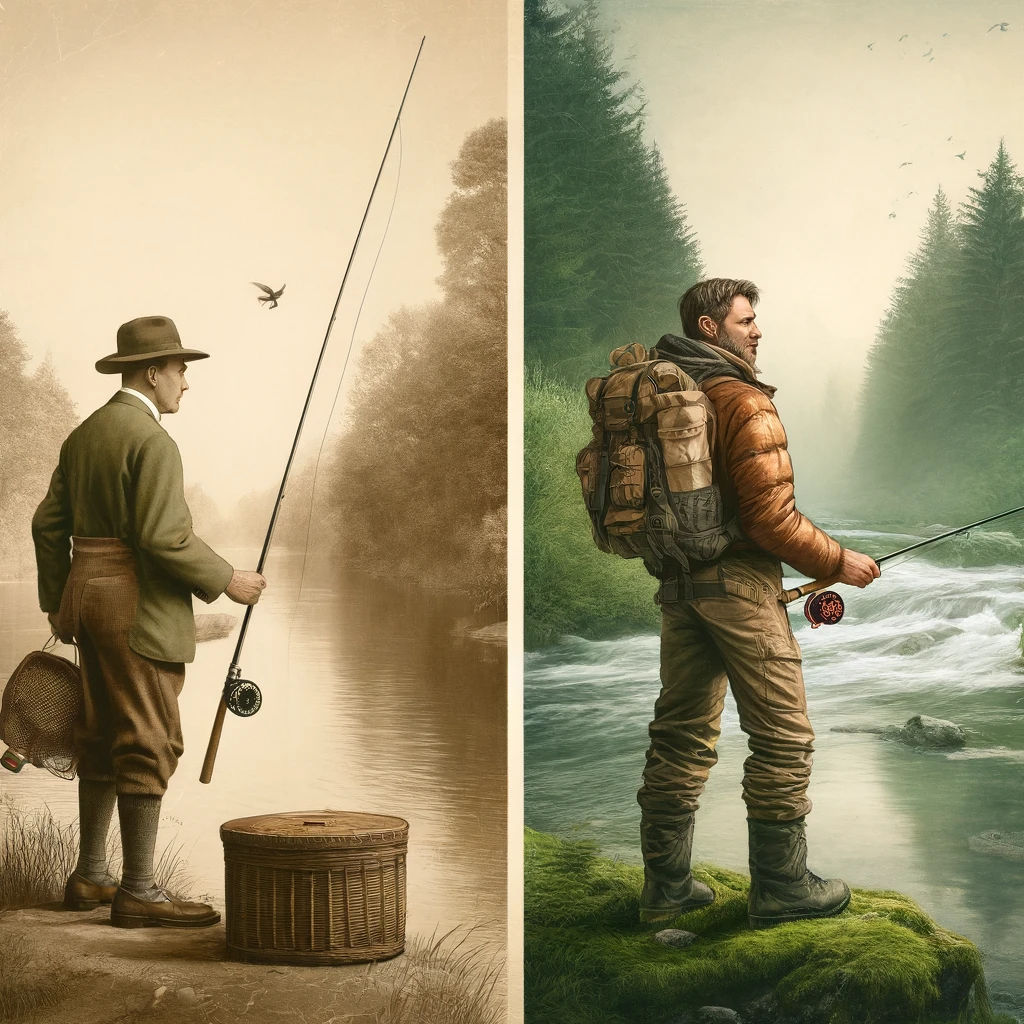
Fly fishing is a diverse and captivating sport, with various styles that cater to different environments, fish species, and personal preferences. Understanding these styles is crucial for any angler looking to expand their skills and enjoy all that fly fishing has to offer. In this article, we’ll explore the most popular styles of fly fishing, detailing their unique techniques and applications.
Dry Fly Fishing
What is Dry Fly Fishing?
Dry fly fishing is perhaps the most iconic style of fly fishing. It involves using a fly that floats on the surface of the water, mimicking adult insects like mayflies, caddisflies, and stoneflies. The goal is to entice fish to rise and take the fly from the surface.
Techniques and Tips
- Presentation: The key to successful dry fly fishing is a natural presentation. This means casting the fly gently onto the water, allowing it to float naturally without drag.
- Reading the Water: Look for rising fish and target areas where insects are likely to land on the water, such as near overhanging trees or at the edges of pools.
- Timing: Fish are more likely to rise during hatches when insects are emerging from the water. Early morning and late evening are often the best times for dry fly fishing.
Nymph Fishing
What is Nymph Fishing?
Nymph fishing involves using flies that imitate the immature stages of aquatic insects, which live underwater. These flies, known as nymphs, are fished below the surface and are a staple in any fly angler’s arsenal.
Techniques and Tips
- Strike Indicators: These are often used in nymph fishing to help detect subtle bites. The indicator floats on the surface, and any movement can signal a fish taking the nymph.
- Depth Control: Adjust the depth of your nymph by varying the length of your leader and adding weights if necessary. The goal is to have the nymph drift naturally at the depth where fish are feeding.
- Drift: Achieving a drag-free drift is crucial. Cast upstream and allow the nymph to drift naturally downstream, mending your line to prevent drag.
Streamer Fishing
What is Streamer Fishing?
Streamer fishing uses larger, more active flies that imitate baitfish, leeches, or other prey species. This style is more aggressive and often targets larger fish.
Techniques and Tips
- Retrieves: Streamer fishing involves various retrieve techniques, such as stripping the line in short, quick pulls to imitate a fleeing baitfish.
- Targeting Structure: Cast streamers near structures like rocks, logs, and undercut banks where larger predatory fish are likely to hide.
- Gear: Heavier rods and lines are typically used in streamer fishing due to the size and weight of the flies.
Wet Fly Fishing
What is Wet Fly Fishing?
Wet fly fishing is an older style that involves using flies that sink below the surface. These flies can imitate a variety of aquatic life, including drowned insects, small fish, and larvae.
Techniques and Tips
- Swinging the Fly: This technique involves casting across and downstream, allowing the fly to swing across the current. The movement often triggers strikes from fish.
- Multiple Flies: Anglers often fish with a team of wet flies, using two or three flies on the same leader to cover different depths and increase chances of success.
- Steady Drift: Unlike nymph fishing, wet flies are allowed to drift with a slight tension on the line to keep them just below the surface.
Euro Nymphing
What is Euro Nymphing?
Euro nymphing, also known as Czech or French nymphing, is a highly effective style of nymph fishing that originated in Europe. It uses a long rod, a tight line, and often no strike indicator.
Techniques and Tips
- Long Rods: Use a longer rod, typically 10 to 11 feet, to maintain better control over the nymphs and keep a tight line.
- No Indicator: Instead of a strike indicator, anglers rely on feeling the subtle takes through a tight line and visual cues from the leader.
- Short Line: Keep the line short and the rod tip high to achieve a direct connection with the nymphs, allowing for better detection of strikes.
Saltwater Fly Fishing
What is Saltwater Fly Fishing?
Saltwater fly fishing targets species in saltwater environments, such as bonefish, tarpon, and striped bass. It requires specialized gear and techniques due to the challenging conditions and powerful fish.
Techniques and Tips
- Casting Distance: Practice long-distance casting to reach fish in open water and windy conditions.
- Strong Gear: Use heavier rods and reels, and saltwater-resistant lines to handle the powerful runs of saltwater fish.
- Sight Fishing: Often involves spotting fish in shallow flats or near the surface and making accurate casts to present the fly.
Spey Casting
What is Spey Casting?
Spey casting is a traditional style of fly fishing developed on the River Spey in Scotland. It uses a longer, two-handed rod and is ideal for fishing large rivers.
Techniques and Tips
- Roll Casts: Spey casting involves a variety of roll casts, which allow anglers to cast without much backcasting space.
- Long Rods: The longer rods (12 to 15 feet) used in Spey casting help control the line and make longer casts with less effort.
- Swinging Flies: Similar to wet fly fishing, Spey casting often involves swinging flies across the current to entice strikes.
Tenkara
What is Tenkara?
Tenkara is a traditional Japanese style of fly fishing that uses a telescoping rod, no reel, and a fixed-length line. It is known for its simplicity and effectiveness in small streams.
Techniques and Tips
- Simple Gear: Tenkara rods are typically lightweight and easy to use, making them perfect for backpacking and fishing in tight spaces.
- Short Casts: Focus on short, precise casts and delicate presentations, ideal for small stream fishing.
- Fixed Line: The fixed-length line requires anglers to use more subtle techniques to control the drift and depth of the fly.
Fly fishing offers a rich tapestry of styles and techniques, each with its unique charm and challenges. Whether you prefer the visual thrill of dry fly fishing, the subtlety of nymphing, the aggression of streamer fishing, or the simplicity of Tenkara, there’s a style that suits every angler and situation. By exploring and mastering these different styles, you can enhance your fly fishing experience and enjoy the sport in its many diverse forms.
Fly fishing is not just a sport; it’s an art form that connects us with nature and its rhythms. So grab your rod, explore new waters, and discover the joy of fly fishing in all its varied styles.

Matching Styles to Conditions
Understanding the different styles of fly fishing is one thing, but knowing when and where to use them can make a significant difference in your success and enjoyment on the water. Here’s how to match the various fly fishing styles to different conditions and environments:
Rivers and Streams
Dry Fly Fishing: Ideal for clear, shallow waters where fish are actively feeding on the surface. Look for riffles and pools where insects are likely to hatch.
Nymph Fishing: Perfect for deeper runs and riffles where fish are feeding below the surface. Works well in both clear and slightly turbid water conditions.
Wet Fly Fishing: Effective in moderate to fast currents. Use it in deeper sections of the river where fish might be holding just below the surface.
Euro Nymphing: Excellent for fast-flowing rivers and streams with varying depths. It’s particularly useful in pocket water and areas with complex currents.
Tenkara: Best suited for small, clear mountain streams with lots of pocket water and tight casting conditions.
Lakes and Ponds
Dry Fly Fishing: Great during hatches when insects are emerging on the lake’s surface. Calm mornings and evenings are prime times.
Nymph Fishing: Effective for targeting fish feeding at various depths. Use longer leaders and heavier flies to reach deeper zones.
Streamer Fishing: Perfect for targeting larger fish in open water. Cast near drop-offs, weed beds, and submerged structures.
Saltwater Flats and Open Water
Saltwater Fly Fishing: Requires long, accurate casts to reach fish in clear, shallow flats or open waters. Ideal for targeting species like bonefish, tarpon, and permit.
Large Rivers
Spey Casting: Excellent for large rivers where traditional backcasting space is limited. Perfect for swinging flies in broad, deep pools and runs.
Tips for Choosing the Right Style
- Assess the Environment: Observe the water conditions, current speed, depth, and fish behavior. These factors will help you determine which style to use.
- Know the Hatch: Understanding the local insect hatches and fish feeding patterns can guide your choice between dry flies, nymphs, or streamers.
- Adaptability: Be ready to switch styles based on changing conditions. Carry a variety of flies and gear to cover different scenarios.
- Practice Casting: Different styles require different casting techniques. Spend time practicing to improve your accuracy and presentation.
- Match the Gear: Use appropriate rods, lines, and leaders for each style to optimize your effectiveness. For example, use a longer rod for Euro nymphing or a heavier line for streamer fishing.
Fly Fishing Ethics and Conservation
Fly fishing is not just about catching fish; it’s also about respecting the environment and ensuring that future generations can enjoy the sport. Here are some ethical considerations and conservation tips:
- Catch and Release: Practice catch and release to preserve fish populations. Use barbless hooks to minimize harm and handle fish gently.
- Leave No Trace: Always clean up after yourself. Pack out all trash and leave the natural environment as you found it.
- Respect Wildlife: Be mindful of other wildlife and their habitats. Avoid disturbing nesting birds or other animals.
- Follow Regulations: Adhere to local fishing regulations, including season dates, bag limits, and tackle restrictions.
- Support Conservation Efforts: Get involved in conservation organizations and initiatives that work to protect aquatic ecosystems and fish habitats.
Final Thoughts
Exploring the different styles of fly fishing opens up a world of possibilities and challenges. Each style has its unique techniques and requires a different skill set, but all share the same underlying principles of patience, observation, and respect for nature. By mastering these styles, you not only become a more versatile angler but also gain a deeper appreciation for the art and science of fly fishing.
So whether you’re standing knee-deep in a mountain stream, casting to the horizon in a saltwater flat, or swinging a fly through a broad river, remember that the journey of learning and discovery in fly fishing is as rewarding as the catch itself. Tight lines and happy fishing!