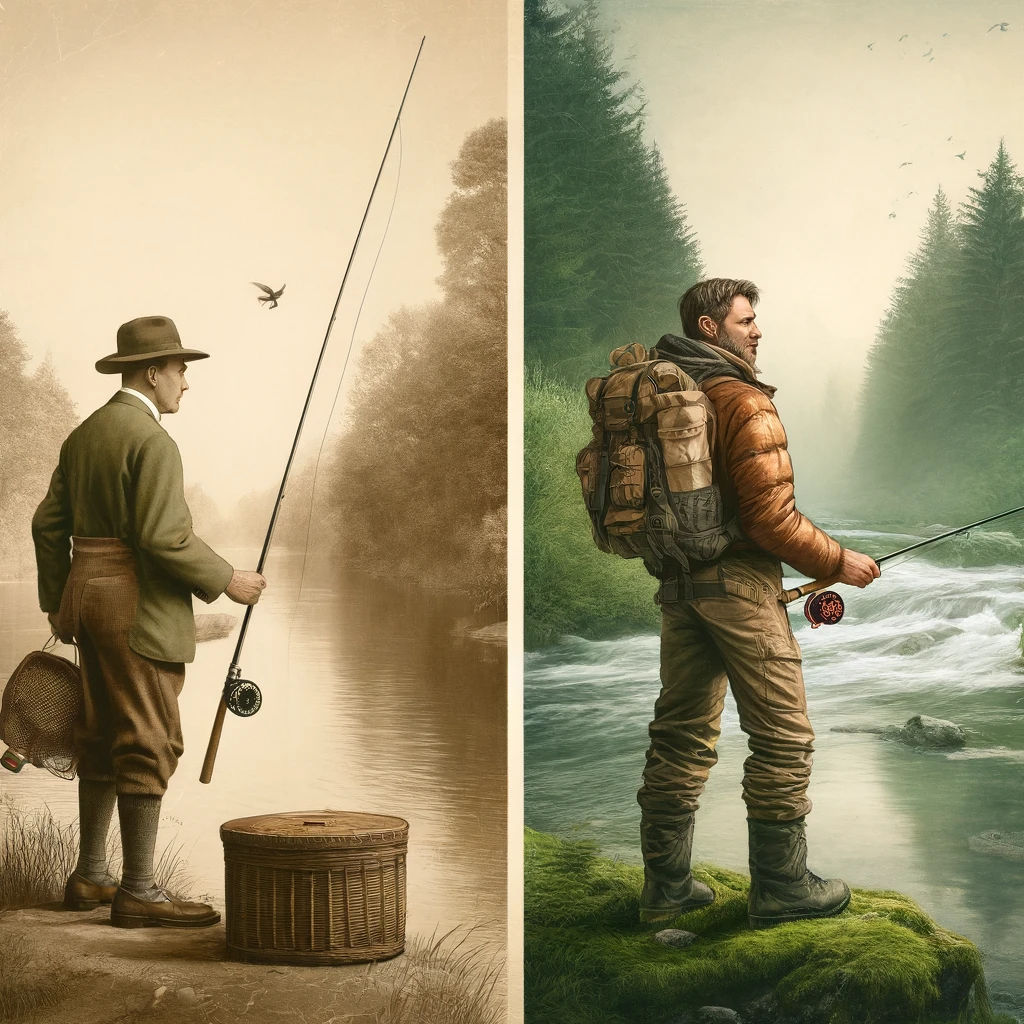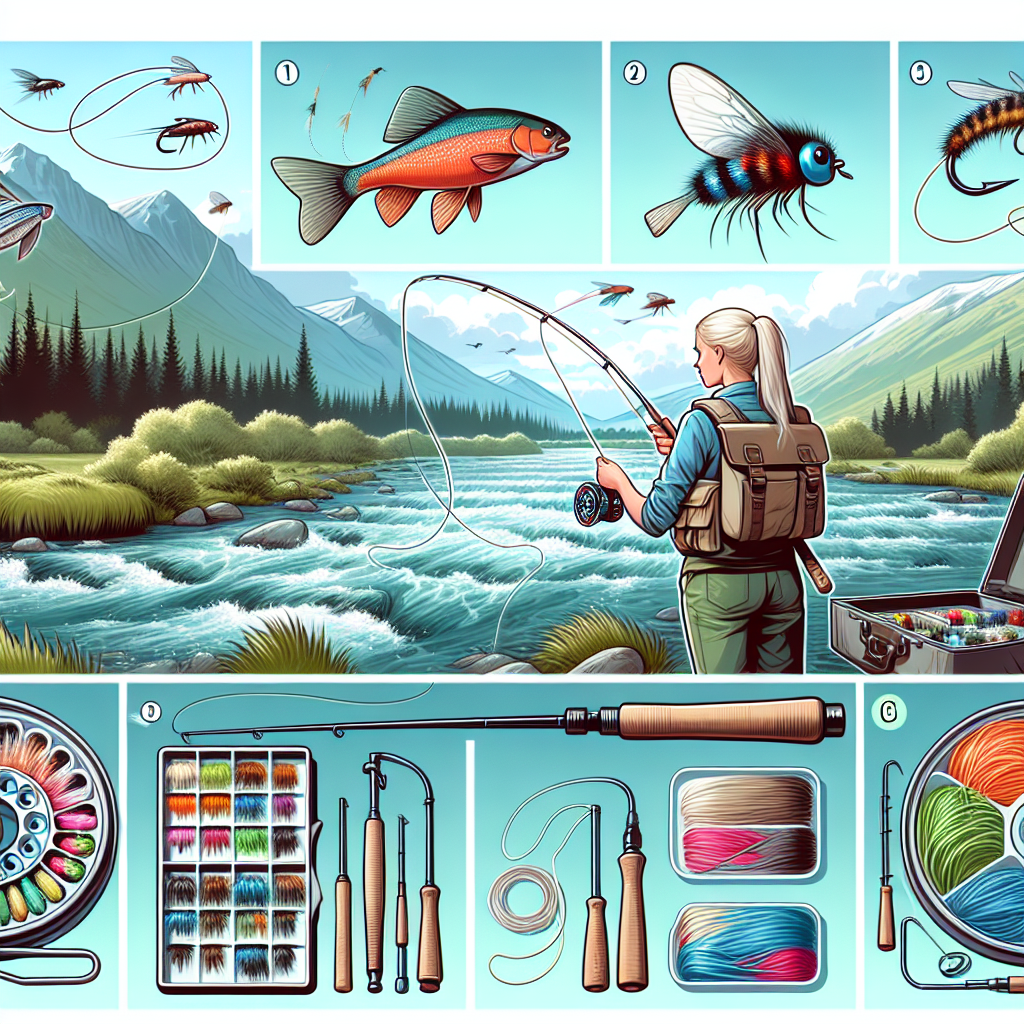
Fly fishing is a time-honored sport that combines the serenity of nature with the excitement of the catch. Whether you’re looking for a new hobby, a way to relax, or a means to connect with the great outdoors, fly fishing offers something for everyone. This guide is designed to introduce you to the basics of fly fishing, helping you understand the essential techniques and tools, as well as the skills you’ll need to get started on your fly fishing journey.
Often regarded as an art form, fly fishing uses a lightweight lure, known as an artificial fly, to mimic the insects that fish typically eat. The beauty of fly fishing lies in its simplicity and the skill required to cast the weightless fly accurately. Unlike traditional fishing methods, where the weight of the bait or lure propels the line, fly fishing relies on the weight of the line and the caster’s technique.
In this beginner’s guide, we’ll explore the fundamental aspects of fly fishing, such as selecting the right equipment, understanding basic casting techniques, learning how to read the water, and recognizing the habits of different fish species. Whether you’re planning to fish in tranquil rivers, serene lakes, or along the rugged coastlines, the tips and insights provided here will set you on the right path to becoming a confident and competent fly angler.
Selecting the Right Equipment
Choosing the right gear is vital for a successful and enjoyable fly fishing experience. Here’s a breakdown of the essential equipment you’ll need:
Rod and Reel
Your fly fishing rod and reel form the backbone of your gear. For beginners, a medium-action rod is a versatile choice, providing a balance between sensitivity and power. Look for a rod that matches the type of fishing you plan to do and the conditions you’ll encounter. A standard 9-foot rod for a 5-weight line is a great all-rounder for most freshwater fishing scenarios.
Fly Line, Leader, and Tippet
The fly line is what you cast, and it comes in various types (floating, sinking, or sink-tip) to suit different fishing conditions. Leaders and tippets are the transparent lines that connect the fly line to your fly, with tippets being a thinner, more flexible extension of the leader. Together, they ensure that your fly is presented naturally to the fish.
Flies
Flies are imitations of the insects or prey that fish feed on. They come in various types: dry flies (which float on the surface), nymphs and wet flies (which sink), and streamers (which resemble baitfish or larger prey). Starting with a selection of basic flies can give you a good chance at success in different fishing situations.
Basic Casting Techniques
Casting is the heart of fly fishing, and mastering a few basic techniques can significantly improve your success and enjoyment. Here are some fundamental casts to practice:
The Overhead Cast
The overhead cast is the most common and should be in every beginner’s skill set. Begin with the rod at the 10 o’clock position. With a smooth acceleration, bring the rod back to the 2 o’clock position, allowing the line to unfurl behind you. Then, with controlled acceleration, bring the rod forward to the 10 o’clock position again, letting the line shoot forward. Remember to pause briefly at the end of each motion to allow the line to straighten out fully.
The Roll Cast
This cast is useful when space is limited, such as when you’re surrounded by trees or bushes. Begin with the rod tip low and the line on the water’s surface. Bring the rod tip up to the 1 o’clock position, then, with a quick flick of your wrist, bring it back to the 10 o’clock position. This motion should create a loop in the line that rolls out onto the water.
Practice Makes Perfect
Spend time practicing these casts in your backyard or a local park before hitting the water. Casts don’t come naturally to most people, so patience and practice are crucial. With time, muscle memory will develop, and your casting will become more fluid and accurate.

Reading the Water
Understanding how to read the water is essential for finding fish and positioning yourself for the best cast. Fish, especially in rivers and streams, are not randomly dispersed; they have specific habitats that meet their needs for shelter and food.
Stream Structure
In rivers and streams, fish often congregate in areas with adequate cover, such as undercut banks, logjams, or deep pools. These structures provide protection from predators and swift currents, while also acting as prime spots for prey to drift by.
Current Breaks
Fish conserve energy by positioning themselves in the calmer waters behind rocks or within eddies where the current is slower. These areas, known as current breaks, allow fish to rest while still being able to dart out and capture food drifting by in the faster currents.
Temperature and Oxygen Levels
Different species of fish prefer different temperature ranges and oxygen levels. For instance, trout thrive in cooler, oxygen-rich waters commonly found in streams and rivers. Using a stream thermometer can help you determine if the conditions are favorable for the species you are targeting.
Understanding Fish Behavior
Recognizing the habits and behavior of various fish species can greatly enhance your fishing success. Here’s a look at some basic behaviors to understand:
Feeding Patterns
Fish often have specific feeding times, with peak activity occurring during dawn and dusk. Understanding these patterns can help you be in the right place at the right time. Additionally, observing insect activity on the water can give you clues about when and where fish are feeding.
Movement and Migration
Many fish species migrate between different habitats throughout the year, following food sources or breeding cues. Learning about the migration patterns of your target species can guide your fishing locations and timing.
Behavioral Cues
Fish display certain behaviors that indicate their presence and activity. For example, rising fish leave telltale rings on the water’s surface as they pick off insects. Bubbles or a flash of color can indicate fish feeding or moving underwater.
Fishing Ethics and Conservation
As anglers, it’s our responsibility to practice ethical fishing and contribute to the conservation of our aquatic ecosystems. Here are some guidelines to follow:
Catch and Release
Catch and release is a critical practice to ensure the sustainability of fish populations. Use barbless hooks to minimize harm and handle fish with wet hands to protect their delicate slime coating. Release fish quickly and gently back into the water to increase their chances of survival.
Leave No Trace
Always follow Leave No Trace principles. This includes packing out all trash, respecting wildlife and other anglers, and avoiding damage to the environment. By doing so, we help preserve the fishing experience for future generations.
Respect Regulations
Stay informed about local fishing regulations, including catch limits, size restrictions, and seasonal closures. These rules are designed to protect fish populations and ensure sustainable fishing practices.
Conclusion
Fly fishing is a rewarding pastime that offers a unique way to engage with nature and challenge yourself. By understanding the basics of selecting the right gear, mastering casting techniques, reading the water, and recognizing fish behavior, you can set yourself up for success and enjoyment on the water.
Although it might seem overwhelming at first, remember that every angler was once a beginner. With practice, patience, and perseverance, you’ll soon find your rhythm and develop the skills needed to become a proficient fly fisherman. The tranquility of standing in a river, the thrill of the catch, and the beauty of the surrounding landscape make fly fishing a truly unforgettable experience.
So grab your gear, find a peaceful spot by the water, and let yourself be swept away by the calming and exhilarating world of fly fishing.