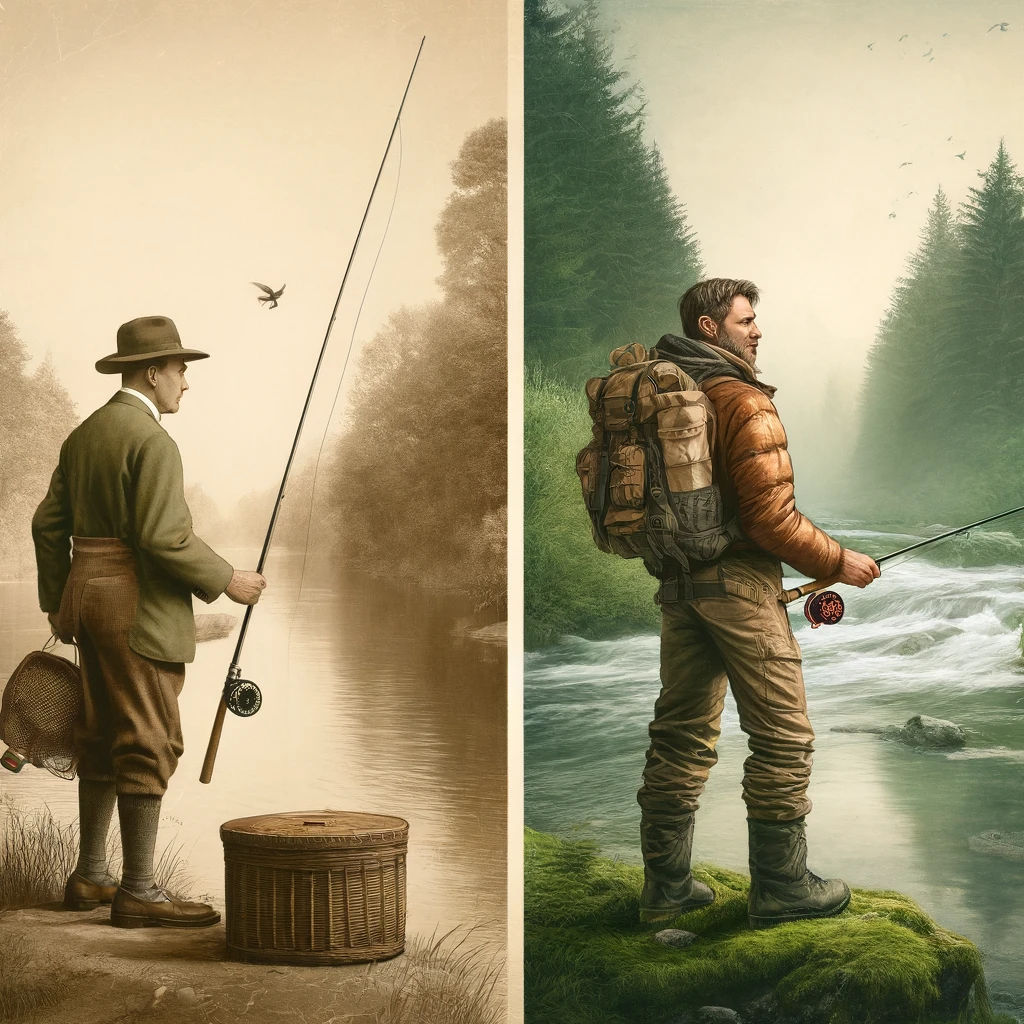
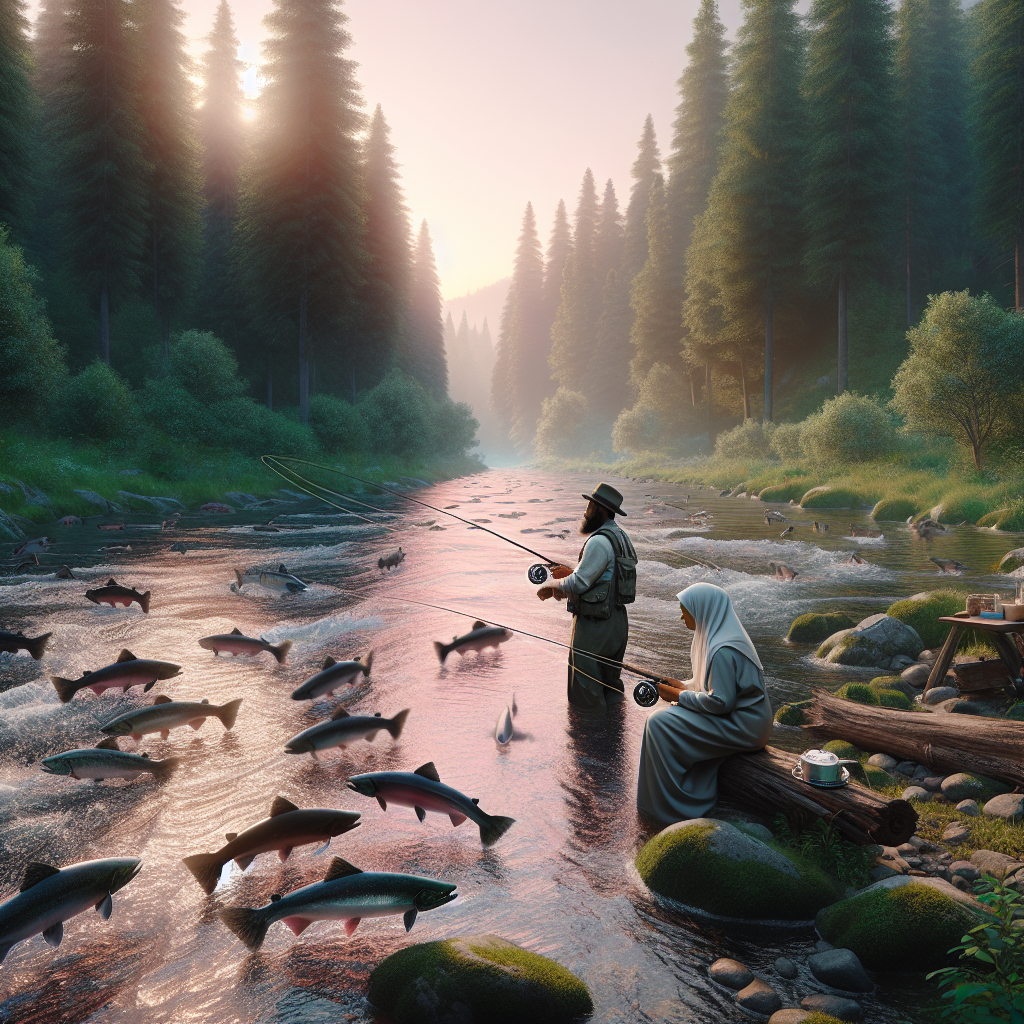
Fly fishing is more than an angling method; it’s a way to immerse yourself in nature and connect deeply with the aquatic world. Whether you’re standing in a sun-dappled stream or casting a line into a pristine mountain lake, fly fishing offers a unique blend of relaxation and excitement. But for beginners, this method of fishing might seem intimidating with its specialized gear, unique techniques, and distinct terminology. Fret not! This guide aims to demystify the essentials of fly fishing, providing you with the foundation needed to get started confidently. By understanding the basics, you’ll be well on your way to enjoying all that this fulfilling pastime has to offer.
Unlike traditional fishing, which uses bait or lures weighted to sink, fly fishing employs a lightweight “fly” tied with feathers, fur, and other materials to mimic the fish’s natural food. This method requires specific gear and techniques – from selecting the right rod and reel to mastering casting techniques. With patience and practice, anyone can learn to fly fish. In this introduction, we’ll cover the core elements that all beginners should know, setting you on the path to becoming a proficient fly angler.
Essential Gear for Fly Fishing
Choosing the right gear is critical in fly fishing. Starting with the fly rod, you’ll find it comes in various lengths, weights, and materials. For beginners, a medium-action rod, typically 8.5 to 9 feet long and in the 5-6 weight range, is versatile enough for most freshwater fishing scenarios. This gives you a good balance of flexibility and power to handle different types of fish and fishing conditions.
The reel, which holds the fly line, should be matched to your rod’s weight. A single-action reel with a good drag system is ideal for beginners, ensuring smooth line release and retrieval. Fly lines come in various types, including floating, sinking, and sink-tip lines. As a novice, start with a weight-forward floating line, which will help you cast further and more accurately.
Don’t forget your flies! These artificial lures can be dry flies, nymphs, or streamers, each designed to mimic specific insects and baitfish. Begin with a basic assortment suitable for your local waters. Additionally, you’ll need a fly box to organize your flies, a pair of nippers to cut the line, and polarizing sunglasses to reduce the water’s glare and help you spot fish.
Understanding Fly Casting
Fly casting is the technique used to present your fly to the fish. Unlike conventional fishing, fly fishing relies more on casting the line than the lure. The basic cast is called the overhead cast, which involves a graceful back-and-forth motion. Start with about 20 feet of line outside the rod tip, using your dominant hand to grip the rod and your other hand to manage the line.
The key to a good cast is timing and smooth acceleration. Lift the rod to a 2 o’clock position, allowing the line to follow. As the line straightens behind you, snap the rod forward to about 10 o’clock. Practice makes perfect, so spend time refining your technique. Advanced casts you’ll learn later include roll casts and double-hauls, expanding your ability to fish in various situations.
Don’t be discouraged if your casts are awkward initially. Proper form is crucial, and learning from a fly-casting instructor or instructional videos can be extremely beneficial. Spend time practicing on the grass before hitting the water, and you’ll notice a significant improvement in your accuracy and distance.

Learning to Read the Water
Successful fly fishing involves understanding where fish are likely to be. Fish need food, oxygen, and protection from predators, and they’ll often be found in areas of the water that provide these essentials. Riffles, pools, and eddies are prime spots. Riffles are shallow, fast-flowing sections providing oxygen and food. Pools are deeper sections where fish may rest, while eddies are circular currents where fish often gather due to the concentration of food.
Take time to observe the water and note these formations. Look for movement, rises, or disturbances on the water’s surface, as these can signal feeding fish. Pay attention to insect activity as well. Knowing which insects are prevalent can help you choose the right fly. Local hatch charts, available at fly shops or online, can guide you in selecting the correct patterns for your area and the season.
Reading the water is a skill that improves with experience. As you spend more time on the water, you’ll become adept at predicting where fish are and understand how they react to different environmental conditions.
Knots Every Fly Angler Should Know
Knot-tying is an essential skill in fly fishing. Strong, reliable knots ensure you don’t lose your catch due to line failure. Some of the most important knots for fly anglers include the improved clinch knot, which is used to attach the fly to your leader, and the arbor knot, which secures the backing to the reel.
Another indispensable knot is the loop-to-loop connection, which joins different sections of your fly line system together quickly. Learning the nail knot will help you attach the fly line to the leader, and the perfection loop is ideal for creating loops at the end of a leader or making loop connections more streamlined.
Practice these knots frequently so you can tie them efficiently on the water. Numerous online resources and videos can guide you step-by-step, detailing the nuances of each knot and its application. Start with these fundamental knots and expand your repertoire as you become more confident.
Catching and Releasing Fish
Catch and release is a common practice in fly fishing, promoting conservation and ensuring fish populations remain healthy. When playing a fish, aim to bring it in quickly to reduce stress. Use a landing net with rubber or knotless mesh to minimize harm to the fish’s scales and slime coating.
Wet your hands before handling the fish and avoid squeezing. If you must pick the fish up, support it gently and remove the hook carefully using hemostats or pliers. Keep the fish in the water as much as possible, allowing it to recover before release. Point it upstream, letting water flow through its gills until it swims away on its own.
Handling fish with care is crucial for their survival post-release. Taking quick photos and being efficient during the process also contributes to higher survival rates. Always follow local fishing regulations regarding catch limits and sizes, as these are designed to manage fish populations sustainably.
Fly Fishing Ethics and Etiquette
Practicing good ethics and etiquette ensures that fly fishing is enjoyable for everyone. Respect private property and obtain permission before fishing on private land. Follow local regulations and always carry a valid fishing license. Keep a safe distance from other anglers to avoid disturbing them or their fishing spots.
Leave the environment as you found it or better by picking up trash and packing out what you pack in. Avoid wading in spawning areas, as this can disrupt fish reproduction. Be mindful of wildlife and other users of the waterway, including kayakers and hikers, and share the space graciously.
By adhering to ethical practices and showing respect for nature and fellow anglers, you’ll contribute to a positive fishing experience and help preserve the sport for future generations.
Conclusion
Fly fishing offers a unique and rewarding way to connect with nature and challenge yourself. While it may seem intimidating initially, understanding the basics will set you up for success. Invest in suitable gear, spend time learning the casting techniques, and practice regularly. Learn to read the water, master essential knots, and handle fish responsibly.
As you gain experience, you’ll discover the nuances and joys of the sport, from identifying hatches to experiencing the thrill of a well-placed cast. Remember, patience and persistence are key. Fly fishing is as much about enjoying the process and the environment as it is about catching fish.
Embrace the journey and the learning curve, and you’ll find fly fishing to be a deeply satisfying and enriching pursuit. Every cast, every tie, and every moment spent on the water will contribute to your growth as an angler and your appreciation for this timeless sport.