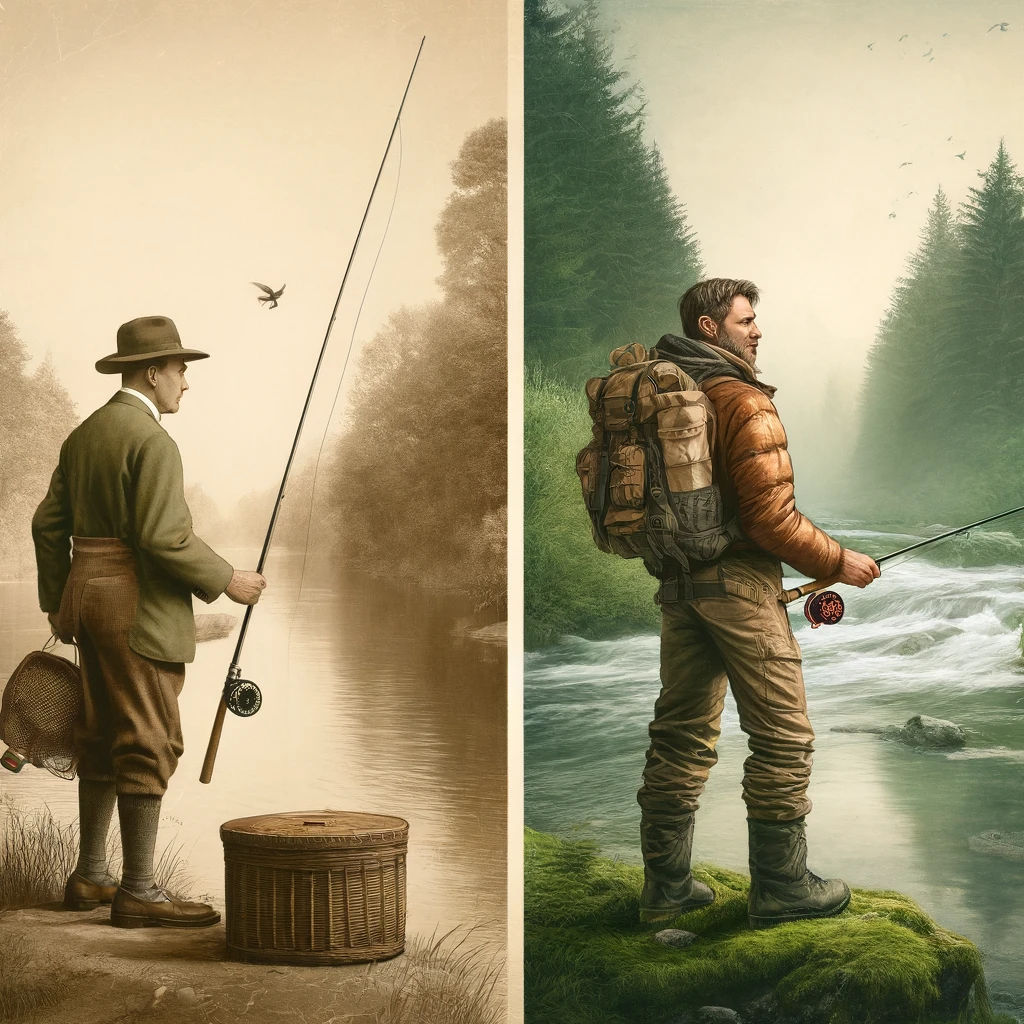
Stepping into the world of fly fishing can feel like you’ve landed in a universe with its own language and customs. Fly fishing isn’t just about the act of casting a line into the water; it comprises various nuances and specialized terms that can be quite bewildering to newcomers. Whether you are an aspiring fly fisher looking to dive deep into the sport or just starting out, understanding the essential fly fishing lingo is crucial. In this guide, we will introduce you to the basics of fly fishing terminology which will help you feel more confident and fluent as you embark on your angling adventures.
The Anatomy of a Fly Rod
The fly rod isn’t just a fishing pole; it’s a highly specialized piece of equipment, and understanding its components is essential for effective fishing. Let’s break down the key parts:
- Blank: The blank is the main body of the rod. It is typically made from graphite, fiberglass, or bamboo and comes in different lengths and flexibilities. The length and flexibility affect how the rod casts and fights fish.
- Grip: Made usually from cork, the grip is the part of the rod where you hold onto. A comfortable grip can make a day of fishing more pleasurable.
- Reel Seat: Located just below the grip, the reel seat is where the fly reel is attached. This piece is crucial for ensuring your reel is secure while casting and retrieving line.
- Guides: Small loop-like structures attached to the rod’s blank. Guides direct the fly line from the reel to the tip, contributing to smooth and controlled casts.
- Tip Top: The guide located at the very tip of the fly rod. It’s the final point the fly line passes through before heading towards the water.
Getting familiar with these components will not only help you choose the right equipment but also assist in maintaining and understanding the functionality of your fly rod.
Fly Lines and Backing
Fly lines are fundamentally different from lines used in other types of fishing. They are thicker and often brightly colored, playing a significant role in both the casting ability and the fishing technique. Here are the basic parts of a fly line system:
- Backing: This is the line that is first spooled onto the reel. It provides extra line in case you hook into a larger fish and need more length to let the fish run.
- Fly Line: Attaches to the backing and is the main casting line. Fly lines come in different weights and tapers, designed for various types of fly fishing and rod weights.
- Leader: A length of clear, tapered line that attaches to the end of the fly line. It is essential as it transitions the thick, colored fly line to the much thinner tippet.
- Tippet: The final section of the line that ties directly to the fly. Tippet material is critical for presenting the fly naturally to the fish without spooking them.
Understanding how these elements work together will enable you to set up your fly line system correctly, ensuring smoother casts and better fish hooking success.

Flies: The Bait
Flies are artificial lures that mimic various aquatic insects and prey. They are an essential part of the fly fishing experience. Here are the primary categories of flies:
- Dry Flies: These flies float on the surface of the water, imitating adult insects. They are used when fish are feeding on the surface.
- Nymphs: Nymph flies sink below the water’s surface, mimicking the larval stage of aquatic insects. They are very effective as most fish feed below the surface.
- Streamers: Imitate small fish or leeches and are retrieved in a manner that suggests swimming. Streamers are great for attracting larger predatory fish.
- Emergers: These flies represent insects that are transitioning from nymph to adult stage. They often sit partially submerged and can be incredibly effective.
Choosing the right type of fly is essential to match the feeding habits of the fish you are targeting, which can vary depending on the season and time of day.
Essential Fly Fishing Knots
Learning to tie fly fishing knots is crucial because your connection to the fish relies on a knot that doesn’t come unfastened. Some fundamental knots include:
- Arbor Knot: Used to tie backing to the spool of your reel.
- Nail Knot: A reliable method for attaching the fly line to the leader. It ensures a smooth transition between the lines for better casting.
- Surgeon’s Knot: Effective for tying together two lines of different diameters, often used to attach tippet to the leader.
- Improved Clinch Knot: This knot ties your fly to the tippet. It’s strong, reliable, and commonly used for various types of fishing.
Practicing these knots until you can tie them quickly and reliably will save you time and frustration on the water.
Understanding Fly Fishing Casting
Casting in fly fishing is an art form that takes time and practice to master. However, grasping the basic techniques can set you on the right path:
- Overhead Cast: The most basic and commonly used cast where the fly line is casted overhead and behind you, then forward to the target.
- Roll Cast: Useful when you don’t have enough room for a backcast. It involves rolling the line over the water and forward.
- Sidearm Cast: A lower angle cast useful in windy conditions or when trying to keep the fly line low to the water.
- Double Haul: A more advanced technique to increase line speed and distance by pulling on the line with your non-rod hand during the cast.
Starting with the overhead cast and gradually incorporating other techniques will significantly improve your casting skills over time.
Final Preparations and On the Water Tips
Now that you’re familiar with the basic lingo, here are some final tips to prepare you for a successful fishing trip:
- Rigging Up: Always ensure your rod, reel, line, leader, and tippet are correctly assembled and checked for any faults or wear and tear.
- Water Reading: Learn to read the water to identify fish holding areas like riffles, pools, and runs. This knowledge will help you position yourself for better fishing.
- Fly Selection: Match the hatch by observing what insects are on the water or being eaten by fish. Use flies that closely mimic these insects for better success.
- Presentation: The way your fly lands on the water is crucial. Aim for gentle, natural presentations without spooking the fish.
- Etiquette: Respect other anglers by maintaining a reasonable distance, avoiding casting over their lines, and keeping noise to a minimum.
With these considerations in mind, you’ll be well-prepared to hit the water and try your hand at fly fishing with a greater degree of confidence and understanding.
Conclusion
Fly fishing is a rewarding and dynamic sport that offers much more than meets the eye. ### You are now armed with a foundational understanding of fly fishing lingo and key concepts. Whether it’s knowing your fly rod from tip to grip, understanding the importance of different flies, or mastering essential knots and casting techniques, every bit of knowledge you gain brings you one step closer to becoming an adept fly fisher.
Remember, like any skill, proficiency in fly fishing comes with practice, patience, and passion. The more time you spend on the water, the more these terms and practices will become second nature. Take your time to absorb this information, don’t hesitate to ask experienced anglers for tips, and most importantly, enjoy the journey. Whether you land your first fish or simply enjoy the tranquility of the river, fly fishing offers a unique and enriching experience.
So grab your gear, head to your local waterway, and start practicing. Soon, you’ll find yourself speaking the fly fishing lingo fluently, casting with ease, and reveling in the joys of a well-loved pastime.