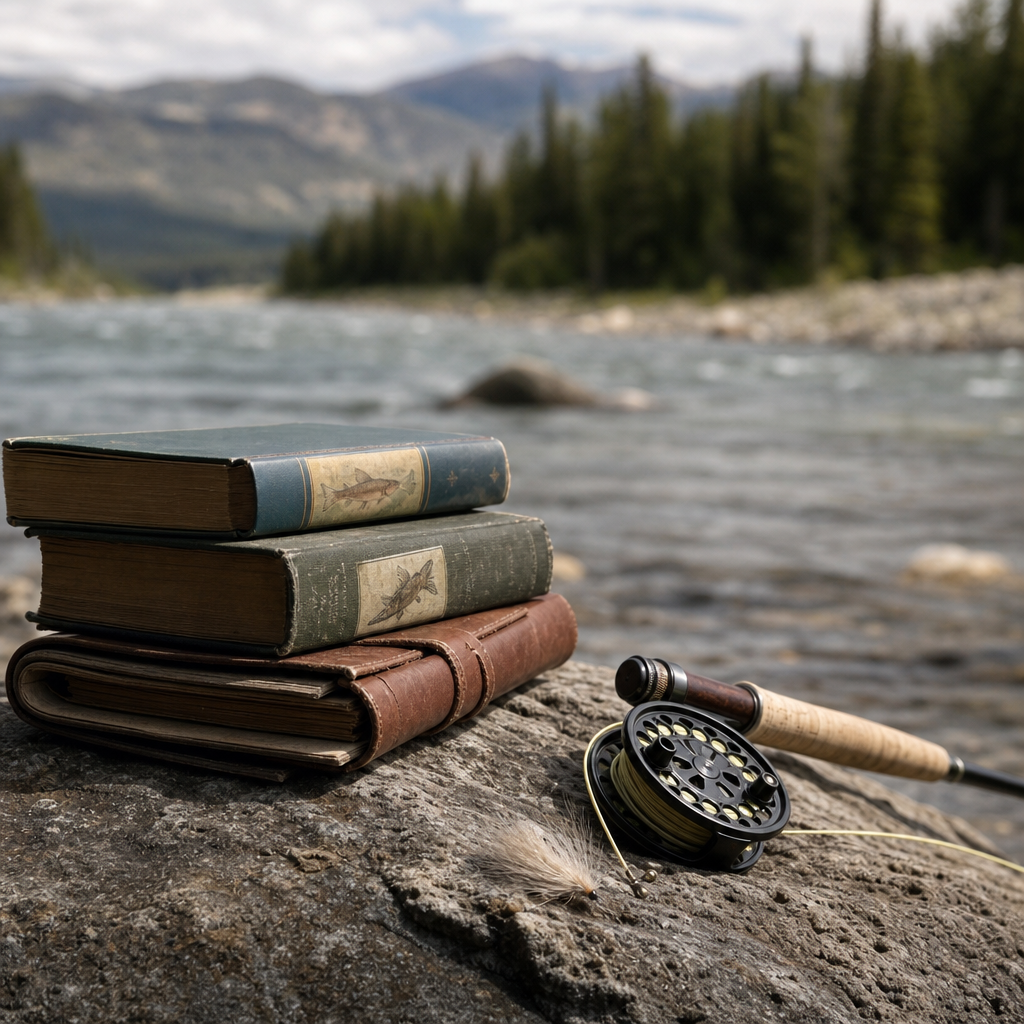
Top fly fishing biographies and autobiographies do more than profile famous anglers; they preserve technique, river history, conservation battles, guide culture, and the personal discipline behind days on moving water. In the “Book and Media Reviews” corner of a product reviews and recommendations site, this hub matters because books are gear for the mind. A well-chosen memoir can teach casting rhythm, hatch observation, etiquette, destination planning, and fish handling as effectively as a new rod review teaches blank action. When I build reading lists for anglers, I separate biography from autobiography carefully. A biography is written by someone other than the subject and usually adds archival research, interviews, and historical distance. An autobiography or memoir is the subject’s own account, often richer in voice, emotion, and firsthand detail, though sometimes narrower in perspective. For fly fishers, both forms are valuable. They help beginners understand the culture they are entering and give experienced anglers context for names they see on fly patterns, tackle catalogs, and conservation campaigns. This article serves as a practical hub for fly fishing book recommendations focused on life stories: who these books are for, what each contributes, and how to choose among classic, technical, literary, and conservation-centered titles.
The best fly fishing biographies and autobiographies answer obvious reader questions directly. Which books are essential if you want literary quality? Which ones teach tactics indirectly through story? Which capture the American West, Atlantic salmon tradition, guiding life, or modern environmental pressure on rivers? Which are approachable for someone who has never tied a fly, and which reward a deep background in tackle history and angling literature? In reviewing fishing books over the years, I have found that the strongest life narratives share three traits. First, they place fishing within a wider life rather than treating every chapter as a trip report. Second, they identify real places, mentors, mistakes, and turning points. Third, they leave the reader with usable knowledge, whether that means reading currents better, understanding catch-and-release ethics, or seeing why public access matters. The titles below are not ranked only by fame. They are selected because they remain useful, readable, and representative of major threads in fly fishing culture.
What makes a great fly fishing life story
A great fly fishing biography or autobiography combines narrative drive with practical relevance. The writing should make you care about the person, not just the fish count. At the same time, the book should reveal how angling decisions are made: why a guide changes water, why a writer favors sparse flies in low summer flows, why a conservationist fights a dam proposal, or why a steelhead angler keeps returning despite blank days. The strongest books also situate the subject in a recognizable tradition. That may include Catskill dry-fly heritage, Western trout exploration, British salmon culture, bamboo craftsmanship, or the magazine and film ecosystem that shaped modern anglers. Named rivers matter. So do dates, gear references, and contemporaries. Vague nostalgia rarely holds up.
Readers shopping this category should also weigh voice and access. Some classic angling biographies are beautifully researched but assume familiarity with figures such as Theodore Gordon, Lee Wulff, or G.E.M. Skues. Others, especially memoirs, welcome newcomers because they explain terminology as they go. Format matters too. Hardcover editions often include photographs, maps, and illustrations that add value, while audiobooks can be excellent for memoirs with strong narrative voices. If you are buying for instruction as much as inspiration, favor books where decisions on the water are explained in plain language. If you are buying for literary merit, look for authors with durable prose reputations beyond angling circles. In this subtopic hub, the goal is breadth: classic profiles, modern memoirs, conservation narratives, and media tie-ins that connect books to films, interviews, and archival material.
Essential titles every fly fishing reader should know
Several books consistently anchor serious fly fishing reading lists. Thomas McGuane’s The Longest Silence is not a strict autobiography, but it reads like an angling life examined through essays, memory, and place. It is one of the sharpest books for understanding how fishing shapes identity over decades. Sparse, intelligent, and unsentimental, it rewards readers who want literary depth. John Gierach’s body of work, especially Trout Bum and Sex, Death, and Fly-Fishing, functions as memoir-in-essays. Gierach made ordinary trout fishing feel worthy of literature without romantic inflation. His books are ideal for readers who want the cadence of camp conversation combined with accurate observation about weather, flies, and human nature.
For direct life-story importance, Lee Wulff remains essential. Whether encountered through biographical treatments, collections, or media built around his writing and film legacy, Wulff represents innovation, exploration, and the normalization of catch-and-release ethics in North American fly fishing. A biography centered on Wulff gives readers more than a portrait of one charismatic angler; it gives them a history of tackle development, travel fishing, and early television-era outdoor communication. Lefty Kreh occupies a similar place for modern casting and saltwater influence. Books about Lefty, including memoir-based works and interview collections, are valuable because they connect personality to practical technique. Few figures better demonstrate how instruction, journalism, and humility can coexist.
Another foundational author is Roderick Haig-Brown. His work often blends memoir, natural history, and conservation-minded reflection. He is indispensable for readers who want steelhead and salmon context rather than only trout-centered writing. His life and books illuminate a period when rivers were less crowded but already under pressure. Sparse tackle, physical endurance, and close seasonal observation define that tradition. Reading Haig-Brown after Gierach or McGuane broadens a reader’s sense of what fly fishing literature can be.
| Title or Author | Best For | Why It Matters |
|---|---|---|
| Thomas McGuane, The Longest Silence | Literary readers | Connects angling, place, and adulthood with exceptional prose. |
| John Gierach, Trout Bum | Beginners to intermediates | Makes everyday fly fishing culture accessible and recognizable. |
| Lee Wulff biographies and collections | History-minded anglers | Shows innovation, exploration, and early catch-and-release leadership. |
| Lefty Kreh memoir and profile works | Technique-focused readers | Links personal history to casting instruction and saltwater progress. |
| Roderick Haig-Brown | Steelhead and salmon readers | Blends life writing, river ethics, and conservation perspective. |
Biographies that preserve fly fishing history
The strongest biographies do archival work that individual memoirs cannot. They compare letters, magazine pieces, family accounts, and contemporaneous reporting to separate myth from memory. That matters in fly fishing because the sport is full of inherited stories. Catskill legends, Atlantic salmon camps, and Western guide lore are often retold until details blur. A good biography restores sequence and significance. Books on Theodore Gordon, for example, matter because Gordon’s reputation as a foundational American dry-fly figure is deserved, yet often simplified. A careful life story shows his correspondence, influences from British method, health struggles, and the specific context of the Beaverkill and Neversink watershed culture. That level of detail helps readers understand why certain names recur in pattern histories and streamside conversations.
Biographies of innovators such as Wulff, Kreh, Joan Wulff, Gary LaFontaine, or Charles Ritz are equally useful because they map the evolution of fly fishing beyond a single river or species. Joan Wulff’s life story, whether encountered through autobiography, interviews, or documentary-style treatments, demonstrates how elite casting instruction became systematized and teachable. Gary LaFontaine’s story matters because his experimentation on aquatic insects changed how many anglers think about imitation. Charles Ritz opens a European dimension often overlooked by American readers. When a biography traces travel, publishing, gear experimentation, and conservation advocacy together, it becomes a working history of the sport.
Autobiographies and memoirs with the strongest voice
Autobiography succeeds when personality comes through without drowning the fishing. In fly fishing, that usually means admitting frustration, vanity, obsession, luck, and learning curves. Readers trust writers who record the bad days. John Gierach excels here. His narrators are observant, skeptical, and funny, and the books rarely pretend that every outing is profound. That honesty is why they remain perennially recommended. McGuane, by contrast, writes with more compression and emotional complexity. He can move from tarpon, trout, and bonefish to marriage, friendship, and mortality without losing the thread. For readers who want books that stand up as literature first and fishing books second, he is hard to beat.
There are also memoirs from guides, outfitters, and traveling anglers that deserve attention even when they are less famous. These books often provide the clearest view of labor: early launches, client expectations, weather risk, river politics, and the economics of seasonal work. In my experience, readers who have only consumed destination marketing are often surprised by how physically and mentally demanding guiding is. Good guide memoirs correct that. They also explain etiquette from the working side: why wading through a run is disruptive, why late arrivals alter a float plan, and why fish care is inseparable from professionalism. When choosing among memoirs, look for authors who name rivers and methods specifically and who can explain decisions without turning every chapter into instruction.
Conservation-centered life stories and why they matter
Many of the most important fly fishing biographies are really river books. Their subjects become memorable because they fought for habitat, access, native fish, or better management. That is why conservation-centered memoir belongs in any serious review hub. Angling stories divorced from ecology are incomplete. If a writer recounts a childhood trout stream and never addresses flow alteration, warming water, invasive species, hatchery policy, or public-land pressure, the portrait is only half true. Books connected to figures such as Haig-Brown, Wulff, and modern river advocates show how personal enjoyment evolves into stewardship.
This category is particularly relevant now. Trout Unlimited, Bonefish & Tarpon Trust, Atlantic Salmon Federation, and regional watershed groups have changed how anglers think about restoration and policy, and the best biographies reflect that shift. They show readers that river health is not abstract. It determines insect abundance, migration timing, spawning success, and whether a beloved run remains fishable in ten years. A strong conservation memoir also provides practical context: the role of culvert replacement, riparian shading, dam removal, water temperature monitoring, and catch-and-release rules. Readers who come for story often leave better informed about management than they expected.
How to choose the right book by reader type
If you are new to fly fishing books, start with voice and accessibility. Gierach is usually the safest entry point because the prose is conversational and the fishing situations are recognizable. If you want more literary range, move to McGuane. If your interest is casting, saltwater, or personality-driven instruction, seek Lefty Kreh and Joan Wulff materials. If you want steelhead, salmon, and a stronger conservation undercurrent, read Haig-Brown. If you care about history and origins, choose a researched biography of Theodore Gordon or Lee Wulff. For gift buying, illustrated editions and anniversary reprints often deliver the best experience because they include photos, letters, or editorial notes that orient the reader.
Advanced readers should not ignore media beyond print. Documentary interviews, archived television segments, and magazine oral histories often clarify a book’s value before purchase. The International Game Fish Association, Fly Fisherman archives, The American Museum of Fly Fishing, and publisher previews can help verify whether a title leans technical, historical, or reflective. As this sub-pillar hub expands, supporting articles should branch into best memoirs for beginners, best classic biographies, best guide memoirs, best conservation books, and best audiobook editions. That structure helps readers move from a broad recommendation page to the exact fly fishing book reviews they need.
Building a complete fly fishing book and media library
A strong personal library balances biography, memoir, instruction, and visual media. Life stories give meaning to techniques, while technique books help decode what life stories only imply. I usually recommend that anglers pair one memoir-driven title with one instructional classic and one conservation-focused work. That mix prevents reading from becoming either too romantic or too technical. It also mirrors real angling development. Most of us start by chasing an image, improve through method, and stay committed because a river becomes personal. Books and films should reflect that arc.
The lasting benefit of top fly fishing biographies and autobiographies is perspective. They remind readers that skill matters, but patience, observation, humility, and stewardship matter more. The best titles capture missed strikes, changing weather, flawed judgment, and the simple discipline of returning. They preserve the people behind famous patterns, cast styles, and river myths, while giving modern anglers a clearer sense of inheritance. Use this hub as a starting point for deeper book and media reviews, then choose one title that matches your current stage: a welcoming memoir, a rigorous biography, or a conservation-centered life story. Read it before your next trip, and you will arrive at the water seeing more than the surface.
Frequently Asked Questions
What makes the best fly fishing biographies and autobiographies worth reading?
The best fly fishing biographies and autobiographies offer much more than a life story. They show how accomplished anglers think, how they learned to read water, and how their relationship with rivers changed over time. A strong memoir in this category can teach patience, observation, and restraint just as effectively as an instructional guide, because readers see decisions made in real conditions rather than in abstract theory. That matters for anyone interested in improving on the water. When an author explains why a run was approached from a certain angle, why a hatch was watched before the first cast, or why a fish was released quickly and carefully, the reader absorbs practical lessons alongside the narrative.
These books are also valuable because they preserve fly fishing culture. The strongest titles document guide traditions, local river history, conservation conflicts, club etiquette, and the evolution of tackle and technique across decades. In many cases, they capture places before public access changed, before habitat declined, or before once-quiet fisheries became major destinations. That historical perspective gives modern anglers context for current debates about stewardship, crowding, wild fish management, and river restoration.
Finally, the best books in this niche tend to be deeply human. They are often about discipline, humility, failure, mentorship, obsession, and the lifelong process of learning. Even readers who are not chasing celebrity names can find real value in how these stories portray perseverance and attention to detail. In that sense, fly fishing biographies and autobiographies are “gear for the mind”: they sharpen judgment, deepen appreciation for the resource, and remind readers that skill on moving water is built from observation, repetition, and respect.
Can fly fishing memoirs actually help improve technique and on-the-water decision-making?
Yes, they can, especially when the writing is specific and experience-based. While a memoir is not a substitute for direct instruction or time on the water, it often teaches the context behind good technique. Readers learn how experienced anglers adapt to changing flows, light conditions, insect activity, wind, and fish behavior. That kind of situational awareness is central to success in fly fishing, and biographies often reveal it in a way that feels natural and memorable. Rather than simply saying “make a better cast,” a strong autobiographical account may show how an angler positioned their body, controlled line drift, shortened the cast in difficult currents, or waited for a better shot instead of forcing one.
These books are particularly helpful for developing soft skills that separate competent anglers from thoughtful ones. Hatch observation, reading seams and structure, approaching fish without pressure, handling missed strikes calmly, and adjusting expectations to conditions are all habits frequently embedded in personal narratives. Readers can also pick up practical insights about destination planning, seasonal timing, and river etiquette. For example, a guide’s memoir may explain how to rotate through productive water without crowding others, or why certain holding lies fish better during specific temperatures and flow levels.
Another benefit is that memoirs reveal the mental side of fishing. Good authors discuss doubt, overconfidence, impatience, and the temptation to fish too fast. Those are common problems for beginners and experienced anglers alike. Seeing how seasoned fly fishers made mistakes, corrected them, and learned to slow down can influence real behavior on the water. The result is not just better casting or fly choice, but better judgment overall. That is why many anglers return to narrative books even after they own technical manuals: the stories help them think more clearly when conditions get complicated.
What topics should readers look for when choosing top fly fishing biographies and autobiographies?
Readers should look for books that balance storytelling with real insight. The strongest titles typically include more than nostalgic river scenes or a list of catches. They should offer a clear sense of place, a believable personal voice, and enough detail to reveal how the angler developed over time. A worthwhile biography or autobiography often touches on mentors, failures, changing fisheries, and the ethics that shaped the author’s approach. If a book explores why the writer fished a certain way, not just where they fished, it is usually a stronger choice.
It also helps to identify what kind of reading experience you want. Some books are deeply instructional through narrative, emphasizing technique, water reading, hatch observation, or guidecraft. Others focus more on river history, travel, sporting literature, or conservation activism. If you are interested in fish handling, catch-and-release ethics, habitat protection, or the politics around wild trout and salmon, choose books that devote meaningful space to those issues. If you want a stronger sense of destination planning and culture, look for titles rooted in a specific region, lodge tradition, or guiding community.
Readers should also pay attention to authenticity and scope. The best works do not over-romanticize every outing or turn every fish into a legend. They acknowledge skunks, mistakes, weather, pressure, access challenges, and changing ecosystems. That honesty is often what makes a book useful and authoritative. In a review-driven setting, it is smart to recommend books that serve different readers: some may want literary reflections on rivers, others may want hard-earned lessons from guides, and others may want historical profiles of influential anglers whose lives shaped modern fly fishing. The top selections usually succeed because they combine personality, practical knowledge, and a genuine respect for the resource.
Why are conservation, river history, and guide culture so important in fly fishing life stories?
They are important because fly fishing has never been only about catching fish. Rivers change, fish populations rise and fall, access evolves, and local traditions influence how anglers behave on the water. Biographies and autobiographies that include conservation, river history, and guide culture give readers a fuller understanding of what the sport actually depends on. Without healthy habitat, public support, and ethical fishing practices, even the best technique means very little. The most meaningful life stories recognize that the angler is part of a larger system that includes water quality, aquatic insects, spawning success, land management, and shared public resources.
River history adds depth because it shows how a fishery became what it is. A memoir may describe a river before dams, before development, before invasive species, or before angling pressure intensified. That perspective helps readers understand why certain stretches fish differently today and why restoration work matters. It also reminds anglers that many celebrated waters are fragile and that their current condition is often the result of advocacy, regulation, and hard choices made by conservation-minded people over many years.
Guide culture is equally significant because guides often serve as interpreters between river and angler. Their stories reveal etiquette, local knowledge, safety judgment, and the daily discipline required to put people on fish responsibly. In well-written biographies, guide culture is not just colorful background; it is a record of professional standards, community values, and regional identity. Readers come away understanding not only how good guides find fish, but also how they manage expectations, protect the experience for clients, and safeguard the resource. That combination of practical know-how and stewardship is a major reason these books remain relevant long after publication.
Who should read fly fishing biographies and autobiographies, and how do they fit into a book and media reviews section?
These books are ideal for a wide range of readers. Beginners can use them to build a foundation in observation, patience, fish behavior, and etiquette before they ever step into a river. Intermediate anglers often benefit from the way memoirs connect technical details to real situations, helping them refine their decision-making rather than just accumulate tips. Experienced fly fishers may appreciate the historical perspective, the literary quality, and the nuanced discussions of conservation, pressure, and changing fisheries. Even readers who do not fish regularly can enjoy the travel, outdoor writing, character portraits, and reflections on discipline and place.
They fit naturally into a book and media reviews section because they function as practical recommendations, not just entertainment picks. On a product reviews and recommendations site, books can be framed as useful tools in the same way rods, reels, boots, or packs are. A thoughtfully chosen fly fishing autobiography can improve an angler’s understanding of casting rhythm, hatch timing, destination research, fish handling, and streamside behavior. That makes books a legitimate part of an angler’s toolkit, especially for people who want to learn during the off-season or deepen their understanding between trips.
From an editorial perspective, this topic also creates a strong content hub. It connects gear-minded readers with broader fly fishing interests such as instruction, travel, conservation, and sporting literature. It supports related recommendations, including classic river writing, guide memoirs, destination books, and media about wild fish and habitat restoration. Most importantly, it gives readers a reason to return for trusted curation. The right list of top fly fishing biographies and autobiographies does more than rank books; it helps anglers choose stories that will inform their technique, strengthen their ethics, and deepen their appreciation for life on moving water.