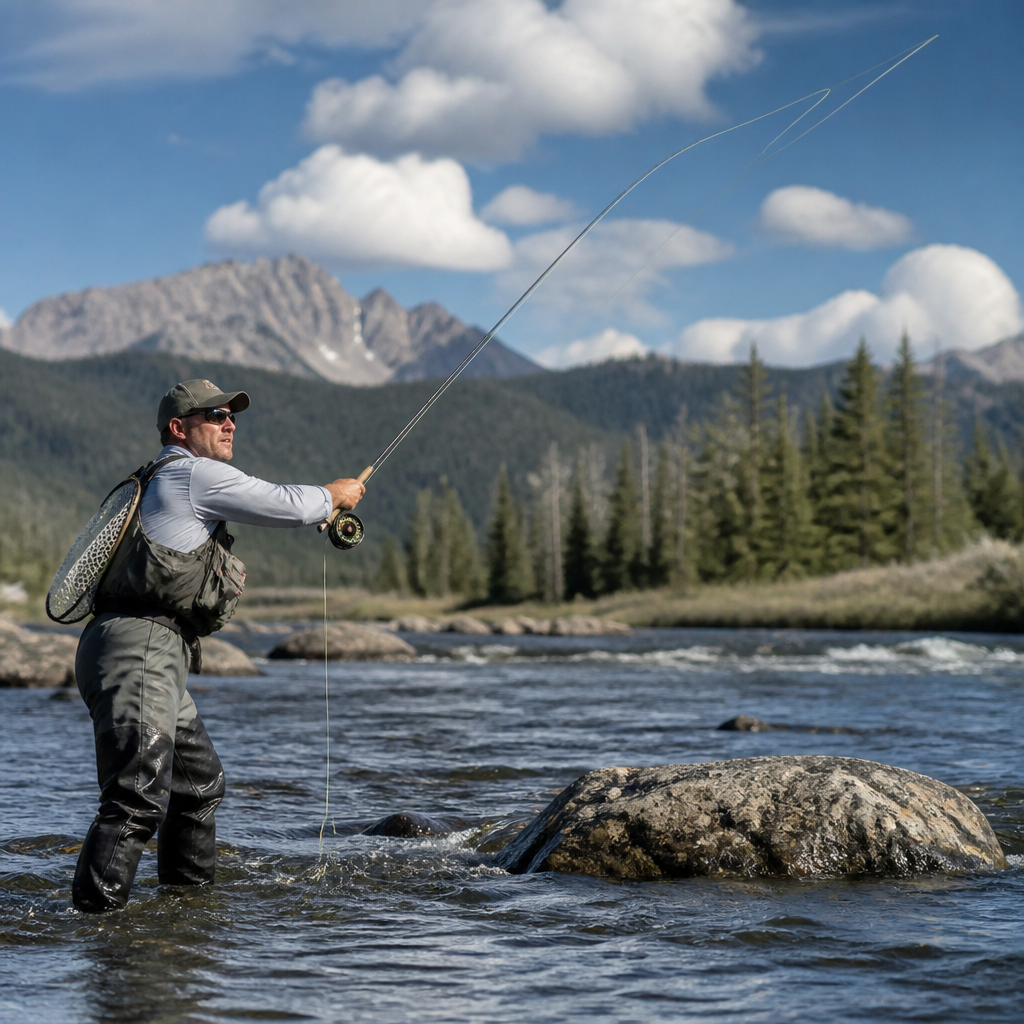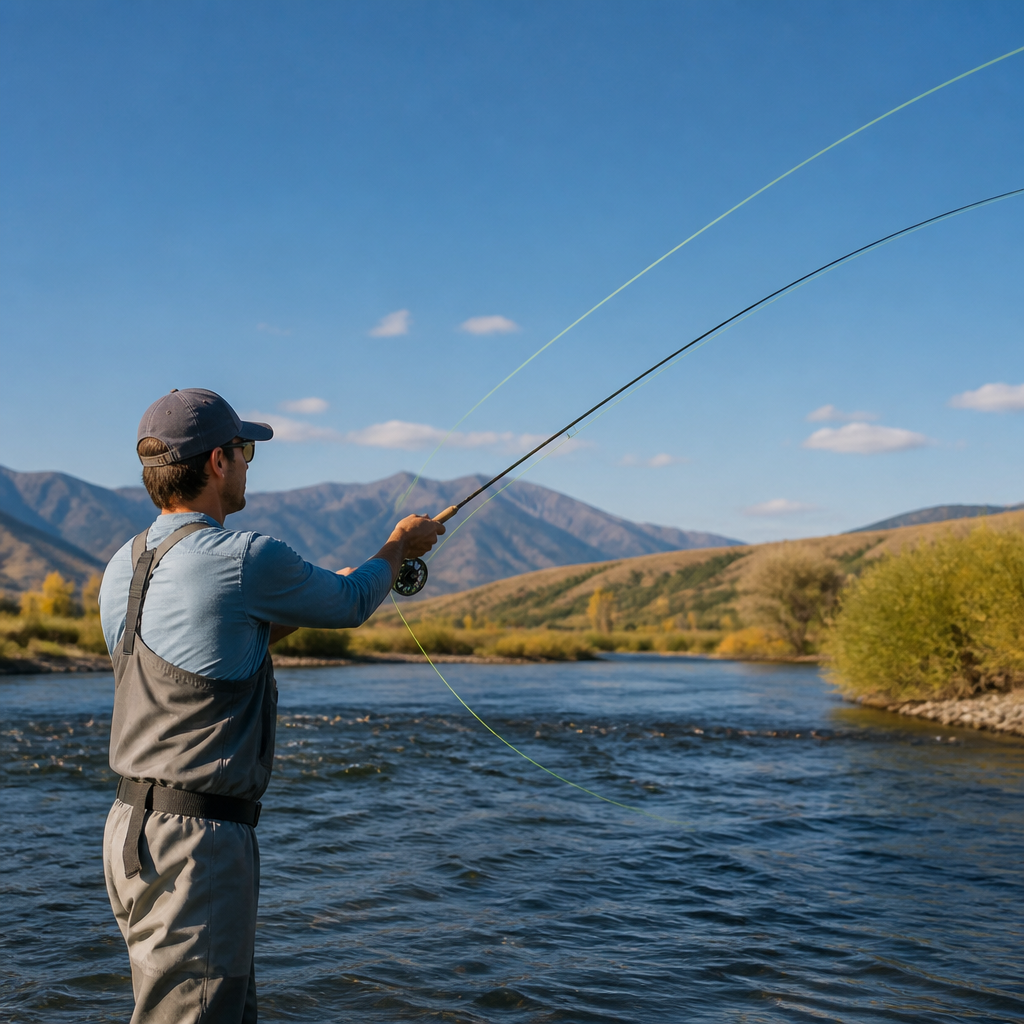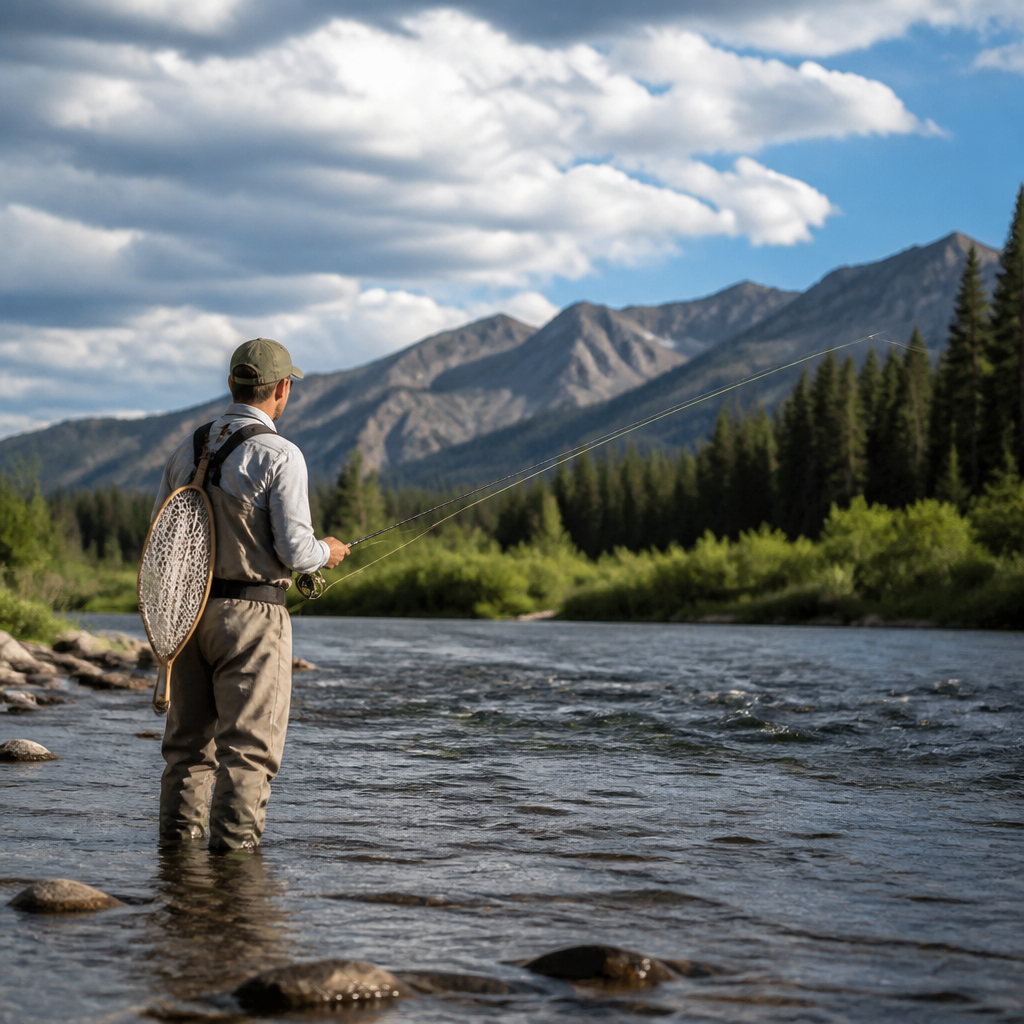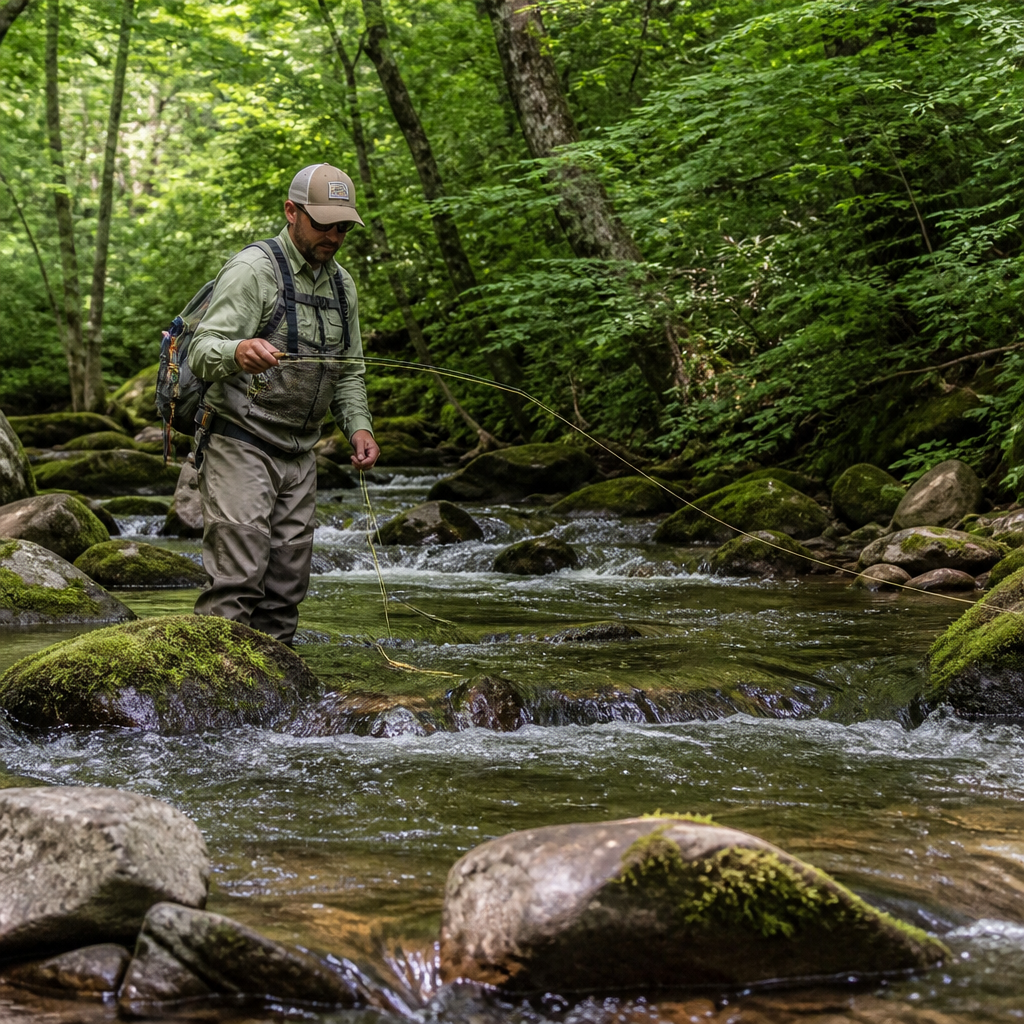
Nymphing in small streams is one of the most consistent ways to catch trout, yet it is often misunderstood by anglers who associate nymph fishing with deep tailwaters, long drifts, and complex indicator rigs. In reality, small-stream nymphing is a compact, highly tactical approach built around short casts, controlled drifts, and reading pocket water with precision. A nymph is an underwater fly that imitates aquatic insects in immature stages, along with other subsurface food such as larvae, pupae, scuds, and small baitfish. Because trout in small streams feed below the surface far more often than many anglers realize, understanding nymphing techniques and gear can dramatically improve catch rates across seasons.
Small streams usually mean tighter casting lanes, shallower runs, broken currents, shorter drift windows, and trout that react quickly to food passing near them. That combination changes everything. You need less line on the water, more direct contact, and flies that sink promptly without creating splashy presentations. In my own fishing, the biggest mistake I see is anglers applying big-river methods in miniature water: oversized indicators, excessive false casting, and drifts that start too far from the likely lie. Small streams reward efficiency. If a pocket is three feet long, the fly often needs to be in the strike zone immediately, not halfway through the drift.
This article serves as the hub for nymphing techniques within the broader Techniques and Strategies topic. It explains how to approach short-line nymphing, indicator nymphing, high-stick methods, and tight-line presentations in confined water. It also covers rod and leader selection, fly patterns, split shot placement, strike detection, positioning, and seasonal adjustments. If you want a clear framework for nymphing in small streams, the core principle is simple: match your rig to the depth, speed, and structure of the water in front of you, then maintain enough control to let the fly drift naturally while still detecting subtle takes.
Why small-stream trout eat nymphs so consistently
Trout in small streams live in an environment where food is abundant but drift opportunities are brief. Mayfly nymphs, caddis larvae, stonefly nymphs, midges, cranefly larvae, and freshwater scuds are all available under the surface, often every month of the year. Surface feeding gets attention because it is visible and exciting, but subsurface feeding is the baseline behavior. Even in streams famous for dry-fly action, trout commonly take most of their calories below the film. That is why nymphing techniques remain productive during cold fronts, bright midafternoons, off-color flows, and shoulder seasons when hatches are sporadic.
Current speed also matters. In small streams, riffles and plunge pools compress food into narrow lanes. Trout position themselves behind rocks, under root wads, along seams, and at the heads of pools where oxygen and food converge. A nymph drifting six inches from the right lane can be ignored, while the same fly drifting directly through the feeding slot gets eaten instantly. This is why precision beats distance. You are not covering broad slicks; you are targeting micro-structure. Think in terms of current pillows, pocket tails, undercut banks, and submerged ledges rather than entire pools.
Water temperature influences the feeding window. Below about 45 degrees Fahrenheit, trout usually conserve energy and hold in slower, softer water. From the upper 40s into the low 60s, they feed more freely and often occupy riffles and faster seams. In summer, especially in freestone systems with healthy oxygen, they may stay in broken water all day because current brings food and security. A nymphing approach that recognizes those shifts will outperform any fixed method. The right answer is rarely “always use an indicator” or “always tight-line.” It is “use the rig that gives the best drift in the water trout are using right now.”
Core nymphing techniques for tight water
The foundational small-stream methods are short-line indicator nymphing, high-stick nymphing, and tight-line contact nymphing. Short-line indicator nymphing uses a very small yarn, foam, or air-lock style indicator placed close enough to the fly to allow quick drifts through slots, plunge pools, or troughs. It excels in slightly deeper runs where a visible cue helps with strike detection. High-stick nymphing is more direct: you keep most of the fly line off the water, lead the drift with a raised rod, and use leader contact to guide the flies naturally through current tongues. Tight-line contact nymphing is similar in principle but often relies on a sighter or colored leader section rather than a floating indicator.
Each method solves a different problem. If glare, broken surface texture, or awkward pocket water makes visual takes hard to read, a compact indicator can be the best tool. If conflicting currents immediately drag line or drown your drift, high-stick control usually wins. If fish are holding in narrow, fast seams where instant contact and quick sink rate matter most, tight-line contact presentations are often superior. In practice, experienced anglers blend these styles during a single outing. On one creek, I may fish a small indicator through knee-deep slots in the morning, then switch to a short tight-line rig for shaded plunge pools after the sun gets high.
The biggest technical priority is sink speed. In small streams, the drift is short, and fish usually will not move far. If the fly takes half the drift to reach depth, you lose most of the opportunity. That is why compact tungsten beads, slim profiles, and judicious split shot matter. It is also why casting upstream at a slight angle often works better than straight across. An upstream angle buys sink time while preserving control. By the time the flies enter the holding lane, they are close to the bottom and ready to fish.
How to rig effectively for depth, speed, and control
Most productive small-stream nymph rigs are simple. Complexity wastes time and tangles in brushy corridors. A standard setup starts with a 7.5- to 9-foot leader tapered to 4X or 5X, depending on fly size, water clarity, and expected trout size. Add a single weighted nymph, or a two-fly rig with a heavier point fly and a lighter dropper above it. In pocket water, I often start with one tungsten-bead fly and one unweighted or lightly weighted trailer. That gives fast entry to the strike zone while still offering movement and a second food signal.
Split shot placement affects drift quality more than many anglers realize. Put weight too far from the flies and they pendulum unnaturally before reaching depth. Place it too close and you may deaden the action or snag constantly. A good starting point is six to ten inches above the point fly in pocket water, adjusting based on turbulence and bottom composition. In softer glides, you may separate weight farther to avoid a vertical plunge. In rough plunge pools, weight closer to the fly usually gets down faster, which is essential.
| Condition | Recommended approach | Typical rig adjustment |
|---|---|---|
| Shallow pocket water | High-stick or tight-line | Single tungsten nymph, little or no indicator |
| Knee- to waist-deep runs | Short-line indicator nymphing | Small indicator, one or two flies, light shot if needed |
| Fast plunge pools | Contact drift from close range | Heavy point fly, shot close, short upstream cast |
| Low clear water | Stealthy tight-line or light indicator | Longer leader, finer tippet, smaller flies |
| Cold slow water | Controlled dead drift near bottom | Extra weight, slower lanes, midge or small mayfly patterns |
Indicator placement should generally be about one and a half times the water depth from the upper fly when using a dead-drift setup, but that rule is only a starting point. In turbulent small streams, the indicator often must sit closer for control; in smooth slots, farther can help achieve depth. If the fly is ticking bottom every few drifts, you are close. If you never touch anything and never snag, you are probably too high. Productive nymphing is usually one adjustment away from frustration, so make changes in small increments.
Best gear for small-stream nymphing
The ideal rod for nymphing in small streams is usually shorter and lighter than what many anglers use on larger rivers. A 7-foot 6-inch to 9-foot rod in 2- to 4-weight handles most situations well. In brushy brook trout streams, a 7-foot 6-inch or 8-foot rod gives better maneuverability under canopy. On somewhat larger creeks with mixed pocket water and runs, an 8-foot 6-inch or 9-foot 3-weight or 4-weight offers superior line control. Moderate-fast to fast actions help with quick pickups and precise casts, but the rod should still protect fine tippet on close-range strikes.
Reels matter less than rods here, yet balance still counts. A simple click-and-pawl or light disc-drag reel is sufficient because most fish are fought off the rod, not the drag. The line should match the rod and presentation style. A weight-forward floating line remains the most versatile choice for indicator nymphing and general short-cast work. For dedicated contact techniques, some anglers prefer a thinner euro-style line or specialized nymph line, though on tight, overgrown streams I often favor a standard line because it roll casts and loads better at very short distance.
Leaders are critical. For indicator setups, standard tapered leaders in 7.5- to 9-foot lengths are easy to manage. For contact nymphing, a longer custom leader with a butt section, colored sighter material, and tippet ring can improve strike detection and reduce sag. Trusted tools include tungsten putty, micro split shot, tippet rings, Thingamabobber and Air-Lock indicators, New Zealand wool, hemostats, and a compact net with a short handle. Good polarized glasses are nonnegotiable. They reveal bottom contours, current seams, and fish movement, and they cut wasted casts more than any accessory you can buy.
Fly patterns, presentation angles, and reading water
The best nymph patterns for small streams are not always the fanciest; they are the ones that sink efficiently and suggest local food forms. Pheasant Tail nymphs imitate mayflies broadly and remain indispensable in sizes 14 to 20. Hare’s Ear nymphs suggest a wide range of bugs and work especially well in freestone streams. Caddis larvae in olive, cream, or tan are reliable when trout hold in riffles. Stonefly nymphs shine in rocky currents, especially in western creeks and Appalachian streams with healthy seasonal populations. Zebra Midges, Walt’s Worms, Perdigons, Frenchies, and small jig nymphs all have strong places in a modern box.
Pattern choice should reflect drift conditions as much as entomology. Perdigons, for example, are effective because their slim, hard-coated bodies cut through current quickly. Jig nymphs paired with slotted tungsten beads often snag less on uneven bottoms. Softer, more impressionistic flies like Hare’s Ears can excel when trout want movement. In very small streams, fly size is often more important than exact color. If naturals are sparse or fish are pressured, dropping from a size 14 to a 16 or 18 can make a visible difference in refusals and hookups.
Reading water is where small-stream nymphing becomes strategic rather than mechanical. Fish the near water first. Trout often hold only a rod length away in knee-deep current under a cut bank or beside a midstream boulder. Then cover seams entering pools, the pillow in front of rocks, the soft edge beside the main chute, and the tailout lip where current concentrates food. Approach from downstream when possible, keep a low profile, and use short casts with immediate line control. The best presentation angles are usually slightly upstream or up-and-across, which allow the flies to sink while maintaining a natural dead drift through the feeding lane.
Strike detection, common mistakes, and seasonal adjustments
Most strikes while nymphing small streams are subtle. The indicator may twitch, pause, dip, or simply stop faster than the current should allow. On contact rigs, the sighter may hesitate, jump, or straighten unexpectedly. Sometimes the only clue is extra weight. Set the hook on anything unusual. Short, quick lifts work better than sweeping trout-set motions in tight quarters. Because drifts are short, delayed reactions cost fish immediately. I tell newer anglers to expect the take on every drift; that mental discipline alone sharpens strike detection.
The most common mistakes are too much line on the water, too little weight, and casting too far. Small-stream trout rarely require hero casts. They require getting close without being seen, then making the first drift count. Another frequent error is fishing one speed of water all day. In spring runoff or after rain, trout may push to softer edges. During summer mornings they often hold in riffles, then slide under wood or into shaded plunge pools as light intensifies. In winter, slower buckets and deeper slots become far more important than fast pocket water.
Seasonal fly adjustments are straightforward. Early spring often favors stoneflies, mayfly nymphs, and attractor patterns with enough weight to cut cold flows. Late spring and early summer bring strong caddis and mayfly activity, making smaller droppers especially effective. Summer calls for stealth, finer tippet, and attention to oxygen-rich current. Fall can be excellent for larger nymphs and attractors as trout feed aggressively before winter, though spawning fish should always be avoided and left undisturbed. Keep refining your rigs, take notes on depth and current, and treat every creek as a series of solvable drifts. That is the real benefit of mastering nymphing techniques in small streams: you fish with intention, cover water efficiently, and catch trout under conditions when surface methods fall short.
Nymphing in small streams works because it aligns with how trout actually feed: close to structure, close to the bottom, and often within drifts that last only a few seconds. The essential skills are straightforward but exacting. Choose a compact rod and leader system you can control in tight cover. Use enough weight to reach the strike zone quickly. Match your method to the water, whether that means a tiny indicator, a high-stick drift, or a direct tight-line presentation. Focus on short, precise casts into seams, pockets, plunge pools, and undercut banks rather than fishing water that looks good but carries little food.
The strongest takeaway is that successful small-stream nymphing is less about complicated rigs and more about control. Control depth, control angle, control slack, and control your approach to each lie. When you do, standard flies like Pheasant Tails, Hare’s Ears, caddis larvae, and Perdigons become far more effective. You will also make better adjustments through the year, from slow winter buckets to fast summer riffles. If this article is your hub for nymphing techniques, use it as a framework: pick one method, simplify your setup, and practice reading water on your next outing.
Start with the nearest pocket, watch for any hesitation, and fish every drift as if a trout is already tracking the fly.
Frequently Asked Questions
What makes nymphing in small streams different from nymphing in larger rivers?
Nymphing in small streams is usually a much tighter, more deliberate game than it is on big water. On larger rivers, anglers often rely on long drifts, longer leaders, and more elaborate indicator setups to cover broad runs and deeper channels. In a small stream, the trout are often holding in compact feeding lanes such as plunge pools, seams beside rocks, undercut banks, and short slots between current breaks. That means your presentations need to be short, accurate, and controlled from the moment the flies land.
Instead of trying to drift thirty or forty feet, you may only need a drift of three to ten feet. The goal is not distance, but immediate contact and natural depth. Because currents in small streams change quickly over short distances, excess fly line on the water can ruin the drift fast. That is why many effective small-stream anglers fish close, keep as much line off the surface as possible, and guide the flies through likely holding water with precision.
Another key difference is fish behavior. Trout in small streams often have less time to inspect a drifting nymph because the current funnels food to them quickly. They make fast decisions, especially in pocket water. That works in your favor, but it also means you must cover water efficiently and place your flies where fish actually live. In short, small-stream nymphing is less about complicated rigs and more about stealth, accurate placement, strike detection, and understanding micro-currents.
What kind of rod, leader, and basic gear work best for small-stream nymphing?
A practical small-stream nymphing outfit should be simple, light, and easy to manage in tight quarters. In most situations, a rod between 7 1/2 and 9 feet in a 2- to 4-weight is ideal. Shorter rods are easier to handle around brush, rhododendron, low tree limbs, and steep banks, while slightly longer rods can help with line control and high-sticking in pocket water. A 3-weight or 4-weight is often the most versatile choice because it protects light tippet while still giving enough control to turn over a small nymph rig.
For leaders, many anglers do best with a straightforward setup rather than a highly technical one. A leader in the 7 1/2- to 10-foot range is usually enough, depending on stream size and canopy cover. In very tight creeks, shorter leaders can improve accuracy. In slightly more open small streams, a longer leader can help with stealth and drag reduction. Tippet size often falls in the 4X to 6X range, with 5X being a dependable middle ground for many trout streams. If the water is very clear and fish are pressured, go finer. If you are fishing heavier flies around wood, boulders, or stronger fish, go a little stronger.
As for terminal tackle, keep it minimal. Small tungsten bead-head nymphs are especially useful because they sink quickly without requiring much split shot. That matters in small water where you need the fly to get down fast in a short drift. A small yarn indicator or a tiny, subtle strike indicator can help in slower pools, but in rough pocket water many anglers prefer tight-line contact and visual cues from the leader butt or sighter section. Polarized glasses are essential for reading current seams, spotting slots, and sometimes even seeing fish or tracking your flies in shallow water. Good wading boots with traction are also critical because small streams often involve slick rocks, uneven footing, and constant repositioning.
The best gear is not necessarily the most specialized. It is the gear that helps you stay efficient, quiet, and in control at close range. If your setup allows you to make short accurate casts, maintain contact, and adjust depth quickly, you are well equipped for small-stream nymphing.
How do you choose the right nymphs and rig for small-stream trout?
Fly selection in small streams should start with function before imitation. Because drifts are short and trout often react quickly, your flies need to get into the strike zone fast and look alive enough to trigger a take. In many cases, a small selection of proven patterns will cover most situations better than carrying dozens of exact hatch matches. Pheasant Tails, Hare’s Ears, Zebra Midges, Perdigons, Prince Nymphs, caddis larvae, and small stonefly patterns are all reliable choices. If your stream has a healthy population of mayflies, caddis, and stoneflies, those patterns will account for a lot of fish.
Size matters, but not always in the way beginners think. Small-stream trout often eat modest-sized insects, so flies in sizes 12 through 18 are common producers. Heavier tungsten versions are especially valuable because they help you reach the feeding level quickly in plunge pools and broken current. In some situations, one weighted nymph is enough. In others, a two-fly rig can be effective, with a heavier anchor fly on top and a smaller, more natural trailer behind it. That said, small streams are full of branches, roots, rocks, and irregular current, so simpler is often better. A two-fly setup may increase your chances, but it also increases tangles and snagging in cramped conditions.
When building a rig, think about water depth and current speed first. In a shallow riffle or pocket water run, a single tungsten nymph with no indicator may be the cleanest, most efficient option. In a slightly deeper pool or glide, a tiny indicator or dry-dropper arrangement can help suspend the fly naturally and make subtle takes easier to detect. Split shot is useful when needed, but many anglers try to avoid adding too much weight in small streams because it can splash on entry, hang up more often, and reduce finesse in shallow water.
The most important principle is adjustment. If you are not ticking bottom occasionally or getting near where trout hold, you are probably too high in the water column. If you are constantly snagging, you are too deep or moving the flies unnaturally. Good small-stream nymphing comes from making frequent, small corrections in fly weight, tippet length, and rig simplicity until the flies drift naturally through the exact lane where fish are feeding.
What is the best technique for getting a natural drift and detecting strikes in pocket water?
The best technique in pocket water is to fish close and stay connected. Pocket water is made up of short, broken current lanes that create many feeding opportunities for trout, but each lane only gives you a brief window before the drift is over. That means your cast should land with purpose, your rod should immediately come into position, and your line should be managed so the fly drifts at the speed of the current rather than being dragged by conflicting surface flows.
A high-stick or tight-line approach is often the most effective method. After a short upstream or upstream-and-across cast, lift the rod enough to keep most of the fly line off the water while still allowing the nymph to drift freely underneath. Follow the drift with the rod tip as the fly passes through the target lane. This reduces drag and gives you direct contact with the flies, which is important because many strikes in small streams are extremely subtle. You may not see an obvious pause or dunk like you would with a large indicator. Instead, the leader may hesitate, straighten unnaturally, twitch, or simply stop for a fraction of a second.
In rough water, set the hook on anything unusual. If the drift slows unexpectedly, if the leader stalls, if you feel a light tap, or if the line moves sideways when it should be drifting naturally, lift the rod firmly. Trout in pocket water often take and reject a nymph quickly. A fast reaction catches more fish than waiting for a perfectly visible signal. Fortunately, hooksets in close quarters do not need to be dramatic. A short, quick lift is usually enough.
Angle and positioning also matter. Approach from downstream whenever possible, keep a low profile, and target one pocket at a time. Focus on the soft water beside boulders, the cushion in front of rocks, the seam behind current breaks, and the heads of plunge pools where food enters. Rather than blind-casting repeatedly, make one or two quality drifts through each likely lie and then move to the next target. This method keeps your presentation efficient and helps you cover a surprising amount of productive water without spooking fish.
How should you approach, read, and fish a small stream without spooking trout?
Stealth is one of the defining skills in small-stream nymphing. Trout in confined water are often close to you, and because the stream is narrow, your shadow, footfalls, wading pressure, and sloppy casts can affect a large portion of the holding water at once. A careful approach starts before the first cast. Move slowly, stay low, avoid sudden motions, and think about how visible you are from the fish’s perspective. If the sun is behind you, pay special attention to where your shadow falls across the water.
Reading the stream correctly also helps prevent unnecessary disturbance. Many anglers look only at the obvious pool, but small streams are full of overlooked trout lies. Fish may hold in water only a foot or two deep if current speed, cover, and oxygen