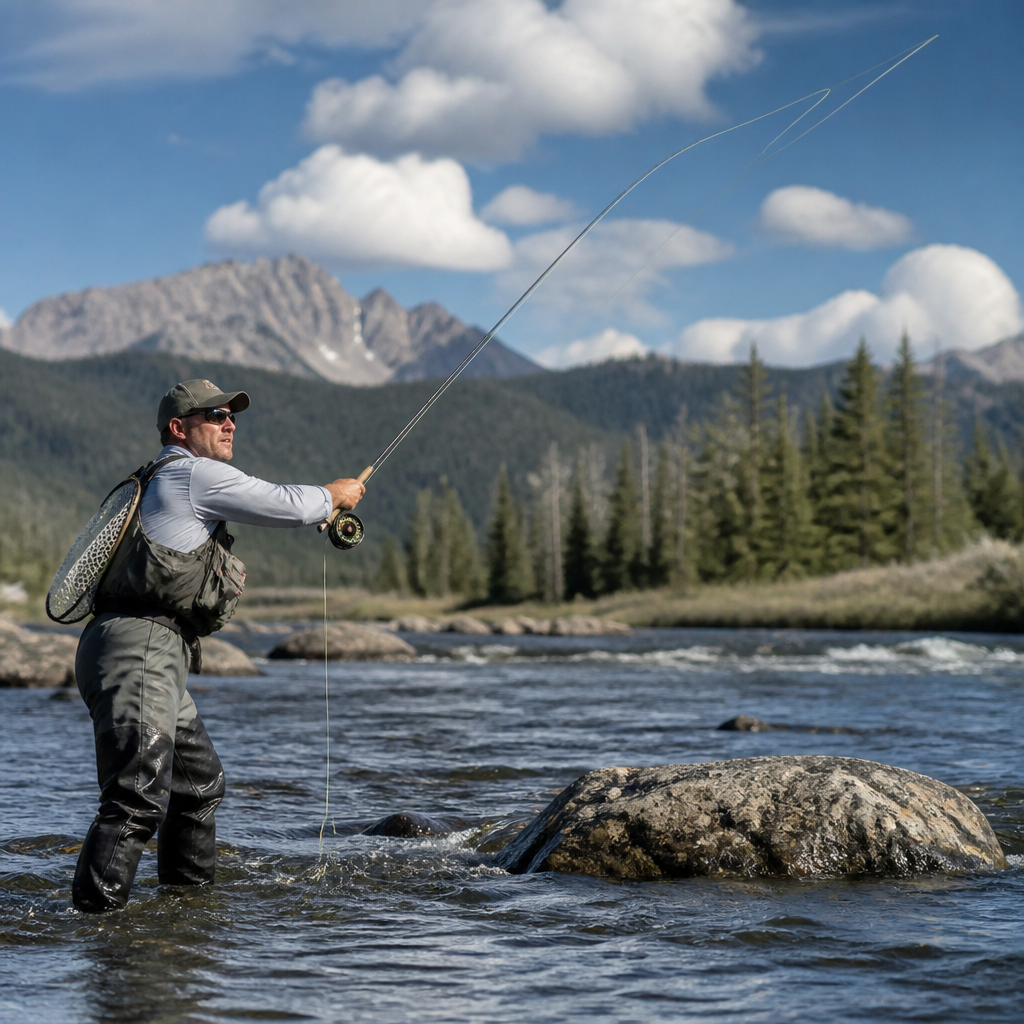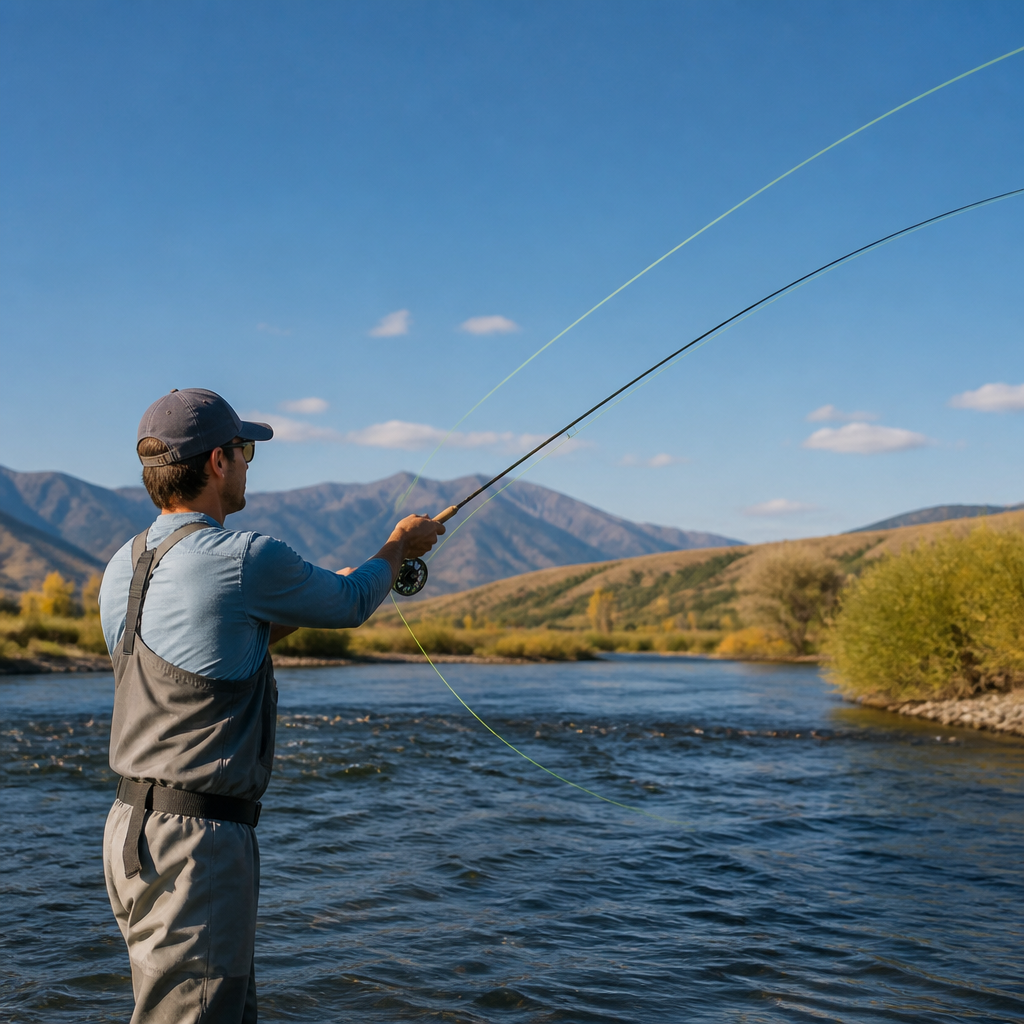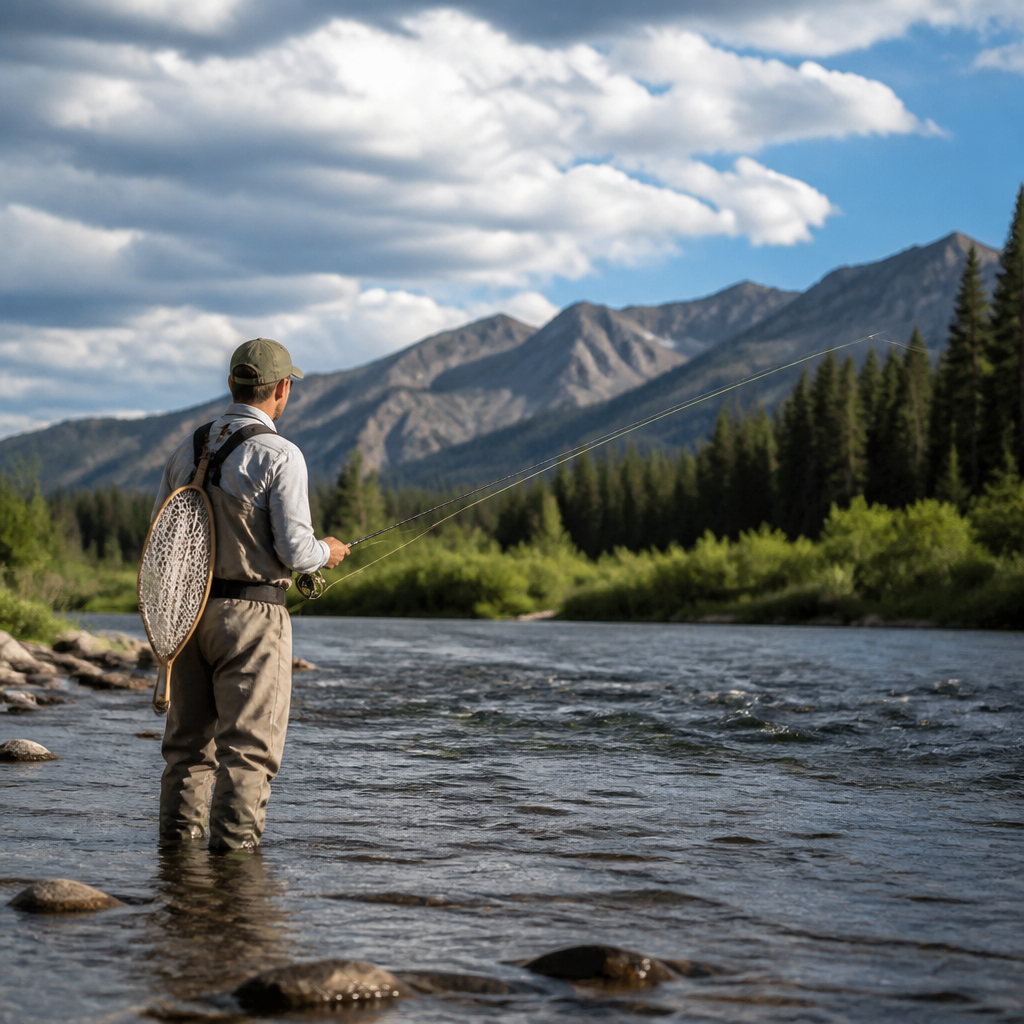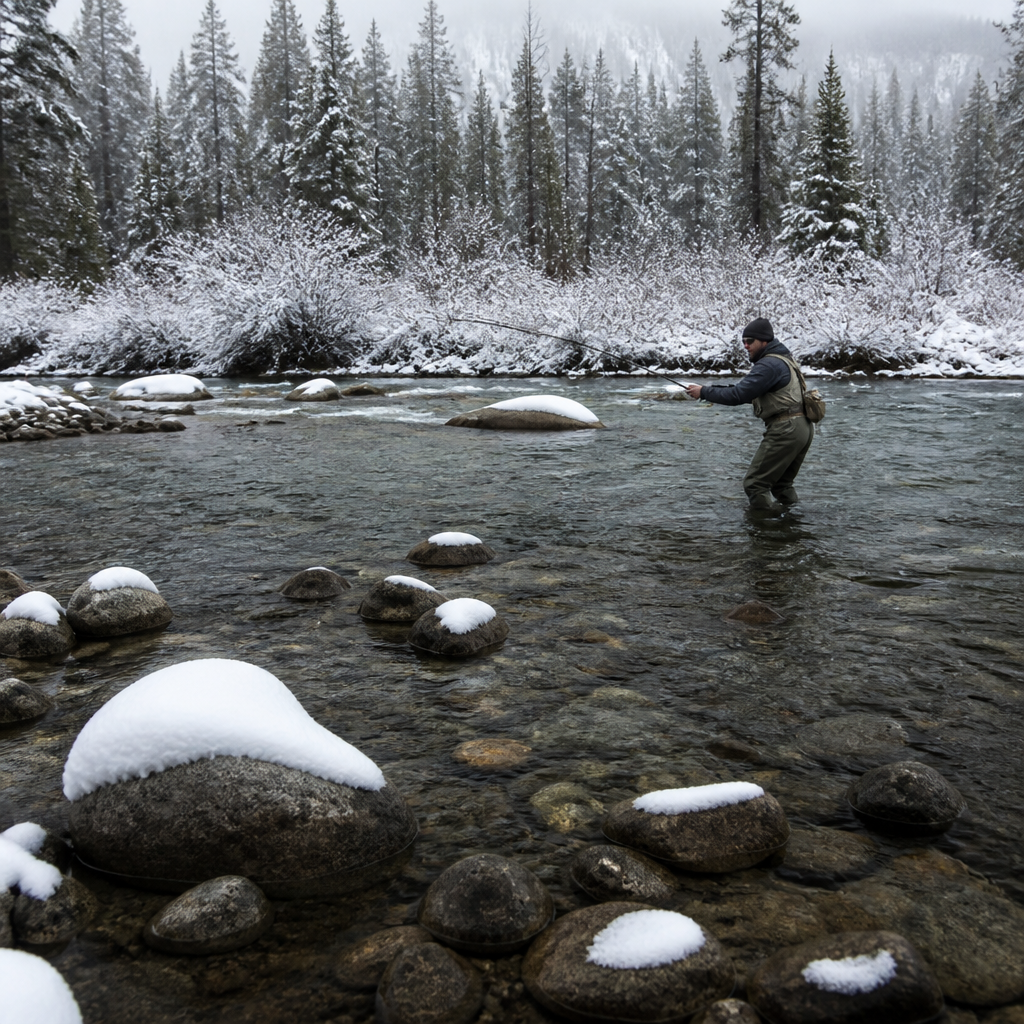
Winter nymphing is the most reliable way to catch trout when water temperatures drop, insect activity narrows, and fish abandon fast summer lies for slower, deeper holding water. In practical terms, winter nymphing means presenting subsurface flies at the trout’s level with deliberate control over depth, speed, and drift during the coldest months. It sits at the center of nymphing techniques because it forces anglers to master the fundamentals: reading currents, balancing weight, detecting subtle takes, and adjusting to fish that feed less often but still must eat. I have found that cold-water days expose every weakness in presentation. A fly that is six inches too high, a leader that drags, or a strike indicator set too shallow can turn a promising run into an empty one. That is why this topic matters as a hub within techniques and strategies. If you understand winter nymphing, you understand the mechanics behind tight-line methods, indicator rigs, euro-style contact fishing, tandem fly setups, mending, and drift management across seasons.
Cold water changes trout behavior in predictable ways. As water temperatures slide toward the high 30s and low 40s Fahrenheit, trout conserve energy by holding in softer seams, tailouts with depth, inside bends, and buckets below riffles where food funnels past with minimal effort. Their feeding windows can be short, often improving during the warmest part of the day, especially after several stable afternoons. Aquatic insects remain available, but the menu contracts. Midges dominate many rivers all winter, blue-winged olive nymphs stay relevant, and small stoneflies become important in freestone systems. The result is a technical game built around small flies, thin tippet, careful weighting, and a drift that moves at exactly the speed of the current carrying natural nymphs. This article covers the complete framework for winter nymphing techniques, from where trout hold to how to rig, cast, mend, and detect takes, so it can serve as the central reference point for the entire nymphing subtopic.
How Cold Water Changes Trout Position and Feeding
Trout do not stop feeding in winter, but they feed more selectively and move less to intercept food. Metabolism slows as water cools, so fish favor lies that offer the best energy return. On most rivers, that means slower current adjacent to depth rather than dead, stagnant water with no food delivery. Look for the inside edge of a seam, the trough at the head of a pool, the soft cushion behind a midstream boulder, or the walking-speed glide below a riffle. Spring creeks and tailwaters behave somewhat differently because temperatures stay more stable, yet the same principle applies: trout want a conveyor belt of food without paying for it in constant swimming.
In the field, I start by eliminating obvious summer water. Fast pocket water can hold fish during mild winter spells, but prolonged cold usually pushes them into softer structures. A useful rule is to target water one speed slower and one level deeper than your first instinct. If the current looks ideal for October, check the softer seam beside it in January. Bright winter sun can also concentrate fish in deeper lanes until the day warms the margins slightly. On cloudy days, trout may spread out more evenly. Stable conditions typically outfish sudden cold snaps because trout settle into consistent feeding behavior. Barometric changes matter less than water temperature stability and flow predictability.
Understanding this positioning improves every nymphing technique. Indicator anglers need longer drifts through slower buckets. Tight-line anglers must approach from closer range and maintain contact without pulling flies off the bottom. Tandem rig anglers should think in vertical layers: one fly near the bottom where lethargic fish hold, another slightly above for fish willing to rise a few inches. Winter trout often take softly, simply opening and closing their mouths as a nymph passes. Because they rarely chase far, the fly must arrive in the narrow feeding lane naturally. That is the central challenge of winter nymphing.
Winter Nymph Selection: Matching Size, Profile, and Food Sources
The best winter nymph selection is narrower than many anglers assume. On most trout streams, confidence patterns fall into three groups: midge larvae and pupae, mayfly nymphs with emphasis on small blue-winged olive types, and stonefly nymphs in rivers where stones are common year-round. I carry fewer patterns in winter than in summer, but I carry them in more precise sizes. Size usually matters more than color. A #20 midge pupa in black or red often outperforms a bulky attractor simply because it matches the food trout are seeing every hour. Likewise, a slim #18 olive pheasant tail-style pattern may outfish larger generalist mayfly imitations when fish are keyed on tiny baetis nymphs.
Profile and sink rate are the next filters. In cold water, slim flies sink faster and drift more naturally than heavily dubbed, overdressed patterns of the same hook size. Tungsten beads have become standard for winter because they get small flies down quickly without forcing anglers to overload a rig with split shot. That said, there are days when an unweighted trailer behind a heavier point fly gives the best movement. For example, on a tailwater with consistent midge production, I often fish a tungsten jig-style anchor fly above a tiny thread midge or zebra midge. The top fly establishes depth; the bottom fly seals the deal.
Color still has a place, especially in off-color water. Black, olive, brown, red, and wine remain winter staples because they suggest common aquatic life and maintain contrast in dim conditions. In freestones, a small dark stonefly paired with a baetis imitation is a logical searching rig. In spring creeks, a sparse midge larva and a tiny scud or sowbug can be better. The hub principle for nymphing techniques is this: choose flies based on what the river can actually produce in winter, then vary size and depth before making wild pattern changes. Most winter failures come from fishing too high, too fast, or too big, not from lacking an exotic fly.
Rigging for Winter Nymphing Success
Winter rigs must solve one problem above all others: getting flies into the trout’s narrow feeding lane without sacrificing drift quality. The three most productive systems are the strike indicator rig, the tight-line contact rig, and the hybrid setup that uses a small sighter or yarn indicator at short to medium range. Each has a place depending on depth, current speed, and casting distance. Indicators excel in broad runs where fish hold deep and the drift needs to extend well beyond rod length. Tight-line methods dominate in pocketed seams, short slots, and places where direct contact improves strike detection. Hybrid rigs bridge the gap on moderate water.
Leader design matters more in winter because subtle takes are common and the difference between ticking bottom and floating over fish can be inches. A typical indicator setup might use a 9-foot leader to a tippet ring, then 3 to 6 feet of fluorocarbon tippet below, adjusted for depth and current. Fluorocarbon sinks faster and resists abrasion around rocks. Split shot should be placed close enough to the flies to achieve depth quickly but not so close that movement looks unnatural; 8 to 14 inches above the point fly is a practical starting point. Tight-line leaders are more specialized, usually built around a long mono butt, a highly visible sighter, and thin tippet that cuts through current. The exact formula varies, but the objective is consistent: maintain contact while minimizing sag and drag.
| Rig type | Best water | Main advantage | Common mistake |
|---|---|---|---|
| Strike indicator | Deep runs, broad seams, long drifts | Precise depth control at distance | Setting indicator too shallow |
| Tight-line contact | Short-range seams, buckets, pocket transitions | Excellent strike detection and drift control | Leading flies too fast |
| Hybrid/sighter | Moderate depth, mixed currents | Versatility between contact and suspension | Using it where a full indicator is needed |
Two-fly rigs are standard because they cover more of the water column and reveal fish preference quickly. I usually place the heavier fly on point in winter unless snagging becomes excessive, then shift weight above and run a lighter trailer. Tippet diameter should be as light as conditions allow. On clear water with small flies, 5X or 6X is common. On larger stonefly rigs or stained flows, 4X may be appropriate. The key is matching terminal tackle to fly size and fish behavior, not ego. Fine tippet improves sink rate and drift on small patterns, which is often more important than absolute breaking strength in cold conditions.
Presentation, Drift Control, and Strike Detection
Winter nymphing is won through drift quality, not casting beauty. The ideal presentation reaches depth early, then travels naturally at current speed through the prime lane with no sideways skating from conflicting currents. Upstream and up-and-across angles usually offer the cleanest drifts because they give flies time to sink before entering the target zone. On indicator rigs, a stack mend immediately after the cast often buys crucial slack and keeps the indicator floating naturally. Additional small mends should reposition line without moving the flies. Large, abrupt corrections often pull nymphs up and away from fish.
Tight-line anglers face a different challenge: contact without tension. The rod leads the drift enough to stay connected, but not so much that the flies accelerate. I tell newer anglers to imagine escorting the flies rather than towing them. Keep the rod high, track the drift with the tip, and feel for tiny interruptions. Many winter takes are not sharp taps. They register as a slight hesitation, a soft stop, a sighter twitch, or simply the disappearance of bottom contact sooner than expected. Set on anything unusual. In cold water, hesitation is usually enough evidence.
Depth control is the first adjustment when fish are not eating. If you are not touching bottom occasionally, you are probably too shallow. If you are hanging up every drift, you are too deep or too slow. Productive winter nymphing often means ticking the substrate every few casts, not dredging continuously. Speed is the second adjustment. In softer winter lies, flies should travel slowly but naturally. If your indicator races faster than bubbles, mend. If your tight-line sighter zips downstream, reduce lead. Short drifts can outproduce hero casts because they maintain better depth and contact. Cover water methodically, one lane at a time, and expect trout to reward precision rather than volume.
Seasonal Strategy, Conditions, and Common Mistakes
The best winter nymphing strategy starts with timing. On many rivers, the most productive window is late morning through midafternoon, when overnight chill has eased and water temperature has risen a degree or two. That small change matters. A stream moving from 38 to 40 degrees can fish noticeably better because trout become slightly more willing to feed. Tailwaters and spring creeks may stay consistent enough to fish well all day, while snowmelt-fed freestones often lag until the sun reaches the water. Use a thermometer instead of guessing. Water temperature is one of the few variables you can measure directly, and it often explains why the same run feels dead at 9 a.m. and alive at 1 p.m.
Flows and clarity also shape tactics. In low, clear winter water, long leaders, finer tippet, and smaller flies become critical. Stealth matters more because fish sit in predictable places and can inspect offerings longer. In slightly elevated or stained conditions, trout may feed with more confidence, allowing larger anchor flies or brighter hotspots. Safety matters too. Cold water reduces dexterity quickly, and winter wading demands restraint. Felt or modern rubber soles with studs improve footing, but the smartest move is often fishing the near seam rather than forcing a risky crossing for one extra angle.
Most common mistakes are simple. Anglers fish too much water too quickly, use flies that are too large, refuse to add weight, or keep changing patterns before solving depth and drift. Another mistake is ignoring sun angle and microclimate. A south-facing bank, a spring seep, or a tailout warmed by midday light can concentrate fish. Finally, many anglers quit before the best window arrives. Patience is part of the method. Winter nymphing is not about covering miles; it is about making repeated, accurate drifts through high-probability holding water. For anglers building a complete understanding of nymphing techniques, winter is the season that sharpens judgment fastest. It teaches where trout actually live, how natural drift really works, and why small adjustments in depth, angle, and weight produce outsized results. Master these cold-water techniques, and every other subsurface method becomes easier in spring, summer, and fall.
That is the lasting value of this sub-pillar hub. Winter nymphing brings together fly selection, rigging, strike detection, current reading, and fish behavior in one disciplined approach. Start with likely holding water, choose realistic winter food forms, rig for exact depth, and commit to controlled drifts. Adjust weight before patterns, size before color, and timing before abandoning a river. Those habits consistently produce trout when conditions are toughest, and they transfer directly to indicator nymphing, euro nymphing, tandem rigs, and seasonal subsurface strategies across the broader techniques and strategies topic. If you want to improve your catch rate and become a more complete trout angler, make winter your classroom and use this guide as the foundation for the rest of your nymphing techniques study.
Frequently Asked Questions
Why is winter nymphing usually the most dependable way to catch trout in cold water?
Winter nymphing is so reliable because it matches how trout behave when water temperatures drop. In cold conditions, trout do not want to burn unnecessary energy chasing fast-moving food in heavy current. Instead, they slide into slower, deeper holding water where they can conserve energy and feed opportunistically on subsurface insects drifting directly to them. At the same time, surface activity becomes far less consistent because hatches are limited and short-lived, which means dry-fly opportunities are often brief or nonexistent. Nymphs, however, remain available in the drift all winter, even when visible insect activity is sparse.
That is why a well-presented nymph often outperforms other approaches during the coldest months. You are putting the fly where trout actually live in winter: near the bottom, in softer seams, troughs, tailouts, and protected slots adjacent to stronger current. The method also rewards precision. If you can control depth, reduce drag, and keep your drift moving at the speed of the current where the fish are holding, your fly stays in the strike zone longer. In winter, that extended time in the feeding lane matters because trout are usually willing to eat, but not willing to move far to do it.
Where should I look for trout when winter nymphing?
In winter, trout usually shift away from fast summer lies and relocate to water that offers security, steady oxygen, and easy feeding with minimal effort. The best areas are commonly deeper runs, soft seams beside moderate current, slow inside bends, buckets below riffles, tailouts with some depth, and depressions where the current is reduced but food still passes through. Trout often stack in places that may look unremarkable compared with the more obvious pocket water and aggressive current breaks that produce in warmer months.
A good rule is to look for water that is slower than summer feeding water, but not dead. Completely stagnant water is often less productive than a lane with gentle current that carries drifting nymphs. Depth is also important because deeper water is usually more stable in temperature and gives trout a comfortable holding zone close to the bottom. Focus on transitions: the edge of a faster seam, the lip of a drop-off, the soft cushion behind a midstream boulder, or the deeper belly of a run. Trout in winter often hold in groups, so when you find one fishable lane that produces, work it carefully and thoroughly before moving on.
How deep should my flies be, and how do I know if I am getting the depth right?
Depth is one of the most important variables in winter nymphing because trout generally hold close to the bottom. In cold water, a fly drifting too high may pass over fish that will not rise even a short distance to intercept it. That means your flies usually need to travel just above the streambed, close enough to look natural and available, but not so deep that you constantly snag. A common benchmark is to aim for occasional bottom contact. If you never touch anything, you are often too shallow. If every cast hangs up, you are too deep or too heavy.
The best way to dial in depth is to adjust systematically. Add or remove split shot, change fly size, alter leader length, or reposition your indicator if you are using one. Start with enough weight to get down early in the drift, especially in deeper winter runs where fish may not sit far from the entry seam. Then watch for clues. Brief ticks on the bottom, a couple of controlled snags over several drifts, or sudden pauses in your indicator or leader can all suggest you are fishing near the right zone. Because current speed and depth change across even a short drift, depth control is never one-and-done in winter. Skilled anglers keep fine-tuning until the flies spend most of the drift where the trout actually are.
What fly patterns and rig setups work best for winter nymphing?
Winter success usually comes from simple, efficient choices rather than constant fly changes. Trout are often feeding on small, dark, natural-looking subsurface insects, so dependable winter nymph patterns typically include midge larvae, zebra midges, small pheasant tails, perdigons, hare’s ear variations, stonefly nymphs in rivers where they are relevant, and other compact bugs that sink quickly and suggest common cold-season food sources. Sizes are often smaller than many anglers prefer in other seasons, especially when insect activity narrows and fish become selective. That said, larger anchor flies can still be useful when you need to get down or imitate larger stoneflies and mayfly nymphs present in the system.
As for rigging, a two-fly setup is often highly effective because it lets you cover both weight and profile. Many anglers use a heavier point fly to help reach depth, with a smaller trailer above or behind it to imitate the subtler insects trout may be keying on. Strike indicators can be excellent in winter because they allow slow, controlled drifts through deep lanes and help detect delicate takes. Tight-line or contact nymphing can also be outstanding when you can stay close enough to maintain direct contact and precise depth control. The best rig is the one that keeps your flies drifting naturally at trout level for the longest possible time. In winter, presentation almost always matters more than carrying dozens of patterns.
How do I detect more strikes and improve my drift when trout are barely eating?
Winter strikes are often subtle, and many fish are missed because anglers expect the same kind of obvious take they see in warmer water. In cold conditions, trout may simply open and close their mouths on a nymph without moving the indicator dramatically or tightening the line in a pronounced way. That means strike detection has to become more disciplined. Watch for anything unusual: a tiny hesitation, a slight dip, a sideways slide, a brief stall in the leader, or a drift that suddenly speeds up or slows down for no visible reason. If something looks different, set the hook. In winter, reacting quickly to small signals catches far more fish than waiting for certainty.
Improving the drift starts with eliminating conflicting currents and keeping the flies moving naturally at the pace of the water where the trout are holding. Good mends, thoughtful casting angles, and controlled line management are essential. Try to lead the drift slightly without dragging the flies. Get close enough for control, but not so close that you disturb the lie. Shorter, more deliberate presentations are often better than long casts because they make depth and strike detection easier to manage. Also pay attention to your entry. If your flies and weight do not sink quickly enough near the start of the drift, they may only reach productive depth after they have already passed the best holding water. In winter nymphing, success usually comes from stacking small advantages: proper depth, natural speed, careful line control, and a willingness to treat every tiny pause as a possible fish.