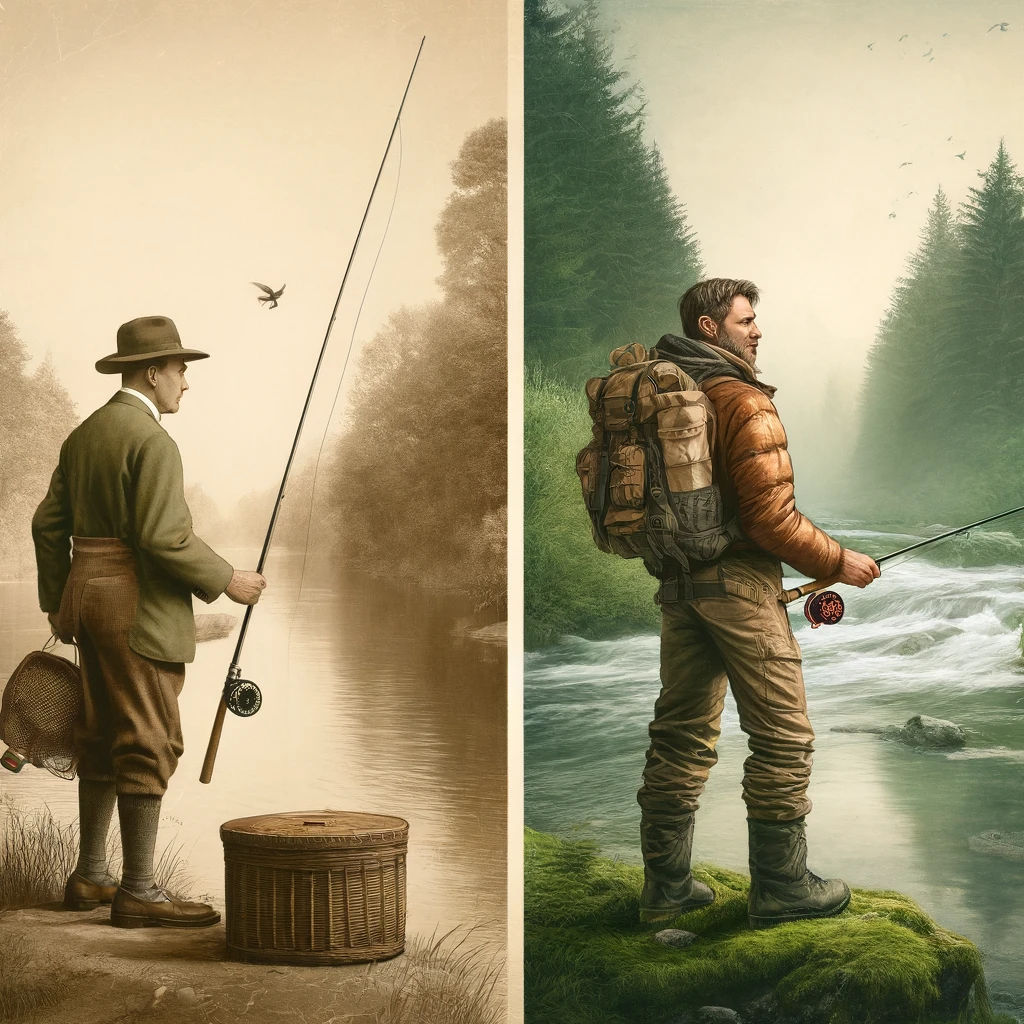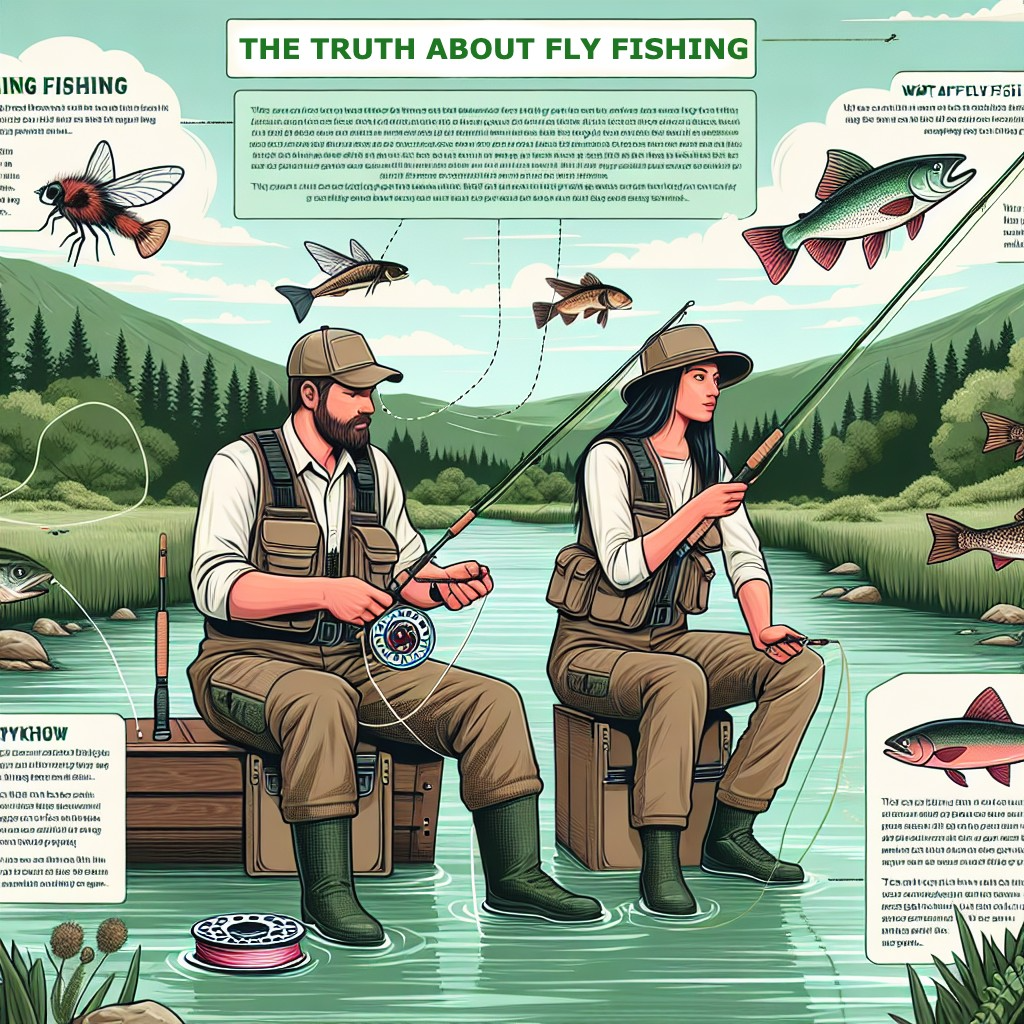
Welcome to the fascinating world of fly fishing, a sport rich in tradition, skill, and rewards. Whether you’re a newcomer who’s considering getting started or an angler looking to refine your technique, there’s no shortage of information—and misinformation—about fly fishing. In this article, I aim to debunk some of the most common fly fishing myths, giving you the straight talk and useful tips you really need to thrive in the sport. Fly fishing doesn’t have to be intimidating, and you’ll soon see that many of the perceived barriers are more myth than reality.
Introduction to Fly Fishing
Fly fishing is often seen as an elitist, mysterious craft suitable only for those with plenty of disposable income and even more leisure time. Yet, in reality, fly fishing is an accessible and incredibly rewarding way to connect with nature. Essentially, fly fishing involves using a weighted line and specially designed lures—called flies—to catch fish. Unlike traditional fishing methods that rely on the lure’s weight to make long casts, fly fishing employs the weighted line to propel the lightweight fly. The sport has been romanticized through literature, films, and popular culture, contributing to many myths and misconceptions. At its core, fly fishing is about the joy of being outdoors, connecting with nature, and honing a set of skills that can be both challenging and relaxing. There’s also a broader community and vibrant culture encircling it, welcoming anglers of all skill levels.
Let’s start by dispelling a few misconceptions. First, fly fishing is often believed to be an exclusively high-cost endeavor. While it’s true that you can spend a lot on specialized gear, it’s equally possible to get started with a modest investment. Secondly, many people assume that fly fishing is only for catching trout in pristine mountain streams. In reality, fly fishing can be practiced in practically any body of water, from lakes and rivers to saltwater coastlines, targeting various fish species.
Furthermore, some think fly fishing requires a disproportionate amount of skill that can only be acquired over years of practice. While becoming proficient requires patience and effort, basic fly fishing techniques can be learned relatively quickly. With the right guidance and a bit of practice, you’ll be casting like a pro in no time.
Myth #1: Fly Fishing is an Expensive Hobby
This is one of the most pervasive myths about fly fishing, and it can be a significant deterrent for people considering the sport. It’s true that high-end fly rods, reels, and other specialized equipment can cost hundreds or even thousands of dollars. However, the reality is that you don’t have to break the bank to start fly fishing. Entry-level gear can be both affordable and highly effective. Many reputable brands offer combo kits that include a rod, reel, line, and sometimes even a selection of flies, all for less than $200. Online marketplaces and local fishing shops often have great deals as well. Moreover, as a beginner, you may not require some of the advanced features that come with higher-end gear. Renting equipment can be another cost-effective way to try fly fishing without making a full financial commitment. Many outfitters and fly fishing guides offer rental options that allow you to use good-quality gear for a day or a weekend. This is an excellent way to get a feel for what you like and don’t like before making a purchase. Additionally, fly fishing can be as simple or complex as you make it. Many of the most successful anglers focus on technique and understanding the fish they target rather than relying on the latest gadgets and technology. You can find success and enjoyment with a modest investment and some basic gear.

Myth #2: Fly Fishing is Only for Trout
While trout fishing is a big part of fly fishing culture, it’s not the only fish you can target. Fly fishing can be adapted to various environments and species, ranging from freshwater to saltwater. The techniques, equipment, and flies may vary, but the fundamental principles remain the same. In freshwater, you can target species like bass, pike, carp, and even panfish. These fish can be found in local lakes, ponds, and rivers, making fly fishing accessible whether or not you live near a pristine mountain stream. Each species offers unique challenges and requires different tactics, keeping the sport interesting and versatile. Saltwater fly fishing is another exciting avenue to explore. Coastal areas provide opportunities to target species like bonefish, redfish, tarpon, and snook. Saltwater fly fishing often involves wading in shallow flats or casting from boats, each presenting its own set of challenges and rewards. The thrill of hooking into a powerful saltwater fish on a fly rod is incredibly exhilarating and a testament to the versatility of fly fishing. Fly fishing can also be an excellent way to explore different environments, from small creeks and urban waterways to expansive lakes and ocean shores. Each provides its own set of rules, techniques, and experiences, keeping the adventure alive and always offering something new to learn.
Myth #3: Fly Fishing is Too Difficult for Beginners
Fly fishing may seem intimidating at first glance, but it’s far from inaccessible for beginners. In fact, the fundamental skills required can be learned relatively quickly, especially with the abundant resources available today. Many local fly shops offer beginner lessons or even weekend clinics that provide a crash course in the basics. These introductory sessions often cover essential skills like casting, knot tying, and fly selection. Additionally, countless online tutorials, courses, and videos cater specifically to beginners, making it easier than ever to learn at your own pace. Starting out, simple is better. Focus on mastering the basic overhead cast and roll cast. These will be the foundation of your fly fishing skills. Practice makes perfect, so spend some time casting on dry land or in your backyard before heading to the water. Gaining muscle memory and developing your cast will give you more confidence once you’re on the water. Fly selection can also seem daunting, but it’s not as complex as it appears. Start with basic, versatile patterns known to be effective in your local waters. As you gain experience, you can experiment with more specialized patterns and techniques. The excitement of catching your first fish on a fly you cast yourself is an unparalleled reward and a huge confidence booster.
Access to Fly Fishing Waters
Another major misconception is that you need to live near remote, pristine wilderness to enjoy fly fishing. While those picturesque locations certainly offer incredible experiences, you can find excellent fly fishing opportunities much closer to home. Urban fly fishing has been gaining popularity, with many cities offering access to rivers, lakes, and streams that hold fish suitable for fly fishing. Parks, public lands, and community ponds can all offer opportunities to practice and enjoy fly fishing without needing to travel far. Urban fly fishing can also provide a refreshing escape from the hustle and bustle of city life, even if only for an afternoon. Consider joining local fishing clubs or online communities dedicated to fly fishing in your area. These groups are often composed of friendly, knowledgeable anglers who are more than willing to share tips, local hotspots, and even coordinate outings. The social aspect of fly fishing is another layer of enjoyment, fostering camaraderie and shared experiences among anglers. Many public lands and national parks offer ample fly fishing opportunities. With thousands of miles of rivers and countless lakes across the United States alone, there are plenty of opportunities to explore and fish. Additionally, fishing regulations often allow for seasonal access to various water bodies, ensuring there are options throughout the year.
Conservation and Fly Fishing Ethics
Fly fishing isn’t just about catching fish; it’s also deeply connected to conservation and responsible angling practices. Many fly fishers are passionate about preserving the environments in which they fish, ensuring that future generations can enjoy the same experiences. Catch and release is a common practice among fly fishers, aimed at minimizing the impact on fish populations. Using barbless hooks and handling fish delicately can increase their chance of survival after release. Understanding the life cycles and habits of the fish you target also helps promote sustainable fishing practices. Fly fishing communities often engage in conservation efforts, from stream clean-ups to habitat restoration projects. Getting involved in these initiatives can be a fulfilling way to give back to the environment and make meaningful contributions to preserving natural habitats. It’s also crucial to respect local fishing regulations and guidelines. These rules are often put in place to protect fish populations and maintain ecological balance. By following them, you’ll contribute to the overall health and sustainability of the fisheries you enjoy. Understanding the ethical aspects of fly fishing elevates the experience from a mere sport to a conscientious practice that aligns with broader environmental values. It fosters a deeper connection with nature and instills a sense of responsibility for its preservation.
Conclusion: Embrace the Journey
Fly fishing is a journey filled with endless learning, discovery, and satisfaction. By debunking these common myths, I hope to make the sport more accessible and inviting for everyone, regardless of experience level or background. Remember, the essence of fly fishing is not about elitism, expense, or unattainable skill, but about connecting with nature, experiencing tranquility, and enjoying the thrill of the catch. Start with a modest investment, focus on the basics, and seek out local waters and communities. Embrace the opportunities to learn and grow, and don’t be afraid to make mistakes along the way. The journey itself is as rewarding as the destination, filled with moments of reflection, excitement, and camaraderie. Most importantly, remember that fly fishing is meant to be fun and fulfilling. The more you immerse yourself in the experience, the richer it becomes. Whether you’re casting in an urban park or wading in a mountain stream, the joy of fly fishing lies in its simple pleasures: the rhythmic motion of the cast, the beauty of the surroundings, and the thrill of the catch. So, grab your rod, tie on a fly, and step into the water. You’re now a part of a long-standing tradition, a vibrant community, and a deeply satisfying pursuit. Happy fishing!