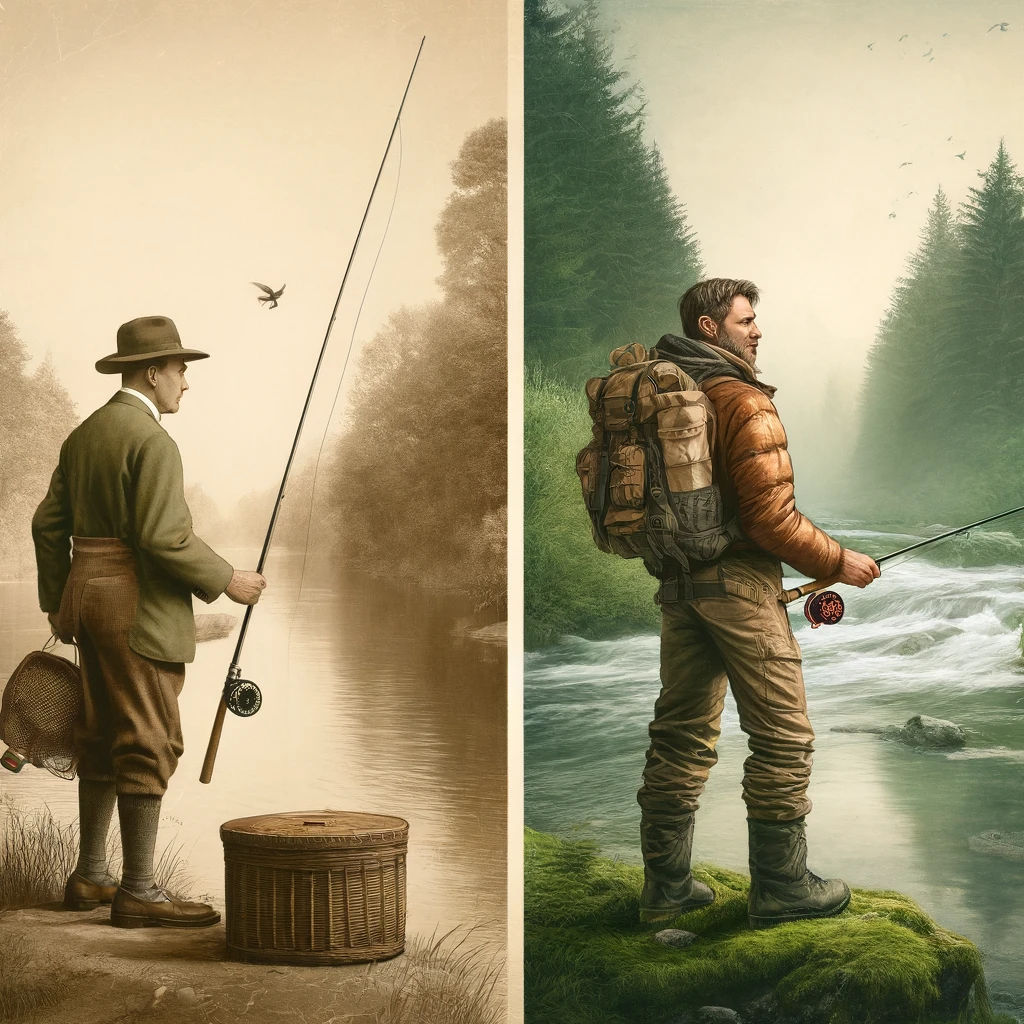
Fly fishing is more than just a recreational activity; it’s a captivating journey that immerses you in nature, challenges your skills, and connects you with a time-honored tradition. In this comprehensive guide, we will explore the basics of fly fishing, why it stands out among other outdoor activities, and how to get started.
Introduction to Fly Fishing
At its core, fly fishing is a method of angling that uses a lightweight lure called a “fly” to catch fish. Unlike traditional fishing where the weight of the lure propels the line, in fly fishing, the weight of the line propels the almost weightless fly, which mimics insects and other small prey that fish eat. This technique requires precision, patience, and an intimate understanding of the aquatic ecosystem.
The origins of fly fishing date back centuries, evolving from necessity to a beloved pastime. Historical records suggest that fly fishing was practiced by the Macedonians as early as 200 AD. It later gained popularity in the 19th century, becoming a favorite among English nobles. Today, fly fishing continues to captivate enthusiasts around the world, offering a unique combination of relaxation, sport, and artistry.
One of the greatest allures of fly fishing is its setting. Anglers often find themselves in some of the world’s most picturesque environments—crystal-clear streams, serene lakes, and sprawling rivers. These natural landscapes not only provide a habitat for fish but also create an idyllic backdrop for anglers seeking solace and adventure.
In addition to its scenic appeal, fly fishing offers a rich sensory experience. The gentle ripple of water, the subtle movement of the fly line, and the occasional splash of a caught fish all contribute to a mindfulness-like state. For many, this is the ultimate escape from the hustle and bustle of everyday life.
The Gear: What You Need to Get Started
Fly fishing requires specific equipment, and understanding the basics can help set you on the path to success. The three primary components are the rod, reel, and fly line. Each element plays a crucial role in your fly fishing setup.
The fly rod is typically longer and more flexible than traditional fishing rods, allowing for the casting techniques unique to fly fishing. They come in various lengths and weights, depending on the type of water and fish you’re targeting. A good starting point for beginners is a 9-foot rod with a 5-weight line, which offers a balance of versatility and ease of use.
The reel’s primary function in fly fishing isn’t to fight fish but rather to store the line. It should be well-balanced with the rod and allow for smooth casting and retrieval. Most modern fly reels feature a drag system that helps control the line during a catch, providing better control over larger, stronger fish.
Fly lines are weighted and tapered to facilitate the casting process. They are available in different types, including floating, sinking, and intermediate. Floatation is the most popular choice for beginners due to its versatility and ease of use. Along with the main fly line, you’ll also need a backing line and leaders/tippets to create a complete setup.
A comprehensive fly fishing kit also includes flies, which are essential to the sport. These come in various patterns and sizes, designed to mimic the appearance and behavior of different insects and prey. Having a diverse selection of flies in your tackle box ensures you’re prepared for various conditions and fish species.
Other helpful gear includes waders, which allow anglers to venture into deeper waters without getting wet, and a vest or pack to carry your essential items. Sunglasses, a hat, and sunscreen are also recommended for sun protection.

Understanding Fish Behavior
Success in fly fishing often hinges on understanding fish behavior. Different species of fish have unique habits, feeding patterns, and preferred habitats. By learning these nuances, you can increase your chances of a fruitful catch.
For example, trout is one of the most commonly targeted species in fly fishing. These fish are highly sensitive to their environment, preferring cold, oxygen-rich waters. They feed primarily on insects, making them ideal targets for fly fishing. Observing the water surface and watching for rising fish can help you identify where they’re feeding.
Another popular species is bass, found in warmer waters of lakes and ponds. Bass are known for their aggressive feeding behavior, making them a thrilling catch. They tend to hide in structures like submerged logs and rocks, so casting near these areas can improve your chances.
Understanding hatch cycles is also beneficial. Most aquatic insects that fish feed on have specific life cycles, which influence their appearance and behavior. Fly anglers often “match the hatch” by selecting flies that resemble the insects currently present in the water. This strategy increases the likelihood of enticing fish to bite.
Reading the water is a skill that develops over time. Paying attention to water flow, depth, and temperature can provide clues about where fish are likely to be. Fish often congregate in areas with ample cover and food supply. Look for features like eddies, riffles, and pools, where fish are likely to reside.
Finally, adhering to the catch-and-release ethic ensures the sustainability of fish populations. Proper handling techniques, such as using barbless hooks and minimizing air exposure for the fish, contribute to their survival after release.
Perfecting Your Casting Technique
Mastering the art of casting is essential for any fly angler. Unlike traditional fishing, where the weight of the lure does most of the work, fly fishing relies on the weight of the line and the technique of the caster. Here are some key tips to enhance your casting skills.
First, start with the basics. A standard fly casting technique involves the backcast and forward cast. Begin with a short length of line and practice lifting the rod from the 9 o’clock to the 1 o’clock position. As you lift, accelerate the rod smoothly and stop abruptly to let the line straighten behind you before moving into the forward cast.
Timing and rhythm are crucial. The goal is to allow the line to fully extend before changing the direction of your cast. This ensures a smooth transfer of energy from the rod to the line, resulting in a more accurate and controlled cast. Practice makes perfect, so spend time on the water honing your technique.
Another important aspect is minimizing slack in your line. Slack reduces control and accuracy, making it harder to place your fly precisely where you want. Keep the line taut during both the backcast and forward cast by using your non-dominant hand to manage the line.
As you become more proficient, you can experiment with different casting techniques, such as roll casting, reach casting, and double hauling. Each method offers specific advantages depending on the fishing conditions and your target species.
Environmental factors also impact casting. Wind can be both a friend and foe in fly fishing. Learning to cast with the wind at your back or at an angle can improve distance and accuracy. Conversely, casting directly into the wind requires more power and control to prevent the line from getting tangled.
Lastly, practice makes perfect. Spend time on the water, but also practice casting on dry land. Set up targets at varying distances to simulate real fishing scenarios. With dedication and patience, you’ll see significant improvements in your casting abilities.
Choosing the Right Fly Patterns
One of the most exciting aspects of fly fishing is selecting the right fly pattern. Flies mimic various insects and prey to attract fish, and the type of fly you choose can make a significant difference in your success rate. Flies are generally categorized into three main types: dry flies, wet flies, and nymphs.
Dry flies float on the water surface, imitating adult insects such as mayflies, caddisflies, and stoneflies. These are particularly effective during hatching seasons when fish feed on insects that land on the water surface. Observing the type of insects around the water can guide you in choosing the right dry fly.
Wet flies, unlike dry flies, sink below the surface of the water. They mimic the behavior of insects that swim through the water or larvae that drift in currents. Wet flies are effective in attracting fish that feed below the surface, making them a versatile choice.
Nymphs are designed to imitate the immature stage of aquatic insects. These flies are typically fished near the bottom or mid-level of the water column. Because many fish species feed primarily on nymphs, having a variety of nymph patterns is essential for any angler’s fly box.
Streamers are another type of fly that imitate small baitfish or other prey. They are larger than traditional flies and are often used to target predatory fish like trout, bass, and pike. Streamers require a more active retrieval technique, mimicking the movement of injured or escaping prey.
The color, size, and shape of the fly all play critical roles in its effectiveness. Many anglers meticulously tie their own flies, tailoring them to specific fishing conditions and target species. Fly tying is both an art and science, requiring knowledge of entomology and craftsmanship.
Experimentation is key. Bringing a variety of fly patterns to the water allows you to adapt to changing conditions. Pay attention to what works and doesn’t work, and be willing to switch flies if you’re not getting any bites. Local fly shops are excellent resources for advice on which patterns are currently effective in specific waters.
Conservation and Ethical Practices
Conservation and ethical practices are fundamental to the future of fly fishing. As anglers, it’s our responsibility to protect aquatic ecosystems and ensure that fish populations remain healthy for generations to come. Here are some essential guidelines to follow.
Catching and releasing fish should be done with care. Use barbless hooks to minimize injury to the fish, and avoid handling them with dry hands, as this can damage their protective slime coating. Keep the fish in the water as much as possible during the release process to reduce stress and improve their chances of survival.
Respecting fishing regulations is crucial. Many waters have specific rules regarding catch limits, seasons, and protected species. Adhering to these regulations helps maintain sustainable fish populations. Ignorance is not an excuse, so make sure to familiarize yourself with the local fishing laws before heading out.
Leave no trace is a principle that extends beyond the water. Pack out all trash, including fishing line, hooks, and any other waste. Pollution not only detracts from the natural beauty of fishing locations but can also harm wildlife and fish habitats.
Support conservation organizations that work to protect aquatic environments and fish populations. Many of these organizations rely on donations and volunteer efforts to carry out their mission. Participating in conservation initiatives is a great way to give back to the sport you love.
Continual learning and education are also vital. Stay informed about environmental issues that affect fishing, such as climate change, pollution, and habitat destruction. Being knowledgeable allows you to make more informed decisions and advocate for policies that protect our natural resources.
Finally, share your passion for fly fishing with others responsibly. Educate fellow anglers about ethical practices and the importance of conservation. By fostering a community that values and respects the environment, we ensure the future sustainability of fly fishing.
Conclusion: Embrace the Ultimate Outdoor Experience
Fly fishing is more than just a hobby; it’s a lifelong journey filled with adventure, skill, and a deep connection to nature. From selecting the right gear and understanding fish behavior to mastering casting techniques and choosing the perfect fly patterns, fly fishing offers a rewarding and immersive experience.
As you embark on this journey, remember the importance of conservation and ethical practices. Protecting our waters and fish populations ensures that future generations can enjoy the same incredible experiences. Whether you’re a seasoned pro or a novice, there’s always something new to learn and discover in the world of fly fishing.
So, grab your gear, head to the water, and embrace the ultimate outdoor adventure. The serenity of nature, the thrill of the catch, and the rich traditions of fly fishing await you. Happy fishing!