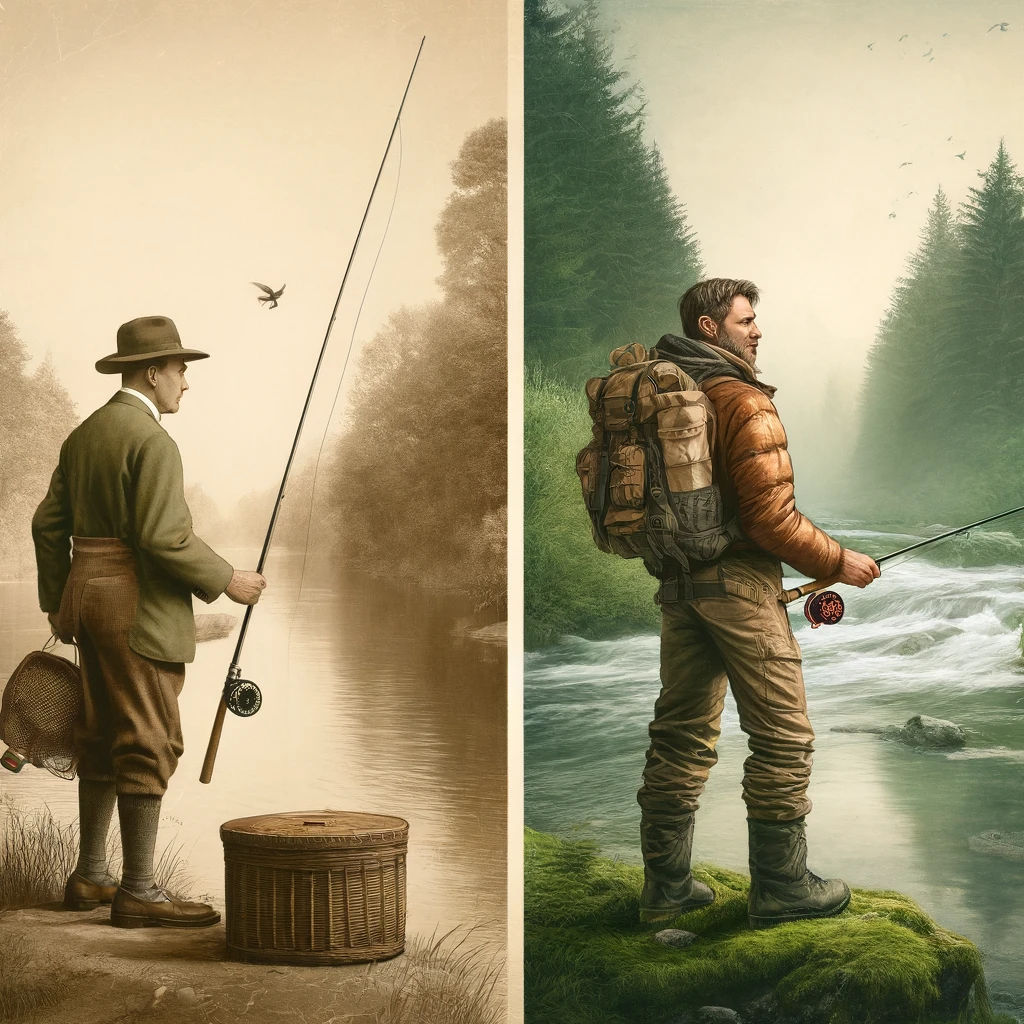
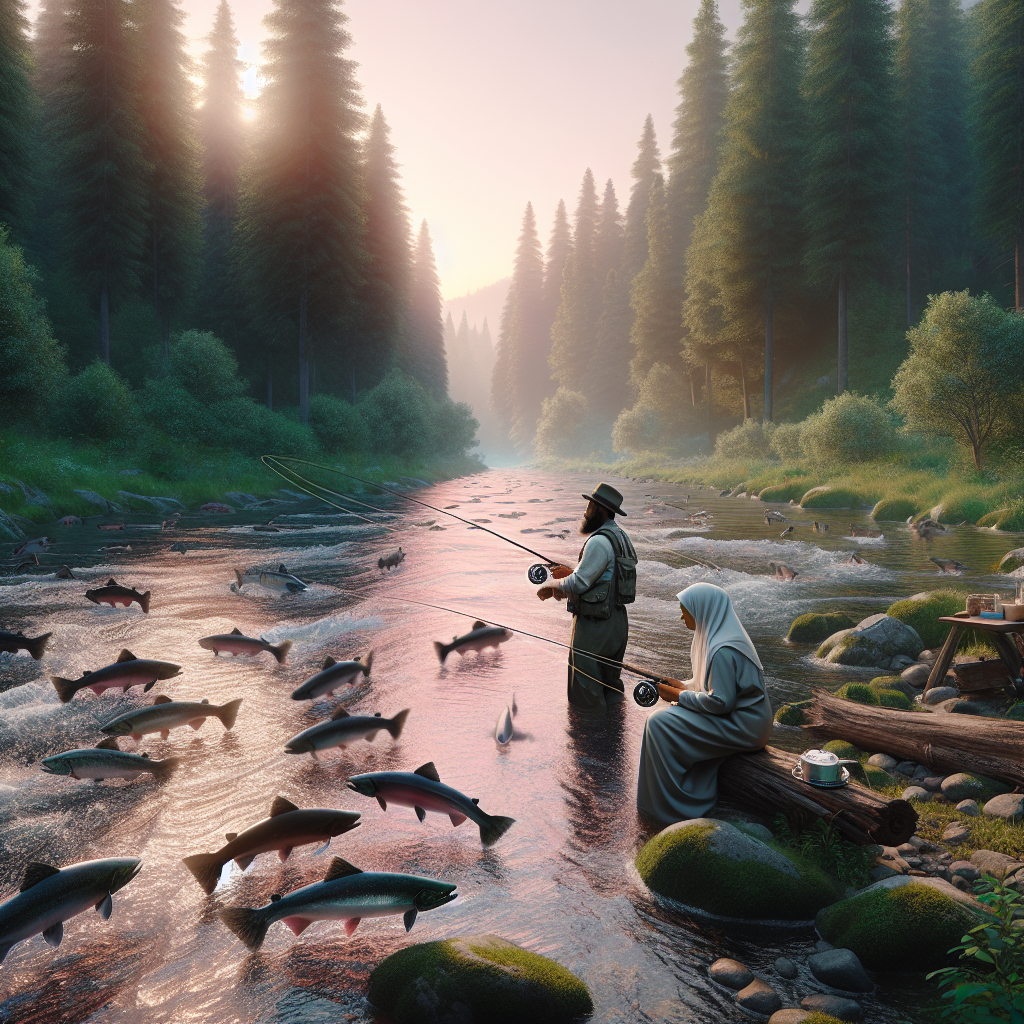
Fly fishing is an art form revered by anglers across the globe. One of its key challenges is knowing when and where to cast your line for the best chances of a catch. Low light conditions, particularly at dawn and dusk, provide some of the most rewarding opportunities in fly fishing. Understanding the reasons, strategies, and intricacies of twilight fishing can significantly enhance your success rates.
Introduction
Fly fishing at dawn and dusk, fondly referred to as the “magic hours,” offers unique advantages. Fish tend to be more active in these low light conditions, venturing closer to the water’s surface and more accessible locations. This behavior is driven by several factors, including light levels, water temperature, and feeding habits. Our goal is to guide you through the various aspects of fly fishing during these prime times, ensuring you’re well-equipped to make the most of your fishing adventures.
One primary reason why fish are more active during these times is the reduced light intensity. Fish, particularly trout, have a survival instinct that drives them to avoid direct sunlight. The decrease in light at dawn and dusk offers these species a level of comfort, making them more likely to leave their hiding spots and feed actively. Furthermore, insects, a crucial part of the fish diet, are also more active during low light, increasing the chances of fish seeking food near the surface.
Water temperature plays a significant role as well. During the early morning and late evening, the water is cooler, which can be beneficial for both the fish and the angler. Cooler water holds more oxygen, which is vital for fish activity. Additionally, when water temperatures rise during the day, fish tend to seek cooler, deeper areas. The temperature at dawn and dusk is typically more favorable for fish to pursue food aggressively.
Low light also affects fish visibility, making them more likely to take risks in their search for food. With the diminished ability to see predators, fish are emboldened and thus more susceptible to the well-presented fly. As an angler, this means you have a unique window of opportunity to engage fish in a more predictable and productive manner.
Understanding Seasonal Variations
Fly fishing is inherently linked to seasonal changes. Seasons not only affect the behavior of fish but also influence the conditions in which you will be fishing. Recognizing these seasonal shifts and their impact on low light fishing can help you better prepare and adapt your strategies.
Spring and Fall are widely considered the best seasons for fly fishing at dawn and dusk. During spring, the increased water flow from melting snow and rain enhances the oxygen levels and creates favorable conditions for fish activity. In addition, the breeding cycles of many aquatic insects coincide with spring, leading to an abundance of food for fish.
Fall, on the other hand, offers a reprieve from the high temperatures of summer. The cooling water temperatures make fish more active and easier to catch. The autumn months also initiate spawning, particularly for trout, which significantly influences their behavior. Transition months are optimal due to their moderate climate and ample food supply.
Summer presents a different challenge altogether. Higher temperatures can lead to warm water conditions that decrease fish activity during the day. However, dawn and dusk provide cooler windows that can still offer productive fishing. The early and late hours will generally yield better results as fish look to take advantage of these brief respites from the heat.
Winter fishing requires a different set of skills and gear due to the often frigid conditions. While fish are less active in colder water, some species remain catchable if you adjust your techniques and timing. Focus on slow and deliberate presentations, as fish are less likely to chase a fast-moving fly in cold conditions.
Choosing the Right Gear
Your success in fly fishing at dawn and dusk can be significantly influenced by the gear you choose. Proper equipment ensures you can see and operate effectively in low light while also presenting your fly in the most enticing manner for fish.
Rod selection is crucial. A medium to fast action rod with a sensitive tip allows for precise casts and detection of subtle strikes that are common in low light. These rods provide the necessary balance between power and finesse, essential for effective fly fishing during twilight hours.
Line choice is equally important. Floating lines are often preferred for dawn and dusk fishing as fish tend to be nearer the surface. In cases where fish are feeding slightly below the surface, an intermediate line can be more effective. Additionally, using brightly colored lines can help you track your cast and mend your lines in low light conditions.
Fly patterns should be carefully selected based on the prevalent hatch and fish activity. During low light, larger and more visible flies can be more effective as they are easier for fish to spot. Surface flies like streamers and nymphs are particularly useful in these conditions.
Lastly, don’t underestimate the importance of personal gear. Good-quality polarized sunglasses help reduce glare and enhance visibility in low light. A headlamp is another invaluable tool, allowing you to tie knots and change flies without interrupting your fishing. Layered clothing for temperature variations ensures comfort throughout your fishing session.
Strategies for Dawn Fishing
Fishing at dawn presents its own set of unique challenges and opportunities. Fish, having rested and sheltered through the night, are often eager to feed in the early hours of the day. Employing the right tactics can help capitalize on this behavior.
Starting with your approach, it is beneficial to arrive at your fishing spot before the sun begins to rise. This allows for a quiet and unobtrusive setup, preventing any disturbances that might put fish on high alert. Fish are very sensitive to vibrations and sounds, especially in the calm early morning waters.
Focus on the edges and shallower parts of the water as fish tend to move towards these areas to feed. Casting near structures like fallen trees, rocks, and weed beds can increase your chances as these structures often harbor insects and smaller fish serving as prey.
Presentation matters just as much as location. A slow and steady retrieve is often more effective during dawn. Fish are more likely to inspect and strike a naturally moving fly. Emphasize on achieving drag-free drifts which make your fly appear more natural and less likely to spook fish.
Additionally, be prepared to adapt. If you notice changes in fish behavior or feeding patterns, don’t hesitate to switch flies or alter your tactics. Being flexible and responsive to the conditions can make a significant difference in your success.
Strategies for Dusk Fishing
Dusk fishing can be incredibly rewarding as fish prepare for their nocturnal activities. Similar to dawn, fish exhibit increased activity and feeding behavior as light diminishes. Understanding and leveraging these behaviors can greatly enhance your evening fishing experience.
The first step is timing your fishing session to coincide with the early parts of dusk. Arrive at your spot well before sunset to ensure you have ample light to set up and find your starting point. The transition from day to night is gradual, and beginning your session in the early phases of twilight allows you to adjust to the changing light.
Fish the edges and shallows just as you would in dawn fishing. Pay attention to water temperature fluctuations, as cooling waters can draw fish into previously inactive areas. Casting near shaded areas, where fish may have been sheltered during the day, can yield good results.
Pacing and presentation are key. Similar to dawn fishing, a slow and natural presentation is paramount. Use patterns that mimic the prevalent evening hatch as fish are often keyed in on specific insects during this time. Surface flies and slight twitches can mimic the erratic movements of natural prey, enticing strikes.
As darkness fully sets in, topwater flies like mice patterns or large terrestrials can be incredibly effective. The silhouette created against the night sky makes it easier for fish to spot and strike your fly. Incorporate small movements to simulate a lifelike prey, maximizing your chances.
Understanding Environmental Conditions
Mastering low light fly fishing goes beyond just understanding dawn and dusk. Environmental conditions such as weather, moon phases, and water clarity significantly impact fish behavior and fishing success.
Weather conditions are crucial. Overcast days can extend periods of peak fish activity, making dawn and dusk windows larger. However, storms and heavy rains can disrupt feeding patterns. Warm, stable weather promotes more predictable dawn and dusk activity.
Moon phases also play a role. A new moon creates darker nights, making dawn and dusk more productive as fish rely on the remaining light for feeding. In contrast, a full moon can create enough light for fish to continue feeding well into the night, reducing their activity during dusk.
Water clarity impacts fish behavior and fly selection. Clear water calls for subtle presentations and realistic fly patterns as fish can scrutinize your offerings more readily. In murky or stained water, brighter and larger flies help fish locate your presentation.
Adjusting to these conditions requires keen observation and adaptability. Always be prepared to switch strategies based on changing environmental factors. This willingness to adapt separates successful anglers from the rest.
Conclusion
Fly fishing at dawn and dusk is a skill that combines understanding fish behavior, environmental conditions, and having the right gear. The unique opportunities presented by low light conditions make these times particularly special for anglers. By comprehending the nuances of seasonal variations, optimal gear choices, and specific strategies for dawn and dusk, you can significantly improve your chances of a successful and enjoyable fly fishing experience.
Remember, practice and patience are key. The more you fish during these hours, the more you’ll understand the subtle cues and behaviors of fish, fine-tuning your approach. Every fishing session is a learning experience, bringing you closer to mastering the art of fly fishing at dawn and dusk.