For anglers with a passion for the thrill of the catch, saltwater fly fishing offers an exhilarating and rewarding experience. Whether you are a seasoned fly fisherman transitioning from fresh to saltwater or a complete novice, understanding the basics is crucial. Saltwater fly fishing brings a different set of challenges and rewards compared to its freshwater counterpart. This comprehensive guide will provide insights into the fundamentals, from choosing the right equipment to understanding different saltwater species.
Getting Started: Equipment and Gear
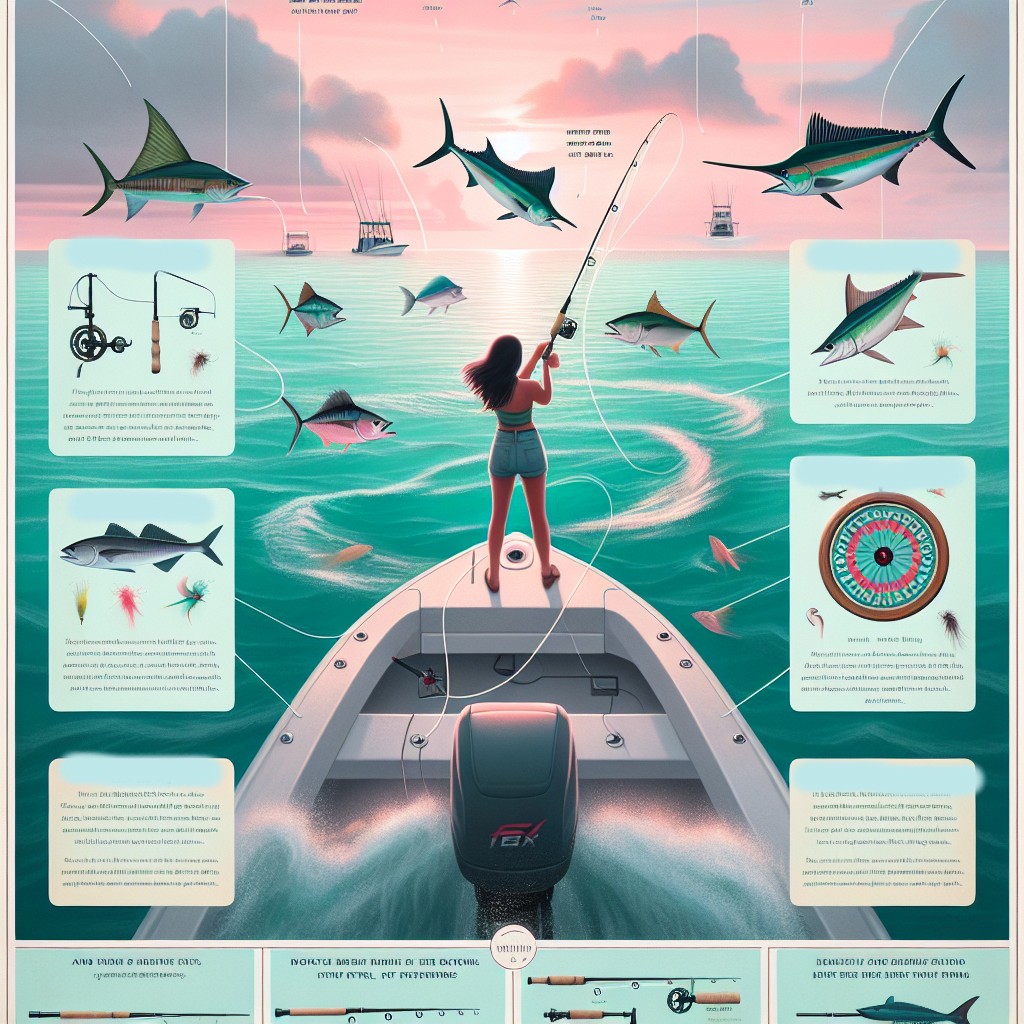
Embarking on a saltwater fly fishing adventure begins with selecting the appropriate gear. The first piece of equipment you’ll need is a robust fly rod specifically designed for saltwater conditions. These rods are generally 8-weight or higher, providing the necessary power to cast larger flies and handle bigger fish. Fly reels should also have a strong drag system capable of enduring the relentless runs of saltwater species.
Fly lines play a significant role in your saltwater fly fishing setup. Weight-forward lines are preferred for their ability to cast long distances, a necessity when dealing with the expansive saltwater environment. Saltwater flies themselves are typically larger, resembling baitfish, shrimp, or crabs. These patterns are designed to attract the attention of various saltwater gamefish.
Lastly, always consider protective gear. Saltwater environments can be harsh, with strong sun and salt spray. Wear a wide-brimmed hat, polarized sunglasses for better visibility, and use ample sunscreen. A quality pair of wading boots will also be essential if you’re fishing in shallow flats.
Understanding Saltwater Species
One of the fascinating aspects of saltwater fly fishing is the diverse array of species you can target. Each species offers unique challenges and experiences:
- Bonefish: Famous for their speed and agility, bonefish are often found in shallow flats. These “ghosts of the flats” require stealth and precision casting to catch.
- Permit: Known for their elusive nature, permit are a prized catch among fly fishermen. Their wariness and strength make them a challenging target.
- Tarpon: The “silver king” of saltwater fly fishing, tarpon can grow to enormous sizes. Hooking into a tarpon is an electrifying experience, as they often perform acrobatic leaps.
- Redfish: Redfish are common in coastal waters and offer great sport, known for their bullish fights when hooked.
- Snook: Found in warm coastal waters, snook are renowned for their hard strikes and acrobatic exits from the water.
Each species demands a different approach and technique, making saltwater fly fishing a continually evolving and exciting pursuit.
Techniques and Strategies
To be successful in saltwater fly fishing, understanding the appropriate techniques and strategies is essential. Here are some key approaches:
- Sight Fishing: This involves visually locating fish and casting your fly in their path. Polarized sunglasses are crucial for reducing glare and seeing through the water.
- Strip Striking: When a fish takes your fly, pulling the line sharply with your stripping hand (rather than lifting the rod) is the effective way to set the hook.
- Double Haul Cast: To achieve the distance necessary in saltwater fly fishing, mastering the double haul technique is vital. This method increases line speed and extends your casting range.
- Reading Tides: Saltwater fish are heavily influenced by tides. Learning to predict and adapt to tidal movements can greatly increase your chances of success.
Effective strategies vary depending on the environment and species targeted. Engaging local guides and doing thorough research can provide a wealth of knowledge, fine-tuning your techniques to perfection.
Understanding the Environment
Saltwater fly fishing spans diverse environments, each offering unique challenges:
- Flats: These shallow areas are ideal for sight fishing. Stealth and precision are paramount to avoid spooking fish.
- Mangroves: Mangrove-lined shores offer shelter to species like snook and tarpon. Casting accuracy and the ability to pull fish away from entanglements are crucial.
- Beaches: Surf fishing from the beach requires longer casts and resilient equipment to handle surf conditions.
- Backwaters and Estuaries: These calm areas can be fish-rich, particularly when tides move baitfish into the estuaries, attracting predators like redfish or trout.
Each environment requires a tailored approach and understanding environmental factors such as wind, water clarity, and tidal phases can significantly enhance your fly fishing experience.
Conservation and Ethical Fishing
Responsible anglers prioritize conservation to maintain sustainable fish populations and healthy ecosystems. Here are some key principles:
- Catch and Release: Practicing catch and release minimizes harm to fish populations. Use barbless hooks and minimize handling time to reduce stress on the fish.
- Respecting Habitats: Avoid disturbing sensitive habitats. Stay mindful of your footprint, particularly in delicate environments like flats and mangroves.
- Following Regulations: Adhere to local fishing regulations and seasonal restrictions. These laws are designed to protect species during vulnerable periods.
- Promoting Awareness: Educate others about the importance of conservation. Sharing knowledge can lead to more responsible angling practices within the community.
By embracing ethical fishing practices, anglers can contribute to the long-term health and sustainability of saltwater fisheries, ensuring future generations can enjoy the sport.
Conclusion: The Thrill of Saltwater Fly Fishing
Saltwater fly fishing transcends the act of catching fish; it immerses you into diverse marine ecosystems, offering an adventure filled with excitement, challenges, and unforgettable moments. From the adrenaline of hooking a tarpon to the stealth required to fool a bonefish, each excursion offers lessons and rewards.
As you begin or continue your journey in saltwater fly fishing, remember that it is a continual learning process. Engage with local fishing communities, invest time in honing your skills, and embrace the moments spent on the water, whether they result in a catch or not.
With the right gear, techniques, and respect for the environment, saltwater fly fishing can become a lifelong passion, offering countless opportunities to connect with nature and experience the beauty of marine life. Here’s to tight lines and memorable saltwater fly fishing adventures!