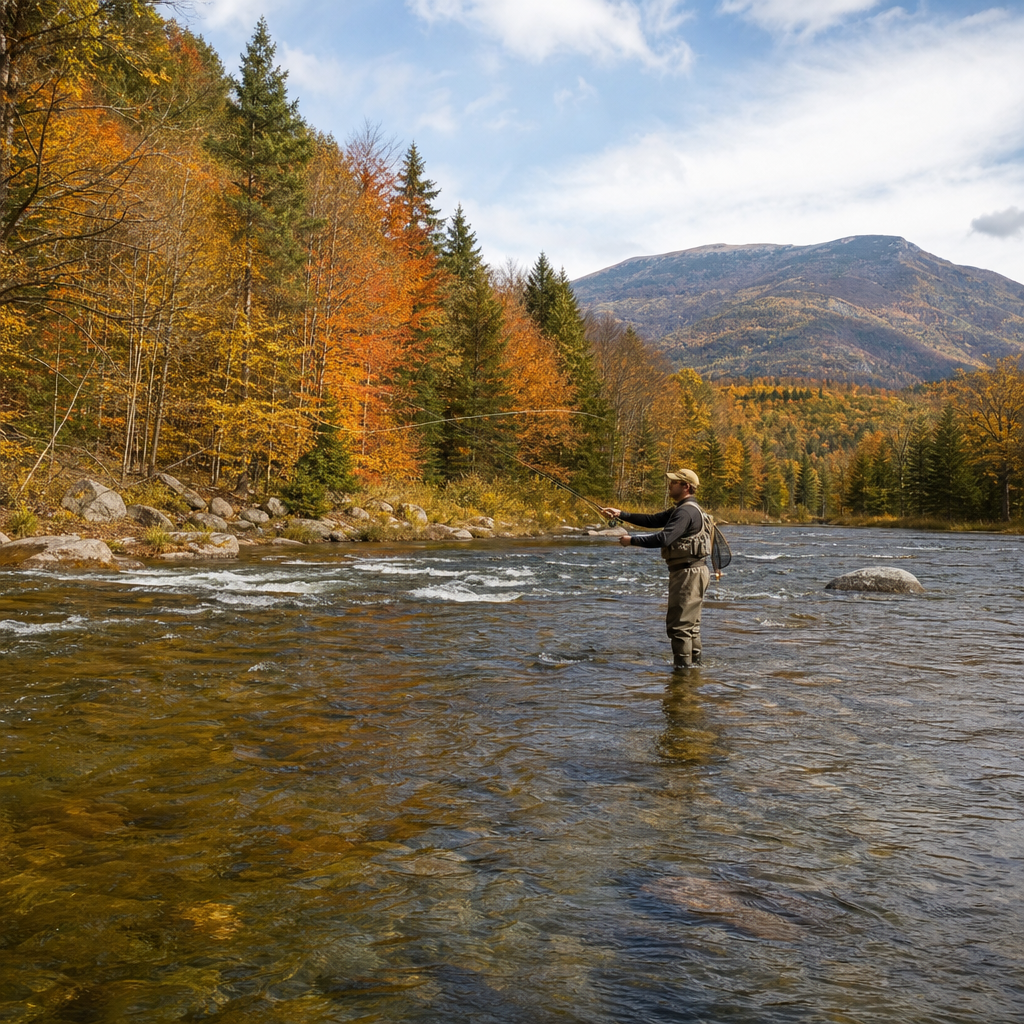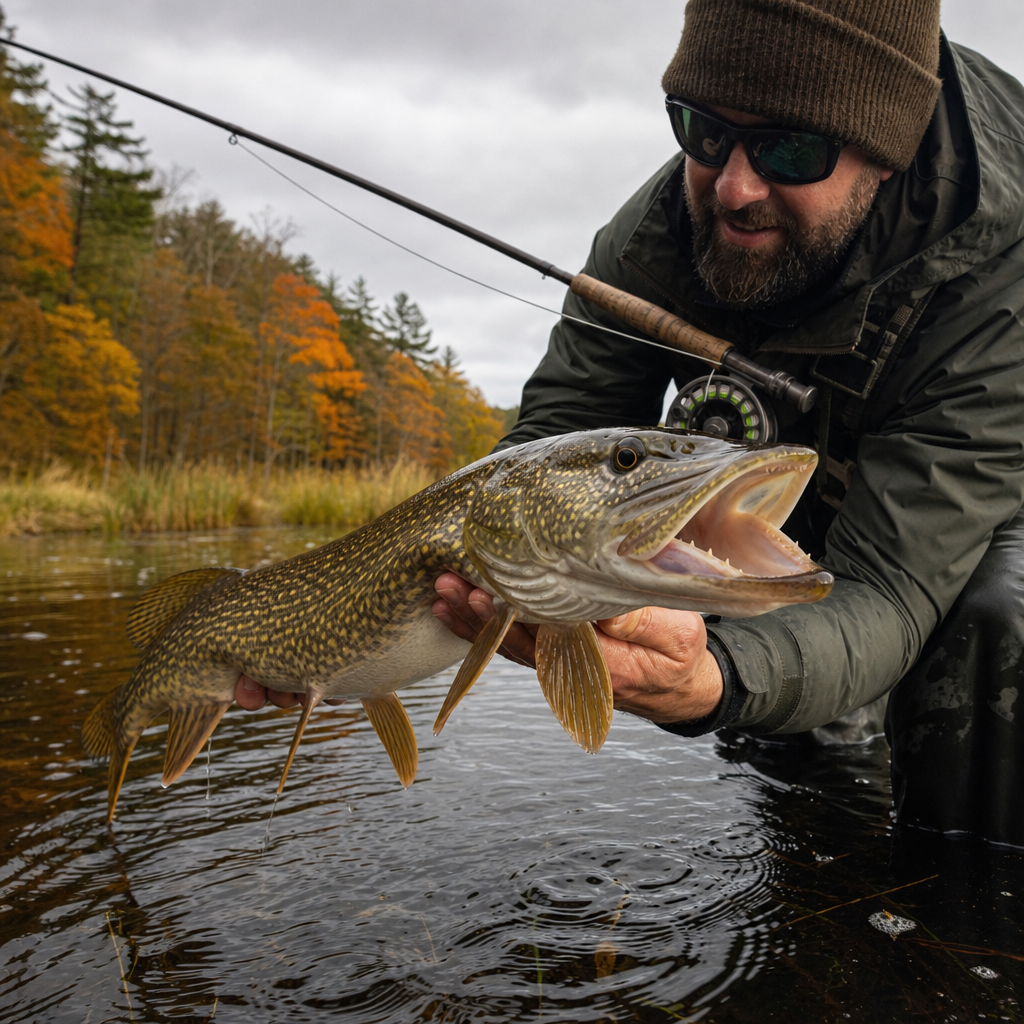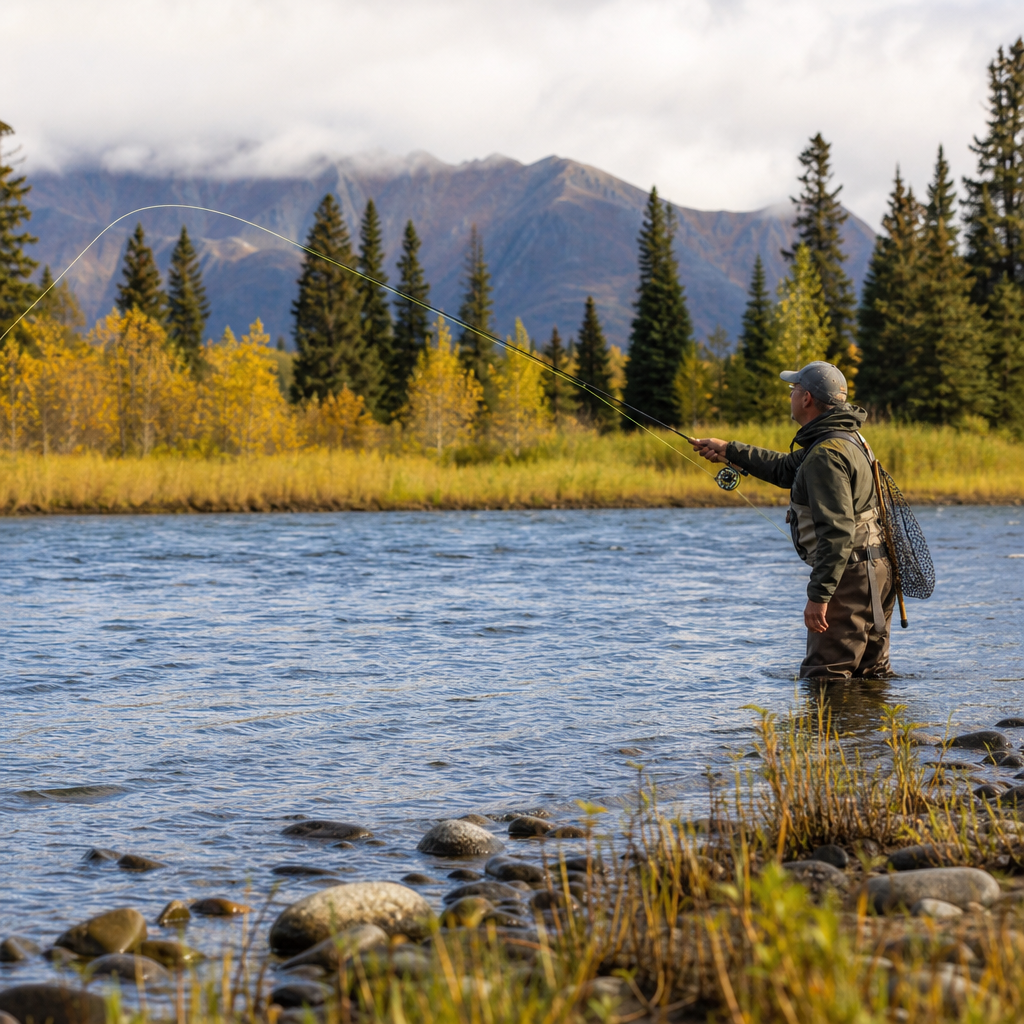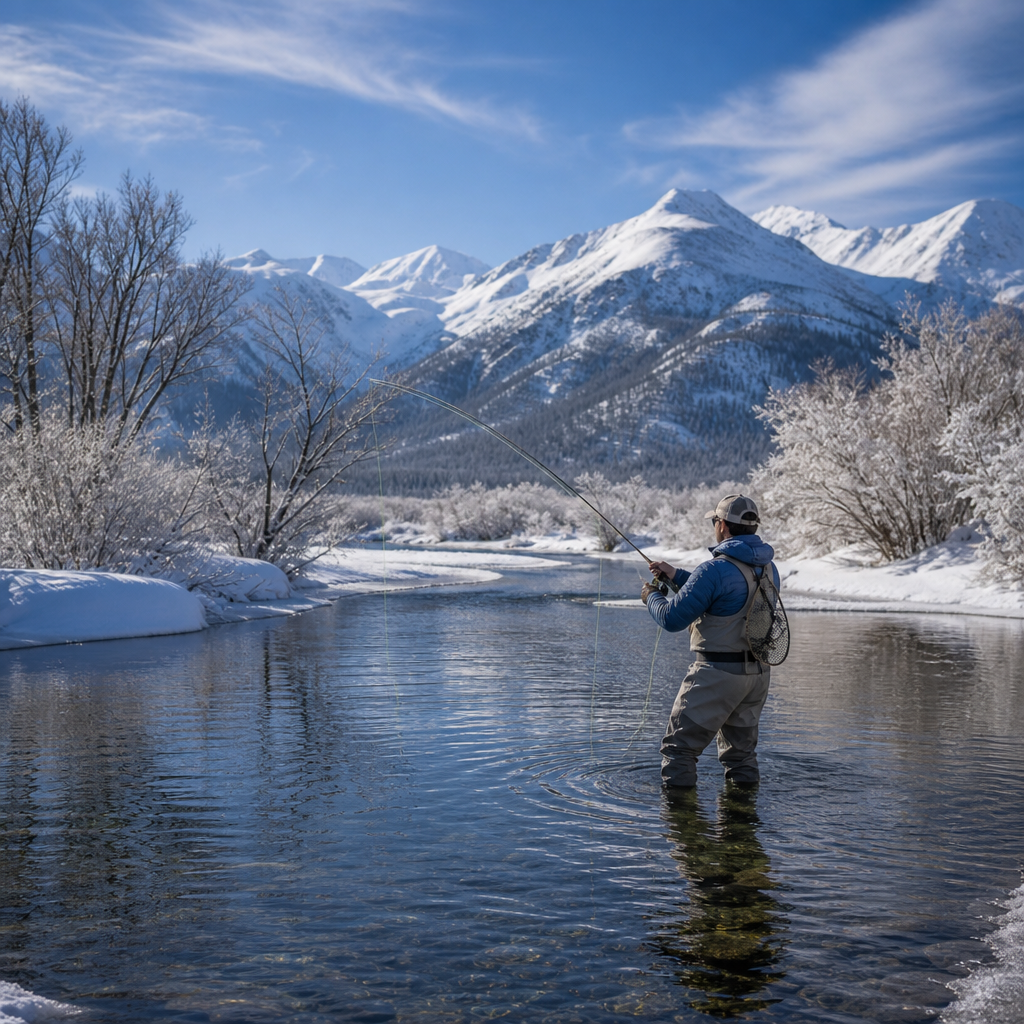
Winter fly fishing in North America rewards anglers who understand cold-water behavior, pick destinations with stable flows, and match local insect activity instead of assuming the season is dormant. In practical terms, winter fly fishing means targeting trout, steelhead, and selected warmwater species during the coldest months, usually from December through February, with tactics built around low water temperatures, shorter feeding windows, and weather-driven access. I have spent many winter days on tailwaters, spring creeks, and coastal rivers where the best hours were not dawn and dusk but late morning through midafternoon, when water temperatures nudged upward and fish shifted from conserving energy to feeding. That change matters because winter fish are rarely absent; they are simply more selective, more concentrated, and more influenced by current speed, dissolved oxygen, and forage availability.
North America offers exceptional winter fly fishing because geography creates multiple productive cold-season fisheries at the same time. Tailwaters below dams hold consistent temperatures and dependable trout populations. Spring creeks maintain stable flows and support midge and blue-winged olive hatches. Pacific Northwest rivers bring winter steelhead into fly range. Southern mountain rivers and certain Southwestern streams stay fishable all season. For anglers planning trips, the central question is not whether winter fishing exists, but which waters combine access, regulation, weather resilience, and realistic catch opportunities. This hub article covers the best winter fly fishing destinations in North America, explains why each region produces in cold weather, and outlines the gear, flies, and safety practices that make winter days successful. Use it as the starting point for deeper planning around winter trout streams, steelhead rivers, and technical tailwaters.
What Makes a Great Winter Fly Fishing Destination
The best winter fly fishing destinations share four traits: stable water temperatures, concentrated fish populations, predictable food sources, and safe public access. Stable temperatures are usually created by tailwaters and spring creeks. A dam-release trout river may sit in the low to mid-40s Fahrenheit even when air temperatures are below freezing, which keeps trout active enough to feed consistently. Spring creeks can be even steadier because groundwater moderates both temperature and flow. Predictable food matters because winter fish often key hard on one source such as midges, tiny mayflies, scuds, eggs, or juvenile baitfish. When that menu is reliable, anglers can narrow presentations instead of cycling blindly through boxes of flies.
Access is more important in winter than many anglers realize. Snow closures, iced boat ramps, and steep banks can turn a famous river into a poor trip choice. I weigh walk-in options, nearby lodging, plowed roads, and wading safety before judging a destination. Regulations also shape quality. Sections with seasonal closures, bait restrictions, wild fish release rules, or fly-fishing-only management often protect cold-season fisheries from excessive pressure. The final variable is timing. In winter, a destination can be excellent yet fish poorly if you miss the midday window or arrive during a sudden drop in water temperature after a storm. The strongest locations are those that remain productive across fluctuating conditions, not just on perfect days.
Top Tailwaters for Winter Trout
Tailwaters are the backbone of winter trout fishing in North America because reservoir releases moderate temperature swings and often preserve insect life. The South Platte River in Colorado, especially the Dream Stream and Cheesman Canyon corridor, is a classic example. Anglers find midge hatches, selective trout, and clear winter flows that reward precise nymphing with small larvae, pupae, and sparse emergers. Nearby, the Blue River below Dillon Reservoir and the Arkansas River tailwater stretches can also fish well in winter, although generation schedules and shelf ice require close attention. In Utah, the Provo River is among the most reliable cold-season trout streams in the West, with strong midge activity and excellent public access near Heber and Provo Canyon.
Further east, the White River and Norfolk Tailwater in Arkansas are premier winter trout destinations because generation from Bull Shoals and Norfork dams supports year-round cold water in a region with relatively mild winters. Trophy brown trout and abundant rainbows keep these rivers productive when many freestone streams are slow. On crowded weekends, drift boats spread pressure, but wade anglers still do well around shoals and gravel bars during favorable release windows. In the Southeast, the South Holston and Watauga in Tennessee offer some of the best winter midge and blue-winged olive fishing in the country. These rivers are technical but highly rewarding, especially when sulfur-like confidence from summer is replaced by disciplined winter nymphing and dry-dropper setups built around tiny flies.
Spring Creeks and Technical Winter Water
Spring creeks are ideal for anglers who value steady conditions and visible feeding behavior. Paradise Valley’s spring creeks in Montana, where permitted access governs pressure, remain fishable through winter and can produce exceptional midge and mayfly action on calm days. Fish are educated, leaders are long, and presentations must land with little micro-drag. Pennsylvania’s Letort Spring Run and Falling Spring offer a very different setting but the same lesson: stable groundwater creates opportunity when surrounding streams are cold and erratic. Anglers often succeed with thread midges, scuds, sow bugs, and tiny blue-winged olive patterns drifted slowly through weed-lined channels.
The challenge on technical winter water is not finding fish but convincing them. Trout on spring creeks conserve energy by holding in the softest current that still brings food. I look for seams beside weed beds, undercut banks warmed by sunlight, and tailouts where fish rise during the warmest hour. Fluorocarbon tippet in 5X to 7X can matter, but drag-free drift matters more. Strike indicators should be small enough to avoid disturbing flat water, and split shot must be adjusted constantly because winter fish often suspend inches above the bottom rather than pinning themselves to it. These waters punish impatience and reward observation, which is why they remain some of the best winter fly fishing destinations for skilled trout anglers.
Steelhead Rivers That Shine in Winter
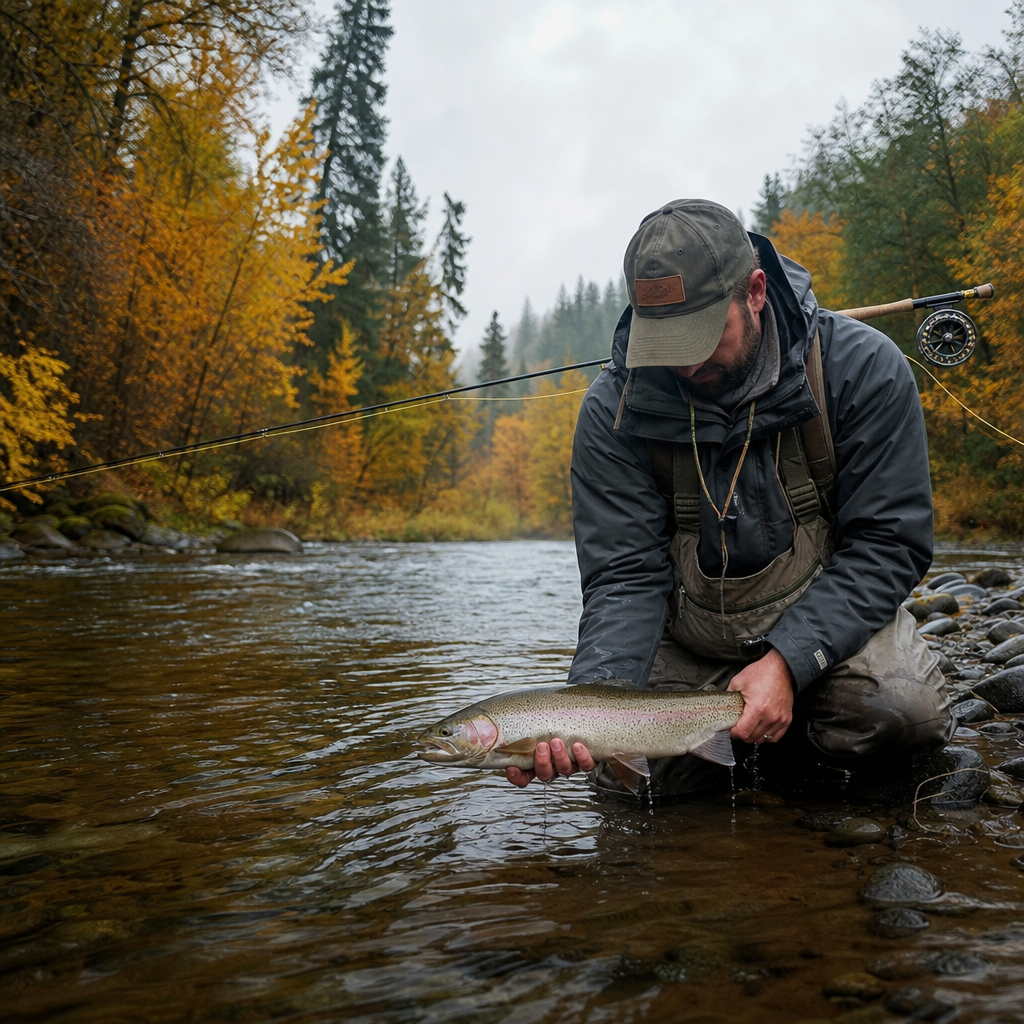
For anglers who define winter fly fishing by anadromous power rather than technical trout, the Pacific Northwest stands apart. Winter steelhead enter coastal systems from Northern California through British Columbia, with notable fisheries in Oregon’s North Umpqua, Wilson, Trask, and Clackamas systems, Washington’s Olympic Peninsula rivers such as the Hoh and Bogachiel, and select Vancouver Island waters. Conditions vary dramatically with rainfall, river height, and fish timing, but the appeal is consistent: fresh steelhead in cold green water willing to take swung intruders, marabou patterns, or dead-drifted presentations under indicators depending on the river and regulation set.
Steelhead destinations require a different planning mindset from trout tailwaters. Water clarity after rain is often the deciding factor, and many rivers fish best as they drop into shape. On the Olympic Peninsula, for example, a river can be unfishable at dawn, green by noon, and perfect the next day. Sink-tip systems, two-handed rods, and wading staffs are standard tools, not accessories. Conservation matters deeply here. Wild steelhead returns face pressure from habitat loss, warming trends, and harvest history, so anglers should study local rules carefully and favor fisheries with strong wild fish protections. When conditions align, few experiences equal feeling a winter steelhead grab on a swung fly in a broad Pacific Northwest tailout.
Best Regions for Mild-Weather Winter Fly Fishing
Not every winter trip needs snow and ice. Several North American regions deliver productive cold-season fishing with easier travel and more forgiving weather. The southern Appalachians, especially eastern Tennessee and western North Carolina, offer year-round trout opportunities in tailwaters and lower-elevation freestones during warm spells. New Mexico’s San Juan River below Navajo Dam is one of the most dependable winter trout fisheries on the continent, with stable flows, dense midge populations, and trout numbers that support both guided and self-guided trips. Arizona’s Lees Ferry on the Colorado River is another standout, producing consistent rainbow trout fishing in a desert canyon setting where winter days can be calm, bright, and highly fishable.
| Destination | Best Winter Target | Why It Produces | Primary Tactics |
|---|---|---|---|
| San Juan River, New Mexico | Rainbow and brown trout | Stable tailwater temperatures, prolific midges | Small nymphs, light tippet, indicator rigs |
| South Holston, Tennessee | Brown and rainbow trout | Consistent flows, winter blue-winged olives and midges | Technical nymphing, dry fly windows |
| Lees Ferry, Arizona | Rainbow trout | Year-round cold water, clear visibility | Nymphing, streamers, precise drifts from boat or bank |
| White River, Arkansas | Trophy brown trout, rainbows | Mild climate, rich forage, large tailwater habitat | Egg patterns, sow bugs, streamers during low generation |
These destinations are particularly attractive for anglers building a winter fly fishing travel calendar because they reduce weather cancellations. They also suit newer winter anglers who want the lessons of cold-season presentation without severe exposure risk. Mild weather does not mean easy fishing, however. Clear skies can intensify leader visibility and compress feeding periods. On the San Juan, for instance, oversized indicators and sloppy mends cost fish immediately. On Lees Ferry, changing light angles and traffic from boats can shift trout holding positions by the hour. Still, for consistency and comfort, these are among the most practical winter fly fishing destinations in North America.
Flies, Tactics, and Gear That Match Winter Conditions
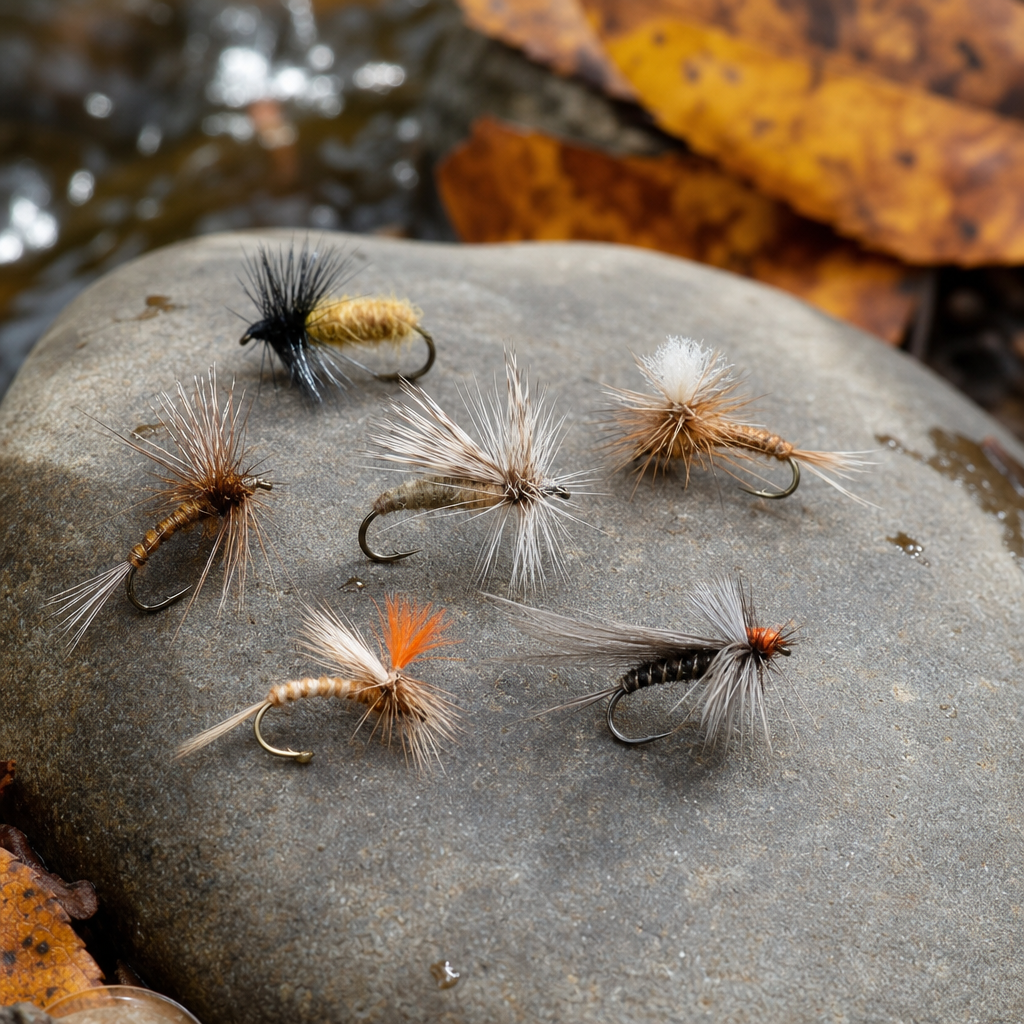
Across regions, winter fly fishing success usually comes from doing ordinary things with extraordinary precision. The core fly categories are midges, blue-winged olive nymphs and dries, scuds, sow bugs, egg patterns, and compact streamers. In tailwaters, I carry zebra midges, thread midges, RS2-style emergers, Top Secret midge patterns, pheasant tails in tiny sizes, and sparse olive mayfly nymphs. On rivers with spawning activity, egg patterns can outperform everything else, especially for trout feeding behind redds, though anglers must avoid targeting fish actively on redds to protect reproduction. Streamers still work in winter, particularly during low-light periods or when water warms a degree or two, but they generally need slower strips and more pauses than in fall.
Rigging should match water speed and fish mood. For nymphing, longer leaders, smaller indicators, and careful weight distribution are standard. Contact nymphing or tight-line methods can be excellent in pocket water, but classic indicator setups dominate on broad winter tailouts where depth control matters. Dry fly opportunities are real on midge and mayfly hatches, yet they are brief and local. Clothing deserves the same seriousness as fly selection. Layering with merino or synthetic base layers, waterproof shell systems, neoprene gloves or fold-back mitts, and quality studded boots extends safe fishing time. A thermometer is one of the most underrated winter tools; tracking a rise from 39 to 42 degrees often explains why fish suddenly begin feeding.
How to Plan a Safe and Productive Winter Trip
Trip planning starts with hydrology, not hope. Check dam release schedules, USGS gauges, weather fronts, and road conditions before choosing a destination. Tailwaters can rise quickly from power generation, and coastal steelhead rivers can become dangerous after heavy rain. Daylight is limited, so identify access points, parking rules, and turnaround times in advance. I also plan backup water within a short drive. If one river is iced, blown out, or crowded, a secondary tailwater or lower-elevation tributary can salvage the day. Hiring a local guide for the first day is often the fastest way to decode winter patterns, especially on technical fisheries such as the San Juan, South Holston, or spring creeks with strict access rules.
Safety on winter water is nonnegotiable. Hypothermia risk rises well before conditions look extreme, particularly when wind and wet hands combine. Fish with a partner when possible, carry dry layers in the vehicle, and keep a thermos and calorie-dense food available. Wading staffs, cleats, and conservative crossing decisions prevent many accidents because algae-coated rocks and shelf ice are far more hazardous than summer footing. The reward for this preparation is substantial. Winter rivers are quieter, fish are concentrated, and skill development accelerates when every drift matters. If you want the best winter fly fishing destinations in North America to deliver, start with destination fit, then match tactics to conditions, and finally commit to patient, observant angling. Pick one region from this guide, study flows and regulations, and plan your next winter fly fishing trip with intention.
Frequently Asked Questions
What makes a great winter fly fishing destination in North America?
The best winter fly fishing destinations share a few important traits: stable water conditions, consistent fish behavior, safe access, and enough insect or forage activity to keep fish feeding even during the coldest months. In winter, water temperature drives almost everything. Rivers influenced by tailwaters, spring creeks, or moderate coastal climates usually fish better because they avoid the sharp temperature swings that can shut trout or steelhead down. Places with dependable winter flows also tend to produce more predictable fishing, which matters when fish are conserving energy and feeding in shorter windows.
A great destination is not always the warmest one. It is the one where fish can feed with some regularity and where anglers can realistically fish effectively. That may mean a tailwater in the Rockies with steady releases, a Pacific Northwest steelhead river with winter runs, or a Southern trout stream where water temperatures stay within a productive range. Access matters too. Snowpack, icy roads, and blown-out rivers can ruin a trip faster than slow fishing, so the most reliable winter destinations are often those with multiple access points and options if weather changes suddenly. The best places also support the kind of fishing winter rewards: slower presentations, careful drifts, and matching the limited but meaningful insect activity that still occurs when most people assume the season is dormant.
Which fish species are most worth targeting in winter, and where are they commonly found?
Trout are the most consistent winter fly fishing target across North America, especially rainbow trout, brown trout, and cutthroat in fisheries that remain open and productive through winter. Tailwaters and spring-fed systems are especially strong because they maintain relatively stable temperatures and oxygen levels. Many well-known Western rivers fish best in winter not because trout are aggressive all day, but because they still feed reliably during midday warming periods and around midge or blue-winged olive activity.
Steelhead are another major winter draw, particularly in the Pacific Northwest and parts of the Great Lakes region. Winter-run steelhead in rivers from Northern California through Oregon, Washington, and British Columbia can provide some of the most memorable cold-weather fly fishing on the continent. These fish are powerful, migratory, and highly affected by river level and clarity, so destination choice often depends on finding systems that remain fishable after rain or snowmelt events. In the Great Lakes, tributary steelheading can also be excellent in winter when conditions stay open and flows are manageable.
Selected warmwater species can also be worthwhile in winter, particularly in the South. Smallmouth bass, carp, and even striped bass in certain tailwaters or reservoirs can remain catchable when water temperatures do not crash too far. These fisheries are often overlooked, but they can be surprisingly productive for anglers willing to slow down and focus on deep, soft water where fish hold with minimal effort. The key is understanding that winter is not about covering water quickly for numbers; it is about targeting species and locations where seasonal behavior still creates dependable opportunities.
How do winter fly fishing tactics differ from fishing in spring, summer, or fall?
Winter fly fishing is usually more precise, more deliberate, and far less forgiving than fishing during warmer seasons. Fish in cold water generally do not want to move far to eat, so anglers need to fish closer to the bottom, drift more accurately, and pay greater attention to speed and depth. In practical terms, that often means using nymph rigs with enough weight to get down, fishing smaller flies, and focusing on slower seams, tailouts, softer runs, and wintering holes rather than the faster, more broken water that can be productive in summer.
Feeding windows are also narrower. Instead of expecting steady activity from morning through evening, winter anglers often do best from late morning into midafternoon, when air temperatures rise and water temperatures tick up even slightly. A difference of one or two degrees can matter. Hatches still happen, especially midges and blue-winged olives, but they tend to be subtle compared with classic spring events. That means dry fly opportunities can exist, but they usually reward careful observation rather than blind optimism. If fish are rising, matching size, profile, and drift becomes especially important because cold-water fish often inspect a fly longer before committing.
Presentation is the biggest separator. In winter, a rushed drift, excessive drag, or a fly riding six inches too high can mean the difference between a productive day and a blank one. On steelhead rivers, winter tactics may include swung flies in suitable temperatures and flow conditions, but dead-drifted nymphs, eggs, and small intruders can often be more efficient depending on the system. Across species, winter rewards anglers who fish methodically, adjust often, and treat each run as a puzzle shaped by temperature, current speed, and fish energy conservation.
What should anglers look for when choosing a winter fly fishing destination for a trip?
Start with water reliability. Before looking at famous names or scenic appeal, look at flow stability, seasonal closures, average winter temperatures, and how often the fishery becomes unfishable because of ice, runoff, or storms. A destination with legendary fish but frequent blowouts is a risky winter choice, especially if you are traveling far. Tailwaters, spring creeks, and coastal systems with moderate winter climates generally offer the best odds of fishable water.
Next, consider the type of experience you want. Some winter trips are about technical trout fishing with small flies and fine tippet; others are about swinging for steelhead in classic runs; others still may focus on less crowded warmwater opportunities in southern states. Matching the destination to your confidence and style is important. A highly technical spring creek can be brilliant in winter, but not everyone wants a trip built around tiny midges and exacting presentations. Likewise, a winter steelhead destination may be unforgettable, but it can also involve variable weather, long walks, and fewer total chances.
Logistics matter more in winter than in any other season. Check road conditions, wading safety, local regulations, fly shop support, lodging proximity, and backup water nearby. Good local information is invaluable because winter conditions can change quickly. A destination with a strong network of guides and current fishing reports often saves time and increases success. Also think about daylight. Short days limit how much water you can explore, so destinations with easy access and concentrated productive water are often better than sprawling systems that require long drives between runs. The most successful winter trips usually come from choosing places where conditions are predictably decent, not just theoretically excellent.
What gear, flies, and safety considerations are most important for winter fly fishing?
Layering and safety are just as important as rods and flies in winter. Cold-weather fishing is enjoyable when you stay warm and dangerous when you do not. Start with moisture-wicking base layers, insulating mid-layers, and a weatherproof outer shell. Good gloves, warm socks, and a hat make a major difference, and many anglers bring a second pair of gloves because the first pair inevitably gets wet. Waders should fit well enough to allow layering underneath without restricting circulation. Studded boots or traction aids are often essential because winter rocks, mud, and shoreline ice can be far more hazardous than summer footing.
From a tackle standpoint, most winter trout anglers do well with rods suited to indicator nymphing, light streamer fishing, and occasional dry fly work. For trout, that often means 4- to 6-weight setups, while steelhead anglers generally step into 6- to 8-weight single-hand or spey rods depending on the river and technique. Leaders are typically longer and finer for technical dry fly or midge situations, while nymphing setups may be adjusted to improve depth control and strike detection. Split shot, indicators, and tippet in lighter sizes are often central parts of the winter system because getting the fly down and maintaining a natural drift matter so much.
Fly selection should reflect local winter food sources rather than generic cold-season assumptions. Midges, blue-winged olives, small mayfly nymphs, scuds, sowbugs, eggs, worms, and small baitfish patterns are all common winter producers depending on the fishery. On some rivers, streamers still move fish, but usually with slower retrieves and a focus on structure where fish can ambush without spending much energy. On steelhead water, egg patterns, nymphs, and selected swung flies all have their place depending on run timing and water conditions.
Safety deserves the final word. Winter anglers should monitor weather closely, tell someone where they are going, and avoid taking unnecessary risks around high water, shelf ice, or remote access roads. Hypothermia can develop faster than many people realize, especially when wind and wet clothing are involved. Carrying dry layers, hot drinks, and basic emergency supplies is smart, not excessive. The best winter destinations in North America are rewarding because they combine fishable conditions with realistic safety margins, and experienced anglers treat both with equal respect.