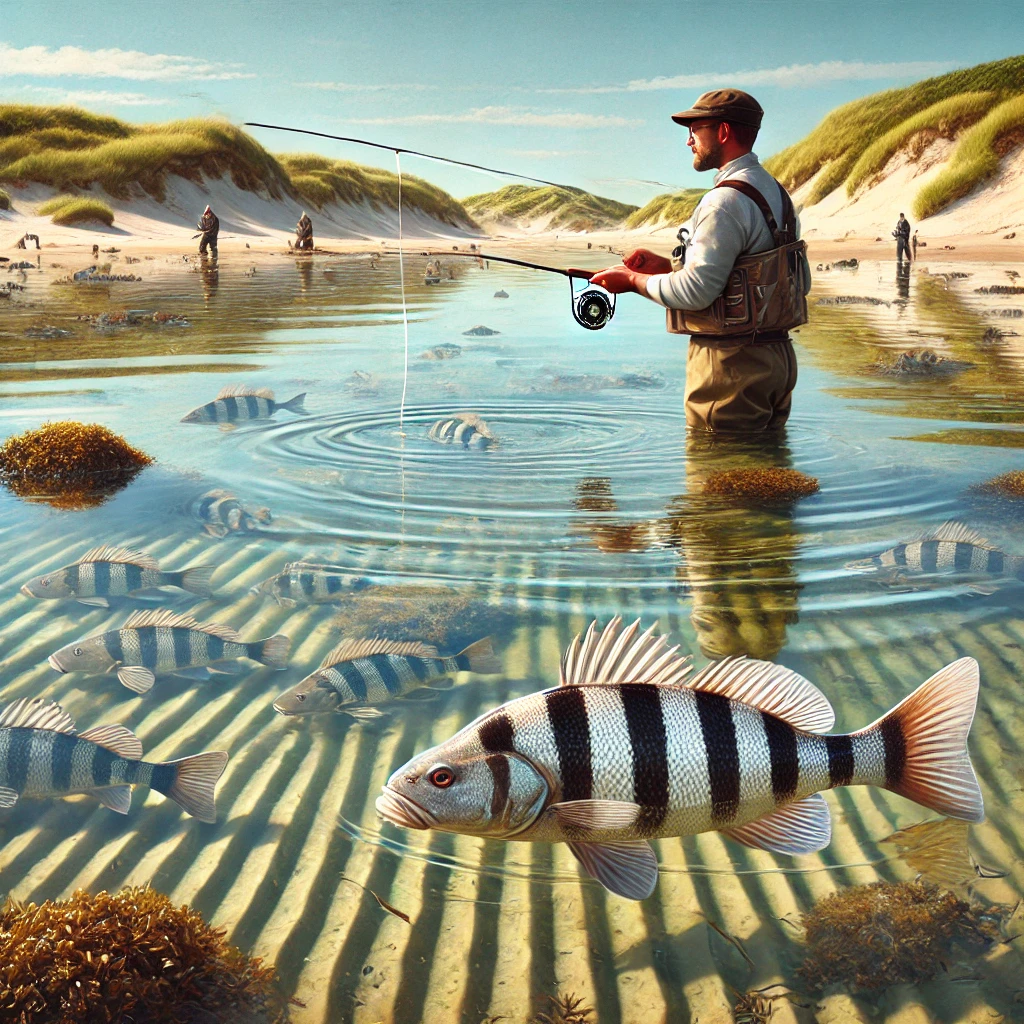
If you find joy in fly fishing, particularly when it comes to saltwater species, then you’re in for a delightful challenge with sheepshead. Known for their cunning nature and strong fight, sheepshead are often referred to as the “convict fish” due to their black and white stripes and their wily manners. This guide dives deep into clever techniques and essential tips to help you successfully catch these elusive fish.
Introduction: Understanding the Sheepshead
Sheepshead (Archosargus probatocephalus) are saltwater fish found in subtropical waters, particularly around the waters of the Atlantic coastline from New York to Florida, and along the Gulf of Mexico. These fish are notable for their distinct appearance, featuring rows of human-like teeth that they use to crush barnacles and crustaceans. They generally inhabit inshore waters, thriving around structures like jetties, docks, piers, and bridges where they feed on mollusks and crustaceans.
Catching sheepshead can be a thrilling challenge as these fish are notoriously cautious and have an unparalleled ability to nibble bait off a hook without getting caught. They require a keen sense of focus and technique, making them a perfect subject for seasoned anglers and adventurous beginners alike. Understanding their habits and environment is key to becoming successful at sheepshead fishing, which requires a detailed look into their habitat, feeding patterns, and tackle setup.
The Best Time and Place to Catch Sheepshead
Sheepshead can be found year-round, but the best times to catch them are during the cooler months, from late autumn to early spring. During these times, sheepshead gather in greater numbers and tend to be more aggressive in their feeding. They are particularly active during high tidal phases when they venture closer to the shorelines and structures in search of food.
Prime locations for sheepshead are typically around man-made structures like bridges, docks, and piers, as well as natural ones like oyster beds and rock jetties. These areas provide plenty of crustaceans, barnacles, and small fish that make up the sheepshead’s diet. It’s essential to fish close to these structures, sometimes requiring pinpoint casting accuracy. Using a boat allows you to access pilings and other underwater structures more effectively, giving you a better chance of a successful catch.
Tackle and Gear for Sheepshead Fishing
When targeting sheepshead, it’s important to select the right tackle and gear. These fish are strong and capable of delivering a tough fight despite their modest size, typically ranging from one to five pounds, though larger specimens can reach over ten pounds.
A light to medium spinning rod and reel combo works well for sheepshead fishing. Opt for a fast-action rod that offers sensitivity, allowing you to feel the nibbles of these stealthy biters. Spool your reel with a 10 to 20-pound test braided line, paired with a fluorocarbon leader in the 15 to 20-pound range. The fluorocarbon leader is crucial as it is more resistant to abrasion from the structures and barnacles around which sheepshead are found.
As for hooks, use small, sharp, short-shank hooks in the size range of #1 to #4. Circle hooks are often favored because they tend to hook the fish in the corner of the mouth, reducing the chances of the fish swallowing the hook. A split shot or small weight helps sink your bait down to where the sheepshead are feeding.
The Best Baits for Sheepshead
The diet of a sheepshead mainly consists of crustaceans, barnacles, and small shellfish, which means your bait selection should mimic their natural food sources. Some of the most effective baits for sheepshead include:
- Fiddler Crabs: These small crabs are irresistible to sheepshead. Hook them through the back leg socket for a natural presentation.
- Shrimp: Fresh or live shrimp work well. Hook them through the tail or behind the head to keep them lively as they drift in the water.
- Sand Fleas: Also known as mole crabs, these are another natural bait choice. Hook them through the underside for the best results.
- Barnacles: If you have the patience, chipping off barnacles from the pilings and using them as bait can be highly effective.
Remember, the presentation of the bait is crucial. Sheepshead are very skilled at nibbling off bait without getting hooked, so ensure your bait is securely fastened while still allowing for a natural presentation.
Techniques for Catching Sheepshead
Catching sheepshead requires patience, precision, and a keen sense of detecting bites. Here are some techniques to hone your sheepshead fishing skills:
- Vertical Jigging: This involves dropping your bait straight down beside the structure you’re fishing. Keep your line tight and feel for subtle nibbles. Once you detect a bite, set the hook quickly.
- Drifting: If the current is strong, let your bait drift naturally along the structure. This method can cover more ground and attract sheepshead that are scattered over a wider area.
- Chumming: This involves scraping barnacles off pilings into the water to attract sheepshead. Once they start feeding, drop your bait down into the chummed area.
- Sight Fishing: In clear water, you can often spot sheepshead feeding around pilings. Cast your bait near the fish and observe their reaction, setting the hook at the first sign of interest.
Timing is crucial when setting the hook on a sheepshead. Unlike other fish that strike aggressively, sheepshead nibble cautiously, so be prepared for quick, subtle movements on your line. Developing a feel for these gentle bites is key to increasing your catch rate.
Conservation and Ethical Fishing
As responsible anglers, it’s our duty to practice conservation and ethical fishing to ensure that sheepshead populations remain healthy for future generations. Keep these tips in mind:
- Adhere to Local Regulations: Always check and follow local fishing regulations, including size and bag limits.
- Practice Catch and Release: If you’re not planning to keep your catch, handle the fish gently, and release them promptly to minimize stress and injury.
- Use Barbless Hooks: Barbless hooks make it easier to release fish unharmed.
- Avoid Overfishing: Don’t keep more fish than you need. Taking only what you plan to eat helps maintain balanced fish populations.
Learning and applying ethical fishing practices not only enhance your fishing experience but also contribute to the sustainability of the sport and the health of the marine ecosystems.
Conclusion
Fly fishing for sheepshead is both an art and a science that requires the right knowledge, equipment, and techniques. These fish are a challenge even for seasoned anglers, but with patience and practice, you can master the skills needed to successfully catch sheepshead. From understanding their behavior and habitat to selecting the right bait and tackle, every element plays a critical role in your success.
By following the tips and techniques laid out in this guide, you will not only increase your chances of landing this elusive and cunning fish but will also gain a deeper appreciation for the sport of fly fishing. Remember to practice ethical fishing and conservation to ensure that our waters remain abundant and healthy for future fishing adventures.
Next time you’re out on the water, bring this guide along, and you’ll be prepared for a rewarding and challenging experience in fly fishing for sheepshead. Tight lines!