Spring fly fishing rewards anglers who match changing water temperatures, insect activity, and fish behavior with the right pattern at the right time. In practical terms, “fly patterns” are standardized designs that imitate insects, baitfish, eggs, or other food sources, while “spring fishing” covers the transition from cold, high-water early season conditions to the more stable hatches of late spring. I have spent enough dawns on freestone rivers, tailwaters, and small stillwaters to know that spring can be the most generous and the most unforgiving period of the year. Fish feed heavily after winter, but they also shift depth, speed, and selectivity fast. That is why a dependable spring fly box matters.
This guide serves as a hub for fly reviews within a broader product reviews and recommendations section, so the goal is not only to list productive flies, but to explain which patterns deserve space in your box, why they work, and when each one outperforms the rest. If you want one direct answer, the best fly patterns for spring fishing usually include nymphs such as Pheasant Tail and Hare’s Ear, attractors like Stonefly imitations, emergers for BWO and caddis, streamers such as Woolly Buggers, and selective dry flies for mayfly and midge hatches. The exact winner depends on water temperature, flow, and the hatch stage.
Spring matters because trout, grayling, panfish, and even warmwater species respond to increasing daylight and food availability long before summer stabilizes conditions. Aquatic insects begin predictable life-cycle events, including emergence and egg laying. Snowmelt can stain rivers, creating a larger visual profile requirement. Tailwaters may fish well all season, but freestones often demand heavily weighted subsurface patterns in March and precise hatch matching in May. A useful spring fly selection therefore balances realism, sink rate, visibility, and durability. In every shop review, guide conversation, and streamside fly swap I have participated in, the same principle keeps proving true: success comes from carrying a small set of proven patterns in several sizes, colors, and weights rather than chasing endless novelty.
Because this is a hub page for fly reviews, think of the recommendations below as a framework for evaluating flies, not just a shopping list. Good spring patterns share a few traits: they suggest food fish are actively seeing, they fish effectively in variable currents, and they remain durable after multiple trout. Materials matter. Tungsten beads get flies down quickly. CDC creates lifelike movement in emergers and dries. Rubber legs add triggering motion to stonefly nymphs. Soft hackle pulses in the current in a way synthetic wings often cannot. Brand quality matters too, since commercially tied flies vary widely in hook sharpness, proportion, thread finish, and consistency from fly to fly.
How spring conditions determine the best fly pattern
The first question anglers ask is simple: what should I tie on first in spring? The best starting point is a subsurface search setup because cold water slows fish and keeps most feeding below the surface. Early spring trout often hold near softer seams, inside bends, tailouts, and transition water where they can intercept nymphs without burning energy. On rivers running high from rain or snowmelt, larger nymphs and streamers become especially effective because fish can find them more easily in off-color water. As temperatures move toward the upper 40s and low 50s Fahrenheit, hatches intensify and fish begin rising more consistently.
Three variables should shape every spring fly choice: water temperature, water clarity, and insect stage. Temperature affects metabolism. Clarity affects profile and color contrast. Insect stage determines whether fish are keyed on nymphs drifting deep, emergers trapped in the film, adults on the surface, or spent insects drifting helplessly. During many spring outings, I start with a two-fly nymph rig under an indicator, switch to a tight-line presentation when currents are technical, and only move to dries after I confirm regular surface takes. That progression is efficient because it follows how fish usually feed before and during a hatch rather than how anglers hope they feed.
Regional differences matter. In the Rockies, Blue-Winged Olives, midges, Skwala stoneflies, and early caddis can dominate. In the East, Hendricksons, Quill Gordons, caddis, and stocked-water attractor patterns become important. On spring creeks, fish can become selective enough that size and silhouette matter more than exact color. On stocked trout waters, flashy patterns sometimes outperform realistic ties because recently stocked fish respond to movement and visibility as much as natural imitation. The strongest fly reviews always account for fishery type, because a pattern that is essential on a Montana freestone may be secondary on a Pennsylvania limestone creek or a UK reservoir.
Top nymphs and emergers for consistent spring success
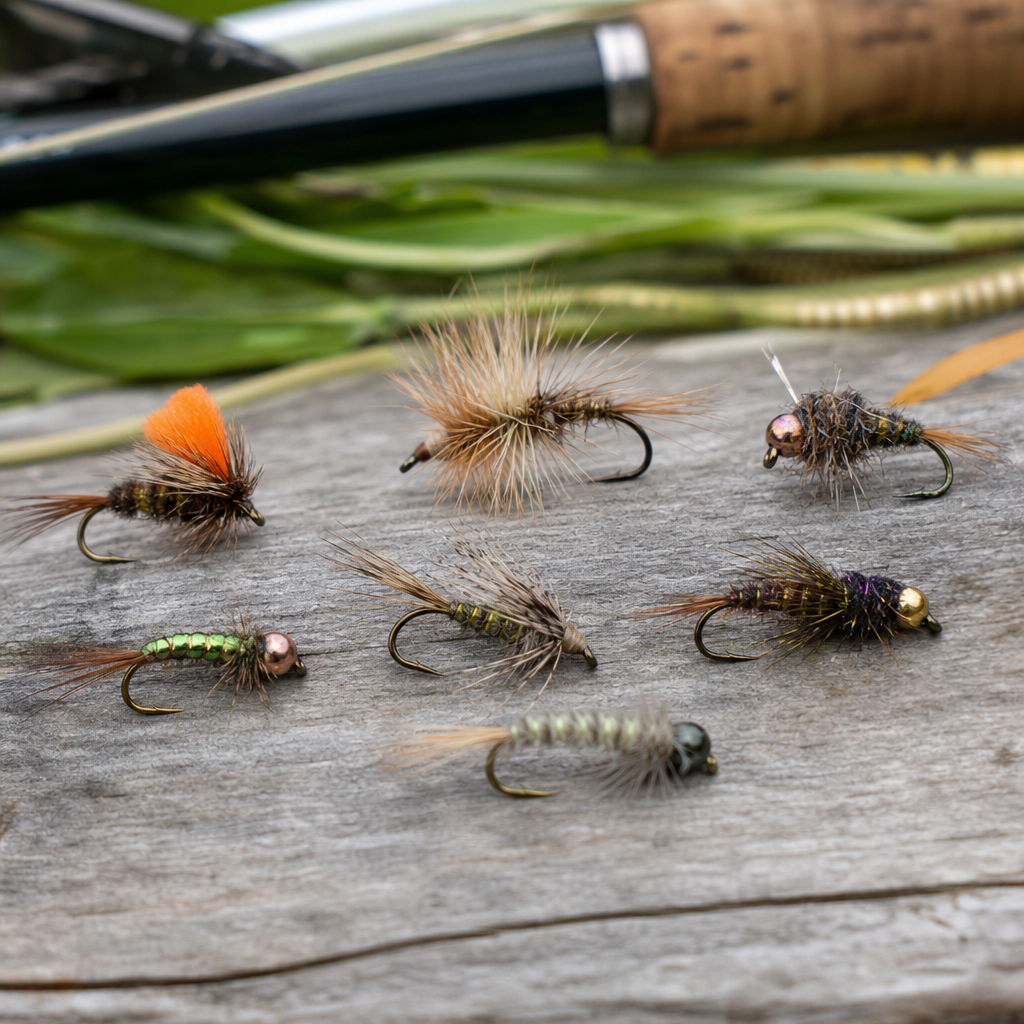
If I had to build a spring box around only a few proven patterns, nymphs and emergers would take most of the space. The Pheasant Tail Nymph remains one of the most versatile mayfly imitations ever created. Its slim abdomen, natural flash, and adaptable sizing let it imitate Baetis, Pale Morning Dun nymphs, and many general mayfly forms. In spring, sizes 14 to 20 cover much of the range, and bead-head versions are especially useful in faster runs. The Hare’s Ear Nymph is equally important because its buggy profile represents caddis larvae, mayfly nymphs, and undefined drifting food. In slightly stained water, that suggestive quality often outfishes exact imitations.
For stonefly activity, Pat’s Rubber Legs and classic stonefly nymphs deserve permanent spring placement. High water dislodges larger nymphs, and trout know a calorie-rich meal when they see one. Black, coffee, and golden color variants produce across regions. A smaller perdigon-style nymph also belongs in any modern spring lineup. Perdigons sink fast, cut through turbulent current, and keep a compact silhouette. When fish are hugging the bottom and you need immediate depth, they regularly outfish bushier patterns. I rely on olive, brown, and black perdigons in sizes 14 to 18 when standard bead-heads drift too high.
Emergers become critical during active hatches because many trout feed just under the surface where insects are most vulnerable. A Parachute Adams may get attention as a dry, but an RS2, soft hackle pheasant tail, or CDC Baetis emerger often catches the fish refusing adults. Blue-Winged Olive emergers are especially productive on cloudy spring afternoons. Midges matter too, particularly on tailwaters where year-round midge populations support selective feeding. Zebra Midges in black, red, olive, and purple remain staples, but in spring I often pair them behind a larger anchor fly to cover both tiny food and bigger nymphs in one drift.
| Pattern | Best Spring Use | Typical Sizes | Why It Works |
|---|---|---|---|
| Pheasant Tail Nymph | Mayfly nymph drifts | 14–20 | Slim, natural profile with broad imitation value |
| Hare’s Ear Nymph | General searching in mixed hatches | 12–18 | Buggy body suggests multiple food forms |
| Pat’s Rubber Legs | High water and stonefly periods | 6–12 | Large profile, movement, and strong visibility |
| Zebra Midge | Tailwaters and pressured fish | 18–22 | Matches abundant small food in clear water |
| RS2 | Emerger-focused feeding | 18–22 | Excellent film-stage imitation for selective trout |
| Perdigon | Fast, deep runs | 14–18 | Rapid sink rate and efficient modern profile |
Best dry flies for spring hatches and rising fish
Dry fly fishing becomes more consistent as spring progresses, but the best patterns still depend on hatch timing and water type. The Parachute Adams remains the most useful all-purpose spring dry because it can suggest mayflies, midges, and small terrestrials in a pinch while remaining highly visible to anglers. It is not a perfect hatch match, but it is often the right first choice when you see sporadic rises and need a pattern that floats well in broken water. For exact mayfly situations, Blue-Winged Olive duns, Comparaduns, CDC emergers, and Sparkle Duns are better tools because they present a cleaner silhouette in slower currents.
Caddis patterns earn their place from mid to late spring when adults skitter, bounce, and return to lay eggs. Elk Hair Caddis is still a benchmark because it floats hard, is easy to track, and doubles as a searching fly. X-Caddis and CDC caddis patterns often outperform it on pressured fish because they imitate the emerging or crippled stage more convincingly. On many rivers, the fish are not really eating perfectly upright adults; they are feeding on insects stuck in or just below the film. That is a key review point when choosing commercial flies: the most visible pattern is not always the most effective pattern.
For mayfly-specific events such as Hendricksons, March Browns, or Quill Gordons, carrying stage-specific patterns is smarter than relying on one generic dry. A dun pattern covers newly emerged adults, but a cripple or spinner can dominate during selective feeding. I have watched trout refuse standard Catskill-style dries repeatedly, then take a low-riding cripple on the next cast. The lesson is straightforward. Spring trout often inspect flies carefully during concentrated hatches, especially on calm spring creeks and slick tailouts. Profile, footprint, and drift control matter as much as the hatch name printed on the fly bin label.
Why streamers and attractor flies are essential in spring
Many anglers associate spring with hatches only, but streamers can be the fastest route to quality fish, especially in cold, colored, or rising water. Trout are opportunistic after winter, and larger prey offers energy efficiency. Woolly Buggers remain indispensable because they imitate leeches, baitfish, nymphs, and even drowned terrestrials depending on color and retrieve. Black excels in low light and stained water, olive suggests baitfish and leeches, and white can trigger aggressive responses in tailwaters and lakes. Balanced leeches and jig streamers have also become standout spring patterns because they maintain a natural posture and ride hook-up around structure.
Sculpin patterns, Zonkers, and articulated streamers come into play when targeting larger trout holding near banks, under cutouts, or beside slower spring eddies. The appeal is not subtle. Big flies move water, trigger territorial response, and offer a single large meal worth chasing. That said, there is a tradeoff. Heavy streamers can reduce numbers while increasing average size, and they are less efficient during strong midday hatches when fish are locked onto drifting insects. On many guide trips, the best system is to throw streamers early, nymph through the middle, and switch to dries when insects and rises appear.
Attractor patterns also deserve mention because spring is not always a textbook entomology exercise. Prince Nymphs, San Juan Worms, egg patterns in legal waters, and flashy attractor dries can all produce. After rain, worms wash in. During runoff, fish may eat whatever is easiest to detect. In stocked fisheries, gaudy patterns can be effective while fish adjust from hatchery feed to natural forage. A balanced review does not dismiss these flies as unsophisticated. It recognizes that pattern selection should reflect current food availability and fish conditioning, not angler ego.
How to choose quality flies and build a reliable spring box
Not all commercially tied flies are equal, and this matters more than many anglers realize. A good spring fly should have a sharp chemically honed hook, clean thread wraps, proportions close to the intended natural, and materials secured tightly enough to survive multiple fish. Cheap flies often fail at the bend, unravel after one trout, or use overly bulky dubbing that ruins sink rate and silhouette. When reviewing flies for this hub, I pay close attention to hook brands, bead seating, hackle quality, and consistency across duplicates in the same package. Confidence rises when every copy fishes the same way.
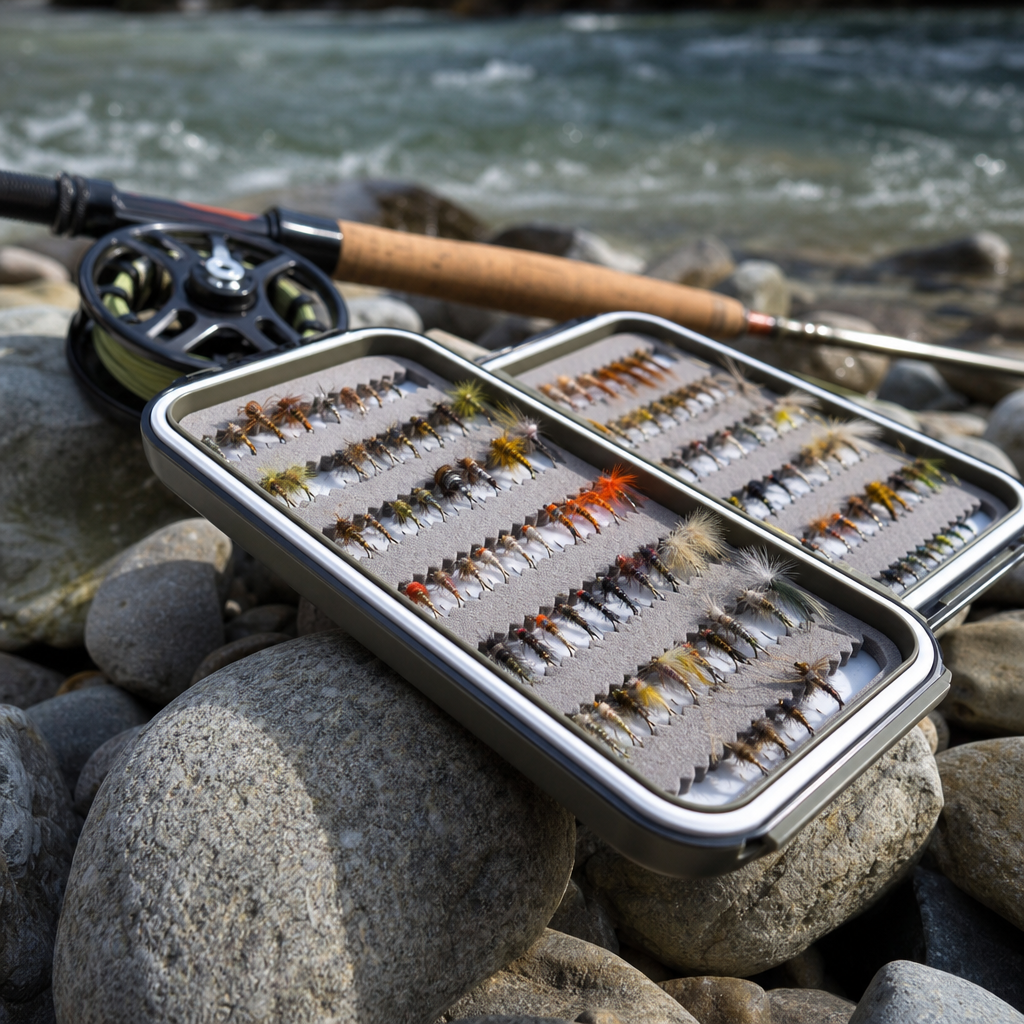
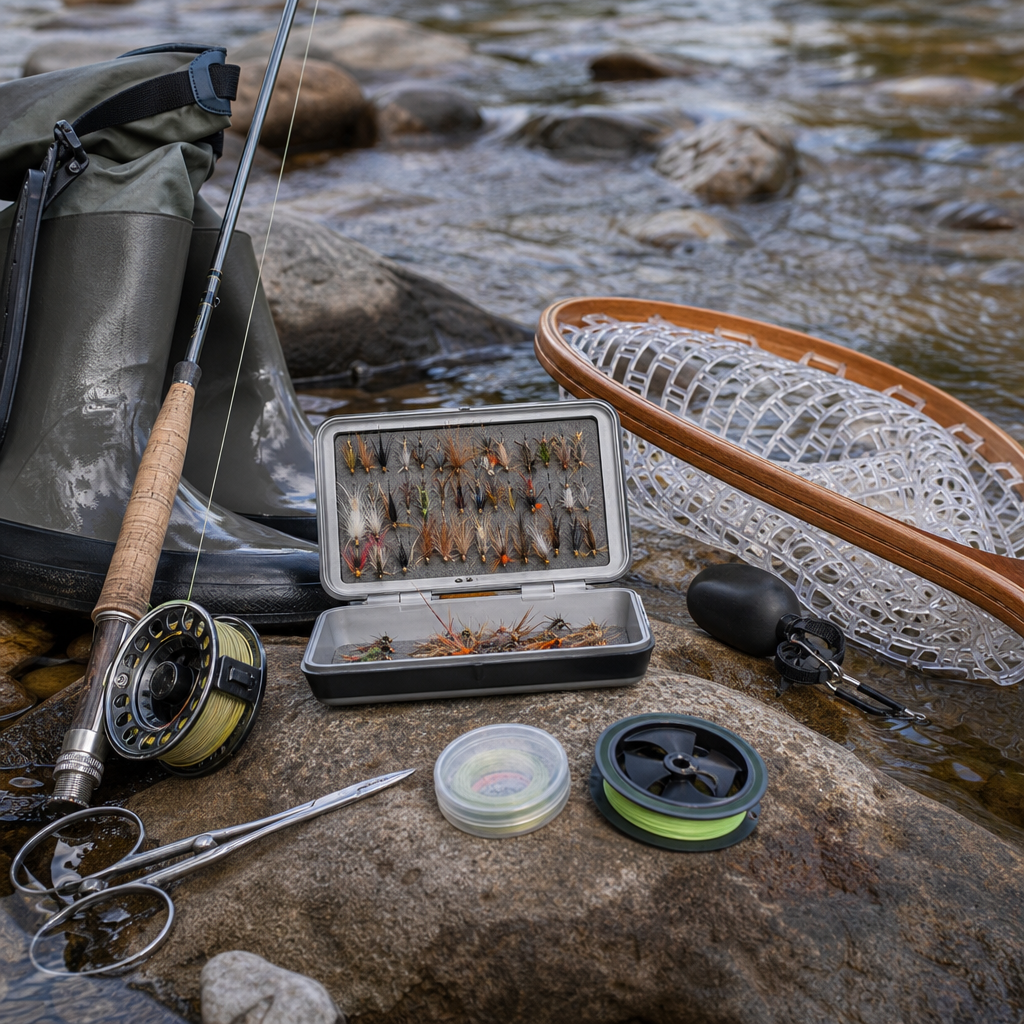
For a practical spring box, carry core patterns in three dimensions: size, weight, and stage. For example, a Pheasant Tail in size 16 should exist in unweighted, bead-head, and tungsten forms. Blue-Winged Olive imitations should include nymphs, emergers, and dries. Stoneflies should include dark and golden versions. Streamers should cover at least one dark and one light profile. This structure prevents the common mistake of having the right insect but the wrong sink rate or presentation angle. Fly organization matters too. Waterproof slit-foam boxes keep small emergers secure, while deeper compartment boxes protect bushier dries and articulated streamers.
As a starting shopping list, many anglers can cover an entire spring season with the following: Pheasant Tail, Hare’s Ear, Zebra Midge, RS2, Pat’s Rubber Legs, perdigons, Parachute Adams, BWO emerger, Elk Hair Caddis, X-Caddis, Woolly Bugger, and one sculpin-style streamer. Buy them in proven fish-catching sizes instead of every size on the wall. Replace weak patterns with stronger regional matches after local observation. If your river sees a major Hendrickson hatch, add specific Hendrickson duns and cripples. If your tailwater is midge-heavy, increase tiny midge stock. The best fly selection evolves from evidence on the water.
Top fly patterns for spring fishing are not random favorites; they are repeatable solutions to seasonal problems. Nymphs and emergers catch fish most consistently because trout feed below the surface for much of spring. Dry flies become decisive during clear hatch windows, especially when you carry stage-specific patterns instead of one generic adult. Streamers and attractors remain essential when flows rise, visibility drops, or larger fish look for a bigger meal. Across all categories, proven standards such as Pheasant Tails, Hare’s Ears, RS2s, Parachute Adams, Elk Hair Caddis, Pat’s Rubber Legs, and Woolly Buggers continue to earn their place because they solve real presentation and imitation demands on actual water.
For anglers using this page as a fly reviews hub, the main benefit is clarity. You do not need dozens of untested patterns to fish spring well. You need a compact, high-quality lineup chosen by food type, hatch stage, water condition, and fish behavior. Evaluate flies by construction quality, sink rate, visibility, and regional relevance. Then fish them with discipline: start subsurface, watch for clues, and adjust when the river tells you something different. Build your spring box around these dependable patterns, refine it with local knowledge, and you will fish more confidently and more effectively all season.
Use this guide as your baseline, then compare individual fly reviews, test a few variations on your home water, and restock the patterns that prove themselves first.
Frequently Asked Questions
What are the best fly patterns for spring fishing overall?
The best fly patterns for spring fishing usually cover three major food categories: nymphs, streamers, and emergers or dry flies. In early spring, when water is still cold and fish are conserving energy, nymphs like Pheasant Tails, Hare’s Ears, Zebra Midges, and Stonefly nymphs are dependable because trout and other game fish feed subsurface far more consistently than on top. These patterns imitate the immature aquatic insects that are present year-round and especially important before major hatches begin. If flows are up from snowmelt or spring rain, larger nymphs with some weight help get your fly into the strike zone quickly.
Streamers also shine in spring, especially during high water, stained conditions, or pre-spawn aggression windows. Woolly Buggers, Sculpzilla-style patterns, leech imitations, and smaller baitfish streamers can trigger bigger fish that are looking for a substantial meal. As the season progresses and insect activity increases, emergers and dries become more relevant. Blue-Winged Olive patterns, Parachute Adams, Elk Hair Caddis, Griffith’s Gnat, and soft hackles can all be excellent depending on the hatch. If I had to narrow it to a practical spring box, I would carry a mix of small midge patterns, medium mayfly nymphs, a few caddis pupae, stonefly nymphs, and several streamers in natural and darker colors. Spring rewards versatility, so the “best” patterns are rarely just one type of fly; they are the ones that let you adapt to changing water, weather, and insect activity throughout the day.
How should fly selection change from early spring to late spring?
Fly selection should change noticeably as spring progresses because the river itself changes. Early spring often means cold water, limited bug activity, and fish holding in slower, deeper water where they can feed without burning too much energy. During this stage, small and medium nymphs are usually your most reliable producers. Midges, Pheasant Tails, Hare’s Ears, small stoneflies, and egg patterns can all be effective. In many systems, fish are not yet willing to move far for food, so getting a weighted nymph down to their level matters more than offering a highly specialized hatch match. Streamers can also be excellent in early spring, particularly on overcast days or after runoff bumps the flow and discolors the water.
By mid to late spring, water temperatures begin to stabilize, insect life becomes more active, and fish start feeding in a wider range of water types. This is when Blue-Winged Olive emergers, caddis pupae, march browns, sulfurs in some regions, and general attractor dries become increasingly relevant. Fish often slide from deep winter lies into riffles, seams, banks, and tailouts where food drifts more consistently. In late spring, it makes sense to carry both subsurface and surface options because you may start the morning nymphing, switch to emergers during a hatch window, and then fish dries confidently in the afternoon. The key is to treat spring not as one season but as a progression. Early spring patterns should emphasize depth, profile, and slow presentations, while late spring patterns can lean more into hatch matching, emergers, and selective surface feeding.
Are nymphs or streamers better for spring fishing?
Neither is universally better; it depends on water temperature, flow, visibility, and what kind of fish behavior you are trying to target. Nymphs are generally the most consistent spring producers because they imitate the underwater food fish eat every day. Insects do not disappear just because hatches are sparse, and trout in particular are often far more comfortable feeding below the surface in spring, especially during cold mornings or after weather swings. A two-nymph rig with a heavier anchor fly and a smaller trailing pattern can be extremely effective for covering likely holding water such as seams, drop-offs, tailouts, and soft pockets behind current breaks.
Streamers, however, can be the better choice when you are looking for larger fish, covering water quickly, or dealing with elevated and slightly off-color spring flows. High water often dislodges baitfish, sculpins, leeches, and other larger food sources, and predatory fish will take advantage of that. Streamers can also provoke reaction strikes from aggressive fish that are territorial or opportunistic in spring. If fish are not responding to dead-drifted nymphs, switching to a streamer can completely change the day. A good rule is this: if the water is cold and clear and fish seem glued to the bottom, start with nymphs. If the river is up, colored, windy, or you suspect bigger fish are hunting, give streamers serious time. Many experienced anglers use both in the same outing because spring conditions can shift by the hour, and the fish often tell you quickly which mood they are in.
What colors and sizes work best for spring fly patterns?
In spring, natural colors usually form the foundation of a productive fly box, but the right size can be just as important as the right shade. Effective nymph and midge colors often include olive, brown, black, tan, cream, and dark red. These tones imitate the insects fish commonly see in spring and tend to remain effective across a range of water conditions. For streamers, black, olive, white, and combinations like olive-and-white or brown-and-gold are reliable because they suggest leeches, sculpins, and baitfish without looking overly unnatural. In stained water, darker flies often create a stronger silhouette, while a little flash can help fish locate the pattern without making it look gaudy.
As for size, spring often favors moderation. Early in the season, small to medium flies are usually safer than oversized offerings unless you are specifically fishing streamers or large stonefly nymphs. Midges may range from very small sizes, while mayfly nymphs and caddis larvae often sit in the middle of the spectrum. Streamers can be scaled based on water clarity, target species, and flow strength. If fish are feeding selectively during a hatch, matching the natural closely in size matters a great deal. If conditions are rougher and visibility is reduced, slightly larger patterns can help. One practical approach is to begin with a realistic, natural-looking fly in a common size for the insects in your water, then adjust based on refusals, short strikes, or lack of interest. In my experience, spring anglers often overthink color and underthink profile, depth, and size. A naturally colored pattern fished at the right depth in the right size usually outperforms a perfect shade presented poorly.
How do I know when to switch fly patterns during a spring fishing trip?
You should switch fly patterns when the water, the fish, or the food source gives you a clear reason to do so. Spring is dynamic, so the fly that worked at first light may be the wrong choice two hours later. Start by watching for visible cues: rising fish, drifting insects, changing light, increased cloud cover, warming water, or a bump in flow. If you begin the morning with weighted nymphs in deep runs and then notice adult mayflies or caddis appearing, that is a strong signal to test an emerger or dry fly. Likewise, if a weather front rolls in and surface activity disappears, moving back to nymphs or streamers often makes more sense than stubbornly staying on top.
Fish behavior is another major indicator. If you are getting brief taps but no hookups, the size or profile may be close but not quite right. If you are drifting cleanly through quality water with no response, consider changing depth first, then fly size, then pattern type. In spring, depth errors are extremely common, so it is wise not to swap flies too fast before making sure you are actually fishing where the fish are holding. That said, if you have covered good water thoroughly and still have no interest, a pattern change is warranted. Sometimes the shift is subtle, such as replacing one nymph with a smaller version or a different color. Other times it is a full tactical pivot, like going from dead-drift nymphing to swinging soft hackles or stripping streamers. The most effective spring anglers stay observant and flexible. They do not change patterns randomly; they change because the river is telling them the feeding window, forage type, or fish mood has changed.