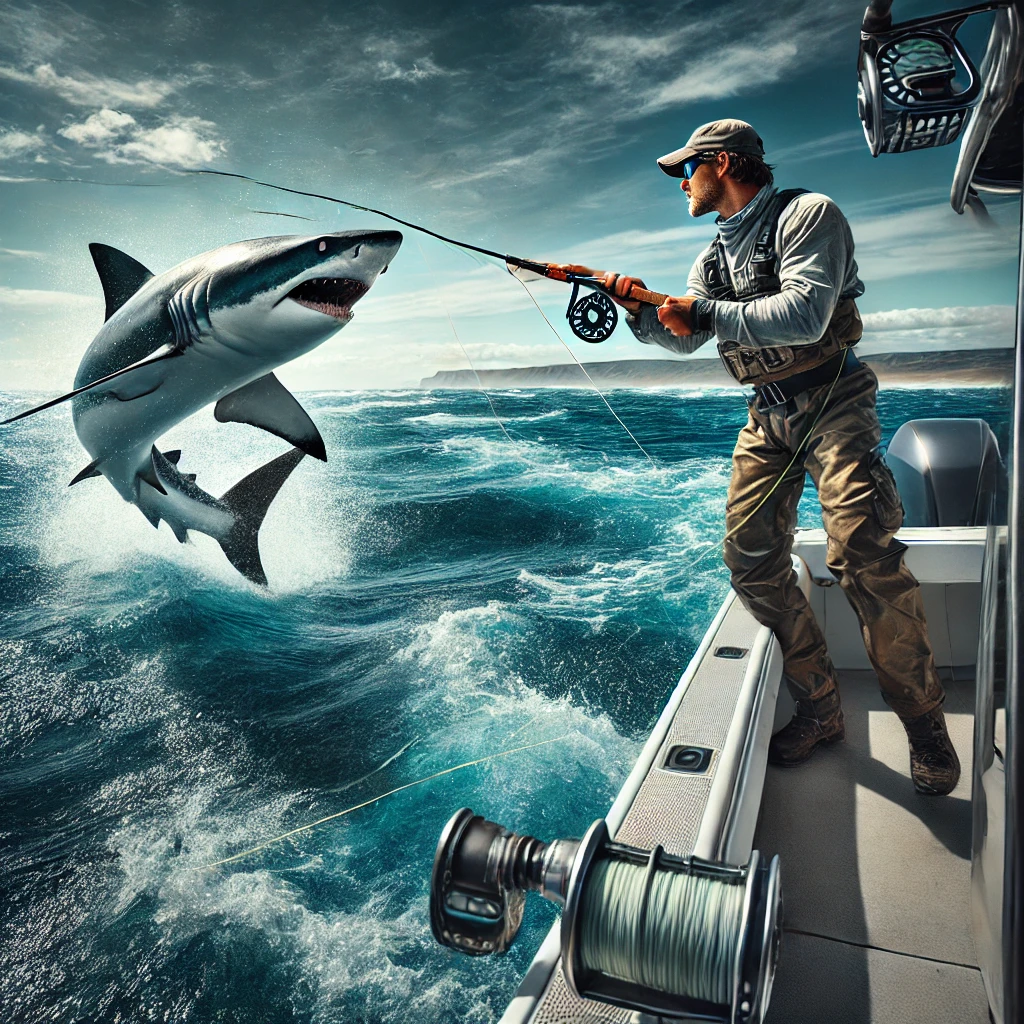
Welcome to Fly Fishing for Sharks – Techniques and Safety Tips! If you’re here, chances are you’re either an avid fly fisher looking to expand your horizons into saltwater species, or a curious enthusiast wondering about the feasibility of fly fishing for one of the ocean’s most formidable predators – sharks. The very thought of reeling in a shark on fly tackle may seem daunting, but with the right techniques, equipment, and safety measures, it can be an exhilarating and rewarding experience.
Fly fishing for sharks presents a unique blend of challenges and excitement. These ocean denizens are known for their size, power, and, let’s face it, their teeth. However, when approached with respect and preparedness, fishing for sharks can be a safe pursuit. In this guide, we’ll take you through the basics of equipment, techniques for targeting sharks, and, importantly, safety tips to ensure you enjoy this thrilling sport responsibly.
The Right Equipment for Shark Fly Fishing
Getting the right gear is critical when targeting sharks on the fly. Inadequate equipment can lead not just to unsuccessful fishing, but also to potentially dangerous encounters. Here’s what you’ll need:
- Rod and Reel: Opt for a 12-weight rod. This provides the necessary backbone to handle the immense power of a shark. Your reel should have a robust, high-capacity drag system capable of holding at least 300 yards of 50-80 lb backing.
- Line and Leader: A floating saltwater fly line coupled with a tough, abrasion-resistant leader is ideal. Use a class tippet of at least 100 lb test for the bite section.
- Flies: Big, flashy, and durable flies are the order of the day. Patterns mimicking baitfish or squid in bright colors tend to catch the attention of sharks.
- Other Gear: Polarized sunglasses are essential for spotting sharks in the water. Also, a stripping basket can help manage your line when casting on the boat.
Techniques for Targeting Sharks
After getting your gear in order, the next step is honing your technique. Shark fly fishing isn’t just about casting your line and waiting. It’s about understanding the behavior of sharks and adapting your approach accordingly.
Firstly, chumming the water is a common practice. By creating a slick of fish oil and chunks, you’ll attract sharks to your vicinity. Be mindful not to over-chum, as it could attract too many sharks, creating a hazardous situation.
Once you spot a shark, approach calmly. Casting too close can spook them, while casting too far can go unnoticed. Aim to land your fly a few feet in front of their path. Quick, short strips of the line can mimic the erratic movement of prey, enticing the shark to strike.
Setting the hook on a shark is different from other species. When you feel the bite, keep stripping hard until you’re certain the hook has found a solid purchase. Try to avoid a high rod lift; this might prematurely end the fight. Instead, use side pressure to ensure a secure hookup.
Safety Tips for Fly Fishing for Sharks
Your safety and the safety of the shark should be your top priorities. Here are some essential tips:
- Never fish alone: Always have a buddy system in place. Sharks are powerful, and an extra set of hands can be incredibly valuable.
- Stay alert: Sharks are not the only predators in the ocean, and the frenzied activity can attract others. Keep an eye on your surroundings.
- Handle with respect: When releasing a shark, use a dehooking tool and keep your hands clear. Avoid dragging the fish onto the shore or boat deck.
- Proper attire: Wear protective gloves and shoes with good grip. Shark skin is rough and can easily cause abrasions.
Moreover, it is paramount to have a first aid kit readily accessible and to know basic first aid techniques, particularly for treating wounds and punctures. An accidental nip from a shark, even a small one, can be dangerous.
Environmental and Ethical Considerations
Fly fishing for sharks carries a significant environmental responsibility. These apex predators play crucial roles in marine ecosystems, and it’s vital to fish in a manner that minimizes harm.
- Catch and Release: Always follow catch-and-release practices. Make the release as quick and stress-free for the shark as possible.
- No-kill zones: Respect no-kill zones and marine reserves. These areas are critical for conservation efforts.
- Avoid sensitive times: Some species of sharks have specific breeding seasons or nurseries. Avoid fishing in these areas during these critical times to prevent disruption.
Make sure to stay updated with local regulations and protected species lists. The understanding and enforcement of these areas help in ensuring the sustainability of our fisheries and the preservation of shark populations.
Preparing for the Unexpected
Despite the best preparations, things can go wrong. Whether it’s gear failure, an unexpected turn in the weather, or an inadvertent close encounter, readiness is key.
Communication devices are essential. A VHF radio, along with a fully charged mobile phone in a waterproof case, should be within easy reach. In case you’re far offshore, having an emergency locator beacon can be a lifesaver.
It’s also wise to inform someone onshore about your fishing plans, including your estimated return time and fishing location. This backup plan ensures someone can alert authorities if you don’t return on schedule.
Choosing the Right Location
Choosing the right location is crucial for both successfully catching sharks and ensuring a safe experience. Popular destinations include the Atlantic coast of the United States, particularly areas like Florida, the Carolinas, and the Gulf of Mexico.
When selecting a spot, consider the accessibility, local regulations, and typical shark species in that area. Fishing in shark hotspots like reef edges, deep channels, and sandbars can increase your chances of encountering these magnificent creatures.
Before heading out, check local fishing reports and weather conditions. Sudden changes in weather can affect shark behavior and safety conditions on the water.
Conclusion
Fly fishing for sharks is a challenging yet immensely rewarding adventure. Combining the right equipment, refined techniques, and a strong emphasis on safety can lead to unforgettable encounters with one of the ocean’s most iconic predators. As fly fishers, it’s our responsibility to practice ethical fishing and contribute to the preservation of these species for future generations.
By respecting the power of sharks and their role in the marine ecosystem, we can ensure a thrilling and sustainable fly fishing experience. Whether you’re an experienced angler or new to the sport, the tips and guidelines in this article will help you prepare for a successful and safe shark fly fishing expedition. Embrace the adventure, and remember – the ocean is as unpredictable as it is exciting.