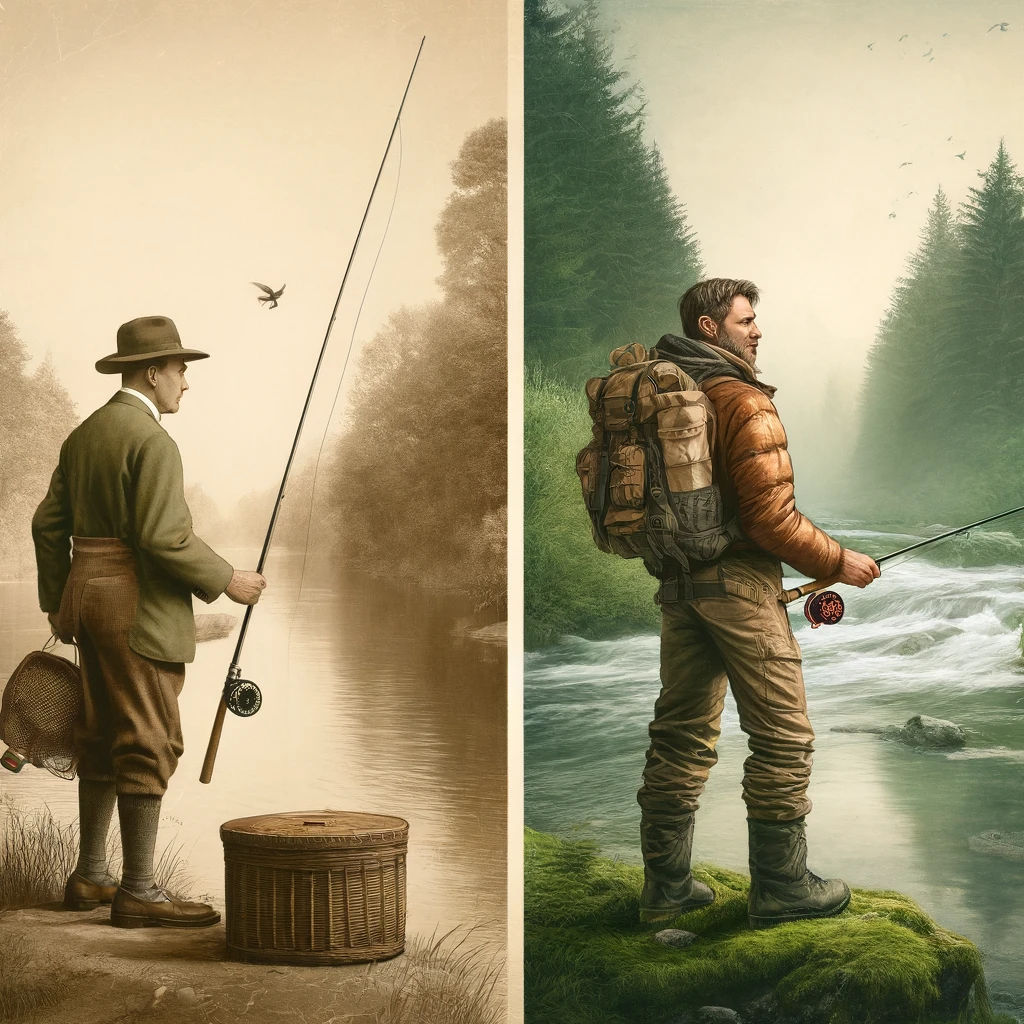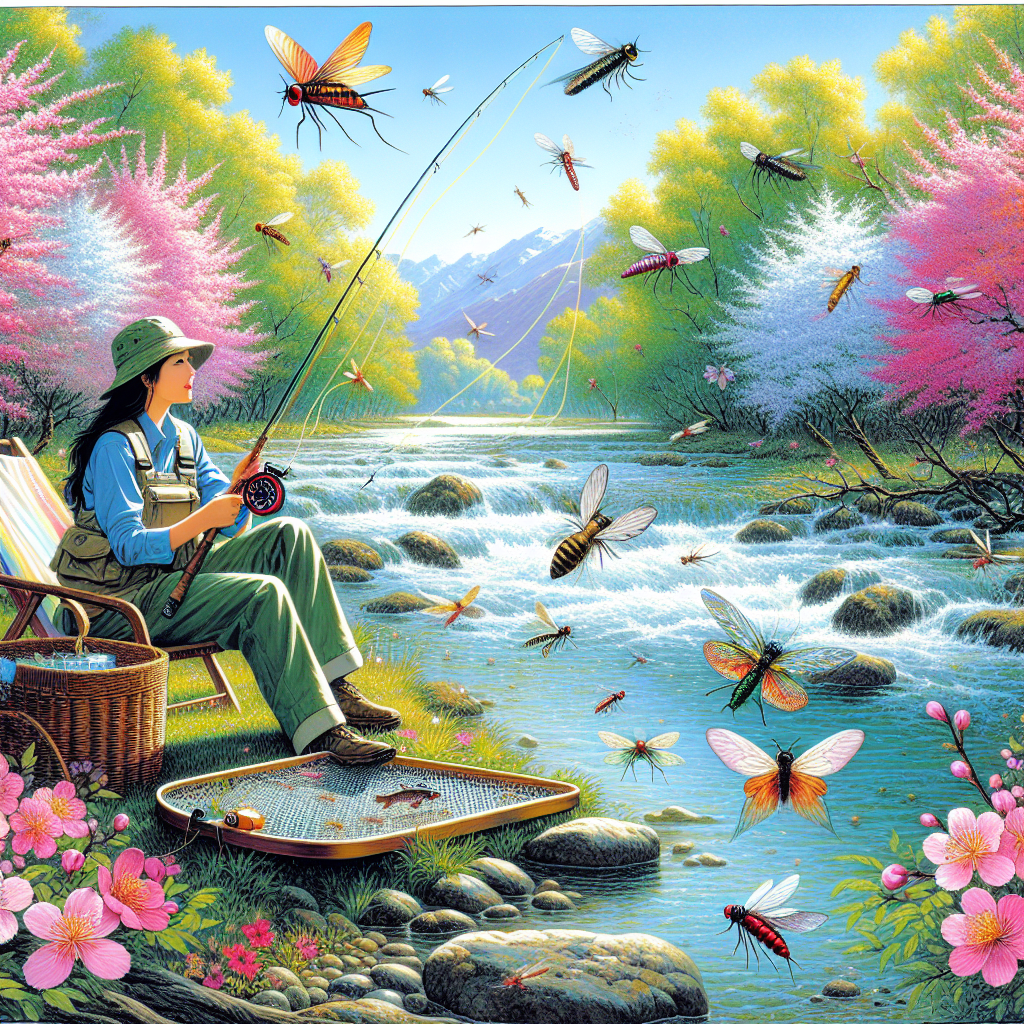
Fly fishing is a revered angling method that involves the use of a lightweight lure, known as a fly, to catch fish. It’s an activity that offers tranquility, excitement, and an opportunity to connect with nature. Every season brings its unique challenges and joys to the sport, and spring is no exception. With ice melting and new life burgeoning in the waters, spring fly fishing can be both rewarding and intricate. This article aims to provide you with essential tips and techniques for successful fly fishing during spring.
Introduction
As winter snowpacks melt and temperatures rise, rivers and streams swell with fresh, cold water. This seasonal change signals the beginning of spring fly fishing, a time eagerly awaited by anglers. The burgeoning insect life and rising water levels create ideal conditions for fish to feed actively, making them more approachable and easier to catch.
Spring fly fishing demands an understanding of the environmental shifts and how they affect fish behavior. Typically, as the water temperature begins to rise, fish metabolism increases, and they become more active. However, the water conditions can be erratic, with runoff levels affecting water clarity and temperatures fluctuating. These factors require adaptable strategies and a keen awareness of the environment you are fishing in.
Moreover, the spring season is an excellent time to experiment with various flies and techniques since fish are generally hungry after winter’s scarcity, willing to bite more readily than in other seasons. Having the right gear, understanding the insects that hatch during this period, and knowing the specific spots where fish are likely to gather can significantly enhance your spring fly fishing experience.
Whether you are a seasoned angler or a novice looking to dip your toes into the world of fly fishing, this guide covers the fundamental aspects of spring fly fishing. By focusing on key areas such as gear preparation, fly selection, reading the water, understanding fish behavior, and essential techniques, you will be equipped with the knowledge to make the most of this vibrant fishing season.
Gear Preparation
Before heading out for a day of spring fly fishing, ensuring that your gear is appropriately prepared is crucial. Early spring often brings colder water and unpredictable weather, making it essential to have the right equipment to tackle these conditions.
Waders and Boots: Spring waters can be frigid due to snowmelt. Insulated, waterproof waders and boots will keep you warm and dry. Opt for breathable materials to avoid sweating inside the waders, which can lead to chills.
Rods and Reels: A 9-foot rod with a 5 or 6 weight is generally versatile enough for most spring conditions. Make sure your reel is equipped with a reliable drag system as spring currents can be strong, and handling a hefty fish in such conditions requires smooth, consistent drag.
Lines and Leaders: A floating line matched with your rod’s weight works well for most spring scenarios. Include a selection of leaders and tippets in various sizes (e.g., 3x to 5x). Spring fly fishing often requires longer leaders to deal with increased water clarity.
Layered Clothing: Spring weather can be unpredictable. Dressing in layers allows you to manage your body temperature effectively. Include thermal layers as well as windproof and waterproof outer layers.
Miscellaneous Essentials: Don’t forget your polarized sunglasses to reduce glare and protect your eyes, a good fishing vest to keep your tools and flies organized, and a net for safely landing fish.
Fly Selection
One of the most critical aspects of fly fishing is fly selection. In spring, this becomes even more essential due to the abundance of insects emerging after winter.
Matching the Hatch: “Matching the hatch” is a technique where you choose flies that resemble the insects currently hatching in the water. Common spring insects include mayflies, caddisflies, and stoneflies. Observing the insects around the water’s surface can guide your fly selection.
Types of Flies: It’s beneficial to carry a mixture of nymphs, dry flies, and streamers in your fly box. Nymphs like the Pheasant Tail or Hare’s Ear are effective when fish are feeding below the surface. Dry flies such as the Adams or Elk Hair Caddis work well when you notice surface activity. Streamers like the Woolly Bugger can entice more aggressive fish, especially in murky waters.
Color and Size: Fish can be selective about the color and size of the flies they bite. Generally, using smaller flies in more natural colors yields better results in spring. However, if water conditions are murky due to runoff, don’t hesitate to use larger, more colorful flies to grab the attention of fish.
Experimentation: Spring is a time of transition, and what works in the morning may not be effective in the afternoon. Be prepared to change flies frequently based on the behavior of the fish and the conditions.
Reading the Water
One of the essential skills in fly fishing is reading the water. This becomes particularly important in spring when water levels and clarity can change rapidly.
Identifying Feeding Zones: Fish tend to congregate in specific areas based on water conditions. Look for slower-moving water near structures such as rocks, logs, and undercut banks where fish can conserve energy while waiting for food to drift by.
Watch for Riffles and Runs: Riffles are sections of the stream where water flows rapidly over shallow beds. These areas oxygenate the water and attract both insects and fish. Runs, which are deeper stretches of water leading out of riffles, are often prime spots for fishing as fish migrate between feeding areas.
Reading the Currents: Understanding how currents move and affect the drift of your fly is crucial. Look for back eddies where water flows in circular patterns, often holding fish waiting to ambush prey. Casting upstream and allowing your fly to drift naturally downstream can simulate the movement of real insects and increase your chances of a strike.
Spotting Fish: Polarized sunglasses can help you see beneath the water’s surface, enabling you to spot fish and cast more accurately. Look for subtle movements, shadows, or flashes of fish feeding. Early morning or late afternoon, when the sun is low, often provides the best visibility.
Understanding Fish Behavior
Understanding the behavior of fish during spring can greatly enhance your fishing success. Fish behavior is largely driven by water temperature and food availability.
Temperature and Metabolism: Fish are more active in spring as water temperatures rise. Generally, when the water temperature is between 50°F and 65°F, fish metabolisms increase, making them more willing to chase and bite flies. Keep a thermometer handy to monitor water temperatures.
Spawning Seasons: Some fish species, like trout, may be spawning during early spring. During this time, fish can be more focused on reproduction than feeding. It’s essential to practice ethical fishing, avoiding spawning beds (redds) to protect fish populations. Look for post-spawning fish in deeper waters that are more likely to be feeding.
Feeding Patterns: Understanding the daily feeding rhythms of fish helps plan your fishing trips. Fish often feed more actively during dawn and dusk when insect activity peaks. Be patient and observe the water surface for signs of rising fish or insect hatches.
Resting and Hiding Spots: During the spring runoff, water can be fast and turbid. Fish will often seek refuge in slower, deeper waters or behind structures that provide shelter from strong currents. Target these areas when fishing in high-water conditions.
Essential Techniques
Implementing the right techniques can make a significant difference in your spring fly fishing success. Here are some essential techniques to hone during this season:
Nymphing: Since a significant portion of a fish’s diet comes from nymphs, nymphing is a productive technique in spring. Use a strike indicator to detect subtle bites and ensure your nymphs are drifting naturally near the bottom. Vary the depth and drift speed based on the water conditions and fish activity.
Dry Fly Fishing: When fish are rising to the surface to feed on emerging insects, dry fly fishing can be highly effective. Cast upstream and let your fly drift down naturally with minimal drag. Be ready to set the hook when you see a fish strike the surface.
Streamer Fishing: In murky or high-water conditions, streamer fishing can provoke aggressive strikes. Use a sinking or sink-tip line to get your fly down to the desired depth. Retrieve with varying speeds and pauses to imitate the erratic movement of prey.
Double Nymph Rig: Using a double nymph rig can increase your chances of success by offering two different fly patterns simultaneously. This setup can help you determine which fly the fish prefer and cover various water columns.
Roll Casting: With spring vegetation growth along the banks, traditional casting can be challenging in tight quarters. Roll casting allows you to present your fly effectively without the room required for a backcast. Perfecting this technique is invaluable for fishing in confined spaces.
Conclusion
Spring fly fishing is a dynamic and rewarding endeavor that offers a unique set of challenges and opportunities. The seasonal conditions and fish behavior provide a fertile ground for both learning and expanding your fly fishing skills. By focusing on gear preparation, appropriate fly selection, reading the water, understanding fish behavior, and practicing essential techniques, you can maximize your success and enjoyment during this vibrant fishing season.
Remember that patience, observation, and adaptability are key to a successful fishing trip. While the spring season can be unpredictable, it often rewards those who are willing to adjust their strategies and remain persistent. Whether you are casting nymphs into a swift current, presenting dry flies on a calm pool, or stripping streamers through murky waters, the beauty of spring fly fishing lies in its diversity and the thrill of connecting with nature.
So, gear up, head to your favorite spring waters, and immerse yourself in the serene yet exhilarating world of fly fishing. With these tips and techniques in your arsenal, you are well on your way to experiencing the bountiful joys that spring fly fishing has to offer.