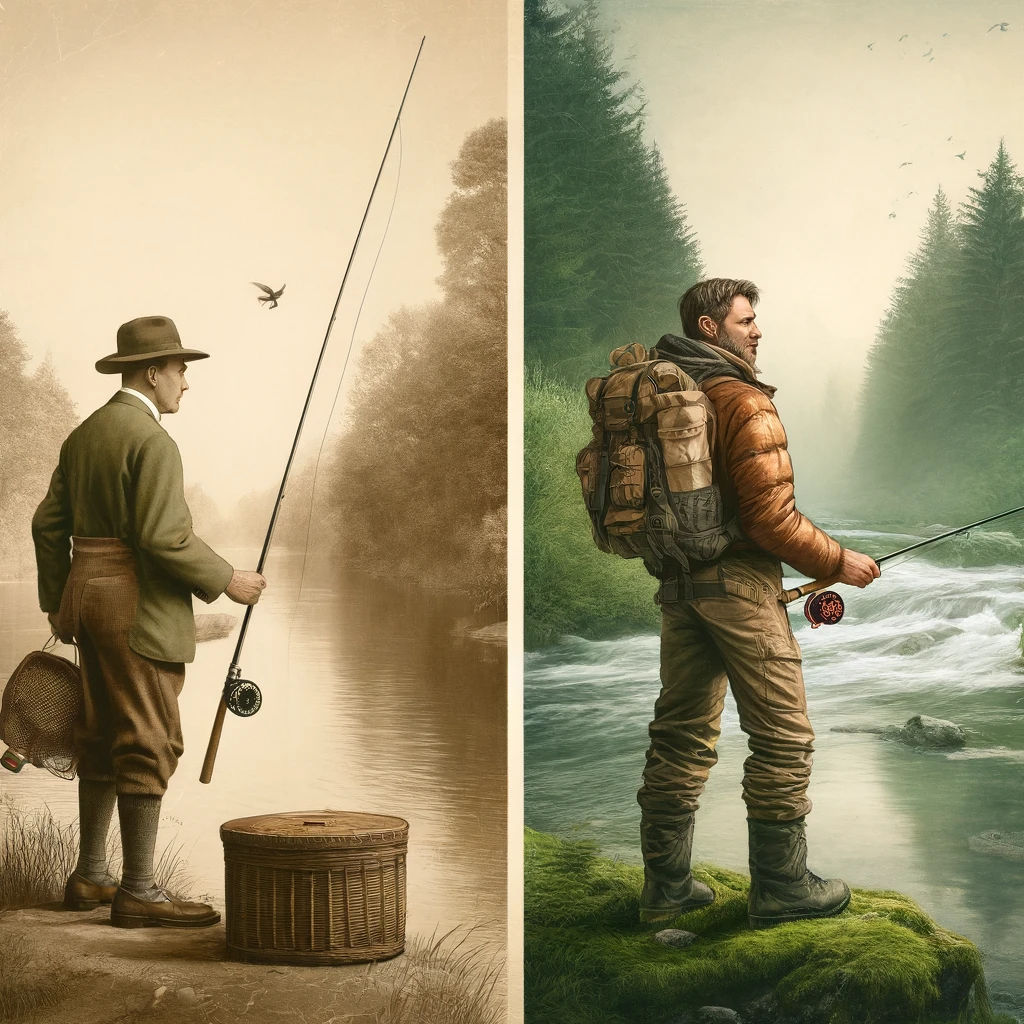
Fly fishing is an art, a dance between nature and angler, requiring intuition, skill, and an understanding of the environment. While spring and fall might be the favorite seasons for many fly fishers, summer brings its own set of challenges and rewards. With the sun shining high and temperatures climbing, the world of fly fishing transforms, and adapting to these changes is crucial for success. If you find yourself on the riverbanks during the dog days of summer, this guide aims to equip you with the necessary strategies to make the most out of your hot-weather fishing adventures.
As the mercury rises, fish behaviors change. Warmer water temperatures can increase fish metabolism, making them more active, but it can also lead to lower oxygen levels, pushing them to seek cooler, more oxygenated waters. This dual dynamic means that while fish might be feeding more frequently, they might also be confined to specific parts of a water body. Anglers need to be keenly observant, adaptable, and equipped with the right tactics to score big during these hot spells.
In this article, we will explore how to navigate the summer heat with finesse. We’ll deep dive into understanding the changing conditions, selecting the right gear, choosing the best fishing times, and picking effective fly patterns. Additionally, you’ll find tips on staying cool and hydrated, an often-overlooked aspect of summer fly fishing. Whether you’re a novice or a seasoned angler, these insights will help you enhance your summer fly fishing experience.
Understanding Summer Fishing Conditions
The first step to mastering summer fly fishing lies in understanding how the season affects the environment and fish behavior. As temperatures rise, water bodies warm up, leading to lower dissolved oxygen levels which can stress the fish. Fish, like trout, will seek out cooler, more oxygenated water, often moving to deeper sections, shaded areas, or near freshwater inflows.
During summer, fish are generally more active during the cooler parts of the day – dawn and dusk are prime times. Midday, with its high temperatures and blazing sun, often sees fish moving to deeper, cooler waters or hiding under cover to avoid the heat. Recognizing these patterns can greatly increase your chances of success.
Water clarity can also change with summer’s heat. Algal blooms, common in warmer waters, can make the water murky. As such, visibility plays a crucial role in the type of flies you select. Brightly colored or larger flies might be necessary to attract attention in cloudy waters.
Finally, consider wind patterns. Summer breezes can create ripple effects on the water surface, aiding in camouflaging your presence while casting. However, strong winds might make casting more challenging, so be prepared to adapt your techniques accordingly.
Selecting the Right Gear
Your gear plays a pivotal role in the success of your fly fishing expeditions, especially under the harsh summer sun. Start with your clothing. Lightweight, breathable, and moisture-wicking fabrics are your best bet. Look for clothes with UPF (Ultraviolet Protection Factor) to shield your skin from harmful UV rays. A wide-brimmed hat and polarized sunglasses are also essentials to protect your eyes and face from the relentless sun.
Waders should be chosen with care. In hot weather, consider wet wading (forgoing waders altogether) or using breathable chest waders that allow some air circulation. Pair these with wading boots that provide good traction and are comfortable for long hours of use.
Your fly rod and reel need to be suited for the type of fish and waters you’ll be encountering. A versatile 5 or 6-weight rod is often a good choice for summer fishing. Ensure your reel has a decent drag system to handle potential larger fish seeking refuge in the depths.
Lastly, don’t overlook the importance of your tackle storage. A light and breathable vest, with smaller compartments to hold essential gear, ensures you’re not weighed down. Remember, the goal is to stay mobile and comfortable, responding to changing conditions swiftly.
Choosing the Best Fishing Times
Timing is everything, especially in the summer when the day’s heat can make mid-afternoon fishing a challenge. As earlier mentioned, dawn and dusk are the cooler parts of the day and generally the most productive times for fly fishing. Fish are likely to be more active, coming closer to the surface to feed during these times, making it easier for you to get a bite.
In the morning, fish tend to feed aggressively after the cooler night. This early feeding time offers a window of opportunity where fish are more likely to strike at your flies. By late morning, as temperatures rise, fish often retreat to deeper, cooler waters. Observing these changes and adjusting to them can keep you in the game.
Evenings, just before sunset, present another golden window. The dropping temperatures and indirect sunlight create ideal conditions for fish to move back into shallower waters. Evening hatches and fly patterns can be particularly effective during this time.
It’s also worth considering the lunar cycle. Fish activity can be influenced by moon phases, with new moons and full moons often stimulating feeding. Integrating moon phase considerations with weather forecasts can give you an edge over the average angler.
Effective Fly Patterns
Summer fly fishing success often hinges on selecting the right fly patterns. The season presents a wealth of hatches, meaning a good variety of flies can be effective. However, local knowledge and observation can significantly enhance your fly selection.
Terrestrial patterns become highly effective in summer. Grasshoppers, ants, beetles, and crickets falling into the water provide a substantial part of the fish’s diet. These patterns, often fished near the shore or around overhanging vegetation, can be particularly effective.
Additionally, having a selection of nymph patterns can be indispensable. As the sun climbs higher, fish that are more reluctant to rise to the surface can be enticed with nymphs presented in the cooler, deeper sections of water.
Dry flies remain a staple, with hatches of caddis, mayflies, and midges being commonplace. Matching the hatch can often lead to explosive surface action. Keep a varied selection and be ready to switch as conditions and fish preferences change throughout the day.
Staying Cool and Hydrated
While focusing on catching fish, it’s crucial not to overlook your well-being. Prolonged exposure to the summer heat can lead to dehydration, heat exhaustion, or even heatstroke. Staying cool and hydrated can be the difference between a memorable day fishing and an unpleasant experience.
Start with hydration. Always carry plenty of water and consider using a reusable bottle that can be easily accessed. Hydration packs, which combine storage and easy-drink hydration systems, can be particularly useful.
Taking regular breaks in shaded areas is essential. If you’re fishing a river or stream, wading into deeper, cooler water can help keep your body temperature in check. Also, wearing a wet, cooling bandana around your neck can provide instant relief from the heat.
Snacking on high-energy, hydrating foods such as fruits can also help maintain your energy levels. Avoid heavy or overly salty foods that can increase dehydration.
Conclusion
Summer fly fishing brings an entirely different set of challenges and opportunities compared to other times of the year. The heat and changing behavior of fish mean you have to adapt your strategies for success. By understanding the unique conditions summer presents, selecting the right gear, timing your fishing expeditions well, choosing effective fly patterns, and taking care of your body, you can enjoy highly rewarding fly fishing adventures.
Remember that every fishing venue is different, and local knowledge goes a long way. Don’t hesitate to speak with local anglers, check in with local fly shops, or even take a guided trip to get insider tips that can enhance your experience.
Equip yourself with the right knowledge, gear, and strategies, and you will find that despite the heat, summer can be one of the most exhilarating seasons for fly fishing. It’s not just about the fish you catch but also about the breathtaking sunrises, the serene, sunlit waters, and the satisfaction of mastering the art under challenging conditions.
As you head out this summer, carry this guide with you, enjoy the bounties of nature, stay safe, and tight lines!