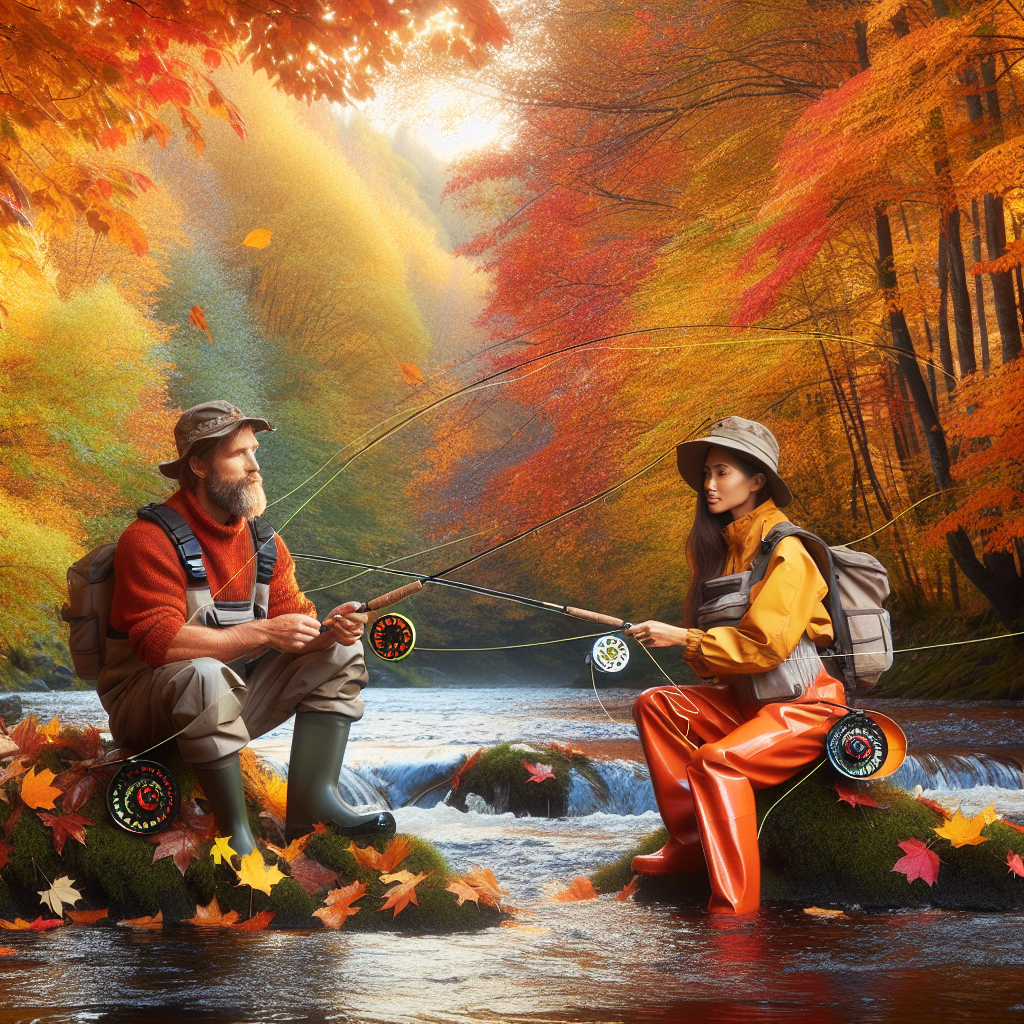
Fall is undeniably one of the most beautiful and rewarding seasons for fly fishing. As the air turns crisp and leaves morph into stunning shades of orange, yellow, and red, anglers can find solace in the tranquility and productivity of autumn waters. Fly fishing during this season is not only visually captivating but also provides unique opportunities to catch a variety of fish. The changes in temperature and daylight trigger specific behaviors in fish, making them more accessible to those who understand and adapt to these seasonal shifts.
Transitioning from summer to fall means that fish are preparing for the colder months ahead. They are often more aggressive in their feeding, trying to bulk up before the winter. This behavior increases your chances of successful catches, provided you adjust your techniques accordingly. However, autumn fly fishing isn’t without its challenges. The weather can be unpredictable, and the fish’s behavior may change day-to-day.
Understanding the nuances of fall fly fishing, the best techniques, and how to adapt to the ever-changing conditions is crucial. Whether you are a beginner looking to dip your toes into the world of fly fishing or a seasoned angler seeking to refine your skills, this guide will provide you with the knowledge and tips necessary to make the most out of your autumn fishing adventures.
Understanding Fall Conditions
The first step to successful fall fly fishing is understanding the conditions you’ll be facing. During this season, water temperatures start to drop significantly. Fish that were sluggish and more spread out during the hot summer months begin to congregate in specific areas where water temperatures remain optimal for their activity. These areas include deeper pools, shady spots, and regions where there is a mix of cold and warm water.
Additionally, the reduced daylight hours mean that fish feeding patterns will shift. Early morning and late afternoon become peak times for activity. This is crucial knowledge for timing your fishing sessions. Furthermore, the weather can be quite variable during fall. Cold fronts and sudden rain showers may disrupt the water clarity and temperature, affecting fish behavior and requiring quick adjustments in strategy.
It’s important to keep a close eye on local weather forecasts and water conditions. Take note of recent temperature changes and the clarity of the water. Fish are highly sensitive to their environment, and these factors will influence their feeding habits and the types of flies you should use.
Choosing the Right Gear
Having the right gear can make all the difference when it comes to fall fly fishing. During this season, fish are feeding aggressively but also selectively, making fly choice crucial. Common options include streamers, nymphs, and terrestrials, each suited for specific conditions and fish behaviors.
Streamers are particularly effective in the fall because they mimic baitfish and other creatures that fish are targeting heavily to bulk up. Make sure to carry a variety of sizes and colors to match the local forage. Nymphs should also be staple in your fall fly box, as they can attract fish when other flies fail. Case-building caddis and small stonefly patterns are popular choices.
When it comes to your fishing rod and line, opt for faster action rods that provide enough power to cast larger flies and tackle windy conditions. Floating lines are generally versatile for fall, but having a sinking tip line can be advantageous for getting streamers down to deeper waters where fish might be holding.
Waders and layers are also essential, as fall weather can be unpredictable. Invest in breathable, insulated waders and layering pieces that can be added or removed depending on the temperature fluctuations throughout the day.
Techniques for Success
Adapting your techniques to seasonal conditions is key to fall fly fishing success. One effective approach is using a “searching” technique with streamers. Cover large areas by casting downstream and retrieving in short, deliberate strips. This mimics the movement of distressed baitfish and can trigger aggressive strikes.
When fishing nymphs, consider using a double nymph rig to increase your chances. This involves tying two different nymph patterns about 18 inches apart on your line. Drift this setup through deep pools and riffles to cover various depths where fish might be feeding.
Terrestrial patterns can still be effective in early fall when insects are still active. Hopper-dropper rigs, where a dry fly (like a hopper) is paired with a subsurface nymph, can be an excellent choice for targeting trout in shallower waters.
Pay attention to the behavior of the fish. If they are not responding to aggressive techniques, slow down your presentation. Sometimes, a slower, more deliberate retrieve can entice wary fish who have seen their share of flies throughout the season.
Managing the Environment
One often overlooked aspect of fall fly fishing is managing your environment to maintain optimal conditions for fishing. This includes everything from minimizing your shadow on the water to being mindful of the noise you create. Fish are naturally more cautious in the fall due to increased feeding pressure, so stealth can be a significant advantage.
Wade carefully and avoid splashing as much as possible. Shadows can also spook fish, especially on sunny days, so position yourself in a way that minimizes your presence. Wear neutral or earth-toned clothing that blends in with the surroundings to avoid drawing too much attention.
Maintaining quiet is another critical strategy. Loud noises, whether from talking, dropping gear, or moving hastily, can send fish into hiding, ruining your chances of success. Instead, move slowly and deliberately. Plan your casts and movements ahead of time to minimize disruption.
Lastly, respect the environment by practicing catch and release. As fall is a critical time for fish to bulk up for winter, releasing caught fish ensures they have the opportunity to continue feeding and sustaining the population.
Weather and Timing
Timing is crucial in fall fly fishing. Early mornings and late afternoons are generally the most productive times. During midday, fish often retreat to deeper, cooler waters and become less active in feeding. Early risers have the advantage of catching fish during their morning feeding frenzy, while those who stay until dusk can benefit from the second peak of activity as the light fades.
As mentioned earlier, keeping an eye on the weather can drastically improve your fishing experience. A slight drizzle or overcast day can be ideal for fly fishing, reducing water temperature and increasing fish activity. Conversely, clear, sunny days might require you to fish deeper and be more cautious with your movements and presentations.
Wind can be both a friend and a foe. While it can make casting a challenge, wind also stirs up the water, bringing food sources to the fish and making them more active. Learning to cast effectively in windy conditions can turn a seemingly difficult day into a highly productive one.
Conclusion
Fall fly fishing provides a unique and rewarding opportunity to connect with nature and indulge in the sport at a time when fish behavior is fascinatingly distinct and the scenery is breathtaking. Success during this season hinges on understanding the changing conditions, choosing the right gear, employing effective techniques, managing your environment, and timing your fishing expeditions intelligently.
Whether you are targeting trout, bass, or other species, the principles and tips shared in this guide will aid you in making informed decisions that increase your chances of a fruitful autumn fishing experience. Remember, patience and observation are key virtues in fly fishing. The more you understand about the environment and fish behavior, the more adept you will become at adjusting your strategies for different situations.
So, gear up, head out to those beautifully chilled waters, and indulge in the splendor of fall fly fishing. The experience is bound to enrich your understanding of the sport and provide memorable catches against the backdrop of a season resplendent with color and life.