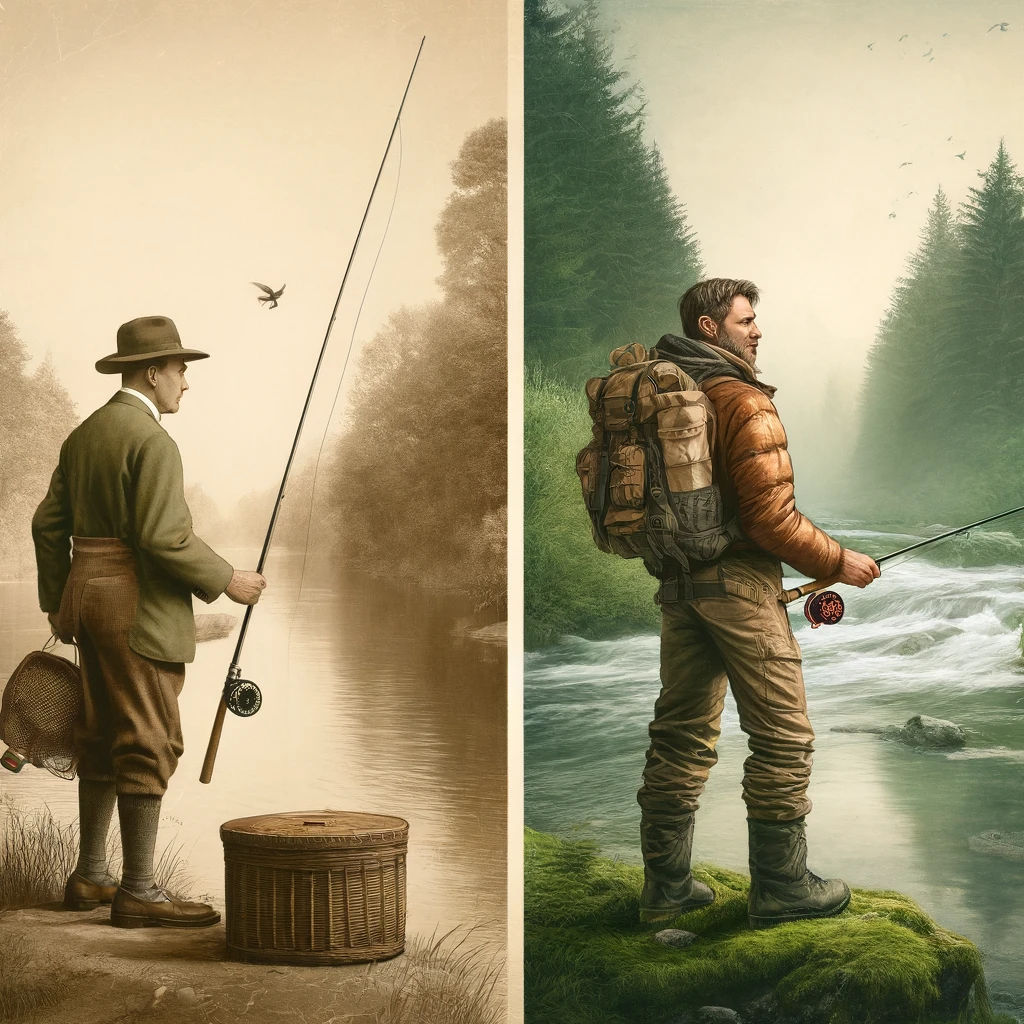
Fly fishing is one of the most rewarding outdoor activities that avid anglers can enjoy year-round. However, when winter rolls around, the thrill of fishing can turn into a daunting challenge due to the harsh weather conditions. Despite the cold, winter fly fishing can offer some of the best experiences, provided you have the right strategies and gear to handle the conditions. This article will guide you through the basics of winter fly fishing, provide useful cold weather tips, and highlight essential gear to ensure your trips are both enjoyable and productive.
If you’re new to winter fly fishing or looking to improve your skills, understanding the fundamentals is essential. Winter presents unique challenges, such as frozen waters, icy winds, and lethargic fish. It’s crucial to prepare adequately to overcome these obstacles and make the most of your fishing expedition. Let’s dive into the world of winter fly fishing, exploring everything from preparing for the cold to selecting the best gear, and uncover how you can turn a chilly fishing day into a successful one.
Understanding Winter Fly Fishing
Winter fly fishing differs significantly from other seasons due to the unique conditions presented by cold weather. Fish behavior and water conditions require alterations in your typical fishing approach. During the winter, water temperatures drop, causing fish to become less active and more sluggish. This means they’ll be conserving energy and won’t chase flies like they might in warmer months.
A thorough understanding of how fish behave in cold conditions is critical. Most species, particularly trout, move to deeper, slower-moving parts of the water where temperatures are slightly warmer and they can conserve energy. Therefore, targeting these specific areas can increase your chances of a successful catch. Additionally, using slower presentations and smaller flies typically yield better results in winter, as fish are more likely to bite on something that doesn’t require much effort.
Identifying the right water bodies for winter fly fishing is another aspect to consider. Not all fishing spots are suitable during the winter. Waters that remain ice-free, including spring-fed rivers and tailwaters, are ideal as they maintain relatively stable temperatures and offer accessible fishing opportunities throughout the cold months.
Essential Gear for Winter Fly Fishing
Having the right gear can make or break a winter fly fishing trip. Key gear to consider includes:
Warm Clothing
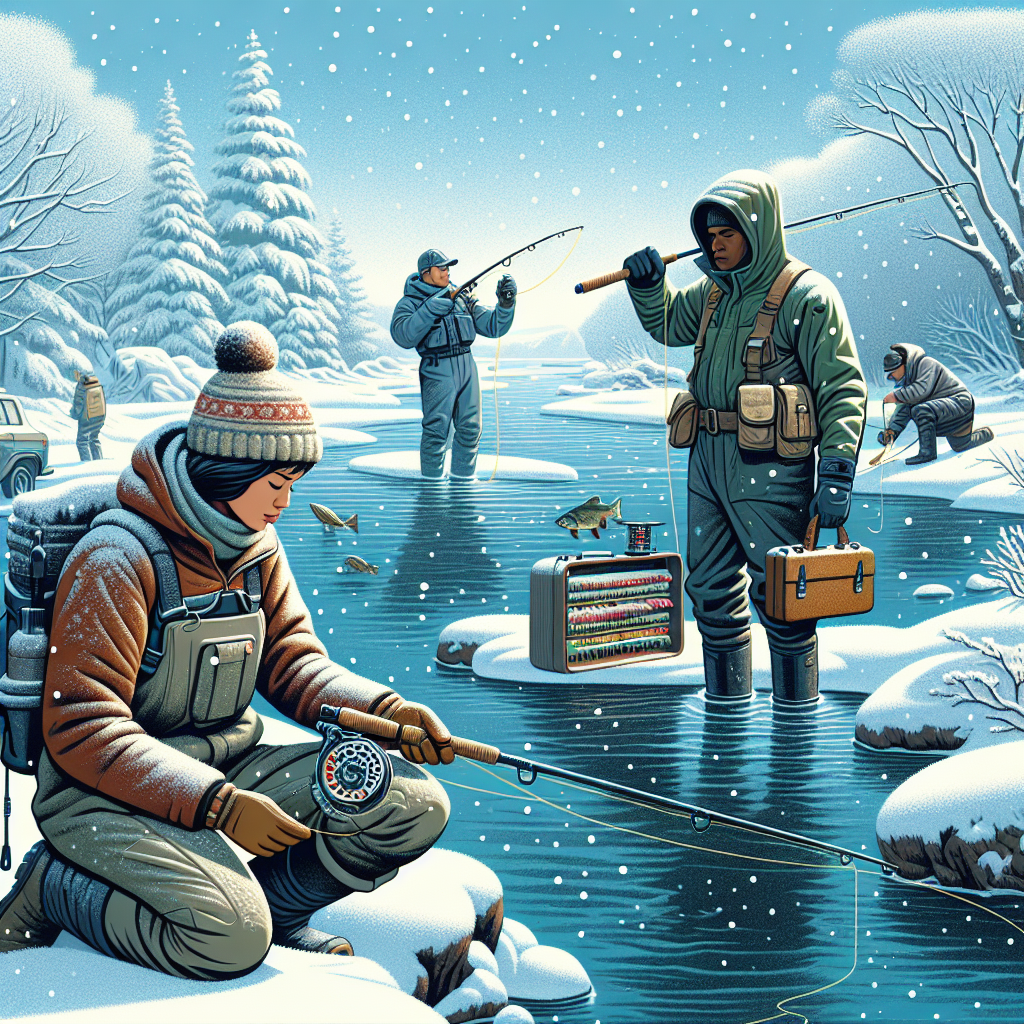
Staying warm is paramount. Invest in high-quality thermal base layers, waterproof outer layers, and insulated gloves and hats. Layering is essential to regulate your body temperature effectively. Breathable materials that wick moisture away from the skin are ideal.
Waders and Boots
Waders are indispensable for winter fishing. Opt for insulated, breathable waders with a solid pair of waterproof boots. These keep you dry and warm while providing the necessary mobility to navigate through cold waters.
Fly Rods and Reels
Rods and reels should be able to handle the cold. A medium to fast action rod is generally preferred to cast in windy conditions. Ensure your reel has a smooth drag system to handle lethargic fish.
Flies
Smaller, naturally-colored flies work best in winter. Patterns mimicking midges, nymphs, and small streamers are particularly effective. Stock up on various sizes to adapt to different fishing spots and conditions.
Accessories
Don’t forget essential accessories like polarized sunglasses to reduce glare from the snow and water, a sturdy fishing vest or pack for convenient tackle storage, and a thermos filled with a hot beverage to keep you warm and refreshed throughout the day.
Winter Fly Fishing Strategies
Adapting your fishing strategies for winter is crucial. Here are some effective tactics:
Slower Presentations
As fish are less active during winter, slow and deliberate presentations are more likely to entice bites. Use a subtle approach with meticulous, slow movements to mimic natural food sources in cold water.
Focus on Depth
Fish tend to stay deeper in water bodies during winter. Using weighted flies or adding split shot to your line helps reach these depths effectively. Target pools and slower currents where fish are likely to conserve energy.
Above Freezing Temperatures
Check weather forecasts before heading out. The best time for winter fly fishing is during the warmest part of the day, especially when temperatures are above freezing. This slight increase encourages fish activity.
Adjust Your Timing
Unlike in summer, the early morning vitality isn’t as prevalent in winter. Plan to fish later in the day when the sun has had a chance to warm the water slightly, increasing fish mobility and chances of a catch.
Safety Tips for Cold Weather Fishing
Safety should be a priority during winter fishing. Here are some critical tips to ensure you stay safe:
Buddy System
Fishing with a buddy enhances safety. In case of emergencies, having someone there can make a significant difference. Ensure your partner is within sight or shouting distance.
Hypothermia Awareness
Understand the symptoms of hypothermia and act swiftly if they appear. Numbness, shivering, and confusion are red flags. Keep an emergency kit with warm clothing and a first-aid kit nearby.
Know Your Limits
Acknowledge your physical limits and don’t push beyond them. Cold weather can be draining. Stay alert and responsive to your body’s signals, allowing yourself adequate breaks.
Stay Hydrated and Nourished
Even in cold weather, staying hydrated is crucial. Bring along snacks and hot drinks to maintain energy levels and keep your body functioning properly.
Conclusion
Winter fly fishing can be a highly rewarding experience, providing anglers with the opportunity to enjoy the serenity of snowy landscapes while honing their fishing skills. The key to a successful winter fishing trip lies in preparation, understanding fish behavior, using the right gear, and adapting your strategies to the cold conditions. With the right approach, you can turn a challenging winter day into a memorable adventure, complete with the satisfaction of a well-earned catch.
Remember, safety should always be a top priority. Dress warmly, stay hydrated, be aware of your physical limits, and fish with a buddy whenever possible. By following these tips and investing in the proper gear, you can ensure that your winter fly fishing trips are not only safe but also incredibly enjoyable and successful. So gear up, brave the cold, and embrace the unique challenge that winter fly fishing presents. Tight lines!