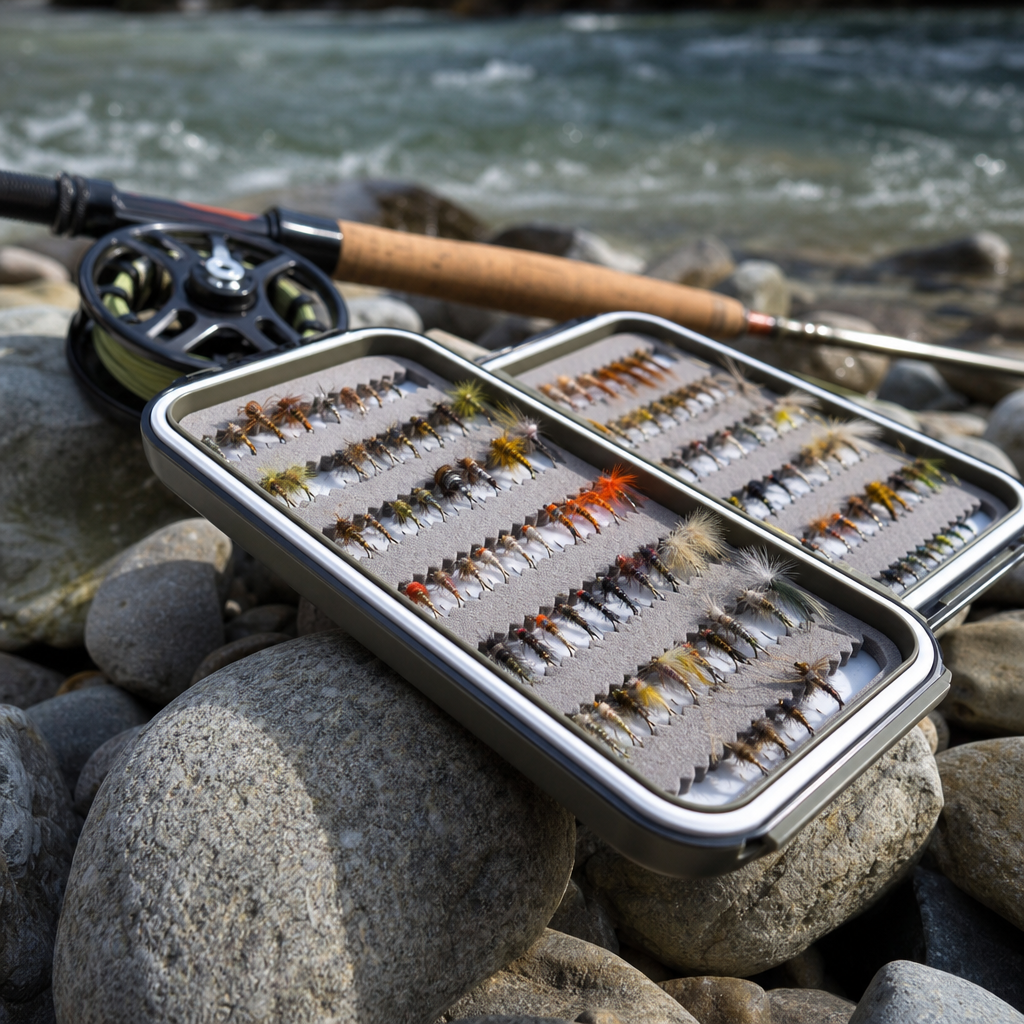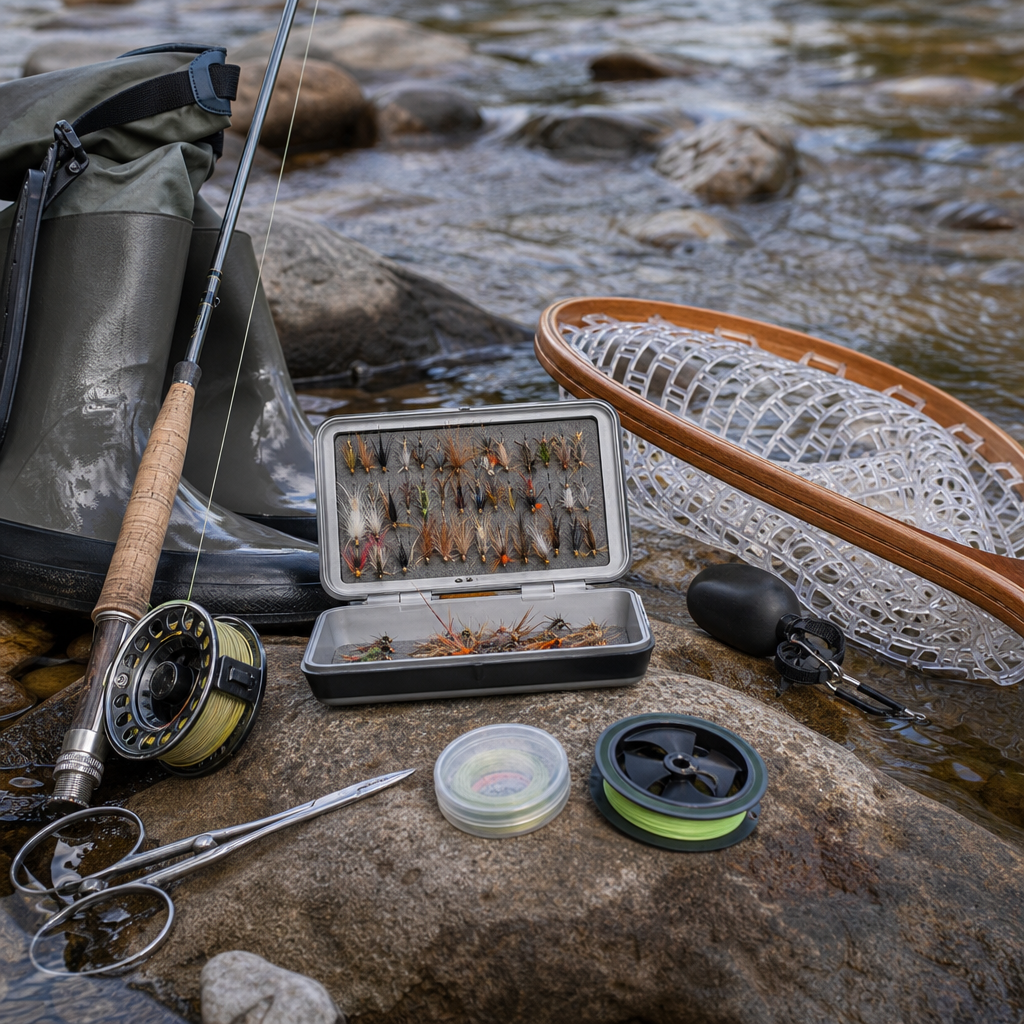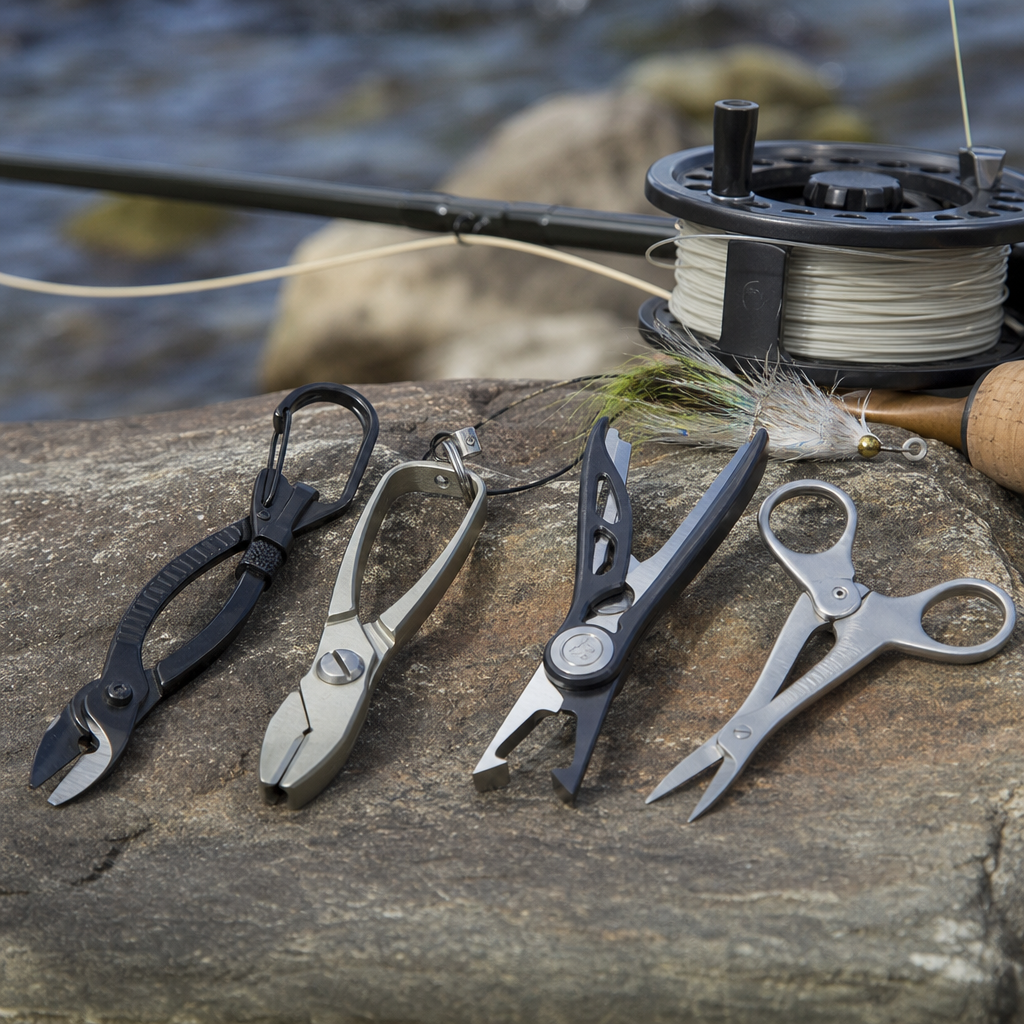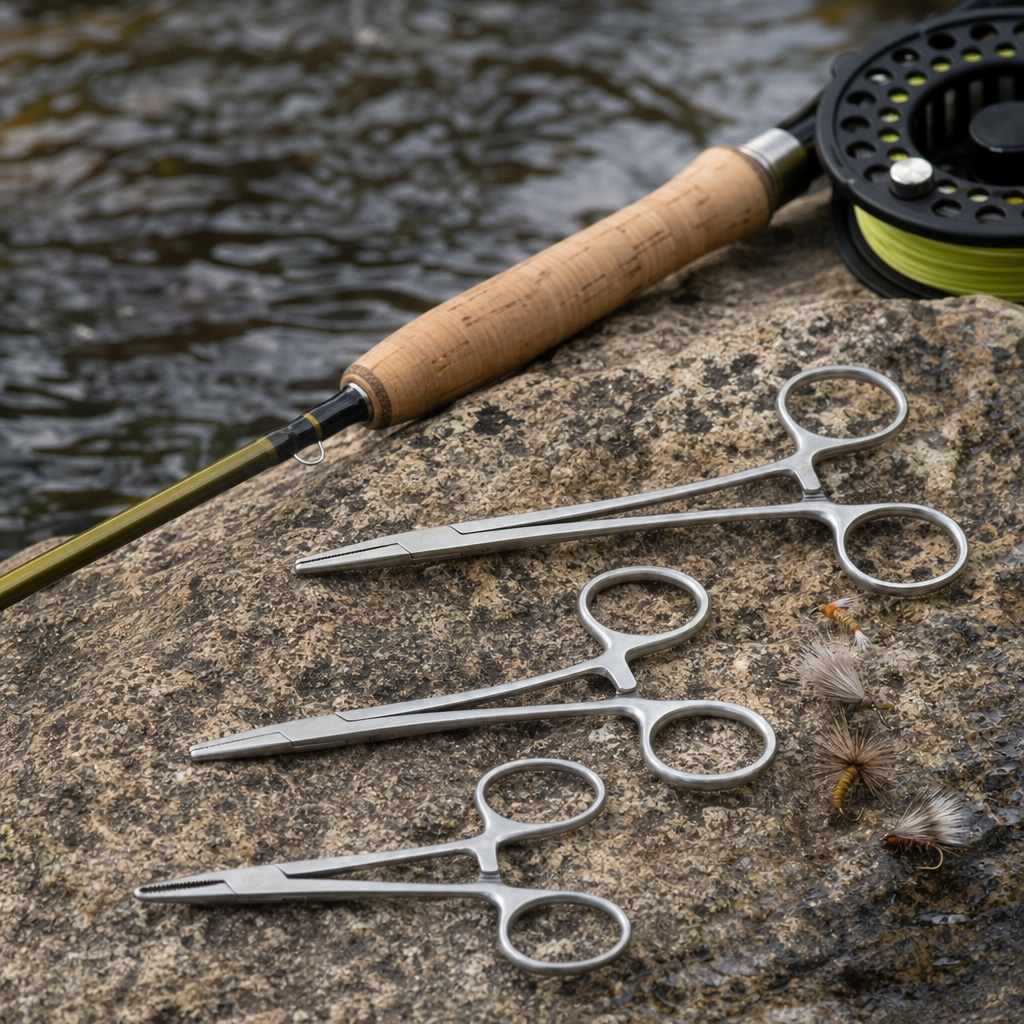
Fall fishing rewards anglers who match changing water temperatures, shorter daylight, and shifting forage with the right flies. Reviewing the best fly patterns for fall fishing means looking beyond a simple list of favorites and understanding why certain designs consistently produce fish in September, October, and November. In fly reviews, the strongest recommendations connect pattern choice to insect hatches, baitfish movement, spawning behavior, and river conditions. That is what makes a useful hub article for anglers comparing trout flies, streamer patterns, nymphs, and terrestrials for autumn.
When I review flies for fall, I focus on three factors: profile, movement, and seasonal relevance. Profile is the silhouette a fish notices first. Movement is how the materials breathe, pulse, sink, or skate in current. Seasonal relevance is the reason a fish would eat that fly now, not in June. In autumn, trout often feed heavily before winter, brown trout become aggressive during pre-spawn periods, and many rivers see strong subsurface activity even when surface action looks slow. A good fly review explains those triggers in practical terms, because anglers need patterns that solve on-the-water problems, not just flies with attractive marketing photos.
Fall matters because it compresses opportunity. Water can be clear and low one week, high and cold the next. Blue-winged olives may hatch on overcast afternoons, while terrestrials still matter during warm spells. Streamers can draw the largest fish of the season, but only if the pattern size, sink rate, and retrieve fit the river. Reviewing the best fly patterns for fall fishing therefore requires a broad approach. This article serves as a central guide to fly reviews within product reviews and recommendations, helping you evaluate what to buy, what to carry, and how to fish each pattern with confidence.
What makes a fly pattern effective in fall
The best fall fly patterns match one of four food categories: late-season insects, nymphal drift, baitfish, or opportunistic meals such as eggs and terrestrials. Trout are efficient. They do not eat a fly because it is famous; they eat it because it looks vulnerable, abundant, or worth chasing. In practical fly reviews, I look at hook shape, bead or cone weight, material durability, and whether the pattern maintains its intended profile after several fish. A fly that catches two trout and collapses is less valuable than one that fishes cleanly all day.
Color also matters more in fall than many anglers assume. Olive, black, brown, cream, rust, and white are reliable because they imitate common autumn food sources and remain visible under low-angle light. Flash should be controlled, not excessive. In clear water, too much sparkle can cost refusals. In stained flows after rain, a little flash becomes a strike trigger. This is why balanced reviews should separate “good pattern” from “good conditions for that pattern.” A woolly bugger, for example, can be excellent year-round, but in fall a black or olive version often outperforms brighter summer choices because it better suggests leeches, sculpins, or juvenile baitfish.
Another marker of an effective fall fly is versatility. Some patterns can be dead-drifted, swung, stripped, or tight-lined. Those are high-value flies for a seasonal box because conditions change quickly. The flies reviewed below are not trendy picks. They are durable, proven patterns with clear use cases, and each has earned a place in a serious autumn rotation.
Top nymph and wet fly patterns for consistent autumn trout
Nymphs remain the foundation of fall trout fishing because most feeding happens below the surface. Even on rivers known for streamer action, trout spend long periods taking mayfly nymphs, caddis larvae, midge pupae, and general attractor nymphs drifting near the bottom. The best fly patterns for fall fishing therefore include a compact group of subsurface standards that cover different sink rates and food signals.
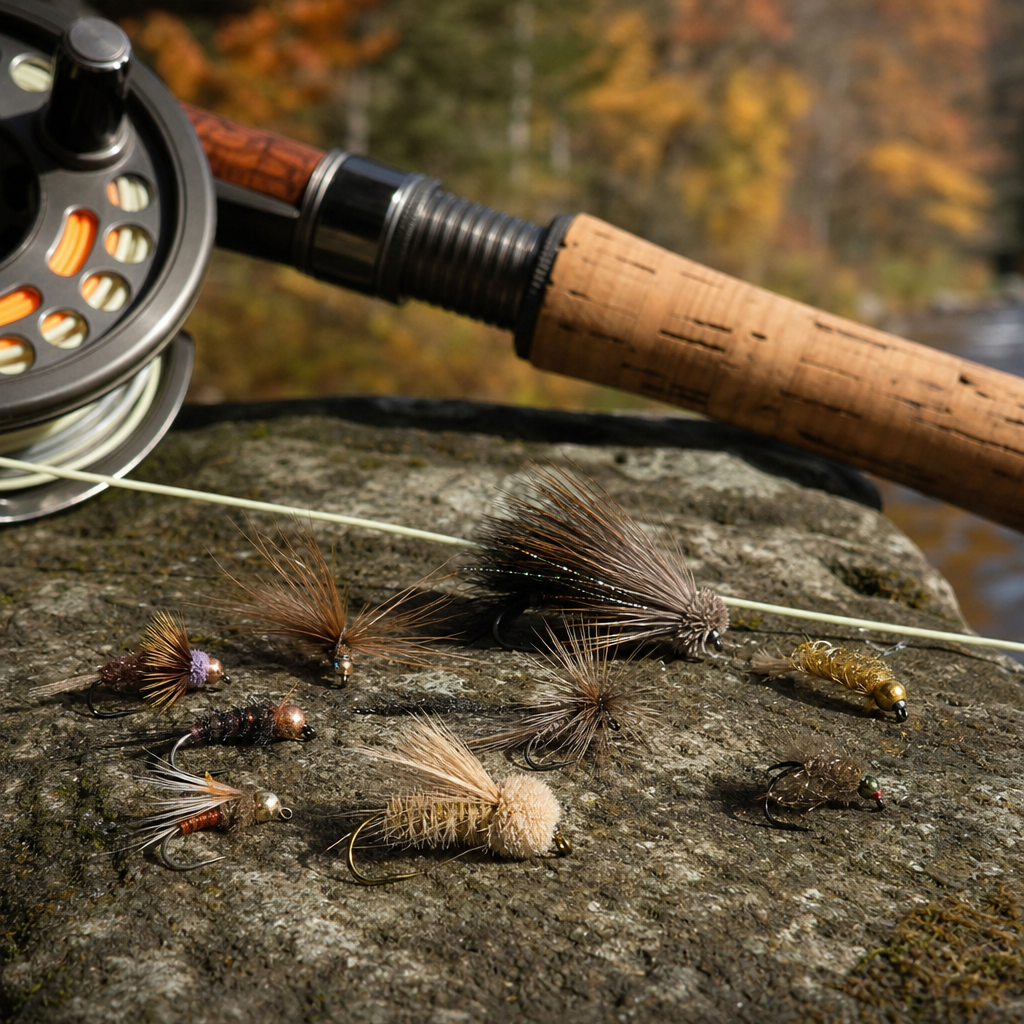
The Pheasant Tail Nymph is still one of the best-reviewed fall flies because it suggests so many mayfly nymph species without becoming overly specific. In sizes 14 to 18, with or without a bead, it imitates baetis nymphs especially well. During cloudy weather and pre-hatch periods, a slim Pheasant Tail fished under an indicator or on a euro-style rig consistently produces. The Hare’s Ear Nymph complements it by offering a buggier, more impressionistic look. Its spiky guard hairs and fuller thorax imitate caddis larvae, mayfly nymphs, and general aquatic drift. If I am guiding or testing unfamiliar water in October, a Hare’s Ear is one of the first flies I tie on because it tells me quickly whether fish are willing to eat a generic nymph.
For technical tailwaters and spring creeks, Zebra Midges and RS2 patterns deserve high rankings in fly reviews. Fall often brings clear flows and selective fish, especially when midges and tiny baetis dominate. A black, red, or olive Zebra Midge in sizes 18 to 22 is a dependable anchor or dropper fly. The RS2, originally designed as an emerger, is deadly when fish key on ascending insects just under the film. Many anglers classify it as a specialty fly, but in autumn it can be a primary producer.
Soft hackles also deserve more attention in fall fishing discussions. A Partridge and Orange, Soft Hackle Pheasant Tail, or simple olive soft hackle can imitate emerging insects and trigger fish during transitional feeding windows. Swung across riffle tails or greased lightly and allowed to drift just beneath the surface, these flies bridge the gap between nymphing and dry-fly fishing. That versatility makes them exceptional review candidates for anglers who want one pattern to cover multiple presentations.
| Fly pattern | Best fall use | Typical sizes | Why it works |
|---|---|---|---|
| Pheasant Tail Nymph | Baetis activity, general nymphing | 14-18 | Slim mayfly profile and reliable sink rate |
| Hare’s Ear Nymph | Searching unknown water | 12-16 | Buggy texture imitates multiple food forms |
| Zebra Midge | Clear water, pressured trout | 18-22 | Simple, sparse design matches small subsurface food |
| RS2 | Emerger-focused feeding | 18-22 | Deadly during baetis and midge transitions |
| Soft Hackle Pheasant Tail | Swinging through riffles | 14-18 | Movement suggests emerging insects |
Best dry flies for fall hatches and late-season surface takes
Dry-fly fishing in autumn is often underestimated because anglers associate the season with streamers and deep nymph rigs. In reality, some of the year’s most refined surface feeding happens in fall, especially during blue-winged olive hatches, midge events, and warm afternoons that keep terrestrials in play. A good dry-fly review for fall should assess visibility, floatation, silhouette, and how accurately the pattern covers late-season hatch windows.
The parachute Adams remains one of the most useful fall dry flies because it is visible, adaptable, and accepted by trout in a wide range of conditions. While not a perfect imitation of every insect, it covers mayfly and midge impressions well enough to be a reliable searching fly. For dedicated baetis fishing, however, more specific patterns usually outperform it. Sparkle duns, comparaduns, and parachute BWO patterns in sizes 18 to 22 are top-tier choices when trout are feeding selectively in slick water. Their low-riding profiles and sparse bodies match the delicate appearance of autumn olives.
For anglers fishing pocket water and riffles, elk hair caddis patterns still earn a place in fall boxes, especially in tan, olive, and peacock variations. Late caddis activity can remain important in many regions, and even when no obvious hatch is underway, trout will often attack a skated or twitched caddis-style dry. Griffith’s Gnat also deserves strong placement in fly reviews because it covers clusters and general midge activity better than many anglers expect. On calm days when fish sip tiny insects with almost no riseform, this pattern can save a session.
Terrestrial carryover is the overlooked category. Early fall frequently keeps ants, beetles, and hoppers relevant, particularly on meadow streams, freestones, and banks lined with grass. Foam ants and small beetles are not just summer flies. During warm afternoons after cool nights, trout continue to take them eagerly, especially along undercut banks and seams near vegetation. The lesson from years of testing these patterns is simple: do not remove terrestrials from your box just because the calendar says October.
Streamers that trigger larger fish during aggressive fall feeding
If there is one category most anglers want covered in reviewing the best fly patterns for fall fishing, it is streamers. Fall is streamer season because larger trout often become territorial and predatory as water cools and spawning instincts build. Streamers also help anglers cover water efficiently and target fish that may ignore standard nymph drifts. The strongest streamer reviews examine articulation, sink profile, material movement, and how the fly pushes water.
The woolly bugger remains a benchmark because it is effective, inexpensive, and adaptable. In olive, black, brown, or white, sizes 4 to 10, it can imitate leeches, sculpins, crayfish, and baitfish. A conehead version gets down quickly in heavier runs, while an unweighted bugger swings naturally in shallower water. Reviews that dismiss woolly buggers as too basic miss the point: they keep catching fish because the marabou tail and palmered hackle create constant life with minimal stripping.
For anglers seeking larger trout, articulated streamers such as the Sex Dungeon, Drunk and Disorderly, or Double Deceiver-style trout streamers deserve attention. These patterns move more water, create a substantial silhouette, and provoke territorial strikes. They are especially effective on overcast days, in stained water, or when targeting pre-spawn browns near structure. That said, they are not universally better. In clear, low autumn flows, smaller single-hook streamers like a Sculpzilla, Muddler Minnow, or sparse Zonker often produce more follows converted into eats because they look easier to kill.
Color selection should be deliberate. Black excels in low light because it throws a strong silhouette. Olive and natural brown imitate sculpins and juvenile fish. White is excellent when baitfish are present or when you need visibility in colored water. Retrieve matters as much as pattern choice. Cold-water trout usually respond best to short strips, pauses, and directional changes rather than nonstop speed. The best fly patterns for fall fishing are effective because anglers fish them with intent, allowing the fly to hover, pulse, and then dart like vulnerable prey.
Eggs, attractors, and specialty patterns worth carrying
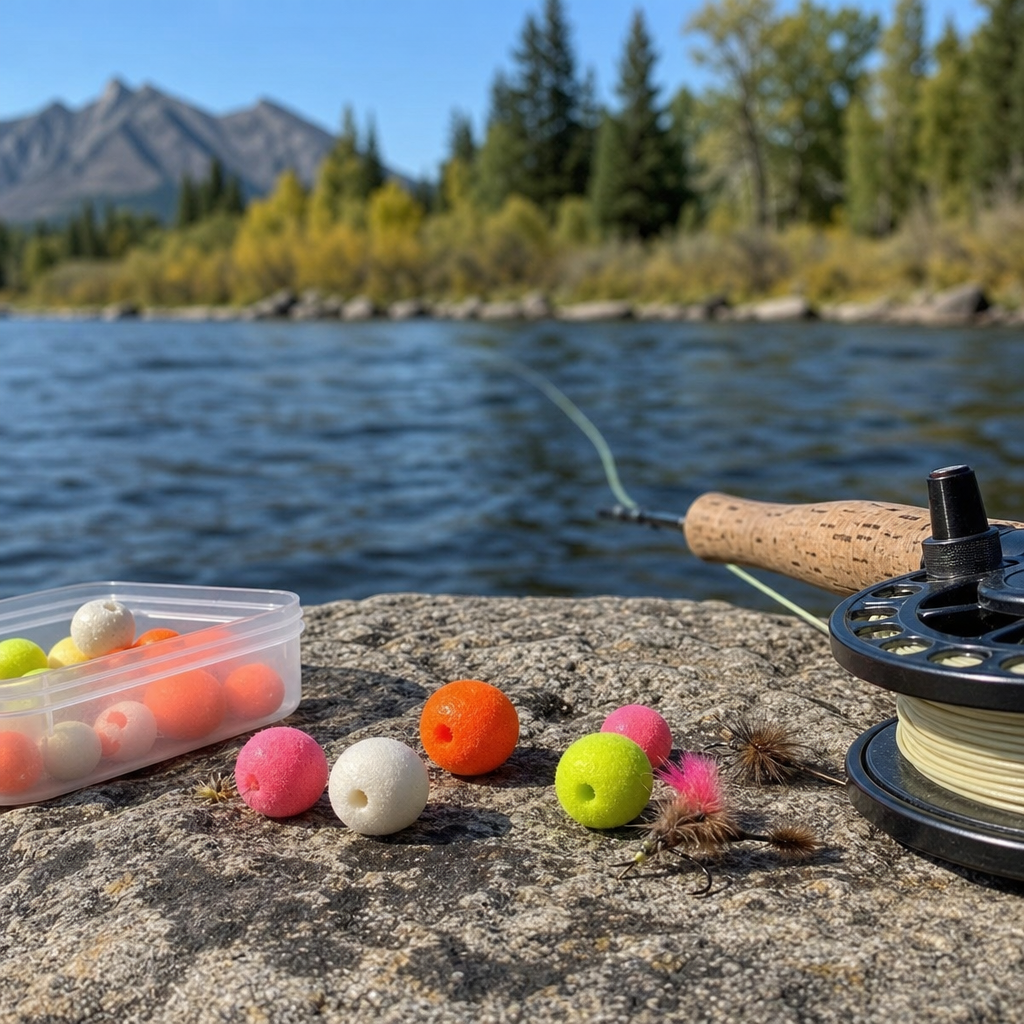
Specialty flies can be controversial, but practical fly reviews should deal with what works, not with angler bias. In fall, egg patterns can be extremely effective in systems where trout, salmon, or other species are spawning. A well-tied Glo Bug, Otter’s Soft Egg, or realistic egg yarn pattern represents a high-calorie food source that fish rarely ignore. The important point is ethical and regulatory awareness. On some waters, targeting actively spawning fish or fishing certain areas is restricted or inappropriate. Used responsibly downstream of redds and in legal zones, egg flies are legitimate fall tools.
Attractor nymphs also deserve a place in this hub because they solve a common autumn problem: fish that are feeding opportunistically but not obviously keyed to one insect. Patterns such as the Prince Nymph, Copper John, Frenchie, and pats rubber legs generate strikes through flash, weight, and movement. The Frenchie has become especially important in modern nymphing because its hot spot offers visibility while the slim body still suggests a natural mayfly nymph. Pats rubber legs, though often associated with stoneflies, catches trout all year and can be excellent after fall rain when flows rise and larger food items drift.
Another specialty category is the balanced leech and chironomid-style stillwater fly. For lakes and reservoirs, autumn can be prime time as trout cruise shoals and drop-offs feeding aggressively before winter. Balanced leeches suspended under indicators and stripped mini leeches in black, olive, and wine colors regularly outperform more complicated patterns. In stillwater fly reviews, this category deserves more prominence because many fall articles focus only on rivers. Serious hub coverage should recognize both environments.
How to evaluate fly reviews and build a better fall box
Not all fly reviews are equally useful. The best ones explain the conditions, species, and presentation methods behind the recommendation. A review that says a streamer is “deadly” but never mentions water clarity, line choice, or retrieve speed is incomplete. When comparing flies, look for specifics: hook model, weight type, material durability, available size range, and whether the pattern is easy to replace or tie yourself. Brand matters less than consistency. Umpqua, Fulling Mill, Solitude, Orvis, and regional specialty tiers all produce excellent flies, but quality control can vary by pattern and batch.
Build your fall fly box around coverage rather than sheer quantity. A disciplined box might include two or three baetis nymphs, two generic buggy nymphs, one midge pattern, two soft hackles, three dry flies for olives and midges, one caddis, one ant, two woolly bugger colors, two sculpin-style streamers, and an egg option where legal. That mix covers most autumn scenarios without overcomplicating decisions on the river. I have found that anglers fish better when they carry fewer patterns and know exactly why each one is there.
Finally, test flies honestly. Track where each pattern worked, at what depth, and under what weather conditions. The best fly patterns for fall fishing are not universal magic bullets. They are reliable tools with proven roles. Start with the classics in this guide, refine by local hatch charts and forage, and use this hub as the foundation for deeper fly reviews across the broader product reviews and recommendations section. Build a box that matches your home waters, replace weak performers, and head into fall with patterns chosen for real fish, real conditions, and real confidence.
Frequently Asked Questions
What makes certain fly patterns work better in fall than in spring or summer?
Fall changes the entire feeding equation for trout and other game fish. Water temperatures begin to drop, daylight shortens, insect activity shifts, and many fish move into a more aggressive feeding mode ahead of winter. That means the best fly patterns for fall fishing are often the ones that match not only available food, but also the mood and positioning of the fish. In spring and summer, anglers may rely heavily on predictable hatch-driven dry fly opportunities. In fall, success often comes from patterns that imitate a broader mix of forage, including baitfish, larger nymphs, terrestrials still hanging on in early fall, and egg or spawn-related food sources in systems where fish are reproducing.
Another key difference is visibility and profile. As water levels fluctuate and fish become more opportunistic, patterns with stronger silhouettes, richer fall colors, and more movement can outperform delicate summer presentations. Streamers often become more productive because brown trout, bass, and other predatory fish begin targeting minnows and juvenile fish more aggressively. At the same time, blue-winged olives, midges, caddis, and October caddis can still create excellent dry fly or emerger windows, especially on cloudy or damp days. The best-reviewed fall patterns are usually versatile because they account for these changing food sources rather than focusing on a single hatch.
In practical terms, a productive fall fly box usually includes streamer patterns, attractor nymphs, hatch-specific nymphs and dries, and egg patterns where appropriate. What makes a fly especially effective in autumn is its ability to match seasonal forage while still getting noticed in changing water conditions. That is why strong fall fly reviews emphasize when to fish each pattern, how water temperature affects feeding behavior, and why one style excels in September while another becomes more important in October or November.
Which fly patterns are most consistently effective for fall fishing?
The most consistently effective fall fly patterns are usually a balanced mix of streamers, nymphs, and a few dependable dries. Among streamers, woolly buggers, sculpin imitations, leech patterns, zonkers, and articulated baitfish flies remain top performers because they imitate the larger prey fish key on when they want a high-calorie meal. Olive, black, white, and natural brown are especially productive color choices, depending on water clarity and forage. In many fall reviews, these patterns rank highly because they cover water well and trigger aggressive strikes from fish staging for winter or reacting to spawning season competition.
For nymphing, pheasant tails, hare’s ears, prince nymphs, stonefly nymphs, zebra midges, and perdigon-style patterns consistently produce. These flies work because they imitate the subsurface food fish continue to eat throughout autumn, even when surface activity is limited. In tailwaters and spring creeks, midges and small mayfly nymphs can be especially important as temperatures continue to cool. In freestone rivers, larger attractor nymphs and stonefly patterns often remain valuable, particularly after rain or during higher flows. A good fall review does not just list these flies; it explains where they fit in the season and why they should be adjusted by size, depth, and drift speed.
Dry fly opportunities still exist and can be outstanding, especially in early and mid-fall. Parachute Adams, elk hair caddis, blue-winged olive patterns, hopper imitations in September, and October caddis dries are all worth carrying. In some fisheries, egg patterns become a major part of the conversation in late fall, particularly below spawning trout or salmon. The best overall approach is not choosing one “best” fly, but building around a short list of proven fall patterns that cover baitfish, nymphs, emergers, dries, and seasonal spawn-related food sources. That breadth is what makes a recommendation truly reliable for fall conditions.
How should I choose between streamers, nymphs, and dry flies during the fall months?
The right choice depends on water temperature, fish location, current conditions, and what food source is most available at that moment. Streamers are often the first choice when fish are hunting larger prey, when overcast skies encourage aggressive movement, or when you are targeting bigger trout that may be territorial or pre-spawn. They are especially effective in low-light periods, during sudden weather changes, and in stained water where profile and motion matter more than exact imitation. If you are covering banks, deeper runs, undercut structure, or pools with obvious predatory fish holding water, streamers deserve serious attention.
Nymphs are often the most dependable option when fish are holding deeper and feeding steadily but not visibly. In many fall situations, nymphing is the most consistent way to catch numbers of fish because aquatic insects remain available even when there is little or no surface activity. If the day is bright, cold, or clear and fish seem reluctant to move far, a well-presented nymph rig usually outperforms a dry fly or aggressively stripped streamer. The best fly reviews for fall fishing often point out that nymphs are the workhorse category of autumn, particularly in late October and November when fish settle into deeper lies.
Dry flies are still absolutely relevant, but timing matters more in fall. Cloud cover, drizzle, and warmer afternoon periods can all trigger excellent blue-winged olive hatches, while caddis or midge activity may create short but productive surface windows. Early fall can also reward anglers who continue fishing hoppers and ants along grassy banks. The smart way to choose is to read the river first: look for rising fish, inspect the drift, check nearby banks for terrestrials, and watch for baitfish movement. Fall rewards anglers who stay flexible. The best-reviewed patterns are usually the ones tied to a clear decision-making process, not just a favorite fly fished all day regardless of changing conditions.
Do fall fly patterns need to match exact hatches, or are attractor and search patterns enough?
Both exact imitations and attractor patterns have a place in fall, and the most effective choice depends on how selectively fish are feeding. When fish are keyed in on a specific hatch, such as blue-winged olives, midges, or October caddis, matching size, silhouette, and stage of emergence can make a major difference. This is especially true on heavily pressured rivers, spring creeks, and clear tailwaters, where fish get a long look at your fly. In those situations, a general attractor may draw interest, but a hatch-matched pattern often converts more refusals into takes.
That said, fall is also a season when attractor and search patterns can be extremely productive because fish are not always feeding narrowly. Many are responding to movement, opportunity, or calorie value as much as exact species imitation. A prince nymph, flashy perdigon, woolly bugger, or larger terrestrial can all trigger strikes without perfectly matching a specific food item. This is one reason these patterns appear so often in strong fall fly reviews: they are effective across a wide range of water types and simplify the process when hatches are sparse or inconsistent.
The best strategy is to start broad and refine as you gather information. Use attractor nymphs, versatile streamers, or proven searching dries to locate fish, then switch to more precise patterns if you observe repeated refusals or obvious feeding behavior. Good fall fly selection is rarely about choosing imitation over attraction as a fixed rule. It is about knowing when fish want realism and when they simply want something visible, vulnerable, or alive-looking. The strongest recommendations are always rooted in what the fish are doing right now, not just what should be happening according to the calendar.
How should fall river conditions influence the fly patterns I carry and how I fish them?
Fall river conditions can change quickly, and they should directly shape both your pattern selection and your presentation. In low, clear water, fish are often more cautious, so smaller nymphs, natural-colored streamers, finer leaders, and more controlled drifts become important. This is often when subtle mayfly nymphs, midge patterns, and sparse emergers shine. If fish are feeding near the surface during calm conditions, accurate hatch-matching matters more than aggressive movement. Reviews that rank flies highly for fall should always consider visibility, water clarity, and fish pressure, because a great fly in stained water may be far less effective in skinny, transparent flows.
When flows rise after rain or when the water carries some color, larger flies and stronger profiles often become much more effective. This is prime time for woolly buggers, sculpins, stonefly nymphs, and other patterns that push water or stand out visually. Fish in these conditions may hold tighter to banks, softer seams, and slower edges, where a properly swung or stripped streamer can be deadly. Heavier nymph rigs may also be needed to reach fish that slide deeper as temperatures continue to fall. In these situations, fly reviews that mention weight, sink rate, and visibility are especially useful because presentation depth becomes as important as pattern choice.
Seasonal timing matters as well. September may still fish like late summer in some regions, with terrestrials and active caddis in play. By October, many systems shift toward streamer fishing, blue-winged olives, and more subsurface feeding. In November, colder