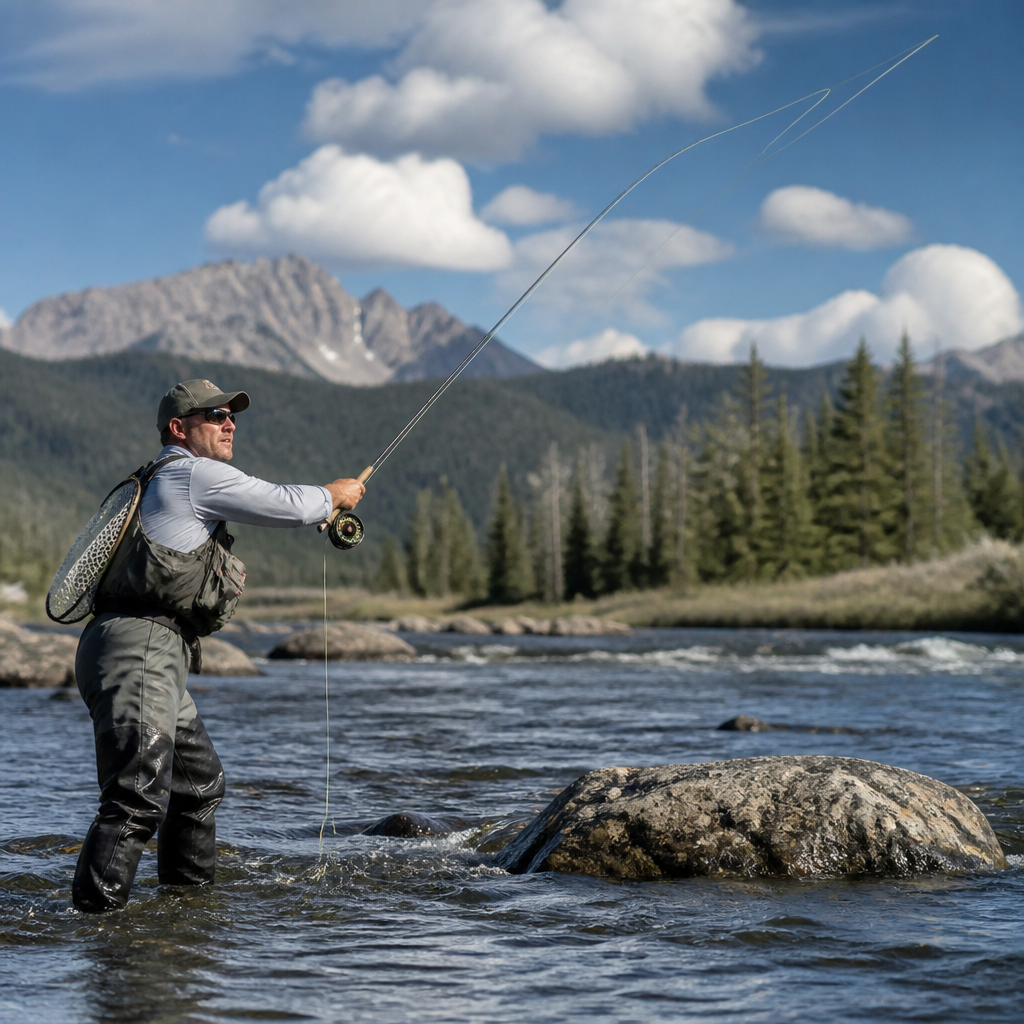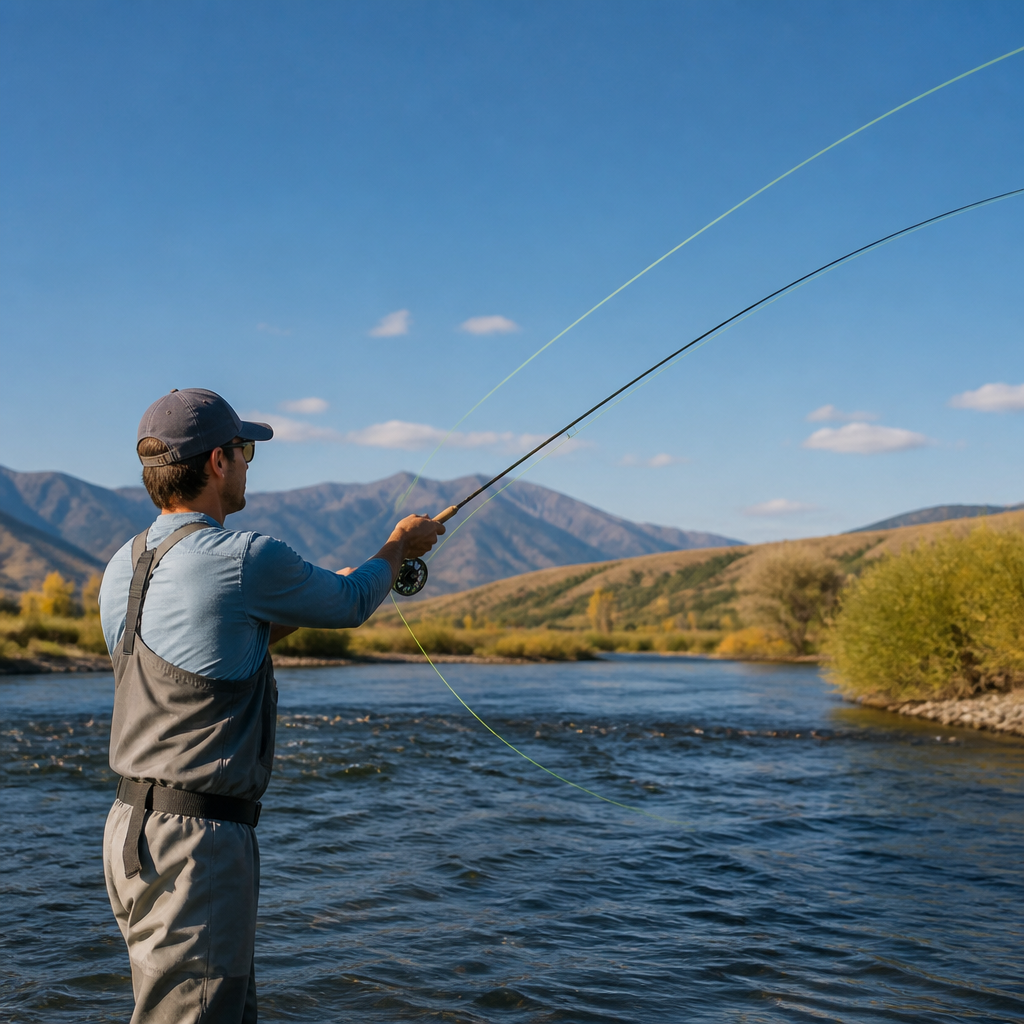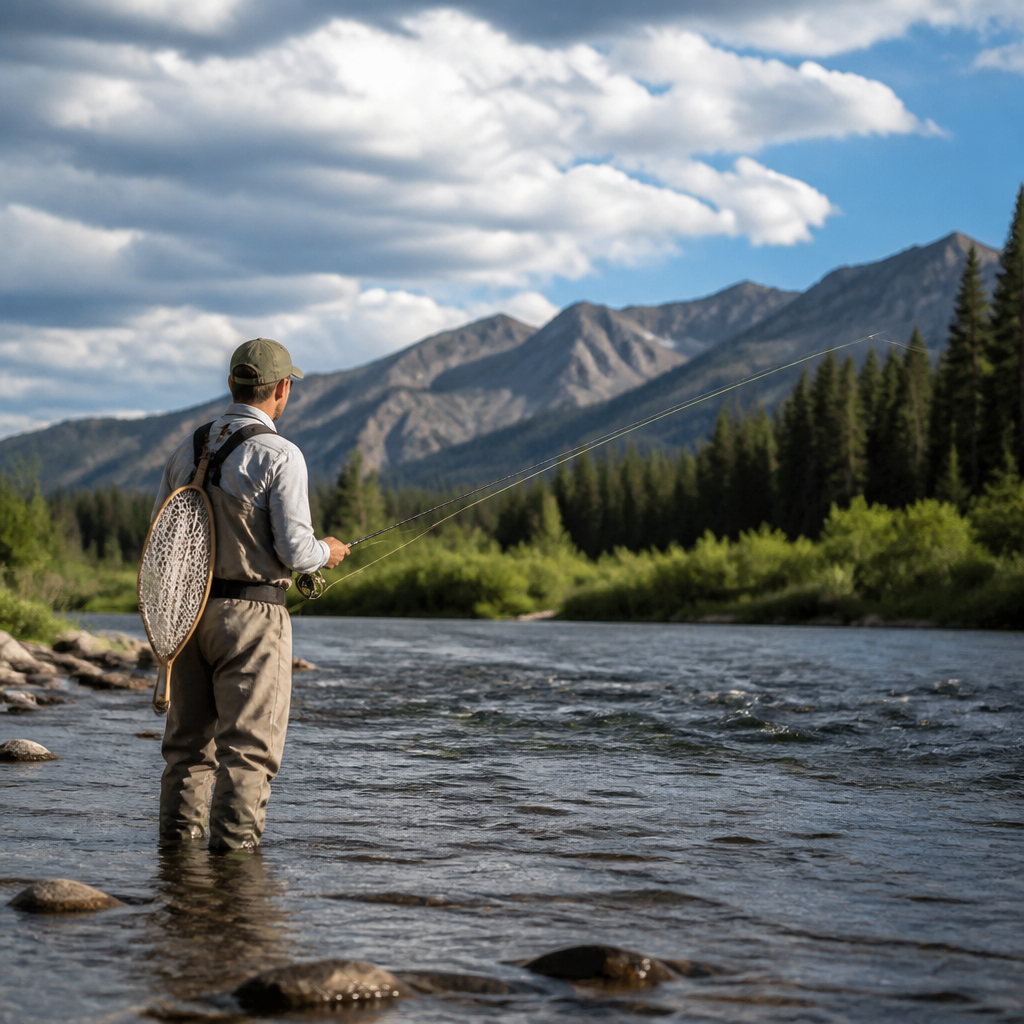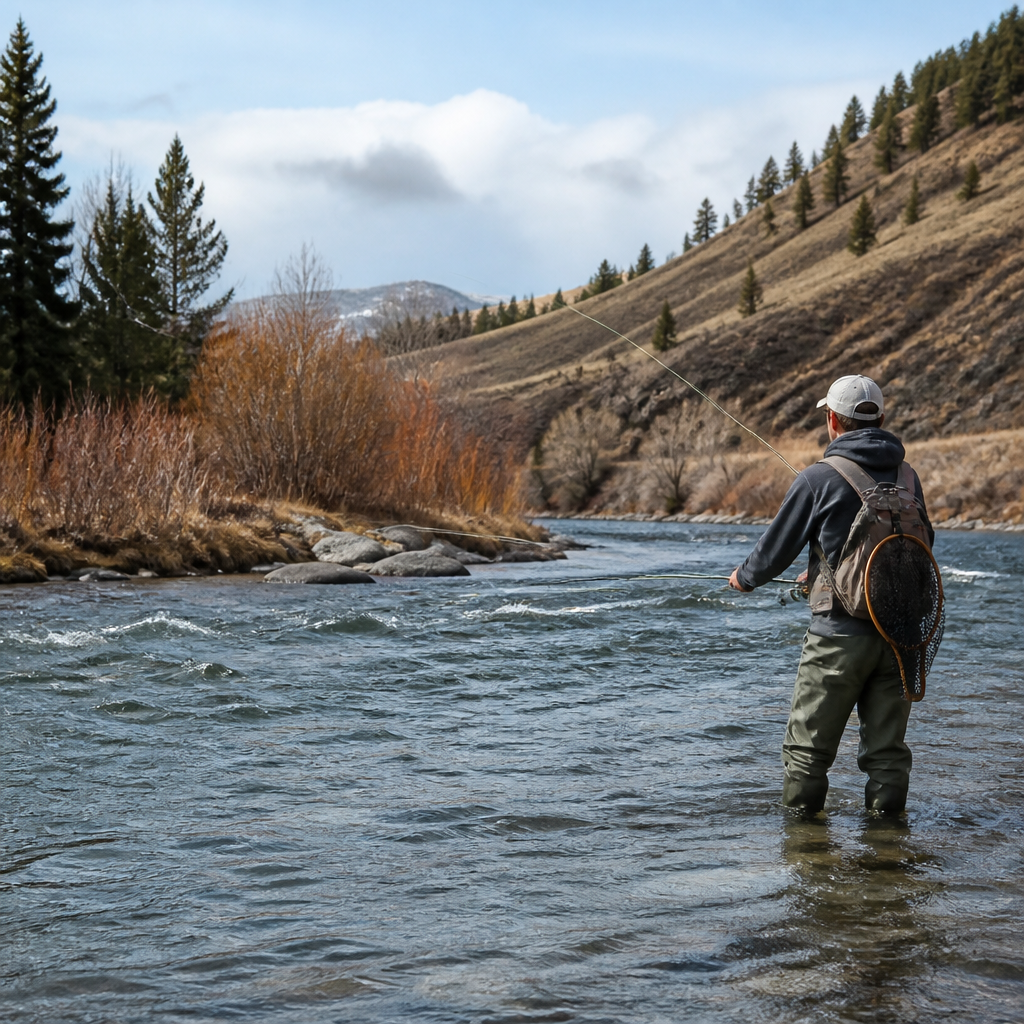
Spring nymphing demands adjustment more than any other trout tactic because rivers change weekly, insect life accelerates, and fish shift from winter conservation mode into aggressive feeding windows. In practical terms, spring nymphing means presenting subsurface flies to trout while accounting for rising water temperatures, fluctuating flows, snowmelt, runoff color, and the first major hatches of the year. Nymphing techniques include indicator rigs, tight-line methods, short-line presentations, and multi-fly setups designed to imitate aquatic insects in their immature stages. As a hub topic within techniques and strategies, this guide explains how those methods change in spring and why each adjustment matters. I have spent many spring days on tailwaters, freestones, and limestone creeks watching the same pattern repeat: anglers who fish winter rigs too long struggle, while anglers who adapt weight, depth, fly size, and drift angle begin hooking fish consistently. That is the central lesson of spring nymphing. Trout are not simply “more active” in spring; they reposition according to oxygen, current speed, food concentration, and temperature stability. A productive spring nymphing approach recognizes those variables and builds a system around them. Understanding that system helps anglers catch trout before runoff, during stained water, and through the transition into prime hatch periods.
Why does spring nymphing matter so much? Because spring is the season when subsurface food availability often peaks before dry-fly opportunities become dependable. Mayfly nymphs migrate, caddis larvae loosen from winter holding areas, midges remain important, and stonefly nymphs become prominent in many rivers. Trout know this. Even on famous hatch rivers, fish eat underwater most of the day. Spring also exposes weaknesses in a generic setup. Water can rise six inches overnight, temperatures can swing from 38 to 50 degrees, and a productive seam in the morning may be too fast by afternoon. Good nymphing techniques solve those problems with control rather than guesswork. This article covers reading spring water, building efficient rigs, selecting flies by insect stage and river type, adjusting for runoff and cold snaps, managing drift and strike detection, and knowing when to switch methods. It also serves as the central resource for broader nymphing techniques, linking the core principles that support specialized discussions on Euro nymphing, strike indicators, tandem rigs, depth control, entomology, and seasonal trout behavior. If you understand spring nymphing well, you understand the logic behind effective nymphing all year.
How Spring Changes Trout Behavior and Feeding Lanes
Trout behavior in spring is driven first by water temperature, then by flow, then by food concentration. That order matters. In late winter and very early spring, a one- or two-degree increase can move trout from the deepest slow water to softer edges near current tongues or gravel shelves. Once water stabilizes in the low to mid-40s Fahrenheit, feeding windows usually lengthen, and trout begin holding where current delivers food more efficiently. On many rivers I fish, the first meaningful behavioral shift happens around 42 to 44 degrees. Fish stop hugging the absolute bottom of winter pools and begin using transition water: bucket water at the head of runs, inside seams, and slots beside submerged structure. By 46 to 50 degrees, nymphing often becomes much more forgiving because trout will move farther to intercept drifting prey.
Flow affects where those fish can feed without burning energy. During spring release changes or snowmelt pulses, the same trout may slide from mid-river shelves to flooded edges, side channels, or softer inside bends. That is why anglers who keep casting to “good-looking” fast water often miss fish in spring. Productive water is not simply attractive current; it is current with manageable speed at trout depth. Look for walking-speed flow, visible bubble lines, and spots where fast and slow currents meet. In off-color conditions, trout frequently hold shallower than many anglers expect because stained water gives cover. In clear cold conditions, they may sit slightly deeper but still near current that brings midges, Baetis nymphs, scuds, worms, and dislodged stoneflies. Reading those feeding lanes correctly is the foundation for every other spring nymphing decision.
Choosing the Right Nymphing Technique for Spring Conditions
No single presentation dominates every spring river. Indicator nymphing excels when you need longer drifts, controlled depth under variable current, or distance from spooky fish in moderate clarity. Tight-line and Euro-style nymphing excel in pocket water, riffle-run transitions, and any situation where direct contact improves strike detection. Short-line high-stick methods remain deadly in small to medium streams with defined seams and boulders. The smartest anglers treat these as tools, not identities. If flows rise and fish slide to soft banks twenty feet away, an indicator setup may outfish direct-contact methods. If trout feed in a narrow trench at the head of a run, tight-line control can be unbeatable.
Spring is also the best season to learn when to switch. I generally begin with the method that gives the cleanest drift through the most likely holding water. On broad tailwater flats with mixed depths, that usually means an indicator and split shot or a weighted point fly under a buoyant sighter. On broken freestone water, I prefer a tight-line rig with a heavy anchor fly and a smaller tag nymph because strike detection improves when current speed changes every few feet. The core principle is simple: choose the method that keeps flies near bottom at natural speed for the highest percentage of the drift. If your line belly drags the flies, if your indicator stalls unnaturally, or if your flies only touch bottom at the end of the drift, change methods or re-rig immediately.
Rigging for Depth, Weight, and Contact
Depth control is the most important technical skill in spring nymphing. Trout feed near the riverbed because nymphs, larvae, and dislodged food concentrate there, especially in cold water. A standard rule I use is to start with enough weight to tick bottom occasionally, then refine from there. Too little weight is the most common spring mistake. Anglers are often afraid of snagging, but a few controlled ticks tell you the flies are where trout feed. Too much weight can be almost as bad because the rig hangs, drifts unnaturally, or swings upward awkwardly at the end of the drift. The balance changes with current speed, leader length, fly density, and water depth, so there is no universal split-shot formula.
Leader design should support the technique. For indicator rigs, longer leaders are often essential in spring because fish may hold in three to six feet of water, and a shallow setup passes over them untouched. For tight-line systems, a level or semi-tapered butt to a sighter and then tippet creates better contact and transmits subtle takes. Two-fly rigs are the workhorse setup because they cover both size and depth. A heavier point fly such as a jig streamer-nymph, stonefly, or tungsten perdigon gets the rig down, while a lighter dropper imitates drifting mayflies, midges, or caddis. Spacing matters. In moderate spring runs, 16 to 24 inches between flies is a practical range. Longer spacing can help in deeper tailouts; shorter spacing is cleaner in pocket water.
| Spring condition | Best starting rig | Typical fly pairing | Main adjustment |
|---|---|---|---|
| Cold clear mornings | Indicator or tight-line with added depth | Small Baetis nymph plus midge or scud | Lengthen leader and slow the drift |
| Warming afternoon hatch window | Two-fly rig under indicator | Pheasant Tail plus emerger-style nymph | Raise flies slightly in the column |
| High stained runoff edges | Short-line or indicator along banks | Stonefly nymph plus worm or caddis larva | Increase fly size and profile |
| Pocket water after rain | Tight-line contact rig | Tungsten attractor plus natural mayfly nymph | Add weight, shorten drifts, cover lanes fast |
Fly Selection for Spring Nymphing
Spring fly selection works best when tied to river type and insect timing rather than confidence patterns alone. On many trout rivers, the baseline menu includes midges, Blue-Winged Olive nymphs, caddis larvae and pupae, scuds, sowbugs in tailwaters, and stonefly nymphs on freestones. San Juan Worms and egg patterns can also be effective during runoff, after rain, or below spawning activity, but they should be used as situational tools rather than permanent defaults. Size matters as much as pattern. Early spring often rewards smaller flies, especially sizes 18 to 22 for midges and 16 to 20 for Baetis. As flows rise or stoneflies become active, sizes 8 to 14 gain importance.
The most reliable approach is to match profile, weight, and color to what the river is actually delivering. If you seine the drift or check submerged rocks and find dark olive mayfly nymphs, fish a slim olive pattern rather than a random attractor. If caddis are active, a curved caddis pupa behind a heavier anchor frequently outfishes two mayfly patterns. In stained water, black, brown, olive, and reddish flies show strong contrast. In clear technical water, a natural silhouette with moderate flash usually outperforms loud materials. I have found that tungsten jig nymphs are particularly strong in spring because they sink quickly and hook fish efficiently in broken current, but classic patterns still matter. Pheasant Tails, Hare’s Ears, Zebra Midges, Frenchies, Walt’s Worms, and Pat’s Rubber Legs remain staple nymphing techniques flies because they cover broad insect categories and can be tuned with bead size, hotspot color, and materials density.
Presentation, Strike Detection, and Drift Management
The best spring nymphing flies fail without a natural drift. Trout reject or miss flies that move faster than the current at fish level, lift abruptly, or drag across seams. Good drift management starts before the cast. Position yourself so the flies enter the lane first, with minimal line crossing conflicting currents. Up-and-across angles often work better than straight upstream casts with indicators because they create controlled lead time. Tight-line presentations usually benefit from shorter drifts through specific lanes rather than one long drift through mixed water. The goal is constant awareness of where the flies are, not maximum drift length.
Strike detection changes with technique, but the principle is universal: set on anything unusual. In spring, many takes are soft. An indicator may pause half a beat, twitch sideways, or sink just a fraction more than expected. A tight-line sighter may hesitate, straighten, or flick downstream. Those are enough. Hook sets should be compact and immediate, especially with weighted jig flies. Many anglers wait for a dramatic signal and lose fish. I teach newer anglers to react to three categories of feedback: visual cues, loss of bottom contact when contact should exist, and sudden heaviness. The last one is common in cold water because trout sometimes simply open their mouths and hold the nymph. If the rig feels alive, lift. Efficient spring nymphing is built on repeated small corrections in mending, rod angle, and lead speed, not on one perfect cast.
Adapting to Runoff, Weather Swings, and River Types
Spring is famous for instability, and successful nymphing techniques are flexible enough to handle it. During runoff, anglers often assume rivers are unfishable, but many still offer excellent nymphing along protected banks, downstream of islands, inside seams, tributary confluences, and softer back channels. Visibility of 12 to 24 inches can be enough if the flies get close and provide contrast. This is when larger stoneflies, worms, eggs, and dark caddis larvae earn their place. Short casts, deliberate line control, and covering water efficiently matter more than delicate presentation. Safety matters too: spring wading accidents are common because snowmelt water is both powerful and numbing.
On tailwaters, spring often means more stable clarity but shifting dam releases and concentrated food. Midges, sowbugs, scuds, and small mayflies can dominate, so lighter tippet and finer depth adjustment become more important. Limestone creeks and spring creeks demand the highest precision because fish see heavy pressure and inspect drifts closely. Freestones are the opposite lesson: changing flows, structure-rich lanes, and opportunistic trout reward mobility and contact. Weather swings add another layer. A cold front can compress feeding into the warmest part of the afternoon, while low light before a storm often stimulates Baetis activity and subsurface feeding. The anglers who stay adaptable, monitor water temperature, and change sections of river instead of stubbornly repeating one drift usually solve spring conditions fastest.
Common Mistakes and the Skills That Build Long-Term Success
The most common spring nymphing mistakes are fishing too shallow, using the wrong amount of weight, standing too far from productive soft water, and failing to change flies based on actual food. Another frequent error is overvaluing pattern changes while ignoring drift quality. If your flies are six inches above trout, a “better” nymph rarely fixes the problem. The corrective mindset is diagnostic. Ask four questions: Are the flies deep enough? Are they drifting naturally? Am I fishing the right speed of water? Does this pattern resemble what is present now? That sequence solves most problems faster than random experimentation.
Long-term success in nymphing techniques comes from building a repeatable process. Start every spring outing by taking water temperature, observing clarity, and identifying at least two likely food sources. Fish the most likely holding water for the current conditions, not the water that was productive last month. Keep notes on depth, fly pairing, and time of day. Over multiple seasons, patterns become obvious. You will learn, for example, that a specific tailwater turns on at 11 a.m. when the shelf water reaches 45 degrees, or that a freestone’s best pre-runoff nymphing happens along gravel-edge seams after moderate rain. That accumulated observation is what turns spring from a frustrating transition into one of the most consistent windows of the trout year.
Spring nymphing rewards anglers who think in systems rather than isolated tips. Seasonal success comes from linking trout behavior, water type, rig design, fly selection, and drift control into one adaptable plan. When water is cold, get deeper, slow down, and focus on transition lanes. When flows rise, move to softer edges and increase weight or fly profile. When hatches begin, refine size and depth instead of abandoning subsurface tactics too early. Those principles make this article the practical hub for nymphing techniques because they apply across indicator fishing, tight-line methods, tandem rigs, and runoff strategies. Mastering spring nymphing also improves your fishing the rest of the year: you become better at reading feeding lanes, controlling depth, and matching subsurface food sources with intent.
The main benefit is consistency. Spring conditions can look chaotic, but trout still feed according to identifiable rules. If you adjust to temperature, current, and insect activity with deliberate rigging and disciplined presentation, your catch rate rises and your decisions become clearer. Use this guide as your starting point, then build outward into specialized nymphing techniques for your home rivers, preferred rig styles, and target hatches. On your next trip, take one extra minute to study flow speed, measure depth honestly, and choose flies for what is happening now. That simple habit will make you a better spring nymphing angler immediately.
Frequently Asked Questions
Why is spring nymphing considered more variable than nymphing in other seasons?
Spring nymphing is more variable because nearly every factor that influences trout behavior changes quickly and often week to week. Water temperatures begin to climb from winter lows, but they do not rise in a straight line. A few warm afternoons can activate insect life and feeding, then a cold front can slow everything down again. River flows also fluctuate more in spring than in many other seasons due to rain, snowmelt, dam releases, and runoff. That means trout may hold in soft winter water one week, then slide toward current seams, banks, inside bends, and transition lanes the next as flows increase or clarity drops.
At the same time, spring is when trout move out of strict winter energy-saving mode and start feeding with greater intent. They are still selective about where they hold, but they become far more responsive to concentrated food sources such as immature mayflies, caddis larvae, midges, scuds, worms, and early-season stoneflies. As the first major hatches build, trout may feed subsurface heavily before they ever show on top. For anglers, that means spring nymphing is less about one fixed setup and more about constantly matching water speed, depth, clarity, and seasonal food availability. Successful anglers adapt leader length, fly size, weight, drift angle, and presentation style every time conditions shift.
How should I adjust my nymphing setup as spring water temperatures and flows change?
Your setup should reflect three key spring realities: changing depth, changing current speed, and changing trout activity levels. In colder early-spring water, trout usually stay close to the bottom in slower, protected holding water, so your nymph rig needs to get down efficiently and stay there. That often means a longer leader, enough split shot or weighted flies to reach the strike zone quickly, and an indicator set deep enough to account for slower but still substantial bottom current. In these conditions, smaller natural patterns such as pheasant tails, midges, hare’s ears, and midge larvae often produce well, especially when drifted precisely through softer seams and tailouts.
As water warms and trout begin feeding more aggressively, you can often cover more water and experiment with slightly faster lanes, transition currents, and riffle edges. During this period, adjusting weight becomes especially important. If flows rise, many anglers make the mistake of fishing too light and too shallow. Spring runoff and increased current speed usually require more weight, not less, because fish still feed near the bottom where current is reduced. In stained or off-color water, consider larger flies, attractor nymphs, stonefly nymphs, worms, or eggs alongside more natural patterns. Tight-line and short-line presentations also become valuable in these conditions because they improve contact, strike detection, and depth control. The best rule is simple: if you are not occasionally ticking bottom in spring, you are probably not fishing deep enough.
What are the best flies for spring nymphing, and how should I choose between them?
The best spring nymph patterns usually fall into two categories: natural imitations of the insects trout are already seeing and high-visibility confidence flies that stand out in unstable water conditions. Reliable natural options include pheasant tails, hare’s ears, zebra midges, caddis larvae, baetis nymphs, and small stonefly imitations. These patterns match the subsurface food trout encounter during the transition from winter into the first strong hatch cycles of the year. In clearer water, especially when fish are feeding consistently but not aggressively, slim and realistic nymphs often outperform flashy patterns because trout have more time to inspect the fly.
When flows rise or water gains color from runoff, larger and more visible flies become more effective. That is when rubber-leg stoneflies, perdigons, hotspot nymphs, worms, and attractor-style patterns can shine. A productive spring approach is to fish a two-fly rig that combines one larger anchor fly with one smaller, more natural trailer. For example, a stonefly or weighted attractor can help get the rig down while also grabbing attention, while a baetis nymph or midge imitates the food fish are actually keying on. Fly choice in spring should be based less on brand-name patterns and more on function: depth, profile, visibility, and resemblance to seasonal food. If trout are not responding, change one variable at a time—size, color, weight, or silhouette—so you can identify what the fish are rejecting and what they are willing to eat.
When should I use indicator nymphing versus tight-line or short-line methods in spring?
Indicator nymphing is often the most efficient choice in spring when you need to cover broader runs, probe deeper buckets, or suspend flies through complex current seams at a controlled depth. It excels in moderate to deep water where trout are spread across long drifts and where visibility, depth adjustment, and slower presentations matter most. In spring, this is especially useful during fluctuating flows, colder mornings, and runoff periods when fish may hold in softer water and require a longer, more deliberate drift near the bottom. An indicator also helps anglers manage depth changes quickly, which is critical when one section of river may be wadable and clear while another is pushy, colored, and several feet deeper.
Tight-line and short-line nymphing become especially effective when you can get close to likely holding water and want maximum contact with your flies. These methods shine in pocket water, riffle seams, shallow transition lanes, and any situation where precise depth control and immediate strike detection matter more than long drifts. In spring, trout often feed in short windows and hold in very specific lanes where a controlled, direct presentation can outperform an indicator rig. Tight-line methods also help in turbulent or fast spring water because they reduce slack and make subtle takes easier to detect. In practice, strong spring anglers use both styles rather than treating them as opposites. If the river is broad and deep, an indicator may be best. If the fish are tucked into defined lanes, close-range tight-line or short-line presentations can be more accurate and more effective.
How do trout positions and feeding behavior change through spring, and where should I focus my drifts?
Trout positioning in spring changes as water temperature, current strength, and food availability evolve. In early spring, many trout remain in slower, lower-effort water similar to their winter lies. Look for soft seams near deeper pools, tailouts with moderate flow, sheltered edges, and runs where fish can hold close to the bottom without expending much energy. As temperatures rise, trout begin shifting toward feeding lanes that deliver more food, including riffle drop-offs, current transitions, inside seams, and the softer edges of faster runs. They often do not move far from security, but they become more willing to slide into better feeding positions, particularly during the warmest part of the day.
As insect activity accelerates, trout may feed more aggressively and over a broader range of water types, especially before and during early-season hatches. This is why spring anglers should not focus only on winter-slow water or only on classic summer riffles. Instead, focus your drifts on transitional structure: the seam between fast and slow current, the cushion in front of rocks, the slot below a riffle, the softer edge along a cut bank, or the first walking-speed water downstream of a heavier run. During runoff or stained conditions, trout often shift even tighter to banks, softer eddies, and protected inside bends where they can avoid the heaviest current while still intercepting drifting nymphs. The most productive spring strategy is to read each piece of water as a moving target. Start where fish can conserve energy, then follow the food and temperature clues that tell you when they are ready to feed more actively.