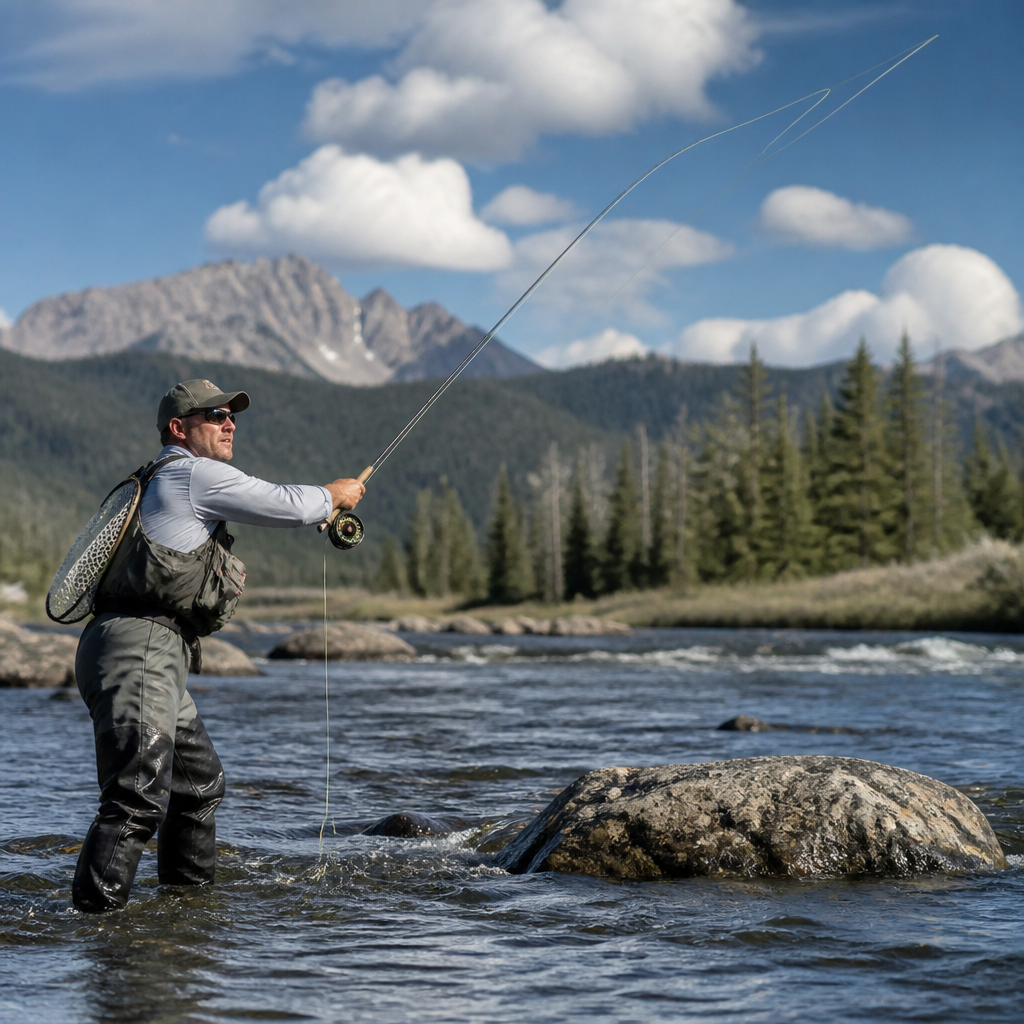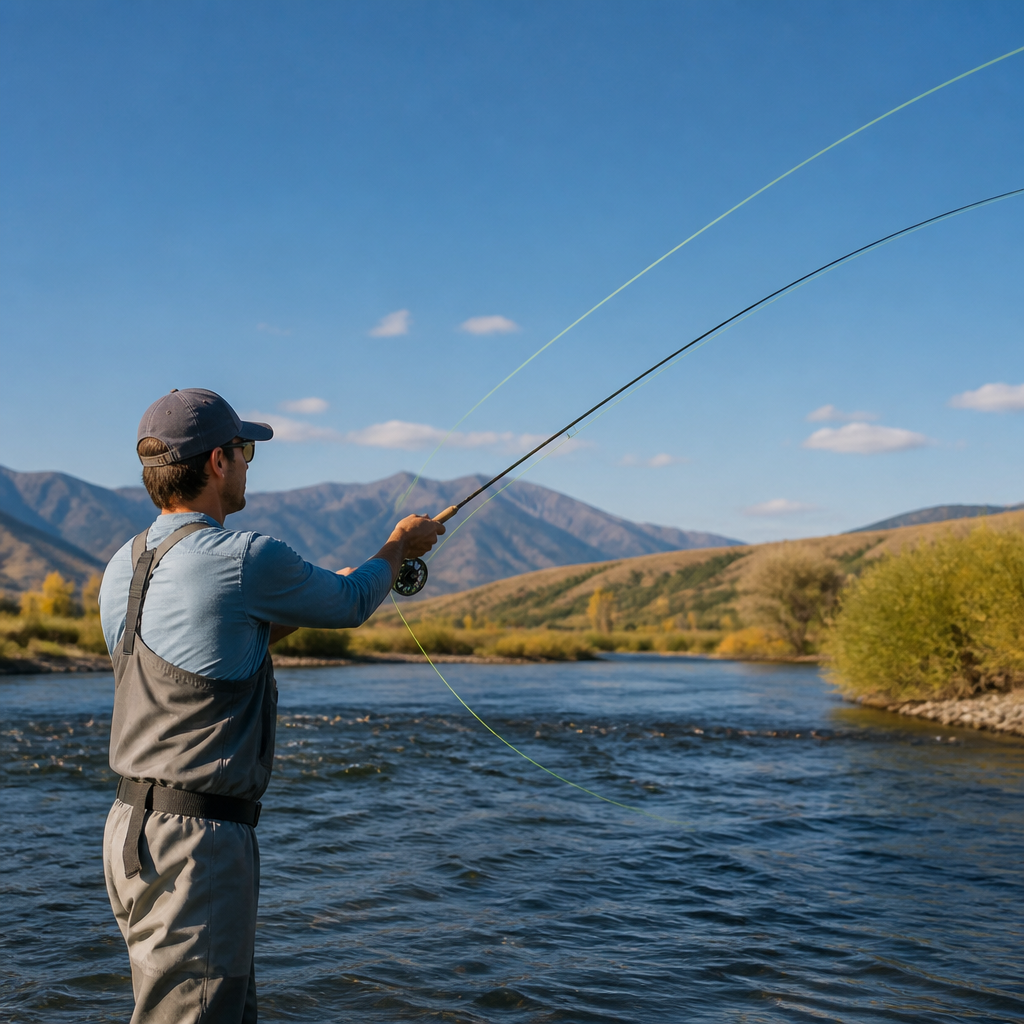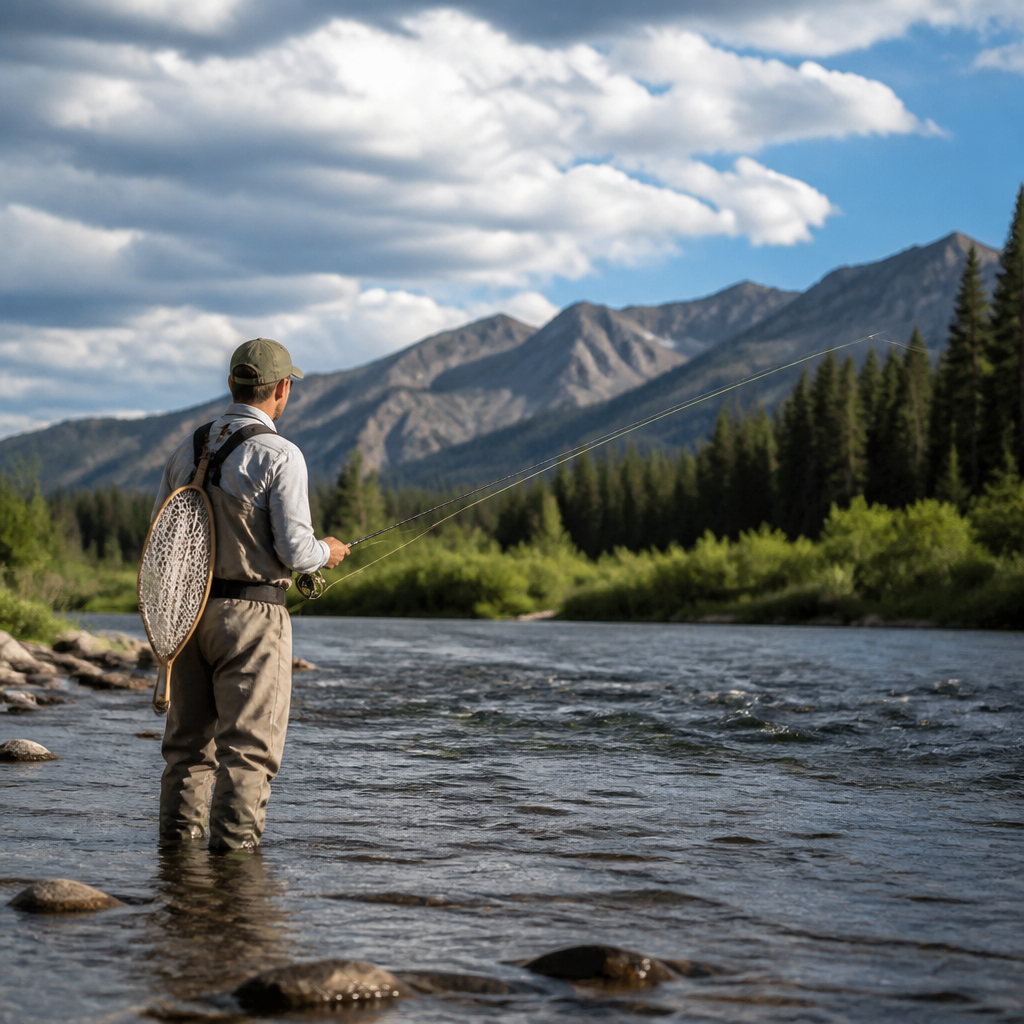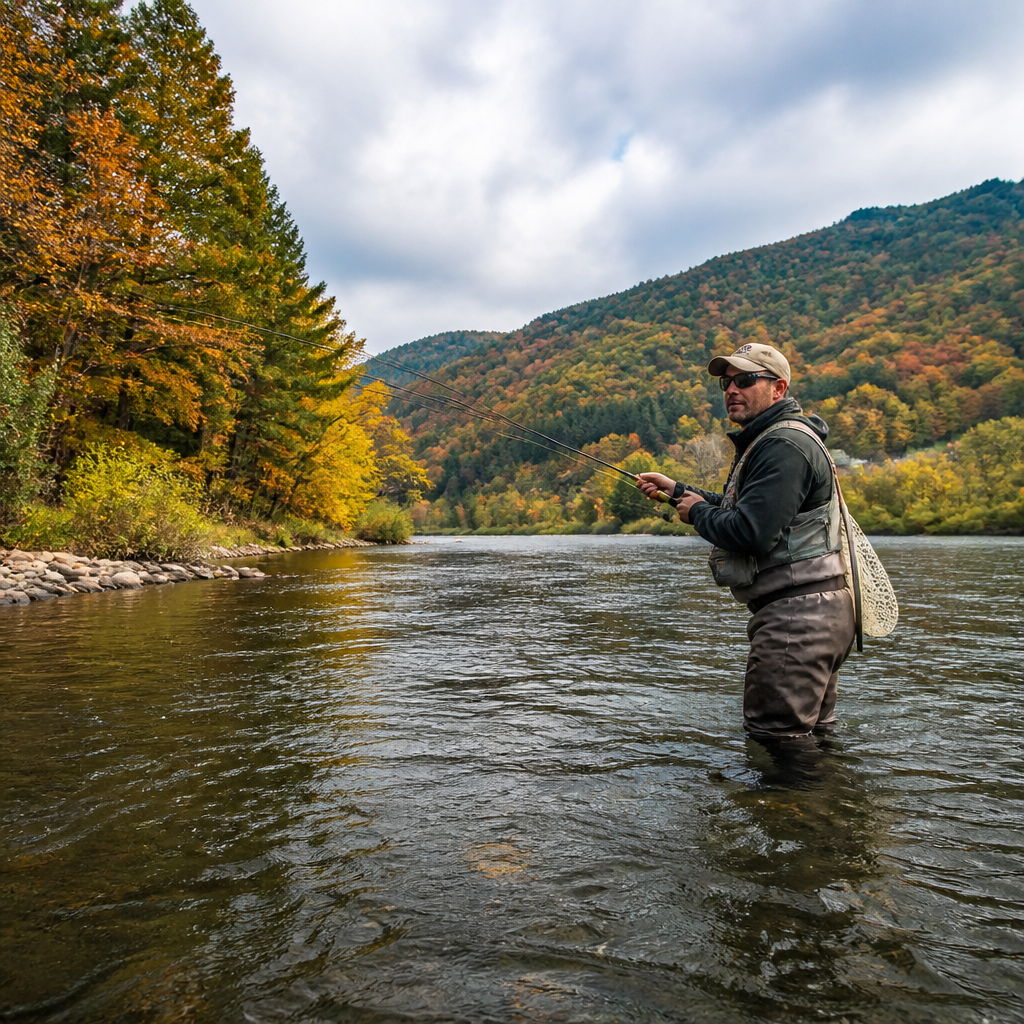
Fall nymphing is the most reliable way to catch trout when cooling water, shorter days, and heavy feeding windows push fish toward subsurface food. In simple terms, nymphing means fishing artificial flies that imitate immature aquatic insects below the surface, where trout do most of their feeding. During autumn, that matters even more because fish conserve energy, currents redistribute food, and insect activity shifts from obvious surface hatches to steady underwater drift. I have spent many October and November days guiding anglers who wanted dry-fly magic but ended up landing their best fish on beadhead pheasant tails, Perdigons, and small attractor nymphs under tight line or indicator rigs.
To succeed, you need to understand three things: where trout hold in fall, what they are eating, and how presentation changes with water temperature and flow. Fall trout are not simply “deeper.” They are often positioned in transition lanes, inside seams, tailouts, and the softer edges of riffles where nymphs funnel past with minimal effort. Brown trout begin staging before spawning, rainbow trout feed heavily ahead of winter, and resident fish take advantage of concentrated protein sources such as mayfly nymphs, caddis larvae, midges, scuds, and small baitfish. Effective fall nymphing techniques match that seasonal behavior rather than relying on generic dead-drift advice.
This article is the hub for nymphing techniques within a broader techniques and strategies library, so it covers the full system: reading water, choosing rigs, setting depth, selecting flies, detecting strikes, managing drift, and adjusting to weather, pressure, and river type. If you want a direct answer to the big question, here it is: successful fall nymphing comes from precise depth control, natural drift, and repeated coverage of likely holding water. Anglers who consistently catch fish in autumn are usually not using secret flies. They are making better decisions about weight, angle, speed, and line control on every cast.
Another reason fall nymphing deserves special attention is that conditions can look deceptively easy. Clear water, pleasant weather, and active trout create opportunity, but they also make fish selective and quick to reject unnatural movement. On many rivers, lower late-season flows expose structure and tighten holding lanes. Trout can feed confidently in these compressed corridors, yet they also have longer to inspect drifting nymphs. That is why fluorocarbon tippet, balanced fly weight, and a disciplined approach to mending or tight-line contact make a measurable difference. Small refinements produce more takes in fall than dramatic changes in fly pattern alone.
Reading Fall Water and Finding Productive Holding Lies
The best fall nymphing water is rarely random. Start with oxygen-rich current near depth transitions, especially riffle corners, bucket water below pocket drops, and the first third of a run where food enters consistently. In autumn, I focus on spots where trout can hold just out of the fastest current and slide inches to feed. Think side seams, submerged rock ledges, gravel-to-boulder transitions, and soft slots between current tongues. Tailouts can also be excellent, particularly on overcast days, because mayflies and midges drift there in concentrated lanes and larger trout feel secure enough to feed before dark.
Water temperature shapes this map. When temperatures stay in the upper 40s to mid-50s Fahrenheit, trout often feed actively through much of the day. When cold fronts push water into the low 40s, fish usually become more position-oriented, and your best drifts need to pass very close to the bottom. On bright afternoons after a frosty morning, slight warming can restart feeding, especially in medium-depth runs with steady current. On freestone rivers, target broken water with structure. On tailwaters, pay close attention to shelf drops, weed edges, and current deflection points created by controlled releases.
Seasonal fish movement also matters. Pre-spawn brown trout may hold near deeper runs, undercut banks, and staging water below gravel suitable for redds. They often eat aggressively, but ethical anglers avoid targeting fish actively on redds or disturbing spawning habitat. Instead, fish downstream staging lanes and adjacent feeding water. Brook and rainbow trout may shift differently by watershed, but all trout favor places that combine shelter, food delivery, and low energy cost. If you are unsure where to begin, cover the walking-speed water first. It is usually easier to drift correctly there, and in fall it often holds the greatest density of feeding fish.
Rigging for Fall Nymphing: Indicator, Tight-Line, and Hybrid Setups
The right rig depends on depth, current speed, casting distance, and how precisely you need to control drift. Indicator nymphing excels on larger runs, complex crosscurrents, and water where fish hold at varying depths. A yarn indicator or air-lock style float gives suspension, strike visibility, and the ability to mend line over longer drifts. Tight-line nymphing, often associated with Euro methods, shines in pocket water, short-range presentations, and situations where direct contact helps you feel subtle takes. A hybrid setup bridges both, using a sighter and a small indicator or dry-dropper to extend versatility across changing lies.
I rig most fall indicator systems with a 9-foot leader tapered to 3X or 4X, then add tippet to create total depth roughly one and a half times the water depth as a starting point. In faster water, extra weight or a drop shot section helps flies reach the strike zone quickly. Tight-line rigs generally use a long leader system with a thin butt, colored sighter material, and level tippet to maximize sensitivity and reduce sag. For anglers learning nymphing techniques, the biggest improvement usually comes from simplifying the rig. Fewer knots, balanced flies, and a clearly defined point fly and tag fly arrangement make adjustments faster and drifts cleaner.
| Rig Type | Best Water | Main Strength | Key Limitation |
|---|---|---|---|
| Indicator nymphing | Medium to large runs, long seams, tailouts | Long dead drifts with visible strike detection | Less direct contact in complex current |
| Tight-line nymphing | Pocket water, short seams, riffles | Fast sink rate and excellent sensitivity | Reduced range on broad, slow flats |
| Hybrid setup | Mixed currents and changing depths | Flexible presentation across multiple lies | Can be harder to fine-tune quickly |
Weight placement deserves careful attention because it controls sink rate and drift angle. Split shot 8 to 12 inches above the point fly is still highly effective, especially when flows fluctuate. Tungsten bead flies reduce external weight and improve turnover. In snaggy runs, I often prefer a heavier anchor fly with a lighter trailer above it; the system sinks fast while the upper fly drifts naturally. That arrangement also separates patterns in the water column, which matters when trout are feeding on both caddis larvae near bottom and emerging mayflies slightly higher. In fall, practical rigging beats elegant theory every time.
Fly Selection: Matching Fall Food Sources Without Overcomplicating It
Trout in fall eat a broad menu, but the most dependable nymph categories are mayfly nymphs, caddis larvae, stonefly nymphs in larger freestones, midges, scuds, sowbugs, and attractor patterns. If I had to build one compact autumn box for most rivers, it would include pheasant tails, hare’s ears, Perdigons, Frenchies, zebra midges, Walt’s Worms, caddis pupa, and a few jig-style anchor flies with tungsten beads. Sizes 12 through 18 cover most scenarios, with 14 and 16 doing much of the work. Color matters less than profile, sink rate, and presentation, though olive, brown, black, and natural tan remain reliable starting points.
Match the river before matching the hatch. Limestone and spring creek trout often respond to slimmer, more exact patterns and finer tippet because food items are abundant and fish inspect drifts carefully in clear water. Tailwater trout may key heavily on midges, scuds, or sowbugs year-round, making small patterns essential even in fall. Freestone trout are often more opportunistic, especially after rain raises flow slightly and dislodges larger nymphs. That is when a heavy stonefly nymph or flashy attractor paired with a smaller natural can be excellent. The point is not to carry hundreds of flies. It is to cover major food types at several weights and sizes.
One overlooked autumn factor is insect life stage. Many anglers think only in terms of bottom-dwelling nymphs, yet emergers can be important during stable afternoons. If trout refuse a dead-bottom drift but continue taking occasionally, move one fly higher in the rig or switch the trailer to a soft-hackle, unweighted pheasant tail, or caddis pupa. I have seen selective fish in gentle tailouts ignore heavy anchor flies and eat a sparse size 18 pattern riding just above them. Fall nymphing success often comes from understanding that feeding depth is dynamic over the course of a single hour.
Depth, Drift, and Strike Detection: The Skills That Catch Fish
Most failed nymph drifts are too high, too fast, or too disconnected. Trout feed near the bottom because current there delivers food with less drag and lower energy cost. Your flies should tick bottom occasionally without snagging every cast. If you never touch rocks, add weight or increase leader depth. If you snag constantly, remove weight, shorten depth, or change angle so the rig leads rather than drags. A useful benchmark is brief contact every few casts in even current. That tells you the flies are entering the feeding lane instead of skating above it.
Natural drift is the next requirement. With indicator rigs, mend immediately after the cast to place the floating line upstream of the indicator and reduce drag. Then feed micro-slack as needed while keeping the indicator moving no faster than bubbles around it. With tight-line methods, lead the flies with the rod tip at the speed of the current, staying in contact without pulling them off line. The sighter should remain tight enough to transmit changes, but not so tight that it straightens and drags the flies. Good nymphing feels controlled, not rigid. You are guiding the drift, not towing it.
Strike detection in fall requires attention because takes can be subtle in clear, cold water. Set the hook on any stall, dip, twitch, unnatural acceleration, or slight hesitation. With tight-line systems, watch for the sighter to pause, jump, or lose tension. Hooksets should be compact and upstream or slightly lateral, not dramatic. Many trout simply close their mouth on the fly and hold position. If you wait for a hard pull, you will miss them. I tell anglers that uncertainty is a reason to set, not a reason to watch. Extra hooksets cost little; delayed reactions cost fish.
Line angle ties all of this together. Across-and-down presentations can work, but the highest-percentage fall drifts usually come from upstream or up-and-across angles that let flies sink before entering the prime lane. As the drift finishes, do not ignore the hang-down. Rising nymphs often trigger takes from fish following the drift. On many days, the final lift produces the most decisive grab of the afternoon. Fish the entire presentation deliberately, from entry to finish, because trout use every part of the current seam.
Adjusting to Weather, Pressure, and River Conditions
Autumn conditions change quickly, and the best nymphing techniques are adaptive. After a cold night, start later unless the river is a stable tailwater. Midday warmth can increase activity, especially when sunlight raises water temperature by even one or two degrees. Before a front, fish may feed aggressively in riffled runs and along structure. After a sharp pressure drop and temperature decline, slow your approach, lengthen drifts, and focus on deeper walking-speed water. Wind can also help by breaking the surface and improving trout confidence, though it complicates indicator control and leader turnover.
Fishing pressure is another major variable. Popular rivers in October can see plenty of drift boats, wading anglers, and trout responding to repeated presentations. Downsizing tippet, reducing split shot splash, and changing from obvious attractors to cleaner natural profiles often pays off. So does changing position. Instead of pounding the head of a famous run, work the overlooked inside seam, short pocket near the bank, or soft cushion behind a midstream boulder. Trout in pressured systems do not disappear; they shift to drifts most anglers miss. Precise first casts into fresh water routinely outproduce repeated adjustments over fish that have already seen several rigs.
Safety and fish handling deserve a place in any serious fall nymphing discussion. Wet leaves, cold water, and uneven rocks create real wading hazards, so felt, studs where legal, and a wading staff are practical tools, not accessories. Handle trout quickly with rubber nets, keep them submerged when possible, and avoid stressing spawning fish. If you photograph a catch, have the camera ready first. Good technique includes stewardship. Rivers fish better over time when anglers protect habitat, respect redds, and release fish in strong condition.
Fall nymphing rewards anglers who think systematically. Find current seams near depth changes, choose a rig that matches the water, set depth so flies reach the feeding lane, and maintain a natural drift with immediate strike response. Those are the fundamentals, and they outperform trend chasing every season. The exact fly matters, but not as much as angle, sink rate, and line control. When trout seem difficult, the answer is usually not mystical. It is usually one small correction in depth, weight, or drift speed.
As a hub for nymphing techniques, this guide should give you a clear framework for every related tactic: indicator methods, tight-line systems, fly selection, seasonal adjustments, and reading water. Use it as a checklist on the river. Ask where the food is drifting, where trout can feed efficiently, and whether your flies are truly in that lane long enough to matter. If you answer those questions honestly, your catch rate in autumn will improve quickly.
The main benefit of mastering fall nymphing is consistency. You can approach unfamiliar water with a repeatable process and still adapt to local conditions. Start simple on your next outing: pick one productive run, fish two confidence nymphs at the correct depth, and adjust only one variable at a time. That disciplined approach will teach you more than changing flies every five minutes, and it will put more trout in the net.
Frequently Asked Questions
Why is fall nymphing often the most reliable way to catch trout?
Fall nymphing is so dependable because it matches how trout naturally feed when water temperatures drop and seasonal conditions change. As days get shorter and nights get colder, trout become more selective about where they spend energy. Instead of rising consistently to surface insects, they often hold in feeding lanes where currents deliver nymphs, larvae, scuds, sowbugs, and other subsurface food directly to them. In autumn, aquatic insects still drift regularly, but much of that food is not as visible to anglers as a classic dry-fly hatch. That is exactly why nymphing shines: it puts your flies in the zone where trout are already looking.
Another reason fall nymphing works so well is that trout enter a heavy feeding phase ahead of winter. They want calories, but they do not want to waste energy chasing food all over the river. A well-presented nymph imitates the kind of easy, natural meal they expect to see in steady current seams, tailouts, riffles, and deeper buckets. Add in the fact that autumn flows can redistribute insects and concentrate fish in predictable holding water, and nymphing becomes a method built around efficiency. When your drift is clean and your flies are near the bottom without constantly snagging, you are presenting food exactly where fall trout are most likely to eat.
What water should I target when nymphing for trout in the fall?
In fall, the best nymphing water is usually any place that offers trout three things at once: security, manageable current, and a steady food supply. Start by focusing on seams where faster water meets slower water, because those edges allow trout to hold in softer current while watching food funnel past. Riffle-to-run transitions are especially productive because aquatic insects often get dislodged there, creating a natural drift line. The heads of pools, walking-speed runs, and deeper slots alongside structure are also excellent places to work carefully and thoroughly.
Do not overlook tailouts and moderate-depth flats, particularly on overcast days or when fishing pressure is light. Trout may slide into these areas to feed when they feel comfortable, and a precise nymph drift can be extremely effective there. In lower water conditions, pay close attention to depth changes, undercut banks, submerged rocks, and the softer water just off the main current. In higher or colder water, trout often move out of heavy current and set up in softer holding lies that still bring them food. The key is to think less about casting everywhere and more about identifying where a trout can feed efficiently without fighting current. If a lane delivers drifting nymphs and provides cover or comfort, it deserves careful attention.
What is the best nymphing setup for fall conditions?
A strong fall nymphing setup is one that helps you control depth, maintain a natural drift, and detect subtle strikes. For many trout streams, a 9-foot rod in a 4-, 5-, or 6-weight is a practical starting point, depending on river size and current strength. A longer rod can improve line control, mending, and reach, which is especially useful when trying to keep as much fly line off conflicting currents as possible. Pair that rod with a leader long enough to match water depth and clarity, and do not be afraid to adjust throughout the day rather than fishing the same rig in every run.
For flies, a two-fly setup is often very effective in autumn. A larger or heavier point fly can serve as both an attractor and an anchor, while a smaller, more natural-looking dropper matches the bugs trout are inspecting closely. Patterns that imitate mayfly nymphs, caddis larvae, midge larvae, small stoneflies, and general attractor nymphs all deserve a place in your box. Weight is critical. Split shot, tungsten beads, or a combination of both may be necessary to get down quickly enough, especially in deeper runs. Your strike indicator should be large enough to suspend the rig but sensitive enough to show hesitation, stalls, or tiny twitches. In clear fall water, subtle takes are common, so the best setup is not just one that reaches fish, but one that lets you notice the smallest sign that a trout has eaten.
How do I know if my nymphs are drifting at the right depth and speed?
The right drift is the heart of successful fall nymphing. Your flies should move at the same pace as the natural current near the bottom, not drag unnaturally across it. In practical terms, that means your indicator, sighter, or leader should travel naturally with the flow while your flies stay deep enough to pass close to feeding trout. If you are never ticking the bottom, you may be too shallow. If you are snagging constantly, you are probably too deep or drifting through water that is too slow for the amount of weight you are using. The sweet spot is often an occasional bottom contact combined with smooth, natural drift behavior.
Strike detection is equally important because many fall takes are subtle. A trout may not yank the indicator under. Instead, you may see a brief hesitation, a tiny sideways twitch, a slight stall, or an unnatural speed change. Set the hook on anything suspicious. Good nymph anglers do not wait for certainty. They respond to clues. If you are unsure whether your drift is right, make controlled adjustments one at a time: add a little weight, move the indicator, lengthen the leader, change your casting angle, or improve your mend. Then watch the results. Productive fall nymphing is often a game of refinement, and small adjustments in depth and drift speed can turn an unproductive run into one that produces fish consistently.
What are the biggest mistakes anglers make with fall nymphing, and how can they avoid them?
One of the most common mistakes is fishing too quickly. In autumn, trout are often concentrated in specific feeding lanes, and anglers who make a couple of casts and move on can easily miss fish that would have eaten on the fifth or tenth good drift. Slow down and cover likely water methodically. Change your angle, adjust depth, and work through each seam before deciding it is empty. Another major mistake is fishing too shallow. Many anglers underestimate how close to the bottom trout feed during fall, especially when water cools and fish settle into efficient holding positions. If your nymphs are not getting into that lower column, your presentation may look clean but still be ineffective.
A second group of mistakes involves poor line control and lack of adaptation. Drag ruins countless drifts, especially in mixed currents where the indicator and flies are being pulled at different speeds. Better mending, shorter drifts, and improved positioning can solve much of that problem. Anglers also hurt themselves by refusing to change flies, weight, or indicator placement when conditions clearly call for an adjustment. Fall water can be clear, cold, and technical, and trout often reward precision more than stubbornness. Finally, many people fail to set the hook often enough. If the indicator pauses, twitches, or does anything unusual, lift. Hooksets are free. In fall nymphing, success usually comes from careful observation, disciplined depth control, and a willingness to fine-tune every part of the drift until it looks exactly like natural food moving through the current.