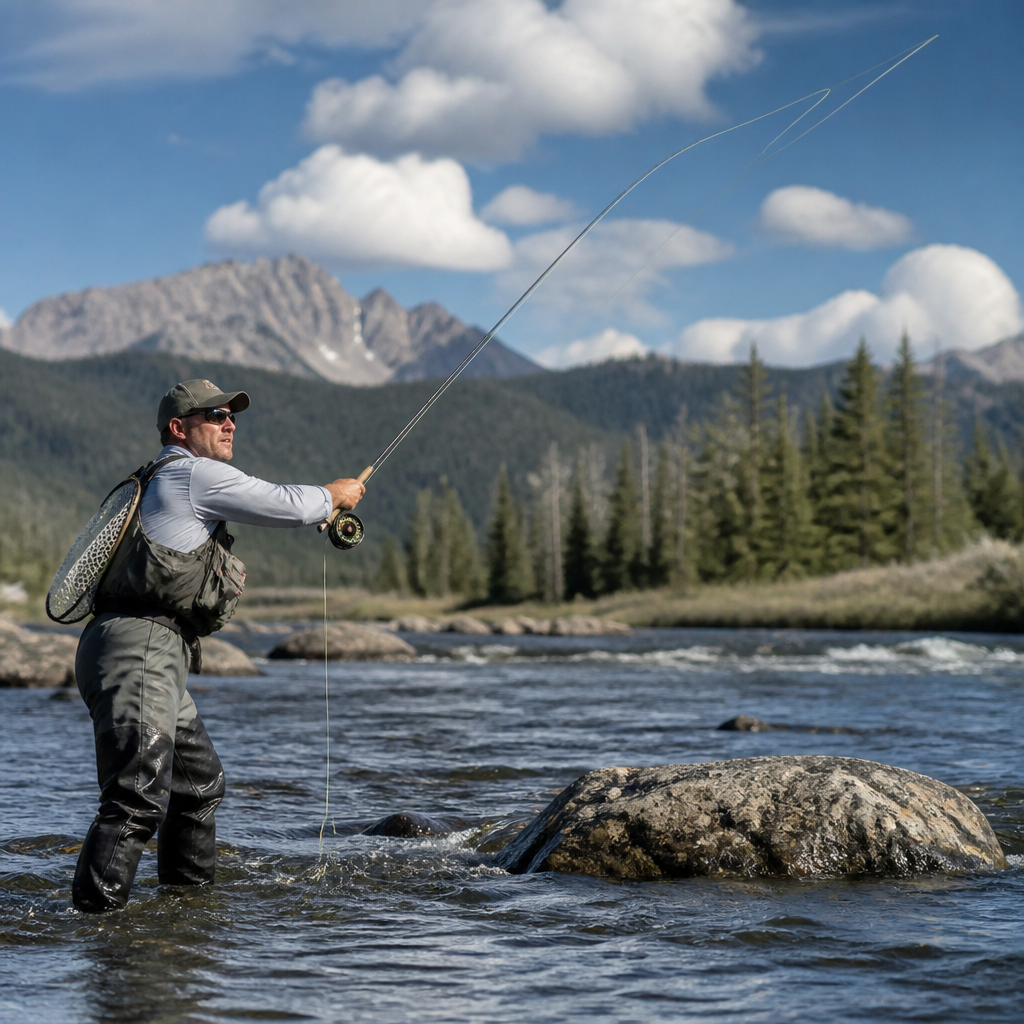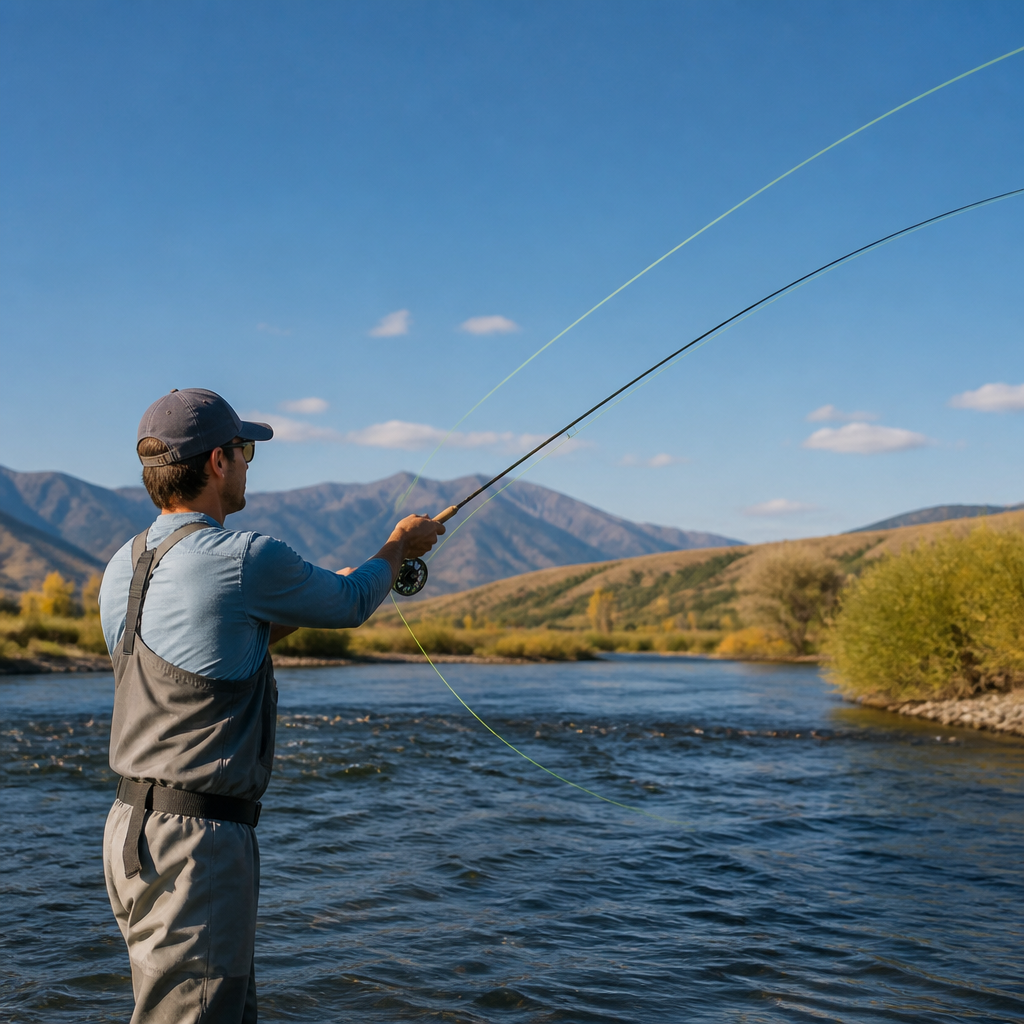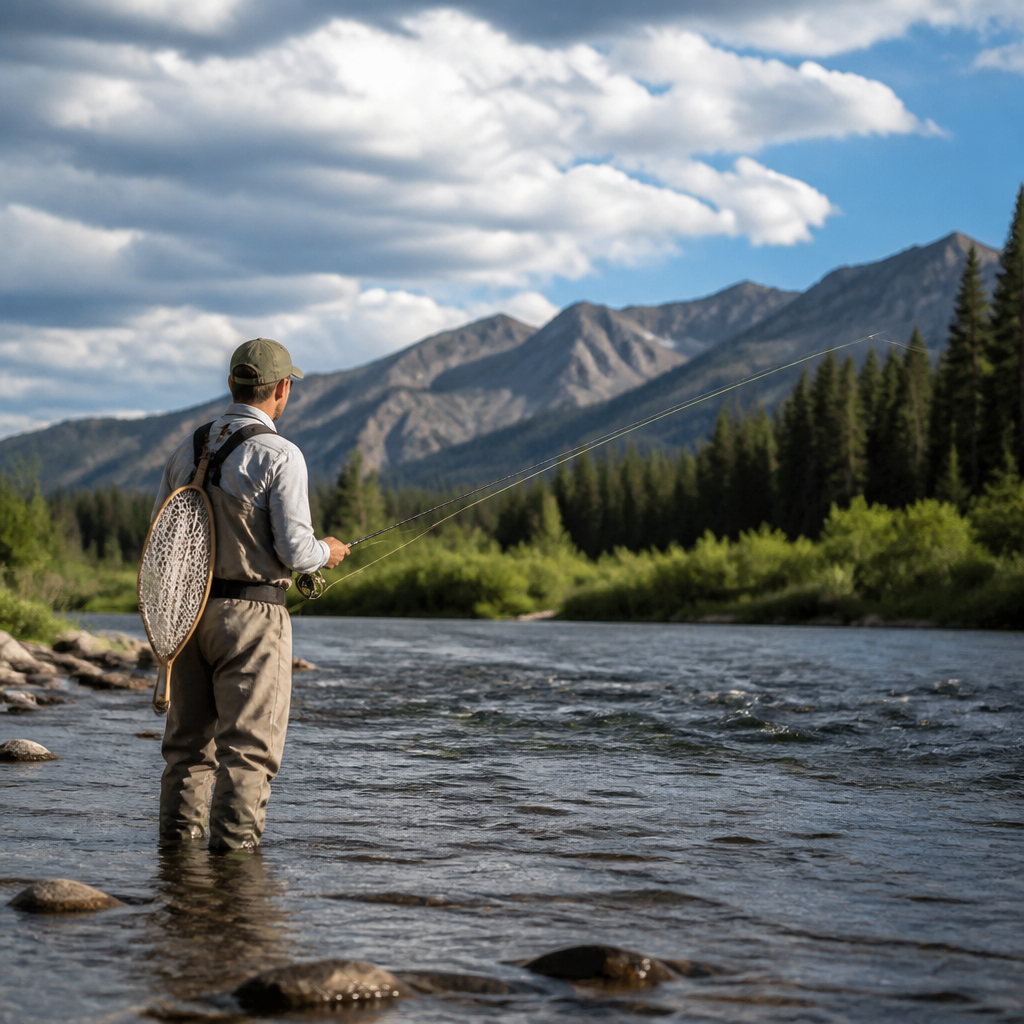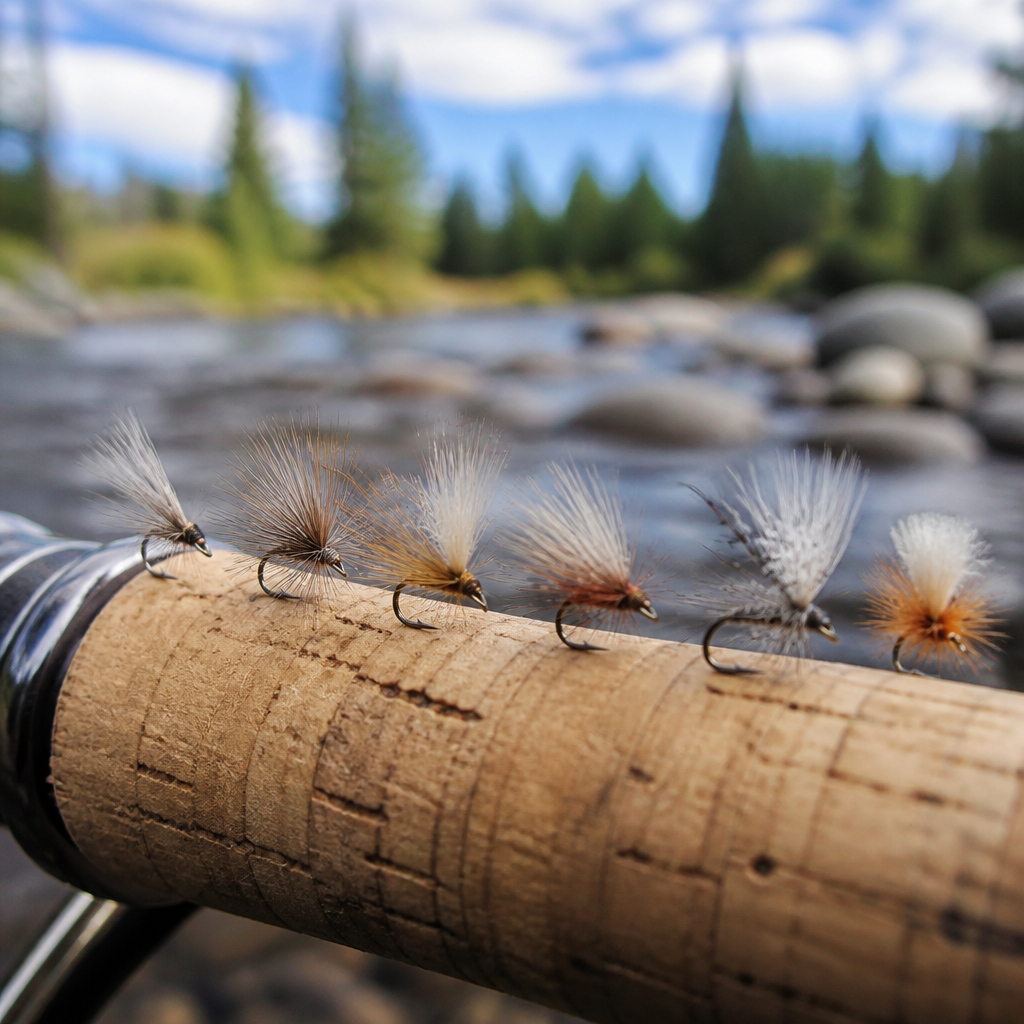
Dry fly fishing is the most visual, exacting, and rewarding branch of trout angling because it asks the angler to imitate an insect floating naturally on the surface while a fish decides, in full view, whether the deception is convincing. In practical terms, dry flies are artificial flies tied to ride on top of the water, usually representing adult mayflies, caddisflies, stoneflies, midges, terrestrials, or spent insects. Dry fly patterns are the individual designs within that category, each built with specific materials, proportions, and silhouettes to match common trout foods. When anglers ask which dry fly patterns are essential for trout, they are really asking which flies consistently solve the core problems of dry fly fishing: matching the hatch, staying visible, floating well, landing softly, and triggering selective fish in varied water conditions.
I have learned over many seasons on spring creeks, freestone rivers, and tailwaters that most successful dry fly boxes are not huge; they are disciplined. A useful selection covers the major insect families, includes different profiles such as parachutes, comparaduns, and high-floating attractors, and spans a practical size range from tiny midges to large stoneflies and terrestrials. That matters because trout feed according to availability and vulnerability, not according to what looks prettiest in a fly shop bin. A sparse size 20 midge can outfish a perfect drake imitation in winter, while a bushy size 10 hopper can be the right answer on a windy August afternoon. Understanding essential dry fly patterns for trout therefore means understanding the entomology behind them, the water where they excel, and the presentation choices that make them work.
The foundation patterns every trout angler should carry
If I were building a dry fly fishing box for trout from scratch, I would start with a small group of patterns that solve the widest range of situations. The Parachute Adams is first because it is the best all-around mayfly impression ever designed. Its mixed grizzly and brown hackle, gray body, and white post suggest dozens of mayfly species without copying any one exactly. It floats well in broken currents, remains visible in low light, and works in sizes 12 through 22. On many rivers, if trout are rising and you cannot identify the hatch immediately, a Parachute Adams is the fastest honest starting point.
The Elk Hair Caddis belongs beside it because caddisflies are available on trout streams for much of the year, and trout often attack them aggressively. The pattern’s dubbed body and swept elk hair wing imitate the tent shape of the natural adult, while palmered hackle keeps it skittering or dead drifting effectively. In tan, olive, and black, sizes 12 to 18, it covers a huge percentage of caddis situations. During evening caddis flights on riffled water, I often choose it before a more exact imitation because it is easier to track and survives repeated fish.
A third cornerstone is the Blue Winged Olive family, usually carried as parachutes, CDC duns, or comparaduns in sizes 16 to 22. Blue-winged olives are not one hatch but a broad group of small olive-bodied mayflies, many in the Baetis complex, famous for appearing in cold, overcast, or unsettled weather. Trout key on them because they hatch frequently and often struggle in the film. A size 18 olive parachute with a sparse tail and low profile solves an extraordinary number of selective-riser problems on rivers from Montana tailwaters to Eastern spring creeks.
Then come attractor and searching patterns. The Royal Wulff remains valuable because its buoyancy and visibility make it ideal in pocket water, fast riffles, and mountain streams where trout get little time to inspect a fly. The Stimulator performs a similar role while also crossing over into caddis and stonefly territory. In orange, yellow, olive, and tan, sizes 8 to 16, it can represent adult stoneflies, caddis, or simply a large edible insect. Essential does not mean exact; it means dependable.
Matching major food groups: mayflies, caddis, stoneflies, midges, and terrestrials
The most efficient way to organize essential dry fly patterns is by the food categories trout recognize. Mayfly dries should include a generic dun, a low-riding imitation, and a spinner. A generic dun is the Parachute Adams or a standard hackled mayfly. A low-riding imitation is often a Comparadun or Sparkle Dun, both designed to sit flush and mimic vulnerable emergers and newly hatched duns. A spinner pattern matters because many trout feed hardest during spinner falls, when spent adults lie flat with wings outstretched. Rusty Spinners in sizes 14 to 22 are indispensable because many mayflies, regardless of their earlier body colors, end their life cycle with a rusty or mahogany cast.
Caddis dries require a different mindset. Adult caddis are active, skittering insects, and trout often strike them violently. The Elk Hair Caddis is the standard, but a CDC and Elk adds a lower, softer footprint that can be crucial on slower water. During heavy hatches, some anglers also carry an X-Caddis, which imitates an emerging or crippled adult with trailing shuck material. I have seen difficult fish refuse high-riding caddis and take the X-Caddis on the first clean drift because the natural insects were trapped in the film rather than escaping cleanly.
Stonefly patterns are essential whenever large insects are present, especially on Western freestones. Adult salmonflies and golden stones are not subtle meals. A size 4 to 10 Chubby Chernobyl or a size 8 to 12 Stimulator can bring explosive eats tight to banks, grassy edges, and overhanging structure. Although foam patterns are more modern than classic hair-wing dries, their flotation and visibility are undeniable, and they support dry-dropper rigs well. For many anglers, the Chubby Chernobyl has become the practical standard for large dry fly fishing during stonefly season.
Midge and terrestrial patterns round out the dry fly fishing system. Midges dominate winter and technical tailwater fishing, so Griffith’s Gnat in sizes 18 to 24 deserves permanent space in every trout box. It suggests clusters and individual adults and remains one of the few truly universal tiny dries. Terrestrials include ants, beetles, and hoppers. Trout do not need a hatch to eat them; they fall in from bankside vegetation throughout warm months. A simple black ant, a foam beetle with a peacock body, and a realistic hopper cover most situations where land insects become the highest-value target.
When to use each pattern and how water type changes the choice
Choosing among essential dry fly patterns for trout becomes easier when you connect each fly to water type and trout behavior. Fast pocket water rewards buoyancy and visibility, so bushier flies such as the Royal Wulff, Stimulator, or high-floating Parachute Adams excel there. Trout in these currents make split-second decisions, and drag is less obvious. On flat pools and spring creek slicks, the opposite is true. Fish inspect the fly longer, and low-riding patterns such as CDC duns, Comparaduns, Rusty Spinners, or tiny Griffith’s Gnats become more effective because they match the insect’s footprint closely.
Season matters too. Early spring often means Blue Winged Olives, midges, and the first meaningful caddis, usually in smaller sizes and subdued colors. Late spring through early summer brings famous mayfly events such as Hendricksons, March Browns, PMDs, Green Drakes, and Sulphurs depending on region, along with caddis and stoneflies. Summer expands the menu to terrestrials, hoppers, beetles, and ants, especially during windy afternoons. Fall frequently returns anglers to olives, Mahogany Duns, caddis, and spinner falls. Winter narrows the menu sharply, which is why simple patterns like Griffith’s Gnats and tiny olive parachutes become so important.
| Pattern | Imitates | Best sizes | Best water | Prime use |
|---|---|---|---|---|
| Parachute Adams | Generic mayflies | 12-22 | Riffles, runs, pools | Search fly and hatch matcher |
| Elk Hair Caddis | Adult caddis | 12-18 | Riffles, broken water | Evening hatches and prospecting |
| Blue Winged Olive | Baetis mayflies | 16-22 | Tailwaters, spring creeks | Cool, cloudy conditions |
| Rusty Spinner | Spent mayflies | 14-22 | Glides, flats | Spinner falls at dusk |
| Stimulator | Stoneflies, caddis, attractor | 8-16 | Pocket water, banks | Fast water and summer searching |
| Griffith’s Gnat | Midges, clusters | 18-24 | Tailwaters, calm seams | Winter and technical rises |
| Foam Hopper | Grasshoppers | 8-14 | Banks, meadows, windy drifts | Late summer terrestrials |
Leader and tippet choices reinforce pattern selection. Bushy attractors fish well on 4X or 5X, but tiny olives and spinners often need 6X or 7X for a natural drift. Presentation remains the final filter. Even the right fly fails when it drags, lands heavily, or rides too high for the hatch stage trout are targeting.
Building a practical dry fly box and fishing it with confidence
A practical dry fly box for trout should emphasize depth within proven patterns rather than endless novelty. I recommend carrying multiple sizes and a few color variations of the same reliable designs: Parachute Adams, Elk Hair Caddis, Blue Winged Olive parachutes or CDC duns, Rusty Spinners, Stimulators, Griffith’s Gnats, ants, beetles, and hoppers. Add regional specialties as needed, such as PMD Sparkle Duns on Western tailwaters or sulfur comparaduns on limestone streams. This approach keeps selection fast and reduces the paralysis that comes from carrying hundreds of one-off patterns.
Quality matters as much as pattern choice. Good dry flies use proportionate hackle, clean thread work, properly selected deer or elk hair, durable wings, and hooks matched to the intended silhouette. Premium modern materials like CDC, poly yarn posts, and closed-cell foam have improved flotation and visibility, but they do not replace careful design. I still inspect every fly before fishing: is the tail too long, is the hackle twisted, is the wing crowding the hook eye, will the fly sit correctly in the film? Small defects matter when trout are selective.
Maintenance also separates average dry fly fishing from consistent success. Desiccant powders, amadou patches, and liquid floatants extend the life of a dry fly through multiple fish. CDC patterns need special treatment because paste floatants can mat the fibers; powdered desiccants are safer. After landing a trout, I usually false cast less than most anglers expect. Instead, I blot the fly dry, apply desiccant if needed, and make a measured presentation. That routine preserves silhouette better than thrashing the line in the air.
As a hub within techniques and strategies, dry fly fishing deserves one final point: patterns are only one part of the system. Reading rise forms, identifying insect stages, adjusting leader length, controlling slack, and positioning for a drag-free drift all matter as much as the fly itself. Still, the right foundation box gives every other skill a chance to work. Start with the essential dry fly patterns for trout, learn what each one says to the fish, and refine your choices on the water. If you want to catch more trout on top, build your box around proven patterns, fish them where they naturally belong, and practice presentations until the take becomes inevitable.
Frequently Asked Questions
What are the most essential dry fly patterns for trout, and why do they matter?
The most essential dry fly patterns for trout are the ones that consistently imitate the insects and food forms trout see most often on the surface. In practical terms, that usually includes an Adams, Elk Hair Caddis, Parachute Adams, Blue Winged Olive, Pale Morning Dun, Griffith’s Gnat, Royal Wulff, Stimulator, and a few terrestrial patterns such as a foam ant or beetle. These flies matter because they cover the most common dry fly situations an angler encounters, from delicate mayfly hatches to splashier caddis activity and opportunistic summer feeding on land insects.
The Adams and Parachute Adams are often considered foundational because they suggest a wide range of mayflies without being tied to just one hatch. They are versatile, highly visible, and effective in many trout streams and rivers. The Elk Hair Caddis is another must-have because caddisflies are abundant on trout water, and trout frequently key on them during skittering, fluttering surface activity. A Griffith’s Gnat is indispensable when trout are feeding on tiny midges or clustered insects in slower water. The Royal Wulff and Stimulator are excellent searching patterns because they are buoyant, easy to see, and capable of drawing aggressive strikes even when no obvious hatch is happening.
What makes these patterns essential is not just tradition, but function. Together they give anglers coverage across sizes, silhouettes, and hatch types. Instead of trying to match every insect with a highly specific fly, a strong core selection of proven dry patterns lets you adapt to changing conditions with confidence. For most trout anglers, these are the patterns that earn permanent space in the fly box because they solve real problems on the water and continue to produce fish year after year.
How do I choose the right dry fly pattern when trout are rising?
Choosing the right dry fly pattern starts with observation. Before tying anything on, look closely at the water, the air above it, and the insects drifting near the bank or collecting in eddies. Notice whether the trout are making soft sips, splashy takes, or more aggressive slashes. A gentle rise often suggests mayflies, midges, or spent insects, while more energetic surface feeding can point to caddisflies or larger attractor opportunities. Size is usually the first and most important factor. Even if your fly is not a perfect species match, trout are far more likely to accept it if the size is close to what they are feeding on.
After size, focus on profile and behavior. A mayfly imitation should sit differently on the water than a caddis pattern. Parachute-style flies tend to offer a low, natural footprint and are excellent during technical surface feeding. Hair-wing caddis flies ride higher and can imitate more active insects. If you see spent insects lying flush in the film, a standard upright dry may be less effective than a spent-wing pattern. Color matters, but usually after size and silhouette. Trout often key more strongly on shape and presentation than on exact shade, especially in moving water.
If you cannot identify the hatch precisely, start with a dependable generalist pattern such as a Parachute Adams or Elk Hair Caddis in a size that matches the naturals. If trout inspect but refuse the fly, make one adjustment at a time: go smaller, switch to a lower-riding pattern, reduce drag, or lengthen your leader and tippet. In many cases, the wrong pattern is not the real problem. Micro-drag, a poor approach angle, or an unnatural drift is often the reason trout refuse a dry fly. Successful selection is really a combination of entomology, observation, and presentation.
Which dry fly patterns work best when there is no obvious hatch?
When there is no obvious hatch, the best dry fly patterns are usually attractor or searching flies that suggest food rather than precisely imitate one insect. Patterns like the Royal Wulff, Stimulator, Parachute Adams, Purple Haze, and foam terrestrials such as ants, beetles, and hoppers are excellent choices. These flies work because trout are opportunistic. Even in the absence of a concentrated hatch, they will often rise to a visible, well-presented dry that looks edible and vulnerable.
Attractor dries are especially useful in broken pocket water, riffles, and freestone streams where trout have little time to inspect a fly. A Stimulator, for example, can suggest a stonefly, caddis, or simply a large struggling insect. A Royal Wulff combines visibility, buoyancy, and a broad impression of life, making it a classic searching pattern. Foam ants and beetles become particularly important in summer, when terrestrial insects regularly fall into the water and trout learn to expect them along banks, under overhanging trees, and near grassy edges.
In these situations, confidence and coverage are key. Fish your fly where trout are likely holding rather than waiting for obvious surface feeding to tell you what to do. Cast along seams, current breaks, undercut banks, and the soft edges beside faster water. If the fish are not responding, adjust the size before abandoning the idea altogether. Sometimes a smaller attractor is enough to trigger takes from selective trout, while at other times a larger, more buoyant pattern gets noticed better. No-hatch dry fly fishing rewards anglers who understand that trout do not always need a perfect insect match to eat on top.
What sizes and colors should I carry for essential trout dry flies?
A practical range for essential trout dry flies is usually sizes 10 through 22, with the greatest day-to-day utility falling between sizes 12 and 18. Larger flies, such as sizes 8 through 12, are useful for stoneflies, hoppers, and larger attractor patterns. Mid-range sizes like 14 to 16 cover many common mayflies and caddisflies. Smaller flies in sizes 18 to 22 are critical for blue-winged olives, midges, and technical fishing situations on pressured water. If you are building a reliable dry fly box, it is smart to carry your core patterns in multiple sizes because trout often care more about scale than anglers initially expect.
As for color, keep your selection grounded in the natural tones trout regularly see. Gray, olive, tan, cream, brown, black, and dun cover most realistic dry fly needs. An Adams-style pattern in gray is exceptionally useful because it suggests many mayflies. Tan and olive caddis are staples on many rivers. Pale yellow or creamy hues are important for summer mayflies such as pale morning duns. Black remains one of the best colors for ants, beetles, and midge-related patterns. In addition to natural shades, a few attractor colors or high-visibility posts can help the angler track the fly without reducing effectiveness too much.
The smartest approach is balance. You do not need every pattern in every size and color, but you do need enough range to respond to what trout are doing. A compact but effective collection might include Parachute Adams in 14, 16, and 18; Elk Hair Caddis in tan and olive from 14 to 18; a few BWOs in 18 to 20; Stimulators in 10 to 14; Griffith’s Gnats in 18 to 22; and foam ants and beetles in 14 to 18. That kind of selection gives you coverage for major hatches, searching situations, and technical low-water conditions without overcomplicating your fly box.
Are classic dry fly patterns still effective for trout, or should I focus on newer designs?
Classic dry fly patterns are absolutely still effective for trout, and in many fisheries they remain the benchmark against which newer patterns are judged. Flies like the Adams, Royal Wulff, Elk Hair Caddis, Light Cahill, and Griffith’s Gnat have endured because they consistently solve common trout-fishing situations. Their longevity is not based on nostalgia alone. It is based on sound design, reliable flotation, useful silhouettes, and decades of success on real water. Trout have not evolved beyond classic patterns. If anything, those flies continue to prove that effective imitation often depends more on proportion, drift, and footprint than on extreme realism.
That said, newer designs can offer meaningful advantages. Modern materials such as foam, synthetic posts, improved hackle, and UV-enhanced dubbing can make flies more buoyant, more durable, and easier for anglers to see. Contemporary patterns may also be designed to ride lower in the film or imitate a narrower stage of an insect’s emergence, which can be a major edge during selective feeding. In technical spring creeks or heavily pressured tailwaters, that extra refinement can matter. The best anglers are usually not loyal to old versus new for its own sake. They choose whichever pattern gives them the best combination of realism, visibility, and performance.
The most effective strategy is to treat classic and modern patterns as complementary rather than competing categories. Build your dry fly box around proven staples, then add newer patterns to address specific conditions such as low-riding emergers, tiny hatch situations, or high-floating terrestrials. A classic Adams may cover the general mayfly problem beautifully, while a more specialized parachute emerger may save the day when trout refuse everything riding too high. In other words