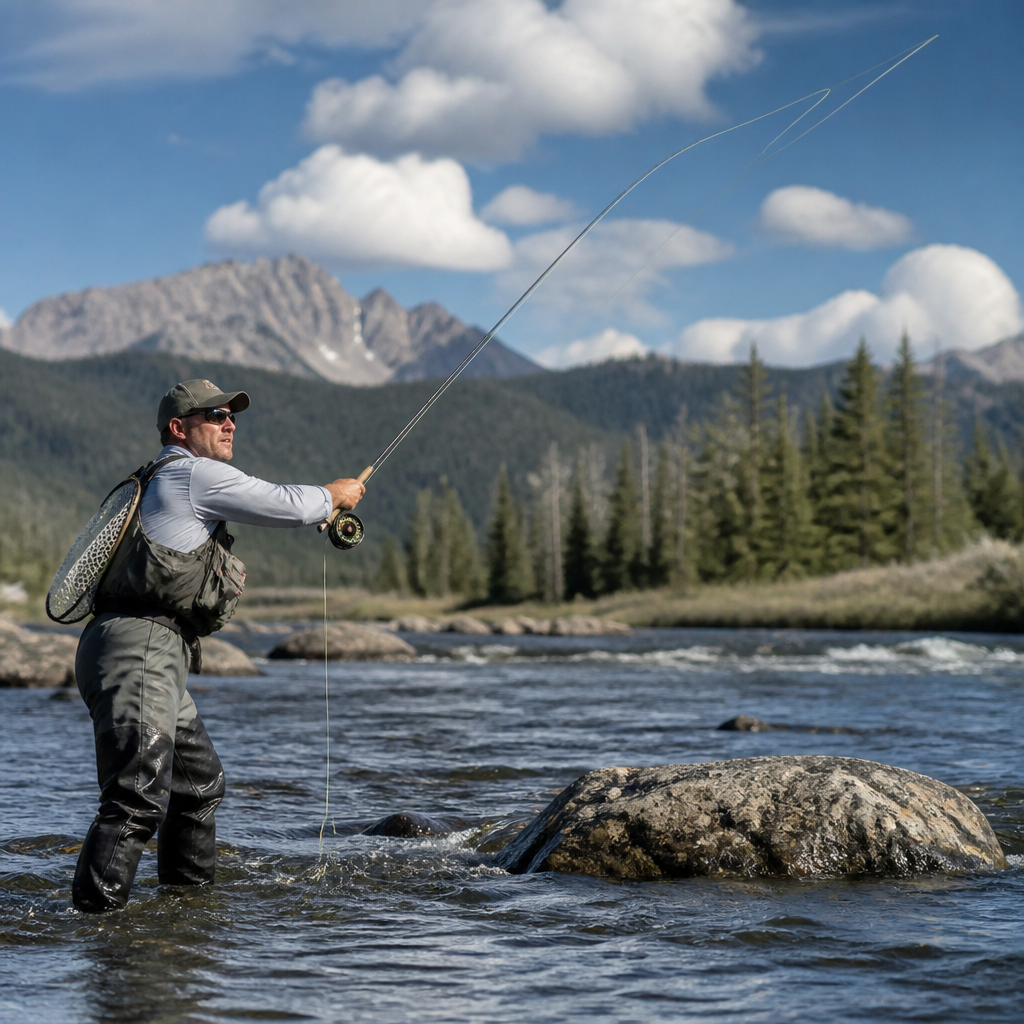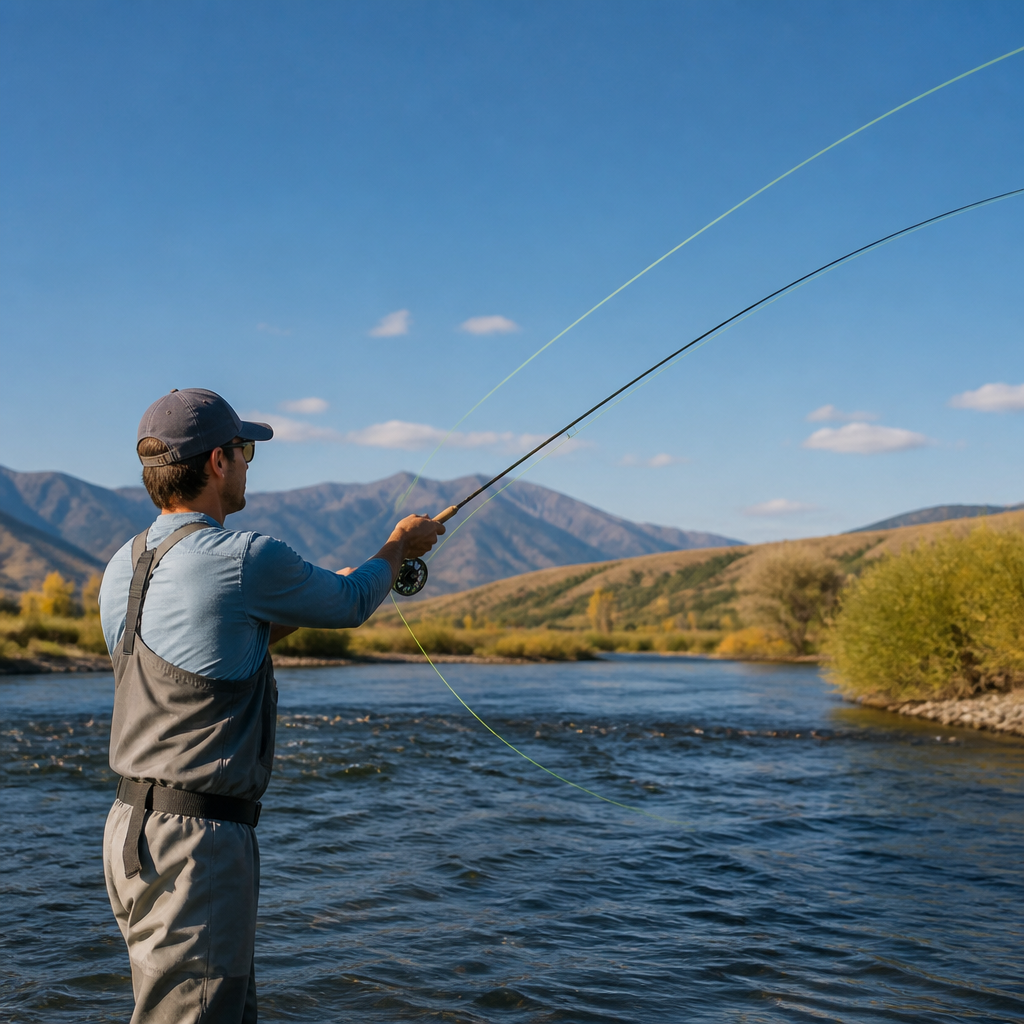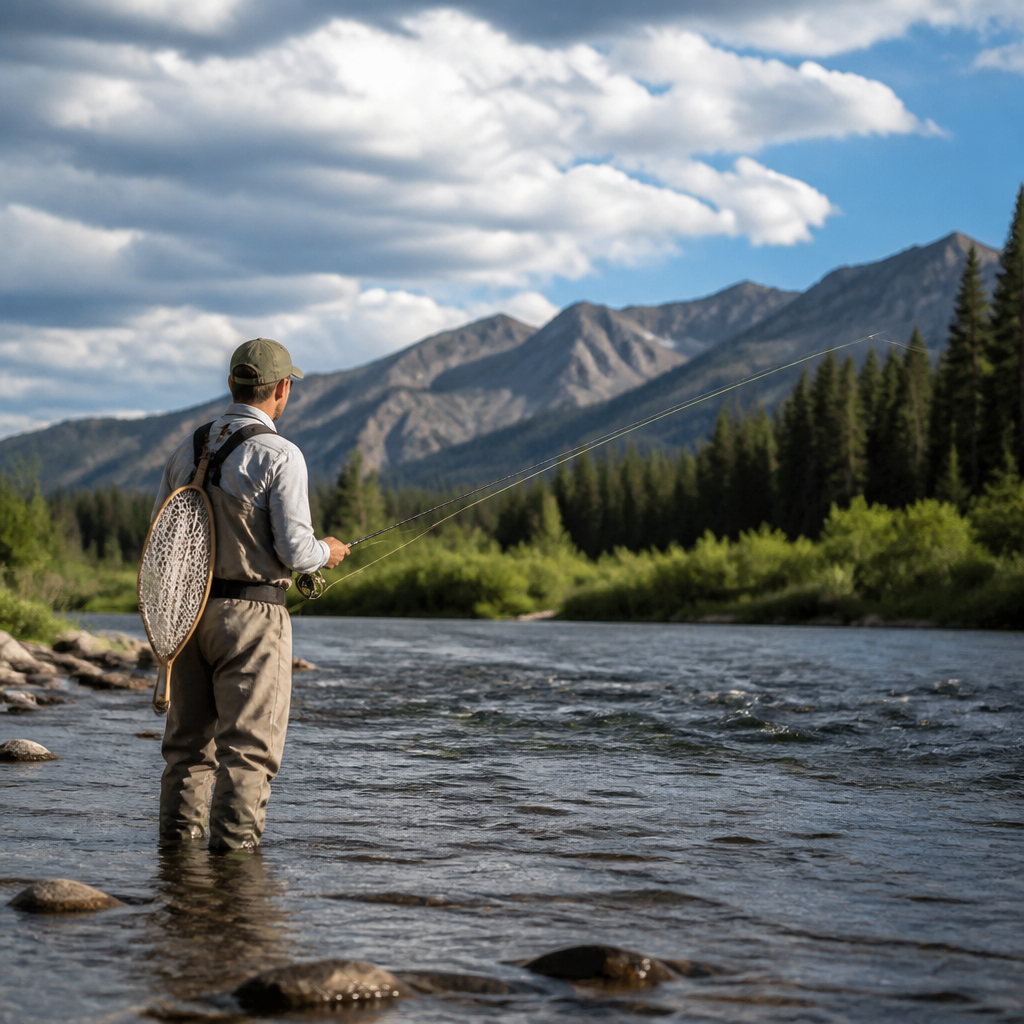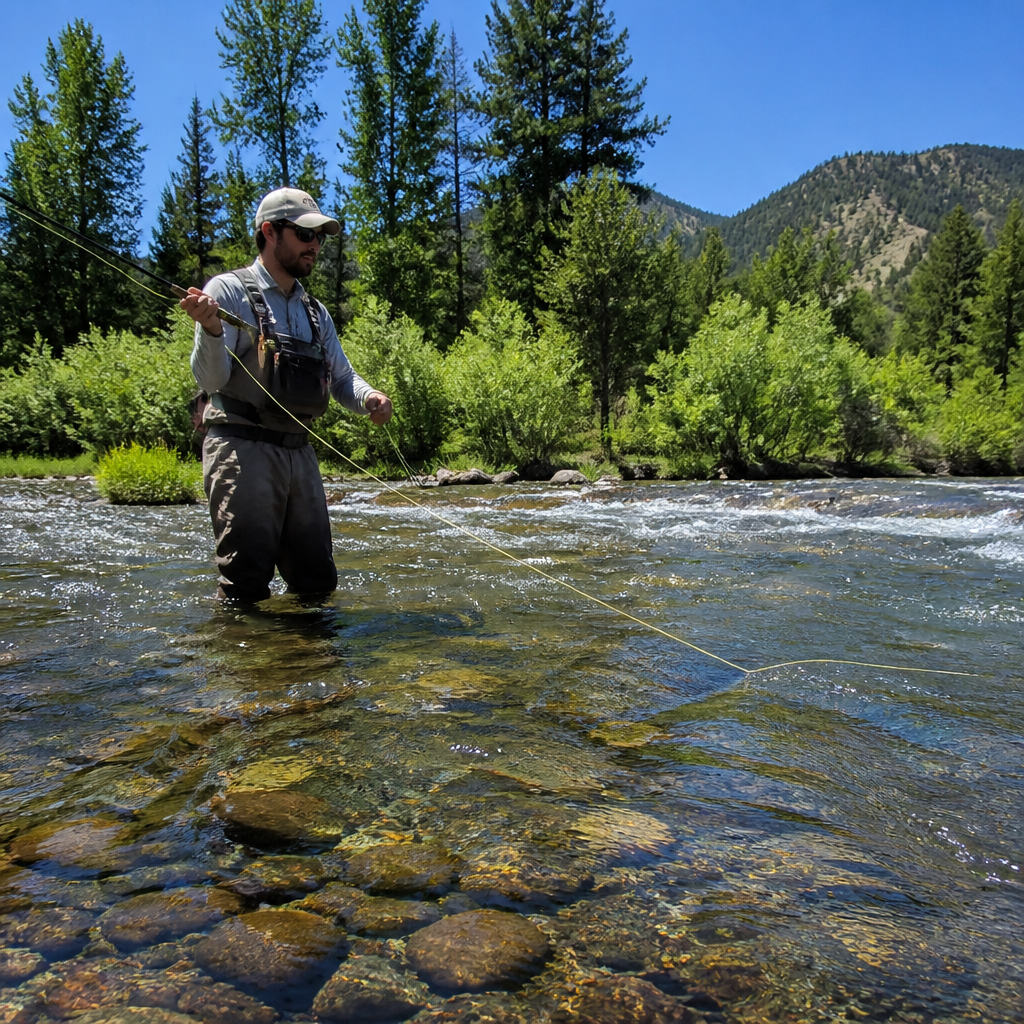
Summer nymphing can be the most reliable way to catch trout in hot weather because subsurface food remains available even when surface activity fades. In practical terms, summer nymphing means presenting artificial nymphs, larvae, and other underwater imitations at the depth and speed trout expect during warm, bright, often low-flow conditions. As a hub within nymphing techniques, this guide explains how to adapt rigging, reading water, fly choice, strike detection, drift control, and fish handling when temperatures climb. It matters because summer changes trout behavior quickly. Oxygen drops as water warms, flows often shrink, aquatic insects shift in timing, and fish become selective about where they spend energy. I have seen anglers keep casting to obvious riffles at noon while trout stacked instead in shaded seams, spring inflows, and the soft edges below heavy pocket water. The method still works, but only if every detail gets sharper.
Nymphing in summer is not one tactic. It includes indicator rigs, tight-line approaches, short-line pocket water drifts, drop-shot systems, and dry-dropper setups adjusted for local regulations and water type. The common thread is controlled subsurface presentation. Trout usually feed where current delivers insects with minimal effort, so success depends on matching food forms and putting them near the bottom without excessive drag. Hot weather adds urgency. When water temperatures approach stressful levels for trout, especially around 68 degrees Fahrenheit and above for many freestone fisheries, ethical anglers shorten sessions, fish early, and prioritize quick releases. That balance between effective technique and responsible timing is what separates productive summer nymphing from simply flogging the river.
This article covers the full decision tree. You will learn where trout relocate during warm spells, how to choose weighted versus unweighted flies, when to lengthen leaders, how split shot and tungsten affect sink rate, why strike indicators must shrink in clear water, and how insect calendars guide patterns. It also explains when a dry-dropper outperforms a dedicated nymph rig, why euro-style contact is deadly in pocket water, and how to avoid the two biggest summer mistakes: fishing too fast and fishing water that has already become too warm. Use this page as a starting point for deeper articles on specific nymphing techniques, but treat the principles here as the foundation for every hot-weather day on trout water.
Find Cool Water and Fish the Right Windows
The first rule of summer nymphing is simple: fish where trout can comfortably hold. In hot weather, trout prioritize oxygen, cover, and efficient feeding lanes. That usually means faster riffles in the morning, deeper slots under cut banks, plunge pools, boulder gardens, shaded banks, tributary junctions, spring seeps, and tailwater sections with stable releases. On many freestones, the best action happens from first light through midmorning, then again late in the evening. Midday can still produce, but only where current is strong enough to keep water cool and oxygenated.
Use a thermometer, not guesswork. I carry one clipped to my pack and check several spots because a cold tributary can change the main stem by several degrees. If temperatures rise into the upper sixties, I either move upstream, switch species, or stop. Agencies including many state fish and wildlife departments issue hoot owl restrictions for good reason. Trout stressed by warm water recover slowly after release. Productive summer anglers plan around conditions rather than forcing a favorite river to fish like it did in May.
Water type also changes through the day. Early, trout may sit on riffle edges and feed aggressively on drifting nymphs. As sun intensifies, they slide toward undercut banks, broken pocket water, and deeper runs with overhead shade. On heavily pressured rivers, fish often shift even tighter to structure because clear, low water exposes them. Read current seams carefully. The best lane is rarely the center of the run; it is more often the soft cushion beside a rock, a trough at the inside edge of heavy current, or the transition line where fast and slow water meet.
Build Summer Nymph Rigs for Depth, Stealth, and Control
A good summer nymph rig gets flies down quickly while staying subtle enough for clear water. In most trout streams, that means smaller indicators, finer tippet, and less unnecessary hardware than spring runoff demands. For indicator nymphing, start with a leader long enough to place the indicator about one and a half to two times the estimated depth above the point fly, then adjust. In three feet of water, a four-and-a-half to six-foot distance from indicator to fly is common, depending on current speed and shot placement.
Weight belongs near the flies, but not always on them. Tungsten beadheads sink fast and create a compact rig, while split shot allows precise adjustment without changing patterns. I often use a heavier anchor fly such as a perdigon or jig nymph on point, with a lighter dropper above it to add variety in size or stage. In slick summer flows, too much shot causes unnatural ticking and snagging, while too little keeps the rig above the feeding zone. Bottom contact should be occasional and informative, not constant and clumsy.
Leader and tippet choices matter more in summer because visibility increases. Fluorocarbon in 4X to 6X is standard for many trout situations due to abrasion resistance and lower visibility underwater. Heavier tippet can improve turnover and land fish faster, but only if fish accept it. For tight-line methods, a level sighter or specialized euro leader improves contact and strike detection. For dry-dropper fishing, a buoyant dry with enough surface footprint to support tungsten weight is essential. The rig should fit the water, not the other way around.
| Water Type | Best Rig | Typical Weighting | Common Summer Adjustment |
|---|---|---|---|
| Shallow pocket water | Tight-line or short indicator | Tungsten point fly, minimal shot | Shorten drifts and lead the flies |
| Moderate riffle-run | Indicator two-fly rig | Beadhead plus small split shot | Downsize indicator in clear flows |
| Deep slot or plunge pool | Indicator or drop-shot | Extra shot or heavy anchor fly | Add depth before changing flies |
| Glassier tailwater seam | Long leader indicator or dry-dropper | Light bead or unweighted dropper | Lengthen tippet and reduce splash |
Choose Nymph Patterns That Match Summer Food
Summer trout eat a broad menu, but the most consistent nymphing success comes from understanding what drifts all day, not just during obvious hatches. Mayfly nymphs such as Pheasant Tails, Hare’s Ears, and slim perdigon variations remain staples because they suggest multiple species and sink efficiently. Caddis larvae in olive, tan, and bright green are especially effective in riffles and pocket water. Midge larvae and small black or red patterns become important on tailwaters and spring creeks where trout feed on tiny insects year-round.
Stonefly nymphs still matter in many rivers, especially where golden stones or smaller species are present through summer, but anglers often overuse oversized patterns in low clear flows. A size 12 to 16 jig stone can outperform a bulky size 6 simply because it drifts naturally. Sowbugs, scuds, and worms deserve a place on fertile tailwaters, while small cranefly or attractor nymphs can shine in freestones after storms or flow bumps. The point is not to carry every fly ever tied. It is to organize patterns by food type, profile, sink rate, and confidence level.
When deciding between exact imitation and impressionism, let the fish answer. If trout refuse a generic mayfly nymph after multiple clean drifts at the right depth, change size before color, and profile before detail. In my experience, summer refusals often result from overbuilt flies that drift too stiffly or too high, not from tiny color mismatch. Sparse patterns with slim bodies, dark wing cases, and tungsten beads solve many problems. Keep your boxes honest: proven summer nymphs are usually smaller, cleaner, and heavier than what looks most impressive at the vise.
Control the Drift: Depth and Speed Catch More Fish Than Constant Fly Changes
The best summer nymph anglers do not change flies every five minutes. They first fix drift quality. Trout feeding subsurface expect nymphs to travel close to current speed, generally near the bottom and without sideways skate. That means mending early, maintaining a direct but not dragging connection, and repositioning to shorten the amount of conflicting current between rod tip and flies. In pocket water, high-stick and lead the rig through short lanes. In longer runs, cast upstream or up-and-across, set the line quickly, then follow the indicator or sighter with the rod tip.
Depth is the first variable to test. If you are not touching bottom occasionally in a deep run, add weight or extend the indicator-to-fly distance. If you are ticking constantly and hanging up every drift, reduce shot, move it slightly farther from the flies, or choose a lighter anchor pattern. Speed is next. Summer trout in clear water inspect offerings longer, so even slight drag can kill the take. Reach casts, aerial mends, stack mends, and slack introduction are not advanced flourishes; they are core nymphing techniques.
Strike detection must also tighten up in hot weather because many takes are subtle. Watch for any pause, dip, sideways slide, twitch, or unnatural acceleration of the indicator. In contact nymphing, the signal may be only a slight hesitation in the leader or a soft stop that feels like the flies landed on a leaf. Set on anything unusual. A controlled lift is enough; wild hooksets break fine tippet and move flies out of the lane. If you think you are missing fish, you probably are. Summer eats are often quiet and fast.
Use Technique-Specific Approaches for Different Summer Situations
Indicator nymphing remains the most versatile method for covering classic runs, seams, and drop-offs. It excels when you need suspendable depth control and longer drifts. Tight-line nymphing is superior in pocket water, short seams, and complex currents because direct contact improves sink rate and strike detection. Dry-dropper fishing is ideal when fish may rise opportunistically, when water is shallow enough to avoid constant snagging, or when bank-side terrestrial activity suggests trout are willing to look up. None of these methods is universally best; each solves a different presentation problem.
On a small freestone in July, for example, I often start with a dry-dropper at dawn, using a size 10 foam attractor and a size 16 tungsten caddis dropper. If trout stop looking up by midmorning, I switch to a short-line tight setup and work shaded pockets one by one. On a larger Western tailwater, I may rely on a yarn or air-lock style indicator with two small nymphs and micro shot, adjusting depth constantly as the drift crosses shelves and weed edges. The change is not about fashion. It is about maintaining the right depth and drift in that exact water.
Hub thinking matters here. If you want to deepen specific skills, build out from these categories: indicator setup and mending, euro nymph leader design, dry-dropper balance, drop-shot rigging, seasonal insect matching, and strike detection drills. Those are the major branches of nymphing techniques, and summer conditions pressure-test every one of them. The anglers who catch consistently are the ones who can switch methods without losing presentation quality.
Handle Summer Trout Responsibly and Fish More Efficiently
Hot-weather nymphing is not just about catching fish; it is about reducing stress on fish and on your own decision-making. Fight trout hard on appropriately strong tippet, keep them in the water, use rubber nets, and skip extended photo sessions. If the river is warming, stop before conditions become dangerous. A heroic afternoon on 70-degree water is not skilled angling. It is poor judgment. Many of the best summer days I have had ended by lunchtime because the thermometer dictated the schedule.
Efficiency helps conservation and success at the same time. Carry a compact box of proven summer nymphs rather than a hundred untested options. Pre-rig spare leaders. Crimp barbs. Use forceps that actually grip small hooks. Observe before wading into the run. Look for spinner falls, caddis fluttering over riffles, shucks on rocks, and trout flashes below the surface. Every minute spent reading water and insects saves random casts later. When fish refuse, change one variable at a time: depth, weight, angle, size, then pattern. That order prevents chaos.
Summer nymphing rewards discipline. Find the coldest viable water, fish the best low-light windows, build a subtle but sink-capable rig, choose flies that reflect actual food, and obsess over drift before blaming the pattern. Match your method to the water: indicator for longer drifts, tight-line for pocket water, dry-dropper for shallow mixed feeding. Most importantly, let water temperature guide both your tactics and your ethics. If you want to improve your nymphing techniques, use this hub as your base, then practice one skill each outing until adjustment becomes automatic. In hot weather, precision is what turns nymphing from a fallback plan into the most dependable strategy on the river.
Frequently Asked Questions
Why is summer nymphing often more effective than dry-fly fishing in hot weather?
Summer nymphing is often more reliable because most of a trout’s feeding happens below the surface, especially when heat, bright sun, and reduced flows make fish more cautious about rising. Even when you do not see surface activity, trout are still eating drifting nymphs, larvae, pupae, worms, and other subsurface food forms that remain available throughout the day. In warm weather, fish commonly slide into deeper runs, shaded seams, pocket water, undercut banks, and oxygen-rich riffles where they can conserve energy and feed without exposing themselves. That means anglers who focus only on dries can miss the most consistent feeding zone.
Another reason summer nymphing works so well is that it gives you more control over presentation. You can adjust weight, depth, leader length, fly size, and drift speed to match the exact lane where trout are holding. During hot weather, trout often will not move far to inspect a fly, so getting your nymph into the right depth band matters more than ever. A well-drifted nymph that travels naturally near the bottom usually outperforms a fly that passes too high, too fast, or with drag. In short, summer nymphing succeeds because it matches how trout behave in real warm-weather conditions: they feed subsurface, hold in protective water, and respond best to precise, efficient presentations.
How should I adjust my nymph rig for low, clear, and warm summer water?
In summer, rigging usually needs to become more refined, not just lighter. Low and clear conditions often call for longer leaders, thinner tippet, smaller indicators, and more deliberate weighting so the setup lands softly and drifts naturally. A common adjustment is to lengthen the leader to help keep the fly line farther from the fish, then use enough tippet to allow a drag-free drift through narrow feeding lanes. If trout are spooky, downsizing tippet and indicator size can make a major difference. You still need enough strength to land fish efficiently, but finesse matters more in clear water.
Weight placement is equally important. In hot weather, many anglers either underweight and drift over the fish or overweight and create an unnatural, snag-prone presentation. The goal is controlled contact with the strike zone, not simply ticking bottom nonstop. Split shot or tungsten flies should be adjusted to the depth and speed of the water you are fishing. Faster riffles may require more weight, while softer tailouts and slick seams often demand less. Many anglers do well with a two-fly setup that combines a heavier point fly and a slightly smaller dropper, but a single-fly rig can be more effective when fish are selective or the water is extremely clear.
Strike detection tools should also be matched to the conditions. In choppy pocket water, a visible indicator helps track subtle takes. In shallow or glassy water, tight-line contact, a sighter section, or a small yarn-style indicator may create less disturbance. The best summer rig is not the one with the most components; it is the one that gets your flies down quickly, drifts naturally, and lets you detect soft takes without spooking trout.
What types of water should I target when nymphing for trout during summer?
Start by looking for water that offers three things at once: oxygen, cover, and a manageable current. In summer, trout rarely hold randomly. They gravitate toward places where they can stay cool, avoid predators, and intercept food without burning too much energy. That often means the heads of pools, riffles dumping into deeper runs, shaded banks, boulder pockets, undercut edges, plunge pools, side seams, and any section where broken current provides security. These areas tend to carry steady food while also offering better oxygen levels than slow, exposed flats.
Depth matters, but deeper is not always better. A knee-deep riffle with strong oxygen and steady drift can hold more active trout than a sluggish, warm pool. Likewise, small transition zones are often more productive than obvious “big fish” water. Focus on current seams where fast and slow water meet, inside slots behind rocks, troughs along gravel bars, and the softer water just off the main flow. Trout in summer often hold where they can move only a few inches to feed, so precision is critical. Cover each likely lane methodically instead of making repeated casts to the center of a pool.
Time of day influences water choice too. Early and late, fish may feed in shallower runs or riffle edges. As the sun gets high and temperatures climb, trout often shift tighter to structure, shade, depth changes, and faster oxygenated water. On very warm days, you should also think ethically and practically: if water temperatures rise too much, fishing can stress trout even if you find them. Productive summer nymphing is about reading not just the shape of the river, but the daily movement of fish within it.
Which nymph patterns and sizes tend to work best in summer, and how should I choose them?
Summer fly selection is usually strongest when it begins with realism and restraint. In clear, pressured conditions, trout often prefer smaller, cleaner profiles that match the common subsurface food available in the river. Mayfly nymphs, caddis larvae, caddis pupae, midges, small stoneflies, sowbugs, scuds, and attractor-style perdigons can all be effective, but the key is choosing patterns that fit the water, season, and fish behavior. If fish are feeding selectively, natural colors such as olive, tan, brown, black, and pheasant-like tones often produce best. If the water has a little stain or the current is fast, a flashier or more visible pattern may help fish locate the fly quickly.
Size is often more important than exact pattern name. In summer, many anglers improve immediately by sizing down. Smaller nymphs can look more natural, sink efficiently with less bulk, and match the modest food items trout see every day. That said, larger flies still have a place, particularly in pocket water, freestone rivers, and places with stonefly populations. A useful strategy is to pair a confidence fly that gets down quickly with a smaller, more natural trailer that imitates the likely meal. This gives you both depth and realism in one drift.
Observe before constantly changing flies. Turn over a few rocks, watch for shucks, note whether trout are near the bottom or suspended, and pay attention to how fish respond to your drifts. If you are getting no interest, ask whether the problem is really fly choice or whether it is depth, drag, or line control. In summer nymphing, the best fly is often the one presented correctly at the right depth, not the most complicated pattern in the box.
How can I detect more strikes and handle trout safely when nymphing in summer heat?
Summer takes are frequently subtle because trout in clear, warm conditions often inspect and reject quickly rather than hammering a fly. To detect more strikes, fish with as direct a connection as the presentation allows. Watch your indicator, leader butt, sighter, or the end of the fly line carefully, and set on anything unusual: a pause, twitch, hesitation, sideways slide, slight dip, or sudden speed change. Good anglers do not wait for a dramatic signal. They assume that anything unnatural may be a fish. Shorter drifts, better casting angles, and mending early can also improve strike detection because they reduce slack and keep you connected to the flies through the productive part of the drift.
Drift control plays a huge role here. If your flies are moving faster than the current near the bottom, you will miss both strikes and fish. Lead the drift just enough to stay in touch without dragging the rig. Adjust your position so you can approach feeding lanes from angles that minimize conflicting currents. In many summer situations, a short, accurate cast with immediate line control outfishes a long cast with poor contact. The more cleanly your flies travel, the easier it is to recognize the tiny deviations that signal a take.
Fish handling becomes especially important in hot weather. Warm water holds less oxygen, and trout recover more slowly after being played. Use tackle strong enough to land fish quickly, keep them in the water as much as possible, wet your hands before touching them, and avoid extended photo sessions. If temperatures are getting high, consider fishing only during the coolest parts of the day or stopping altogether. Responsible summer nymphing is not only about catching trout consistently; it is about protecting the fishery by recognizing when conditions demand extra care.