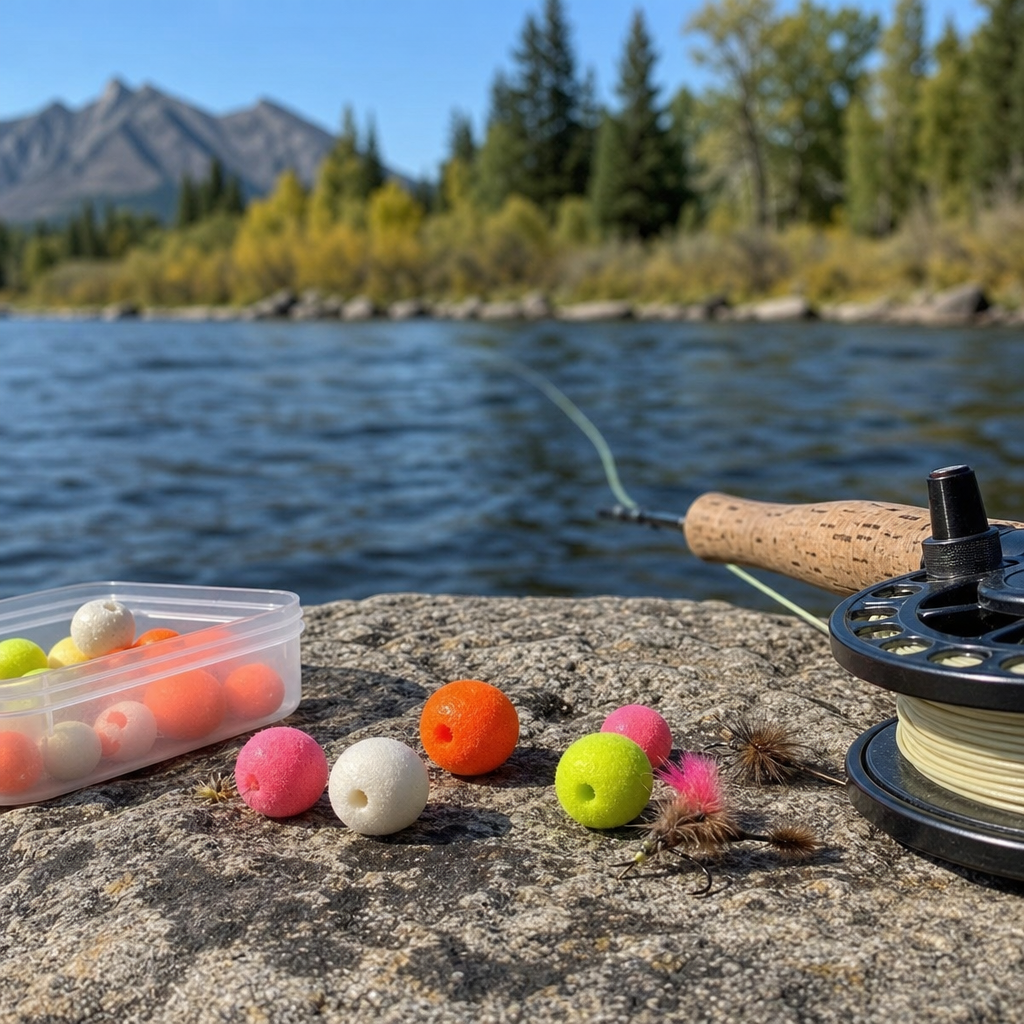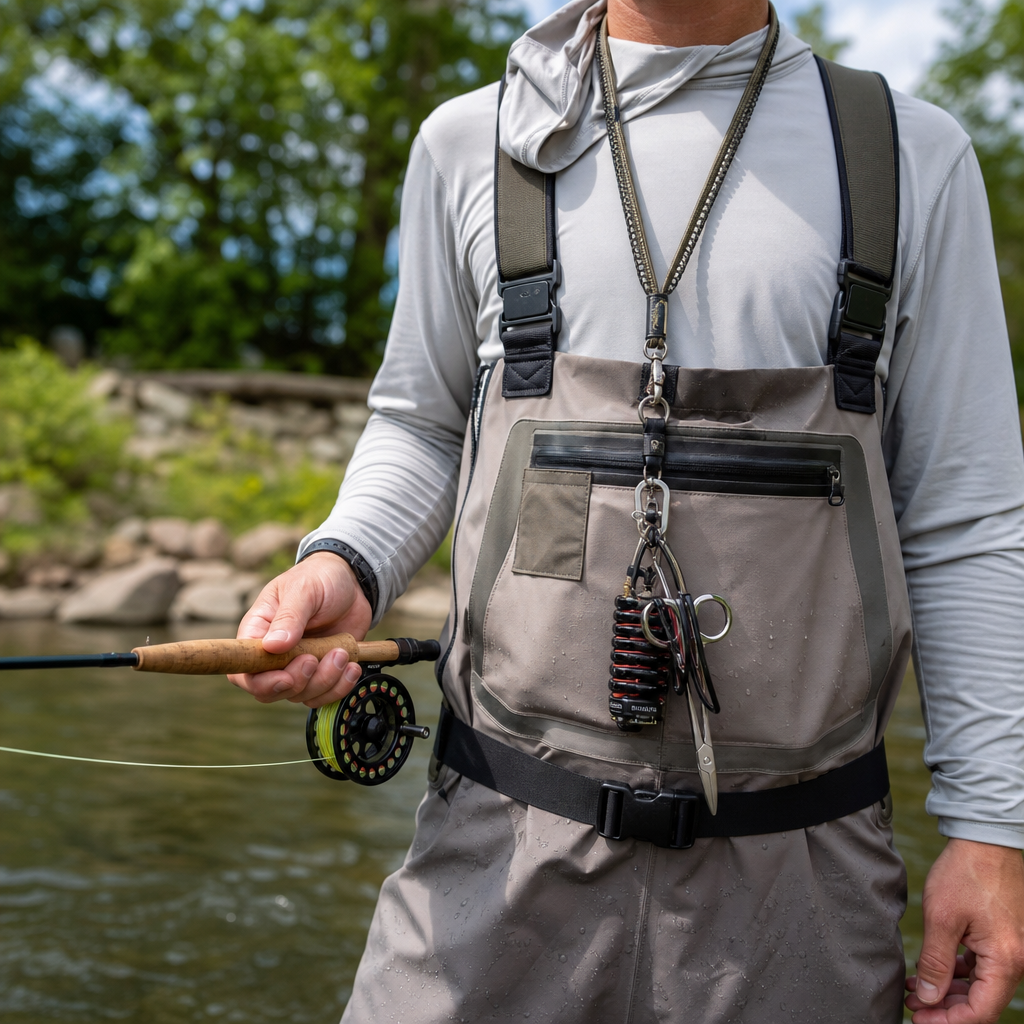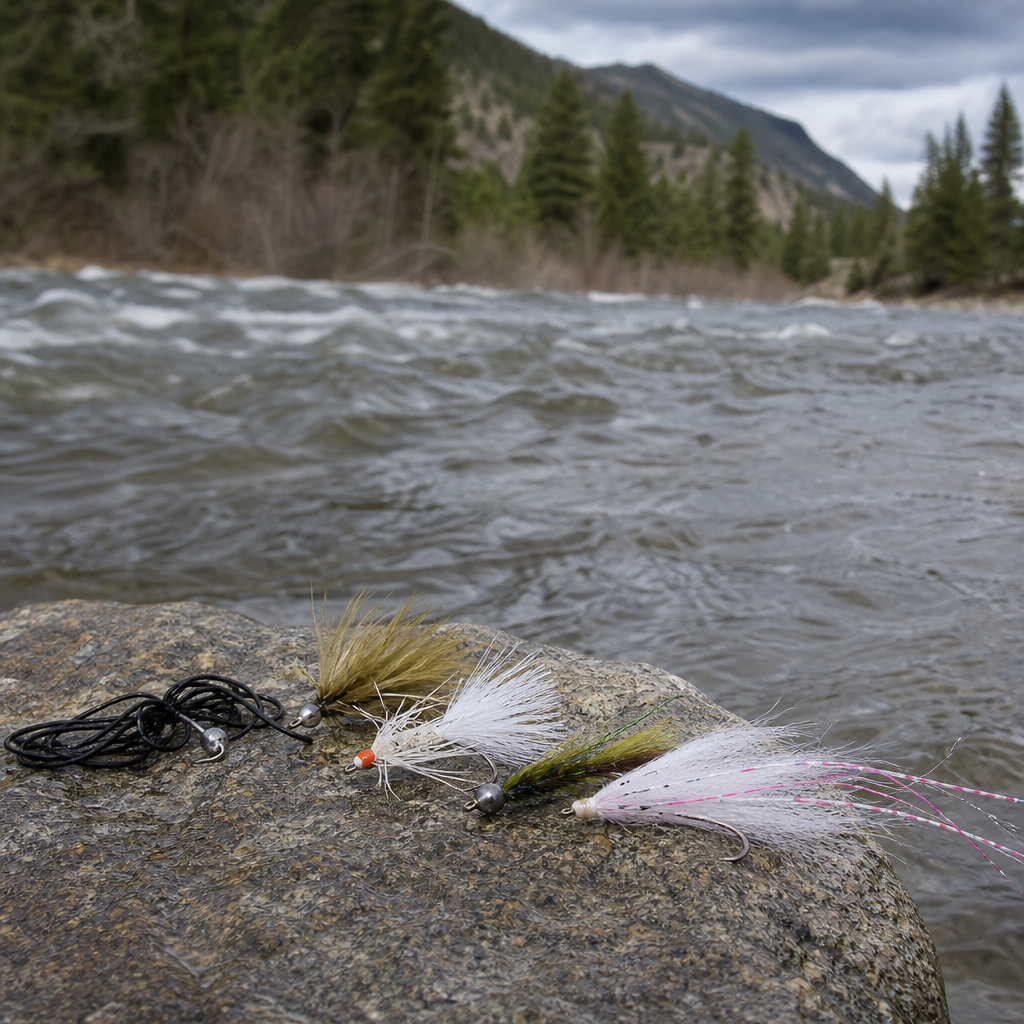
High water changes everything, and the best fly patterns for high water conditions are the ones that stay visible, push water, and reach fish holding close to the bottom or tight to the bank. In fly reviews, this matters because a pattern that excels during normal summer flows can become nearly useless once runoff, rain, or dam releases turn a river heavy, cold, and stained. High water usually means increased depth, stronger current, reduced visibility, and altered fish behavior. Trout, smallmouth, and steelhead stop feeding in their usual lanes and shift into soft seams, flooded edges, inside bends, back eddies, and structure that breaks current. Choosing the right pattern is less about matching tiny insects and more about presenting a fly fish can detect and intercept with minimal effort.
After years of testing flies during spring runoff, tailwater spikes, and storm-driven rises, I have found that productive high water patterns share a few traits. They create a strong silhouette, include materials that move even at slow swing speeds, and carry enough weight or profile to get down quickly. Reviews of flies for these conditions should focus on function first: sink rate, visibility, durability, hook quality, and how consistently a pattern fishes across different water colors. This hub page covers those core considerations, then organizes the best fly categories and use cases so anglers can compare options with confidence and find the right patterns for nymphing, streamer fishing, and searching dirty water.
What Makes a Fly Effective in High Water
The most effective high water fly patterns solve three problems at once: detection, depth, and control. Detection is about helping fish find the fly in water with suspended sediment, glare, and turbulence. That is why black, olive, purple, chartreuse, and hot orange routinely outperform subtle tones when flows rise. Black creates the strongest silhouette against the surface light. Chartreuse and orange remain visible in tea-stained or muddy water. Purple is especially reliable for steelhead and trout because it combines contrast with a natural dark profile.
Depth matters because fish rarely move far in heavy current to eat. In high water they conserve energy, sliding behind rocks, into side channels, and along softer bank water. If a nymph or streamer tracks above those lies, it gets ignored. Bead heads, tungsten slotted beads, lead-free wire, coneheads, and jig hooks all improve sink rate. Control is the final piece. Bulky flies can helicopter, twist tippet, or drift unnaturally if tied poorly. The best-reviewed patterns are balanced enough to cast, durable enough to survive repeated fish, and weighted so they sink without sacrificing action.
Best Nymph Patterns for High Water Trout
When trout hold deep during runoff, nymphs often outfish dry flies by a wide margin. Pat’s Rubber Legs is one of the most dependable high water trout flies ever designed. Its chenille body and rubber legs displace water, while the large stonefly profile matches a calorie-rich food source that trout recognize year round. In off-color water, black, coffee-and-black, and brown versions are especially effective. A tungsten-beaded Pat’s tied on a jig hook gets down fast and resists snagging along flooded edges.
The San Juan Worm remains controversial only among anglers, not fish. During rain events and bank erosion, annelids wash into the system, and trout feed opportunistically. Red, wine, pink, and fluorescent orange all have their place, though red and wine tend to be most versatile in slightly stained water. Egg patterns also produce during high flows, particularly below spawning areas or in tailwaters where fish key on drifting nutrient-rich morsels. Glow bugs, Glo-Bugs, and sucker spawn styles fish well under indicators with split shot when visibility is poor.
Large perdigons, jigged hare’s ear variants, and flashy stonefly nymphs round out a strong high-water box. What matters most is not the exact brand name but the combination of size, contrast, and weight. A size 10 to 14 nymph often beats a size 18 mayfly imitation because fish can see it sooner and commit with less inspection.
Best Streamer Patterns for Dirty or Rising Water
Streamers shine when flows push baitfish, sculpins, and juvenile trout out of cover. In these conditions, fish respond to movement and profile more than fine detail. The Woolly Bugger is still a benchmark fly review reference because it is cheap, adaptable, and deadly. Black is the top high water color, followed by olive, white, and black-and-purple. A conehead or heavily weighted Bugger can be dead-drifted, swung, or stripped, making it one of the best hub recommendations for anglers building a practical fly assortment.
Sculpzilla, Sex Dungeon, and Zoo Cougar style streamers are excellent when you need a broader profile and stronger water push. The Sculpzilla’s stacked materials and weighted head help it ride hook point up and reach depth quickly. The Sex Dungeon remains a proven articulated option for trophy trout in swollen freestones because it moves a lot of water and stays visible even in brown flows. For smallmouth in flooded rivers, Clouser Minnows in chartreuse-white or black are top performers, especially around current breaks and submerged wood.
Retrieve style matters as much as pattern choice. In cold runoff, short strips and broadside swings usually outperform fast, aggressive ripping. In warmer storm rises, erratic strips can trigger reaction strikes. High water streamer reviews should therefore judge a fly by how well it maintains action at slow speed, not just by how it looks in the vise photo.
How Color, Size, and Weight Change Results
Anglers often ask what single color works best in high water. If limited to one answer, black is the most universal because it silhouettes clearly in nearly every light condition. But a complete recommendation should be more specific. In glacial tint or dark overcast, black and purple lead. In clay-stained runoff, chartreuse, orange, and pink become easier for fish to track. In green tailwater releases, olive and white can still produce because visibility is reduced but not eliminated.
Size should usually increase as visibility drops. That does not mean every fly must be huge. It means the fly should be large enough to present a noticeable target. For nymphs, sizes 6 through 14 cover most high water situations. For streamers, three to five inches is a practical trout range, while smallmouth and steelhead often take even larger profiles. Weight must match current speed and depth. A useful rule from guided days on Western rivers is simple: if the fly is not ticking bottom occasionally in likely holding water, it is probably too light.
| Condition | Recommended Patterns | Best Colors | Typical Setup |
|---|---|---|---|
| Slightly stained, moderate rise | Pat’s Rubber Legs, hare’s ear jig, Woolly Bugger | Black, olive, brown | Indicator nymph rig or light streamer swing |
| Heavy runoff, low visibility | San Juan Worm, egg pattern, Sex Dungeon | Red, chartreuse, black | Extra weight, short drifts, target soft seams |
| Tailwater release spike | Stonefly nymph, perdigon, Sculpzilla | Coffee-black, purple, white | Deep nymphing with tungsten or sink-tip streamer |
| Flooded warmwater river | Clouser Minnow, Woolly Bugger, crawfish streamer | Chartreuse-white, black, rusty orange | Cast to banks, wood, and slack pockets |
How to Review and Compare High Water Flies
Because this page serves as the fly reviews hub within product reviews and recommendations, comparison criteria need to be practical. Start with hook quality. A premium pattern tied on Ahrex, Gamakatsu, Tiemco, Firehole, or Umpqua hooks usually holds up better under heavy current pressure than bargain-bin options. Next, inspect materials. Marabou should pulse rather than clump. Rubber legs should be evenly balanced. Articulated streamers need clean junctions and durable thread wraps. Bead seating matters too; poorly fitted tungsten beads crack thread collars and shorten fly life.
Then consider fishability. Does the pattern sink quickly enough for deep slots without excessive split shot? Does it foul on the cast? Does it track true under tension? Some heavily dressed streamers look impressive in packaging but become hard to cast on a six-weight and lose action when soaked. In contrast, a sparse conehead Bugger often produces more simply because anglers can fish it effectively all day. Good fly reviews explain these tradeoffs rather than assuming expensive or intricate patterns are always superior.
Brand consistency also matters. Umpqua, Fulling Mill, Rio, Orvis, and local specialty tiers all produce strong options, but quality can vary by pattern and production batch. For that reason, many experienced anglers buy a few samples first, test durability and sink profile on the water, then stock up on proven versions.
Building a High Water Fly Box That Covers Most Situations
A smart high water box does not need dozens of nearly identical patterns. It needs a compact mix that covers nymphing, streamer fishing, and emergency confidence flies when conditions deteriorate fast. For trout, I recommend starting with black and brown Pat’s Rubber Legs in sizes 8 through 12, red and wine San Juan Worms, bright egg patterns, tungsten stoneflies, black Woolly Buggers, olive Buggers, and one articulated sculpin or baitfish pattern in black or white. Add split shot, tungsten putty, and larger indicators because rigging often matters more than adding another fly variation.
For warmwater or mixed-species rivers, include Clouser Minnows, crawfish patterns, and a few rabbit-strip leeches. Rabbit moves exceptionally well in high water because the hide creates a broad, breathing motion even during slow presentations. If you fish steelhead, carry purple intruders, black-and-blue leeches, and large profile marabou patterns. The point of a hub article is to connect recommendations to use cases, and the use case here is clear: carry flies that fish big, sink fast, and stay visible.
Common Mistakes Anglers Make in High Water
The biggest mistake is fishing the same water they target at normal flows. Rising water compresses fish into softer holding lanes, often just inches from the bank. Another mistake is choosing flies that are too small or too clean in profile. High water rewards bold silhouettes. Anglers also underweight their rigs, make drifts that are too long to maintain contact, and strip streamers too quickly in cold conditions. Finally, many overlook safety. No fly pattern is worth wading into pushy water when bank fishing or side channels offer plenty of productive access.
The best fly patterns for high water conditions are not magic bullets, but they dramatically improve odds when matched to depth, visibility, and fish location. Build your fly box around proven nymphs like Pat’s Rubber Legs, worms, eggs, and heavy stoneflies, then add black or olive streamers that move water and hold profile in dirty flows. Review flies based on hook quality, sink rate, durability, and fishability, not packaging alone. If you want better results during runoff or after rain, simplify your choices, fish closer to soft water, and stock the patterns that consistently produce when rivers rise.
Frequently Asked Questions
What makes a fly pattern effective in high water conditions?
An effective high-water fly does three things well: it stays visible, it moves enough water to get noticed, and it reaches the depth where fish are actually holding. When rivers rise from runoff, rain, or dam releases, the current gets stronger, the water often turns stained, and fish stop feeding in the same places they use during stable summer flows. Instead of drifting freely in softer mid-river lanes, trout and smallmouth often slide tight to the bank, tuck behind rocks, drop into slower seams, or hold close to the bottom where they can conserve energy. That means your fly pattern has to perform under tougher conditions, not just look good in a fly box.
In practical terms, this usually favors larger, more substantial flies over sparse, delicate patterns. Streamers with bulky profiles, heavy nymphs with tungsten beads, stonefly imitations, leeches, egg patterns, and attractor flies often become much more effective than subtle dry flies or tiny mayfly nymphs. Bright or contrasting colors can help in stained water, while dark flies also have value because they create a stronger silhouette. Materials that pulse, breathe, or displace water, such as marabou, rabbit strips, rubber legs, and soft hackles, can make a major difference because fish may detect the fly as much by vibration and shape as by exact imitation.
Weight is equally important. Even the best-looking fly is nearly useless if it never gets down into the feeding lane. During high water, fish are less willing to move far for a meal, so your fly needs to get close to them quickly. That is why heavily weighted streamers, jig-style nymphs, conehead patterns, and stoneflies with tungsten beads are so dependable. The best high-water patterns are not necessarily the prettiest or most realistic; they are the ones built to remain fishable, visible, and convincing when the river becomes deep, fast, and dirty.
Which fly patterns are considered best for trout in high, stained water?
For trout, the best high-water patterns are usually heavy stonefly nymphs, flashy attractor nymphs, egg patterns, worms, and streamers that offer a clear profile and enough mass to get down. A Pat’s Rubber Legs, a heavily weighted stonefly imitation, is one of the most reliable choices because it looks like a substantial meal, sinks well, and its rubber legs create movement fish can detect in dirty current. San Juan Worms and egg flies are also excellent during runoff or after rain because rising water often dislodges worms and other food, and fish will key on easy calories when visibility is limited. These patterns may not always seem elegant, but they consistently catch fish when the river is difficult.
For nymphing, large Prince Nymphs, Hare’s Ears with hot spots, jig nymphs with tungsten beads, and perdigons in heavier sizes can all work well, especially when paired in a two-fly setup with a larger anchor fly. The key is less about matching a specific hatch and more about getting noticed quickly. In stained water, flies with chartreuse, orange, pink, black, or purple accents often outperform drab, subtle tones. Hot spots can trigger fish that only have a split second to inspect the drift. If the water is especially cold and pushy, bigger food items often make more sense because trout do not want to spend much energy chasing small prey.
Streamers may be the top option when conditions are truly high and off-color. Patterns like Woolly Buggers, Sculpzillas, Zonkers, Dungeons, and other baitfish or leech imitations are proven producers because they push water and create a strong target. Black, olive, white, and combinations with flash are all useful, depending on clarity. Black is particularly effective in muddy or heavily stained water because it creates a bold silhouette. Olive and white excel when visibility improves slightly. If trout are hugging soft water near banks, logs, undercuts, or eddies, a well-presented streamer can move fish that would ignore a more technical presentation in normal flows.
Are bright colors or dark colors better for high water fly fishing?
Both bright and dark colors can be excellent in high water, and the better choice depends on water clarity, light conditions, and the type of fly you are fishing. In lightly stained water, bright accents such as orange, pink, chartreuse, and fluorescent hot spots can help a fly stand out without looking unnatural. This is one reason egg patterns, attractor nymphs, and streamers with a touch of flash often perform so well during runoff. Fish do not have the same visibility they enjoy in clear summer flows, so a fly that is easier to locate often gets more attention.
Dark colors become especially valuable as the water gets dirtier. Black, dark purple, and deep olive create strong silhouettes that fish can see more easily against the lighter background above them. This is why black Woolly Buggers, dark leeches, and dark stonefly nymphs remain staples in high-water fly boxes. In very stained water, silhouette can matter more than fine detail. A fish may not see the exact tail, rib, or wingcase on your fly, but it can still identify a solid, moving shape near the bottom or drifting through soft water.
The strongest approach is usually to think in terms of contrast rather than just brightness. A black streamer with a little flash, an olive bugger with a hot bead, or a dark nymph with a fluorescent collar often offers the best of both worlds. Start by matching the level of stain. If the water is only slightly colored, natural olives, browns, and blacks with a subtle bright trigger are often ideal. If the river is heavily off-color, size up, go darker or bolder, and give fish a pattern they can detect quickly. In short, bright colors attract attention, dark colors create shape, and the most effective high-water flies often combine both principles.
How should fly size and weight change when the river is high?
In high water, most anglers do better by sizing up and adding more weight. Larger flies are easier for fish to see, offer a bigger profile in dirty current, and better imitate the kind of high-calorie meals fish prefer when holding in heavy flows. A trout tucked tight behind a rock in cold runoff is not usually looking for tiny, delicate morsels drifting three feet overhead. It is far more likely to respond to something substantial that gets close enough to notice. That is why bigger stoneflies, streamers, worms, eggs, and attractor nymphs often dominate under these conditions.
Weight matters just as much as size. Increased river volume means stronger current and deeper holding water, so your fly needs help getting down fast. Tungsten beadheads, coneheads, lead wraps, jig hooks, and weighted underbodies all become important. Even then, many anglers still need split shot or sinking lines to put the fly in the strike zone. If your drift is too high in the water column, the fish may never even know your fly passed by. In high water, the strike zone is usually small, and the fly often has to pass very close to the fish’s face to trigger a response.
That said, bigger does not mean absurdly oversized in every situation. The goal is proportional adjustment. If you normally fish a size 16 nymph in summer, moving to a size 10 or 12 weighted attractor can make sense. If you usually throw a modest streamer, switching to a more heavily dressed bugger or articulated pattern may be the right move. Let the river tell you how far to push it. If fish are present but not reacting, increase weight first so the fly reaches them, then experiment with profile, color, and size. In most high-water scenarios, depth and visibility matter more than exact imitation.
Where should these high-water fly patterns be presented for the best results?
The best fly pattern in the world will underperform if it is fished in the wrong water. During high flows, fish often abandon the fast, exposed lies they use in stable conditions and shift into slower, more protected holding areas. For trout, that usually means soft seams near the bank, eddies, inside bends, flooded edges, current breaks behind boulders, backwaters, side channels, and water just downstream of structure where the current slackens. High-water fly patterns are designed to get noticed and sink quickly, but they still need to be delivered where fish can hold without burning too much energy.
Bank water becomes especially important. As rivers rise, the margins often provide the best combination of reduced current, food concentration, and security. Trout may sit surprisingly close to shore, sometimes in just a few feet of water, especially where the main current pushes food against the edge. A weighted stonefly, worm, egg, or streamer drifted tight to the bank can be far more productive than casting into the middle of the river. This is one of the biggest mindset shifts in high water: the obvious deep run is not always the best target, while soft edge water that looks almost too close often holds fish.
For streamers, work them through softer lanes beside heavy current, around undercut banks, along submerged grass lines, and near structure where baitfish or dislodged prey collect. For nymph